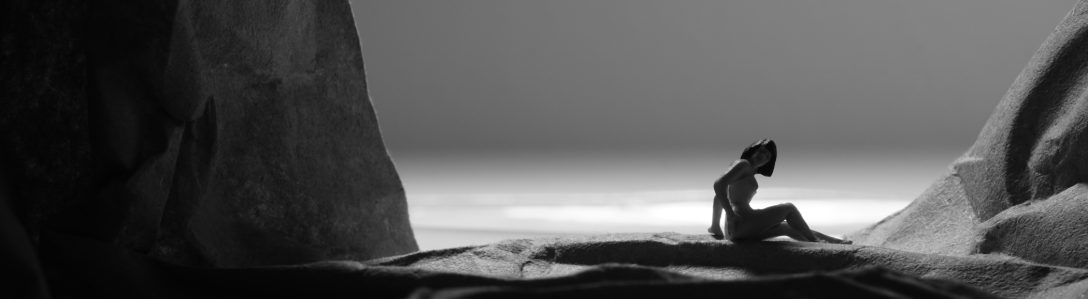
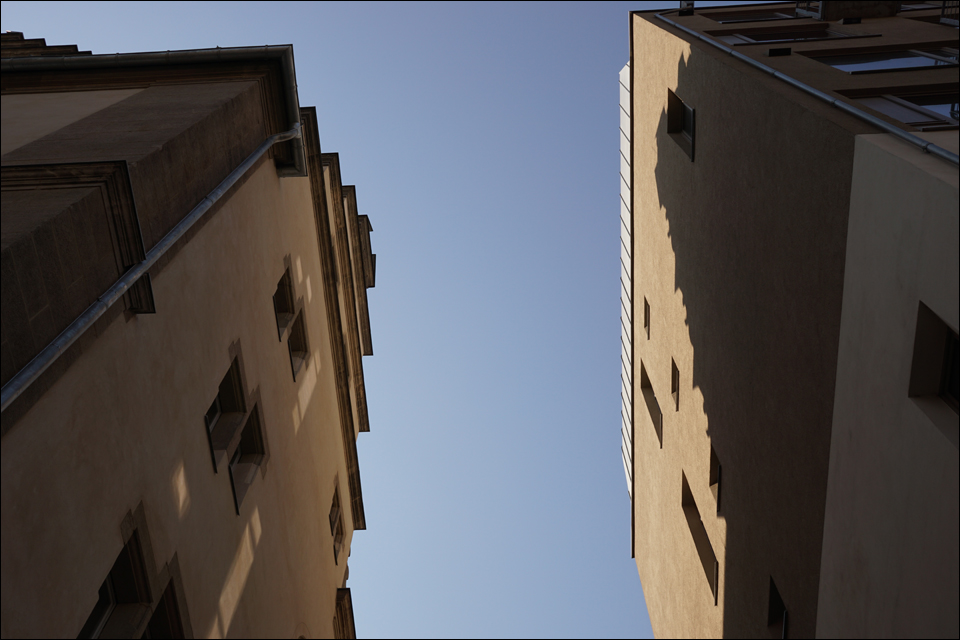
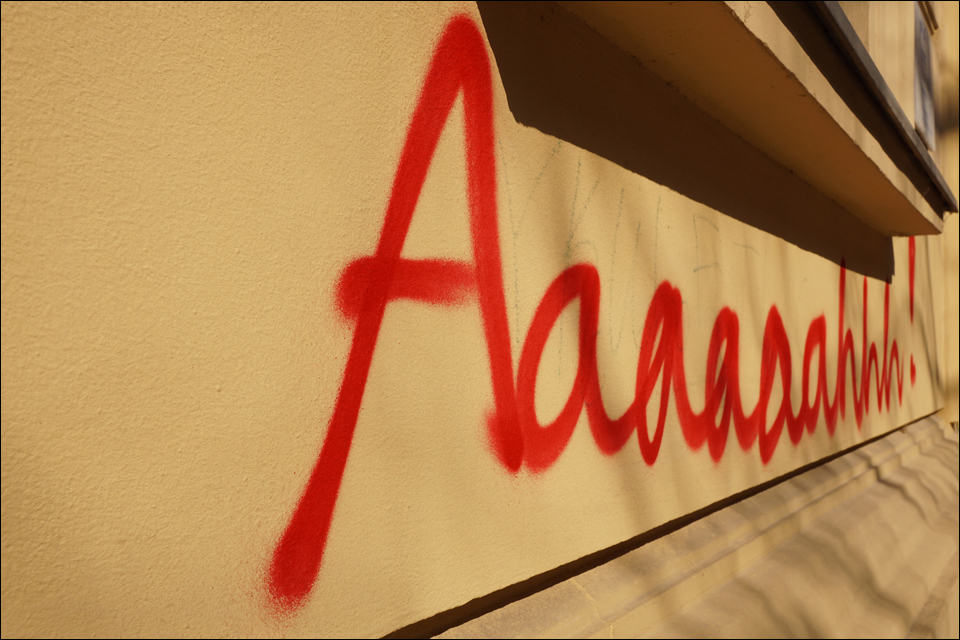


 Walking is such a good idea for photographers that I am always happy to participate in Jo’s Monday Walks: This sequence was made during a stroll in Berlin’s Prenzlauer Berg neighborhood which is about to become very posh. A partial eclipse of the sun accounted for very strange light for a while but I did not include the photos made during the eclipse though because they somewhat ruined the atmosphere of this selection.
2/3. Ephemeral


Ephemeral – a response to this week’s photo challenge, continuing my collection of … what? Simple compositions? Windows and walls? Colours?
Project 03 | Understanding Art. KIT – TAU (2)


As I moved around the art, the art moved me..
Kunst im Tunnel (KIT) is one of Düsseldorf’s most original museum spaces. It is literally part of a tunnel, a little odd-shaped piece of concrete left over above the actual tube and beyond a beautiful riverside walk along the Rhine river. It is very low at one end and very narrow at the other, and between the two ends, it is shaped like banana, or rather a banana box. The place is worth a visit in itself.
Tau, on he other hand, is the German word for both dew and a rope. It was chosen as a title for the collective exhibition of a class of Düsseldorf’s academy of the fine arts. The leaflet explains that no single work is ascribed to a single artist, thus drawing a parallel to both dew and a rope which are both constituted by smaller elements (the droplets, the single threads).
As a way of exhibiting art, this seems to be halfway between the art school exhibition I showed before and the museum I plan to take you to in some upcoming posts.
Let me just add that being there with a permit to photograph, I felt like a kid in a candy store.
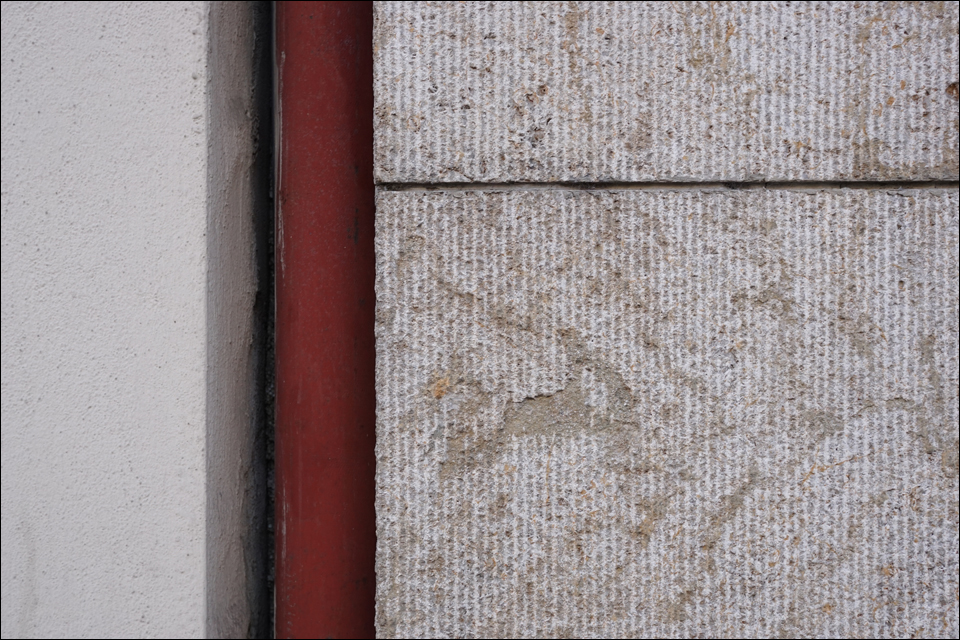
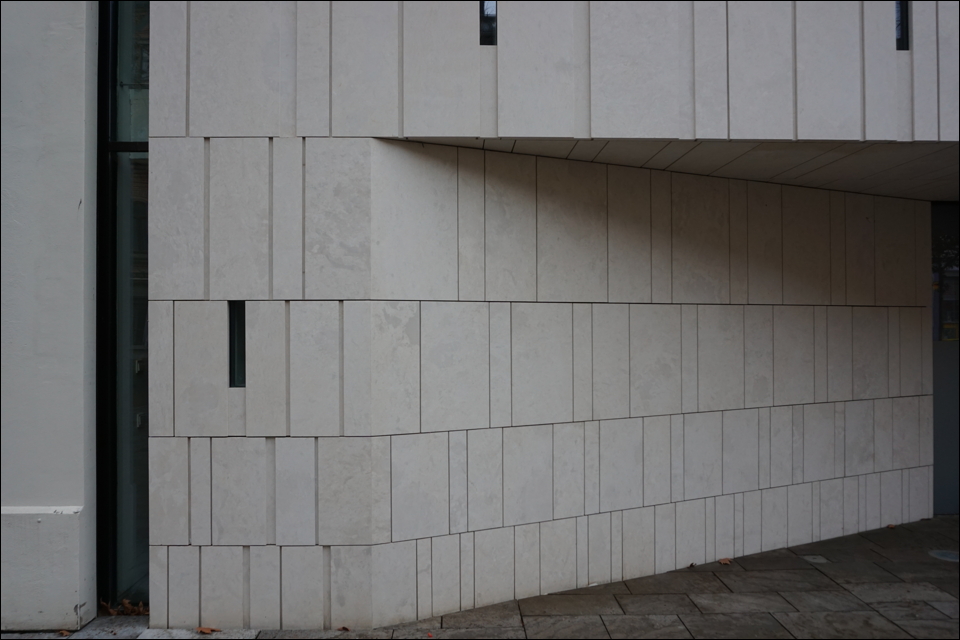
2/3. Joined Walls With Down Spouts


The Changing Seasons: Marching Into March
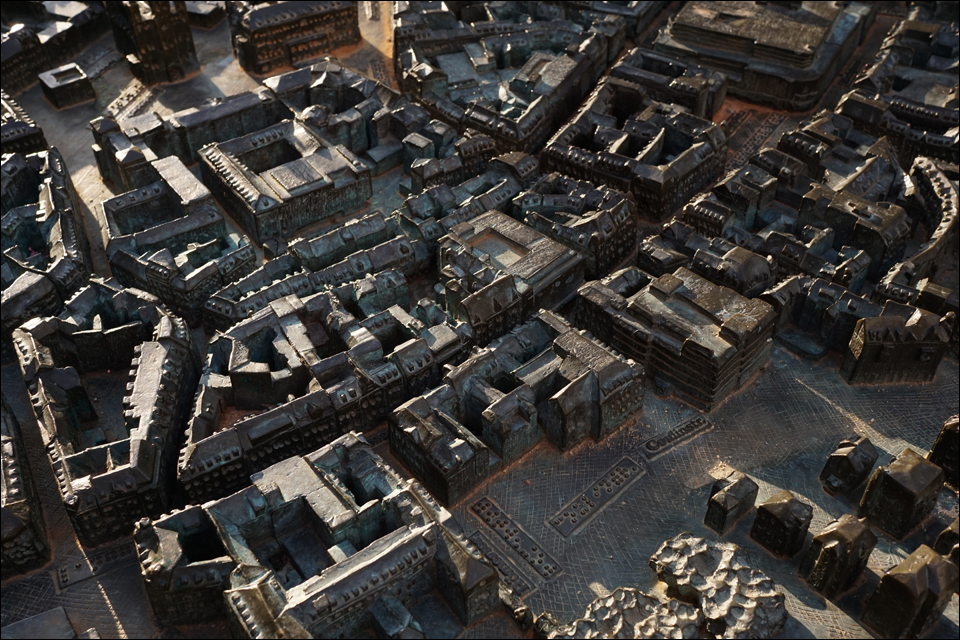
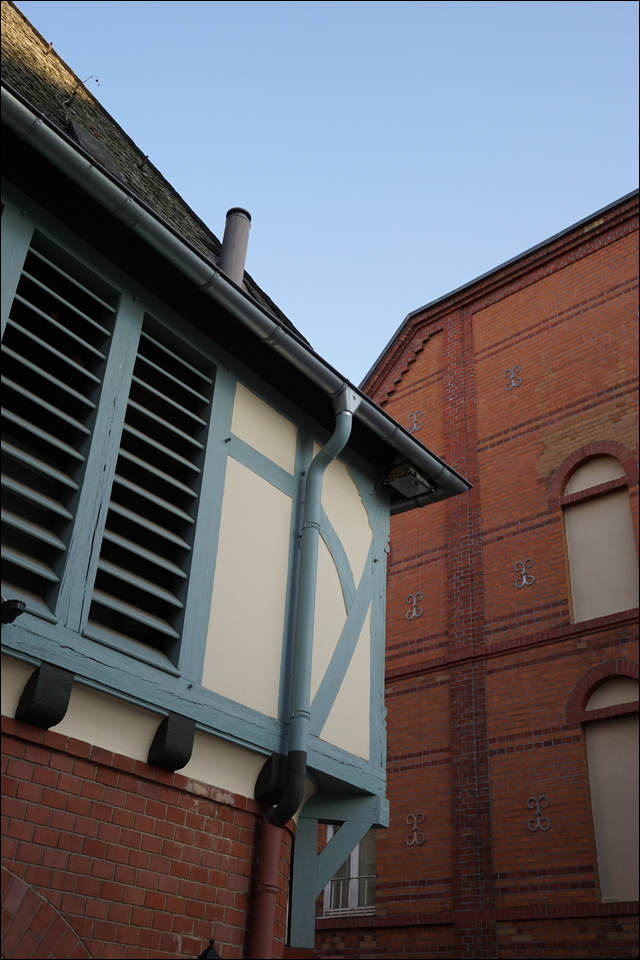
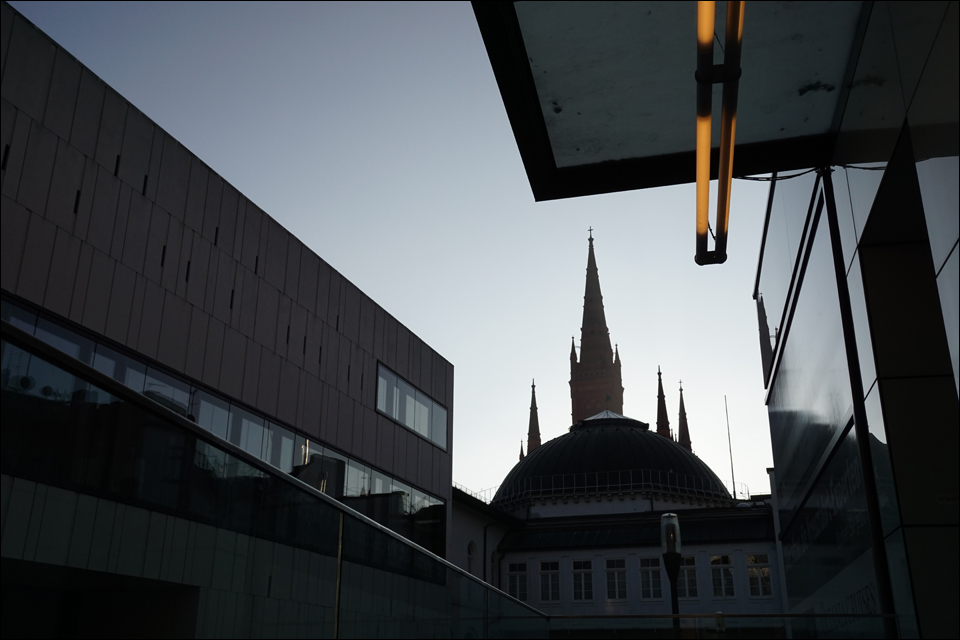
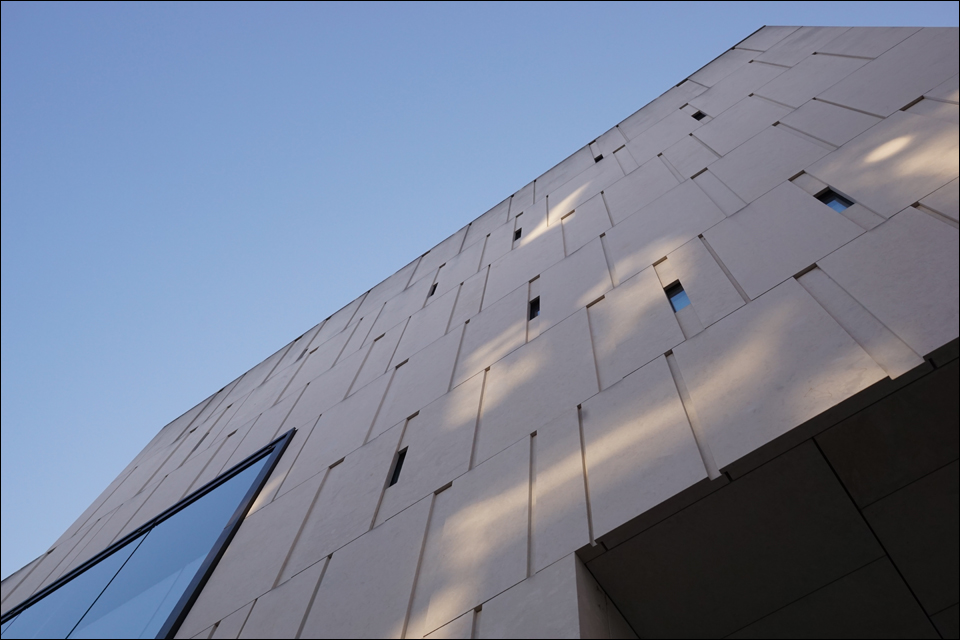
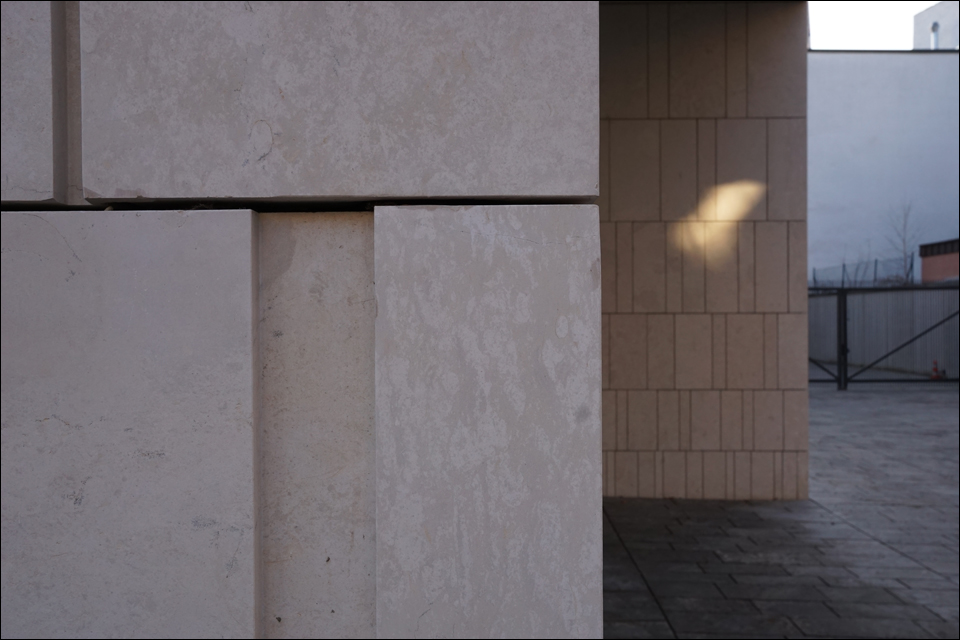
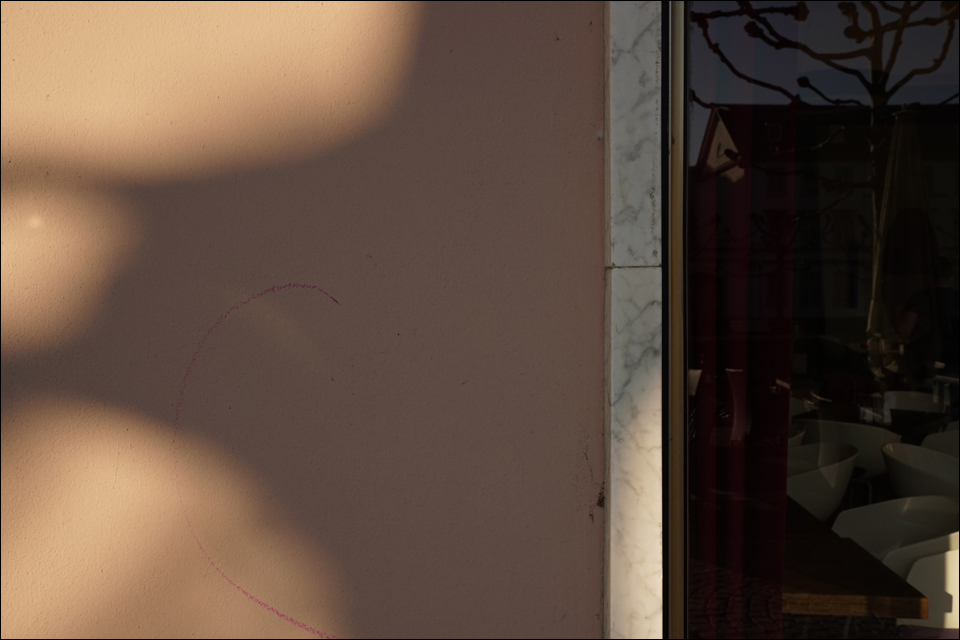
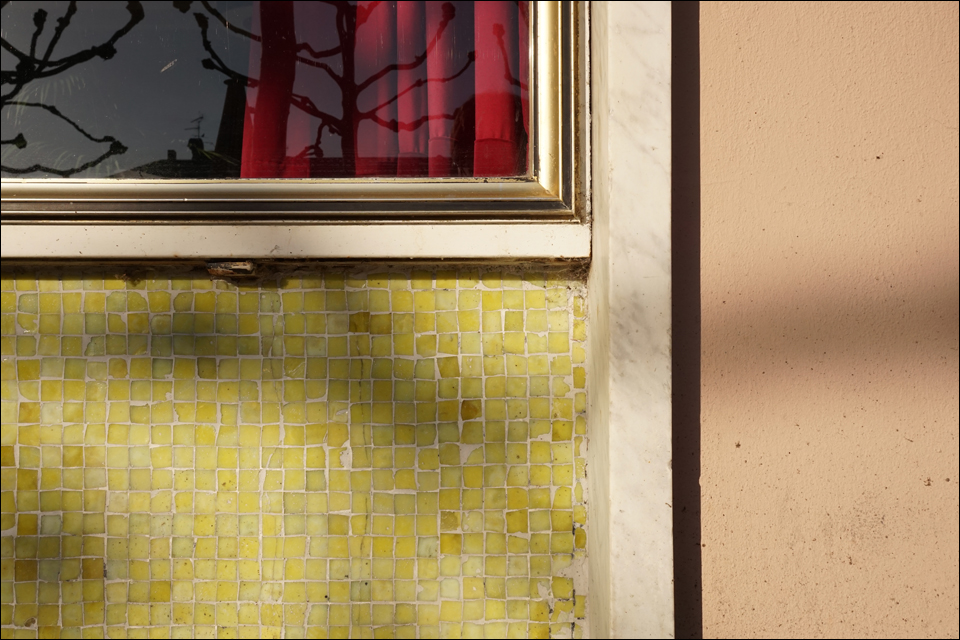
It is so sunny and nice outside that I just could not resist this title. Sorry for that.
So here’s my contribution to Cardinal Guzman’s monthly photo challenge. The pictures were made on March 9, 11 and 12 between 08.15 and 08.45 a.m. Same as in January and February, they show things I find on my way to work, mainly around the parliament of the federal state of Hesse in the heart of the city: My way to work en miniature, some older buildings around the state parliament building, the state parliament itself and two close-ups of a café that used to be a hair salon and still maintains that flavour of the seventies.
“Let Go of the Urge to Make Sense of What Is Seen”


Catching up on Paula’s photo challenge I could not resist this one – which is where I found the great quote I am now using as a title. I hope that these pictures really help you letting go of this urge so that you can “focus […] on the act of seeing rather than the intellectual processes of naming and analysing what is being seen.”
As I am uploading pictures from a new series called 2/3 (for no apparent reason), up pops another challenge: Wall. Well.
Project 03 | Understanding Art. Kunsthochschule (2)


2/3. Orange
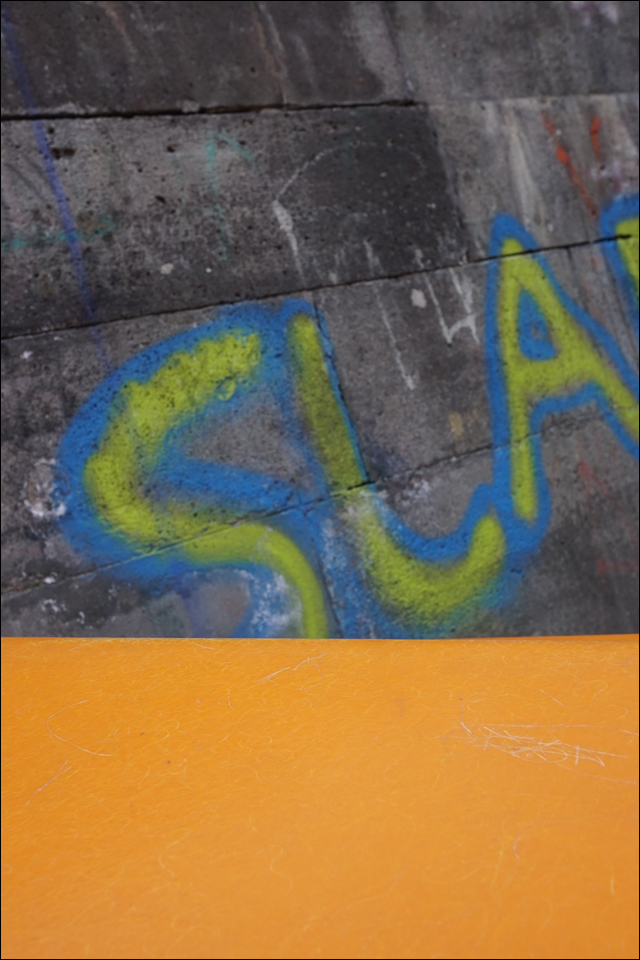 This is part of a series I am currently working on. The featured colour is orange here, so I thought it might be a nice addition to this week’s photo challenge.
Orange Interior
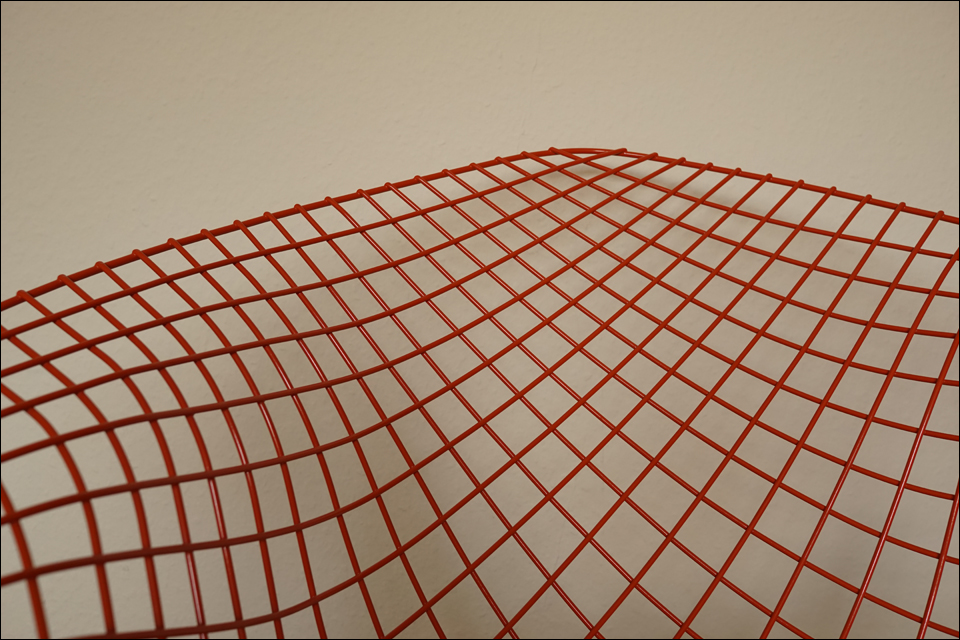
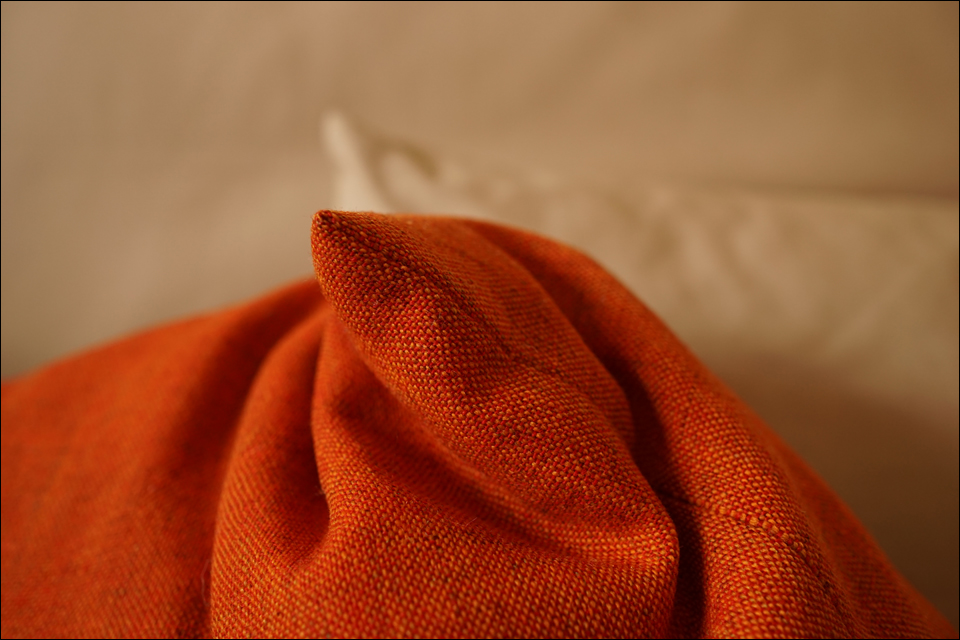 Favourite colour – so this is an easy contribution to the Weekly Photo Challenge.
Project 03 | Understanding Art. KIT – TAU (1)
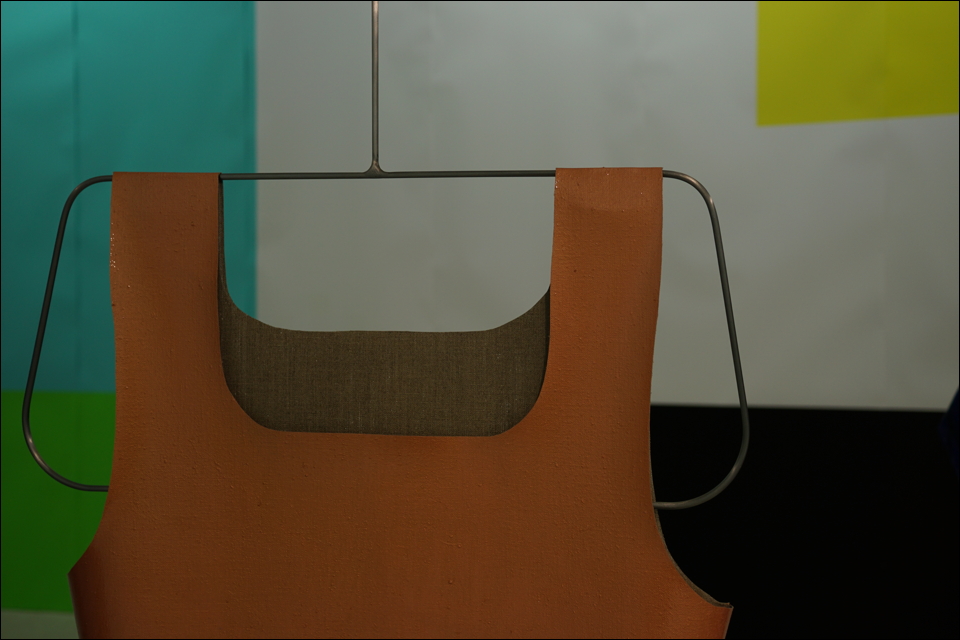


 After visiting a students’ exhibition at an Art School (Kunsthochschule) in Mainz, KIT – TAU took us to a public exhibition space in Düsseldorf. The works shown in KIT were made by art students from Katharina Grosse’s class. Grosse will have her work exhibited here in Wiesbaden in the late summer. The art world is a small world.
Museum Wiesbaden will be featured soon, so that this series proceeds from the atelier to a formal museum in three steps.
The general idea of this series: “Challenge yourself, not by attempting to capture the artwork itself, but your experience of it” (Johan Idema, How To Visit a Museum. Tips for a Truly Awarding Visit. Amsterdam: BIS, 2014). This project is, indeed, intended as a challenge. So you are very welcome to participate. Details can be found here. | This is also my response to the Weekly Photo Challenge: Orange.
Project 03 | Understanding Art. Kunsthochschule (1)
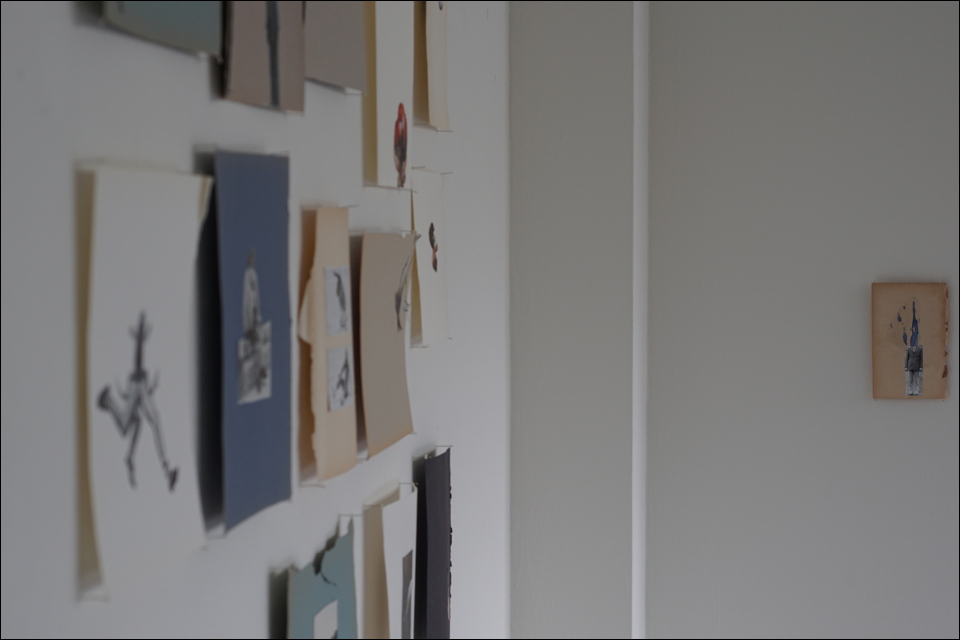

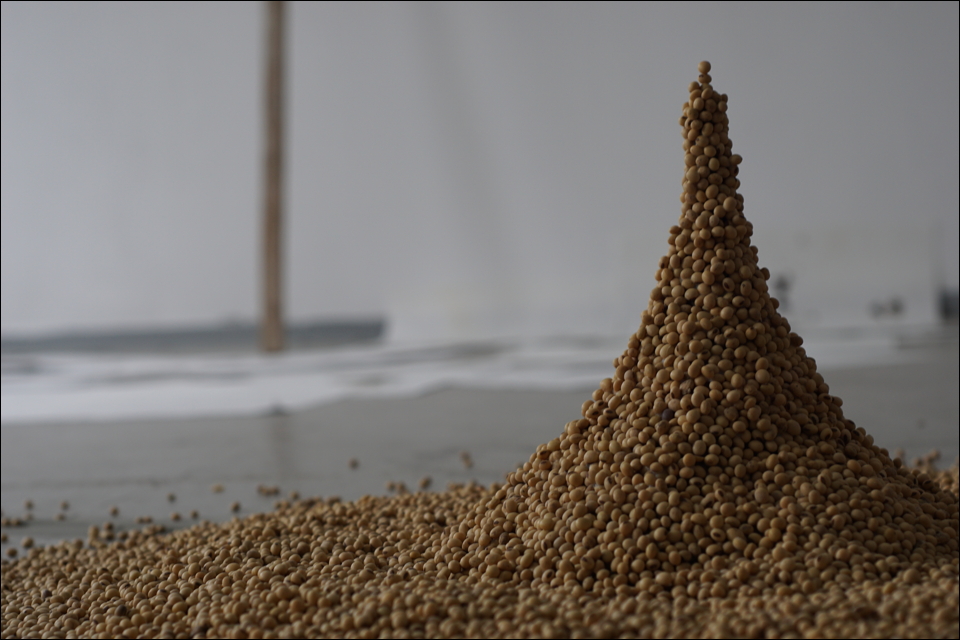
Seeing artworks in the ateliers they were made in is fascinating. The air at the Kunsthochschule (Art School) is heavy with paint and solvents; paint buckets, brushes and easels have been stowed away in a hurry; students seem to be compensating for last night’s lack of sleep rather than guarding the art and asking questions. Some smile (encouragingly?) when the see me making pictures.
Visiting the academy and getting a glimpse of the actual work environment is quite different from going to a museum. But does it help in understanding the works?
If you study hermeneutics (the art and science of understanding), you’ll find the idea that to understand the artist, you need to understand the circumstances under which he or she worked. While I doubt I always want to understand the artist – understanding art is tough enough – visiting an atelier lets me see the works in a ‘fresher’ or even ‘hotter’ state than any other environment (hypothesis: museums are for cooling art down to a more palpable temperature). And since understanding a work of art might as well be non-verbal, digesting it at its freshest might indeed help us understand.
Not to mention the fact that the physical access to the works seems to be way more direct. No one tells you to step back; you can wear your oldest trousers and roll on the floor to get the best point of view if you like. If art is a game, here is an invitation to play with it.
Speaking of invitations: This is part of this year’s third project in which you can participate: The idea is to (playfully) understand art through photography; details can be found on this page.
Project 03 | Understanding Art. Interjection
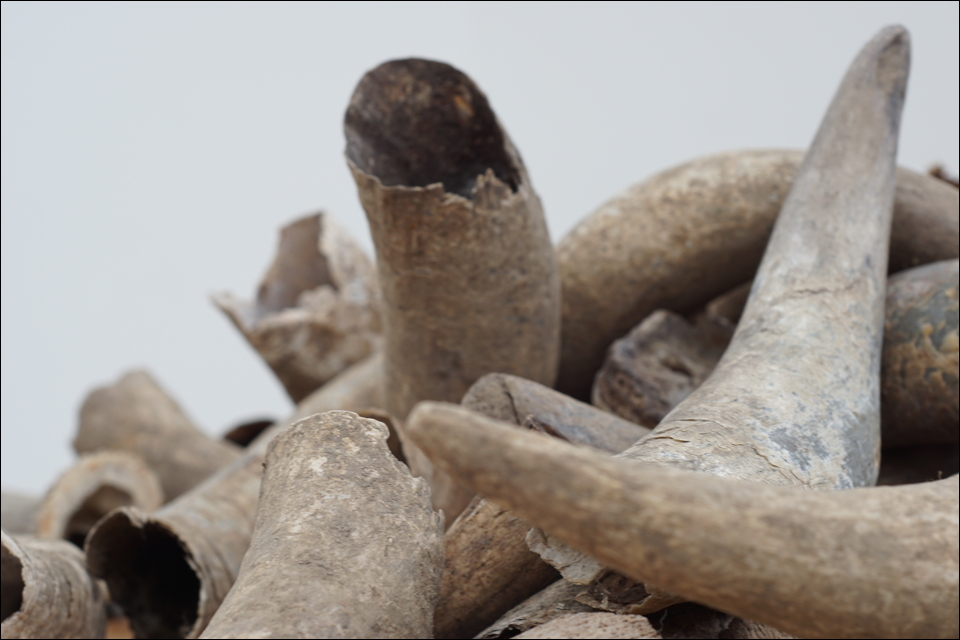
Sometimes even the most dubious characters in a mystery novel have a lot to say. In Ben Aaronovitch’s Whispers Underground, an artist speaks his mind: “There’s no point asking what a piece of work means, you know? If we could express it in words, do you think we would have spent all that time bisecting a cow or pickling a shark? Do you think bisecting a cow is somebody’s idea of a fun fucking afternoon? And then to have stupid people come up to you and say, ‘It’s very interesting, but is it art?’ – yes, it’s fucking art. Do you think I’m planning to eat the fecking thing?” (p. 285)
I kind of like the reasoning here: Art can be defined by the use we make of it. And it is hard to talk about. So why not try to understand it non-verbally? That’s what my March/April project is about. You can participate! Details can be found here and on the ‘2015 Projects’ pages.
Project 03 | Understanding Art

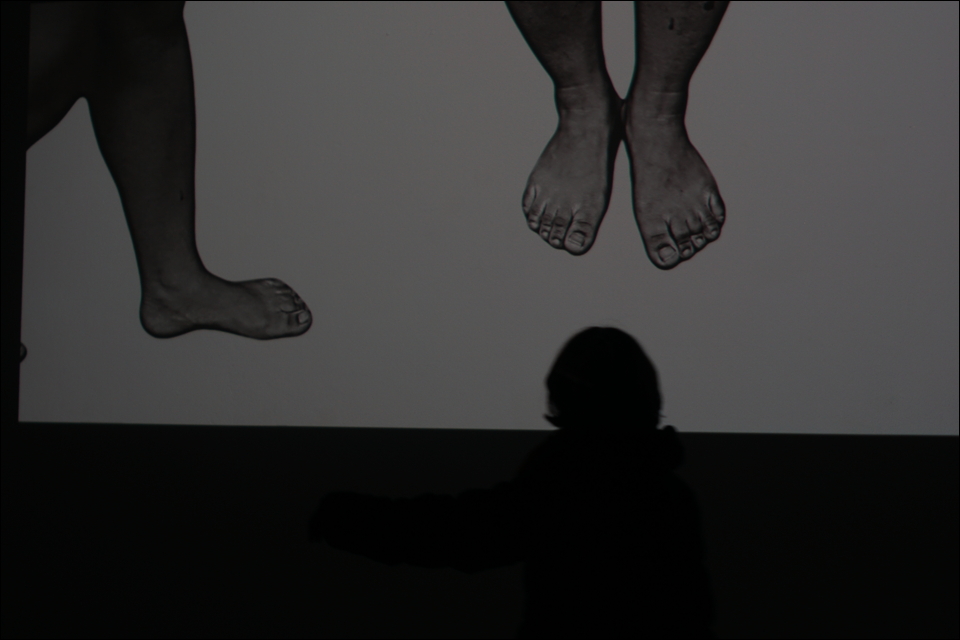
Making pictures helps me understand history and memory as well as architecture or nature or the aesthetics of a movie. In contrast to scientific understanding, I would like to call the insight I find using photographs aesthetic understanding. The goal may well be beyond language.
Now this idea seems to be supported by a rather new book about visiting museums. Among other things, the author suggests we make photos of the works we see: “Taking pictures is also a way of connecting to and participating in the art, as it unleashes our excitement and involvement. Taking a clever picture can lead to more meaningful interaction with art. […] Challenge yourself, not by attempting to capture the artwork itself, but your experience of it.” (Johan Idema, How To Visit a Museum. Tips for a Truly Awarding Visit. Amsterdam: BIS, 2014)
For this month’s project, the challenge is to make clever photos of a work of art, capturing your experience of it. If the museums you visit are too restrictive about photographing the exhibits, try to find an artwork that is displayed in public – I am sure there will be plenty of them once you start looking.
Since the projects I have in mind for this year are not simple, I decided to switch to a bi-monthly rhythm, giving us all more time to come up with ideas (or time to post more pictures).
The pictures in this post were taken at an art school where I happened to visit a students’ exhibition a couple of weeks ago. The works were on display in the studios, giving the exhibition an atmosphere of authenticity and immediacy, making the visitors part of it all.
Project 02 | The Elements. Take a Break
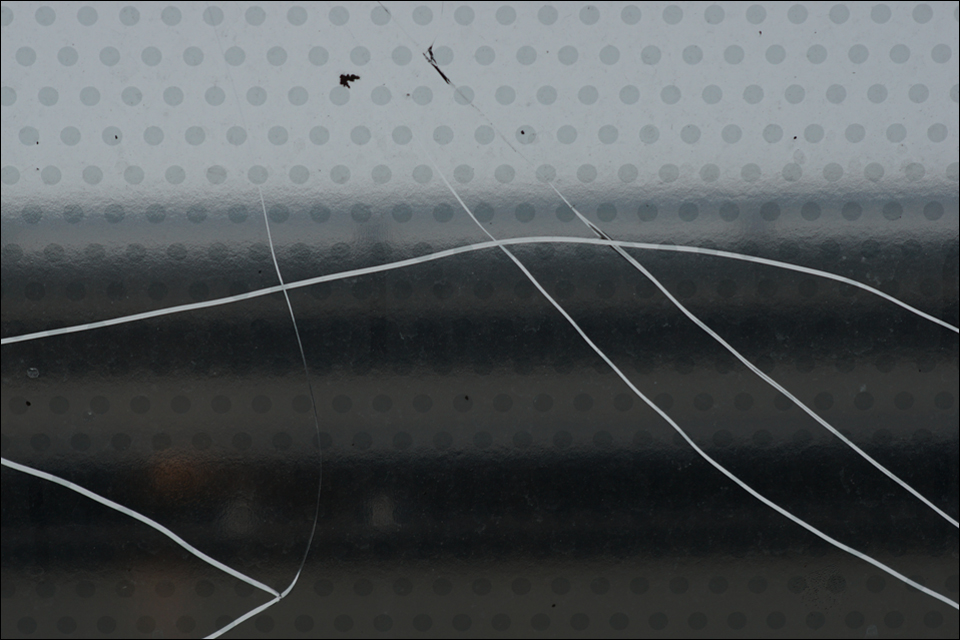 Although I went into a direction I liked with my last post’s armoured glass pictures, that’s actually what I will do. I will take a break from ‘the elements’ and return to the topic later because now I am all excited about the challenge I will start on Sunday: Understanding Art.
Project 02 | The Elements. Armoured Glass
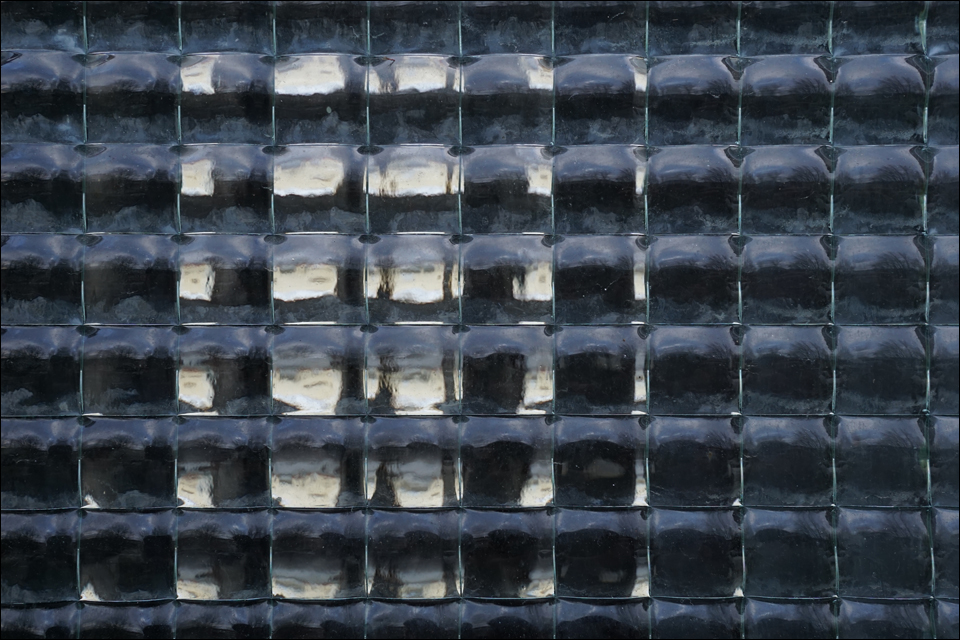
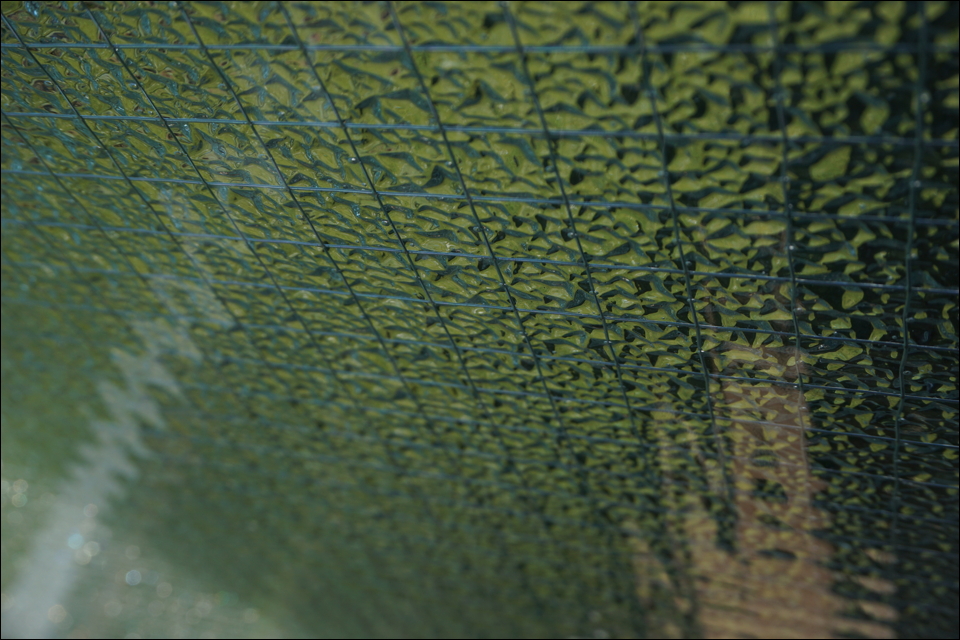
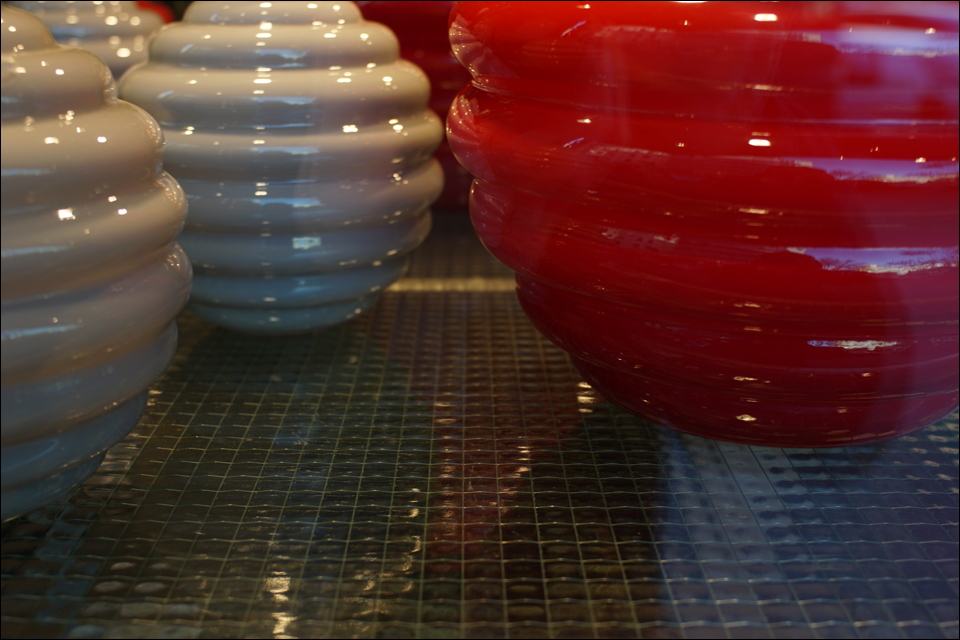
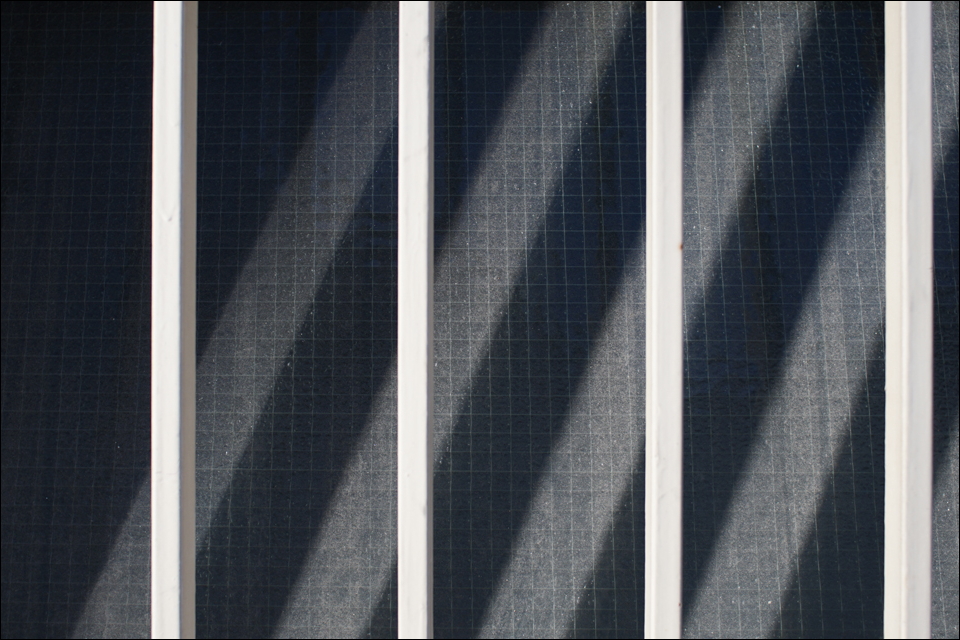
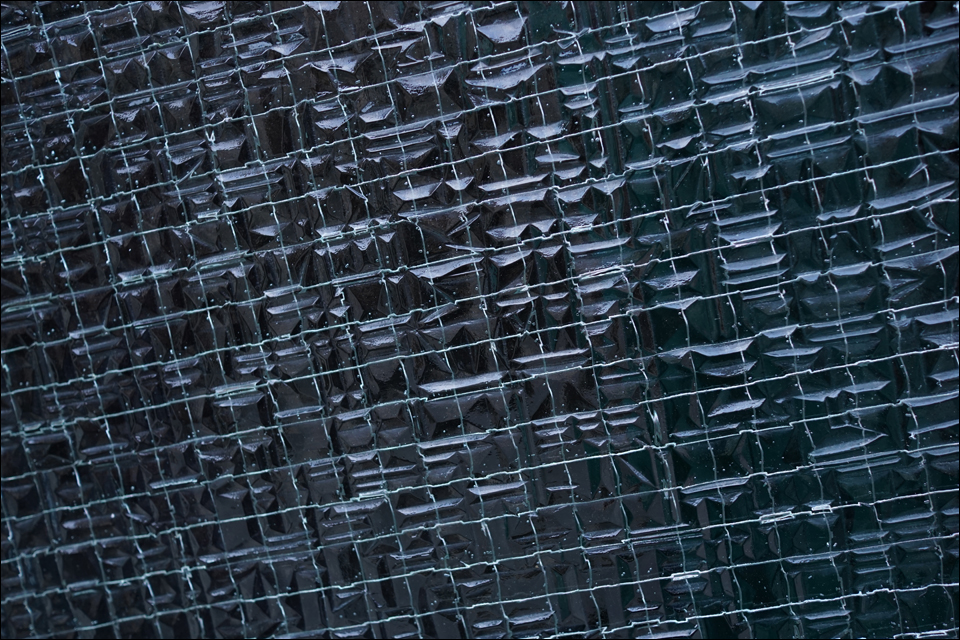
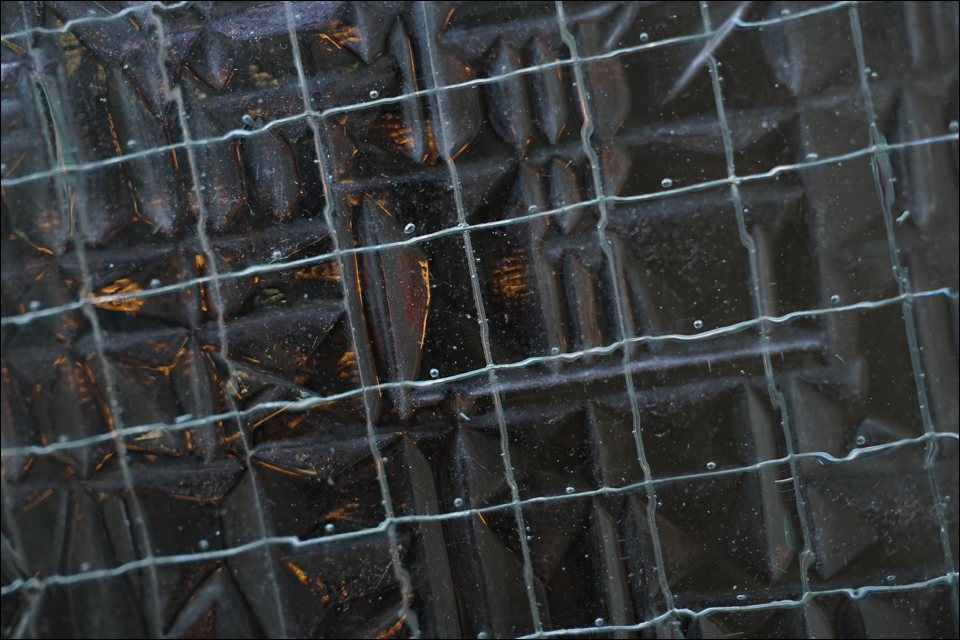
Armoured glass actually … is everywhere.
Project 02 | The Elements. Glass Door Abstractions
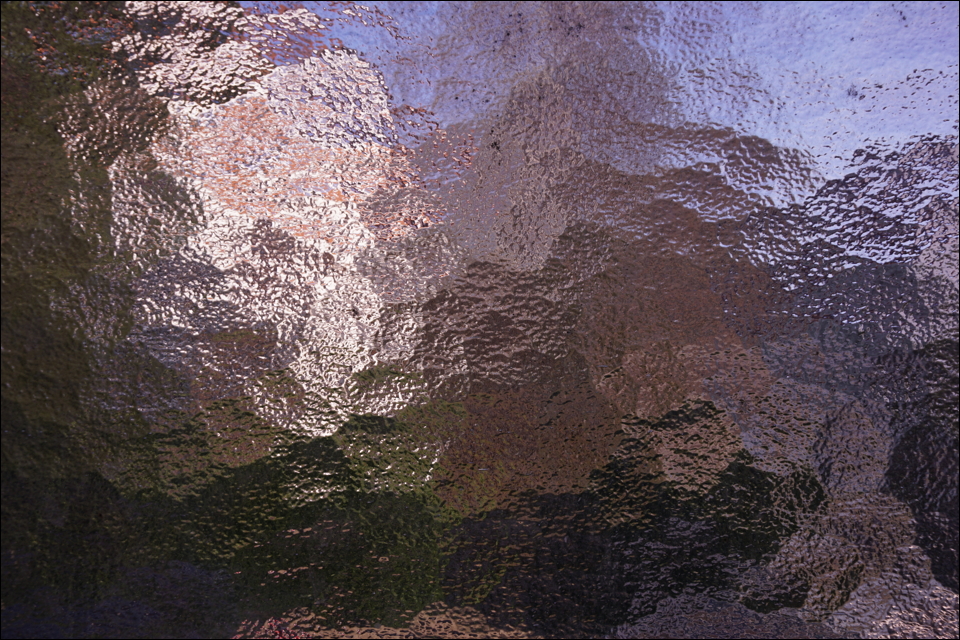
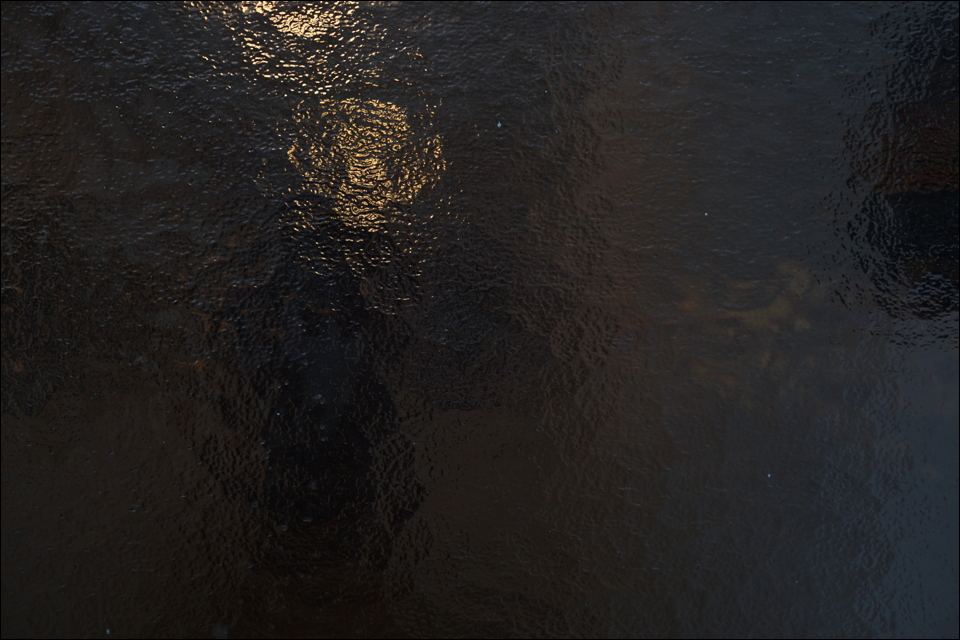
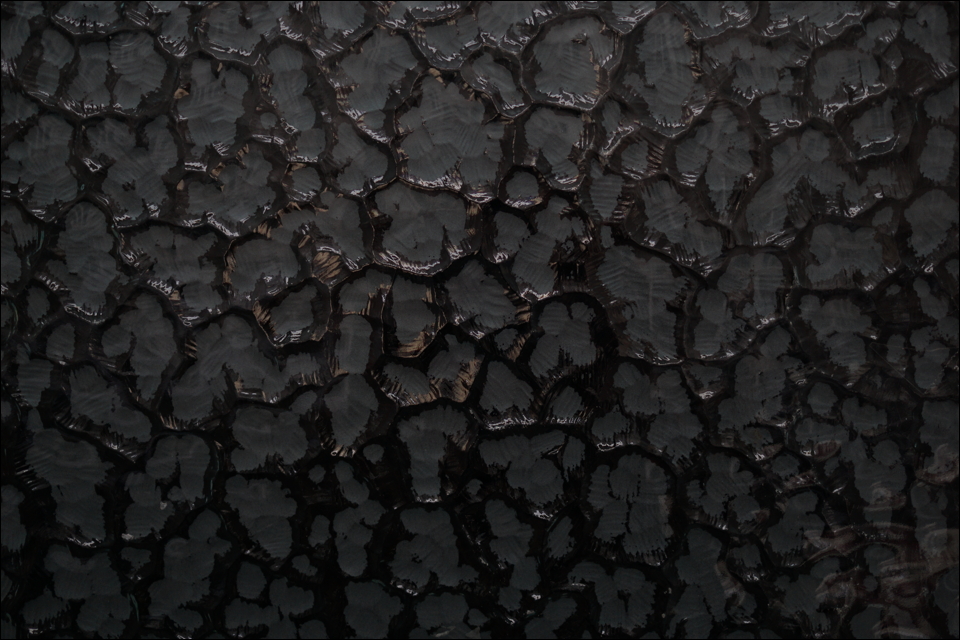 Look out. Look in. Or look at it.
Couple of Thirds (Glass)
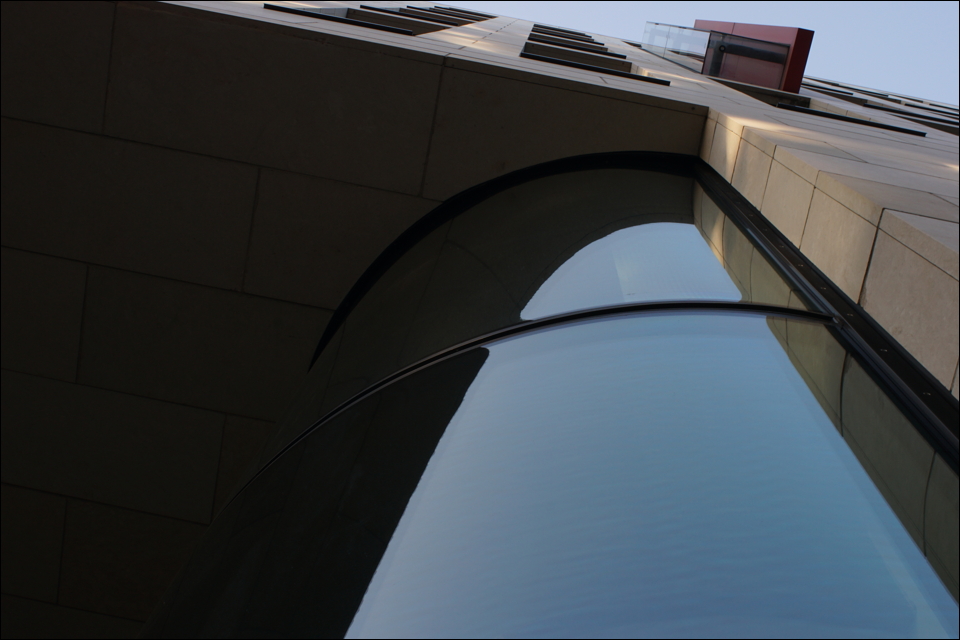
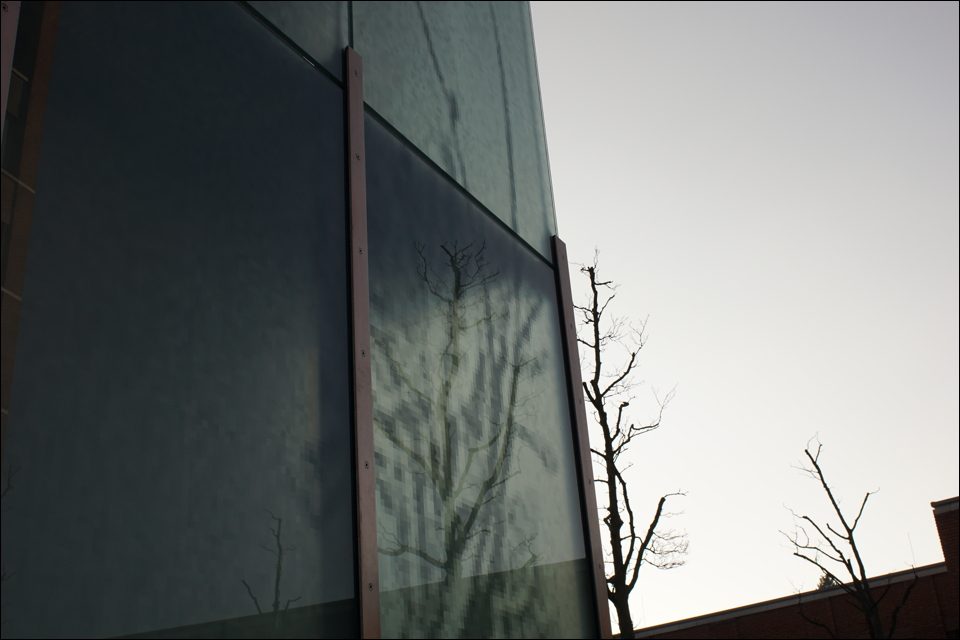
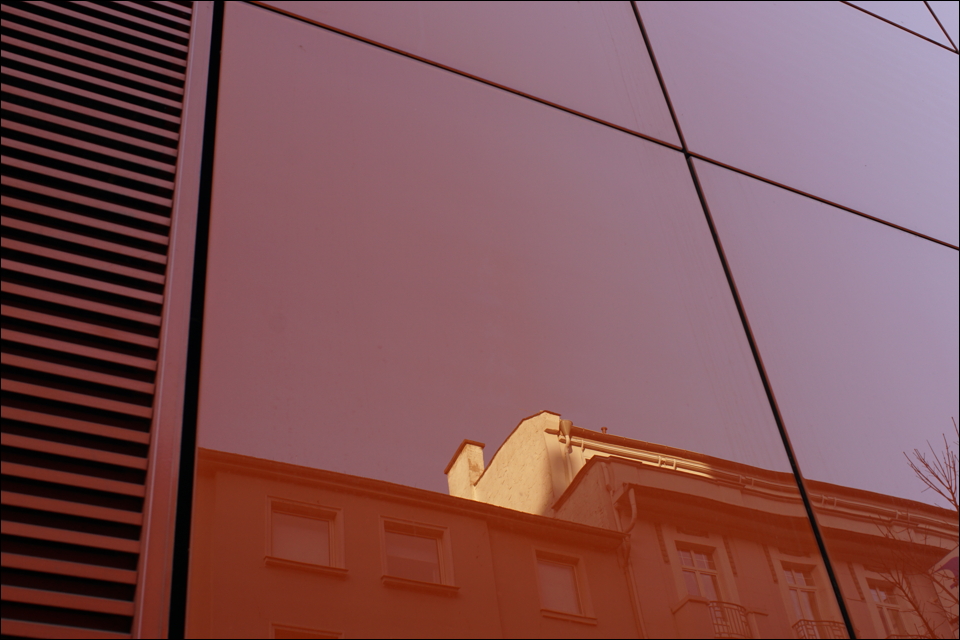
My contribution for the Weekly Photo Challenge – Rule of Thirds – corresponds with my own challenge: The Elements. I chose glass as an ‘element’ to be explored.
Less? More?
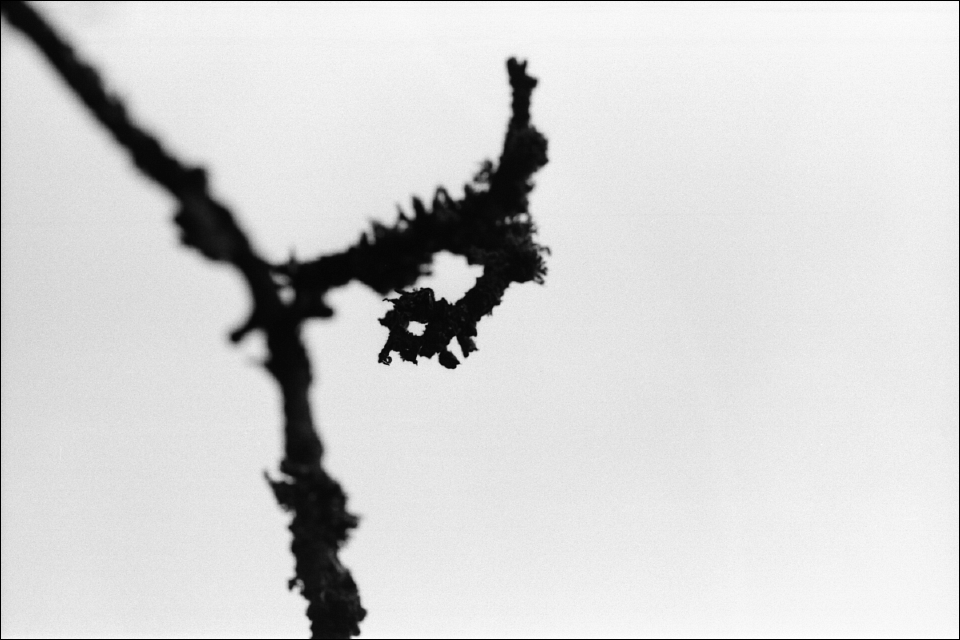
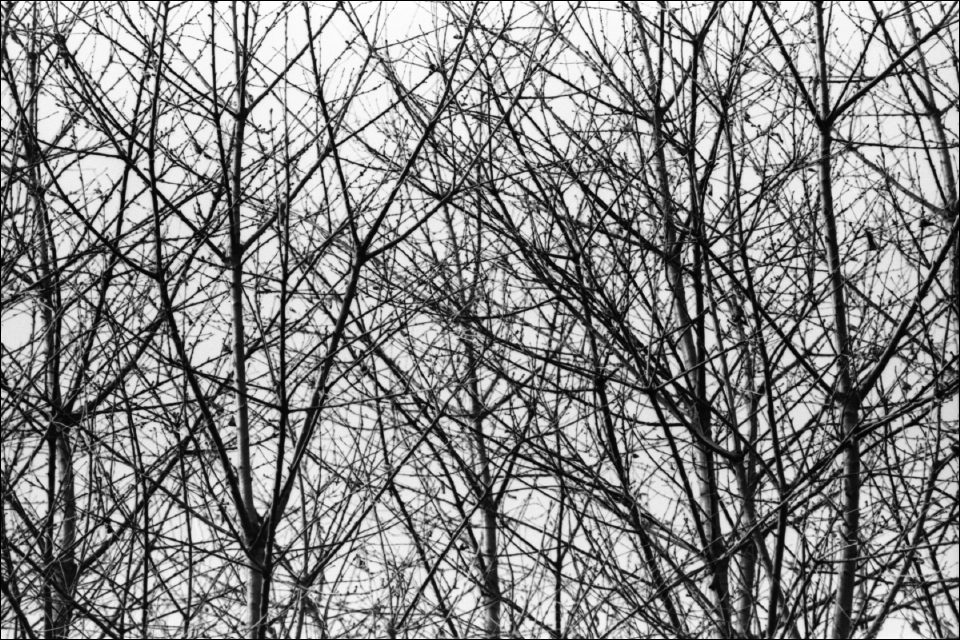
Since this is roughly from the area shown in the previous post, and since Paula asked for lines in her Black and White Challenge, I would like to share these impressions: Yes, I still do black and white!
A Walk in the Forest
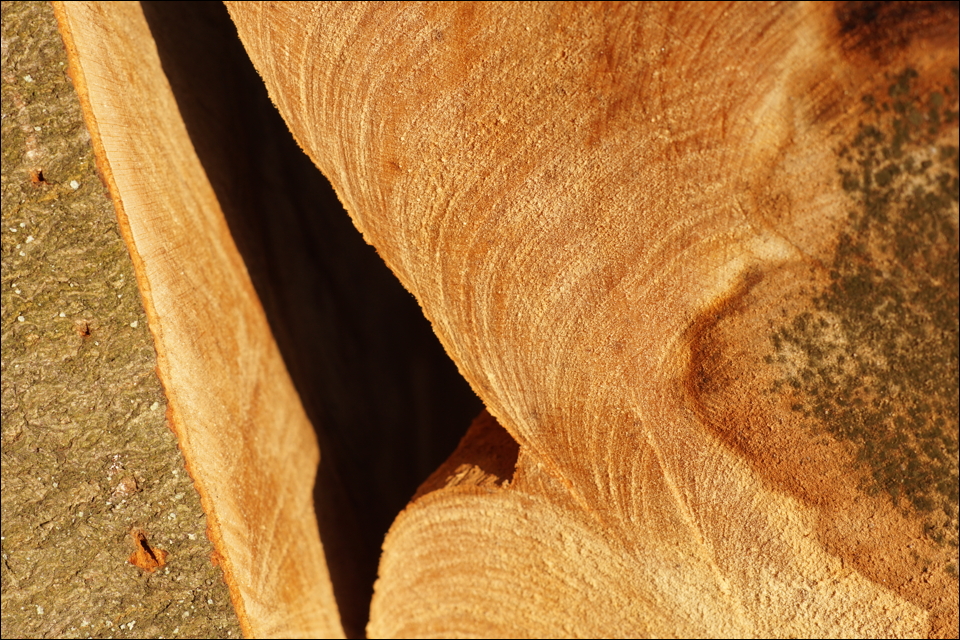
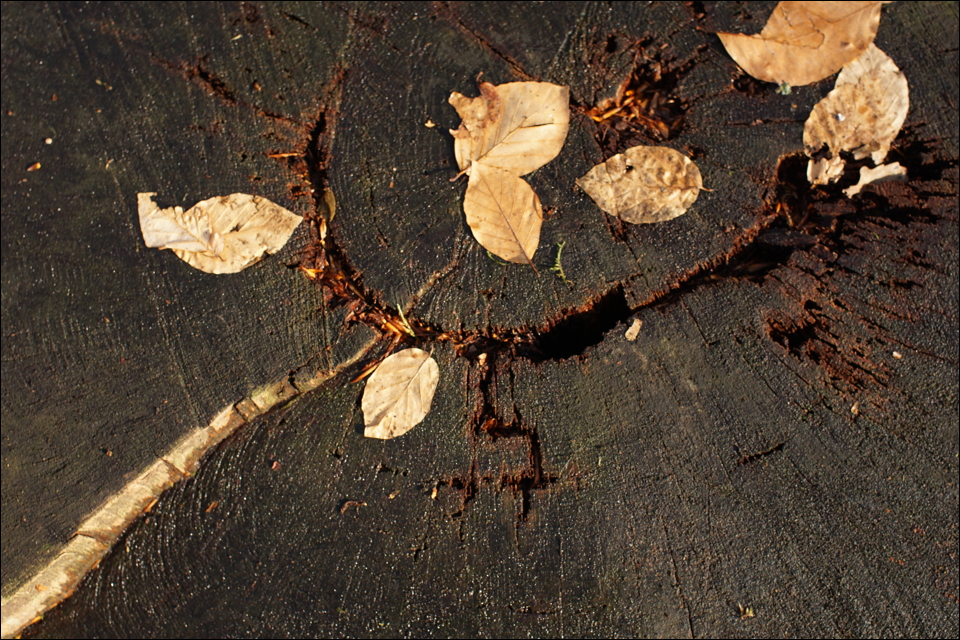
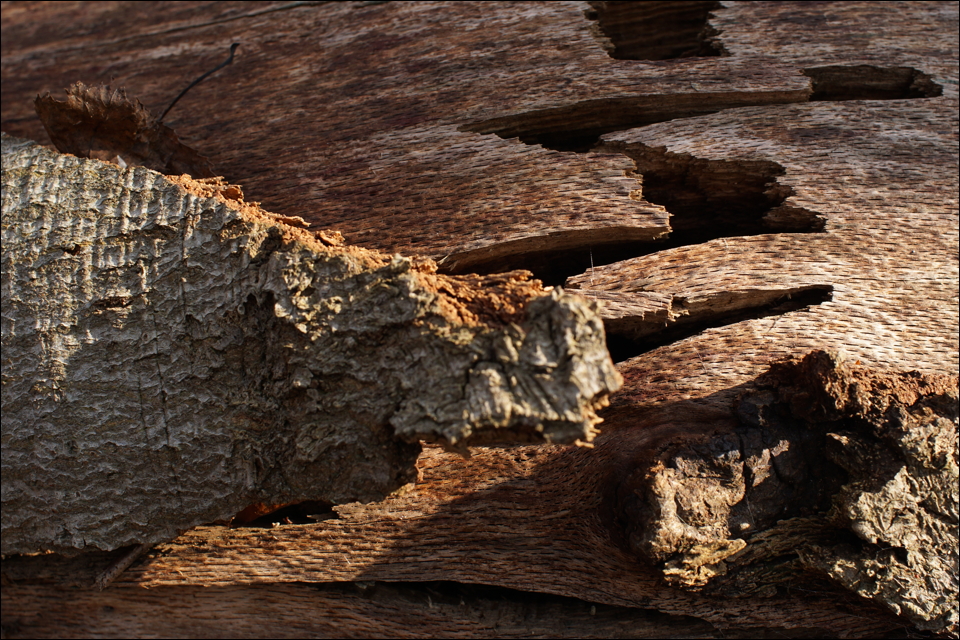
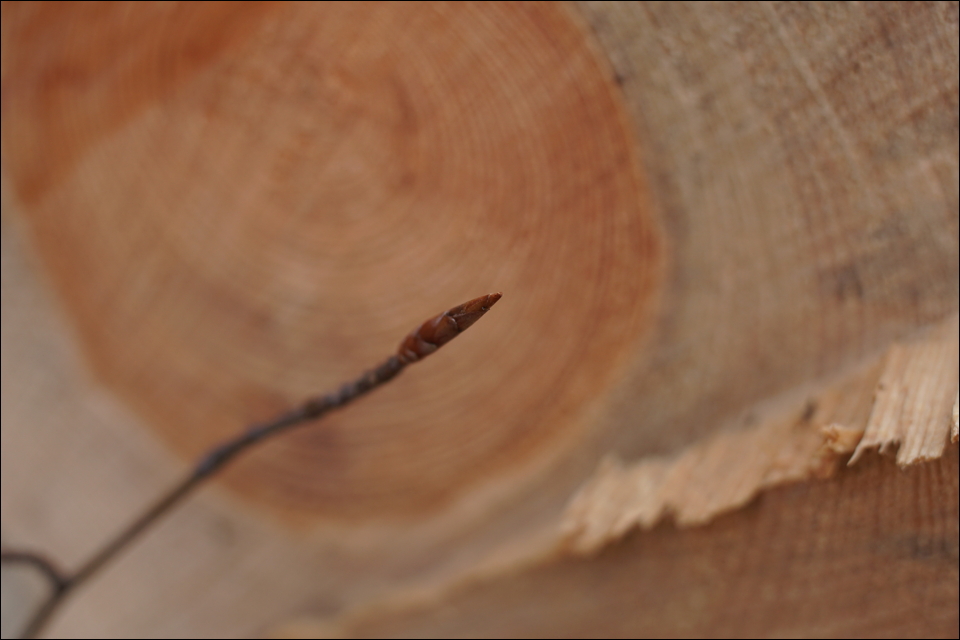
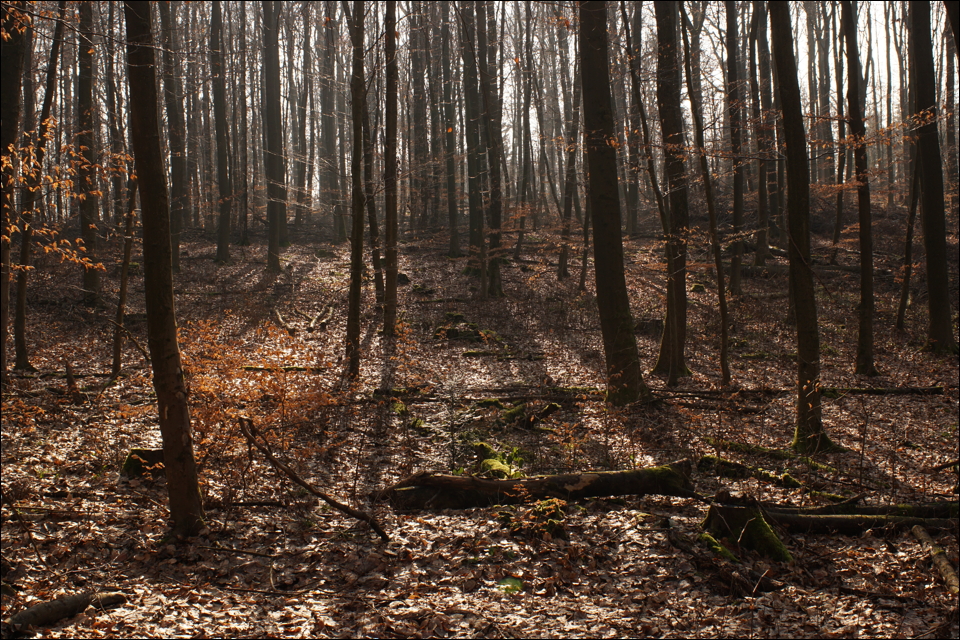
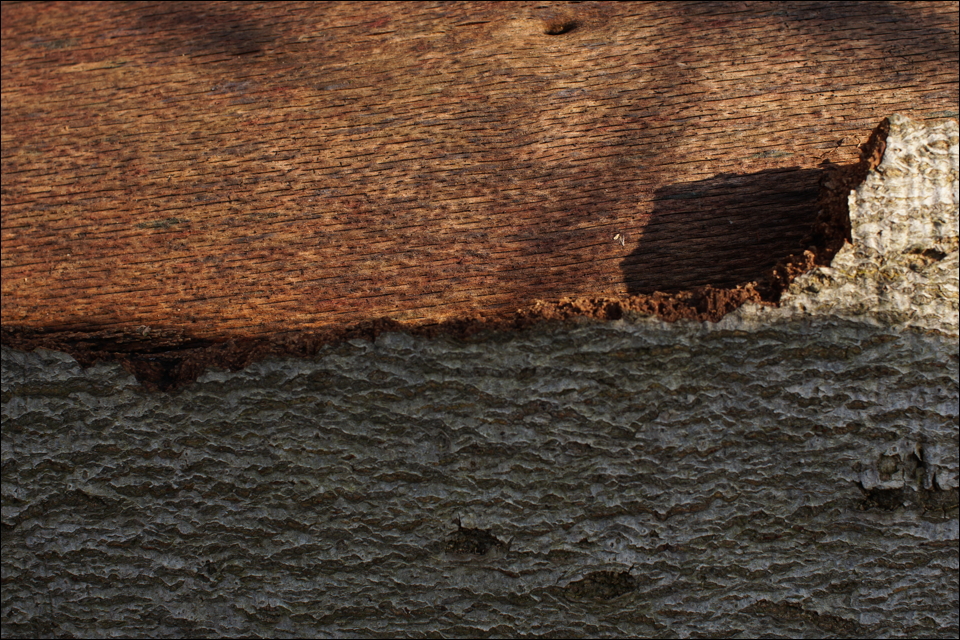 While I’d had in mind to post these pictures in my own ‘elements‘ gallery – demonstrating that I am more at home with wood than with glass – I realized that today’s pictures also show what we saw on our walk in the nearby Stadtwald (“city forest”). So I decided to share these in the context of Jo’s Monday Walks. And so everybody can see where we were, I included the bottom picture.
[Although I am not into tech talk, I would have been grateful for this kind of information when I was trying to make up my mind about using Sony’s Alpha 6000 camera with Nikon AIS lenses – so here we go: The first picture was made with aforementioned camera and a Nikkor 85/2 AIS, the rest of them with my favourite lens, the Nikkor 28/2.8 AIS. They seem to quite work well with the camera. Though focusing manually can be a hassle with the small EVF, it is also fun.]
The Changing Seasons: Early February Mornings
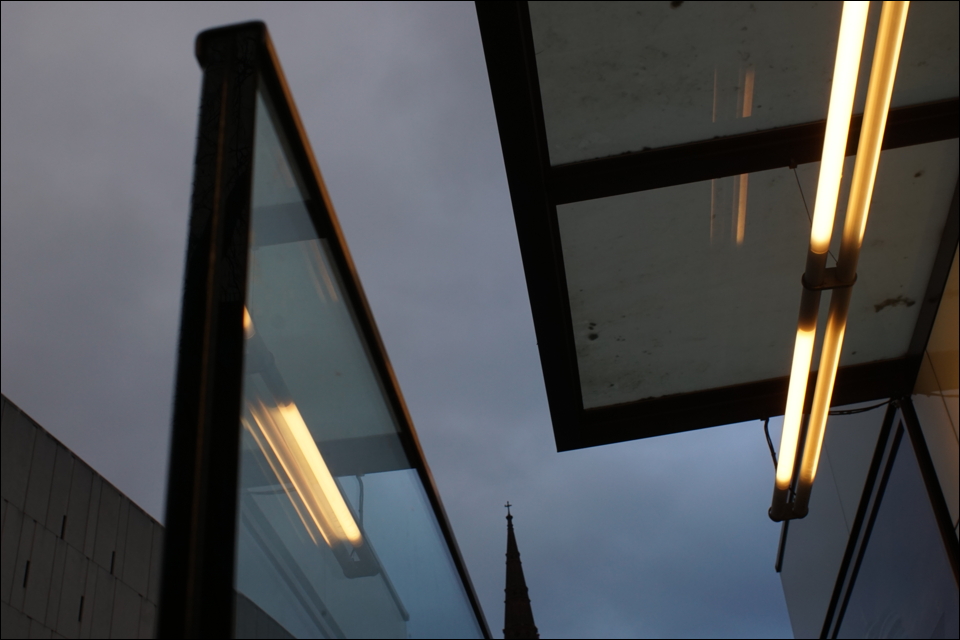
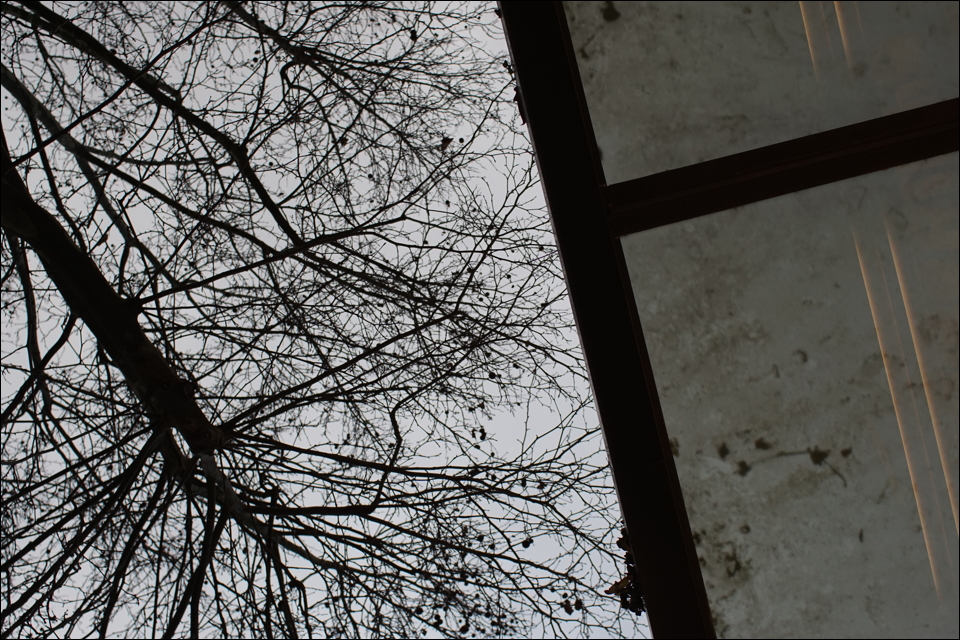
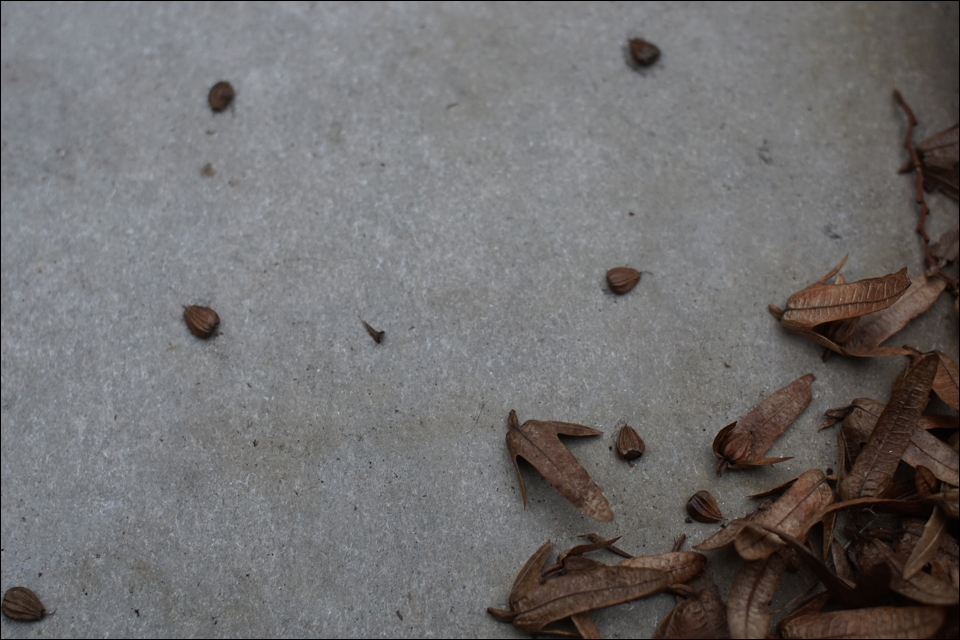
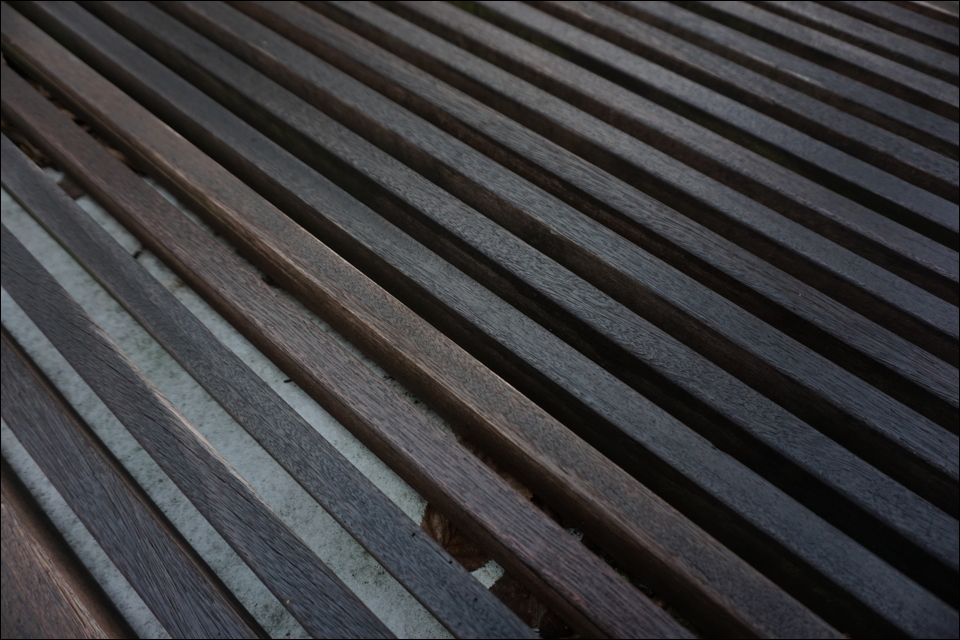
A contribution for Cardinal Guzman’s Monthly Photo Challenge: “Find a location near your home, take somewhere between 5-20 photos and post them in a gallery in your blog. Continue to do this every month. For my project I’ve chosen the general area ‘downtown Oslo’, but if you like to, you can choose a more specific area like a park or a building. It doesn’t even have to be a city. If you live on the countryside, there’s probably plenty of locations to choose from nearby: a field with some trees, a beach, a mountain, or just a simple dirt road? It can be whatever. Just keep the project going throughout the year. Try to shoot every month, so that in the end of the year, you’ll have a nice and diverse set of photos in your portfolio. The idea is to capture all the changes: the seasons, the weather, different times of the day, some night photography perhaps?”
The pictures were made earlier this week; after I showed the general setting of one of my favourite places in the corresponding January post, I decided this time to get closer to what fascinates me.
 empire of lights