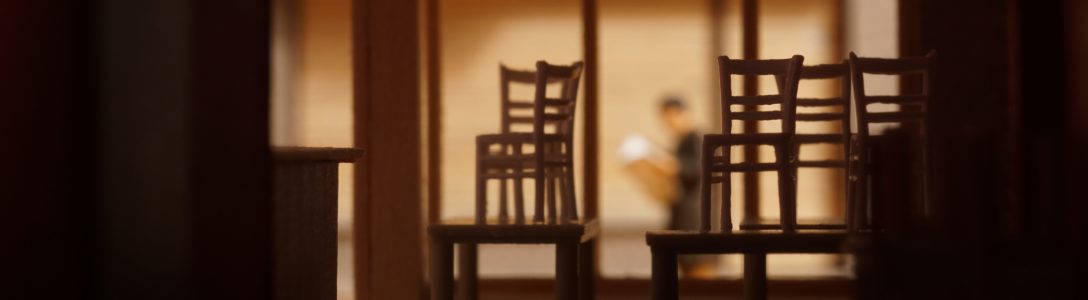


Rain Sonatina

Rainy Summer Blues


Geomorphology (Iona)


VROOM!
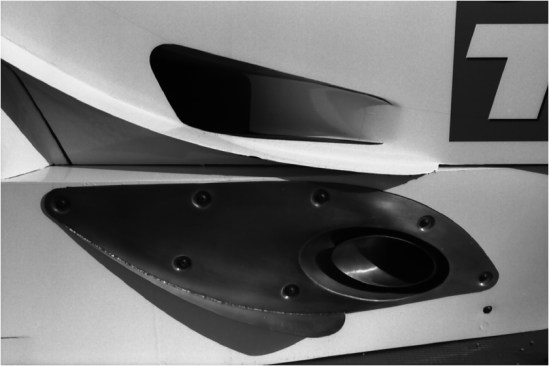
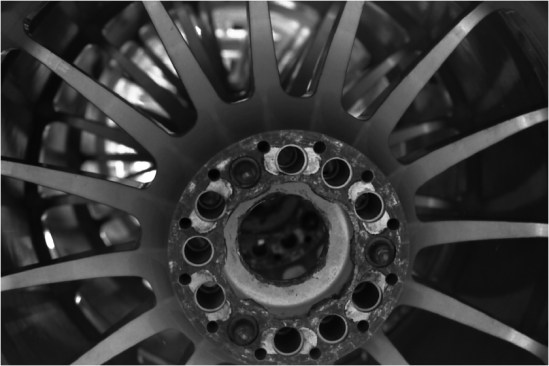
Fishing Equipment (Iona)
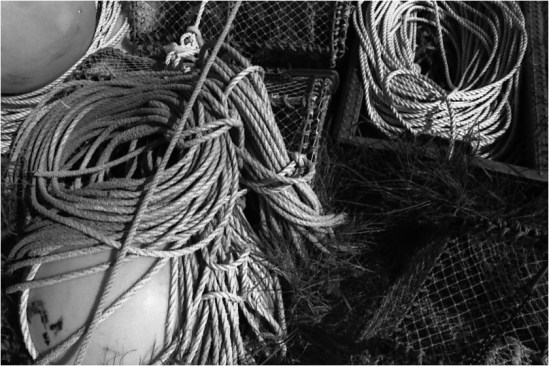

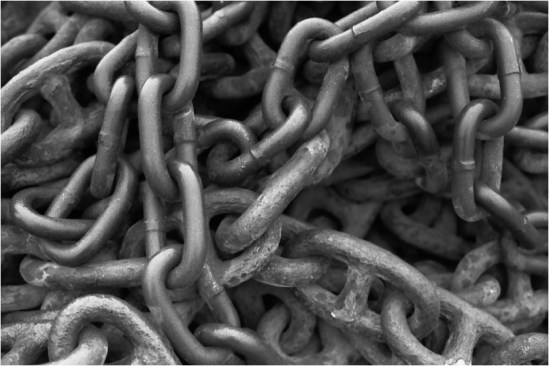
Anchor Chains (Iona)
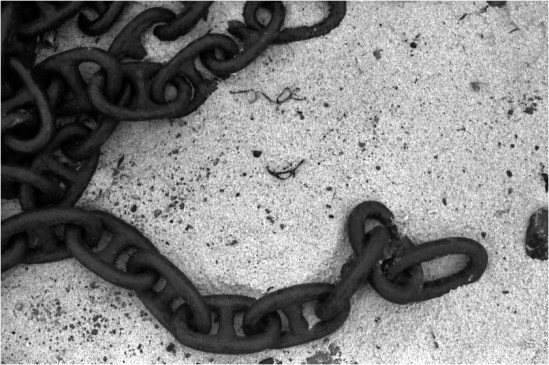
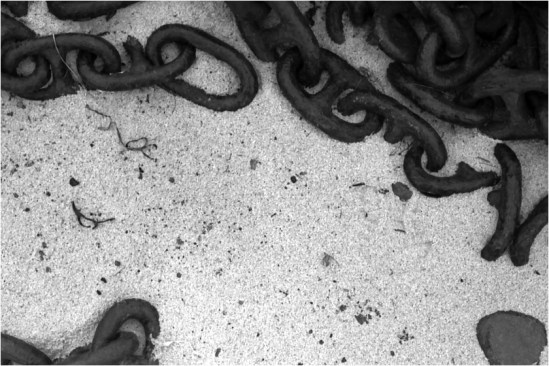
“Das Zeug hat seinen Platz, oder aber es ‘liegt herum’, was von einem puren Vorkommen an einer beliebigen Raumstelle grundsätzlich zu unterscheiden ist. Der jeweilige Platz bestimmt sich als Platz dieses Zeugs zu… aus einem Ganzen der aufeinander ausgerichteten Plätze des umweltlich zuhandenen Zeugzusammenhangs.” (Martin Heidegger)
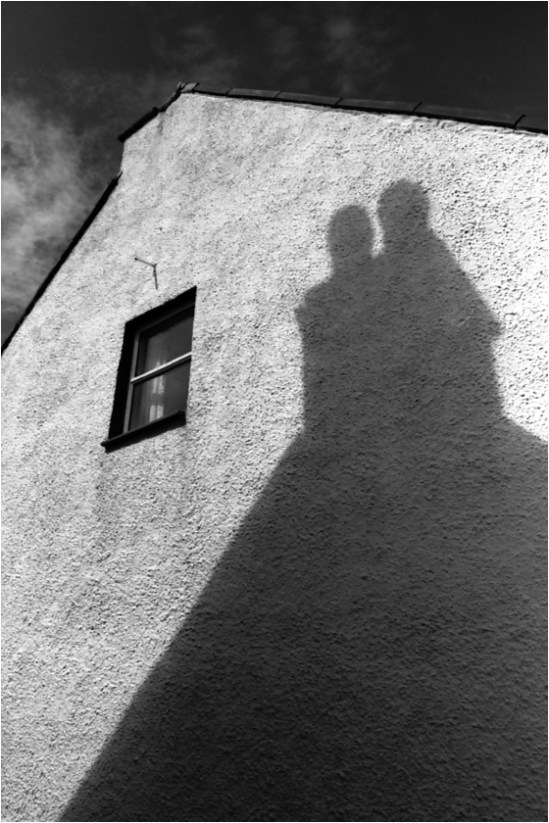
Scottish Gables (Iona)
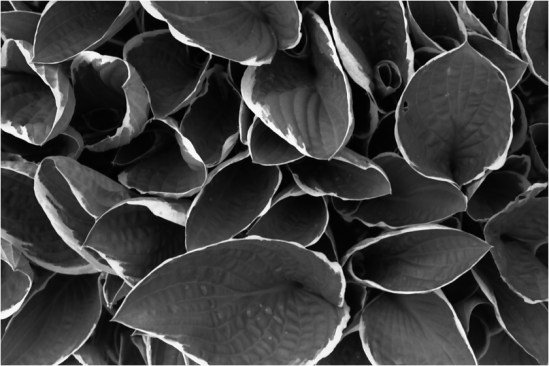
Shipping and Gardening
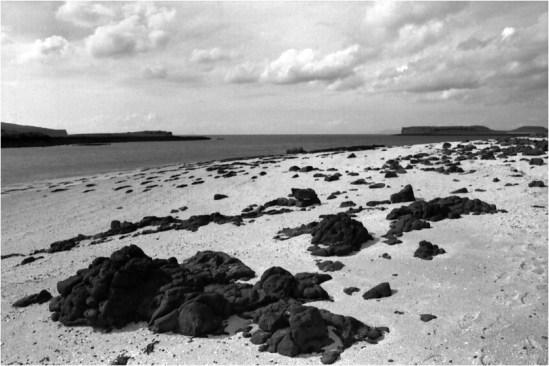
Coral Beaches (Isle of Skye)


Coral Beaches, near Claigan (Isle of Skye)


Claigan to Cnoc Mòr a’ Ghrobain (Isle of Skye)
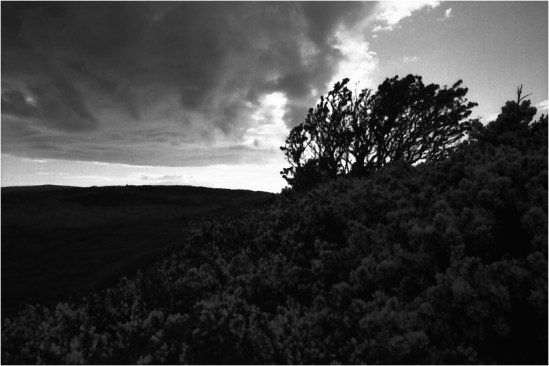
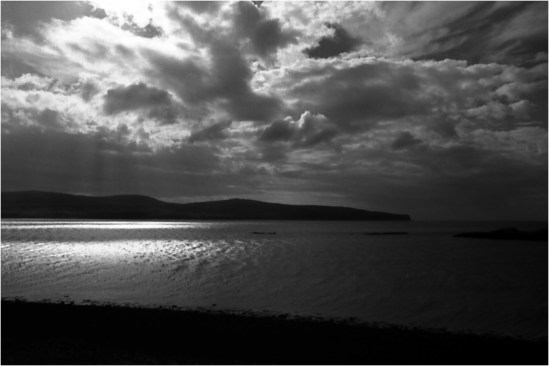
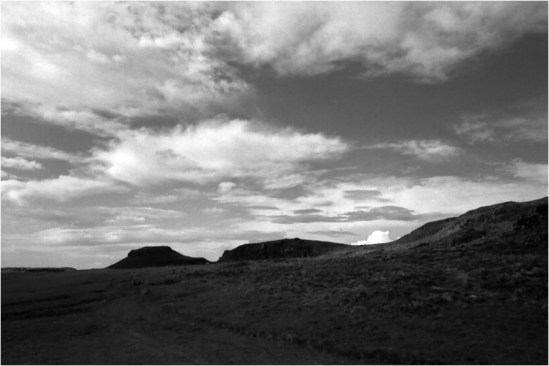
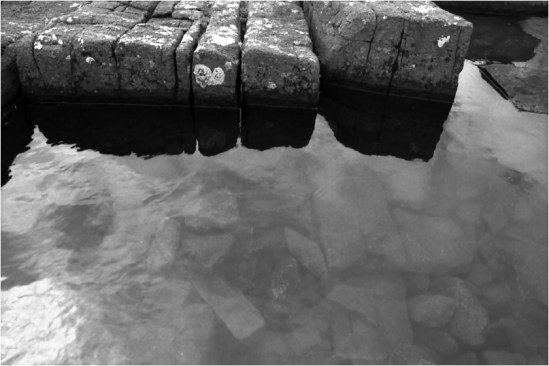
Neist Point Pools and Rocks (Isle of Skye)

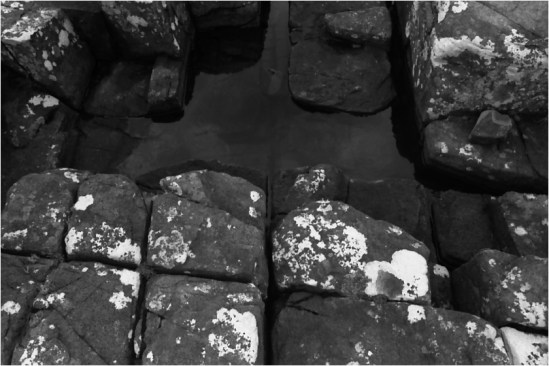
Neist Point Rocks and Pools (Isle of Skye)


Neist Point (Isle of Skye)

“My father was not an ‘inspector’ of lighthouses; he, two of my uncles, my grandfather, and my great grandfather in succession, have been engineers to the Scottish Lighthouse service, all the sea lights in Scotland are signed with our name; and my father’s services to lighthouse optics have been distinguished indeed. I might write books till 1900 and not serve humanity so well,” wrote Robert Louis Stevenson to his American publishers (quoted from Bella Bathurst, The Lighthouse Stevensons. London: Harper, 2005). Neist Point Lighthouse was designed by Louis’ cousin, David A. Stevenson.

The Braes (Isle of Skye)
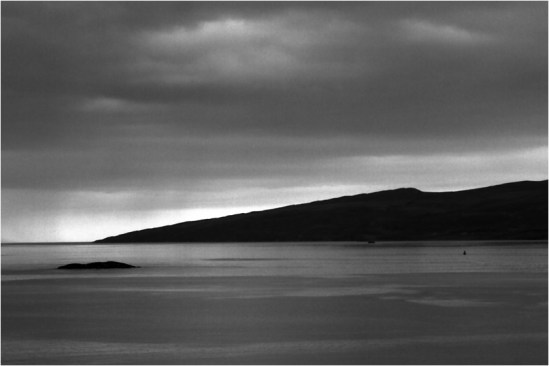

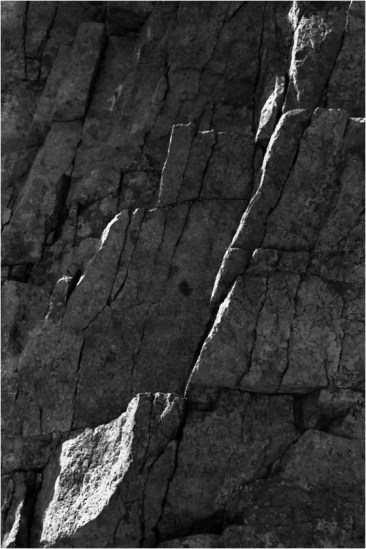

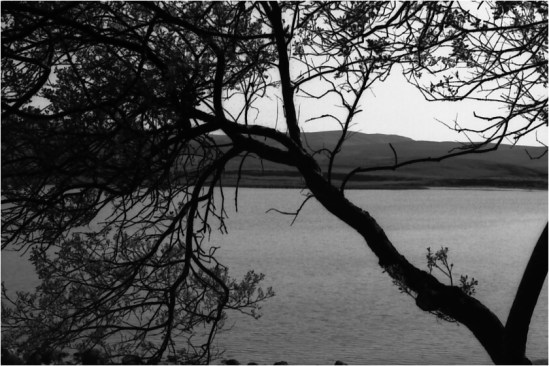 One of the many things I like about Scotland is the fact that even the remotest place has its own name. So, here goes: Sound of Raasay (1), Loch an Amadain (2), An Àird (3-5). Places can be found with the help of streetmap.co.uk, and Ordnance Survey helps those who care to make sense of the place names.
Ardvergnish, near Pennyghael (Isle of Mull)
Hills and glens, rivers and lochs: Whenever I heard these words, a distinctive picture would form in my head and I knew that I had to travel Scotland one day. When this dream finally began to come true, we were quite sure about our destination: the Inner Hebrides. But I was not so sure what kind of pictures I would bring home. Would I seek confirmation of what I thought I already knew about Scotland – its nature, its climate, its topography, and maybe its picturesque-ness? Or would I rather follow up on recent thoughts about landscapes and maps, trying to see the abstract potential, as I would at home?
As much as we might think that abstract pictures could be made everywhere, they would not exist without a very specific ‘there’ (with a bow to Gertrude Stein, you may say that in a photo, there is a there there). They inevitably denote a location, probably transforming space into place … I do wonder if a photograph adds some kind of human scale to any given, nondescript space. By turning natural space into pictorial space, don’t we add some sort of meaning it would not have per se?
In the end, I found myself combining two angles: I took photos that would serve narrative ends and establish an account of our trip, and I made pictures in which I find a more or less abstract quality.
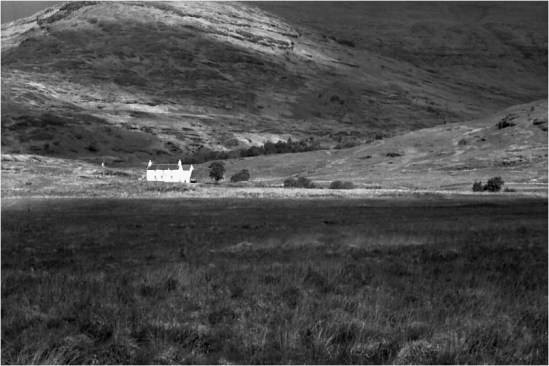
My introduction to the Inner Hebrides is a photo that represents what I came to see as a characteristic landscape: We found these white builings scattered through the Highlands and islands, a particular type of house that has its chimneys built into both gable ends.
Walking in Wiesbaden


Willow Variations

Ground Beneath Our Feet

 empire of lights