
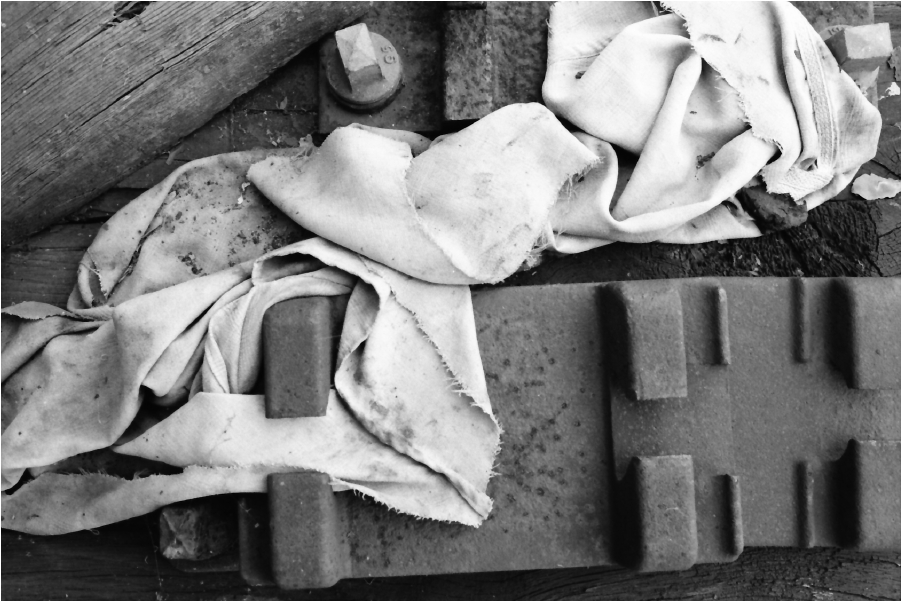

Tag: Structures
Into the Greenery


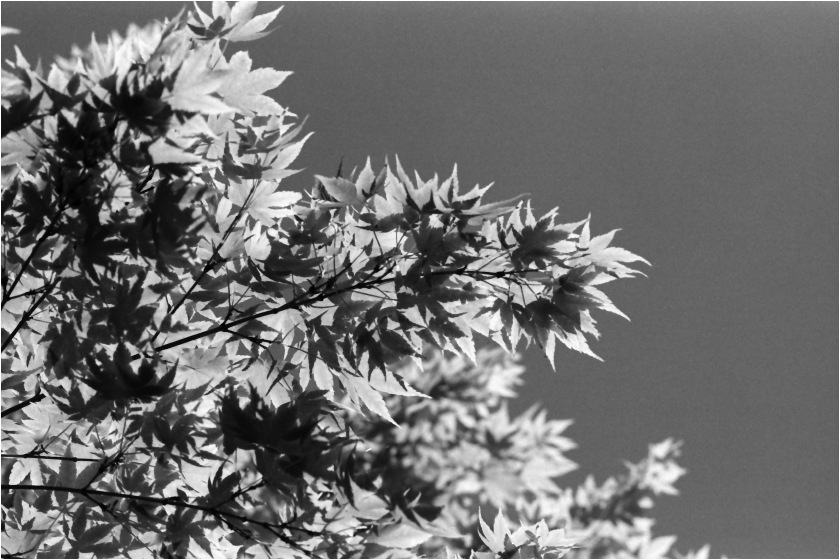
A contribution to Ailsa’s Travel Theme – Flowers.
Light. Structures.
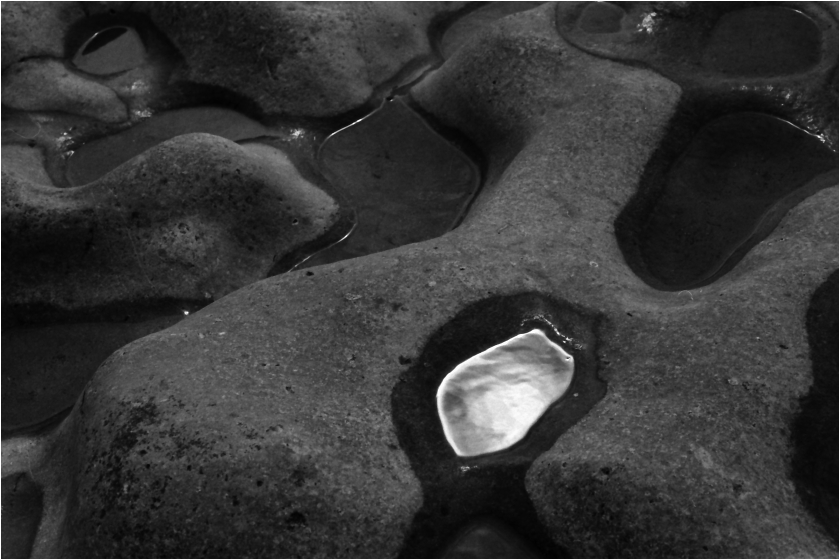
Rock. Wood.
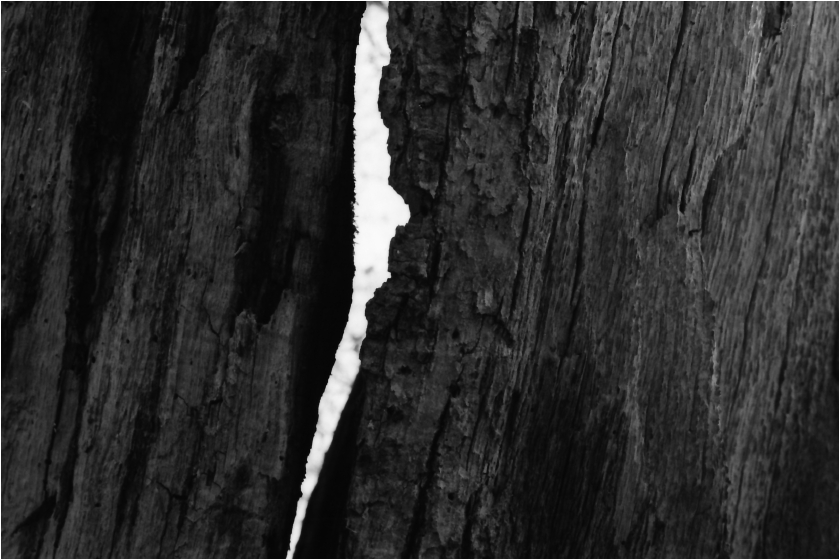
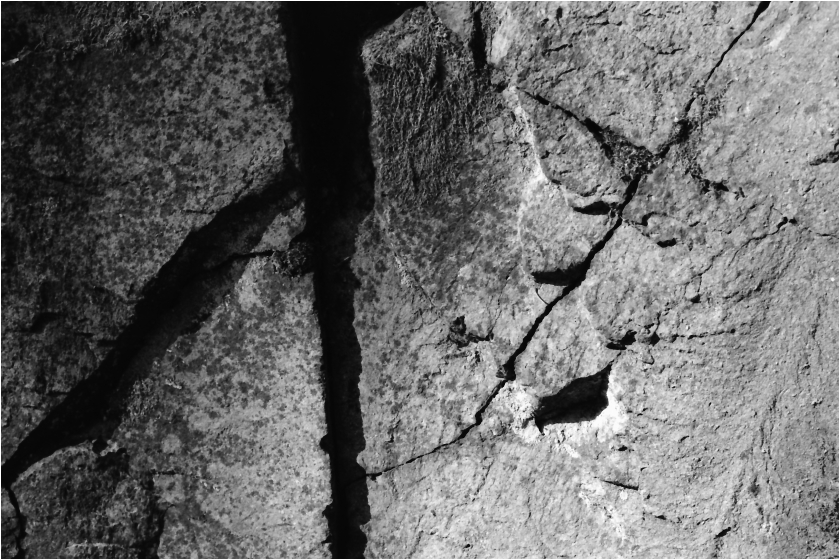
On the Shore

Park III
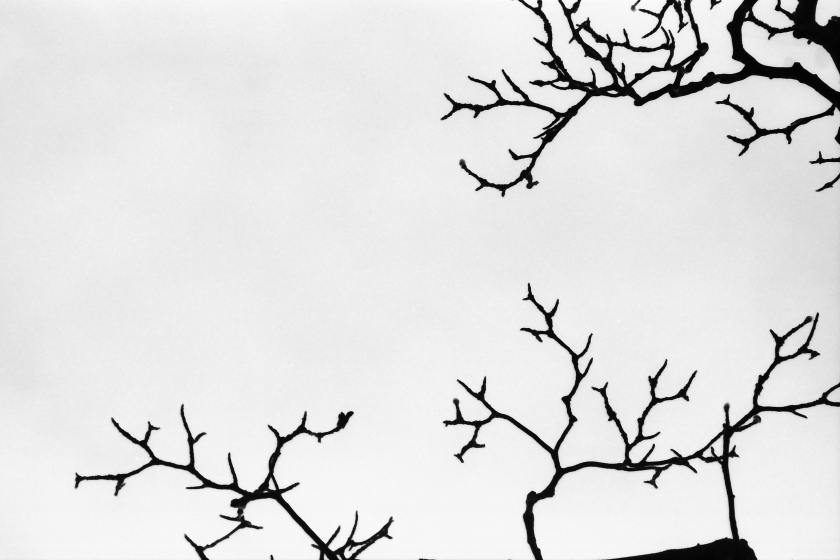

Deck


Still Untitled (Madrid)

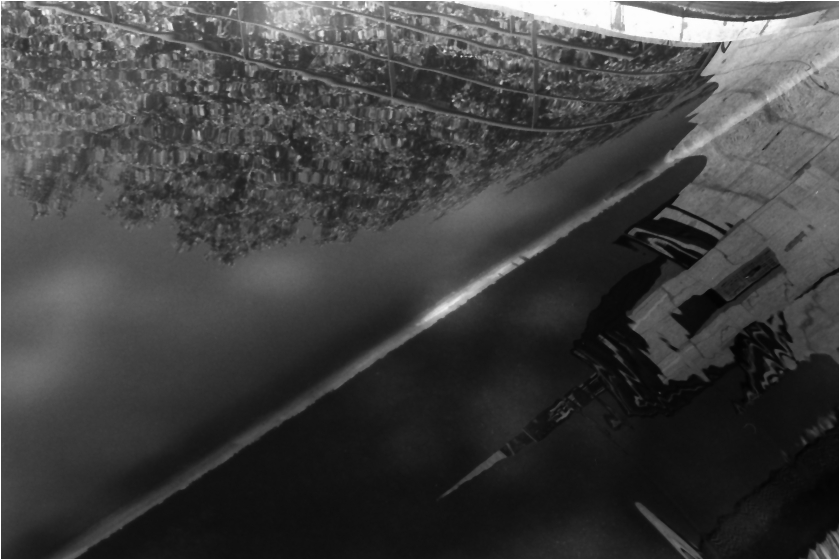
Defining Place: Willem van Oranje Memorial (Wiesbaden)

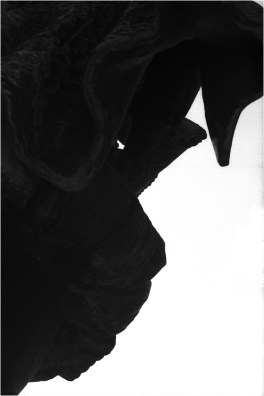
The Dialectics of Decay (Frankfurt Bonames Airfield)

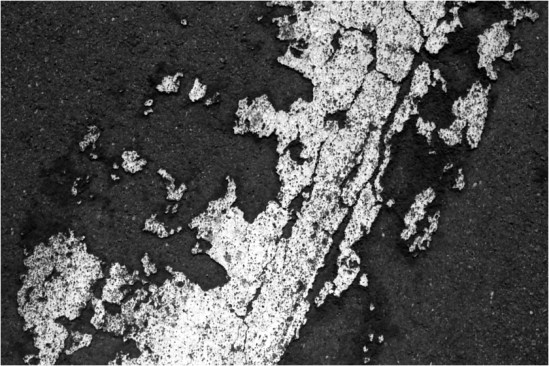
In her critique of photography Susan Sontag points out that photographers love to depict decay. She links this preference both to a nostalgic view of the world – Roland Barthes points into a similar direction when he says that a photo takes the form of Aorist – and to aestheticizing ‘unworthy’ objects. To her, photographing decay implies marking the decaying object as beautiful. As much as I agree with the link between a photo and the past, I ask myself if there is not more to photographing decay.
If you roughly distinguish between nature and civilization, decay could be seen as nature (re-)claiming its reign. I am always delighted with finding traces of ‘the tooth of time’ in an urban setting (or on an abandoned army airfield) because they follow laws and principles which are alien to ours.
Photographing these traces superimposes yet another structure: an aesthetic idea. A picture of a decaying object thus accumulates various layers of principles, natural and human. Incompatible as functionality, erosion and the photographer’s own ideas may seem, they are all framed in the image of a decaying object.
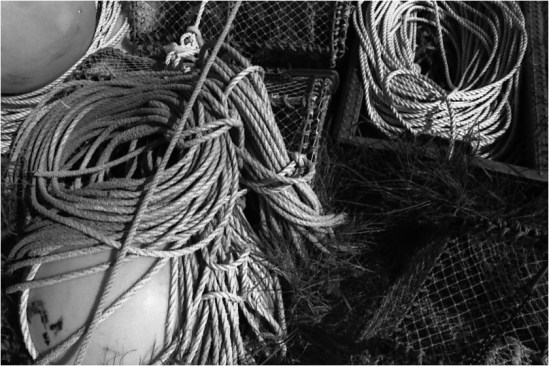
Fishing Equipment (Iona)

Ground Beneath Our Feet

Holzwege


Because of its connotations, Holzwege does not translate well. The word literally denotes forest paths or tracks (Wege) that only serve for transporting wood (Holz) from where it was felled and do not connect two places. Since these paths tend to end in the middle of nowhere, hikers who take these paths are likely to get lost. Hence “auf dem Holzweg sein” (being on the wood path) means being errant, lost, wrong.
I found these beech logs rotting in a forest. Decay has marked them in a way that evokes landscapes seen from above, or entirely insignificant maps…
 empire of lights