Litfaß 12.2

DSC03628-kton

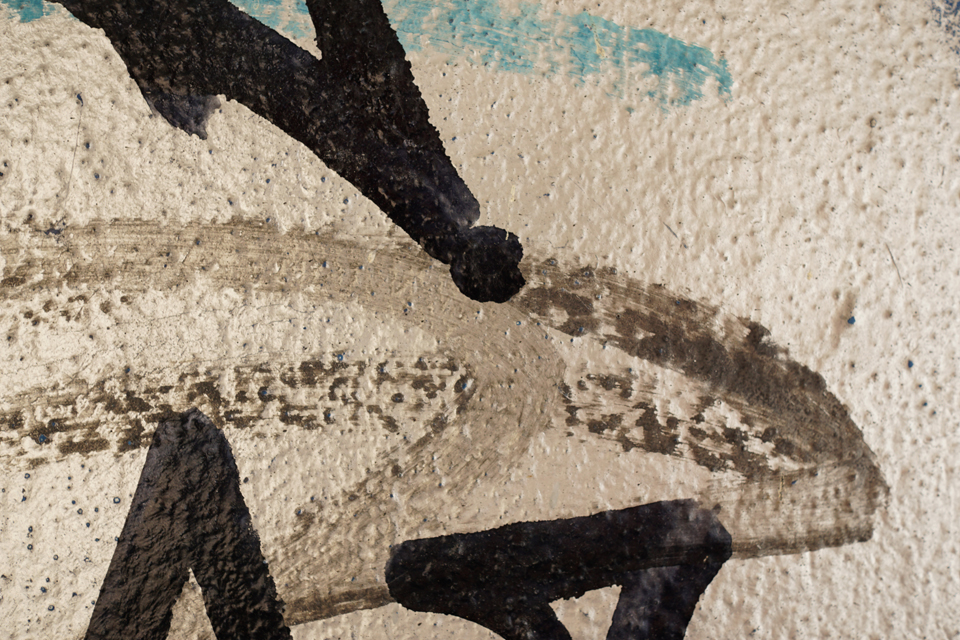
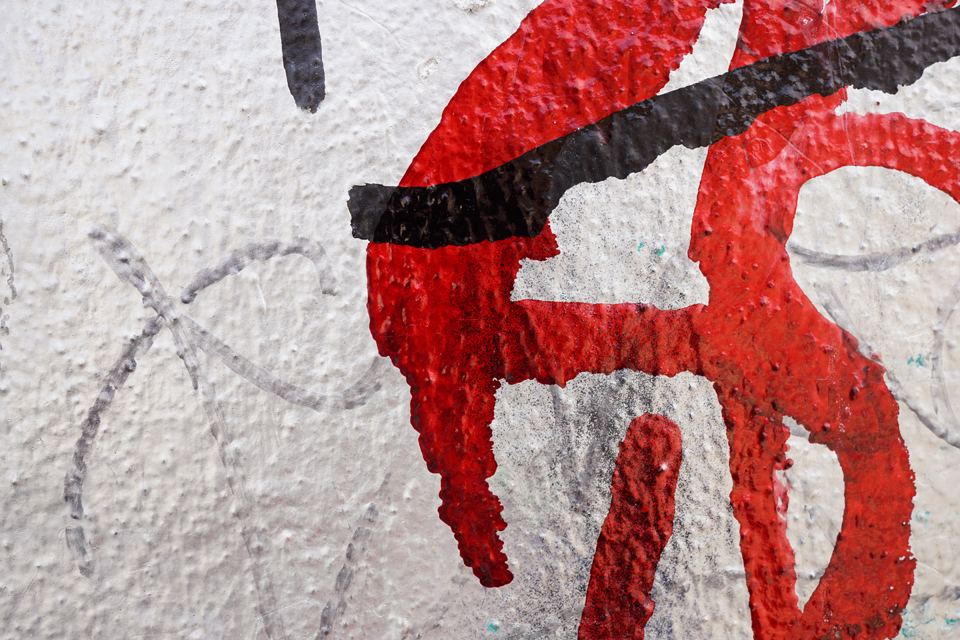
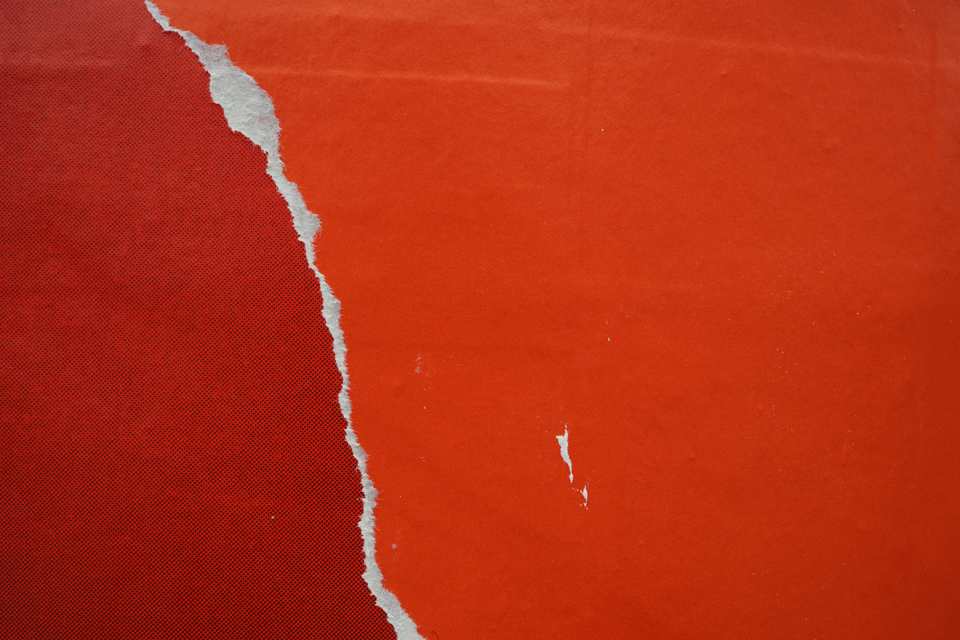
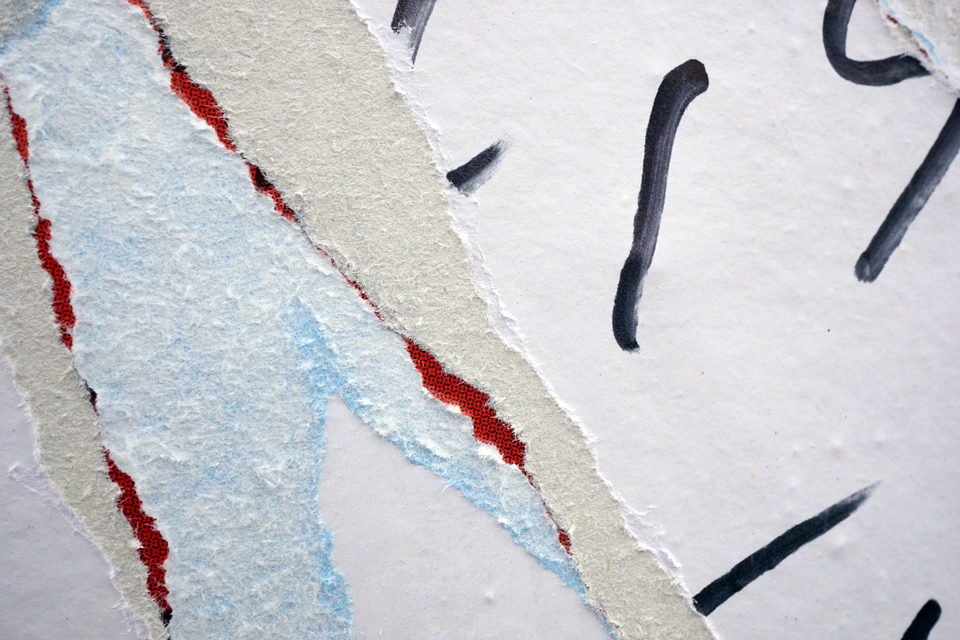
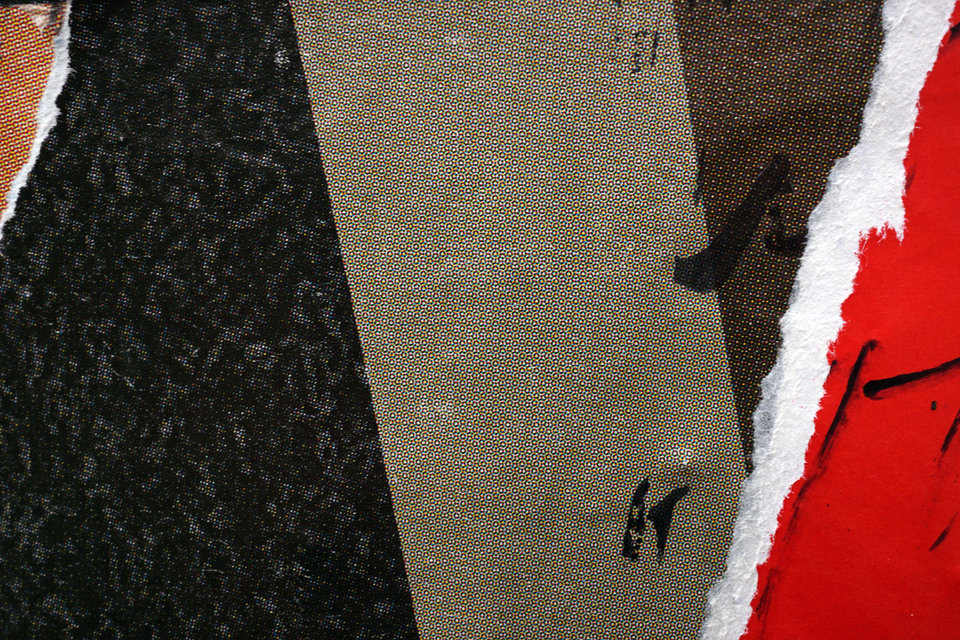
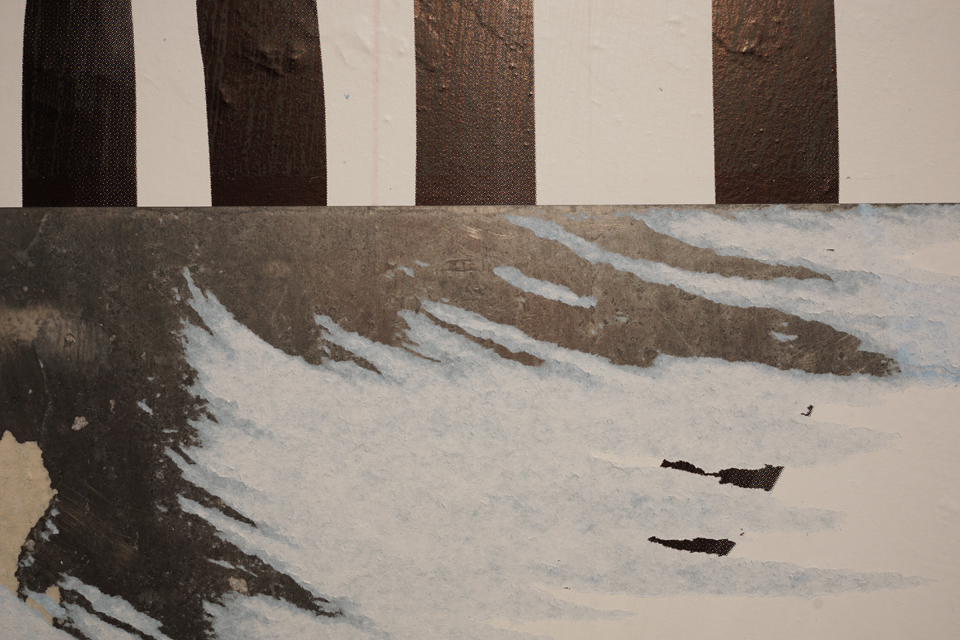
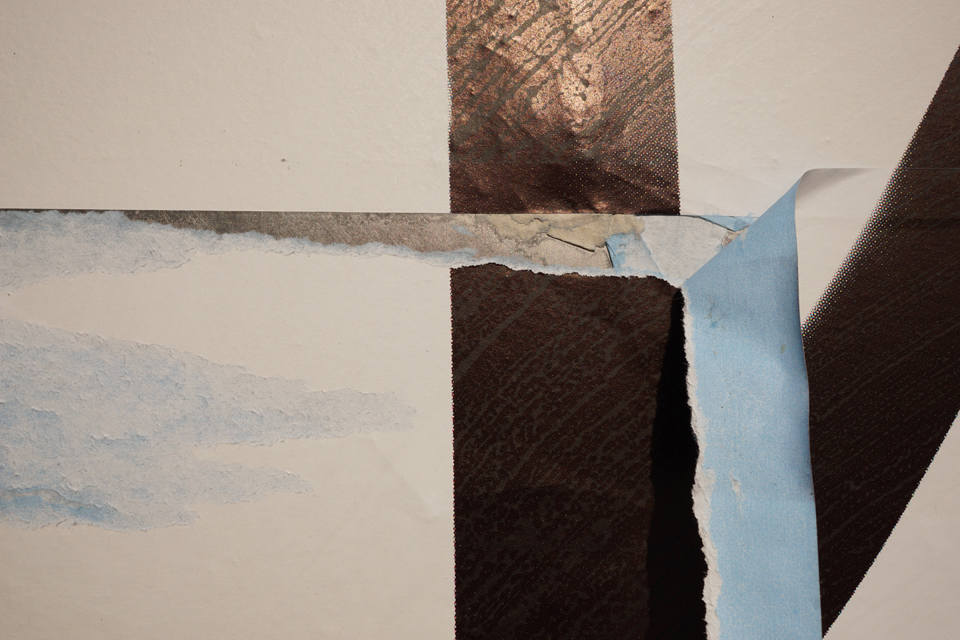
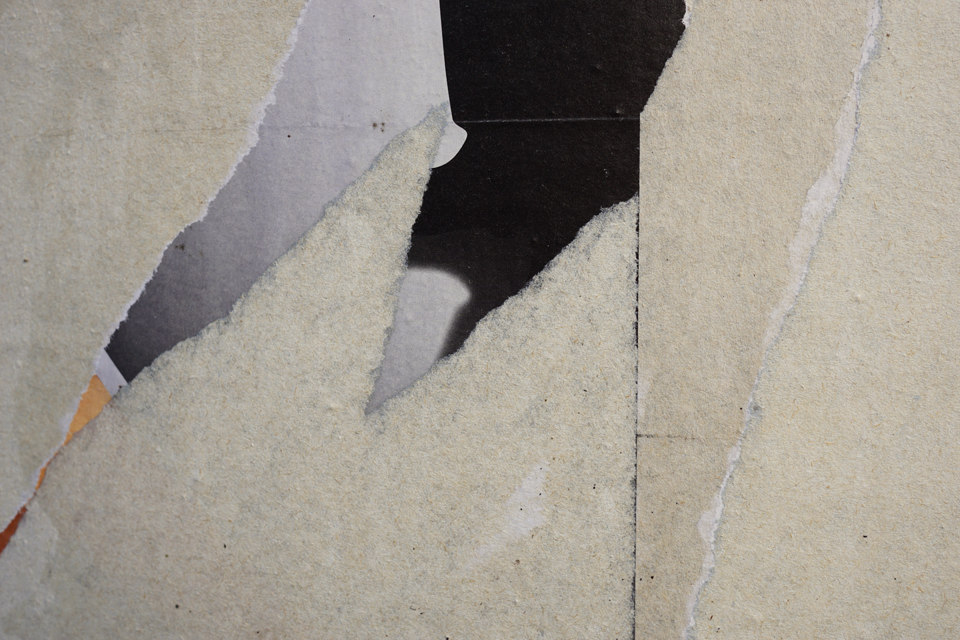
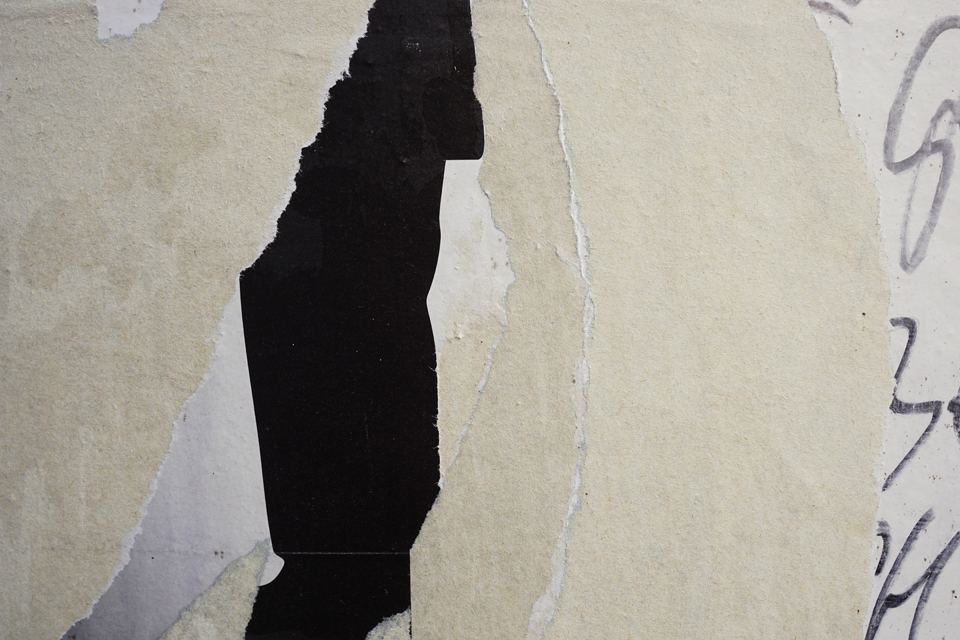
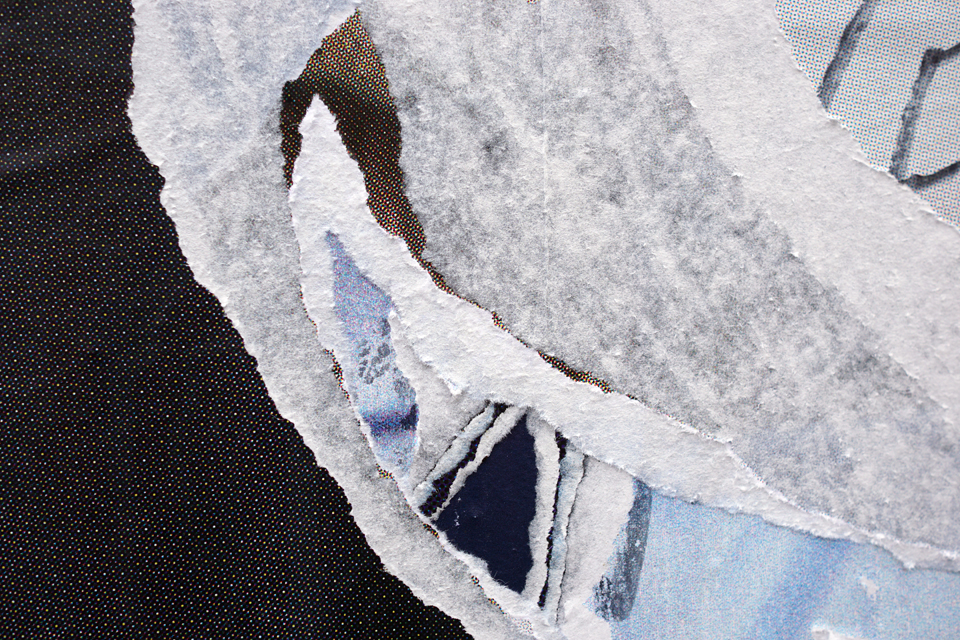
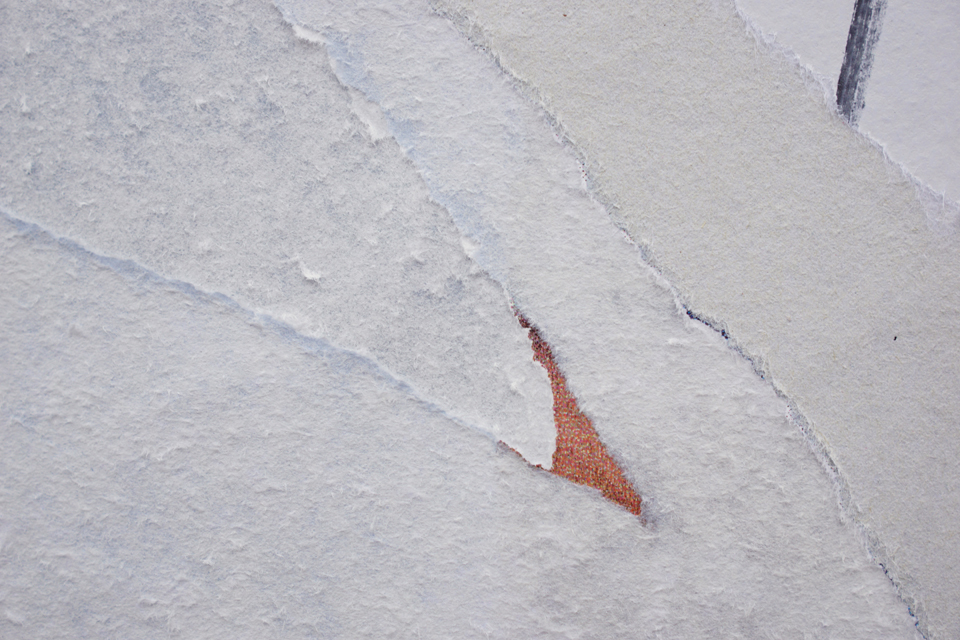
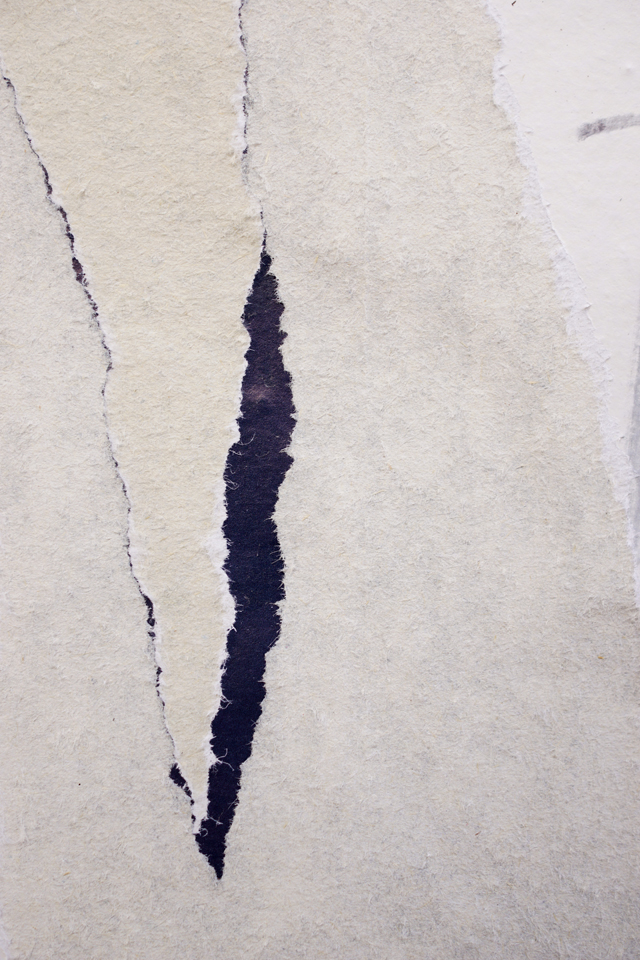
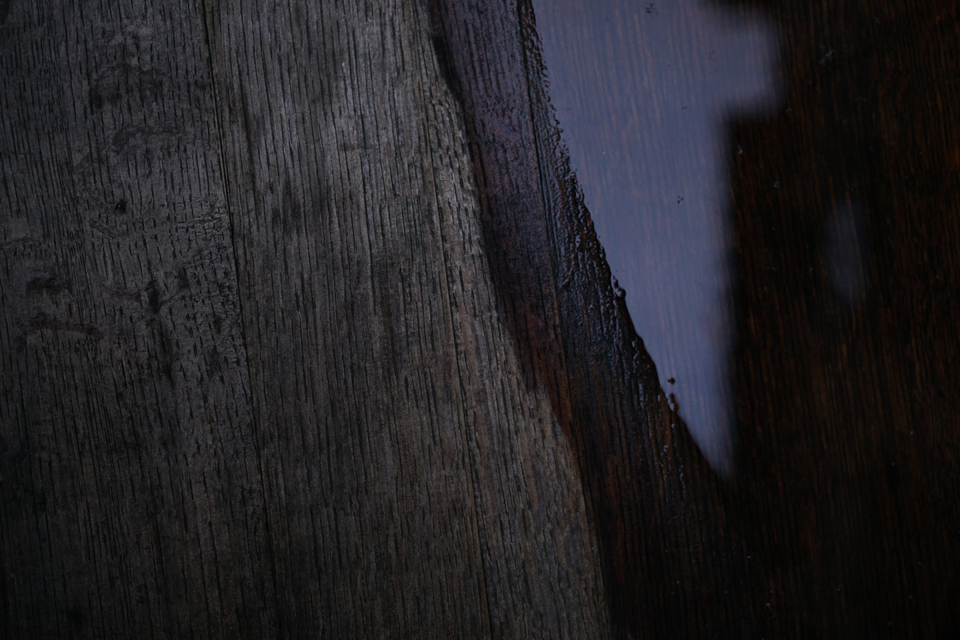
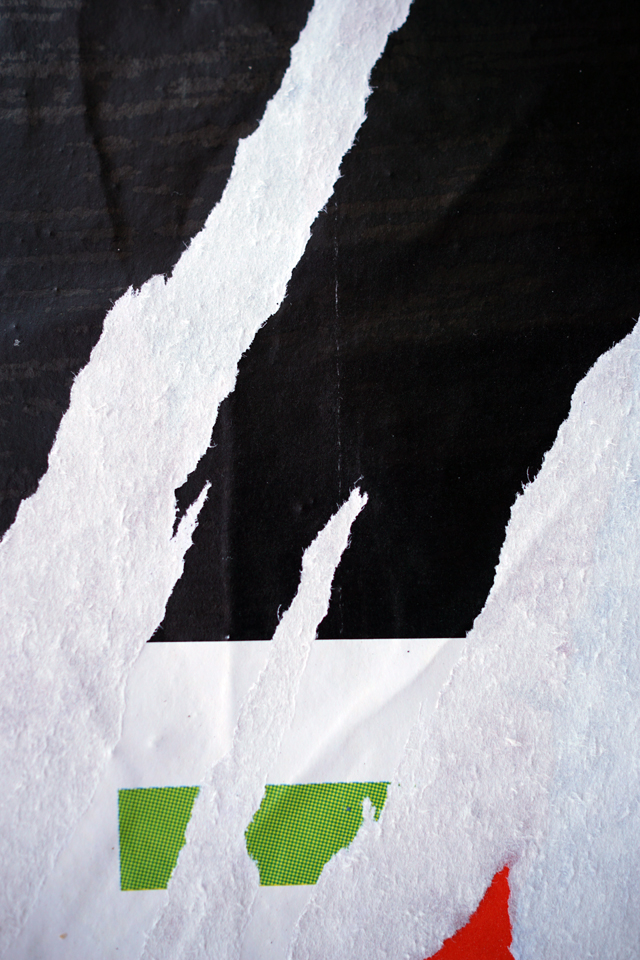
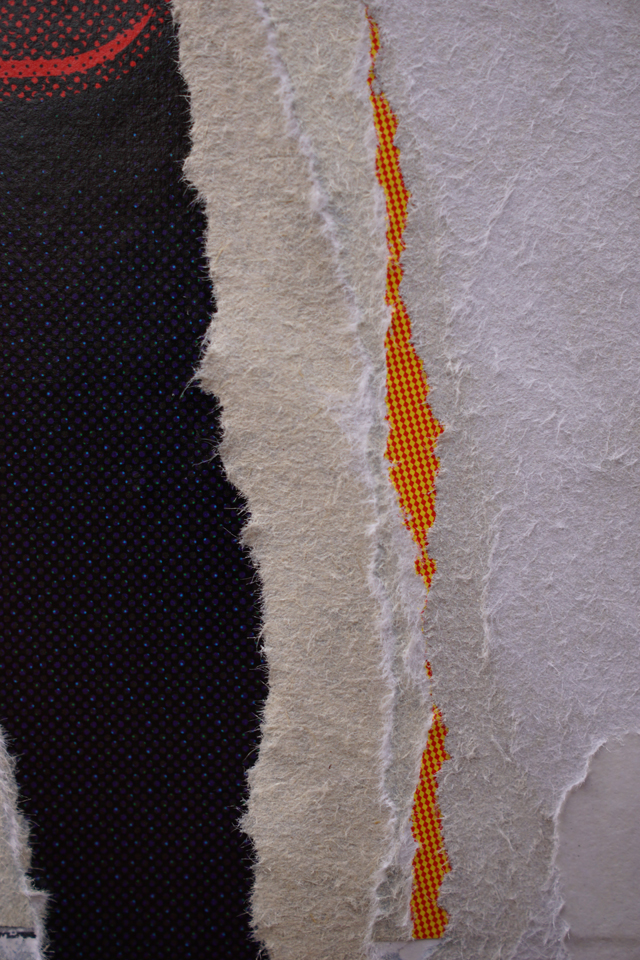
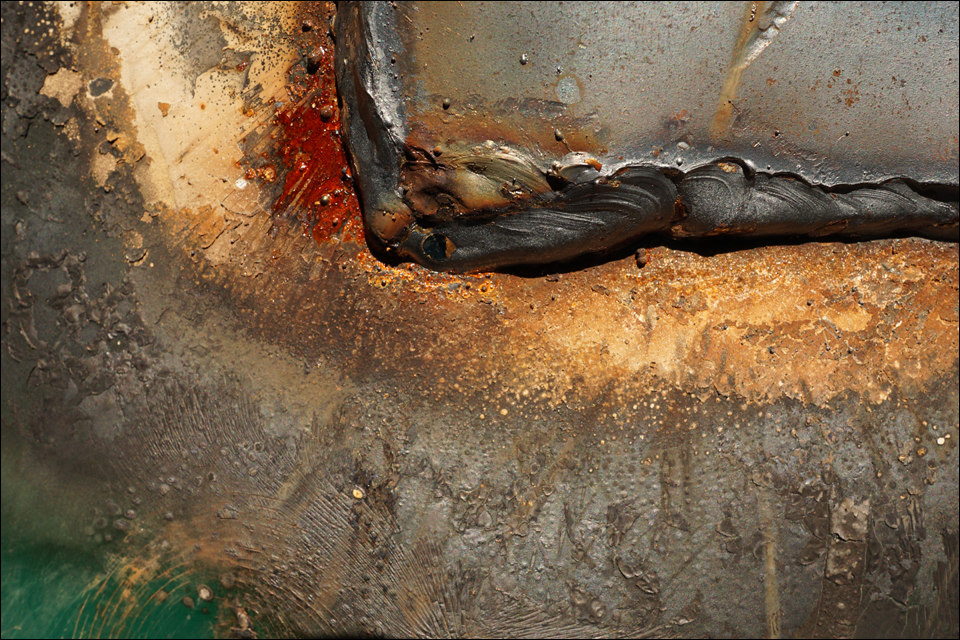
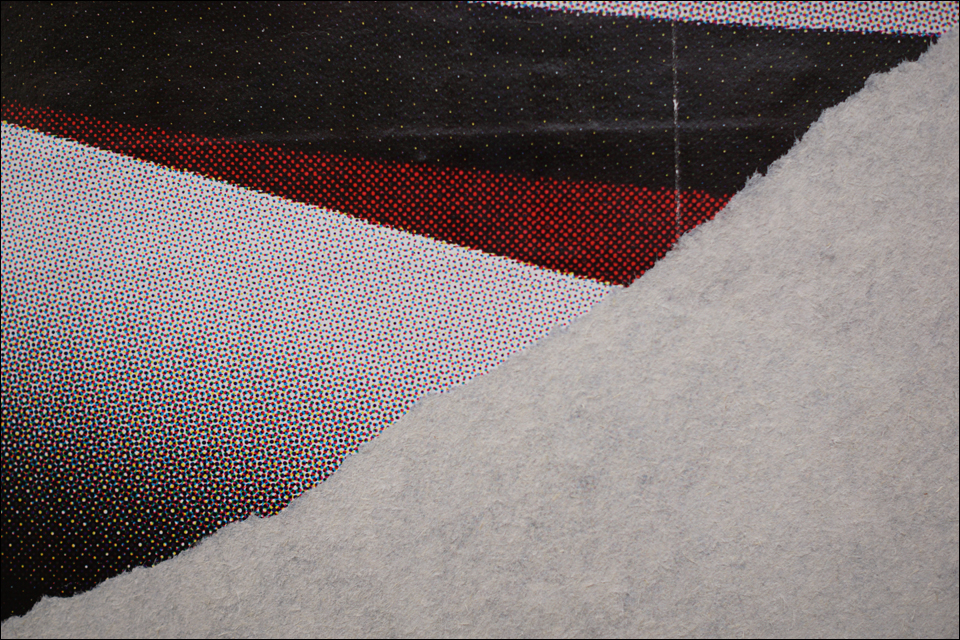
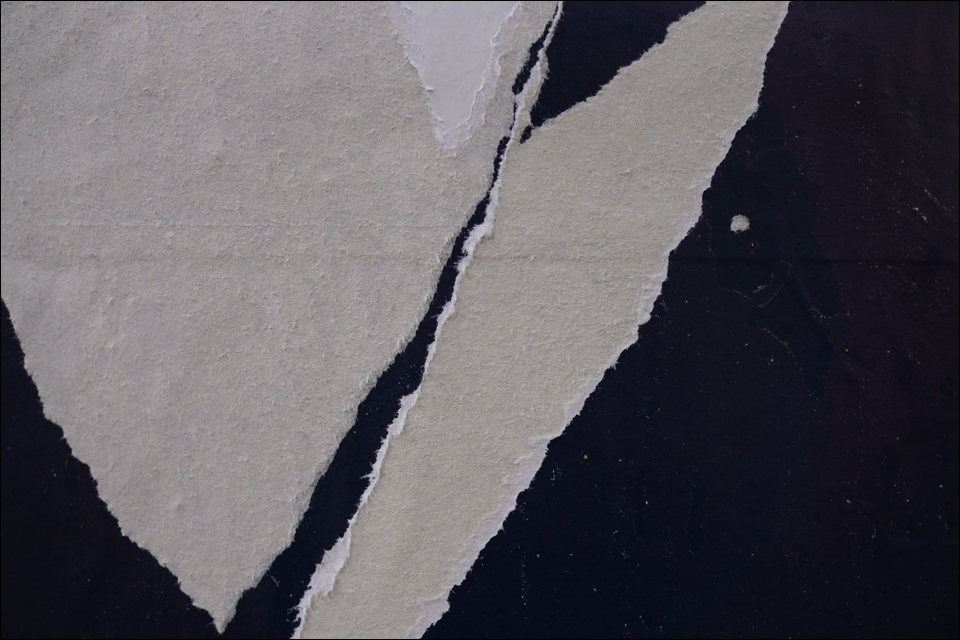
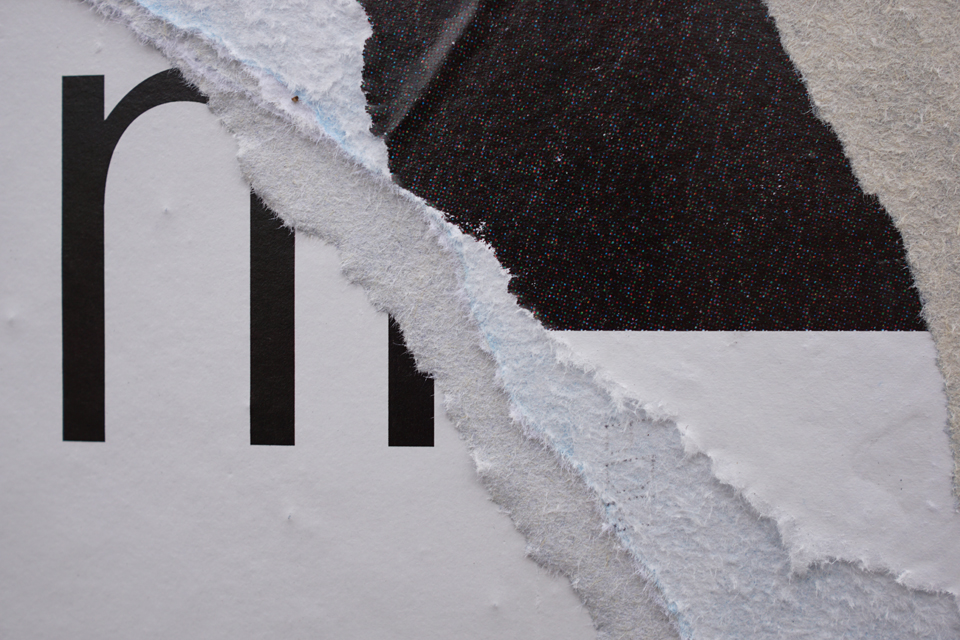
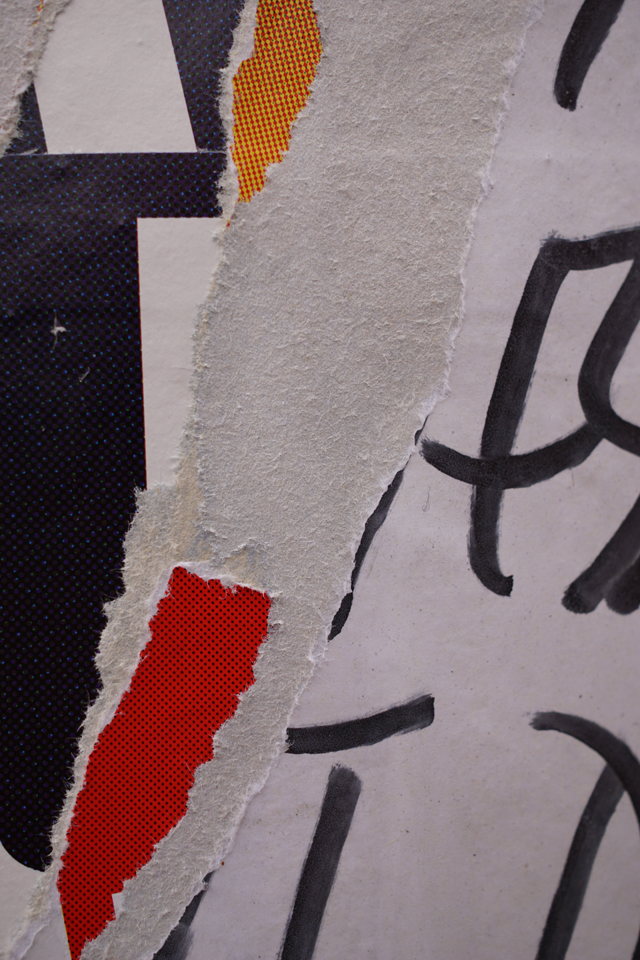
This series keeps growing. New ads invite new graffiti, Bible quotes written by a man who claims to be Jesus, which in turn get ripped off by somebody else, creating layers of narrative potential… To collect the resulting compositions, I have added a new gallery called “Litfaß” (after the inventor of this type of advertising column) to the Photo Series menu.

Formen & Figuren

DSC04329-k+

DSC04372-bk

DSC04350-d15k

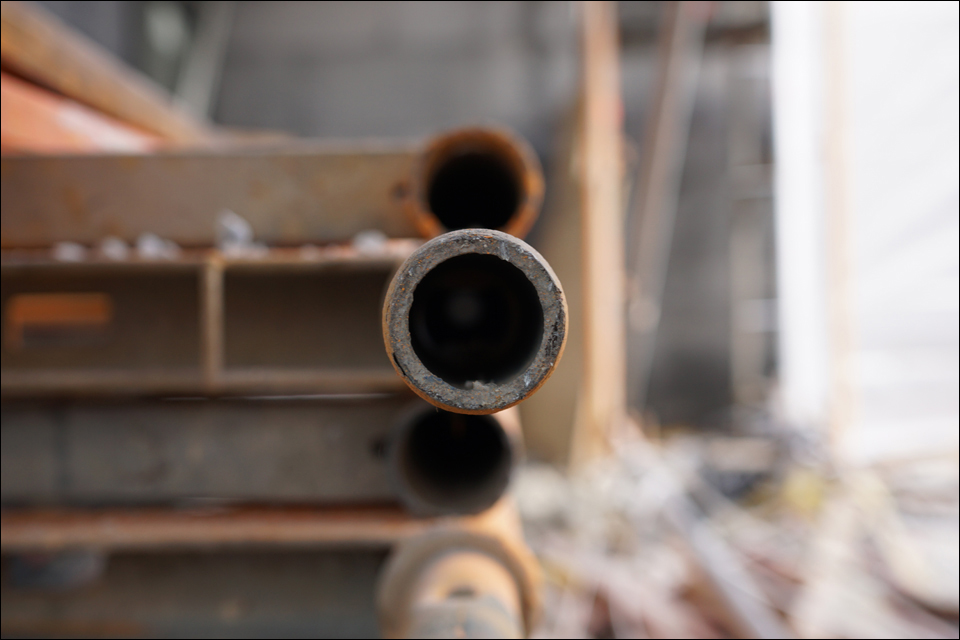
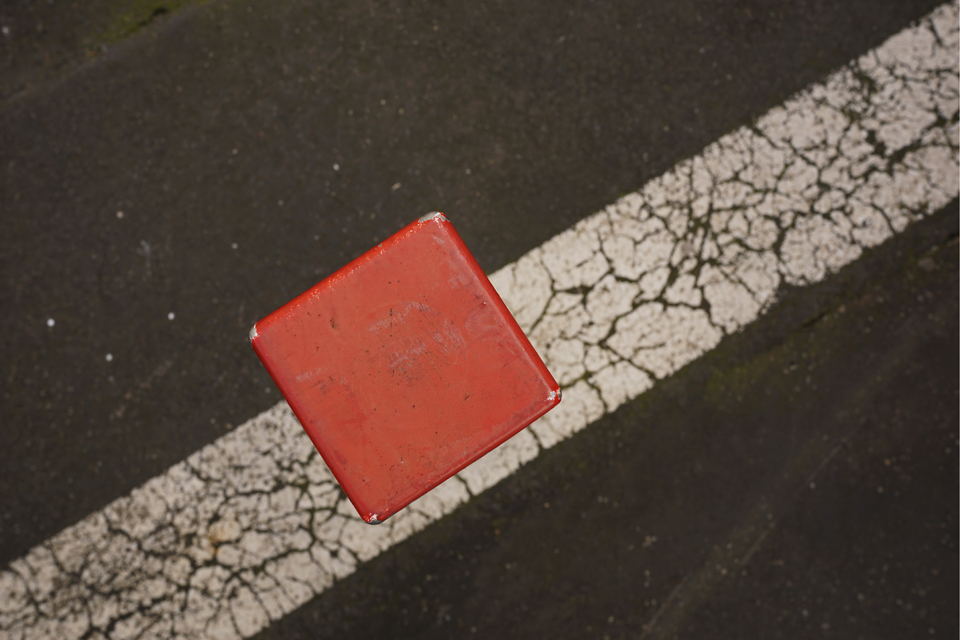
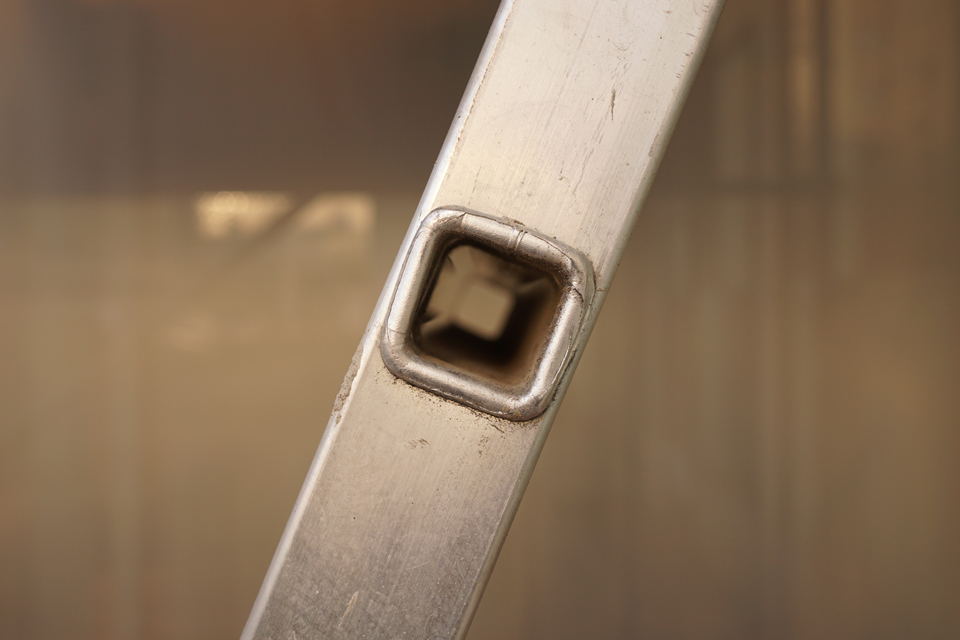
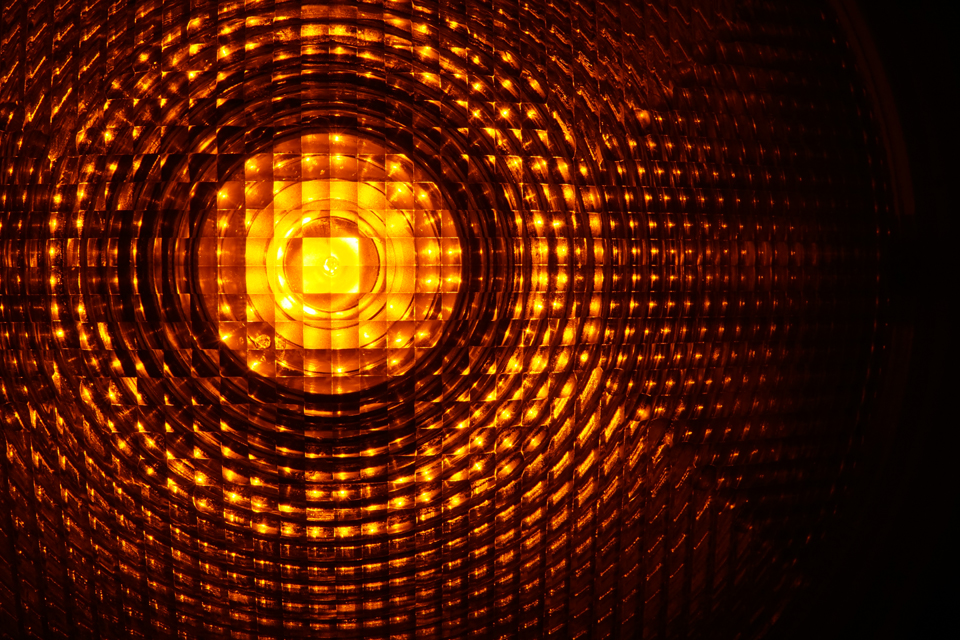
DSC04365-tk+This the fifth and last post in which I share pictures inspired by Paleica’s Magic Mottos. Formen und Figuren were in focus (no translation needed here, I think). Paleica mentioned geometrical forms among other things, which triggered it for me: I hope my contributions show that once you found a good topic, the pictures seem to multiply on their own account: You only have to know what you are looking for.

Choice

DSC04148kton

Last Thursday we invited friends and colleagues for a private viewing. The show included two pieces from the Litfaß series, and one of the visitors remarked that she had mistaken the two photos for collages at first sight.

Collage is a matter of choice: You pick the elements of your picture from a vast pile of available stuff, then arrange it into a composition.

The process of making a photo is very close to that of making a collage. You choose. You eliminate. The choice determines the outcome. We don’t show what is but what we see fit for framing.

I hope nobody minds me choosing another Litfaß picture (from session no. 17) over showing arrays of things to pick from for Paula’s Thursday Special which is – you may have guessed – choice. And this is what I chose from (click to enlarge):

DSC04152-k

Thursday’s Special at Paula’s: Organized Noise

DSC02411-k

DSC02432-k

The notion of son organisé seems to be central to composer Edgar Varèse’s understandung of music. “Son” can be translated into both ‘sound’ and ‘noise,’ and it is the ‘noise’ part that fascinates me. For music, it means broadening the material that can be used for a composition: Varèse apparently claimed that ‘noise’ is only another word for any sound one subjectively does not like .

In my eyes the concept of organized noise begs the question of its applicability to pictures. Photography is known to record ‘noise’ in capturing the old, the broken, the decrepit – the sights someone might not like subjectively. The medium appears to lend itself to this aesthetic choice, and it has been keenly criticized for it.

But there is also the aspect of organizing noise into music – or visual ‘noise’ into pictures. Some sights overwhelm us with their complexity, some with their ugliness or apparent meaninglessness. Nonetheless, I claim that photography can be a means of reducing this complexity, or making sense of the ‘noise.’

DSC02431-k

So, how to approach this? Here is a couple of thoughts:

  • Take your pick: Not all available ‘sounds’ have to be heard at the same time – not all the available elements have to go into the composition of the picture. Get closer, eliminate some of the ‘noise.’
  • Look for a main voice: Find a visual anchor that dominates all the other elements. Or look for a visible hierarchy of 1st, 2nd, 3rd (etc.) voices. What’s dominant? What’s just background noise?
  • Find a rhythm: Straight horizontal or vertical frame-to-frame lines can convey such a sense.

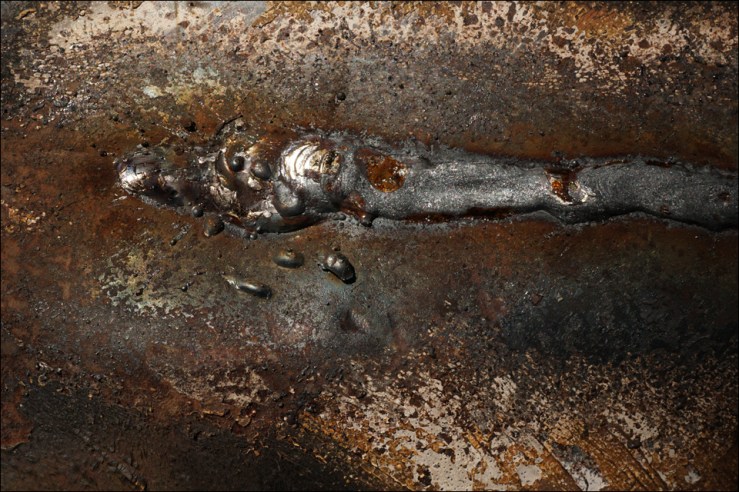
For this challenge abstract pictures may work better than those showing recognizable objects. The abstract pictures in this post were made ‘using’ the battered trash container below.

DSC02481-kComments are closed for this post because I would like to invite you to visit Paula’s Lost in Translation and participate in the challenge. Thank you – and have fun!
Litfaß 10 . 1

DSC03568-mi-k

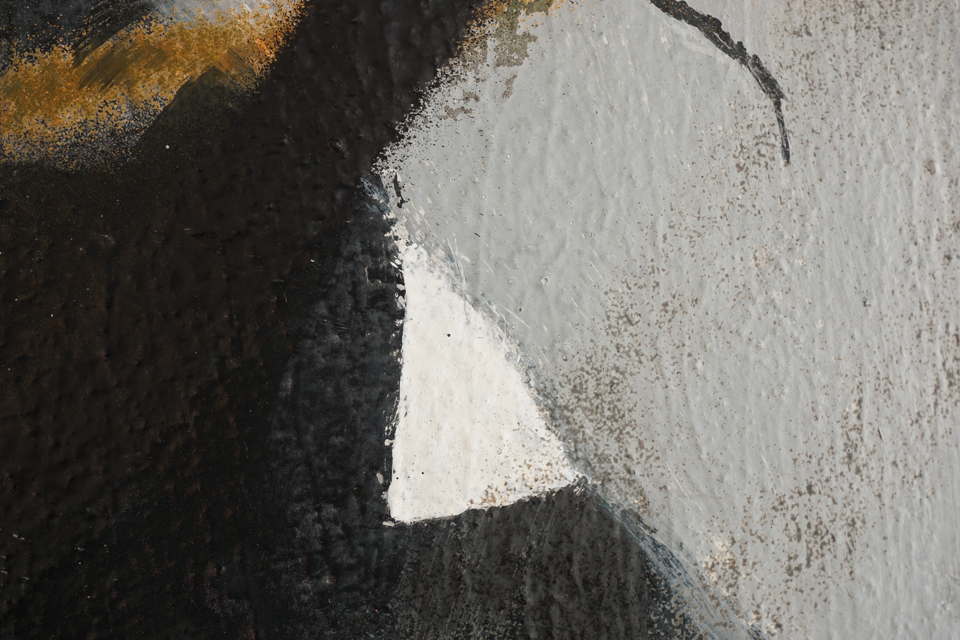
The pictures in this series sometimes look like pictures of art pieces to me. If they were, I would not see the point in photographing them like that. I do see a point, however, in finding constellations like the ones shown here: posters torn off an advertising column.

One could call them artworks resembling the reproductions of artworks. They actually show destruction, simultaneously constructing something new. The title previously assigned to this series – Deconstructivism – was therefore just as good, but Litfaß should set the record straight; Litfaß-Säule meaning advertising column.

Litfaß 13 . A Letter From Wiesbaden

DSC03667-d03k…or letters, maybe. | Without further ado, let me point to a great photo challenge by Austrian blogger Paleica: She will offer twelve magic mottos throughout this year, giving everybody ample time to come up with something. The challenge will be in German – but there’s always the dictionary. This month’s theme is Schilder und Schriften – and it is a bit hard to translate: I hope that ‘sign boards and fonts’ should cover it.

Litfaß 12. “Creative Intervention”

DSC03629-k

Creative intervention? When I first read the term, I was at a loss. But then I read Paula’s description:

Shooting an amazing piece of creation in most unlikely places, or making a creation of your own and capturing it by camera; possibilities are countless. Have you recently seen something that changed the original aspect of a place/Thing? Was it a pleasing creation or unsightly one?

Well, whoever tears the posters off this advertising column (German: Litfaß-Säule)  is responsible for an unsightly change to an usually unsightly place. But he makes “making a creation of my own” all the more easy – all I have to do is find and compose a picture. Having seen “something that changed the original aspect of the thing,” I do my part in changing the original aspect…

Call it deconstructivism. Or call it creative intervention.