“Organized Noise” – an Afterthought

DSC03580-k

DSC03587-k

DSC03588-k

Paula at Lost in Translation kindly asked me to host a guest challenge which I gladly did because those challenges often entail great discussions. That’s what’s happening… Jo wondered if organizing noise was something like finding beauty in ugliness. I remarked that the phrase might also be understood as “ordering chaos” and then realized that this answer might make sense in more ways than I would have thought.

1. I was reminded of Michel Foucault’s L’ordre du discours, “The Order of Discourse.” Order/ordre seems to signify  system here, or disposal, also connoting terms like regulation or even directive.

According to Foucault, there is no knowledge to be had outside of Discourse. Discourse decides what can be said within reason and what cannot, and what form a proposition must have. By exerting this power, Discourse forces knowledge into existing: The ways in which we can think or speak about anything determine what we can know about these things.

2. I was also reminded of Alfred Döblin’s Berlin Alexanderplatz, one of the masterworks of Modernity. Writing this novel, Döblin saw himself confronted with the problem of representing all the things happening simultaneously in a metropolis. As a solution, it seems, he chose the form of collage. And in one of the many essays that may be read as commentaries of his work, Döblin asks: “Was steigt in das Becken des Jetzt?” – “What will climb into the Pool of Now?”

Climbing into the Pool of Now: I love this metaphor! Today I get the impression that it is also a photographer’s (and an artist’s) question: What will be allowed to ‘climb’ into the picture – now?

Answering this question by releasing the shutter, we force pictures into being, pictures of a world that often presents itself to us as an incomprehensible chaos. Pictures then can help us sort it out, no matter if we choose the counter-discourse of art or the discourse of reportage.

Pictures from Litfaß session no. 11

Thursday’s Special at Paula’s: Organized Noise

DSC02411-k

DSC02432-k

The notion of son organisé seems to be central to composer Edgar Varèse’s understandung of music. “Son” can be translated into both ‘sound’ and ‘noise,’ and it is the ‘noise’ part that fascinates me. For music, it means broadening the material that can be used for a composition: Varèse apparently claimed that ‘noise’ is only another word for any sound one subjectively does not like .

In my eyes the concept of organized noise begs the question of its applicability to pictures. Photography is known to record ‘noise’ in capturing the old, the broken, the decrepit – the sights someone might not like subjectively. The medium appears to lend itself to this aesthetic choice, and it has been keenly criticized for it.

But there is also the aspect of organizing noise into music – or visual ‘noise’ into pictures. Some sights overwhelm us with their complexity, some with their ugliness or apparent meaninglessness. Nonetheless, I claim that photography can be a means of reducing this complexity, or making sense of the ‘noise.’

DSC02431-k

So, how to approach this? Here is a couple of thoughts:

  • Take your pick: Not all available ‘sounds’ have to be heard at the same time – not all the available elements have to go into the composition of the picture. Get closer, eliminate some of the ‘noise.’
  • Look for a main voice: Find a visual anchor that dominates all the other elements. Or look for a visible hierarchy of 1st, 2nd, 3rd (etc.) voices. What’s dominant? What’s just background noise?
  • Find a rhythm: Straight horizontal or vertical frame-to-frame lines can convey such a sense.

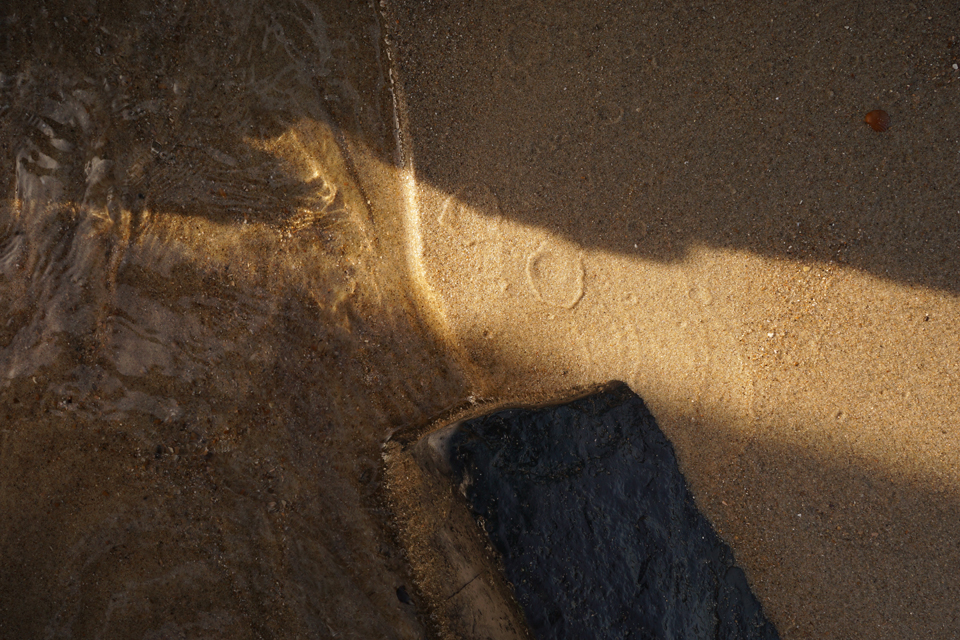
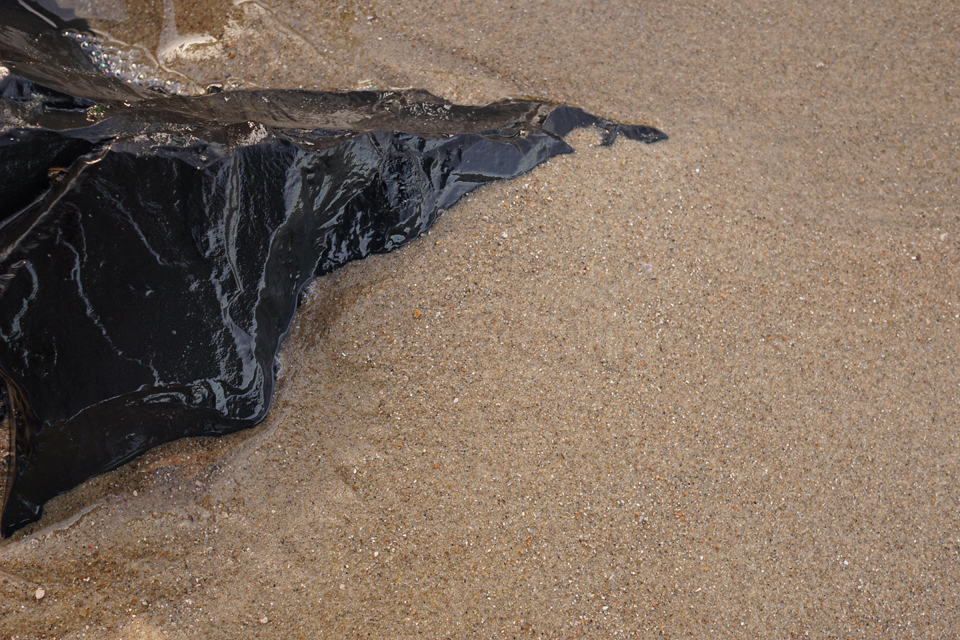
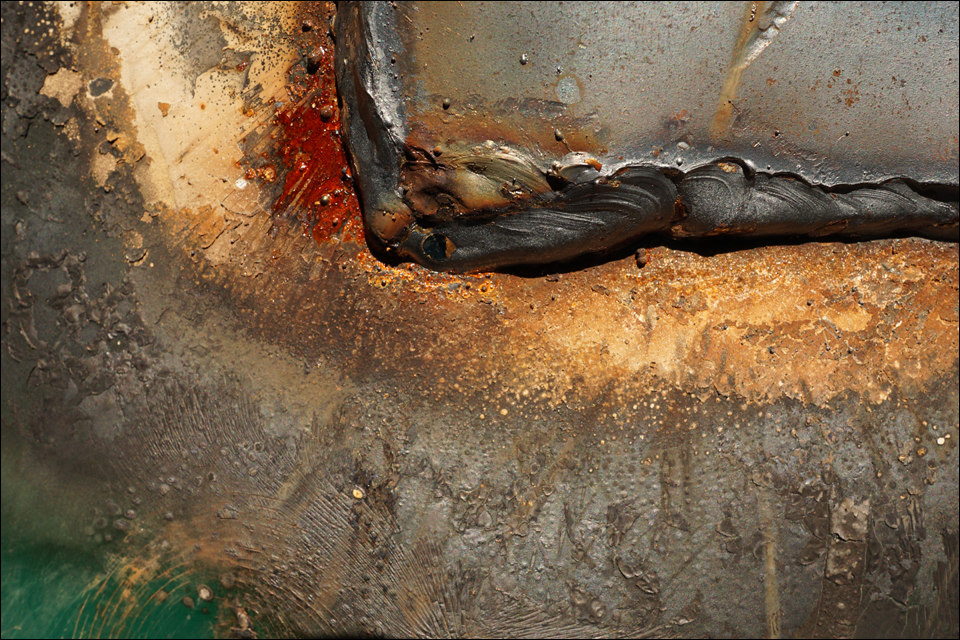
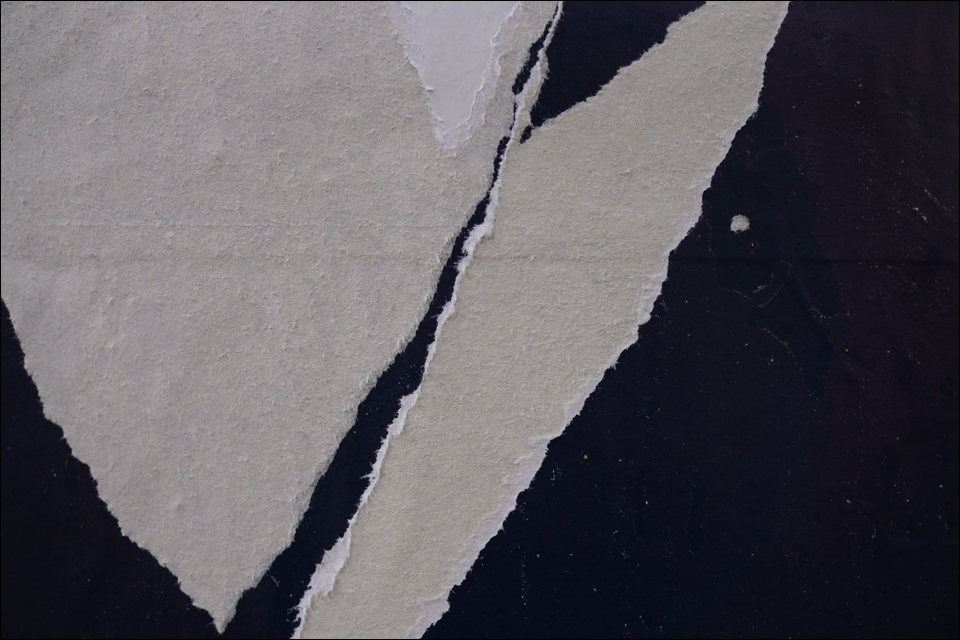
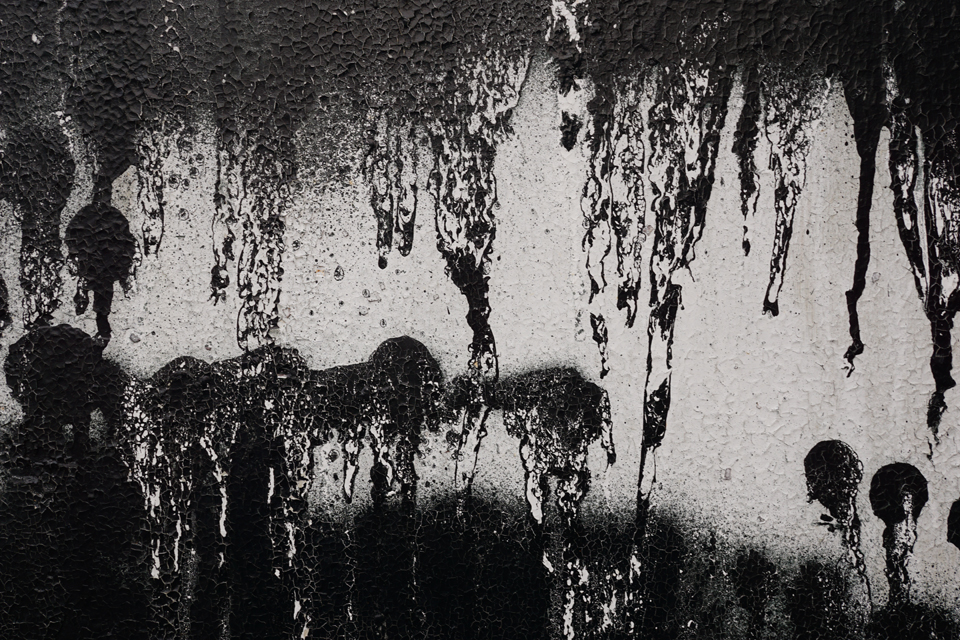
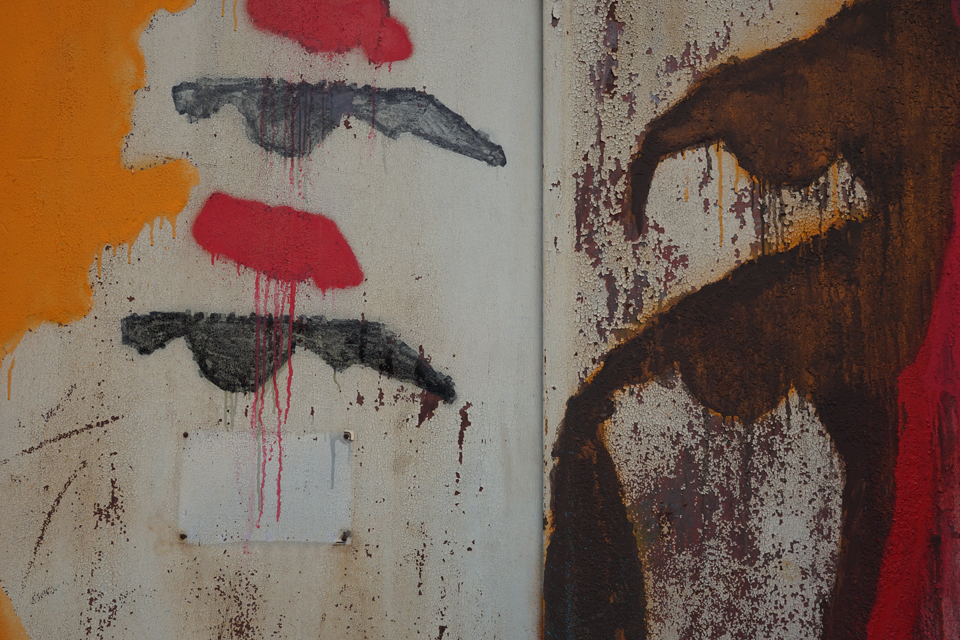
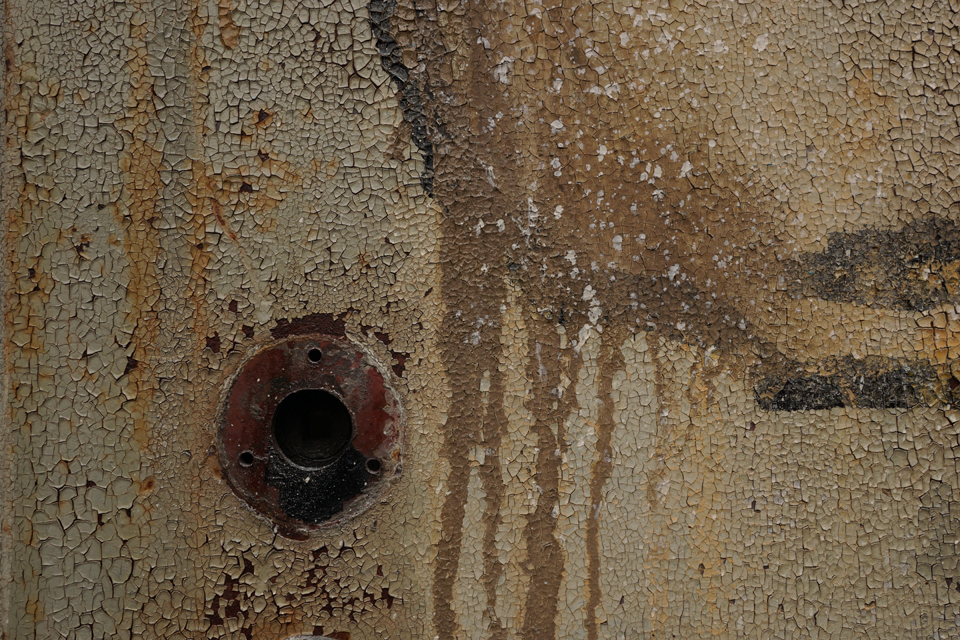
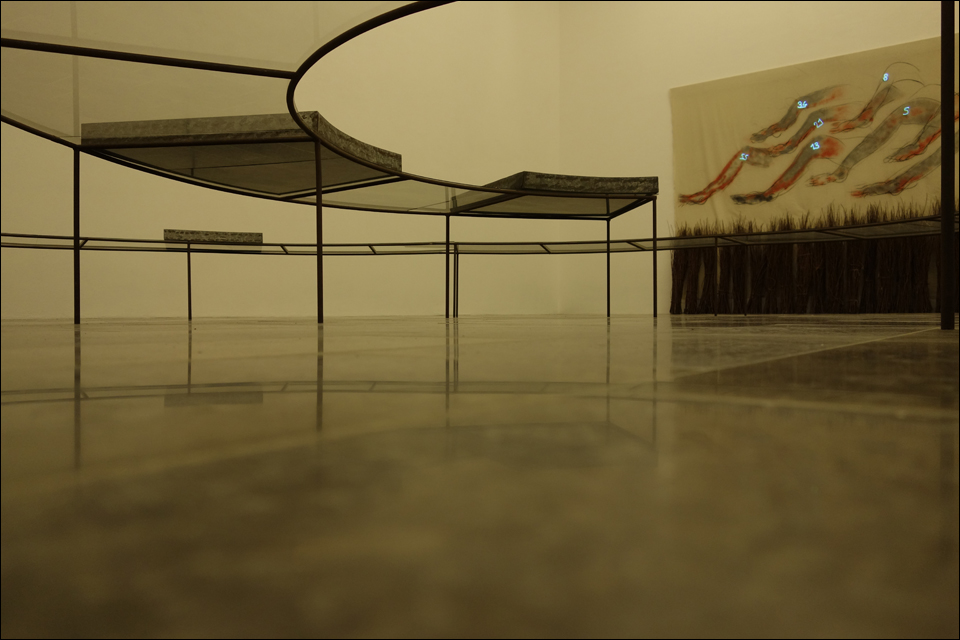
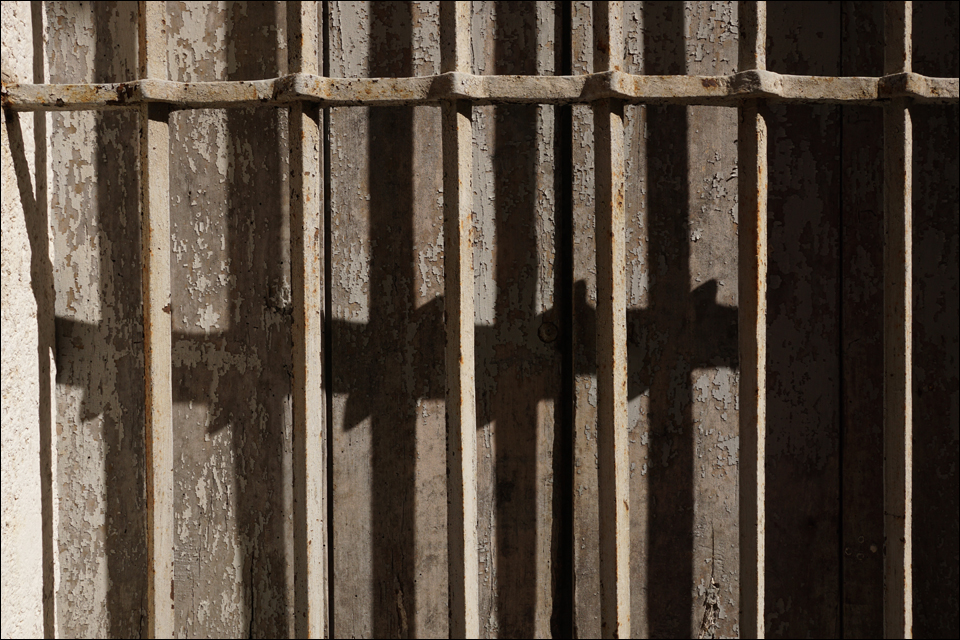
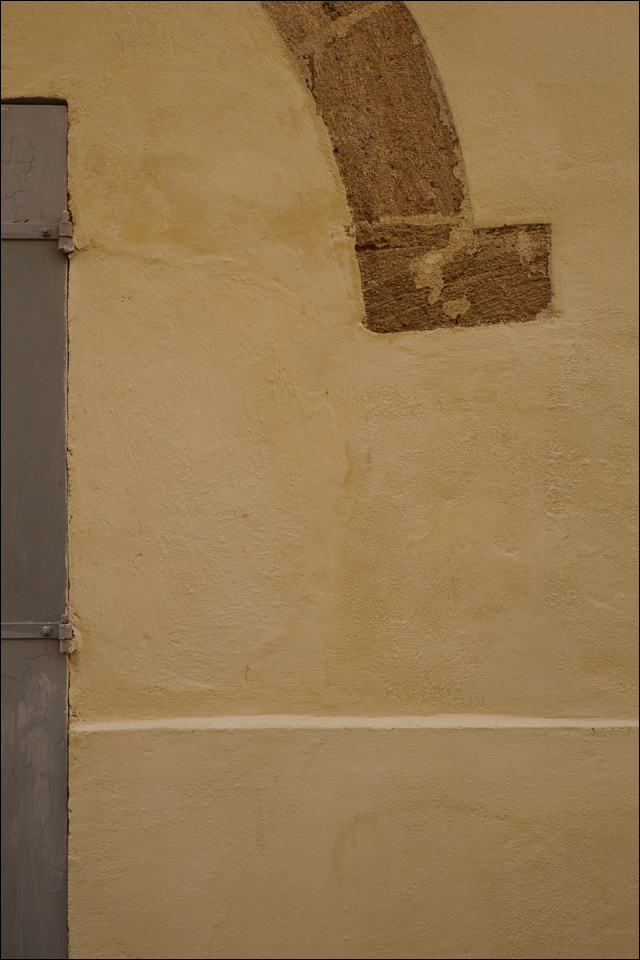
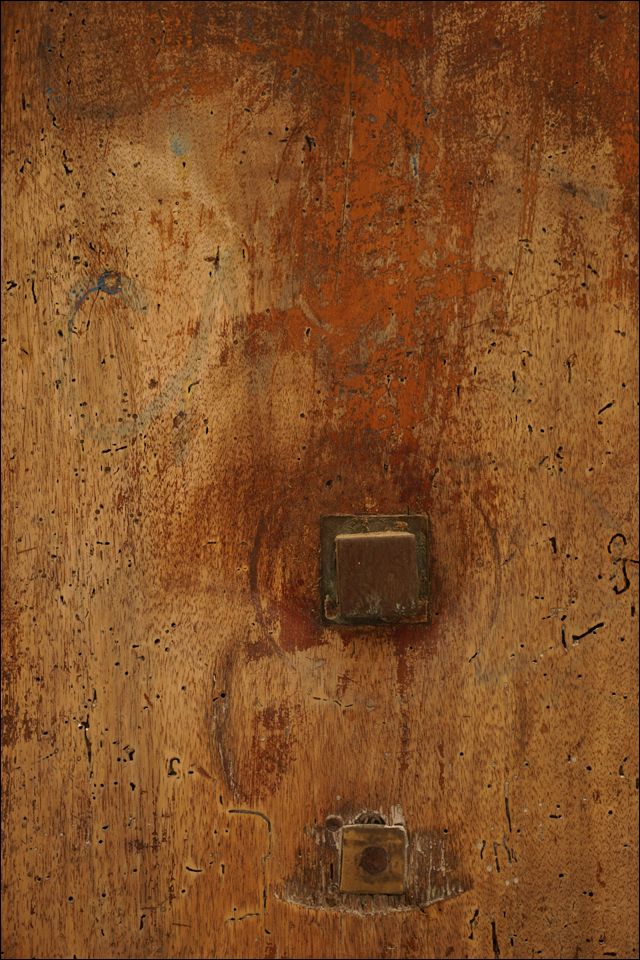
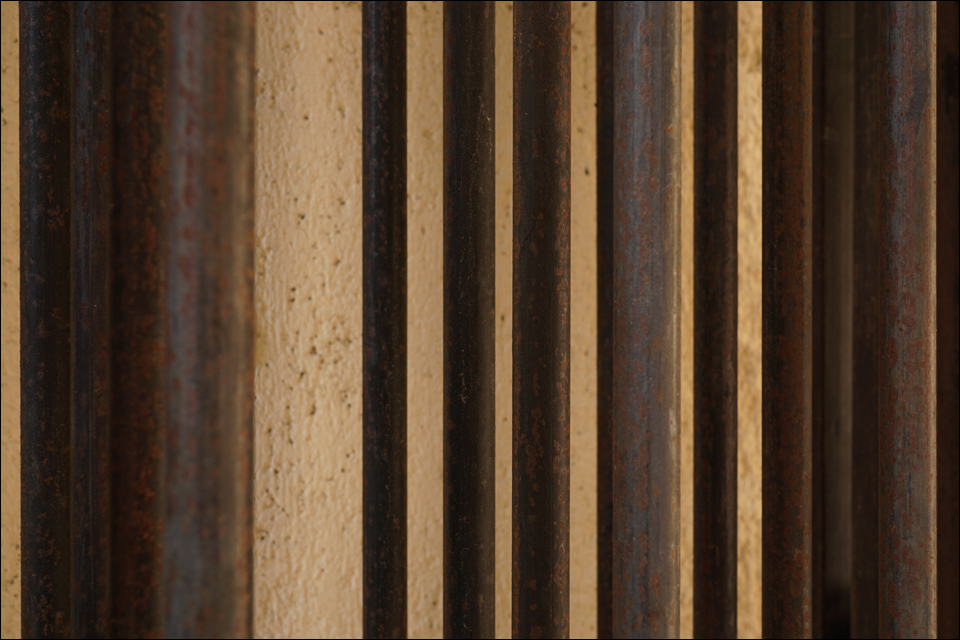
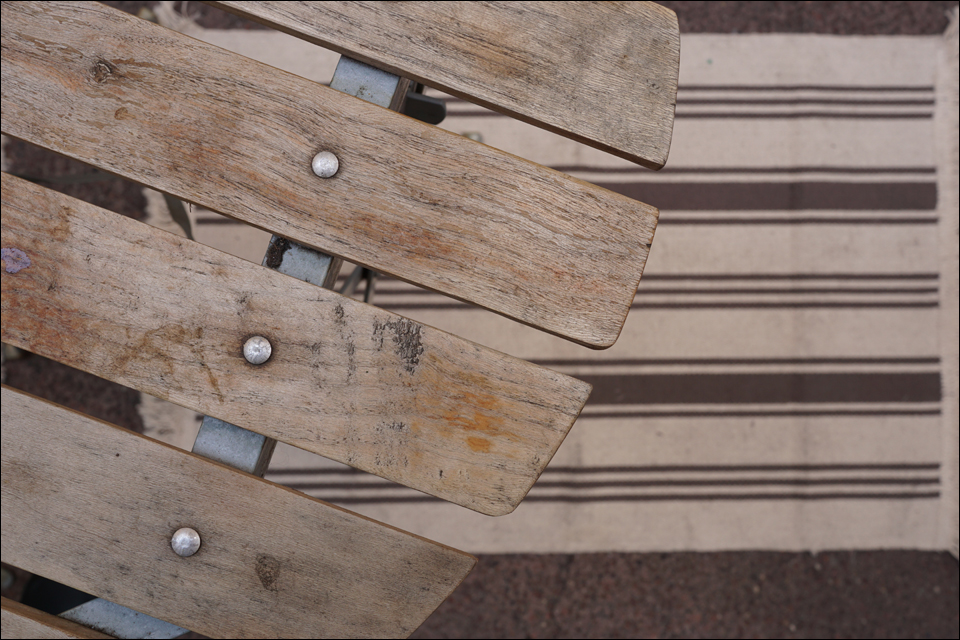
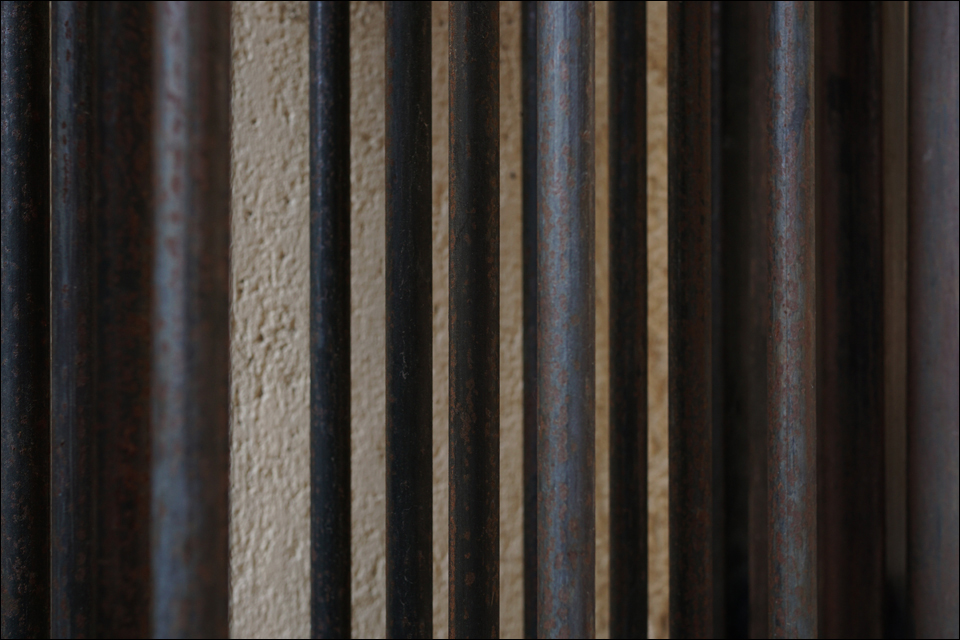
For this challenge abstract pictures may work better than those showing recognizable objects. The abstract pictures in this post were made ‘using’ the battered trash container below.

DSC02481-kComments are closed for this post because I would like to invite you to visit Paula’s Lost in Translation and participate in the challenge. Thank you – and have fun!

Litfaß 10 . 1

DSC03568-mi-k

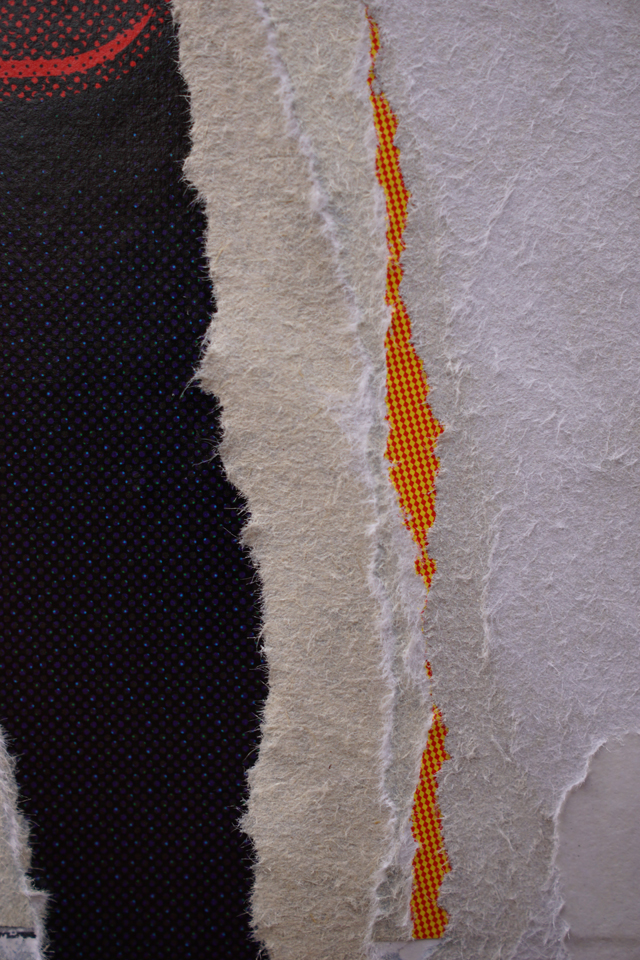
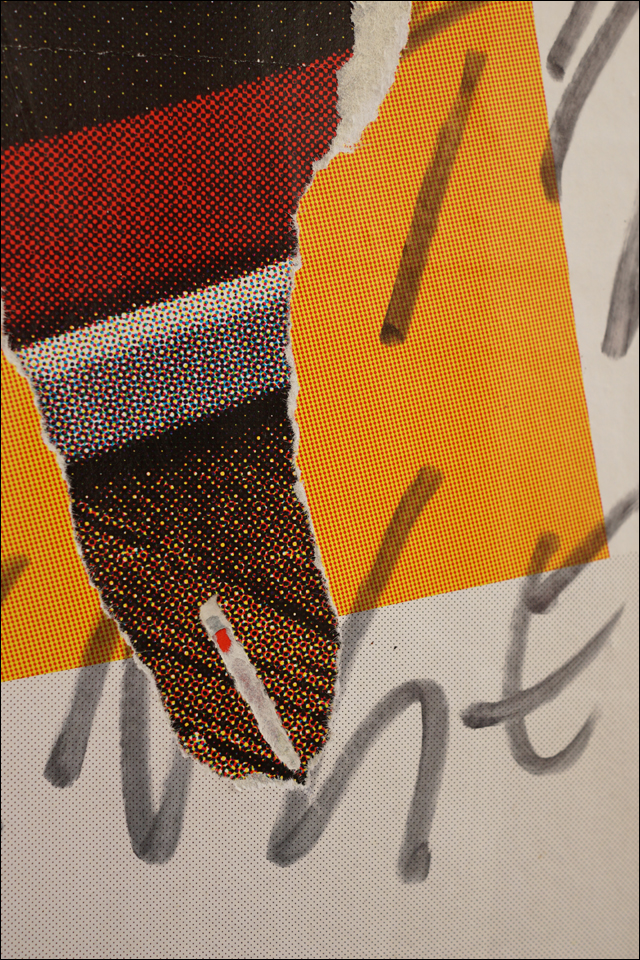
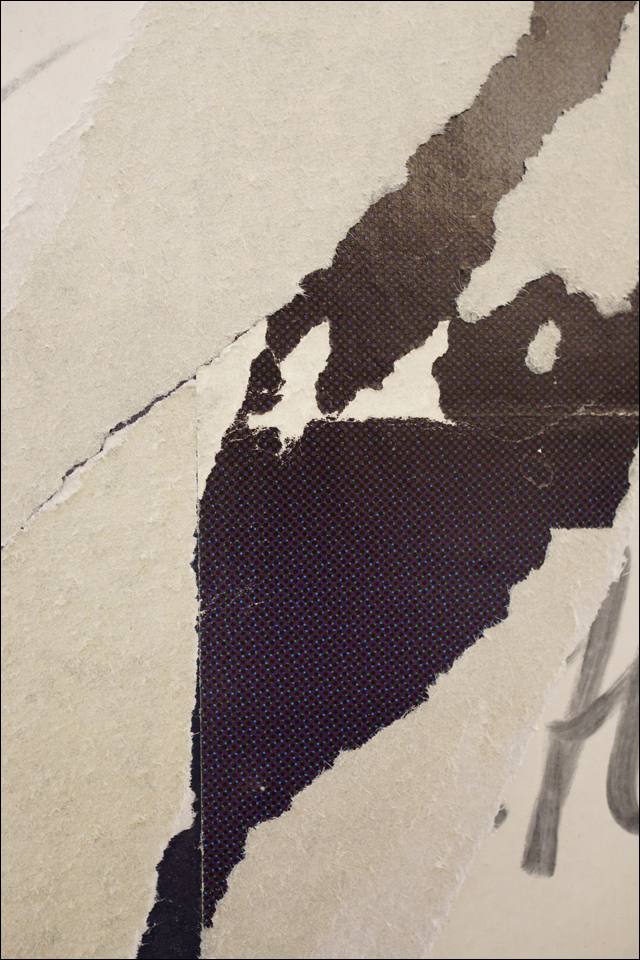
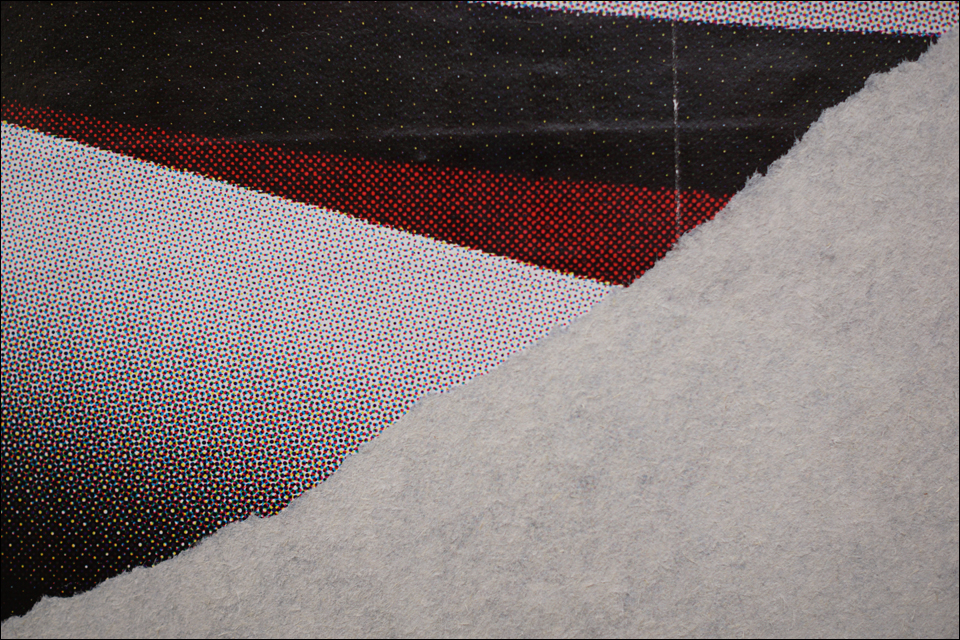
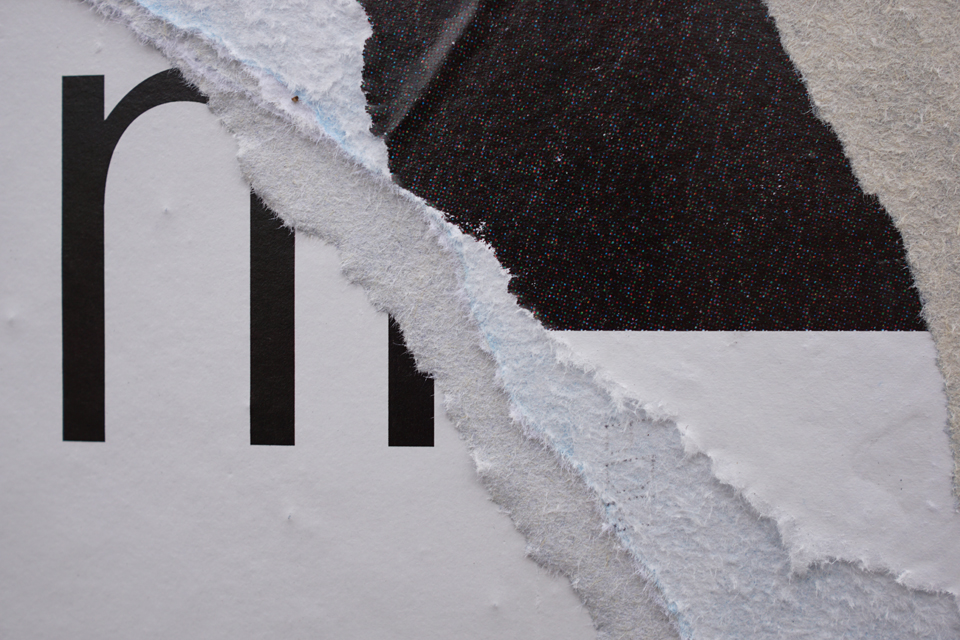
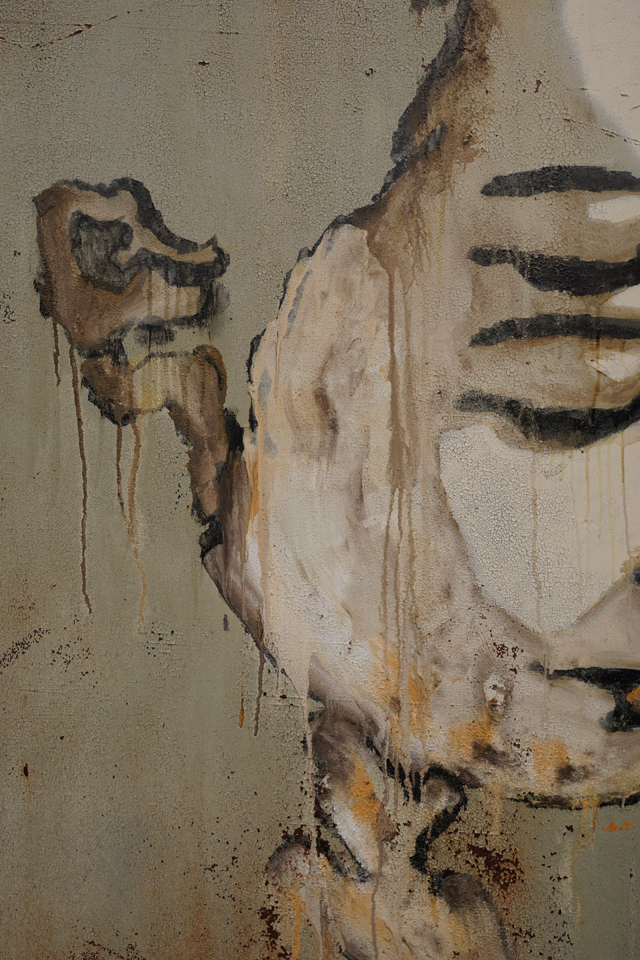
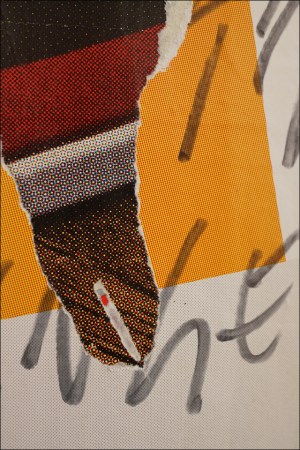
The pictures in this series sometimes look like pictures of art pieces to me. If they were, I would not see the point in photographing them like that. I do see a point, however, in finding constellations like the ones shown here: posters torn off an advertising column.

One could call them artworks resembling the reproductions of artworks. They actually show destruction, simultaneously constructing something new. The title previously assigned to this series – Deconstructivism – was therefore just as good, but Litfaß should set the record straight; Litfaß-Säule meaning advertising column.

Schilder und Schriften

DSC03958-k

DSC03962-k

DSC03966-k

DSC03935-k

DSC03933-k

DSC03924-k

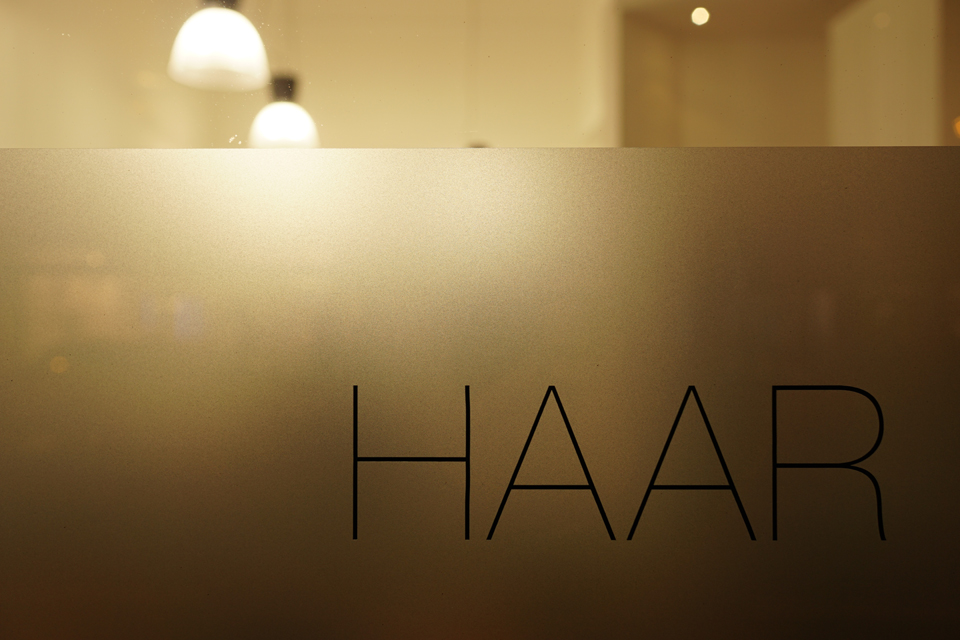
Winter is almost over (as far as the dark time of the year is concerned) and yet I did not play around with city lights as much as I had intended, so Paleica’s Magic Motto Schilder und Schriften (signs and fonts) presented a welcome opportunity to do just that. I am not sure the Muses will be good to me again, so I think this is the final post for this challenge.

Be sure to enjoy the other participants’ entries!


Litfaß 13 . A Letter From Wiesbaden

DSC03667-d03k…or letters, maybe. | Without further ado, let me point to a great photo challenge by Austrian blogger Paleica: She will offer twelve magic mottos throughout this year, giving everybody ample time to come up with something. The challenge will be in German – but there’s always the dictionary. This month’s theme is Schilder und Schriften – and it is a bit hard to translate: I hope that ‘sign boards and fonts’ should cover it.

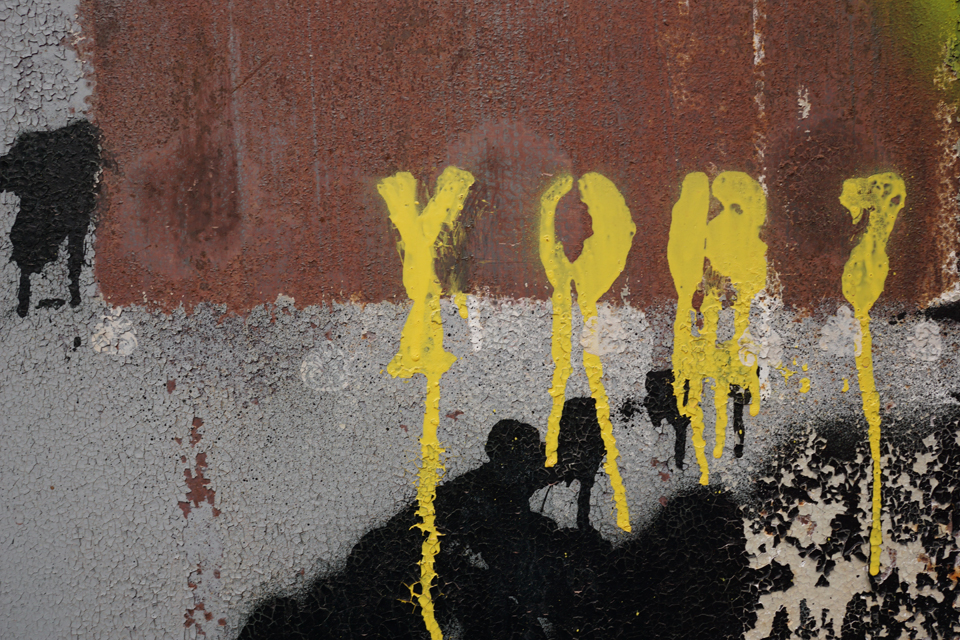
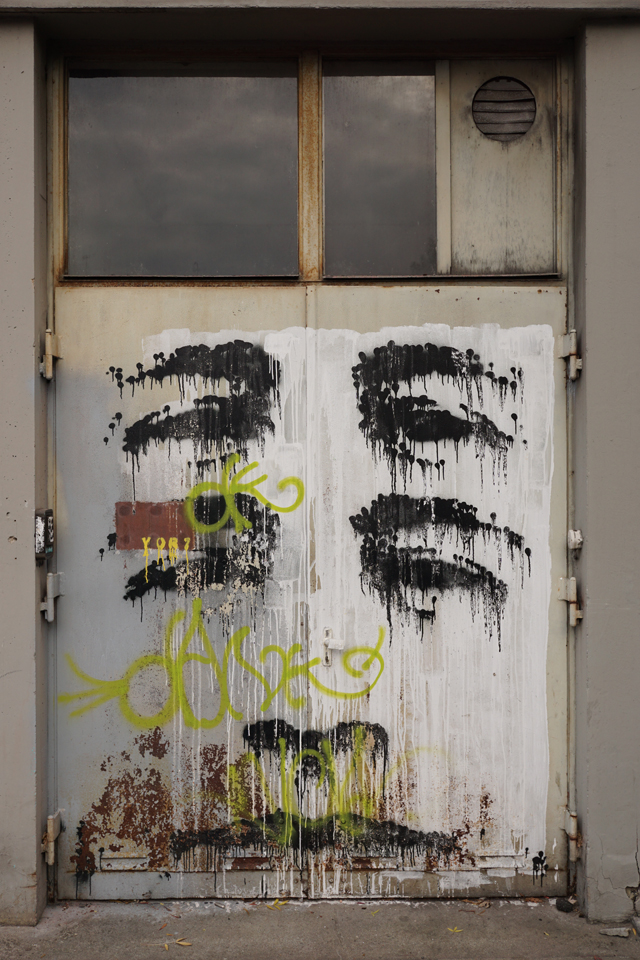
Hello … My Name is … YOR7

DSC03450-k

DSC03419-k

DSC03426-k

DSC03423-k

DSC03474-d-02k

DSC03430-k

DSC03471-k

DSC03438-k

DSC03415-k

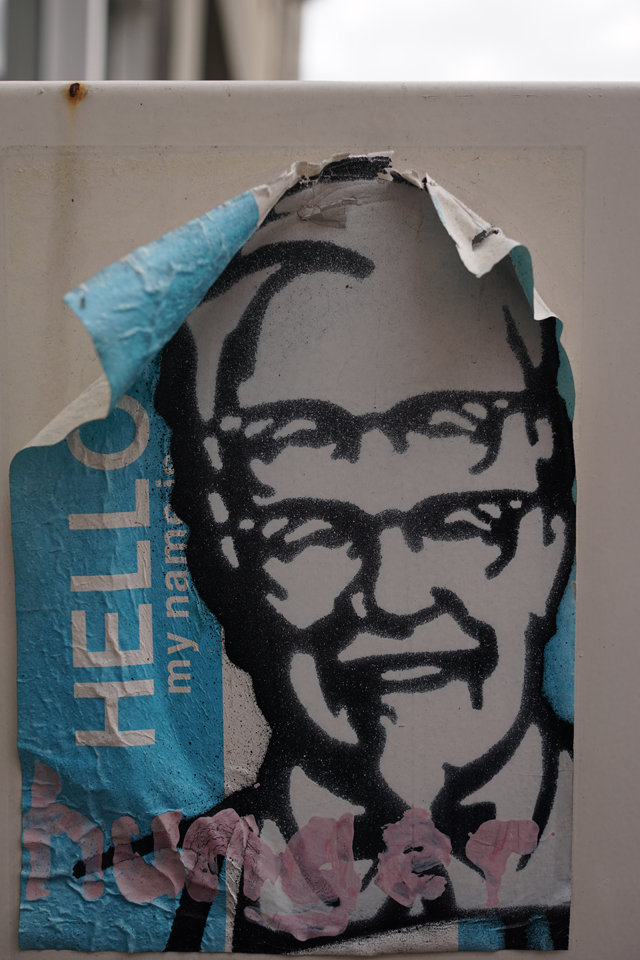
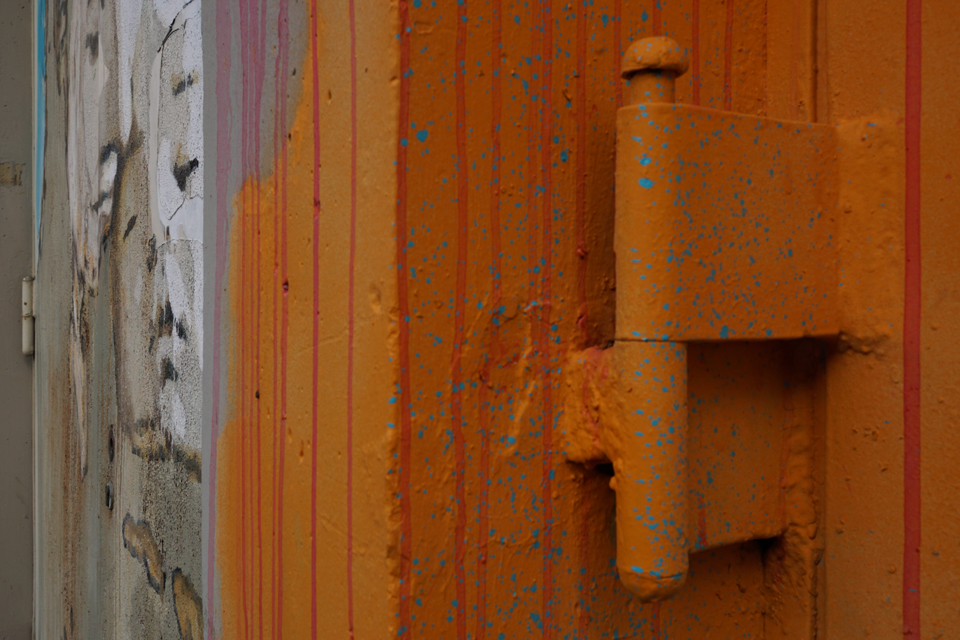
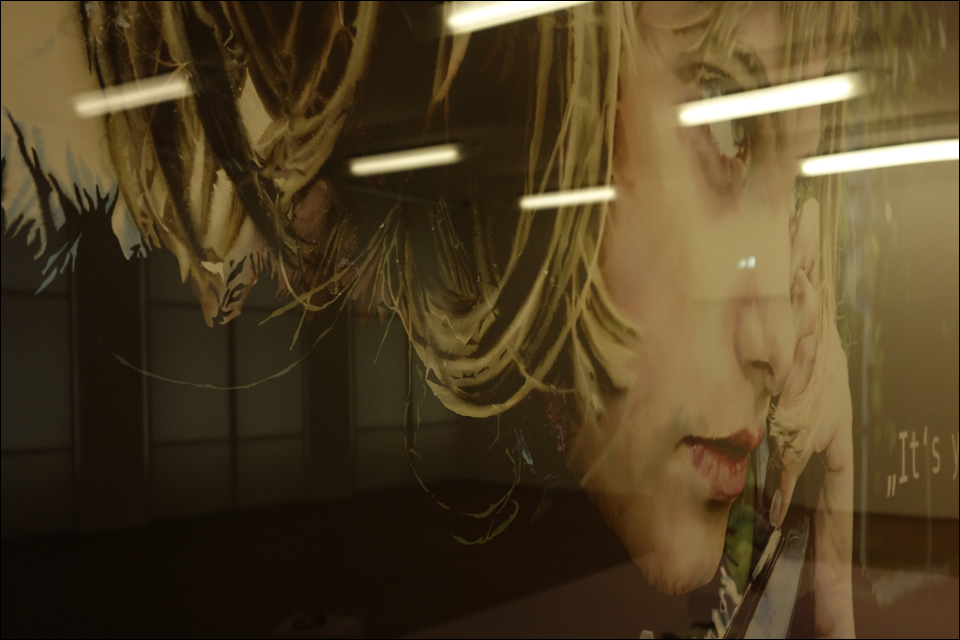
Looking for traces of use and abuse around Wiesbaden’s former courthouse, I spotted these pictures painted on metal doors. I found them absolutely gripping, and immediately decided I had to show them to Jörg from Dosenkunst. Then I checked with his blog and found out he had photographed and posted them quite a while ago. So what was the point of photographing them again?

I told my wife I had to show her some photos of graffiti, and upon seeing them she replied: “Are you sure you want to call these graffiti? They are art!” So here’s another interpretation of art…

Litfaß 12. “Creative Intervention”

DSC03629-k

Creative intervention? When I first read the term, I was at a loss. But then I read Paula’s description:

Shooting an amazing piece of creation in most unlikely places, or making a creation of your own and capturing it by camera; possibilities are countless. Have you recently seen something that changed the original aspect of a place/Thing? Was it a pleasing creation or unsightly one?

Well, whoever tears the posters off this advertising column (German: Litfaß-Säule)  is responsible for an unsightly change to an usually unsightly place. But he makes “making a creation of my own” all the more easy – all I have to do is find and compose a picture. Having seen “something that changed the original aspect of the thing,” I do my part in changing the original aspect…

Call it deconstructivism. Or call it creative intervention.