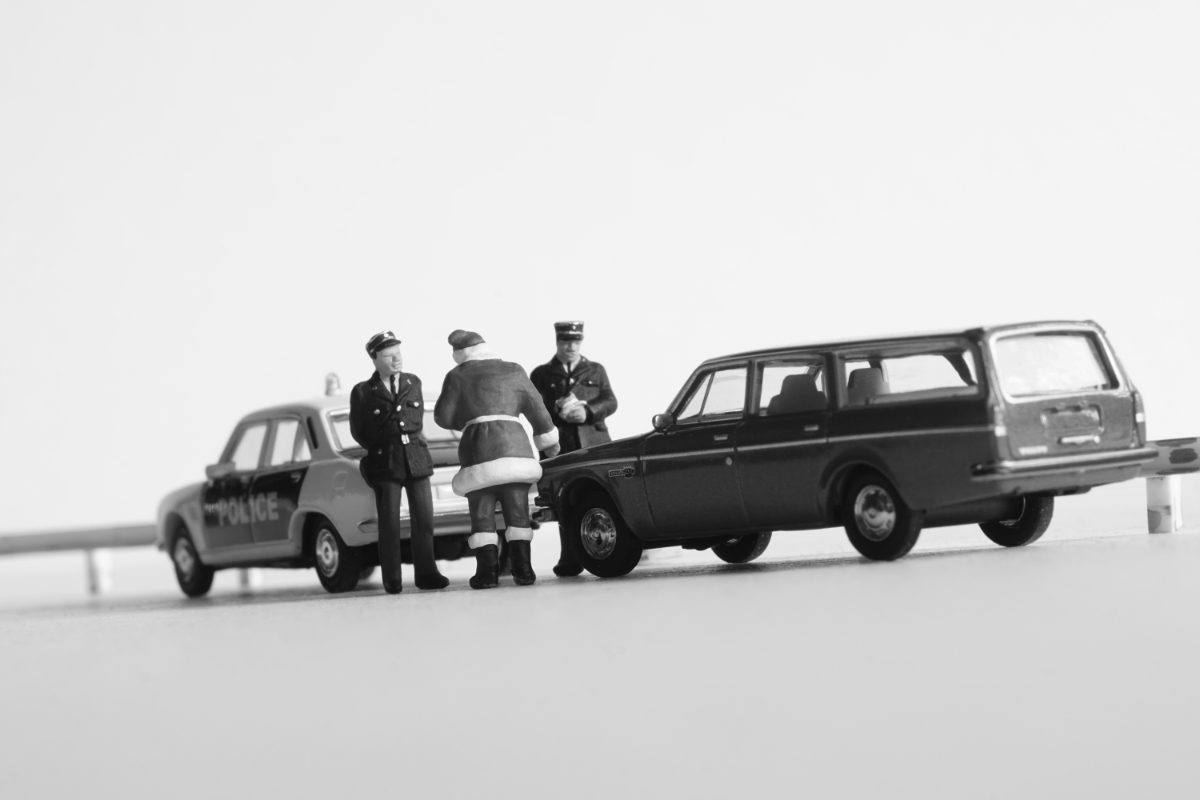
Slow down. Relax. Have a merry Christmas.
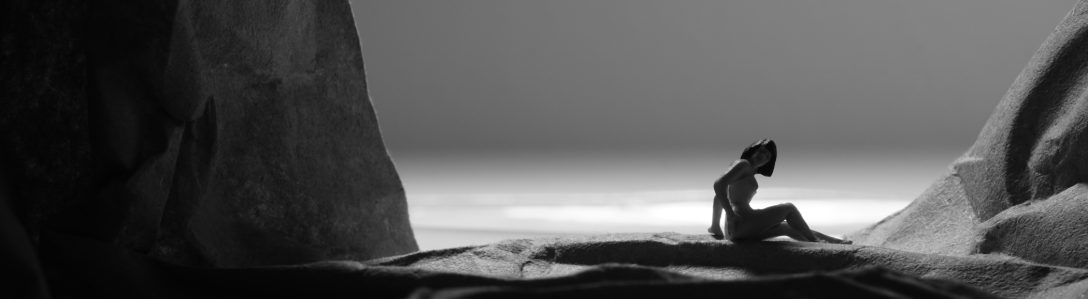
tobias m. schiel
Slow down. Relax. Have a merry Christmas.
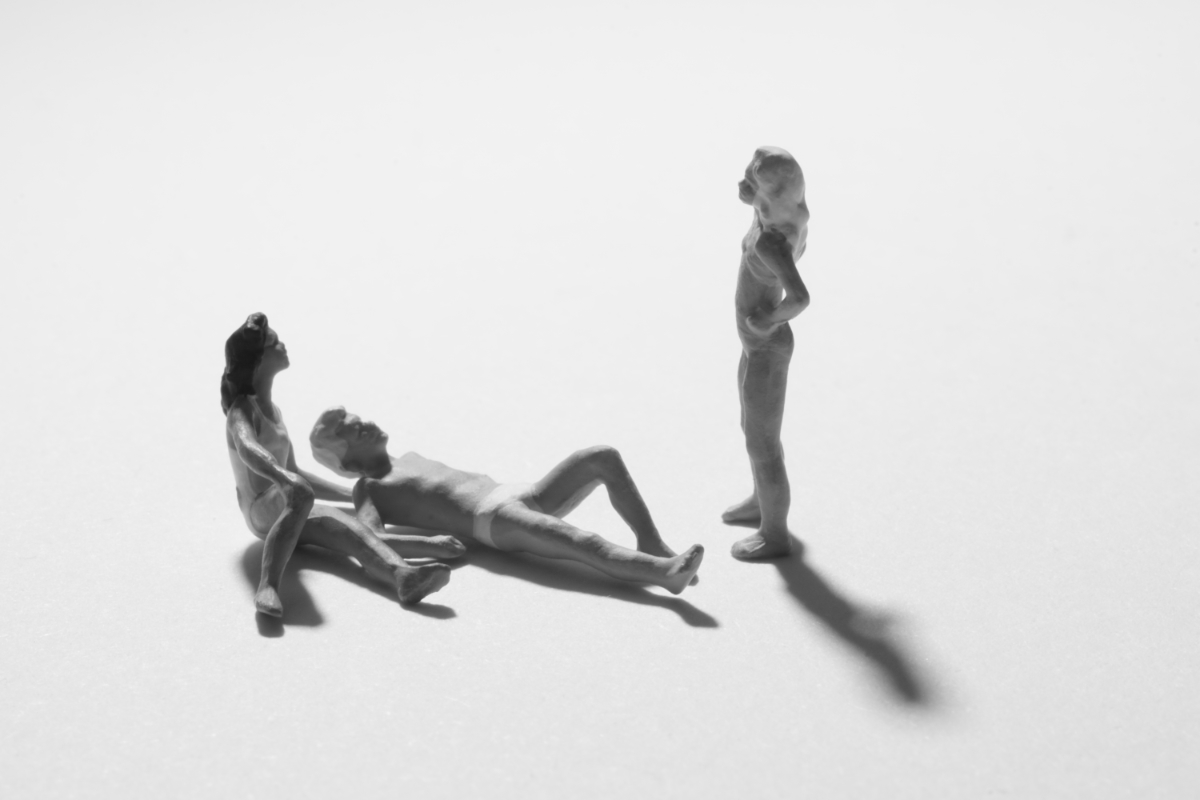
Lens-artists challenge #329: I am not entirely sure what’s happening in this picture because I was putting the focus on composition rather than narrative. However, the figures’ poses seem to hint at seomething last chance-y..
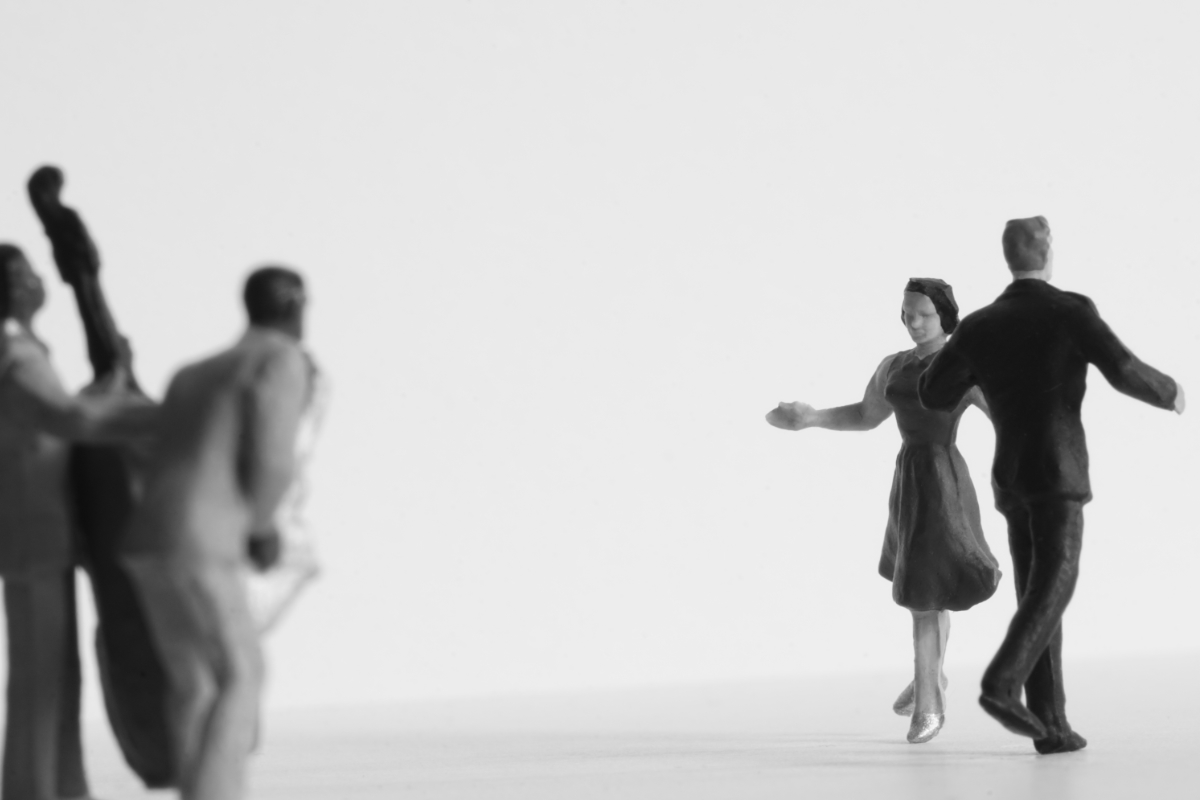
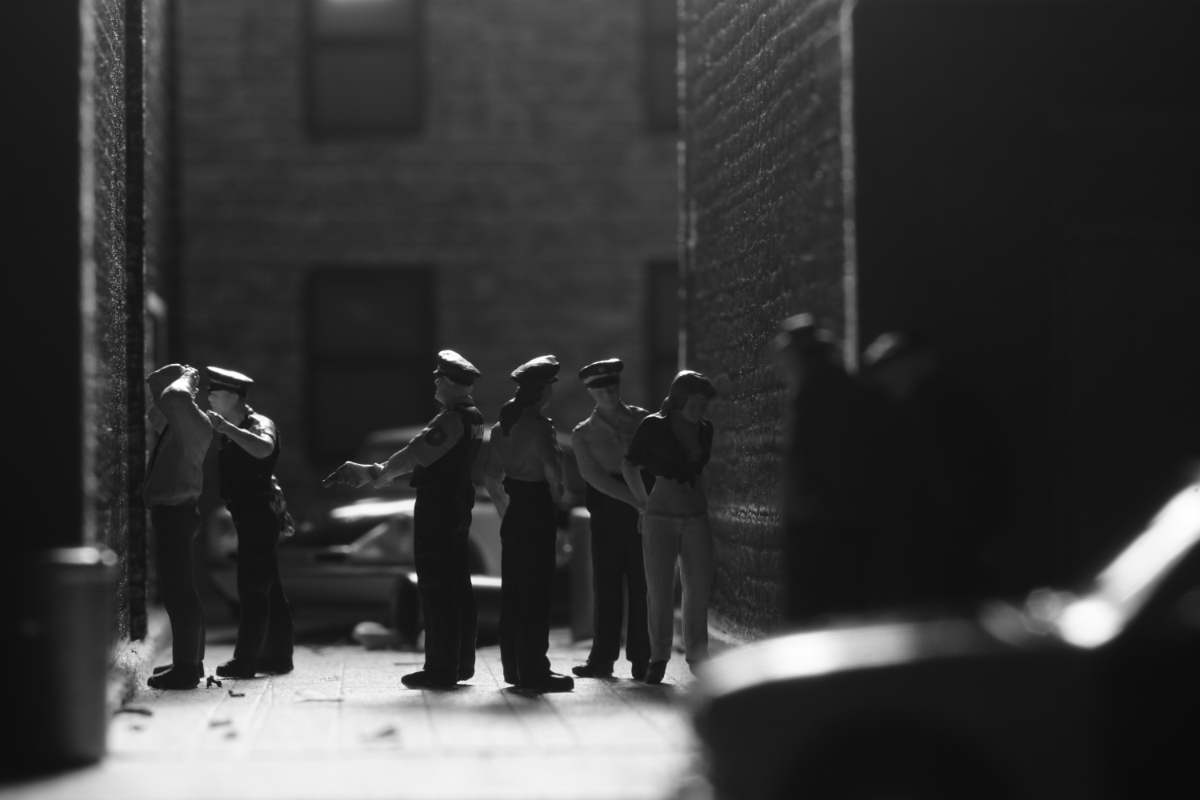
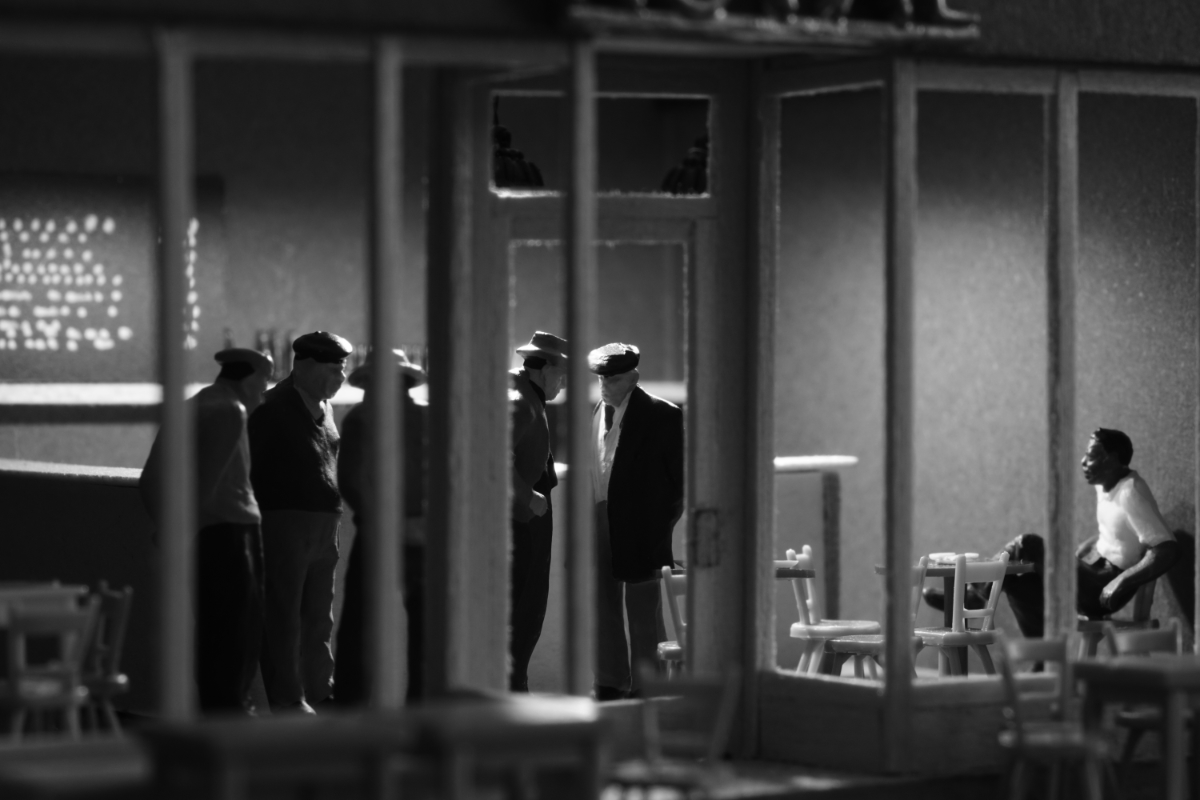
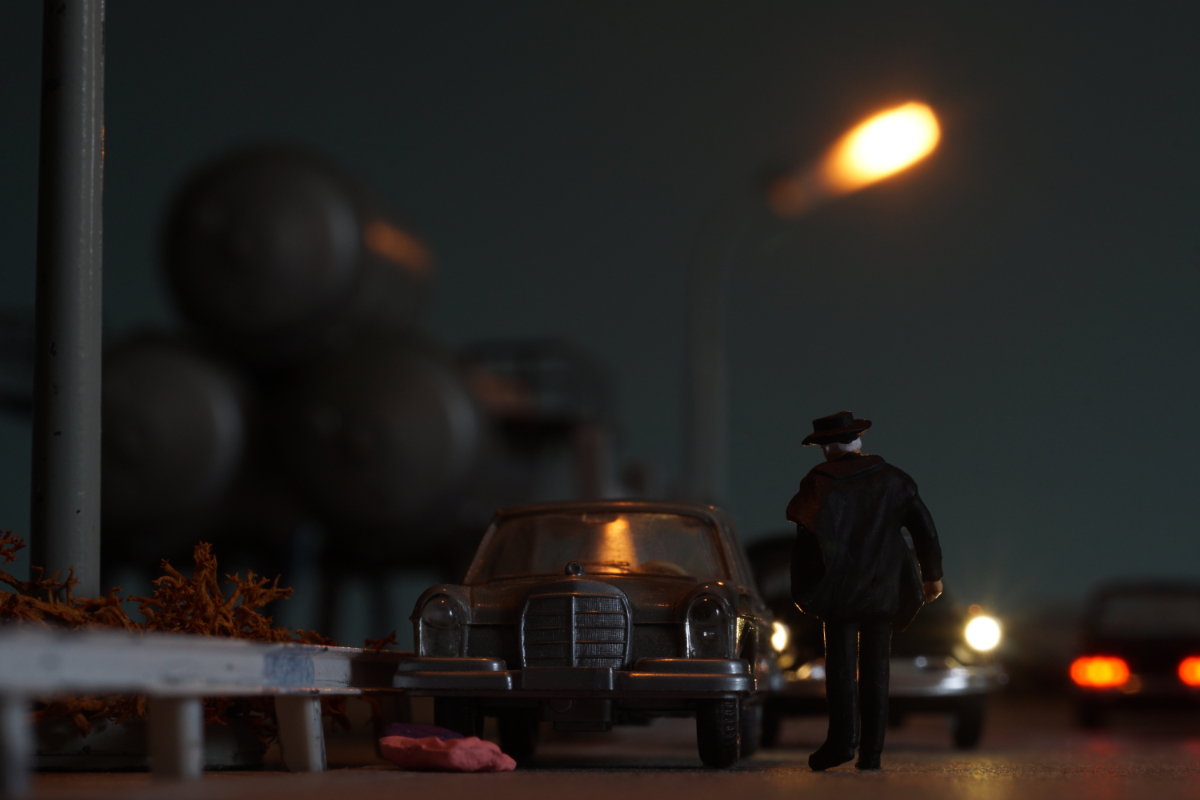
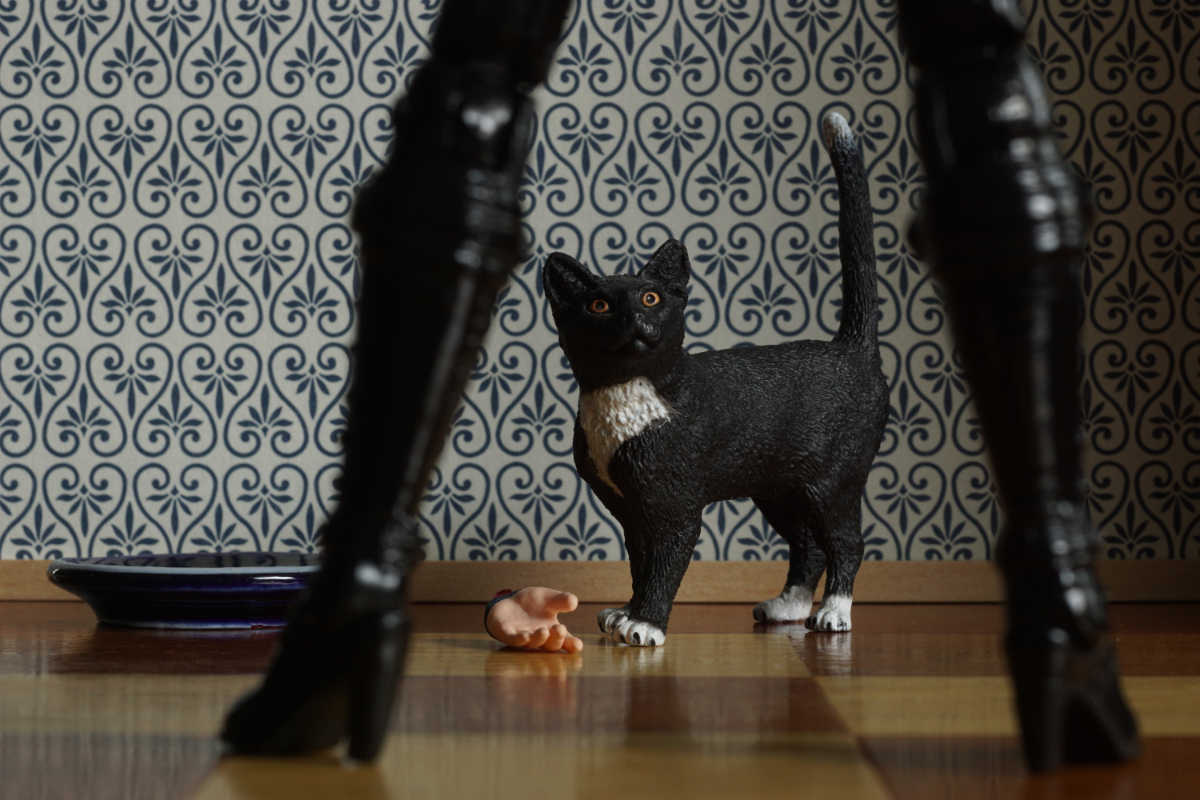
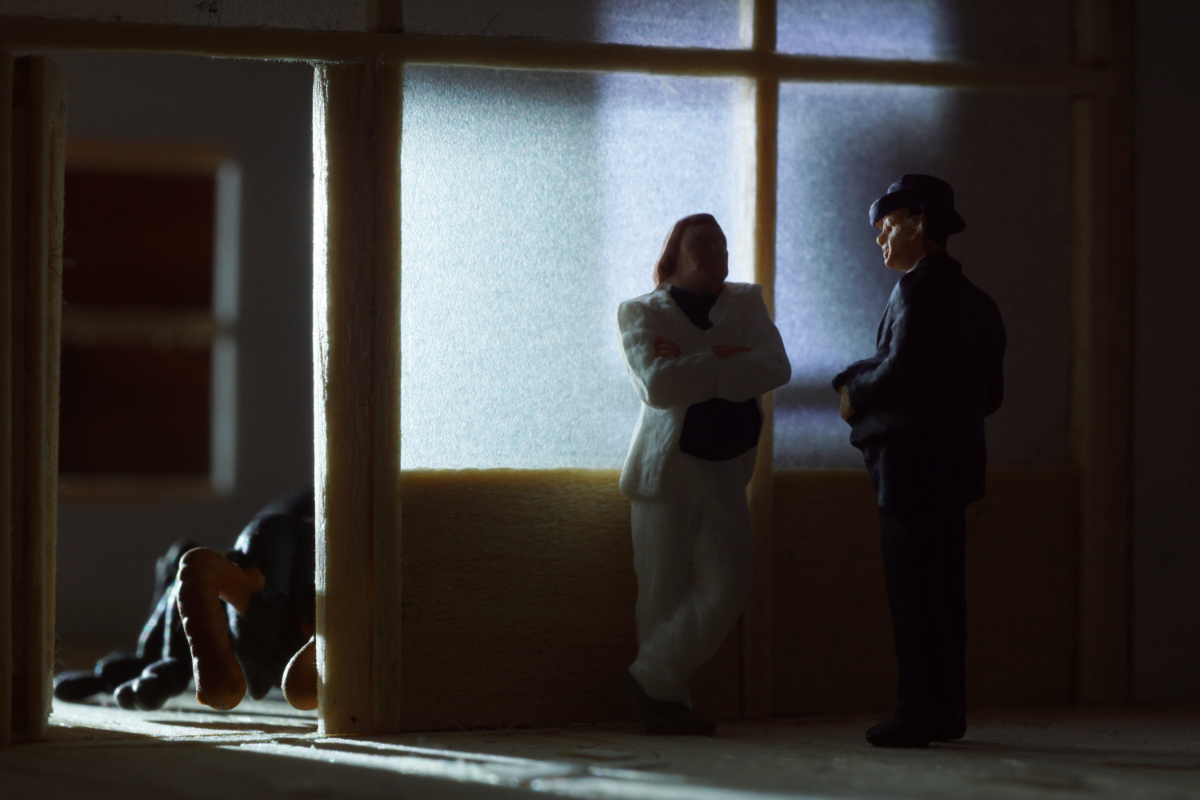

These miniature scenes do not happen out of the blue. I am an amateur photographer. I love wearing that type of cap. People have to wait for my while I take a photo. And yes, I have photographed shop windows before.
Scanning my photos for proof, I found some pictures that fit the bill. Looking back even made me realize I hid my face in my real-life self portraits as well.
I think when we photograph we always do it with thousands of pictures in our heads, even if we do not have them all before our inner eye in the moment we release the shutter.
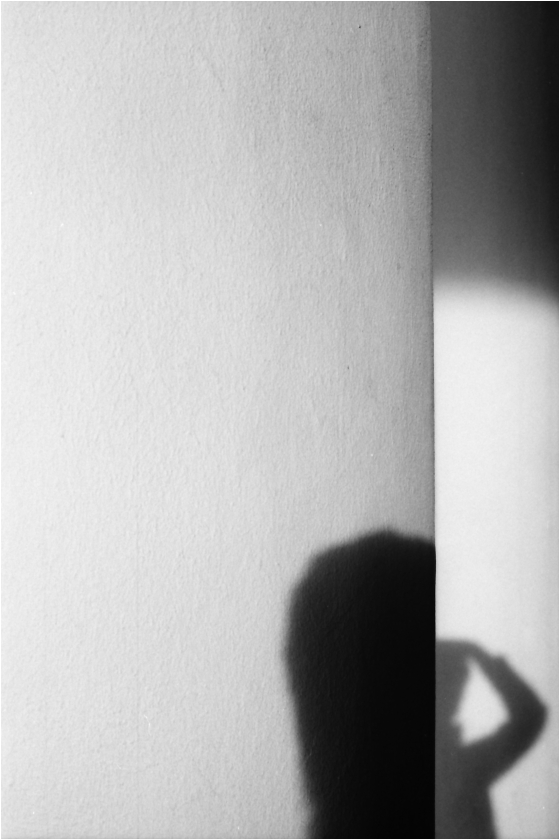
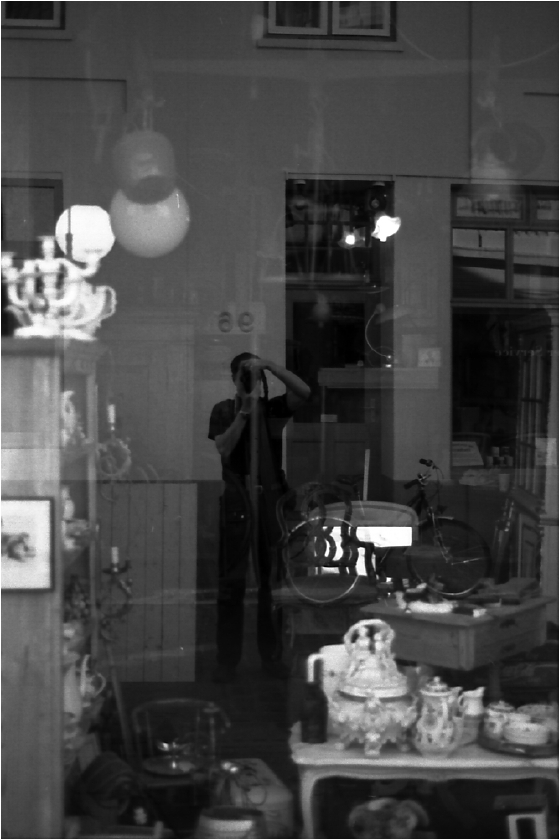
Left: “A Picture With Me in It” (2012), right: “Junk” (2009)
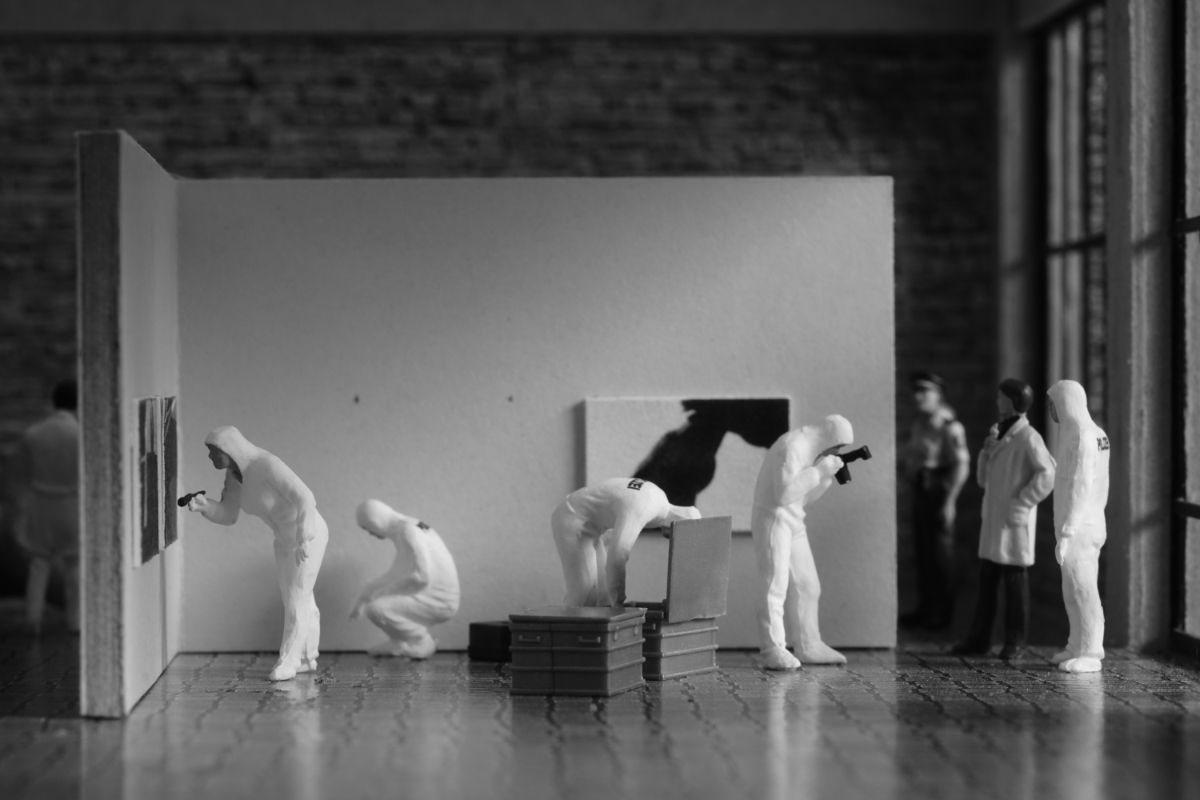
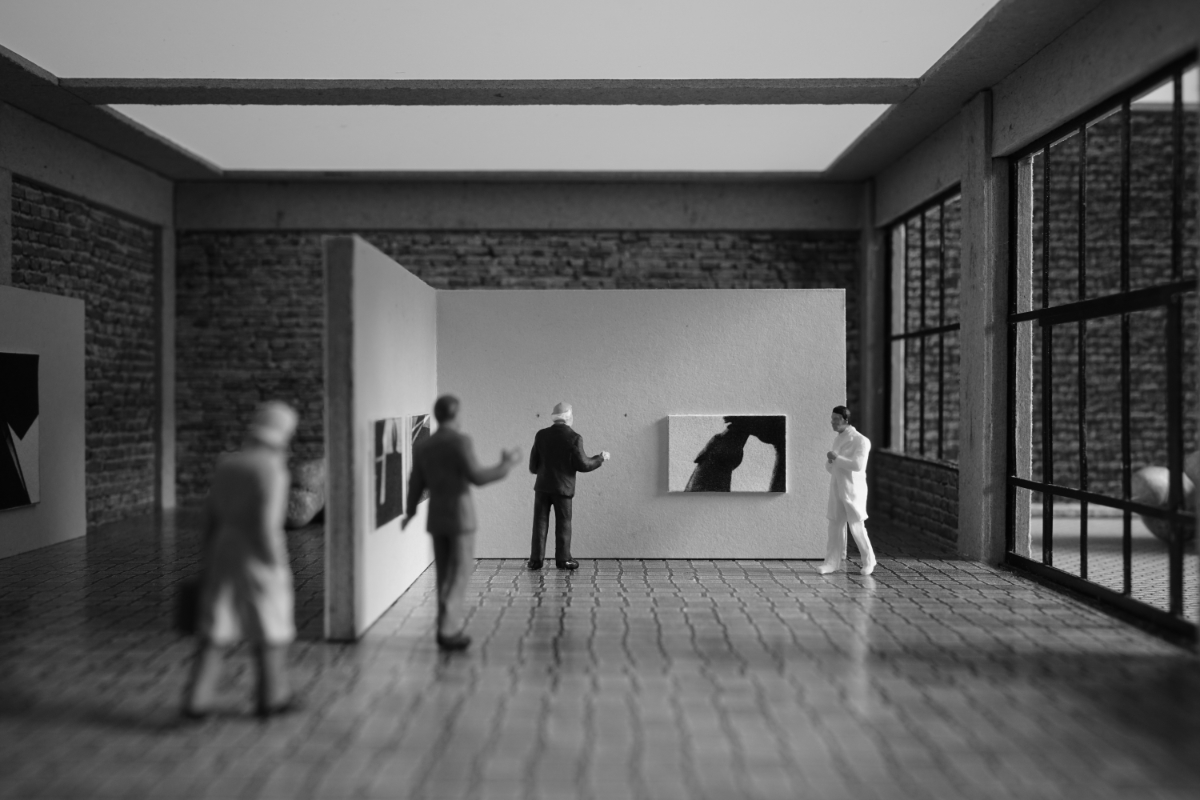
A happy coincidence: This picture is part of a sequence, and it is ready to be shared just the moment lens-artist Leya announced this week’s challenge #319: Setting a Mood.
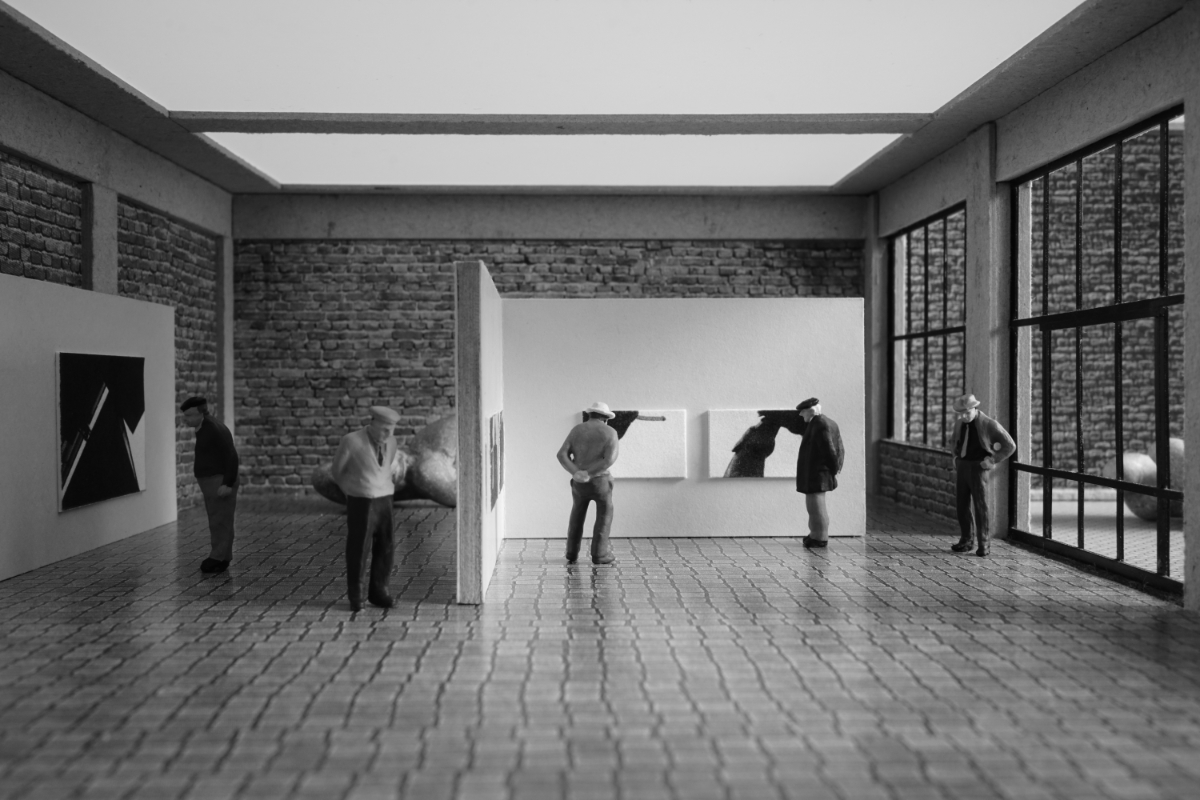
In case you would like to peek behind the scenes, I wrote about the conversion of a miniature warehouse into a miniature museum here.
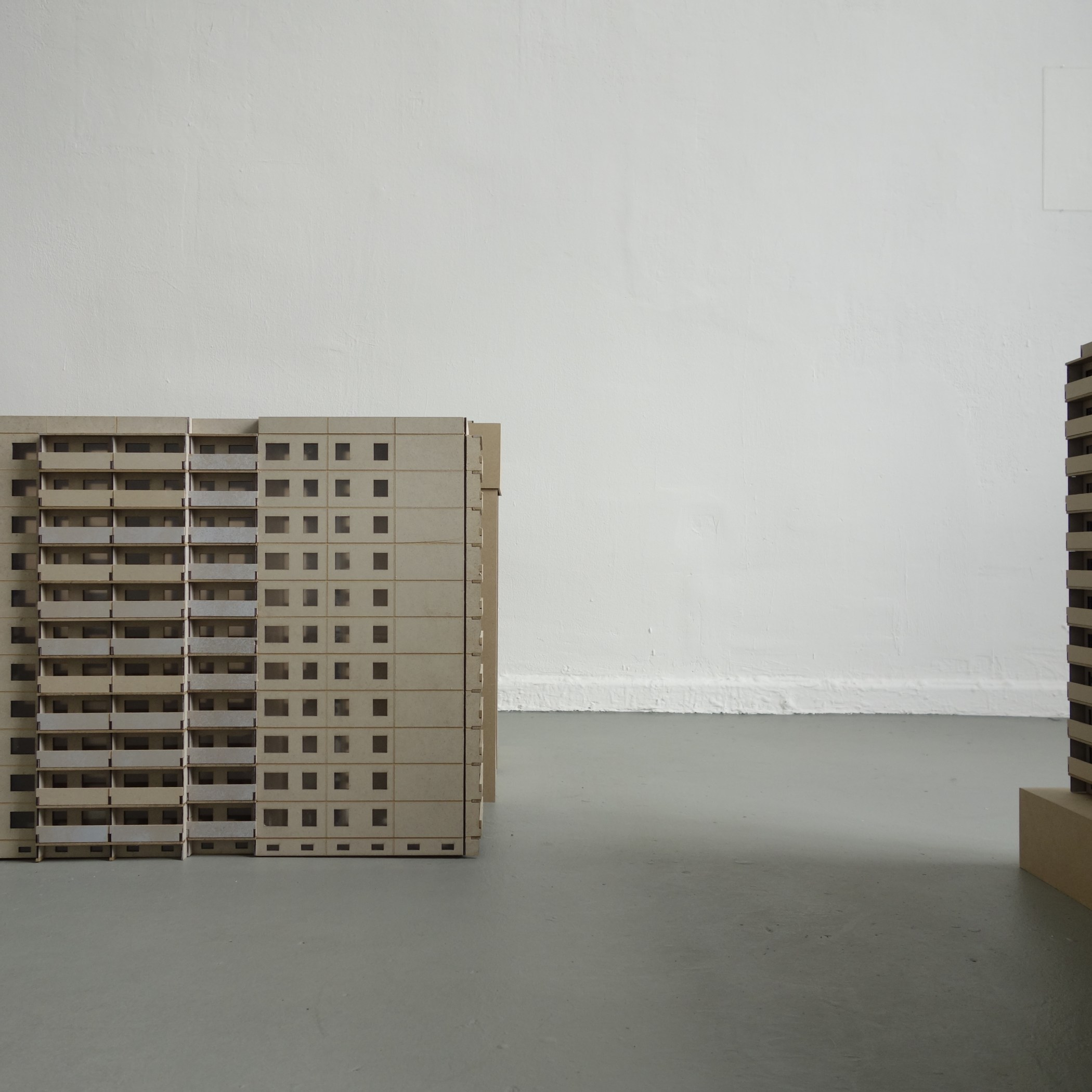
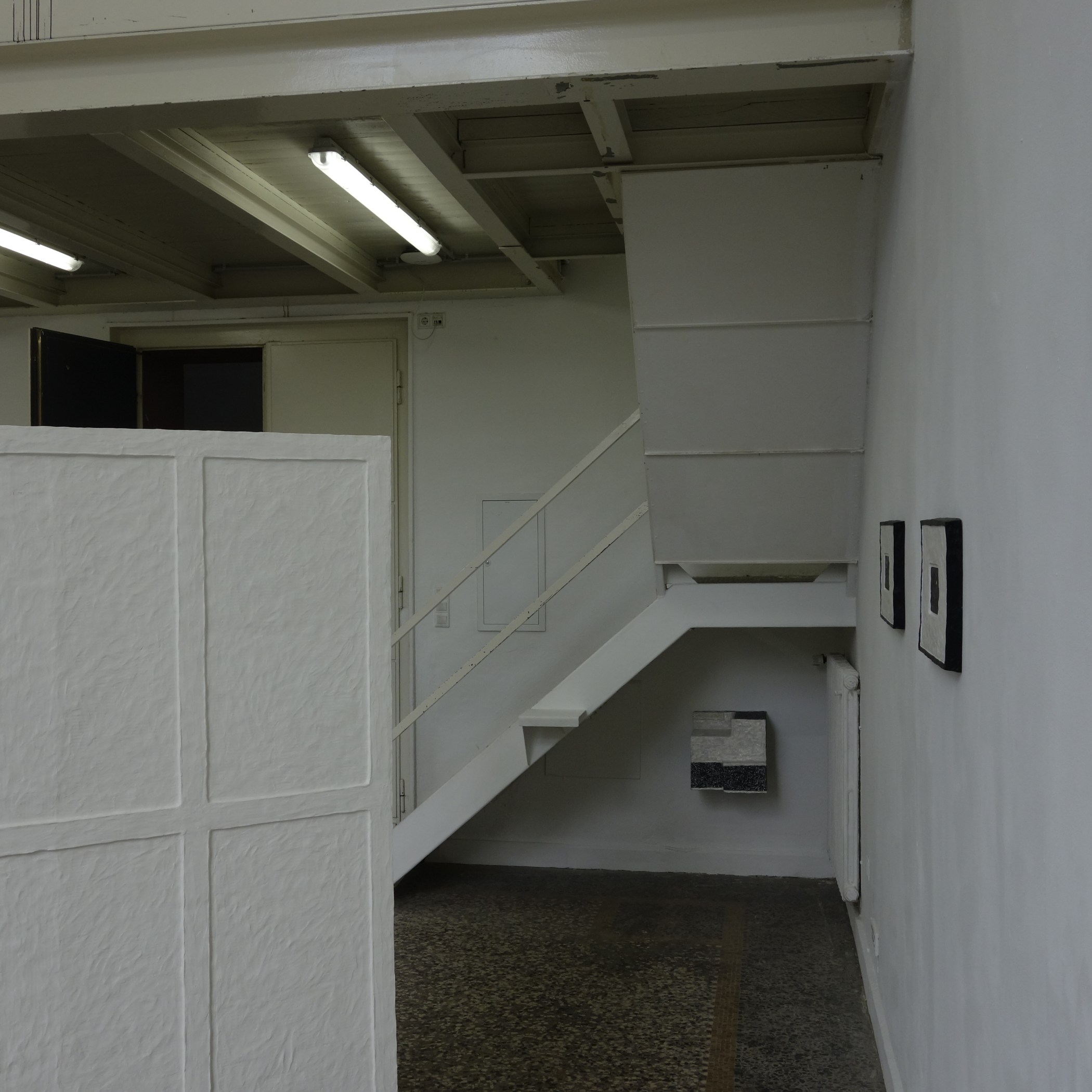
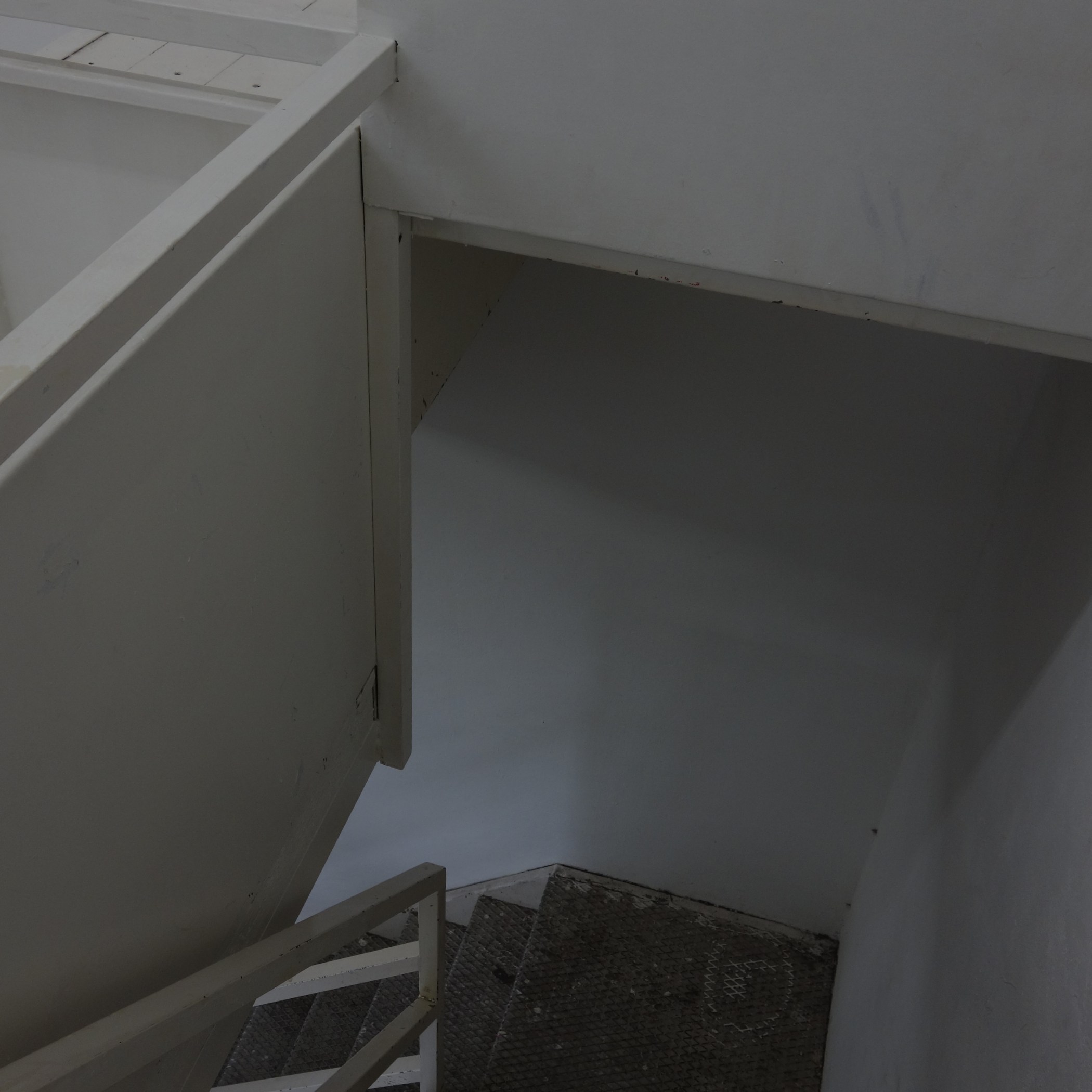
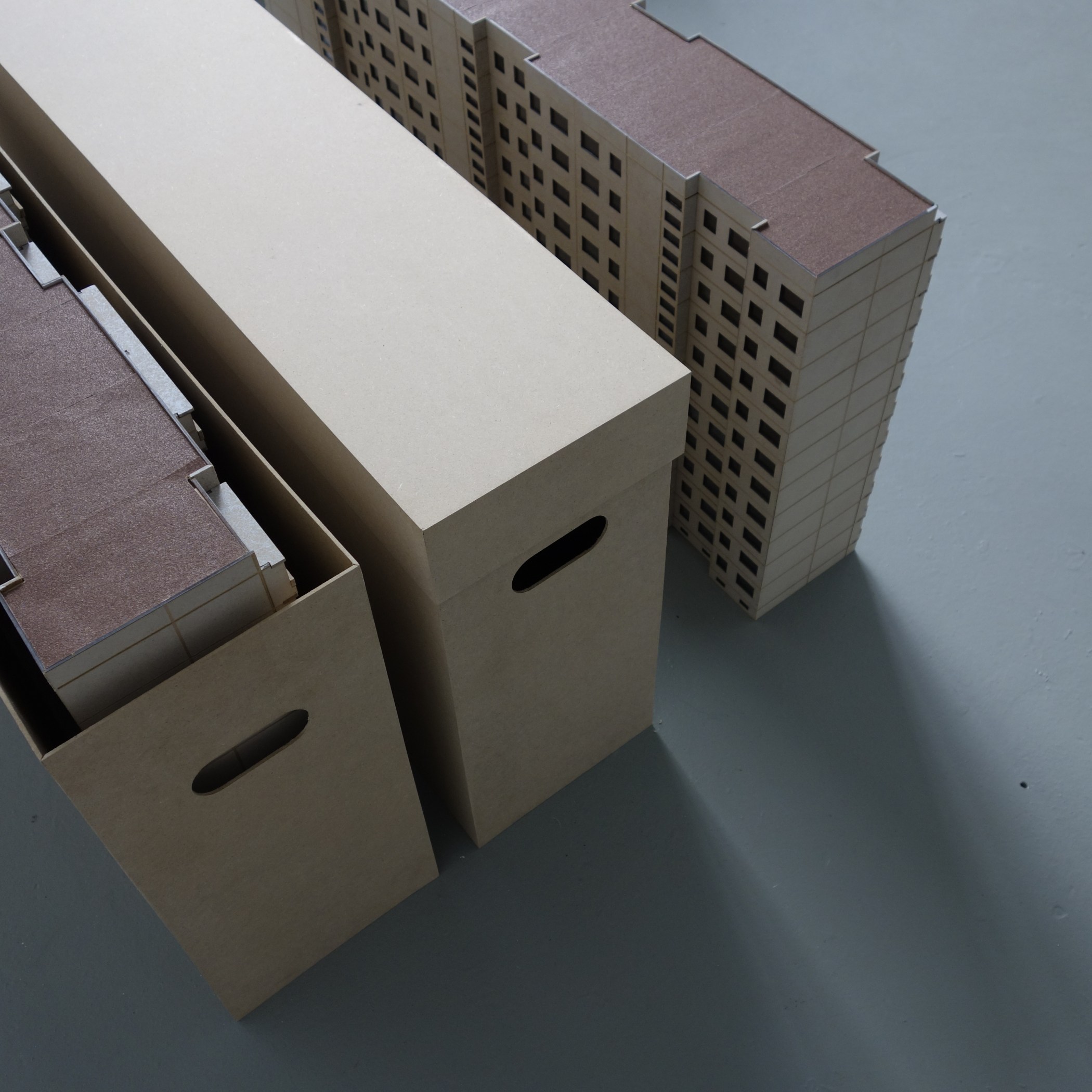
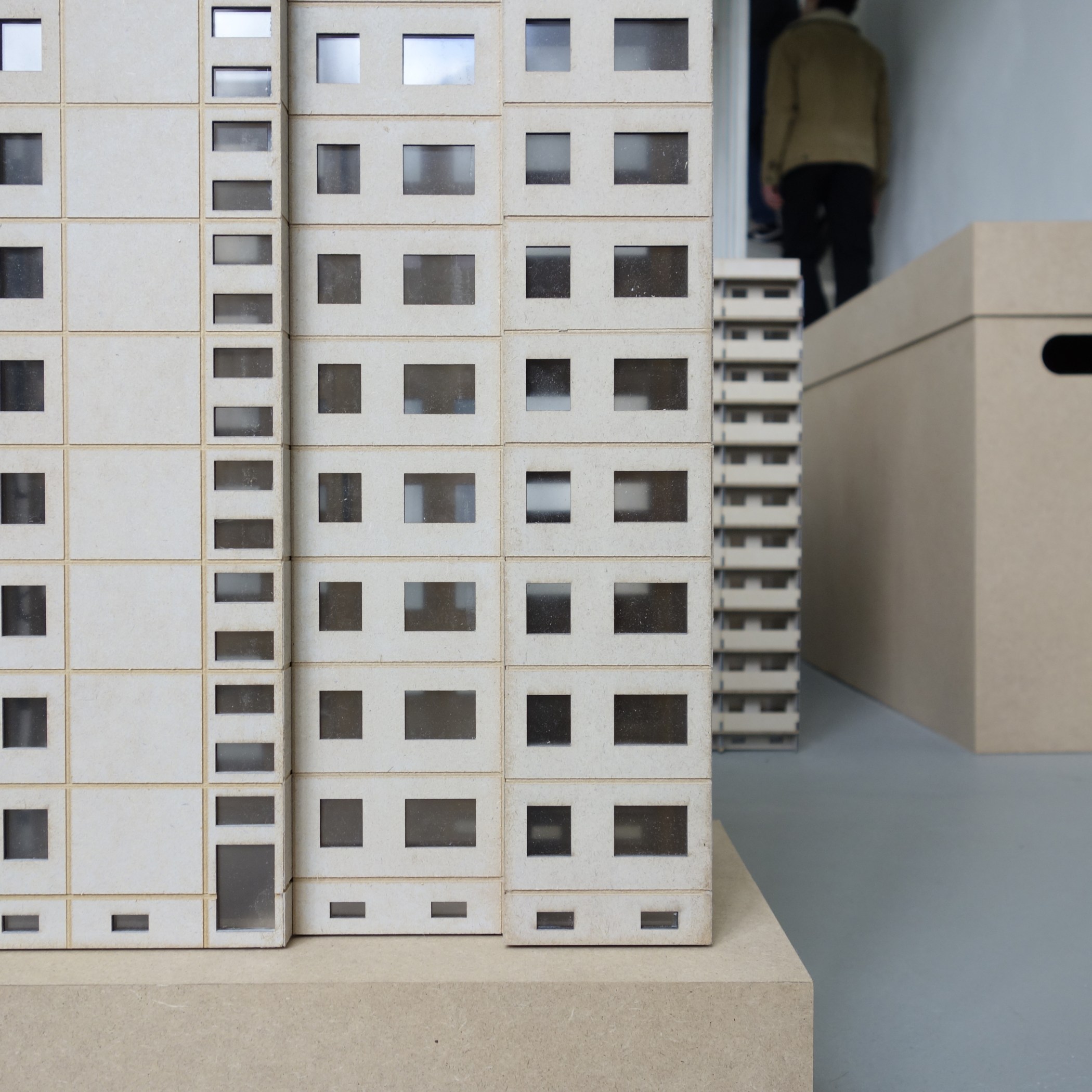
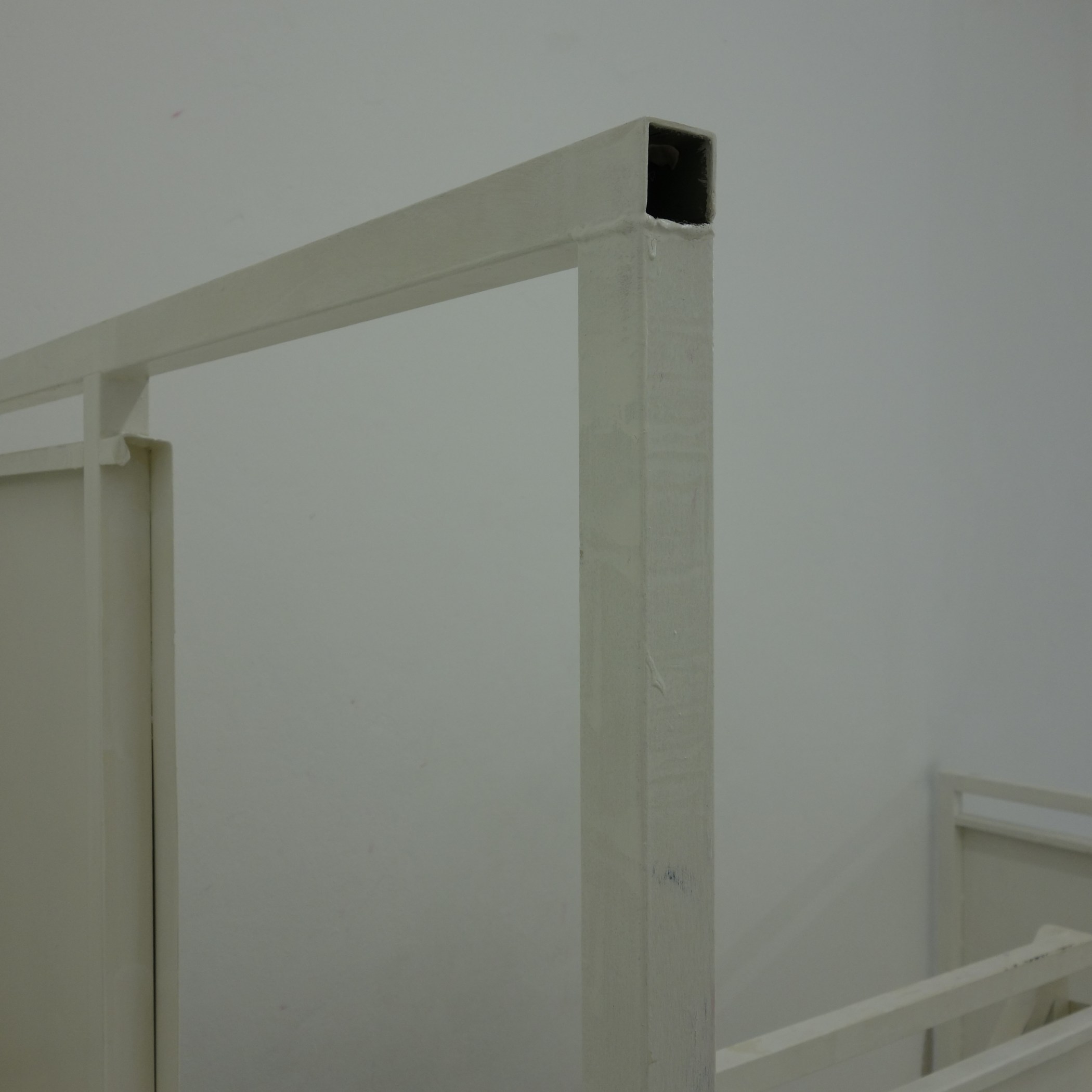
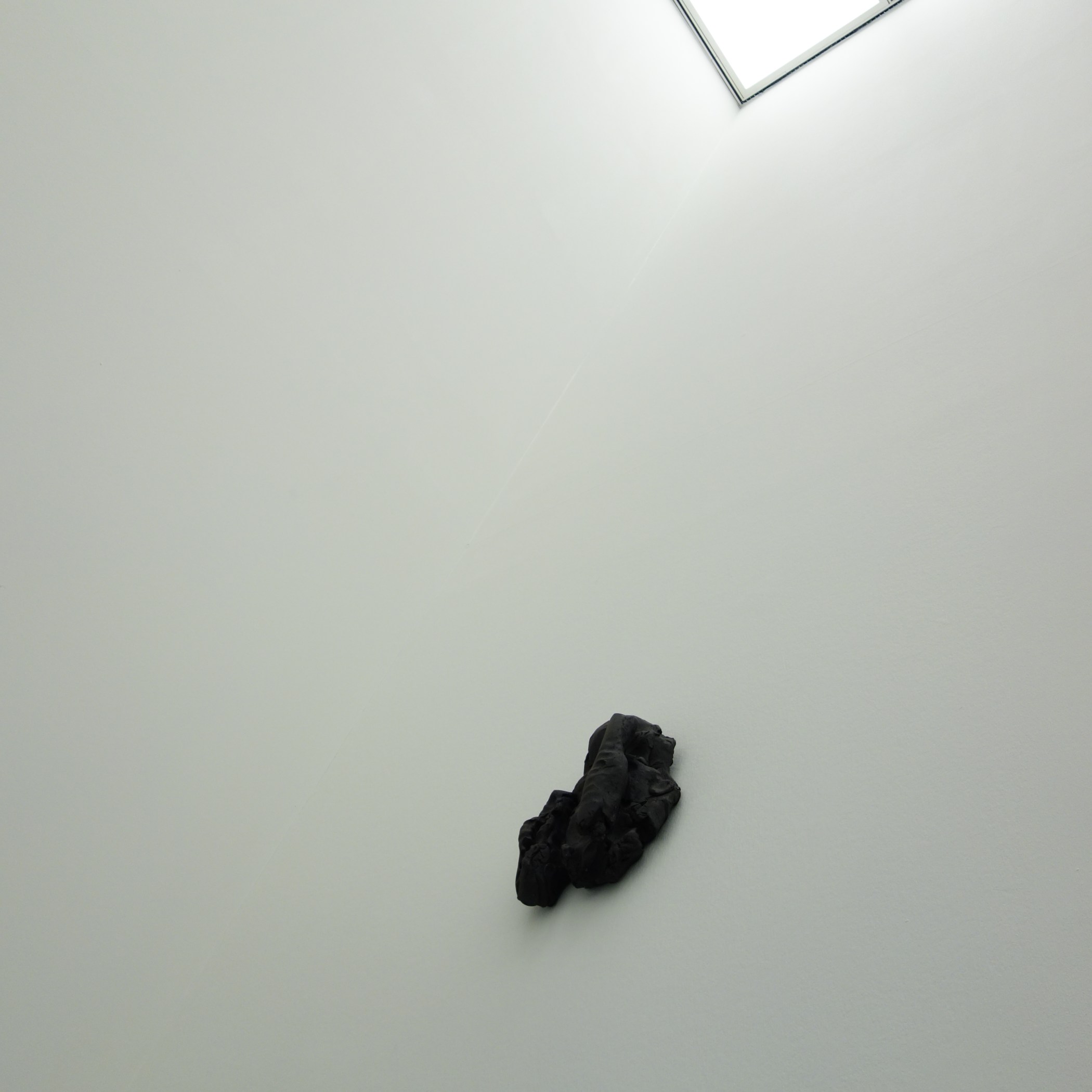
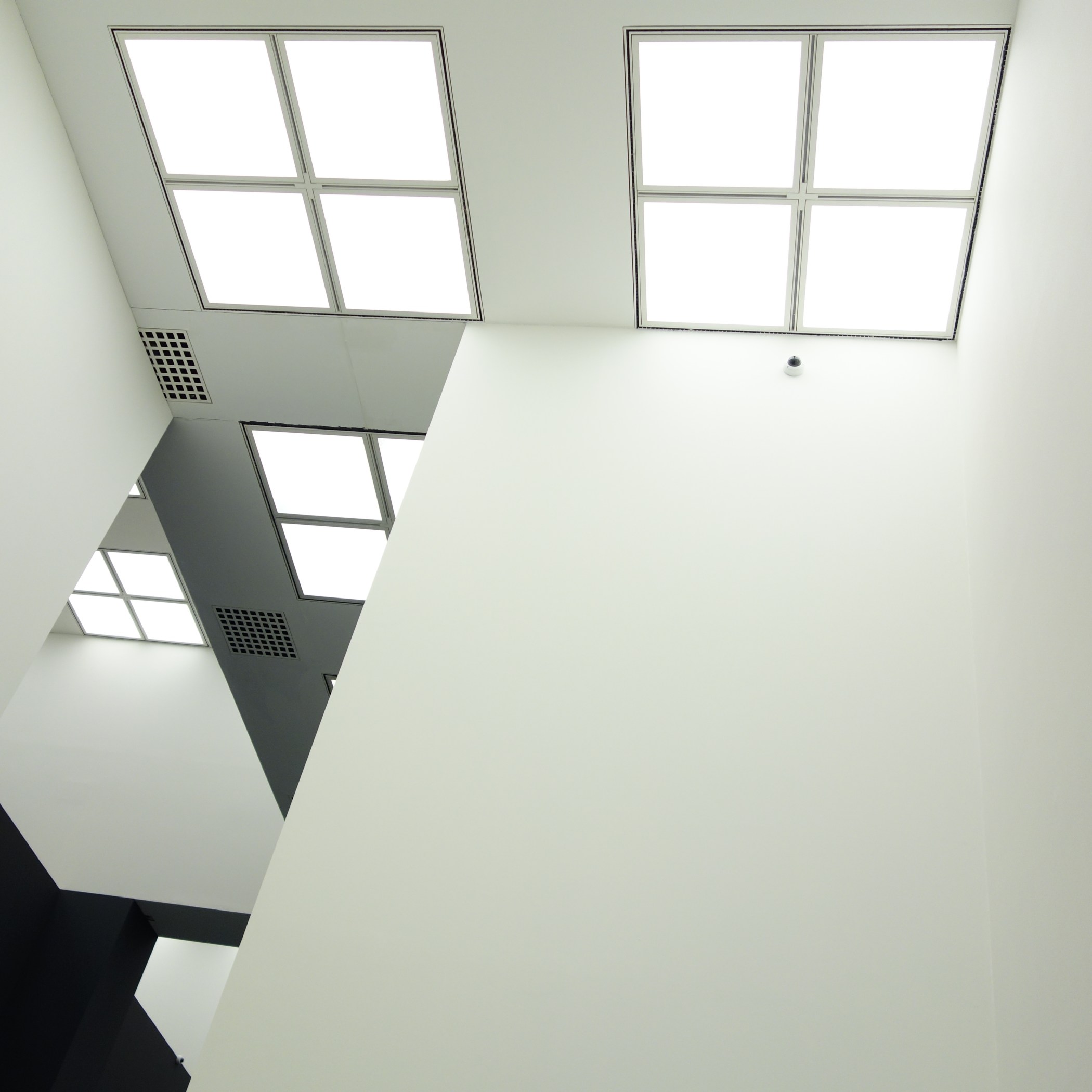
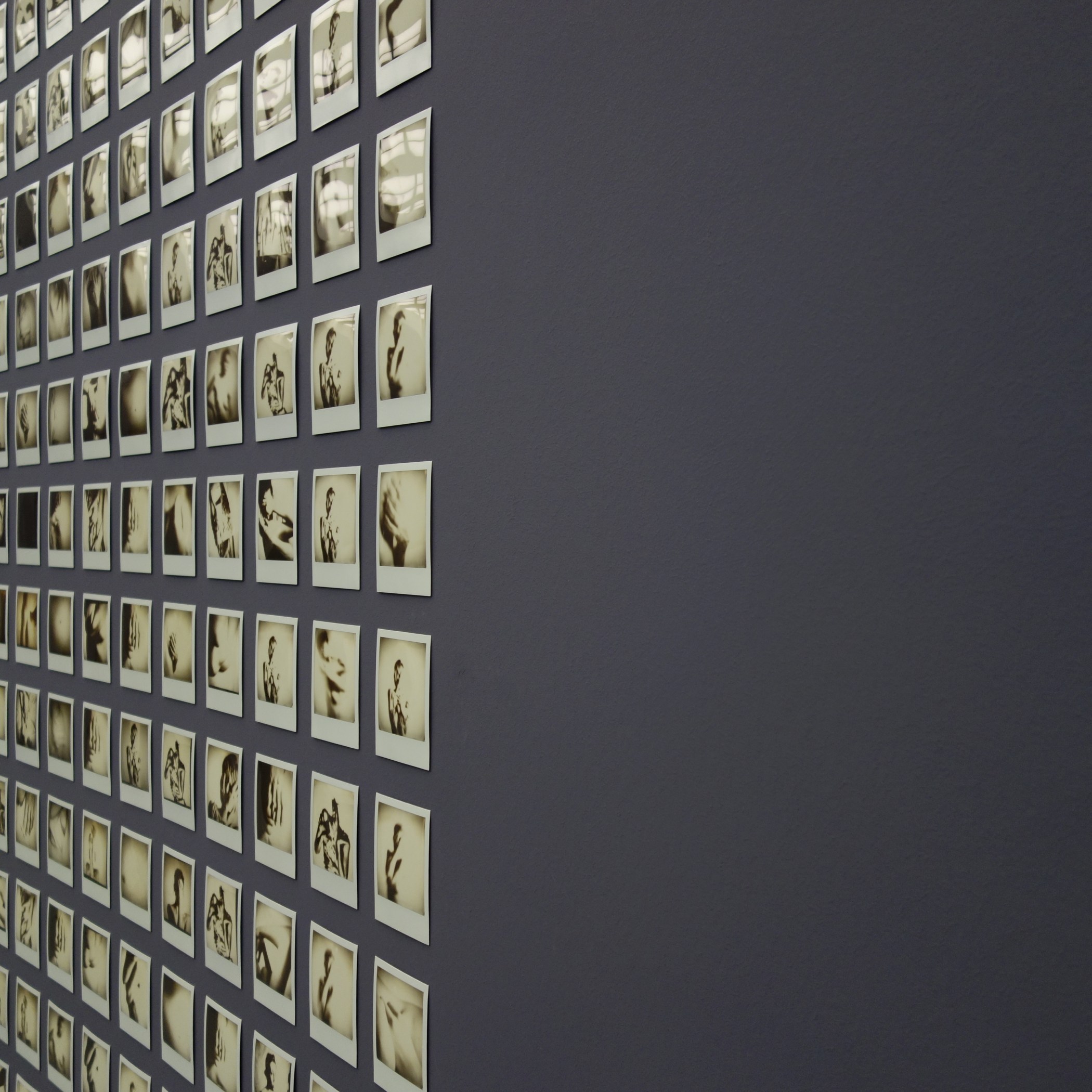
Akademierundgang stands for open house at Düsseldorf’s art academy. This year, the Rundgang (circuit) featured the graduates’ final projects. It was interesting at least, and very enjoyable at best. And while I don’t usually see the point of sharing photographs of art works, some objects cerntainly invited play. In this case, the high rise buildings appealed to the toy photographer. I also liked the idea that they could be boxed and stored away. The stairs in one of the other ateliers were as inviting, I hope the pictures allow a glance at the conditions under which art is produced.
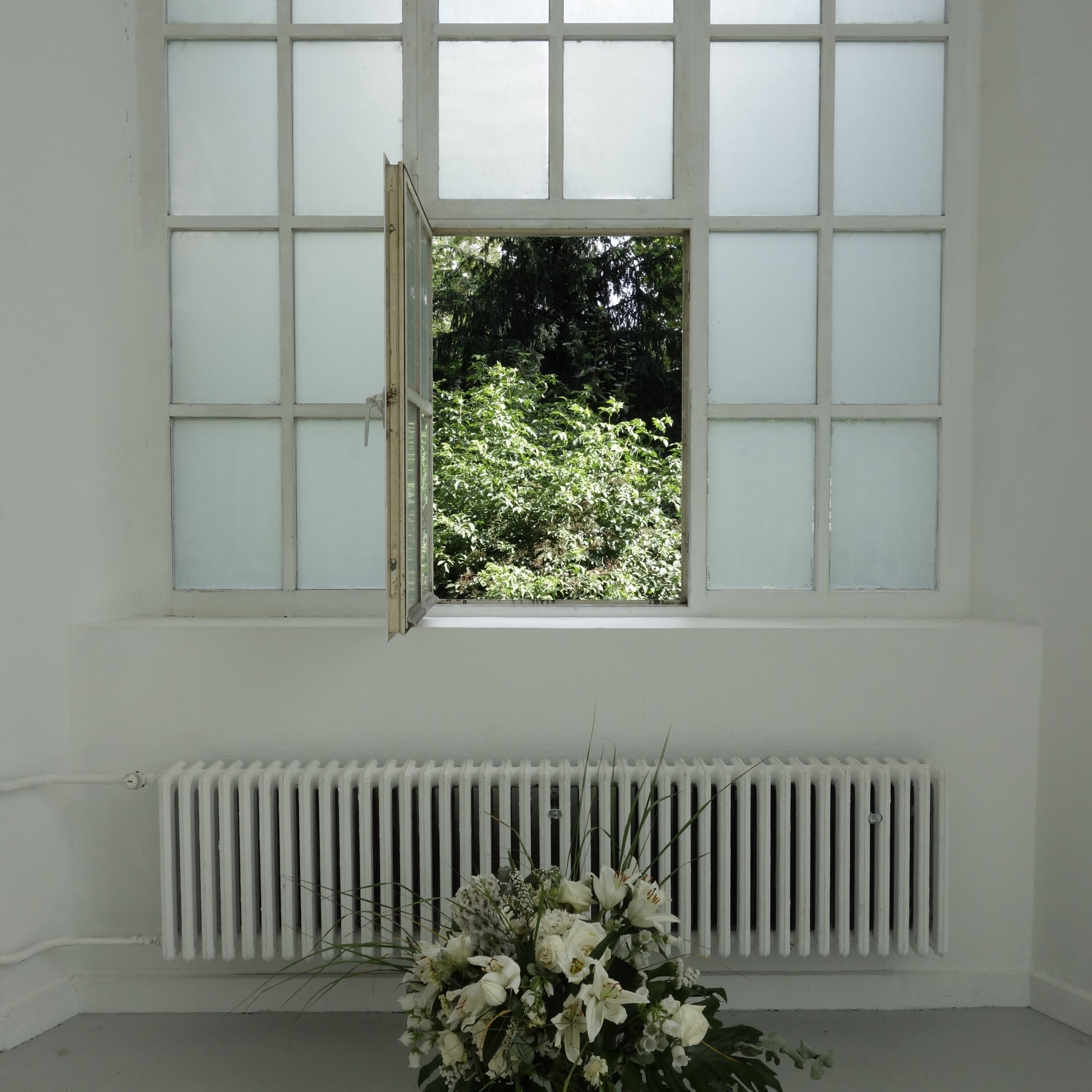
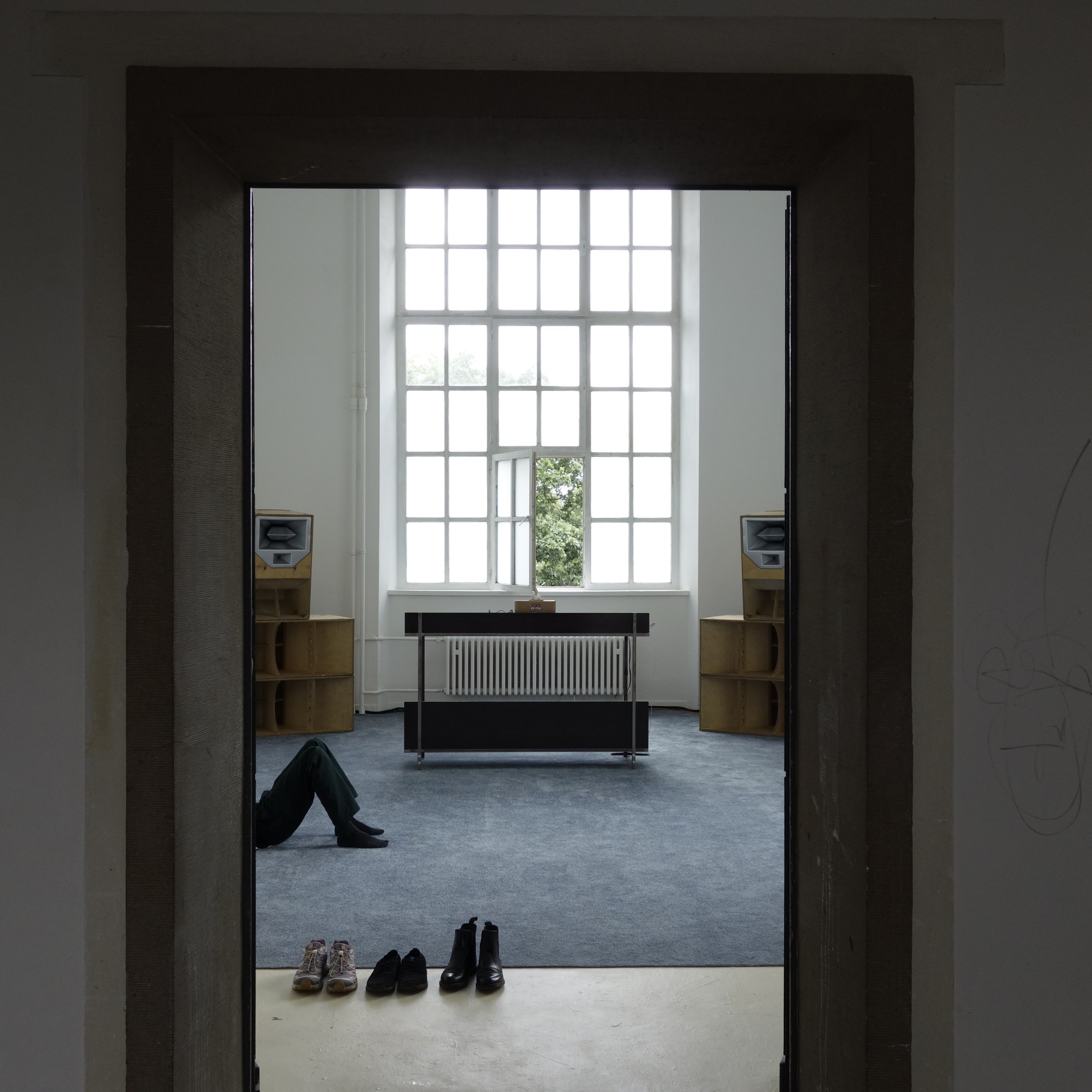
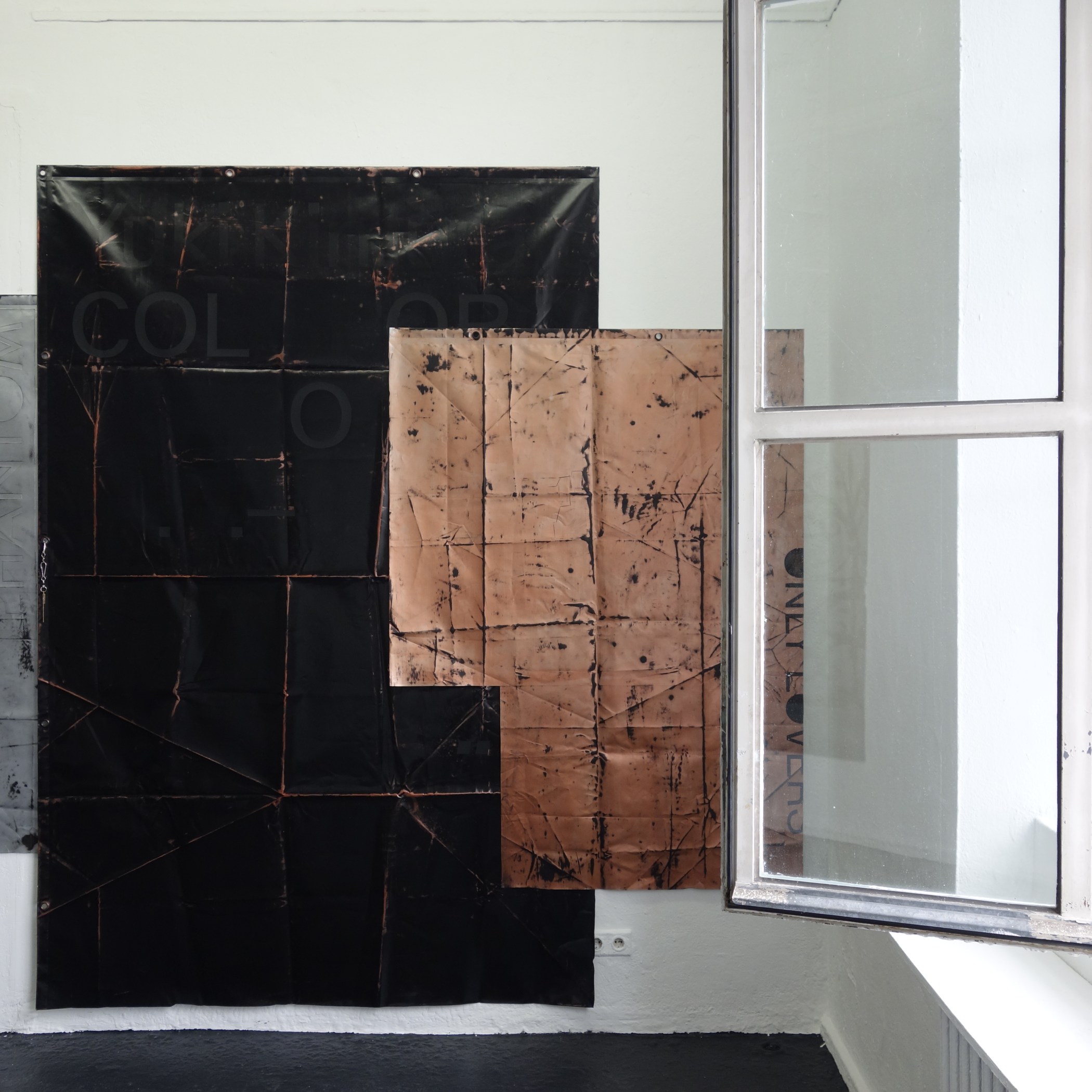
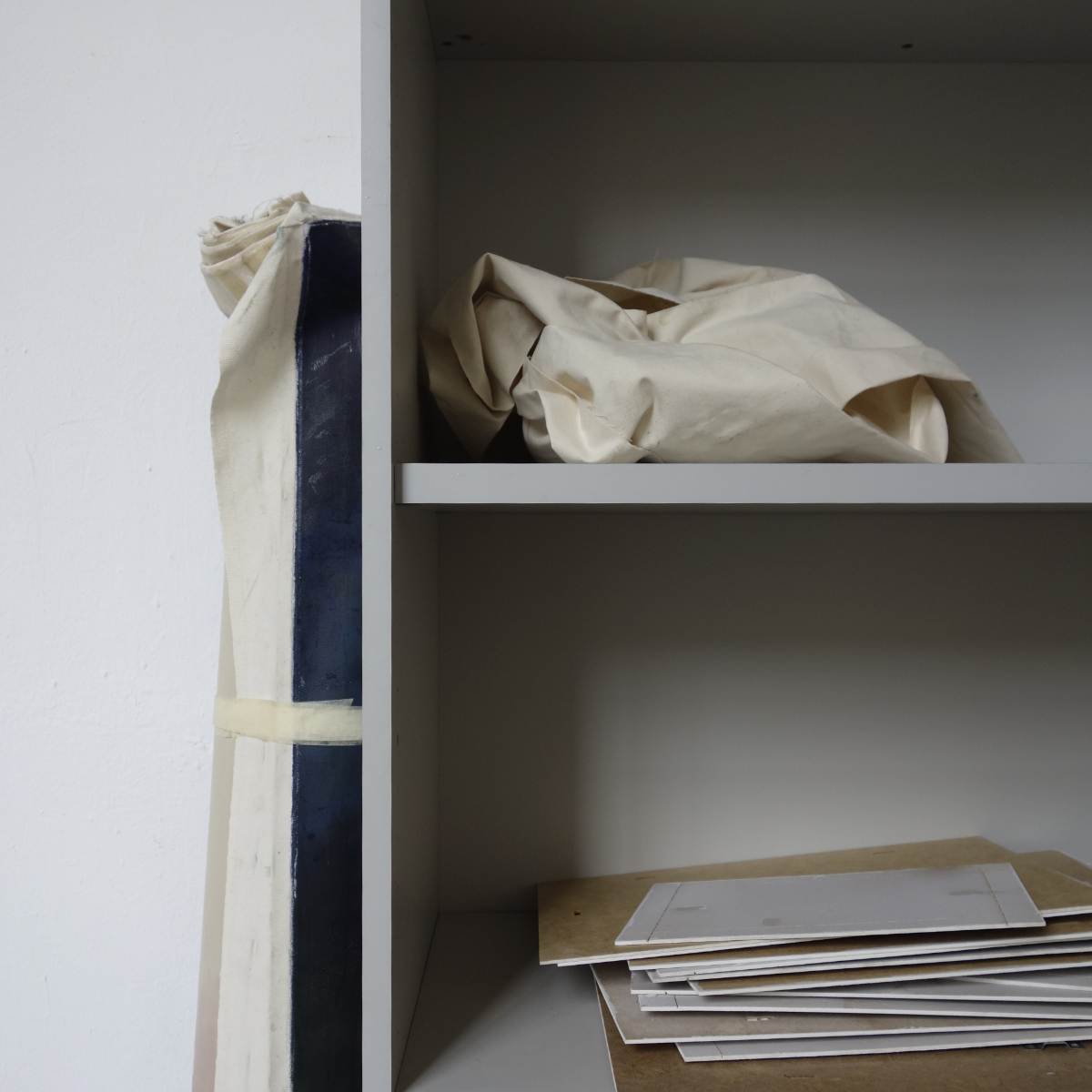
Akademierundgang stands for open house at Düsseldorf’s art academy. This year, the Rundgang (circuit) featured the graduates’ final projects. More than photographing the art itself, I enjoy making pictures of the premises, showing and commenting the circumstances under which art is made.
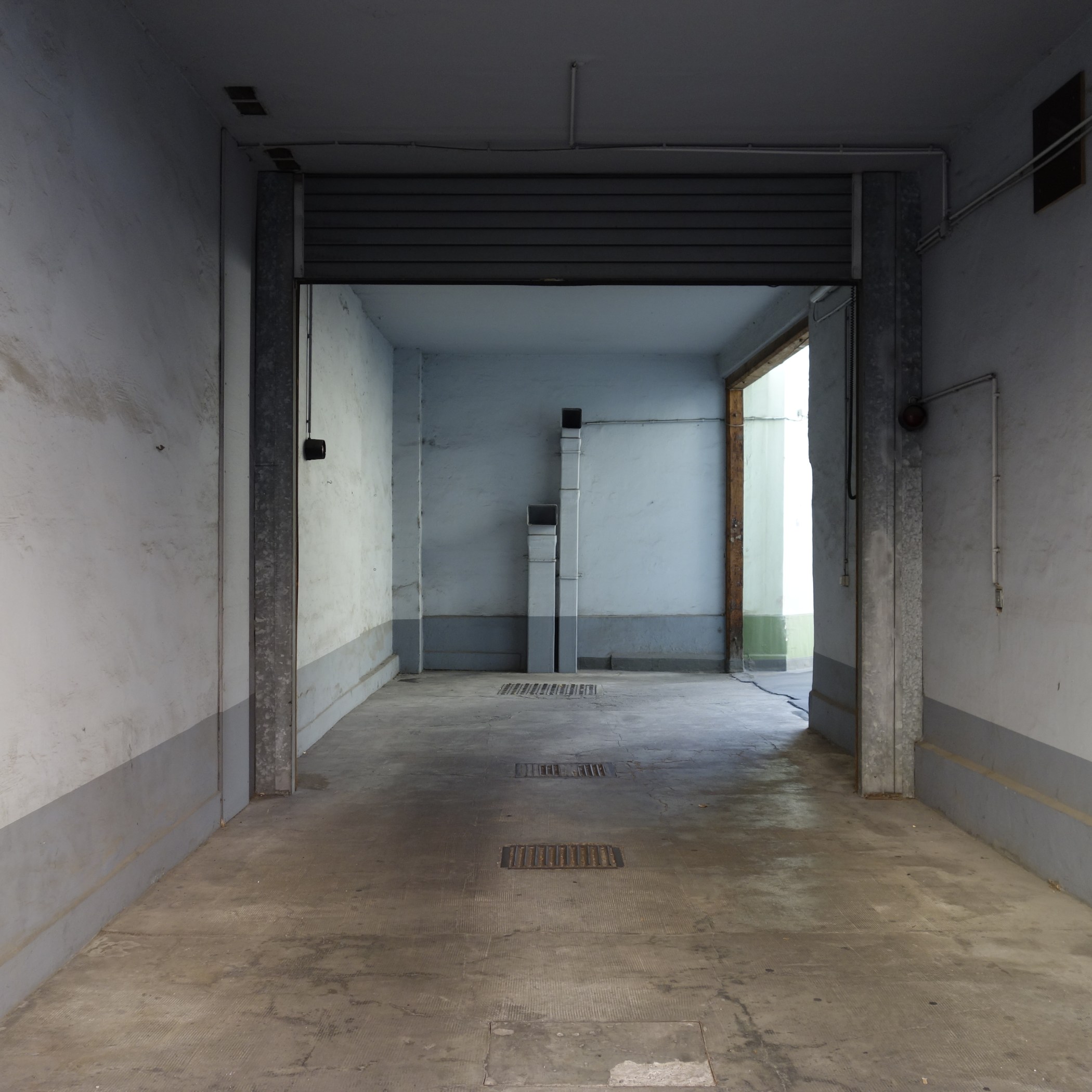
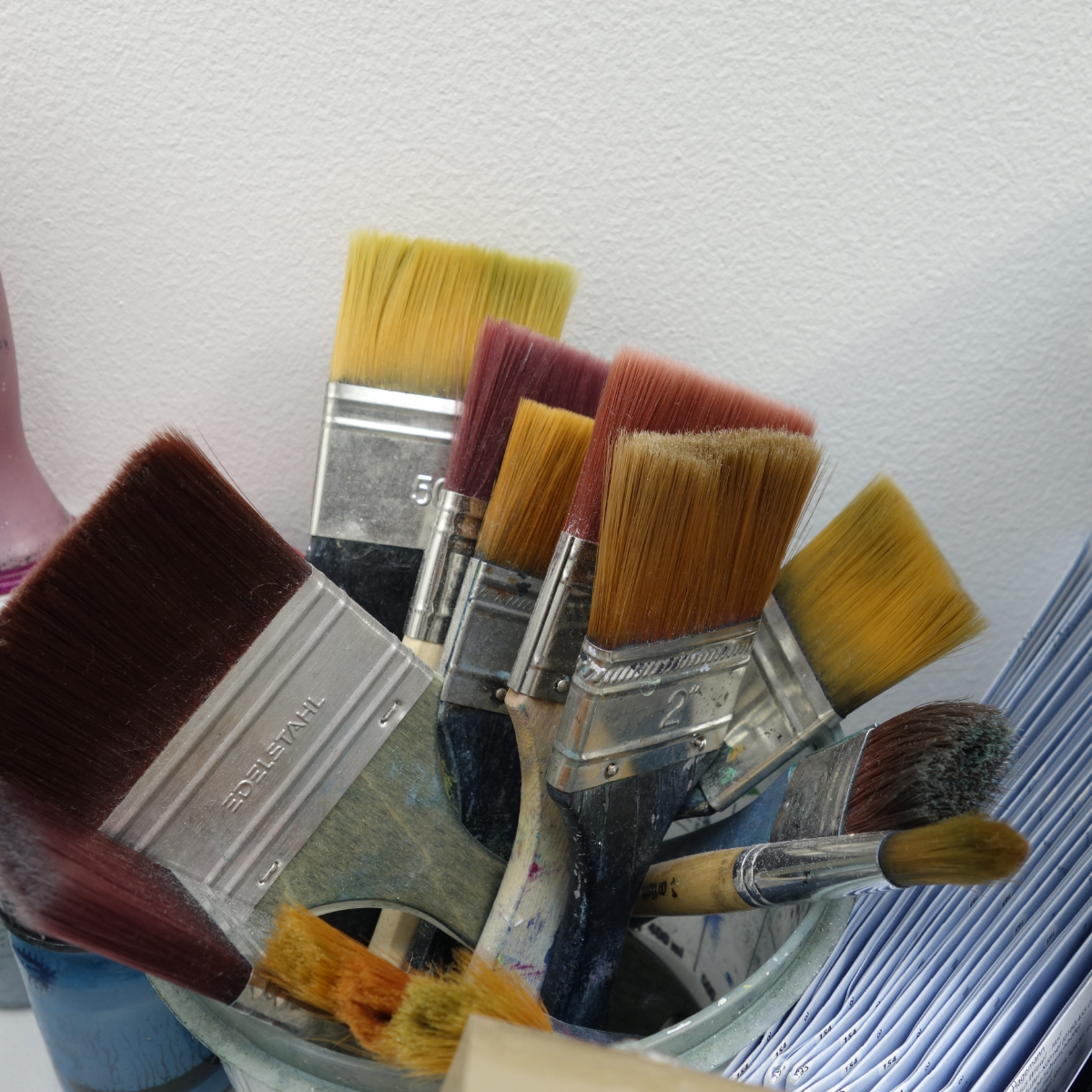
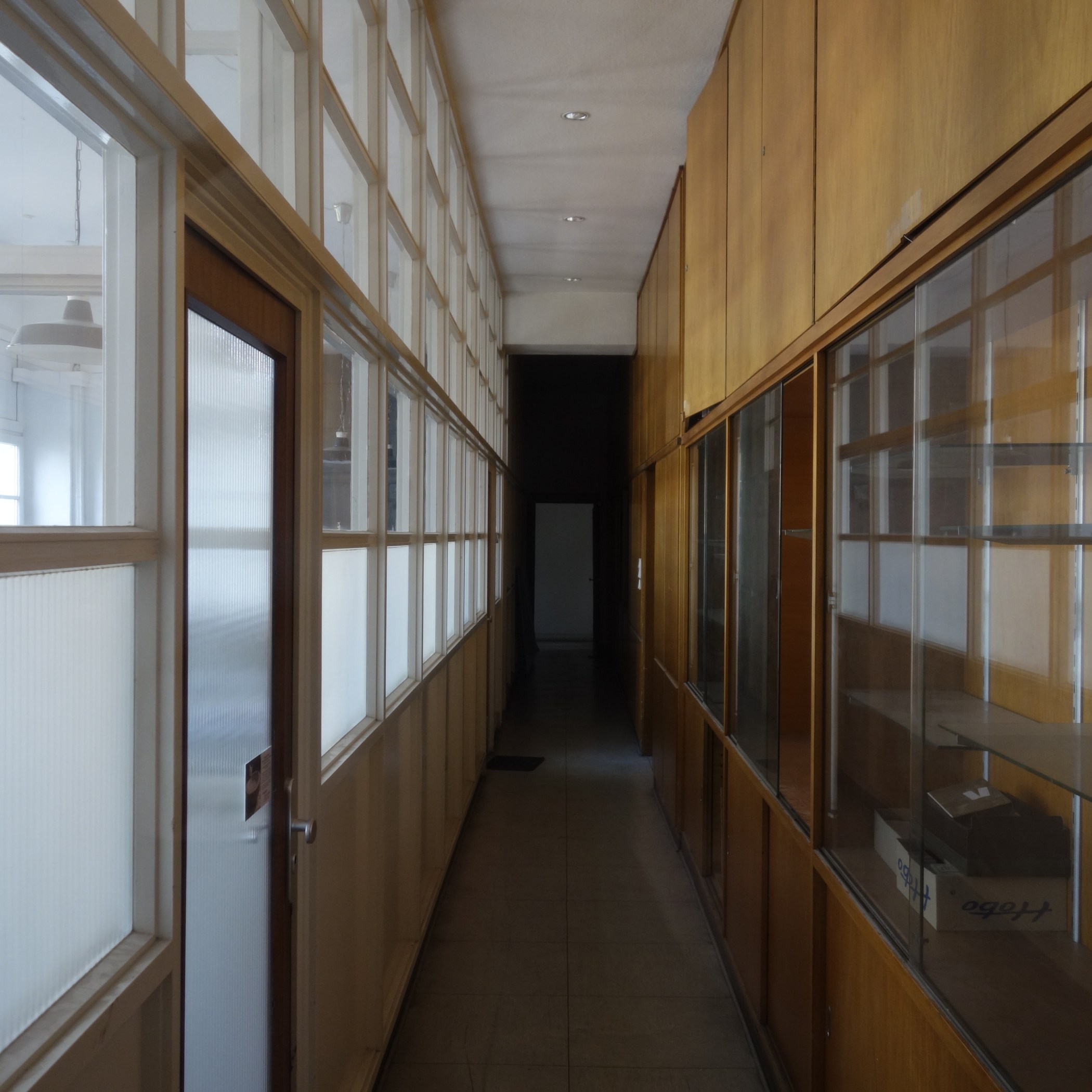
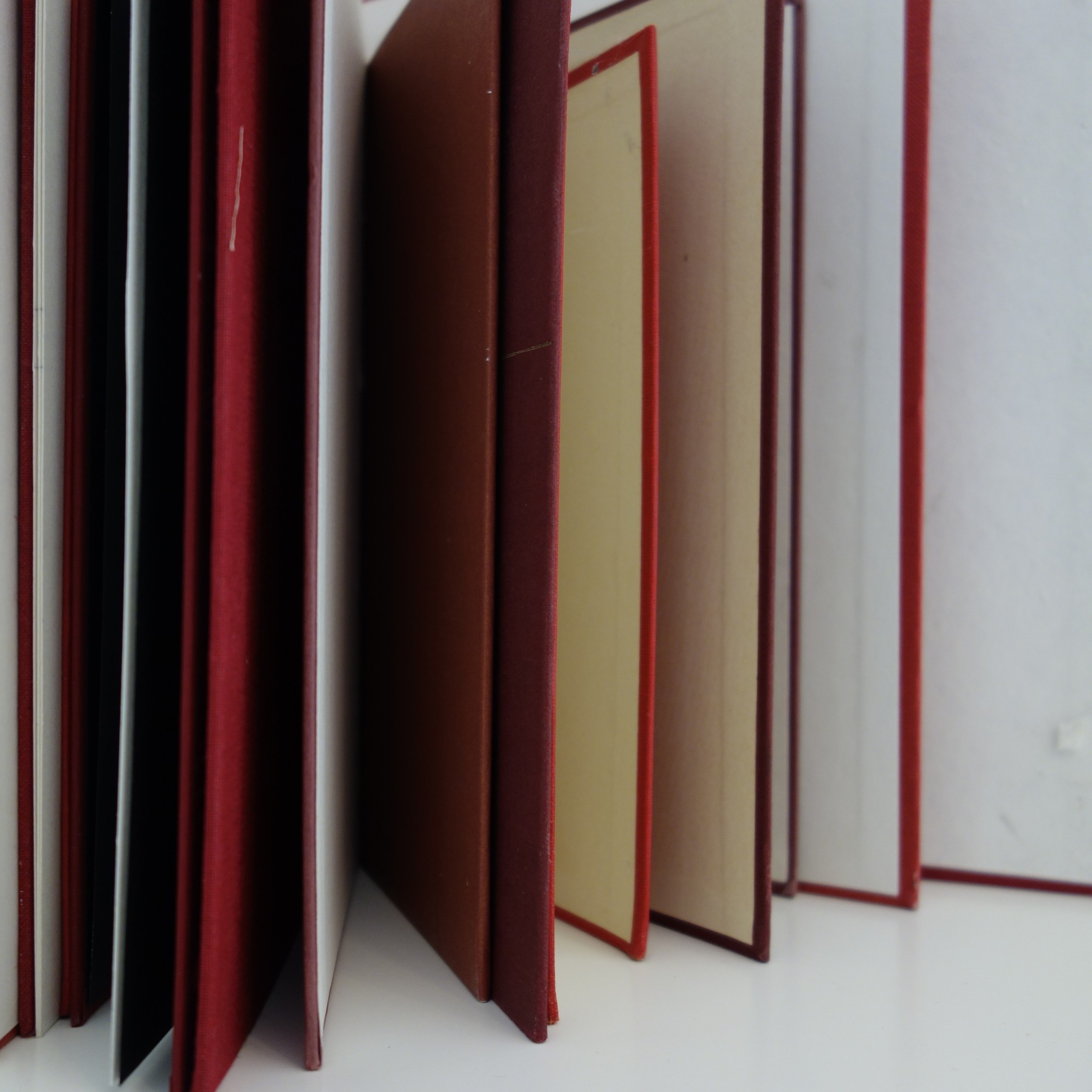
Kunstpunkte (literally “art spots”) stands for two weekends when more than 100 artists in Düsseldorf invite the public to visit their ateliers. These visits always fascinate me; they are a chance to get very close to art and artists, experiencing the places where the works are acutally made. This is similar to visiting the Kunstakademie Düsseldorf (academy of fine arts) which I will cover in a separate post.
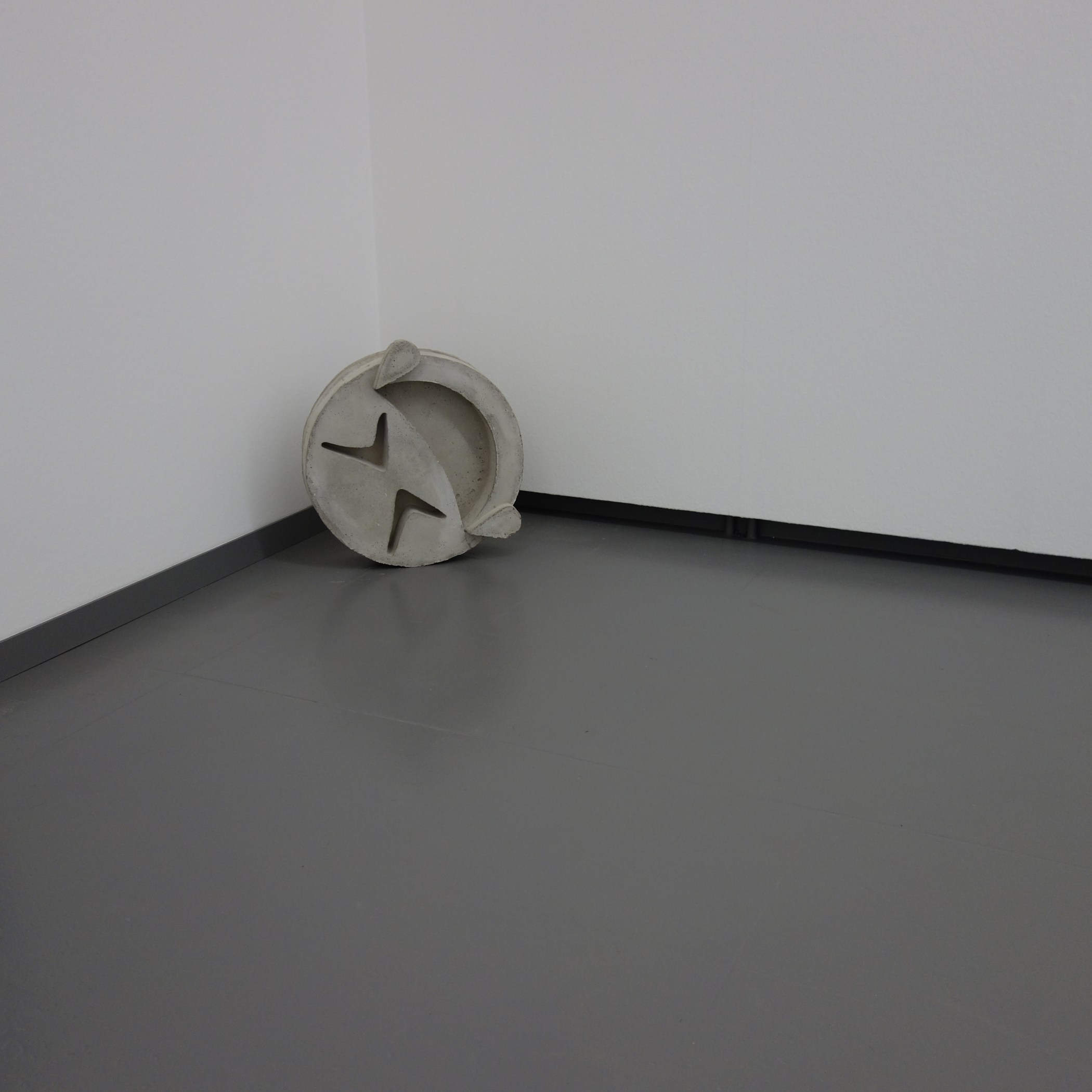
You may notice that I barely photograph the art itself, feeling much of it has already been reproduced (the last picture in this post shows part of an art work however). As for the artists themselves, I value their privacy, plus I am not really a portrait photographer. So here are some impressions from four different spots all of which you might not get to see outside of the Kunstpunkte.
Note: The next Kunstpunkte will take place next weekend and the weekend after.
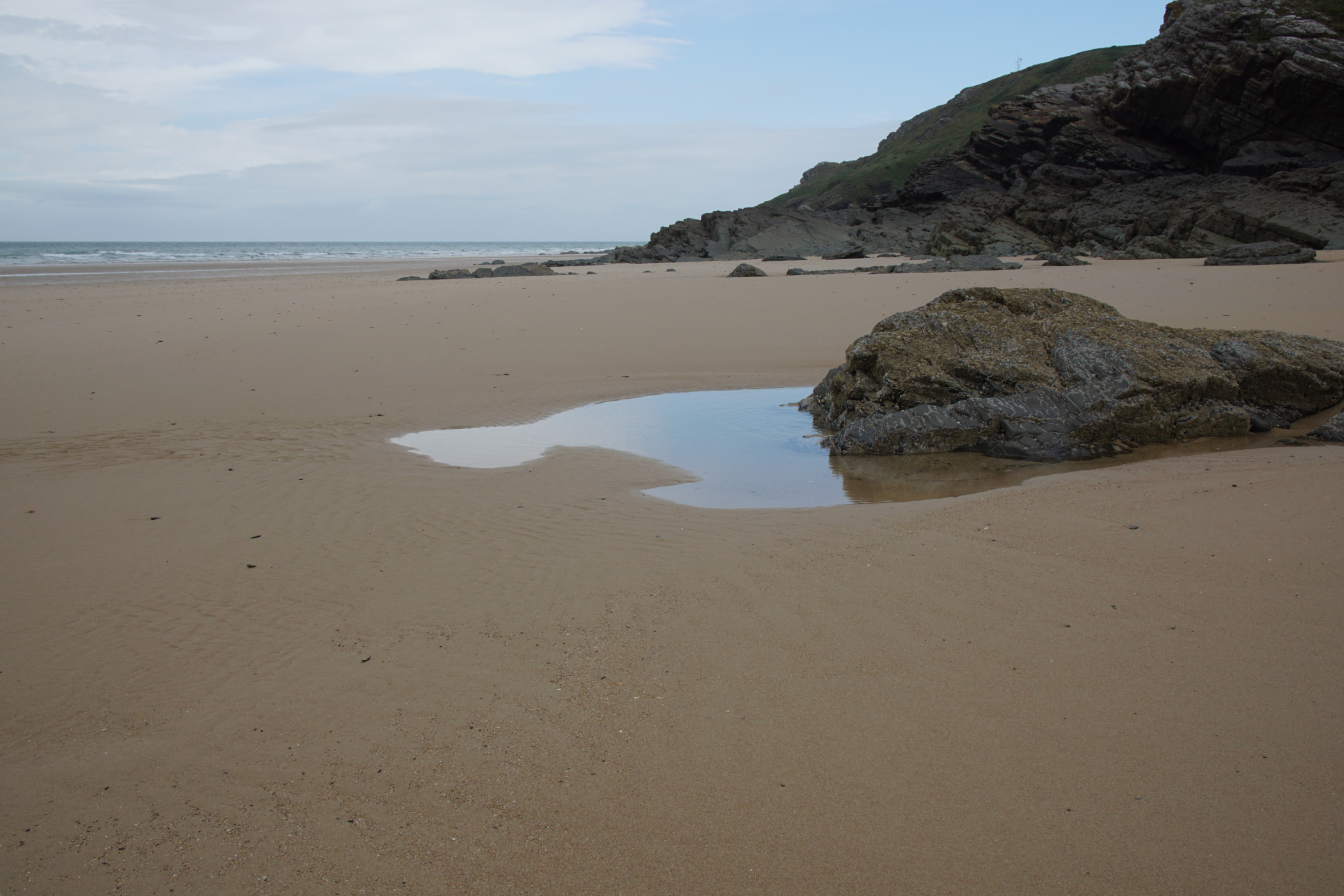
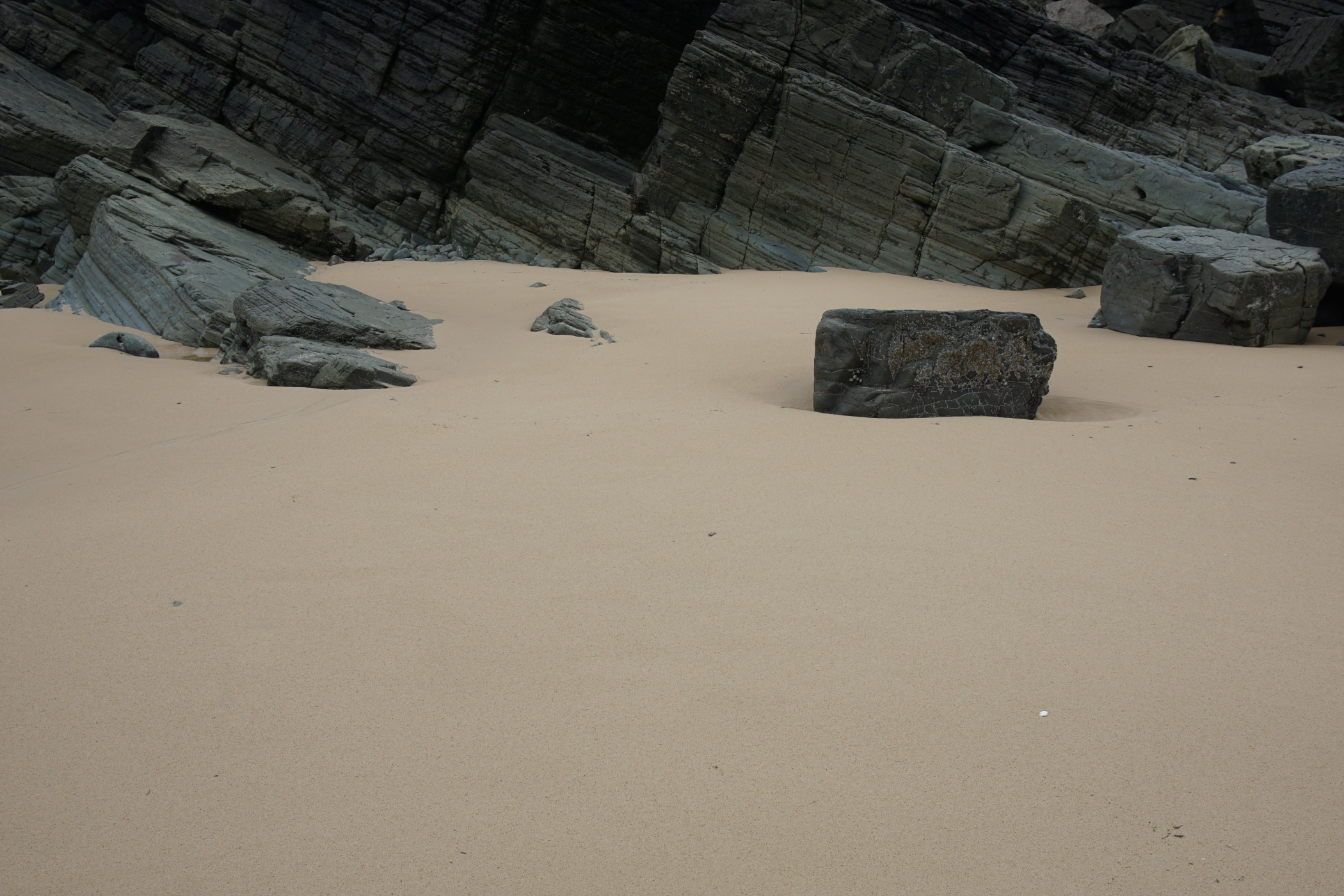
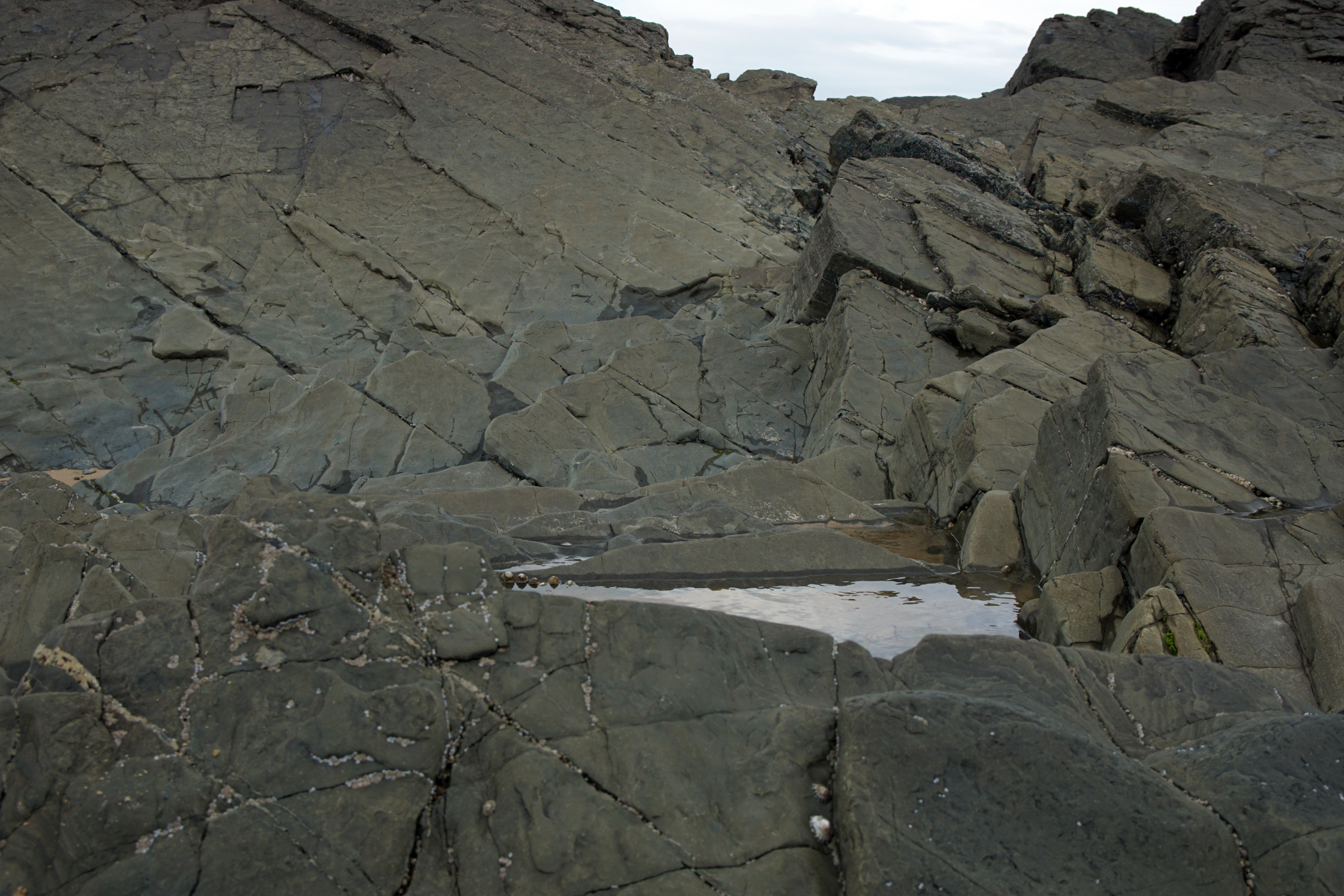
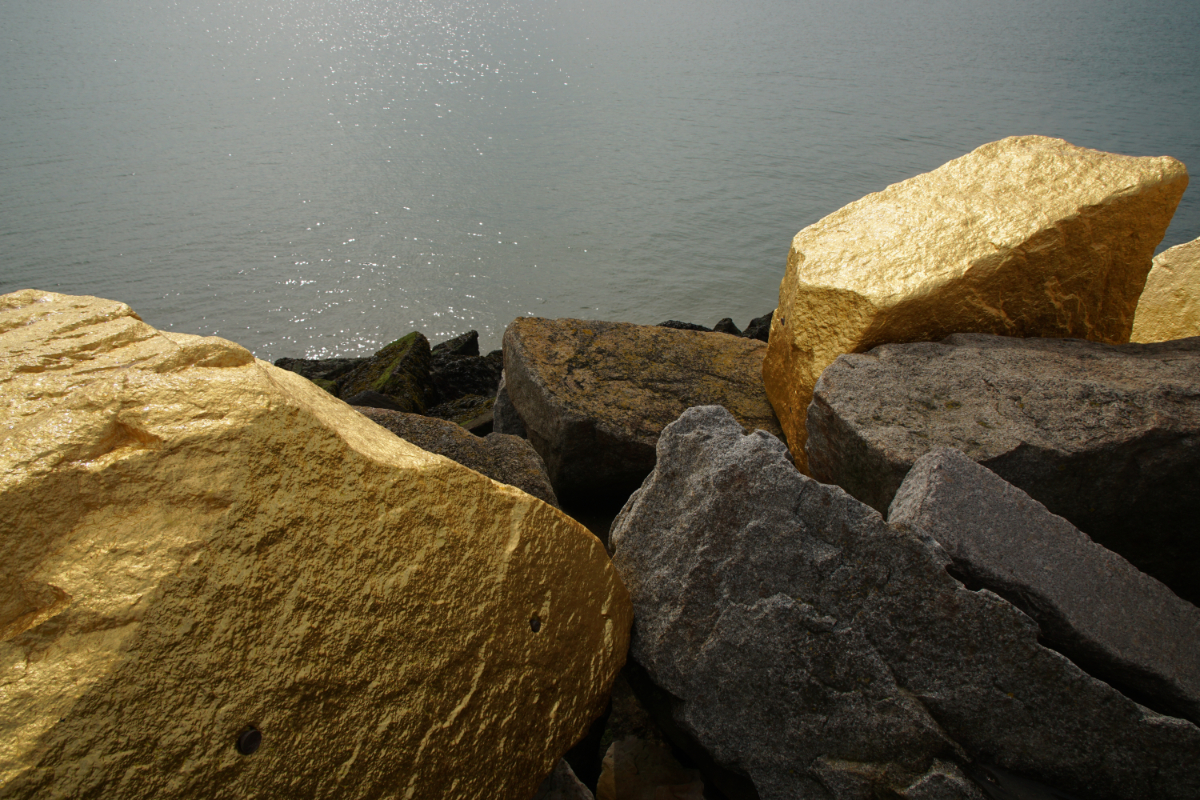
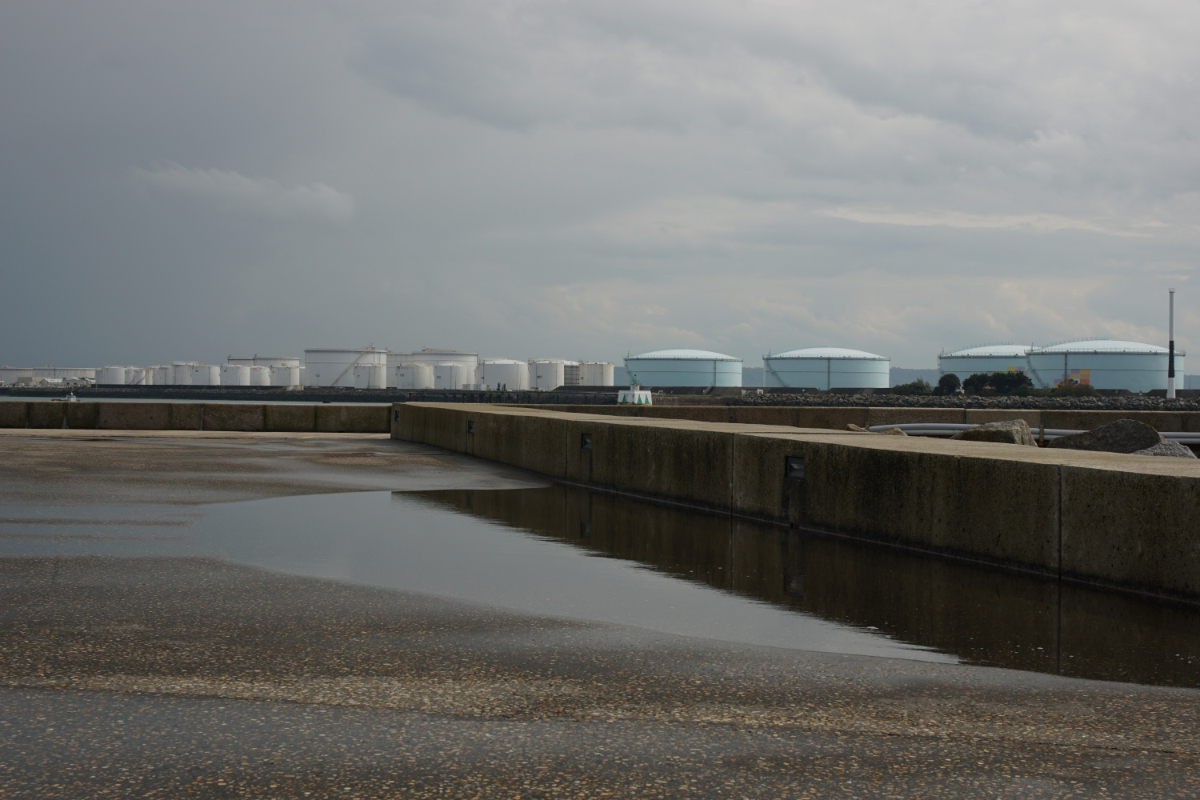
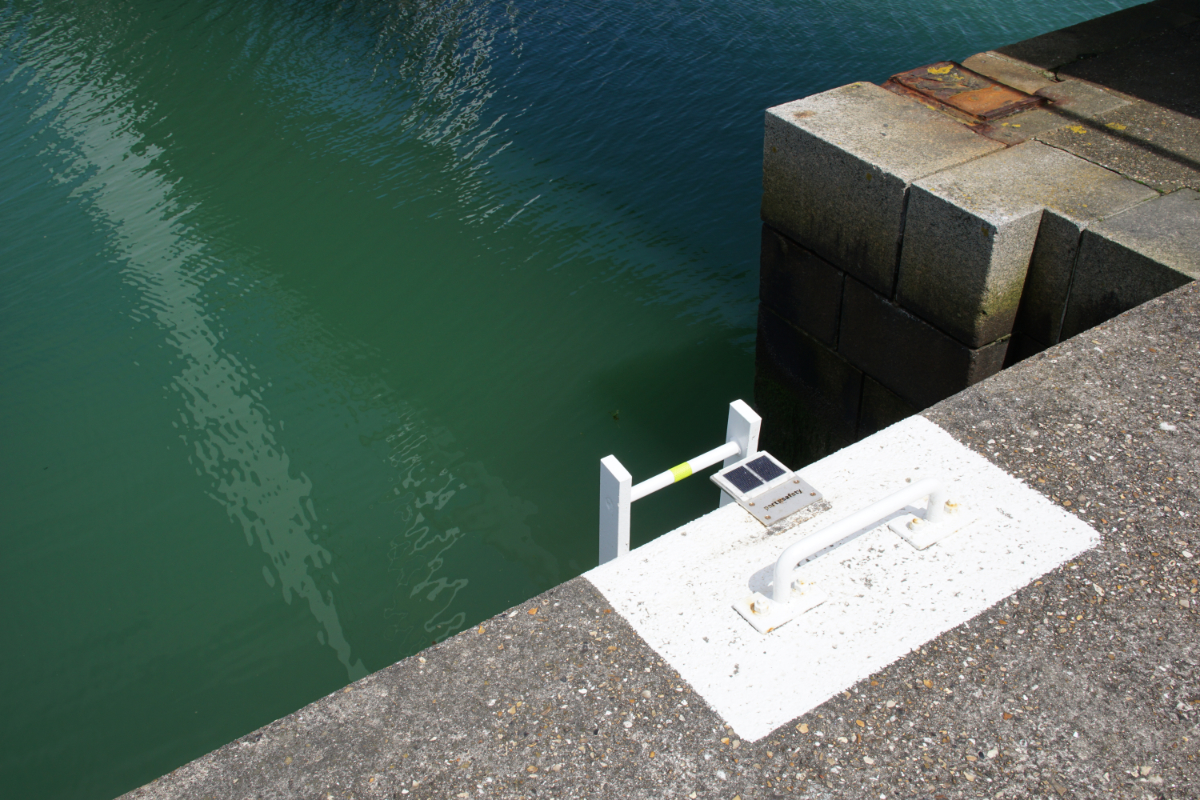
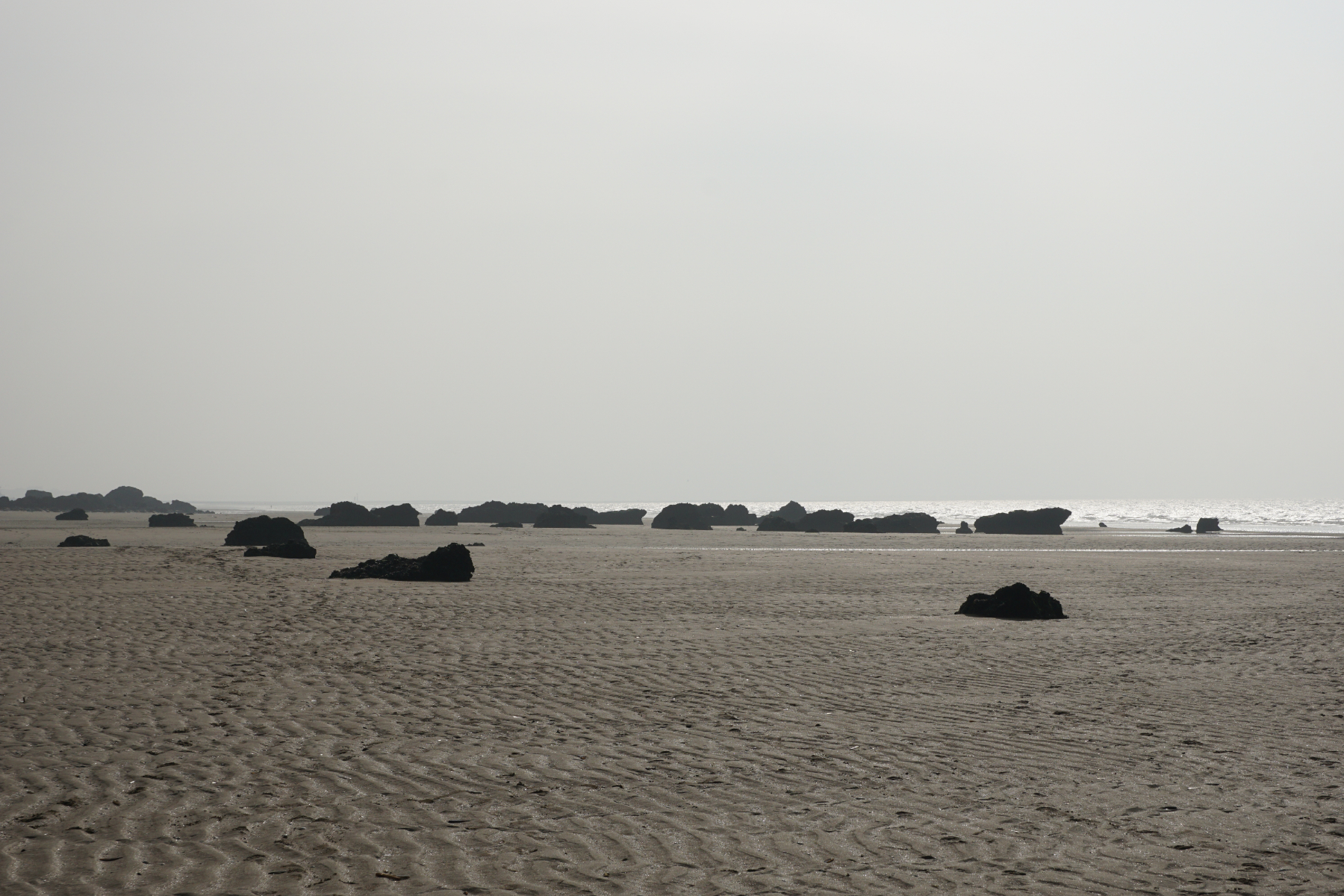
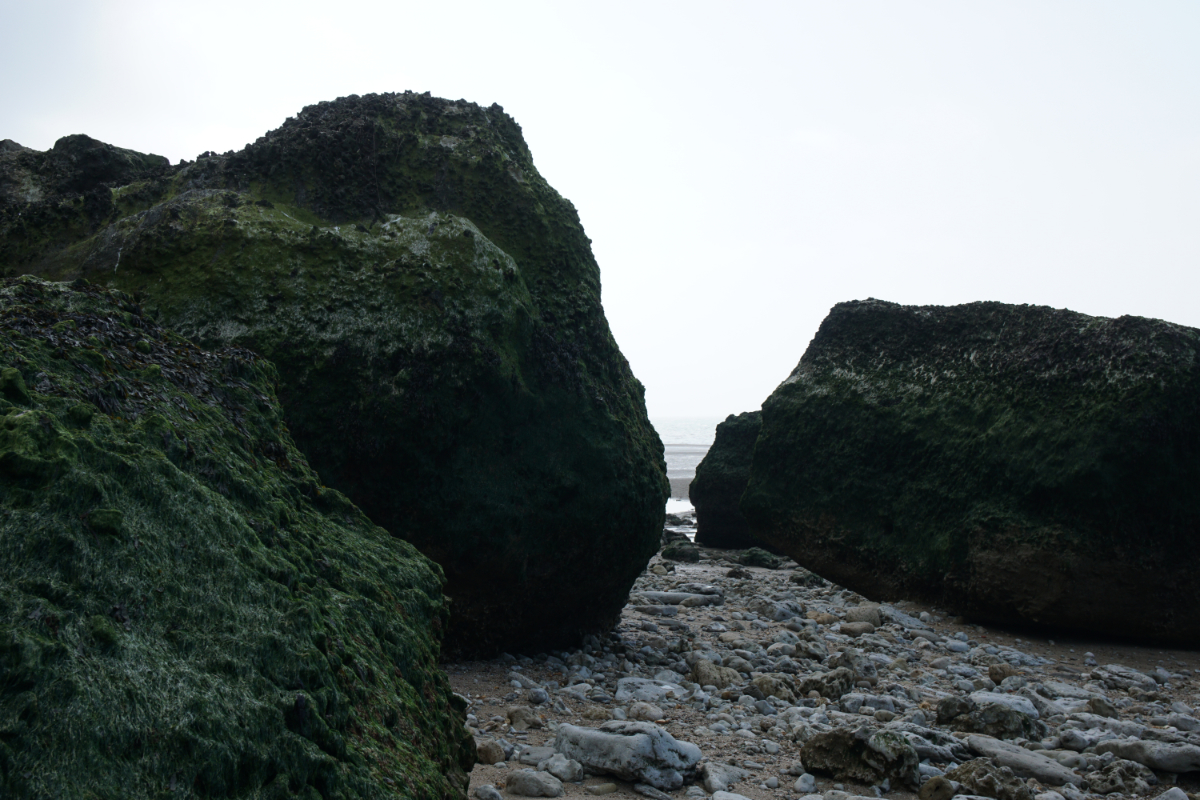
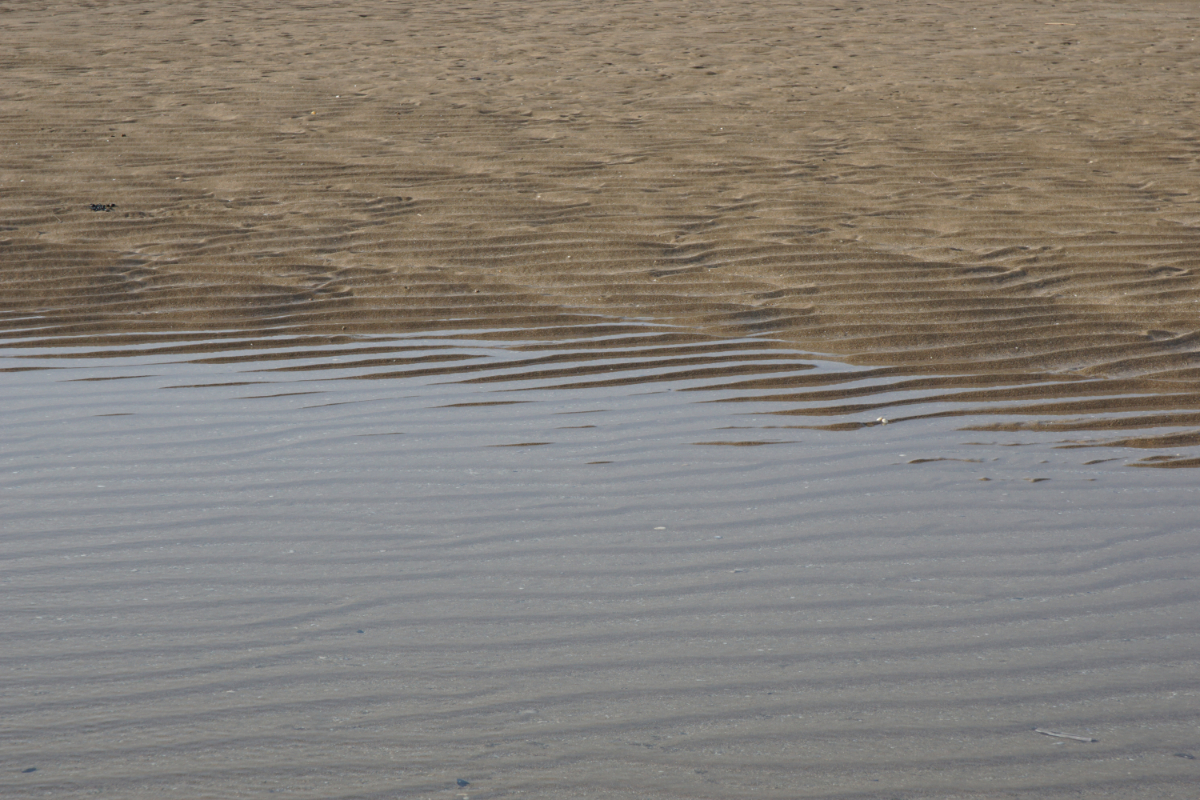
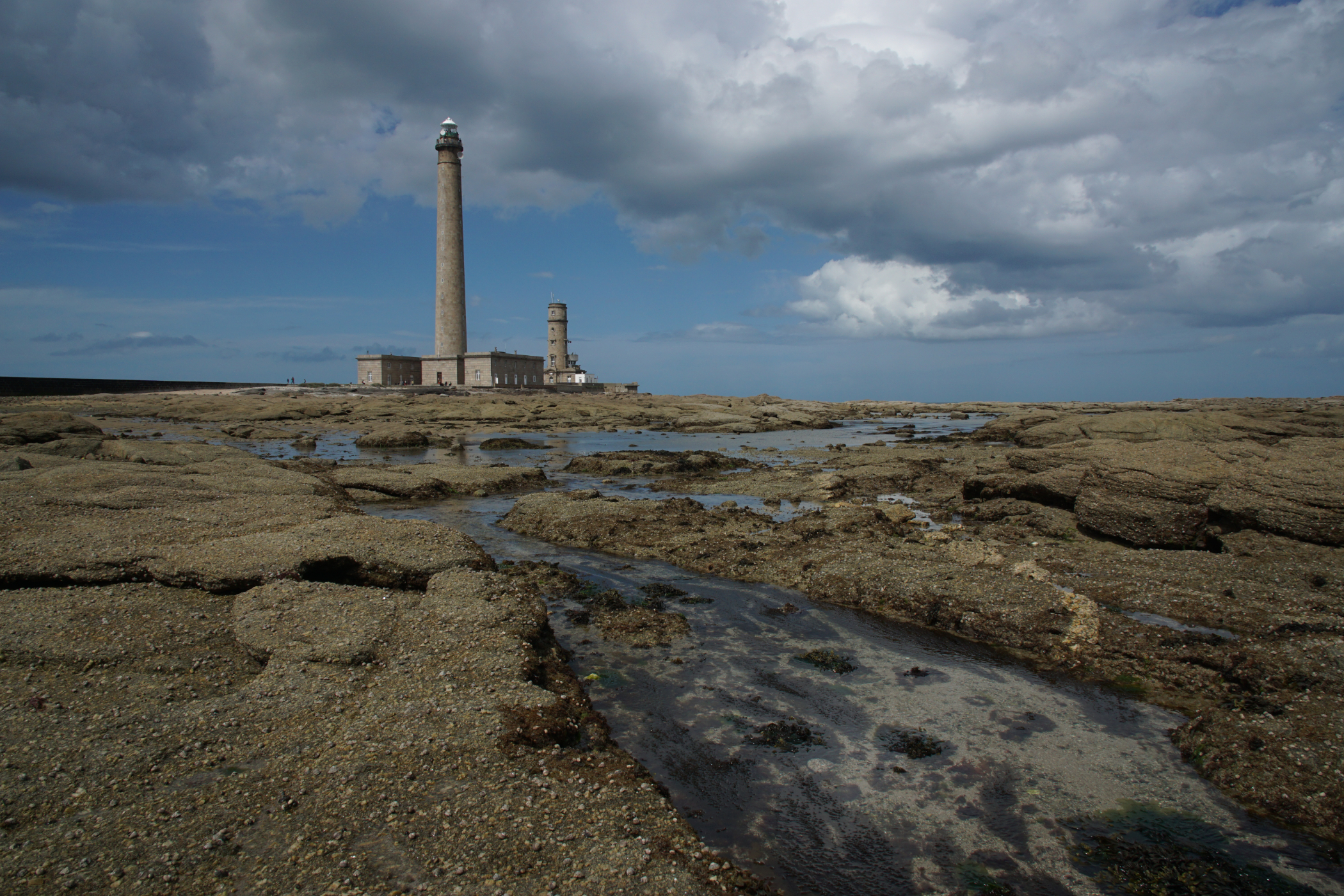
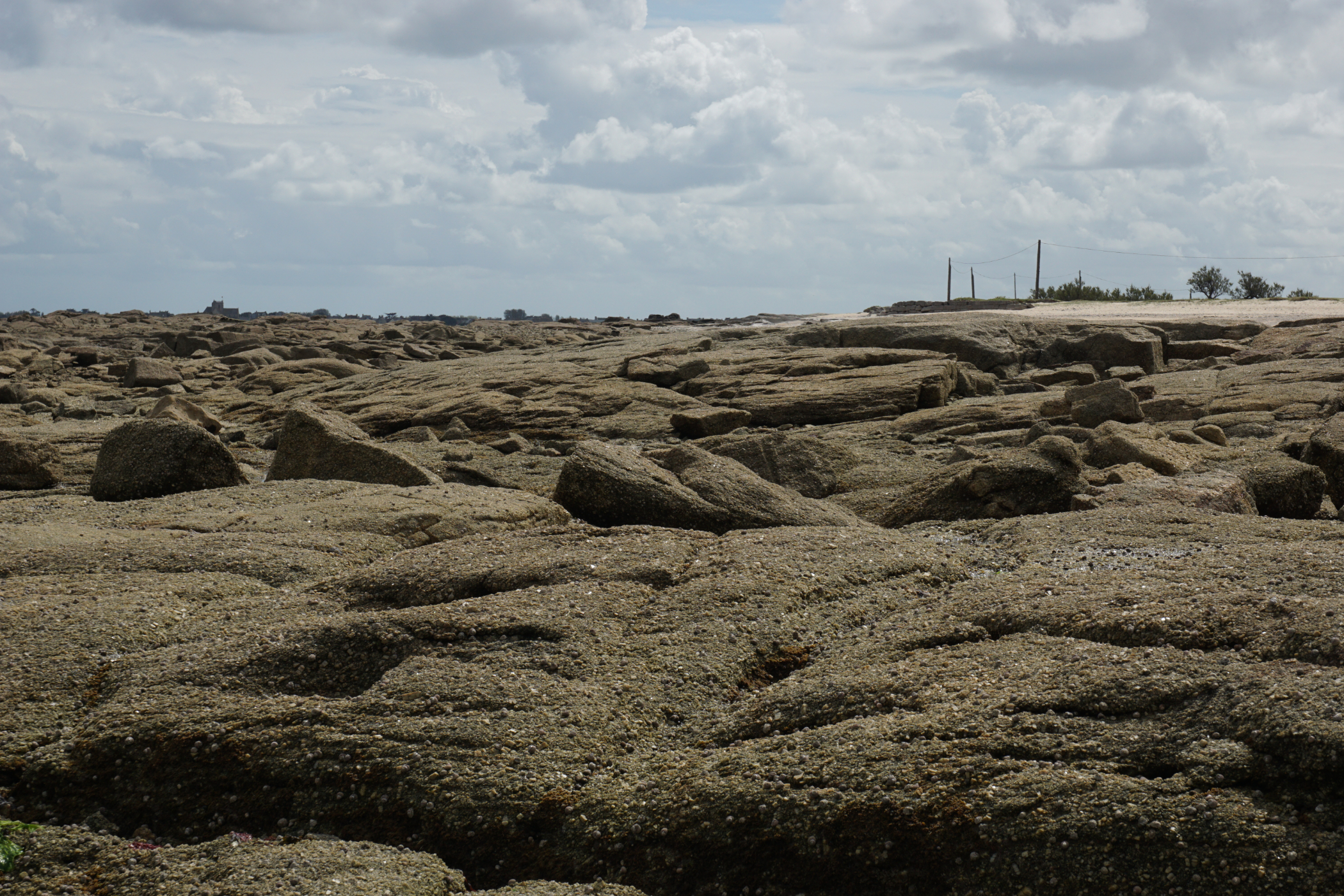
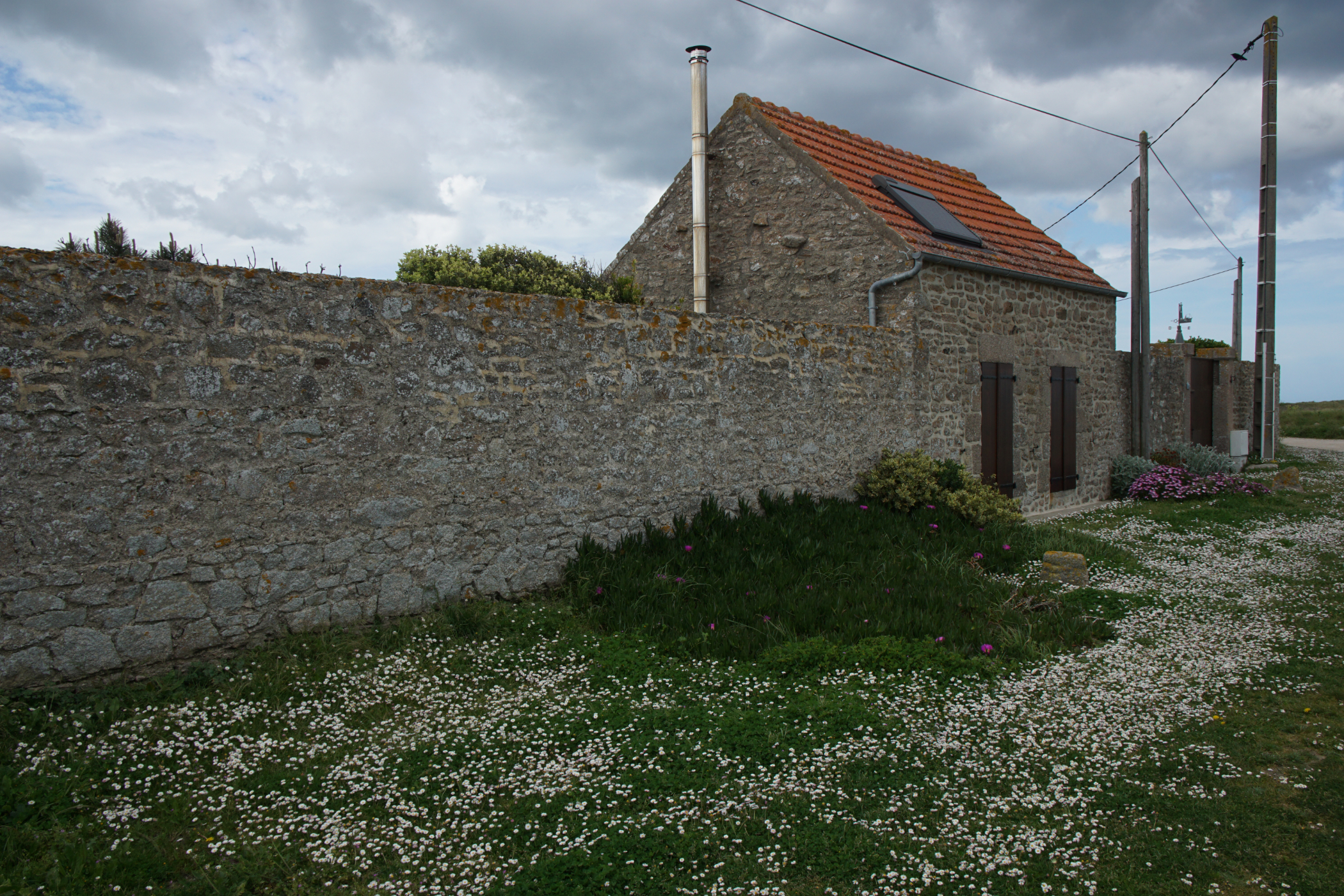
From the Cotentin peninsula to Le Havre, the Normandy coast has so many faces. And the light changes constantly. Here are a few pictures for the lens-artists challenge 314: shorelines.
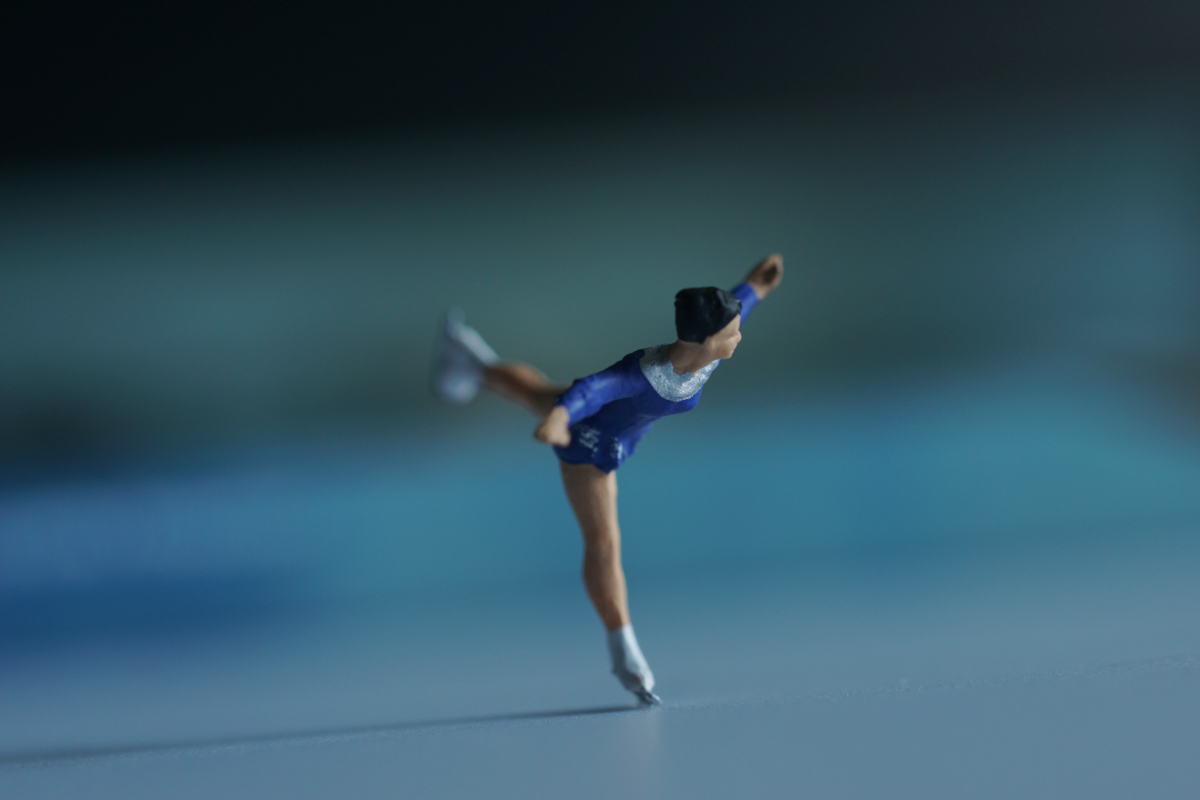
Lens-artists challenge 313: cool colors.
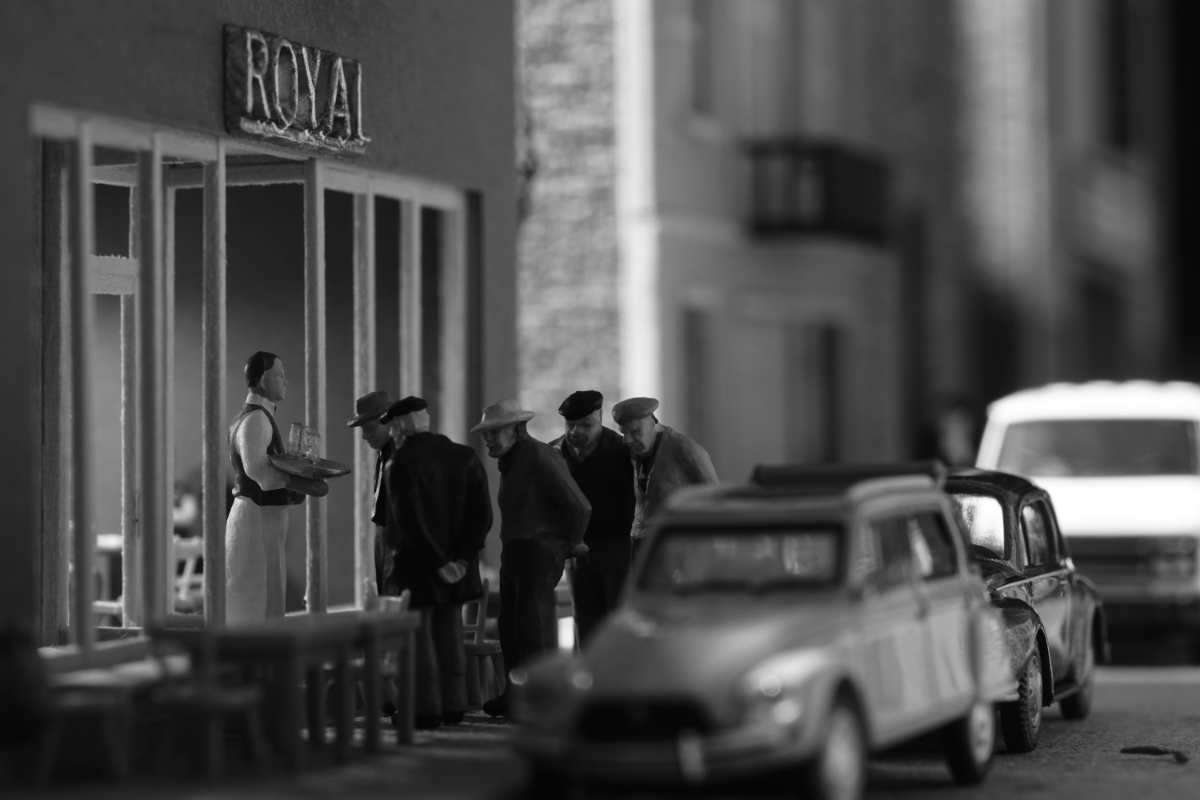
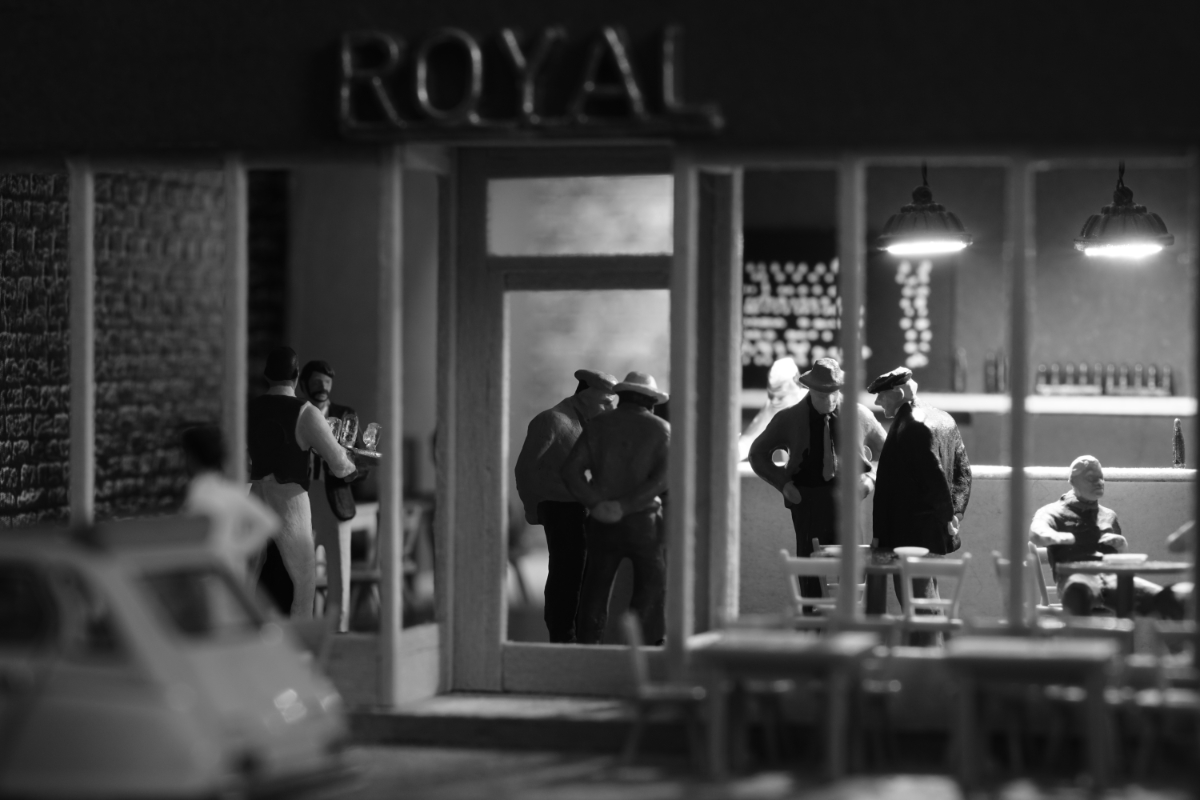
Lens-Artists Challenge 312: Sense of scale. Photographing 1/87 scale (H0) worlds is in itself playing on our sense of scale, maybe even aiming at the viewer questioning her or his sense of scale for a moment. At the same time, most of the elements of a photo are applied in this small world, too: The objects in this picture, along with the camera position, should give a feeling of depth here. By employing these means, I hope to give the picture a real-life immediacy … a touch of streeet photography at best.
 empire of lights