
tobias m. schiel
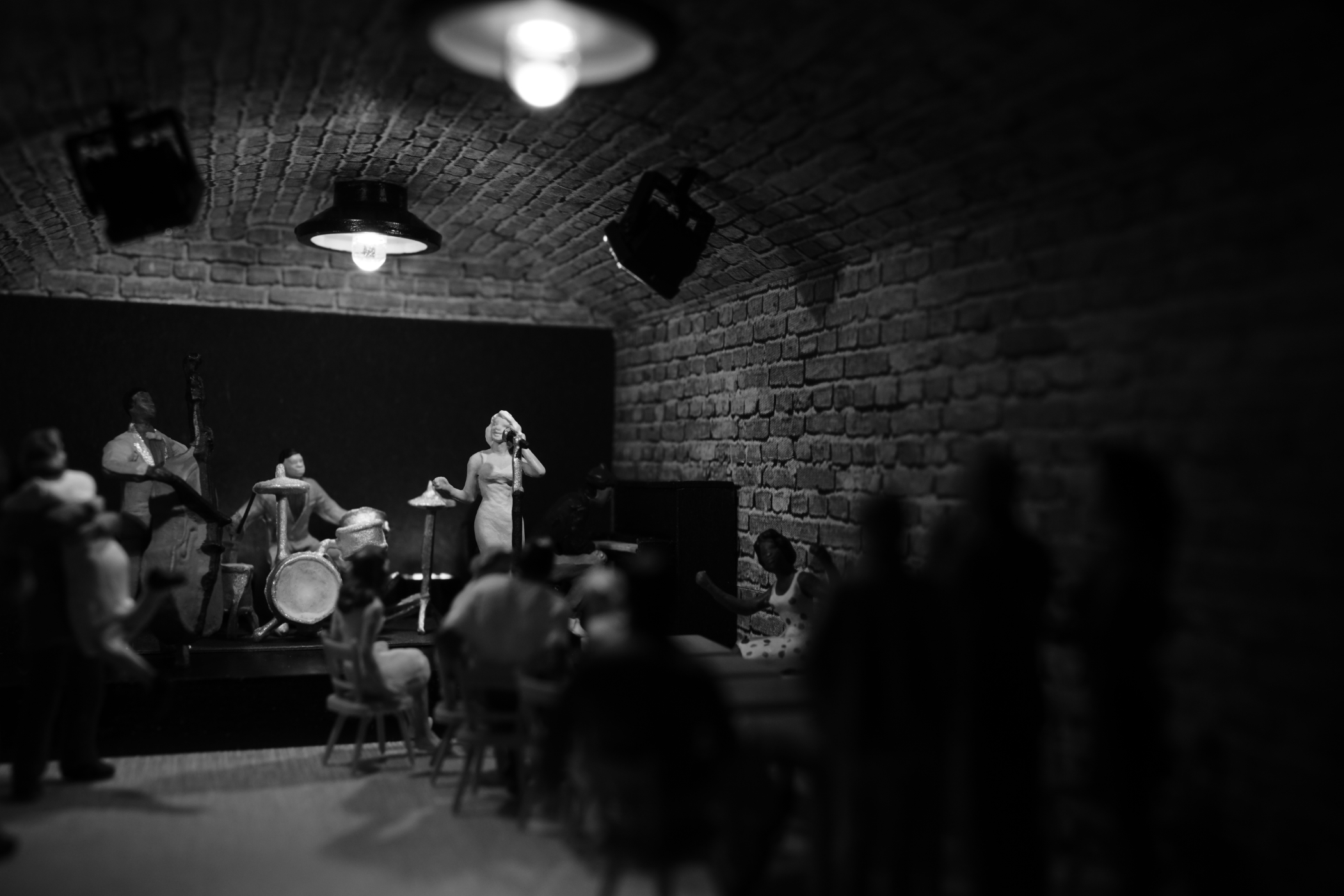
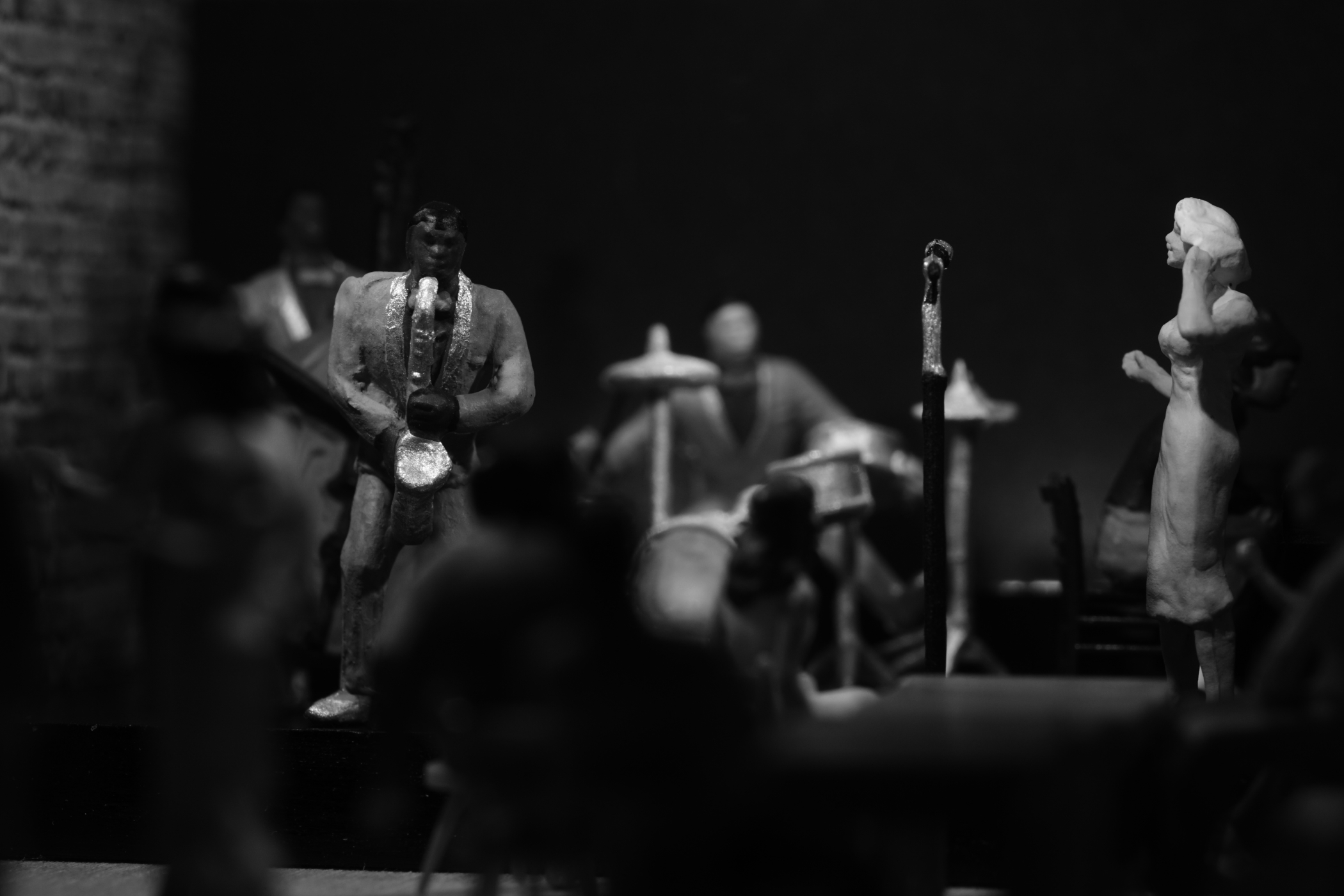
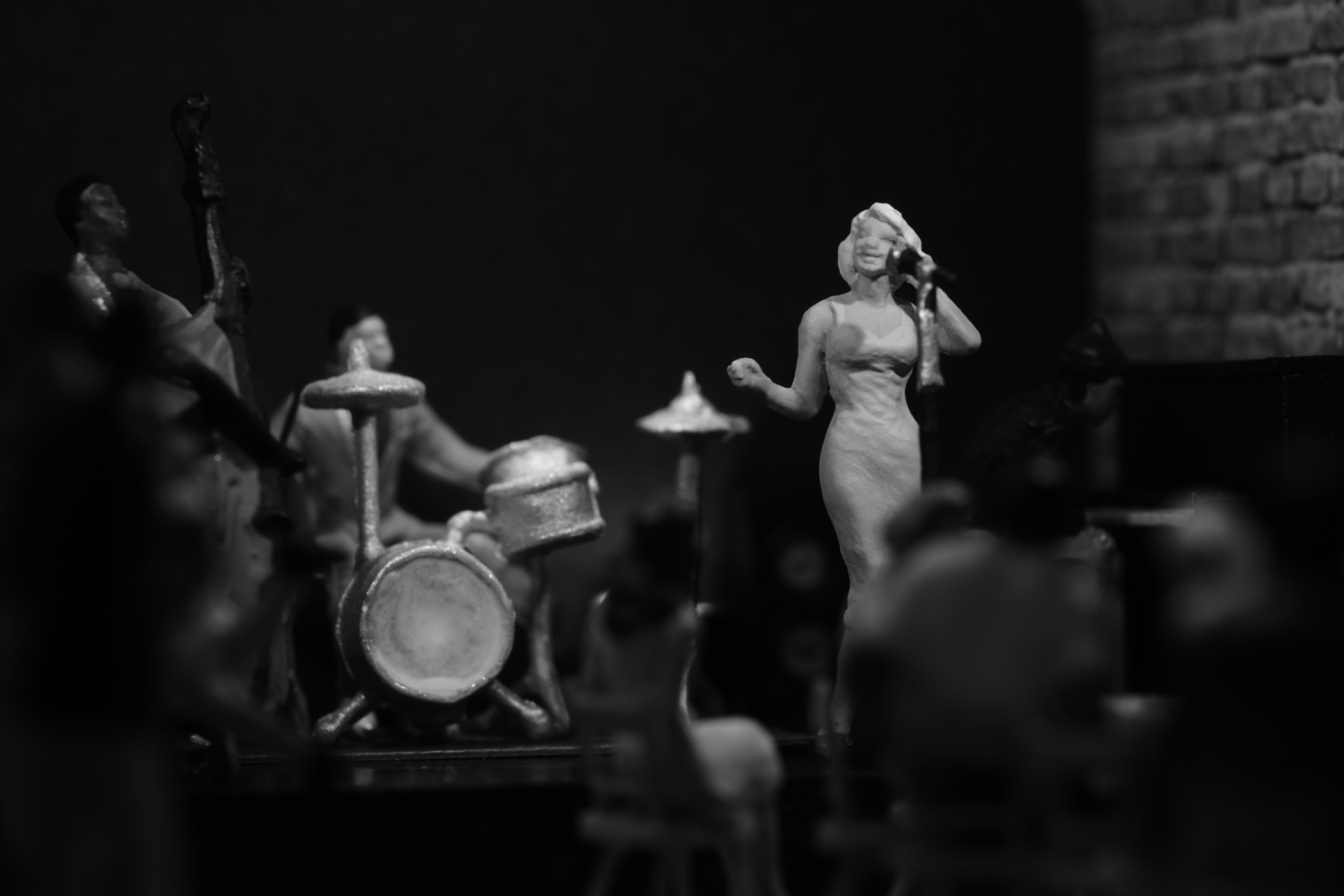
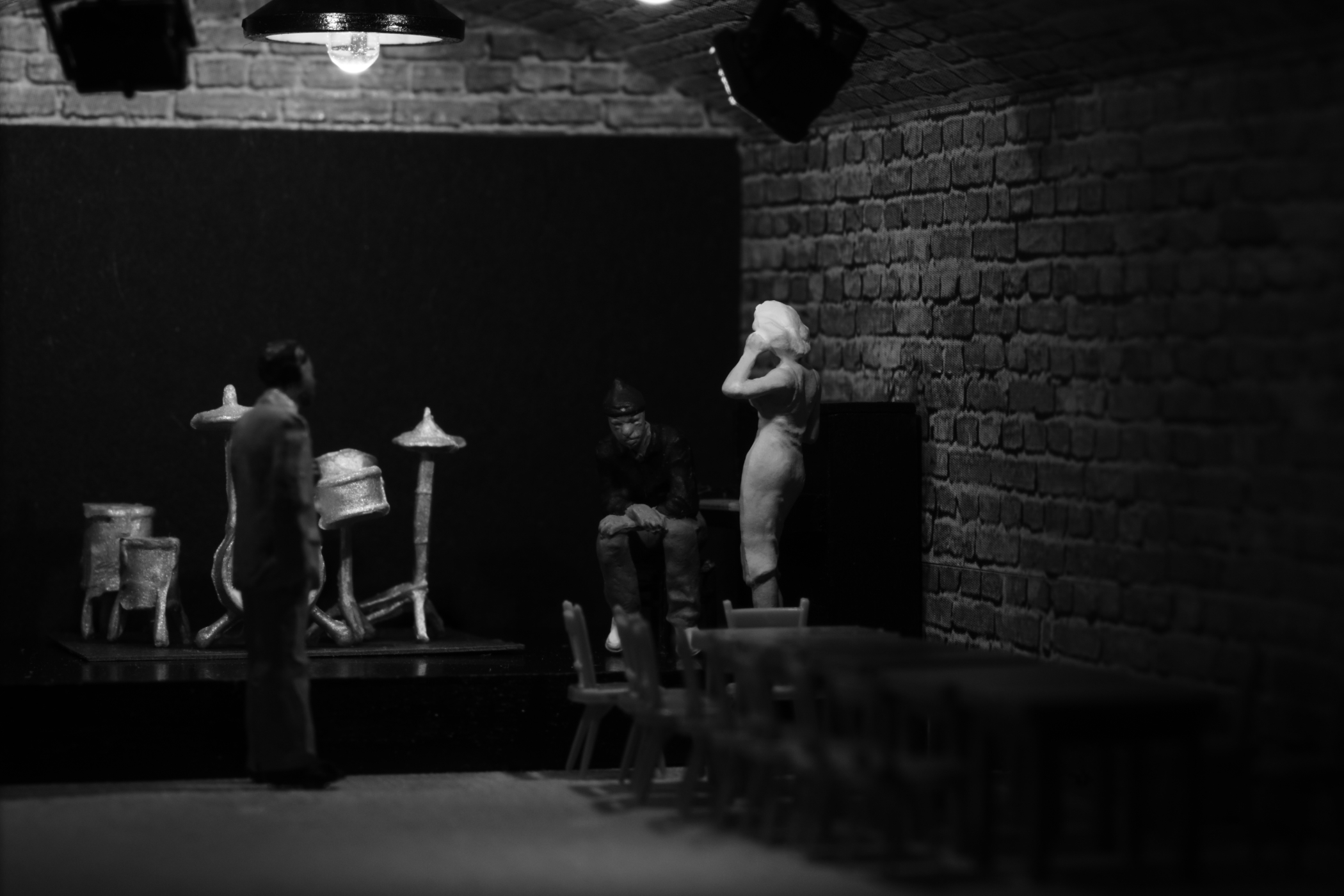
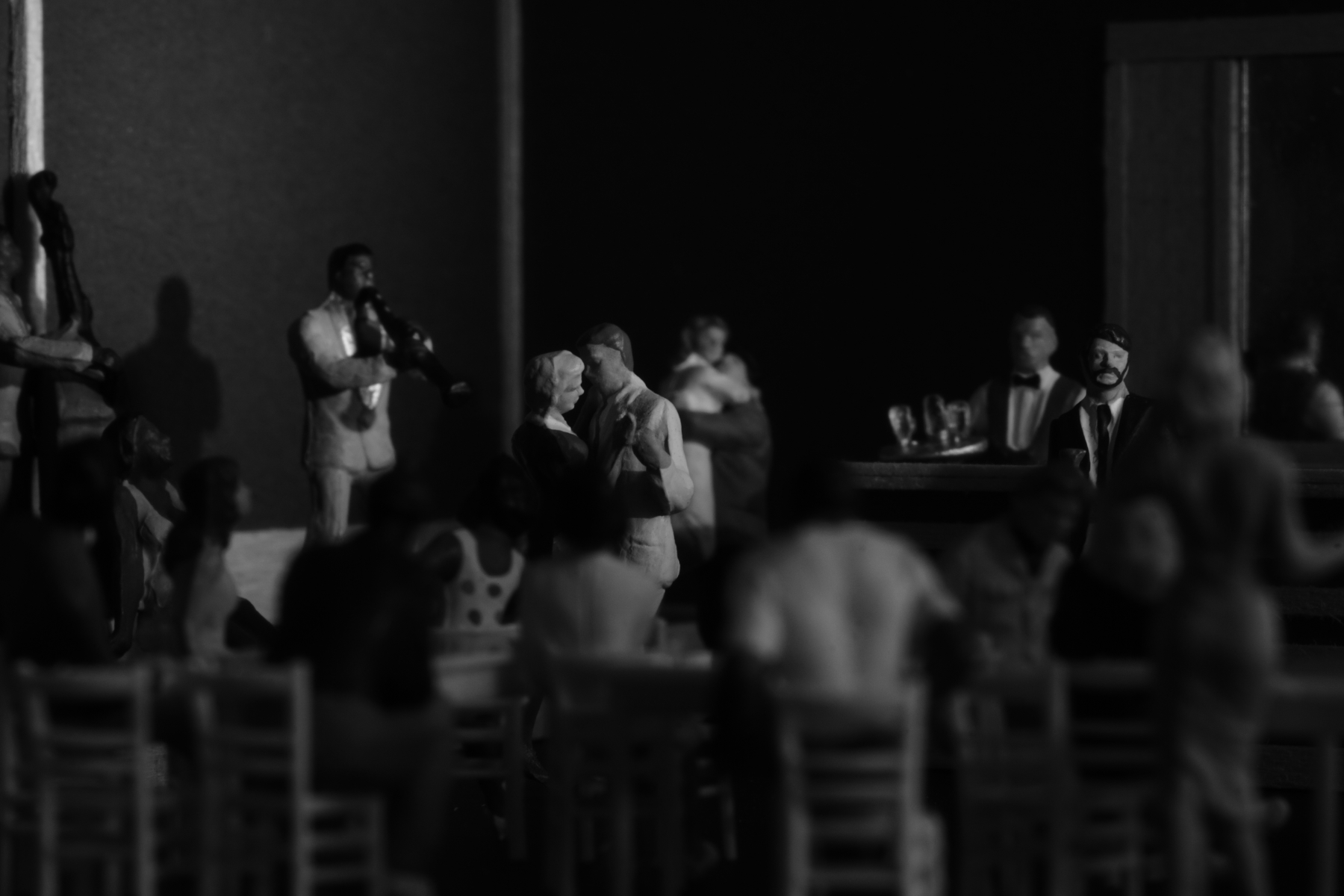
When I photographed the Jazz series last year, I felt I should also include some pictures of the band playing on a small stage, in a jazz club rather than a ballroom or a concert hall. However, I never really felt like building the diorama I needed.
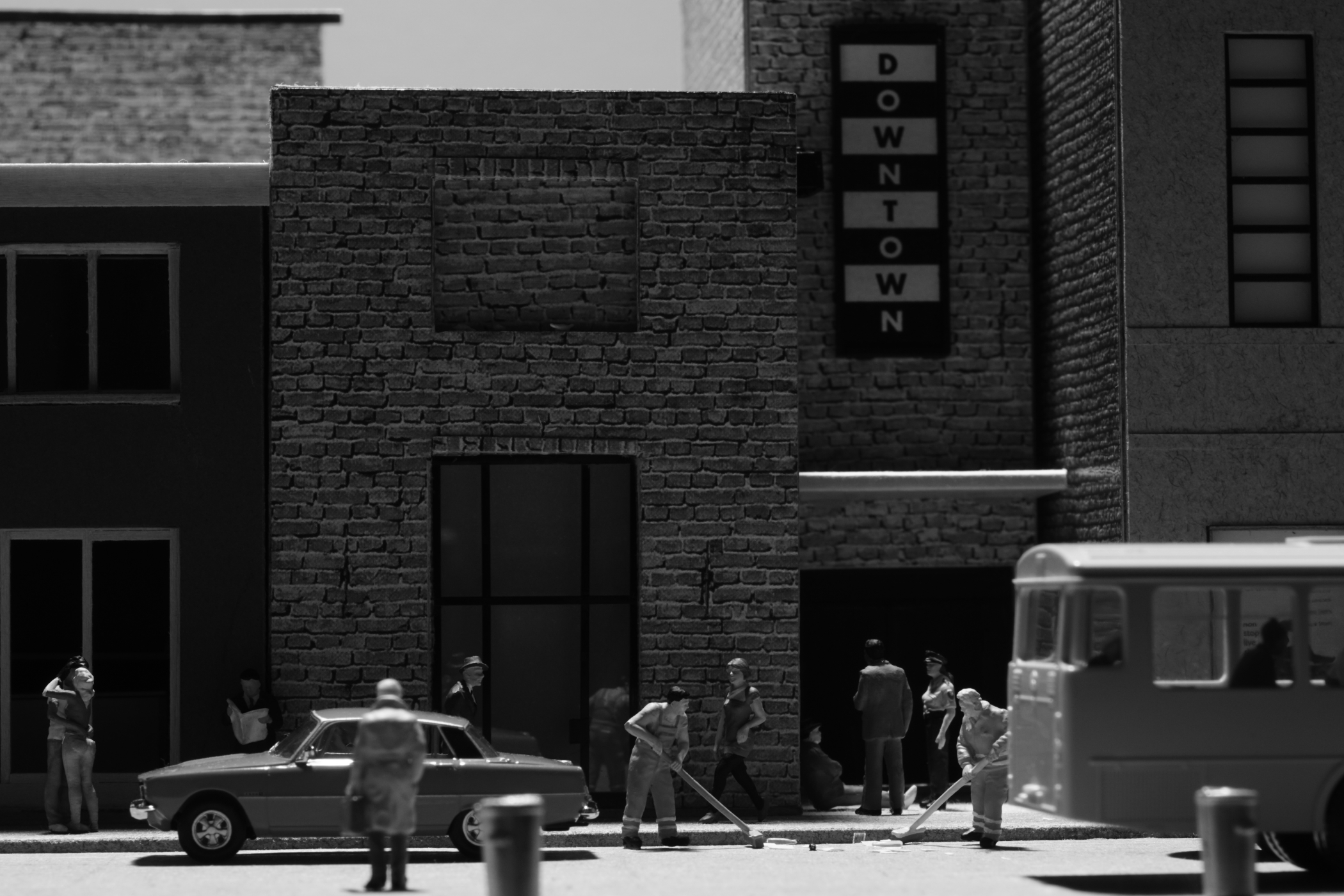
While I was making some other pictures however, the frustration about what felt like I was missing out got so strong that I finally I built this 1/87 scale model of a club I remember from 40 years ago … vaguely. Welcome to the Downtown!
Continue reading “Let Me Off Uptown”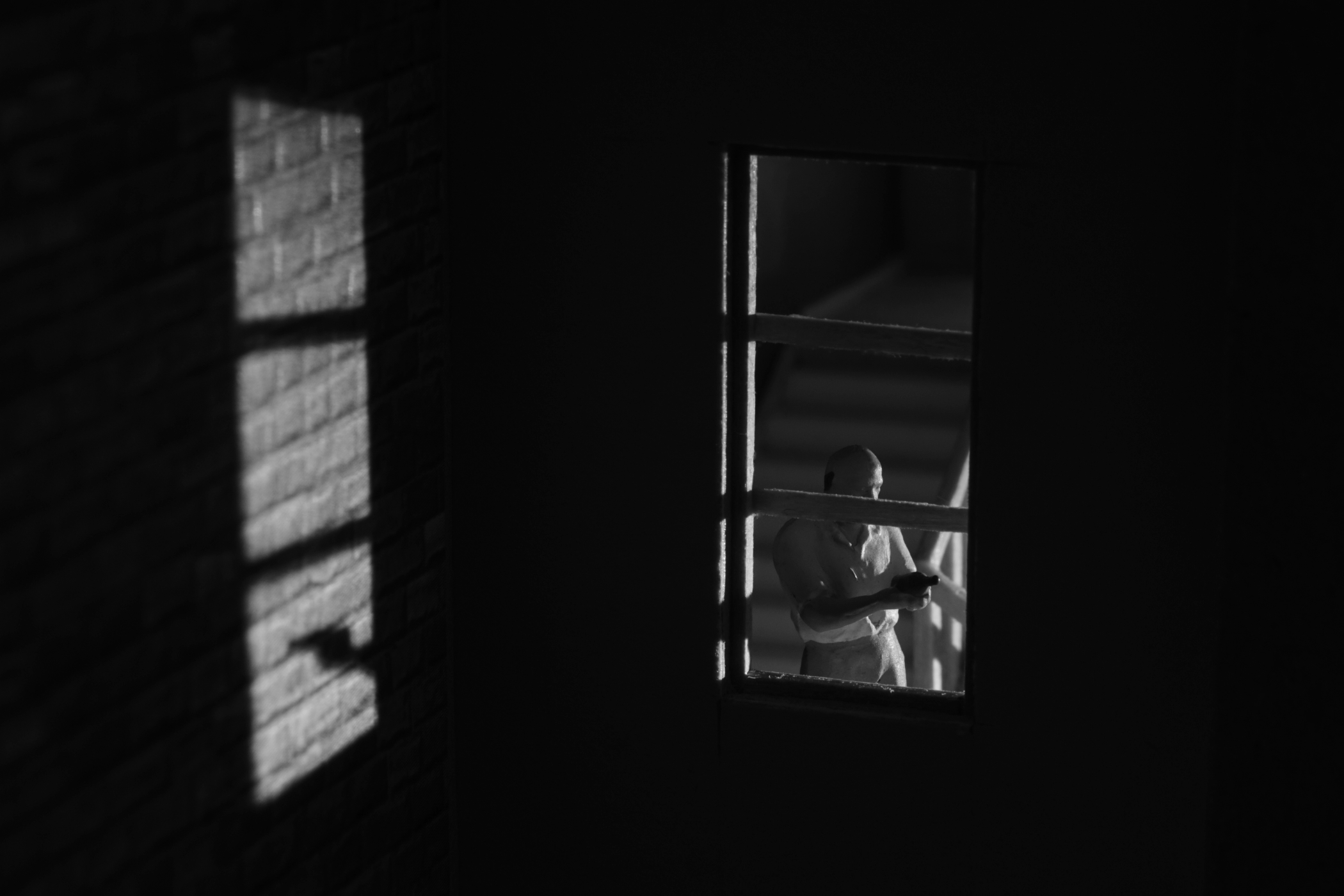
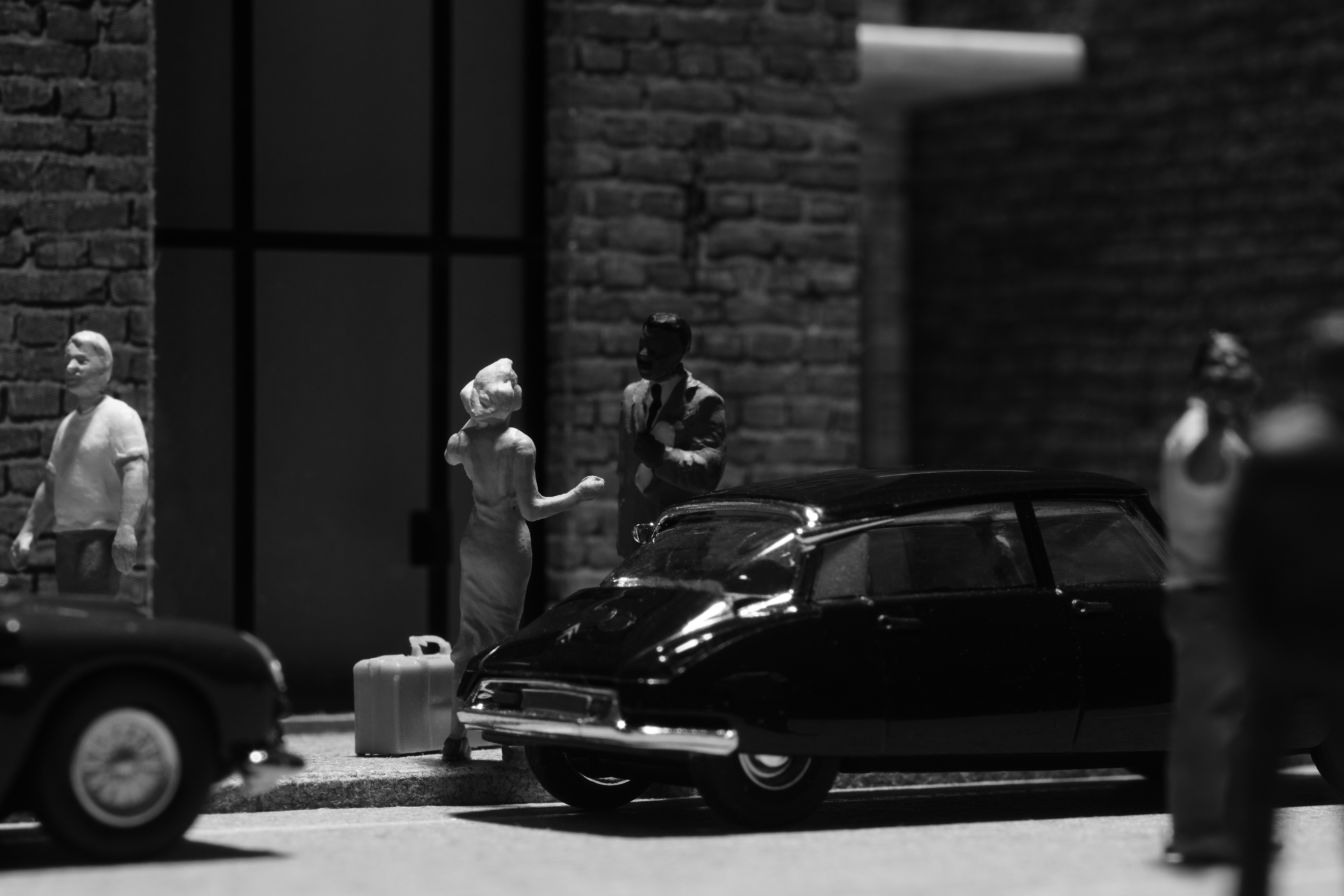
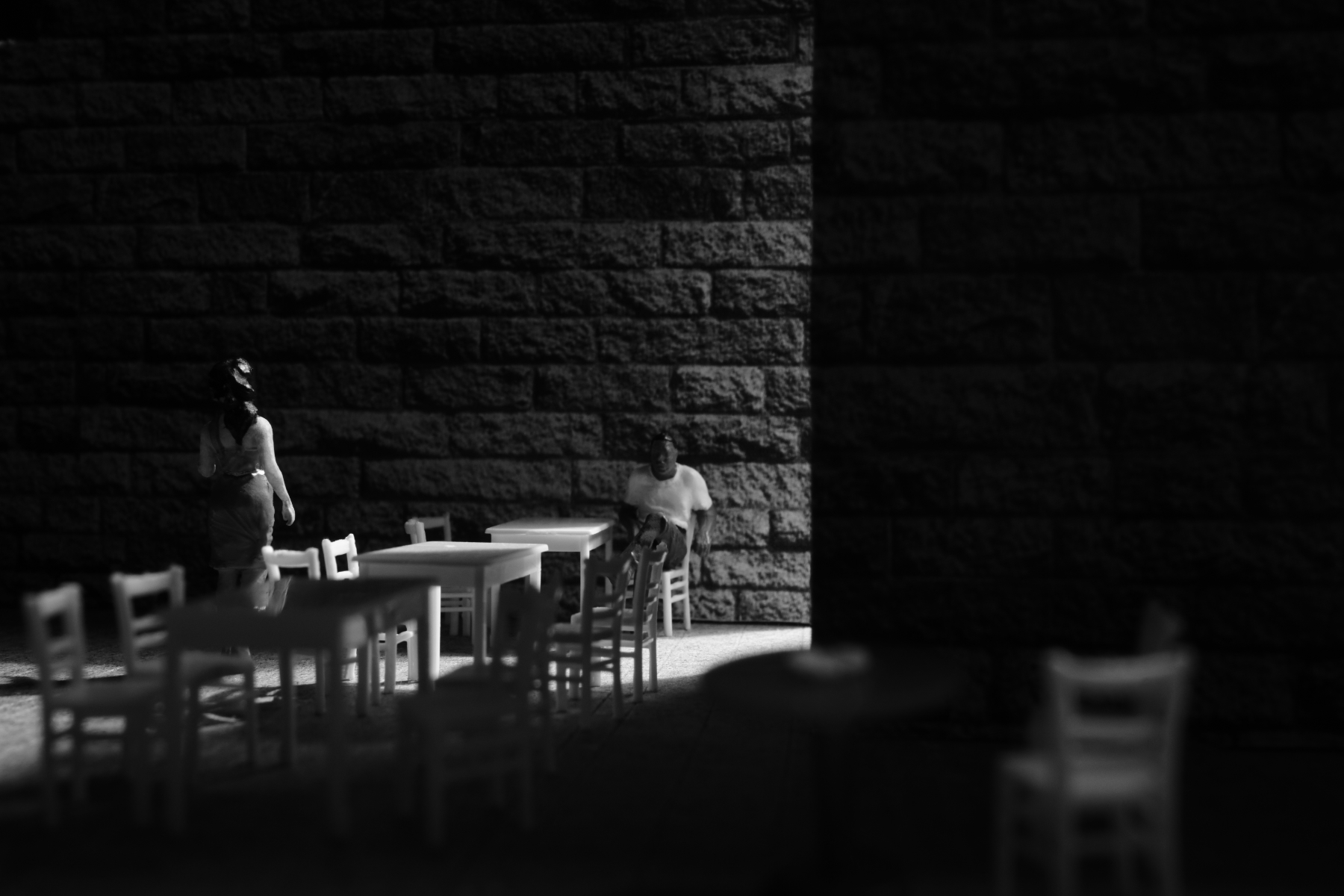
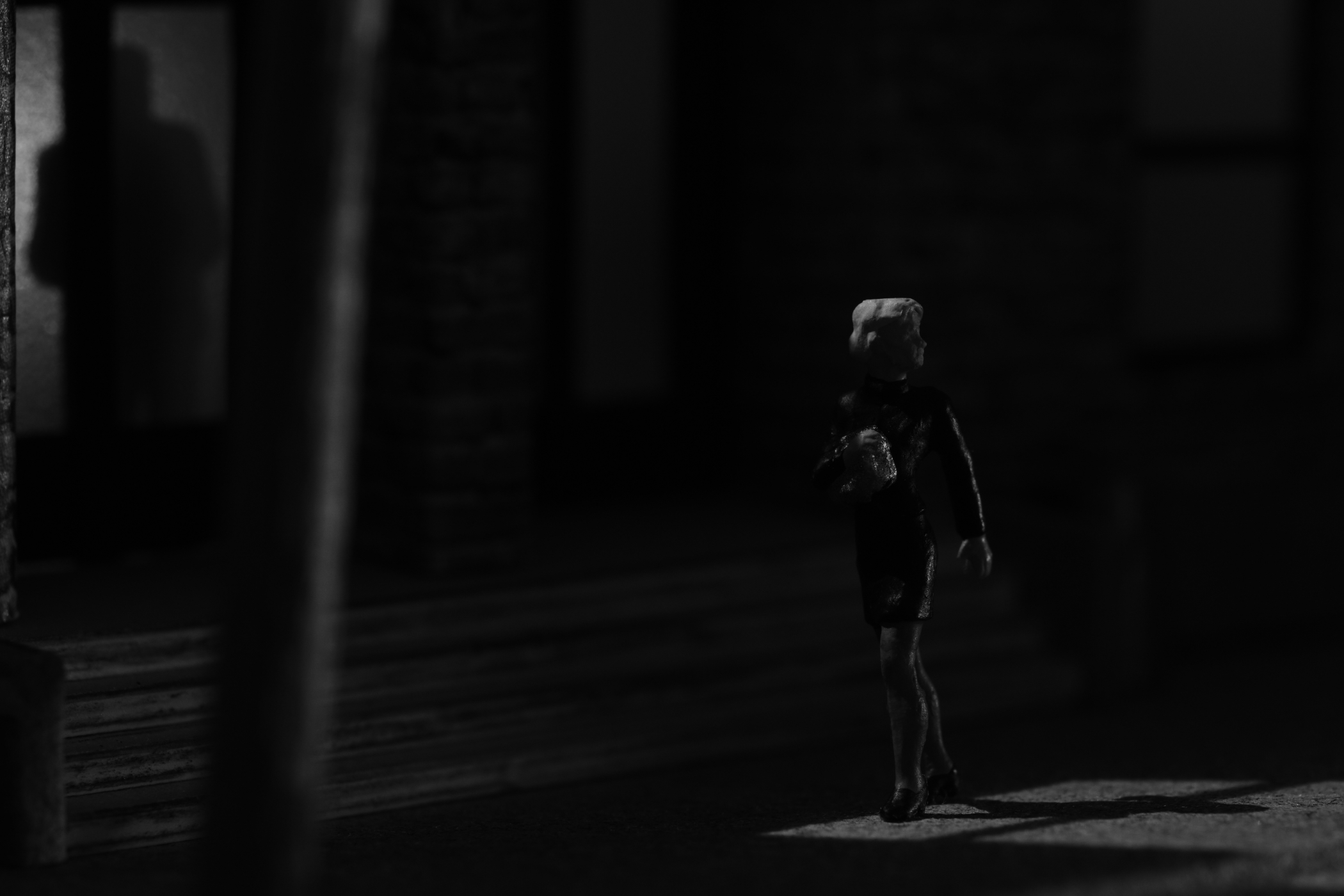
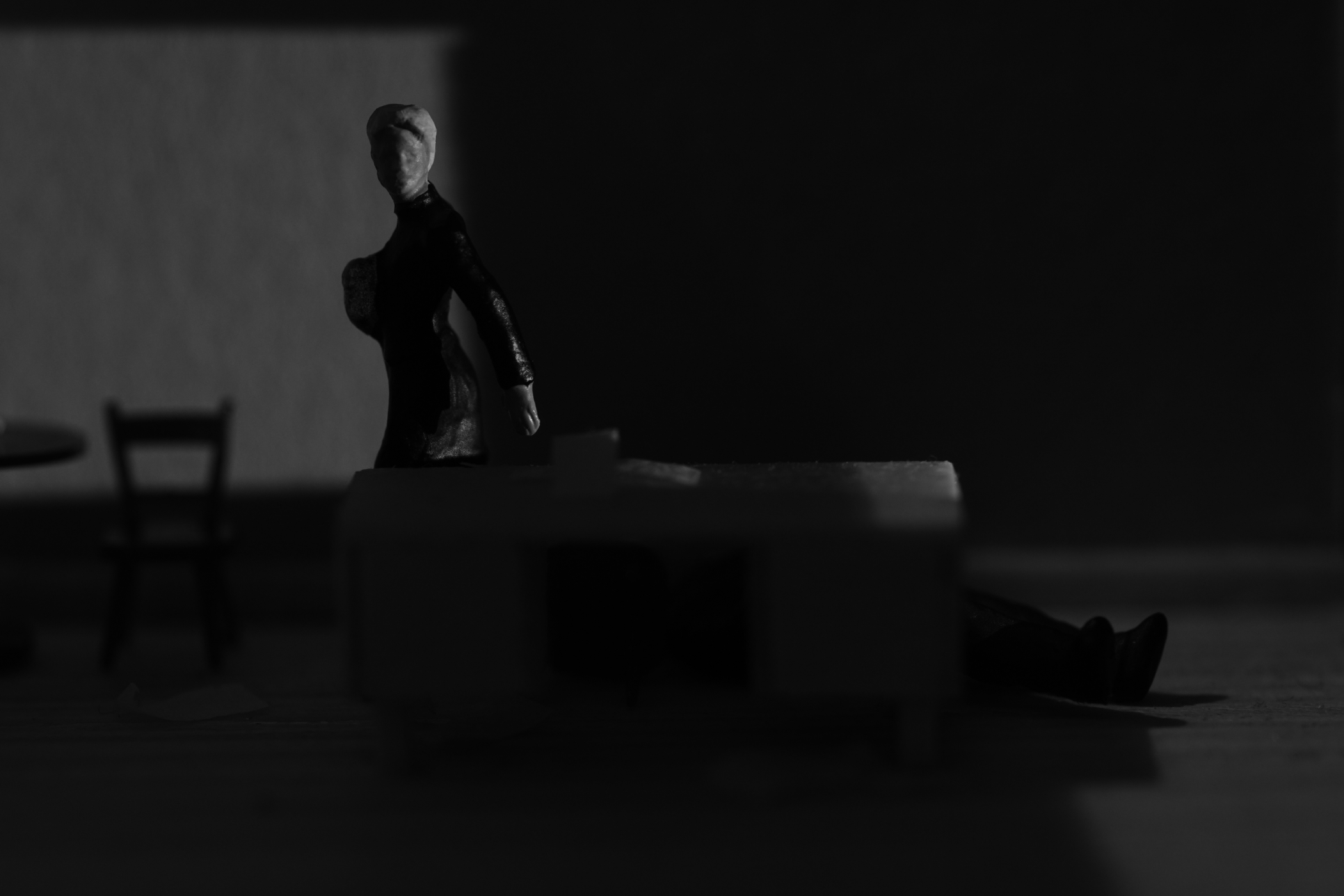
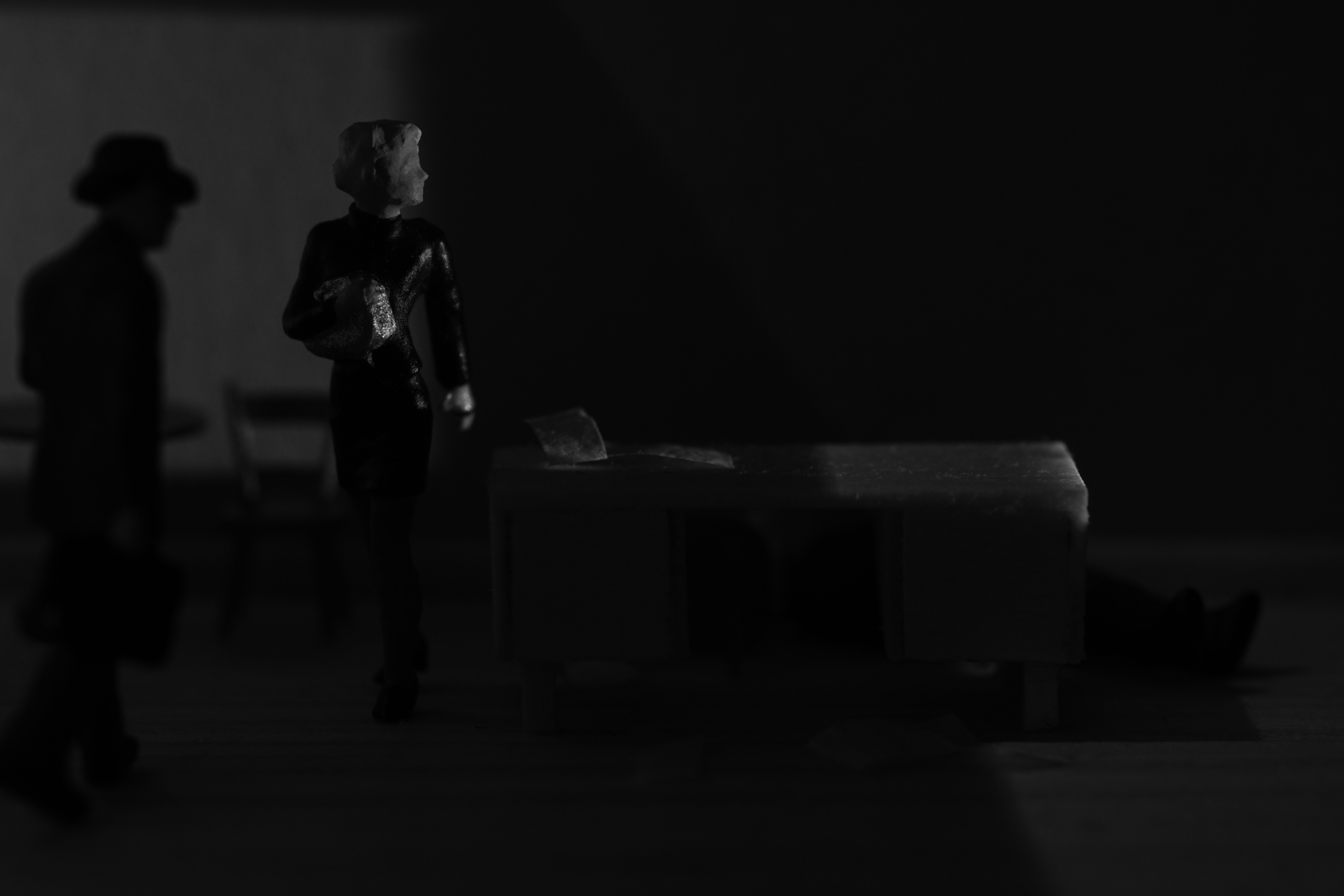
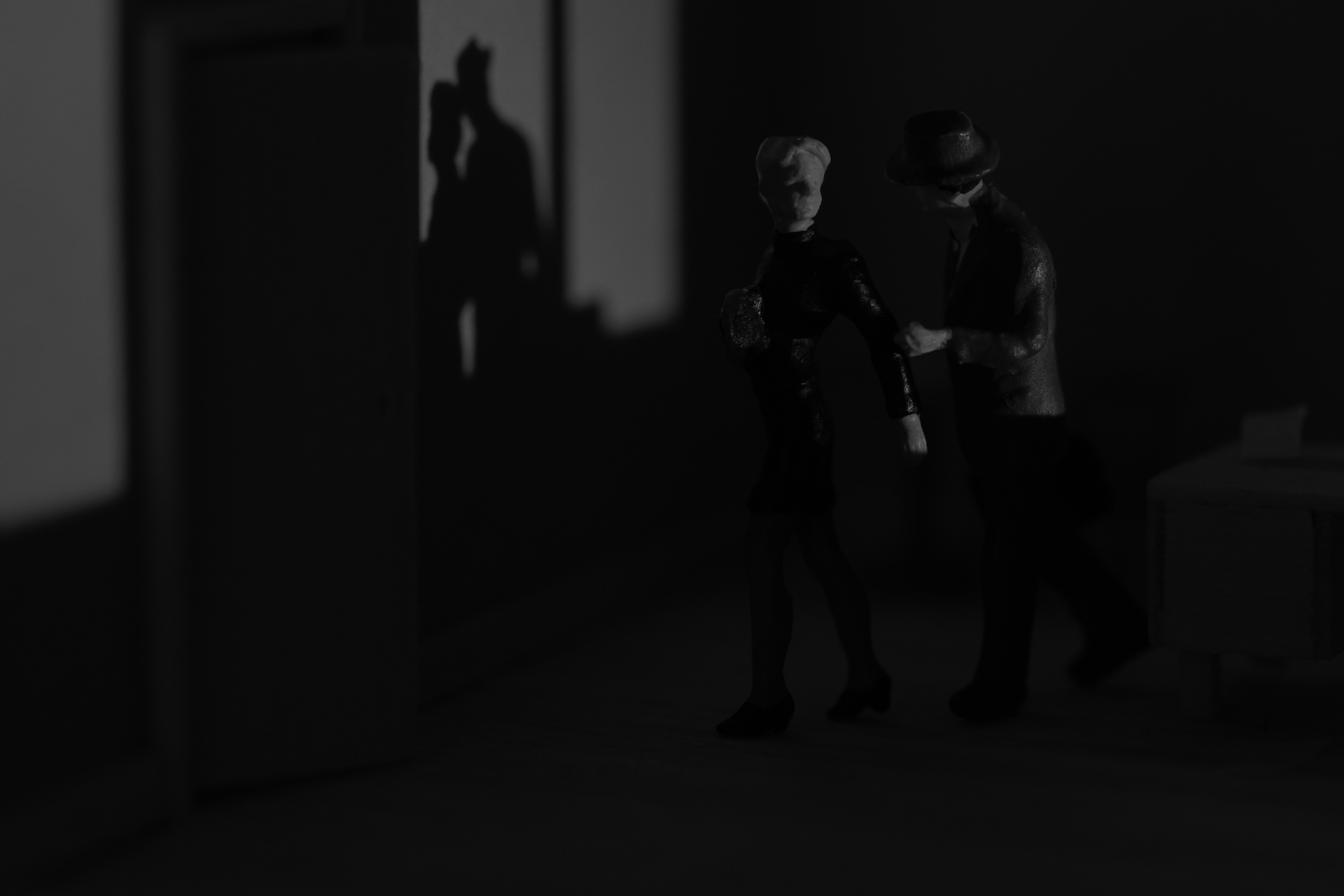
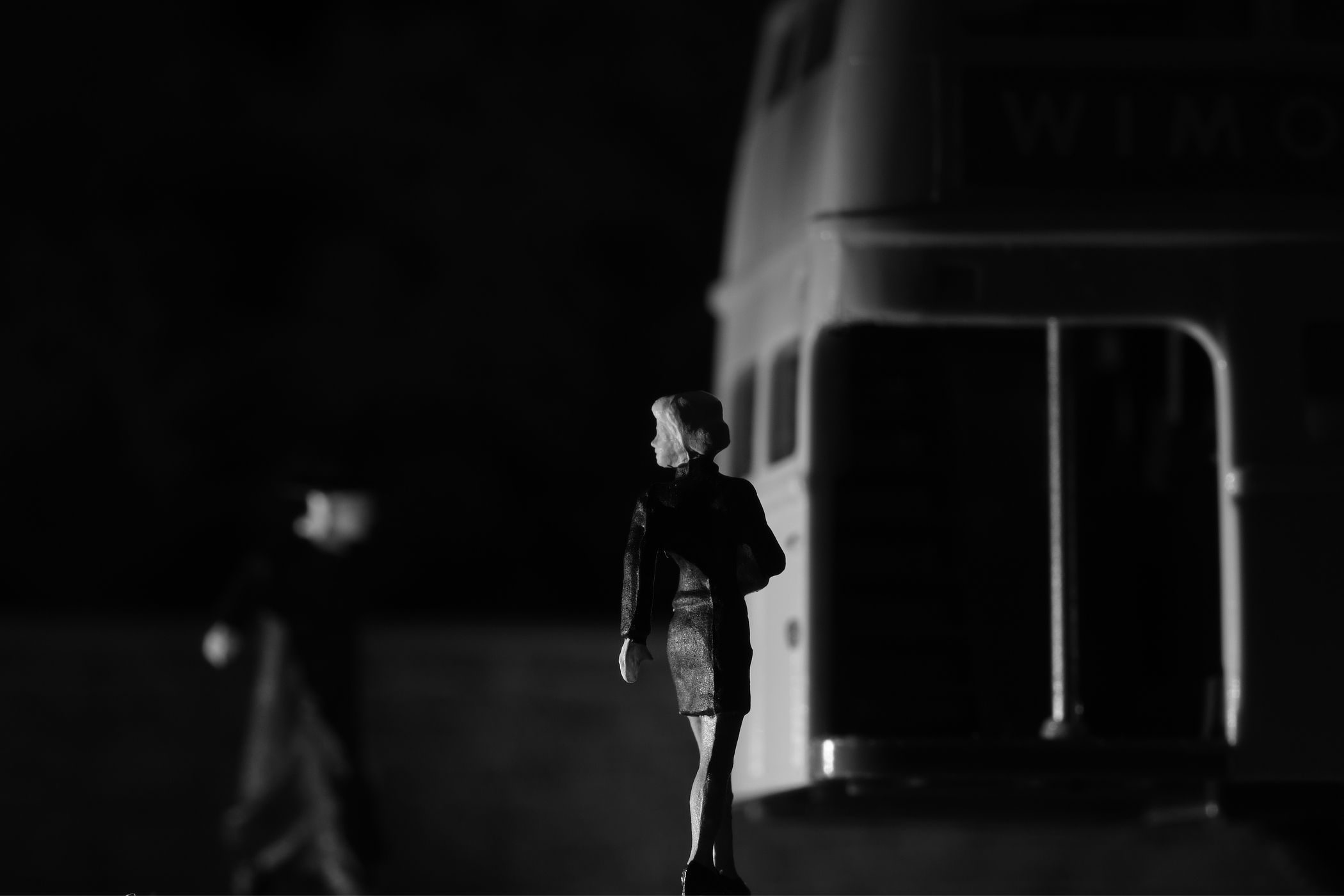
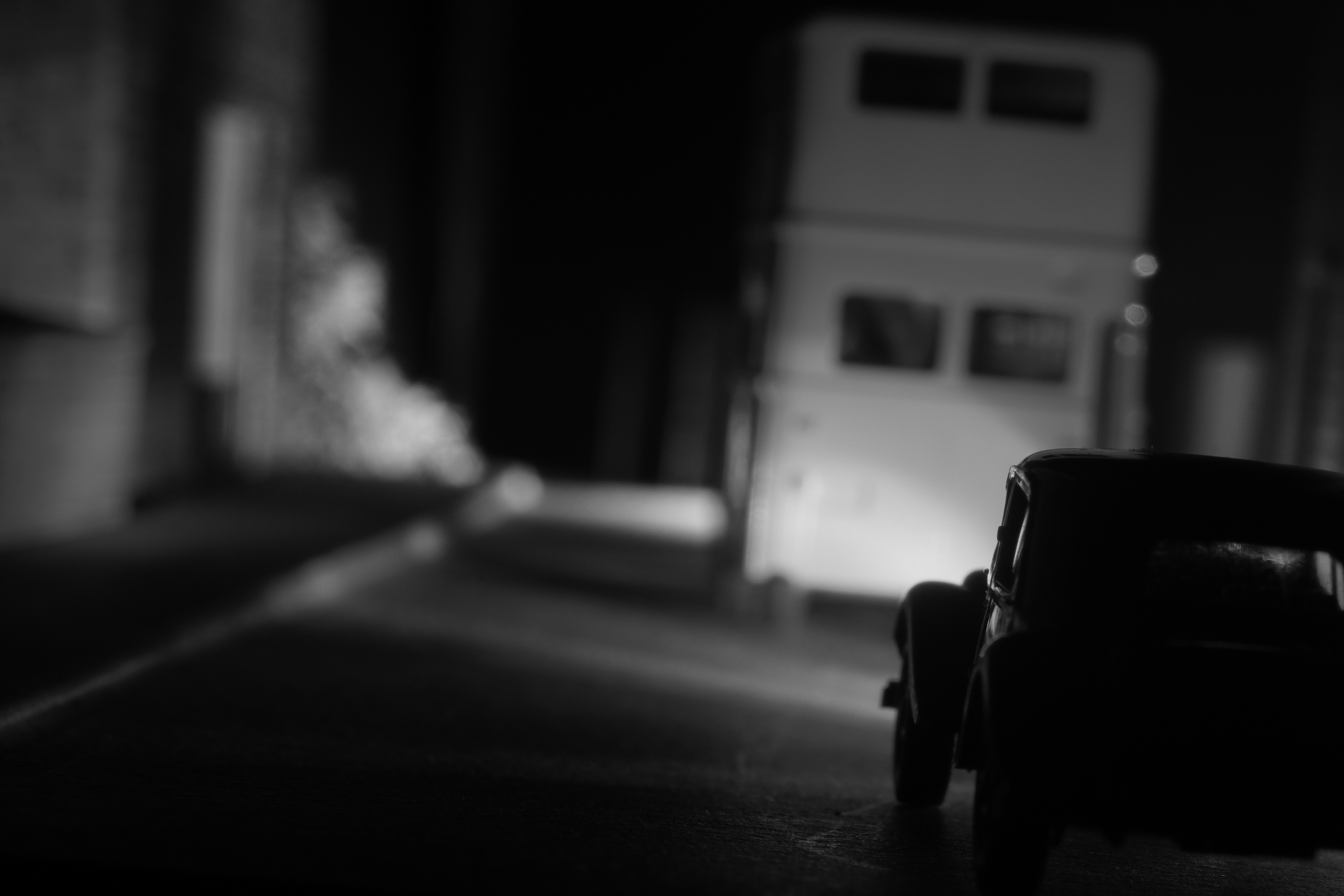
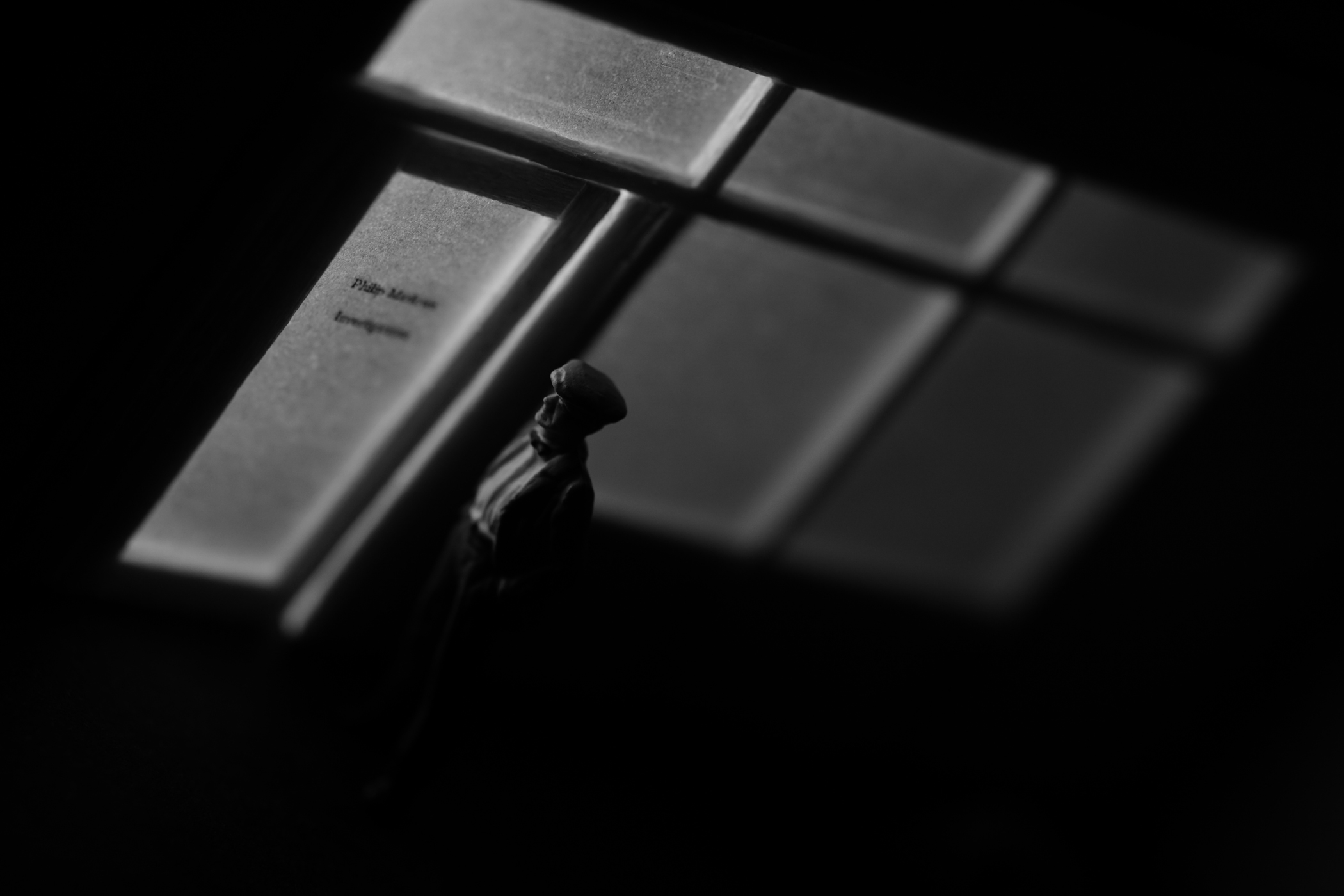
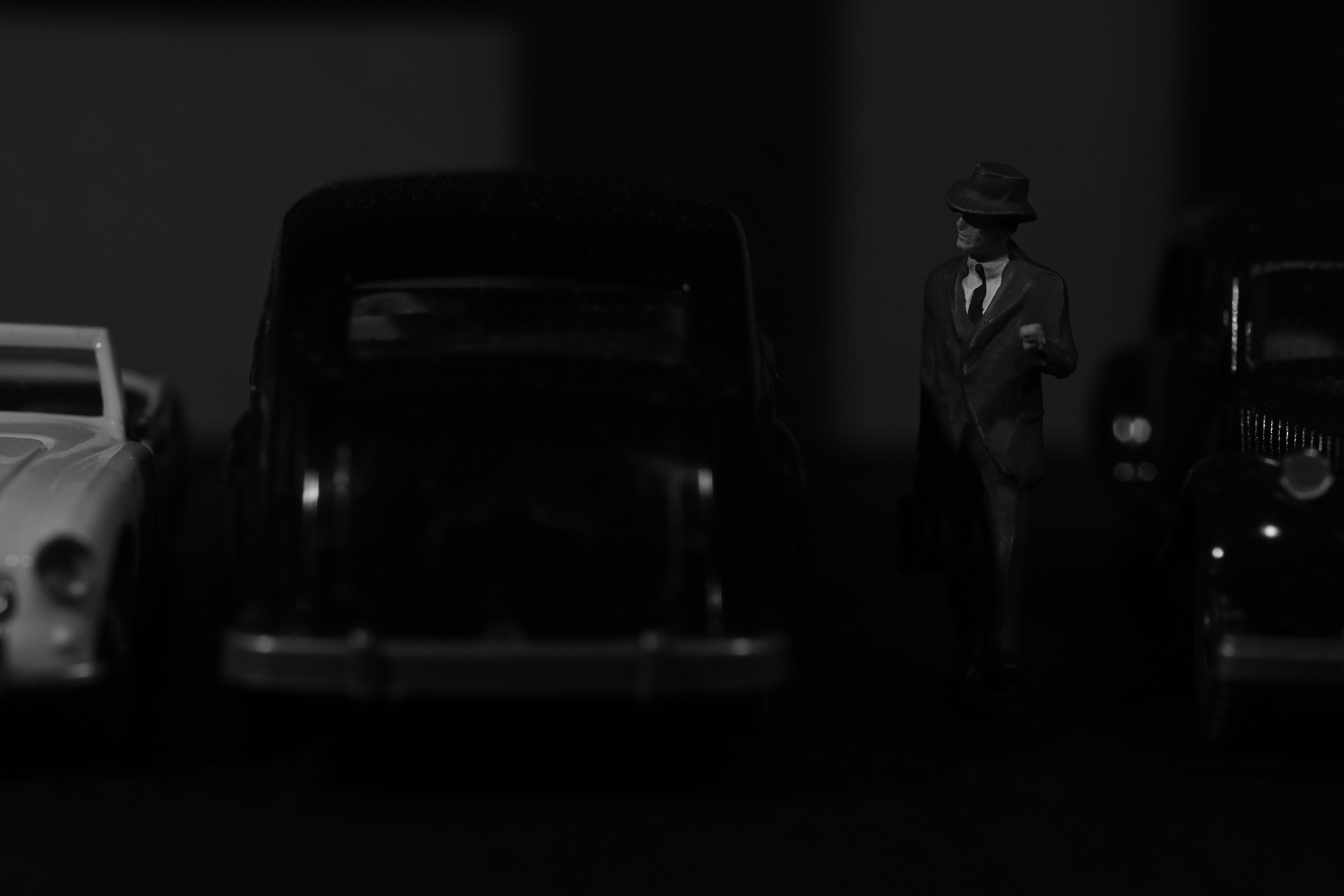
LAPC #265: Black and White or Monochrome | Black and white is a preferred choice when I photograph miniature toys. It seems to add another layer of abstraction to pictures which already show abstract depictions of reality – these toys and models have to be abstract due to their size (and my building skills). I feel that the additional layer of abstraction sort of distracts from the fact that we are dealing with tiny plastic toys, but I still cannot grasp why I would think so.
As for the procedure, I firmly believe that shooting color and only creating a black and white picture in editing is not the best way to go at it. A black and white picture is not simply a ‘normal’ picture minus the color. I feel that we pay more attention to light, develop a keener eye for slight nuances as well as stark contrasts in brightness when we are not distracted by colors, and can’t rely on contrasting colors. But maybe that’s just me.

After posting an action figure sequence from 2021, here’s a brand new contribution for the lens-artists’ challenge telling a story. Showing K2-SO in the middle of an activity (enigmatic as it may be) implies that there was a ‘before’ and there will be an ‘after’ – a story.
If you like black and white photography, check out this blog.
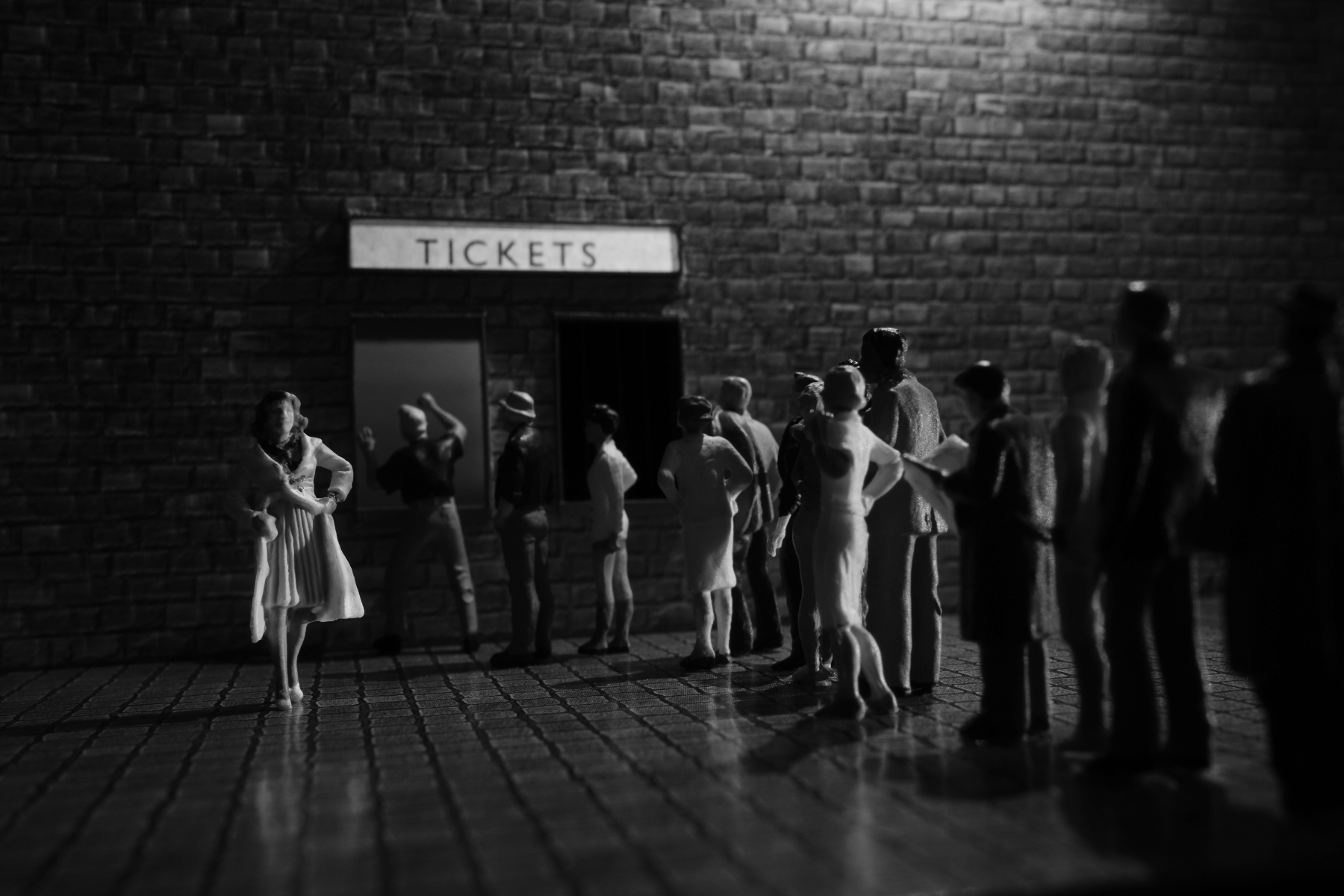
Toy photography and flights of fancy: it almost seems like a defining combination. Wouldn‘t it be nice to just have a huge wall with a couple of tiny windows and a backlit „Tickets“ sign? Then I could show a long line of people waiting to get one. And can I translate the jazz music played at a concert into a picture?
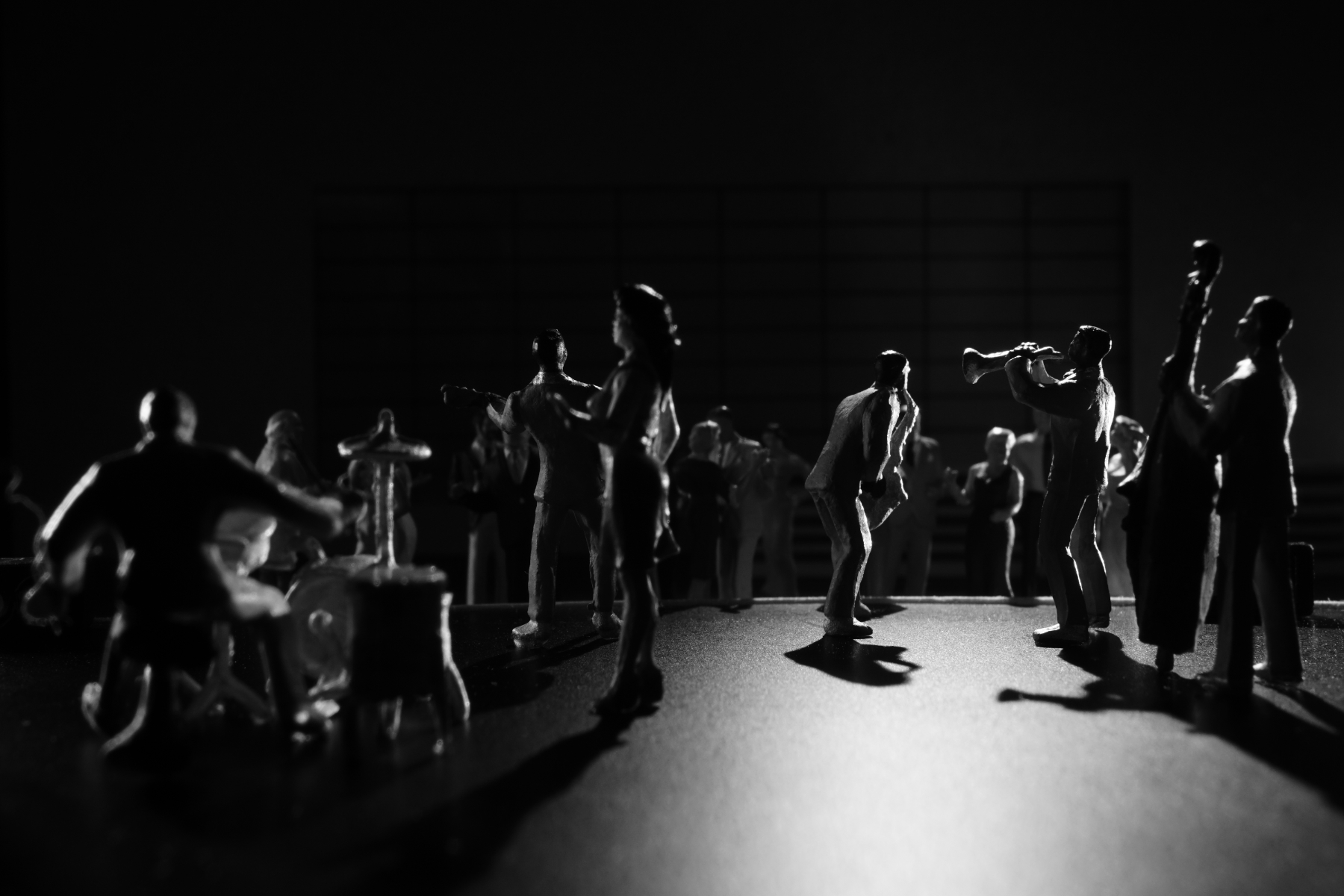
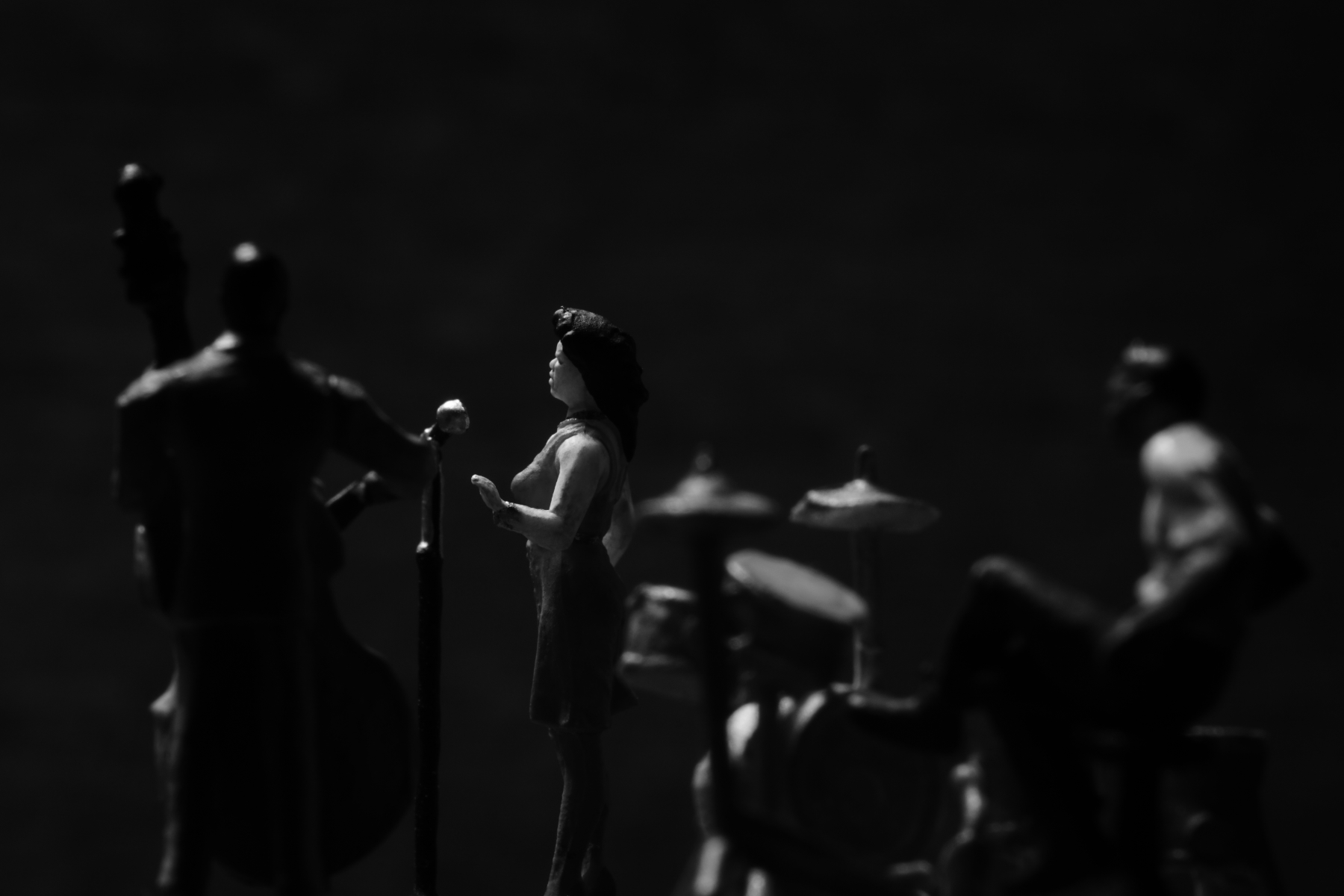
Flights of fancy indeed, and when I build these 1/87 scale dioramas or set up scenes, it often seems like they will remain just that. Other times, things turn out quite well (if not always the way I would have expected). These two pictures are from my jazz series. The titles are Broadway Blues and Jumpin’ at the Woodside, after the respective songs composed by Ornette Coleman and Count Basie.
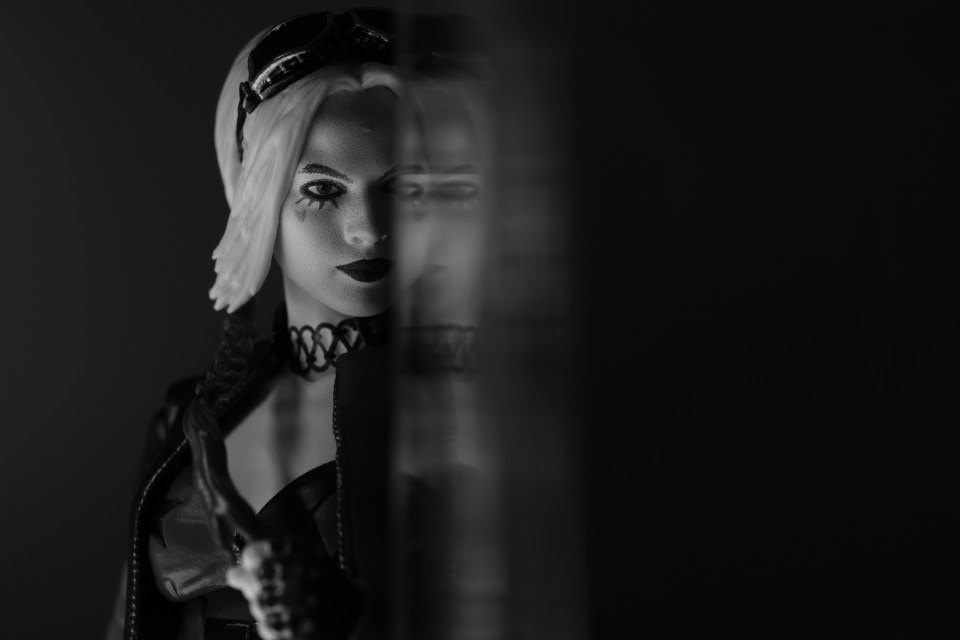
This week’s contribution for the Lens-Artists’s Challenge #219: Treasure Hunt: two reflections. Originally hunting for a picture that would somewhat illustrate the Beatles’ Lucy in the Sky With Diamonds and be photographed through things (for yet another challenge), I first tried what I could do with this figure and a glass vase. The pictures turned out to be nothing like what I’d had in mind. However, I came to like these ‘test’ pictures better than the one actually showing “the girl with kaleidoscope eyes” through a piece of cellophane. So always hold on to your test shots! They may turn out to be treasures you found without immediately realizing.

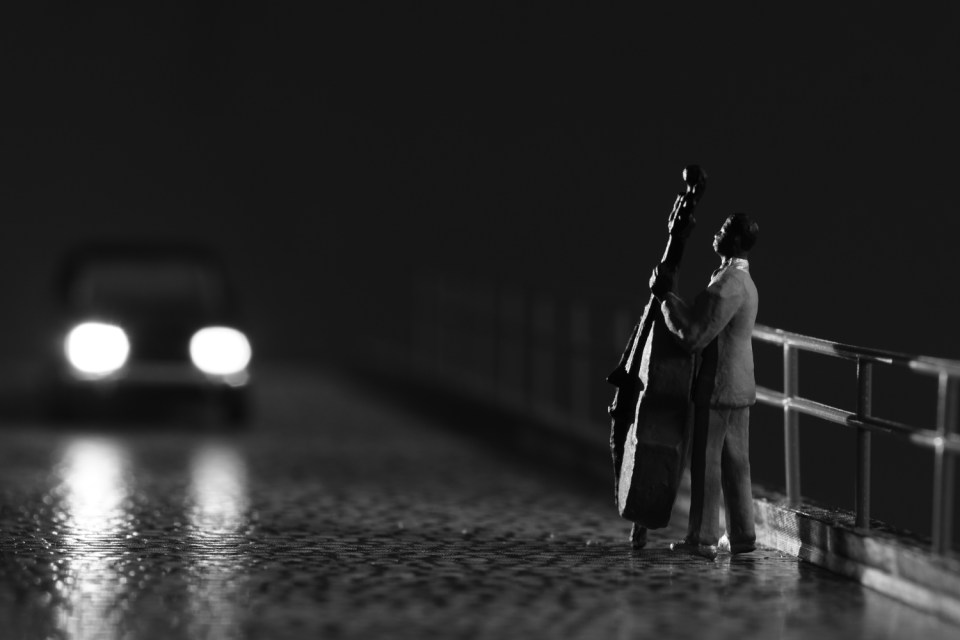
The picture above, named after a song by Vernon Duke, is part of my Jazz series. I asked myself if the situation was too surreal, but then I saw the Lens Artists’ challenge, which is Surrealism. And I decided this amount of surrealism was all right. After all, the fun of working with toys is that you can push everything towards Surrealism as much as you like.
Continue reading “April in Paris”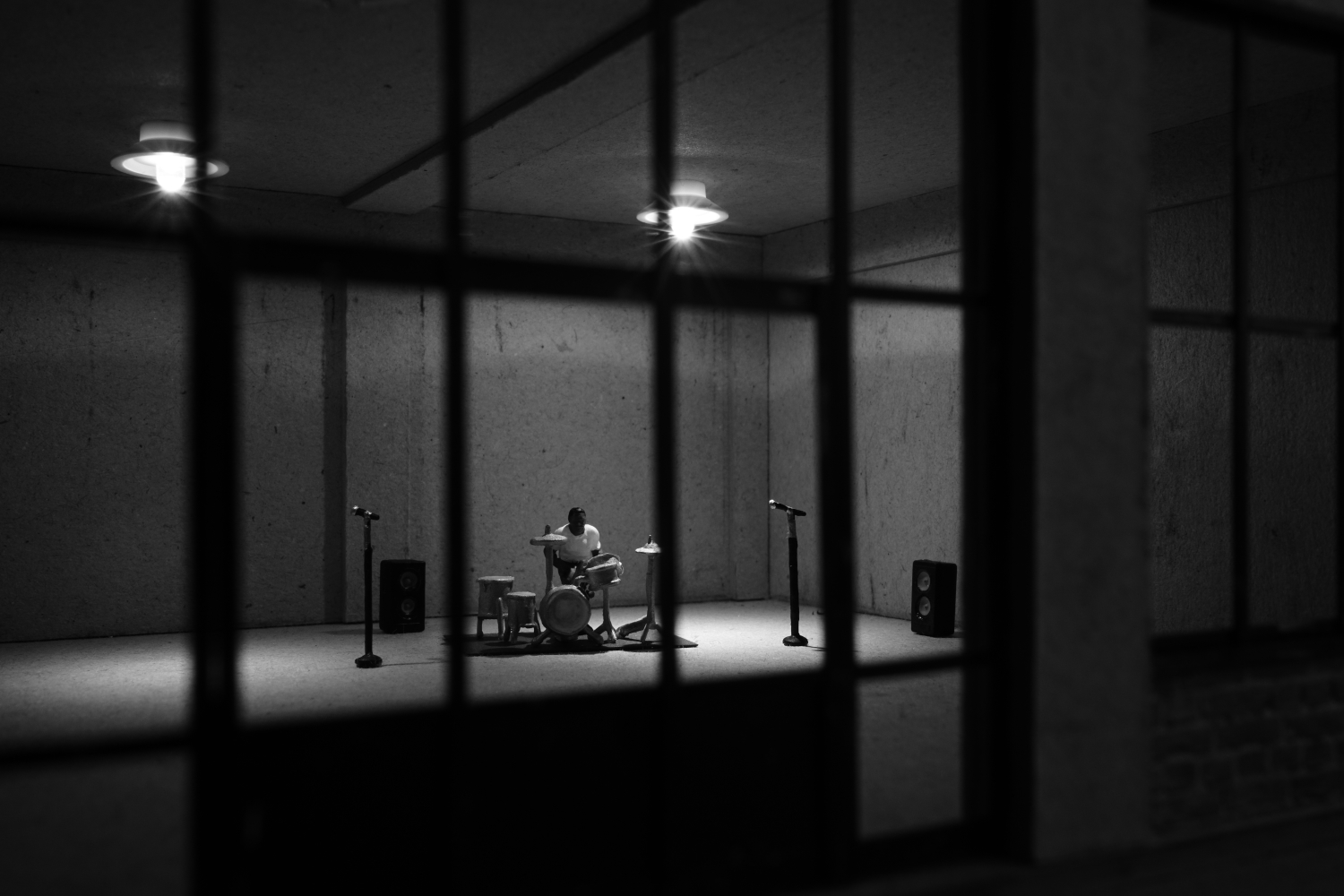
Music by Duke Ellington. This is the first in a series of Jazz pictures I have not yet quite finished. It is also an entry for Paula’s “Pick A Word in July” in which I have not participated in ages: Here’s a window.

A contribution to the lens-artists’ photo challenge Seeing Double.

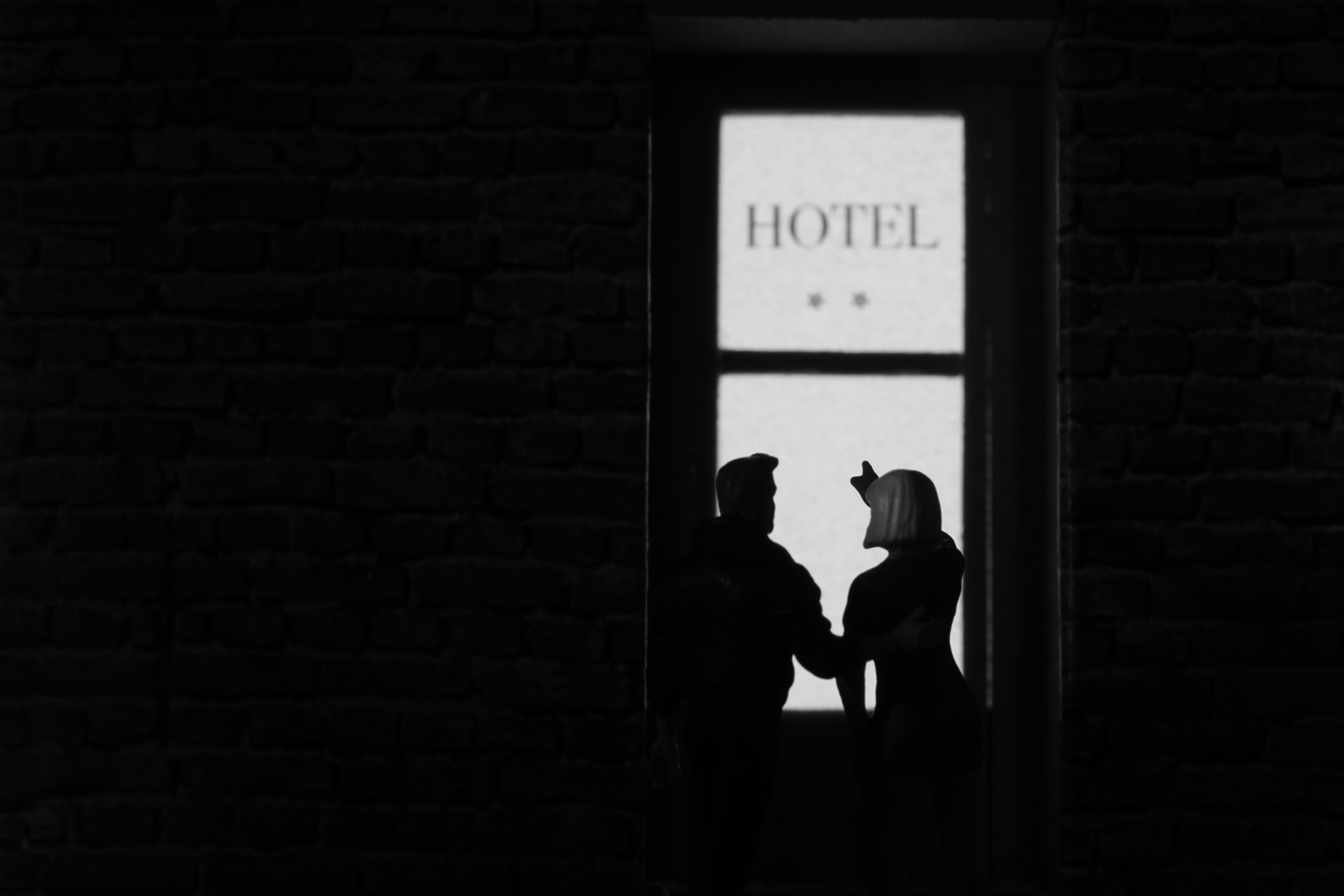

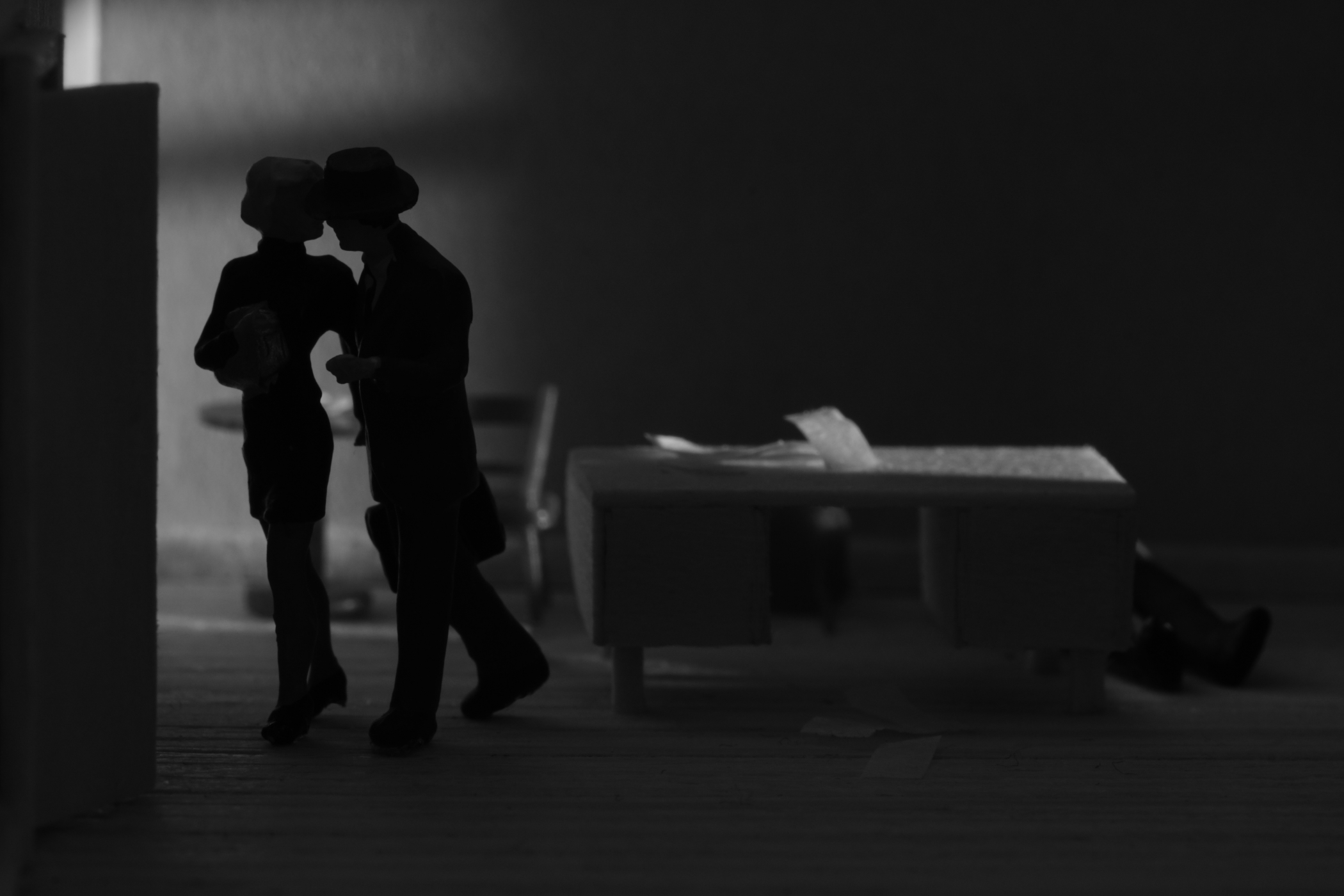
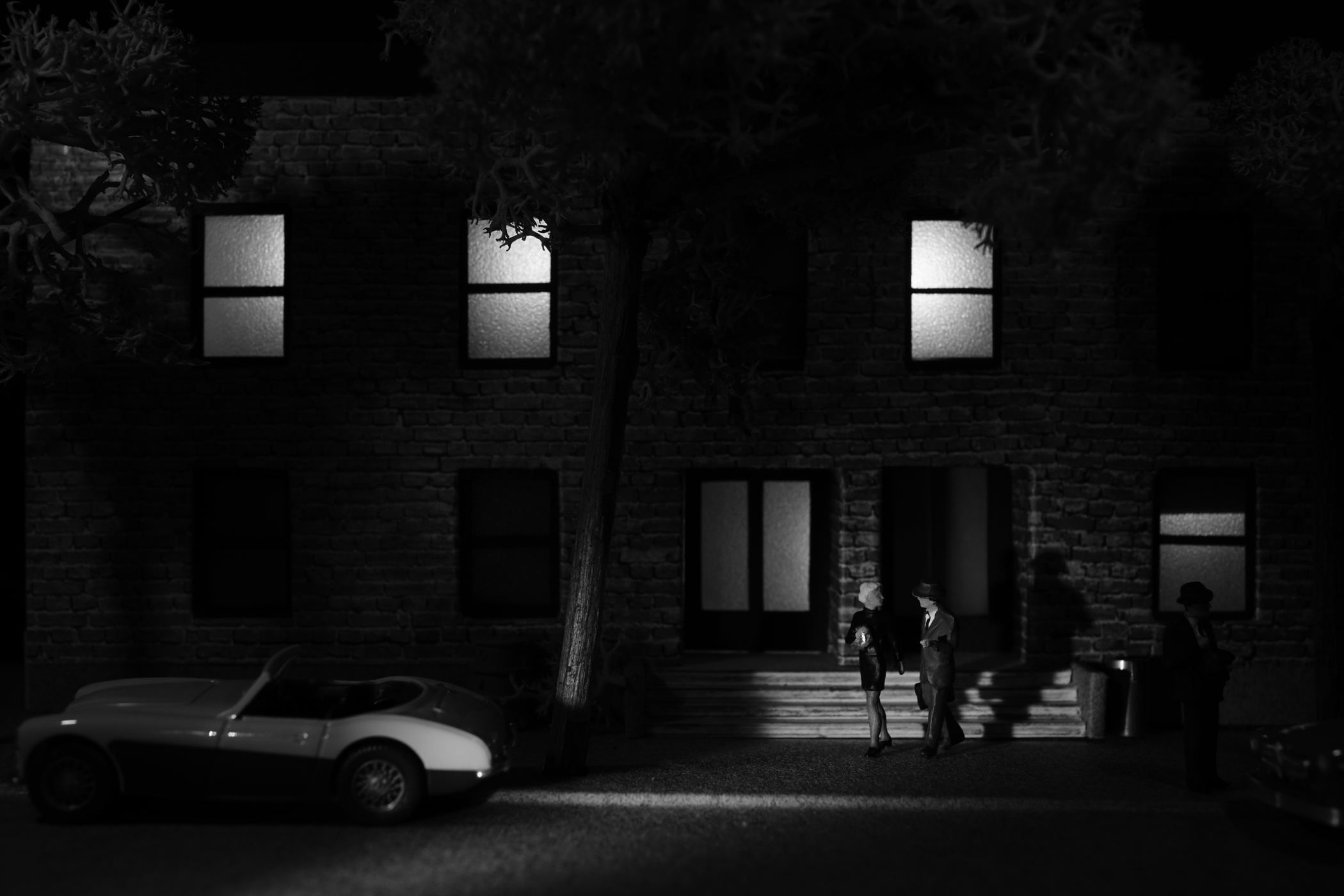
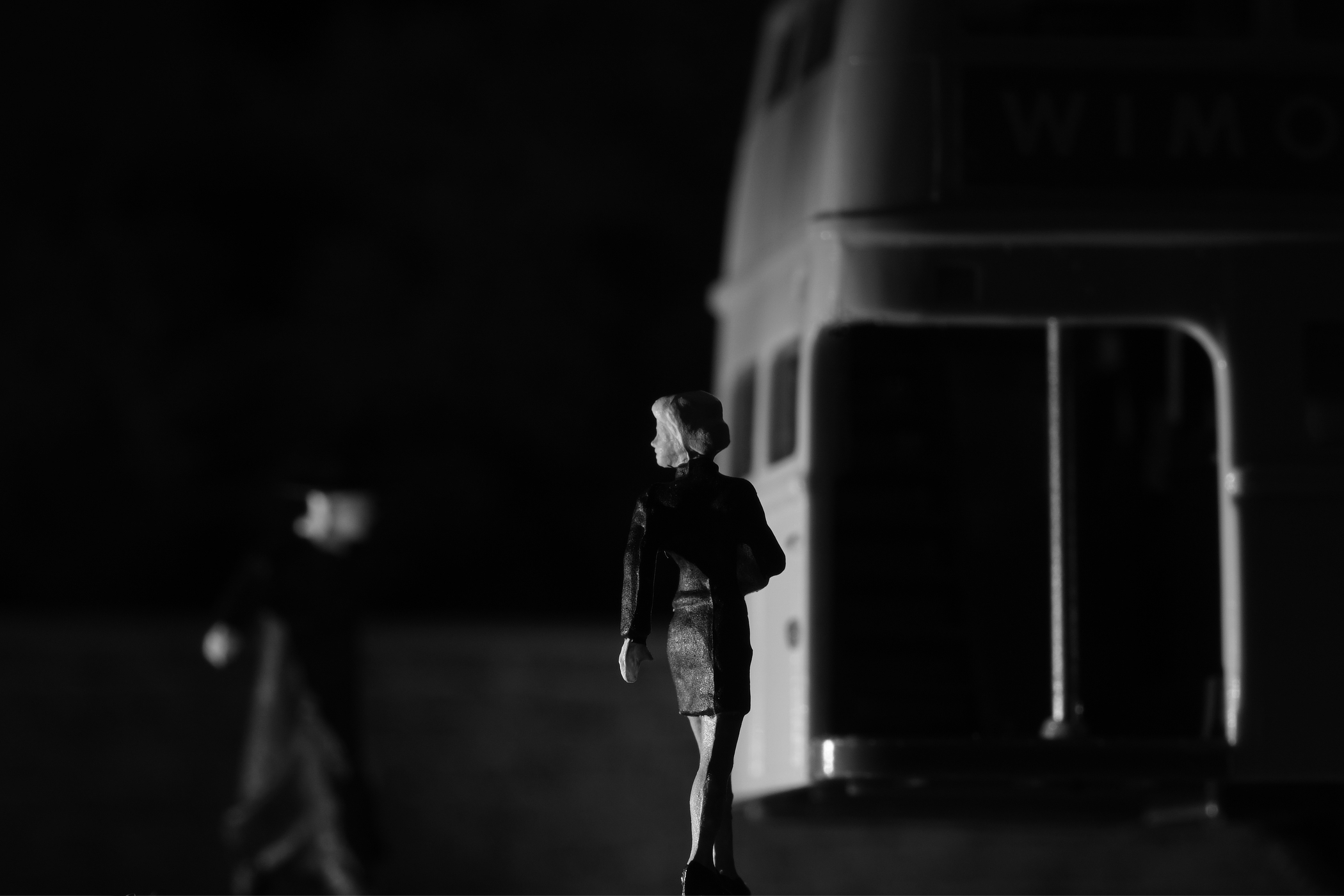
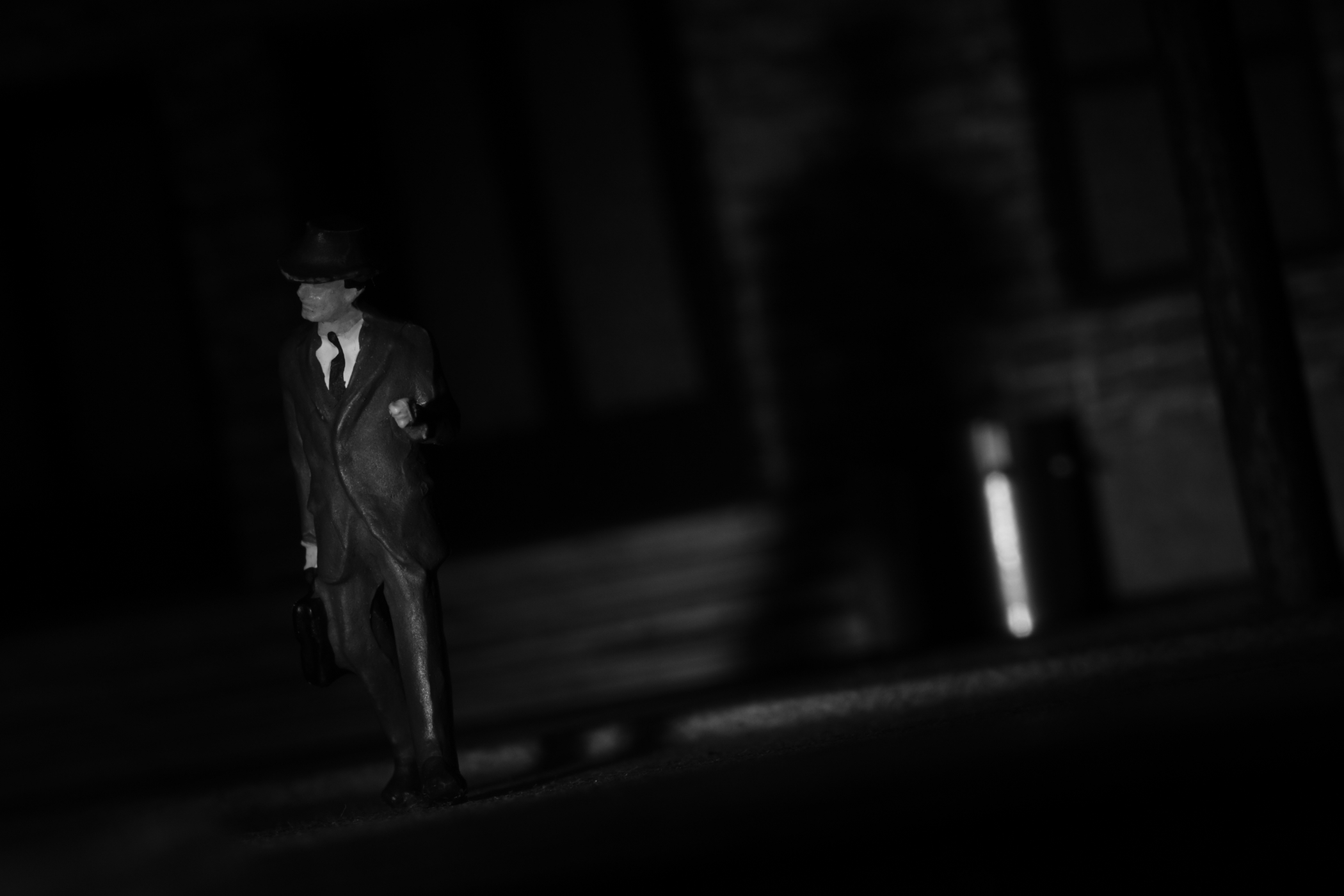
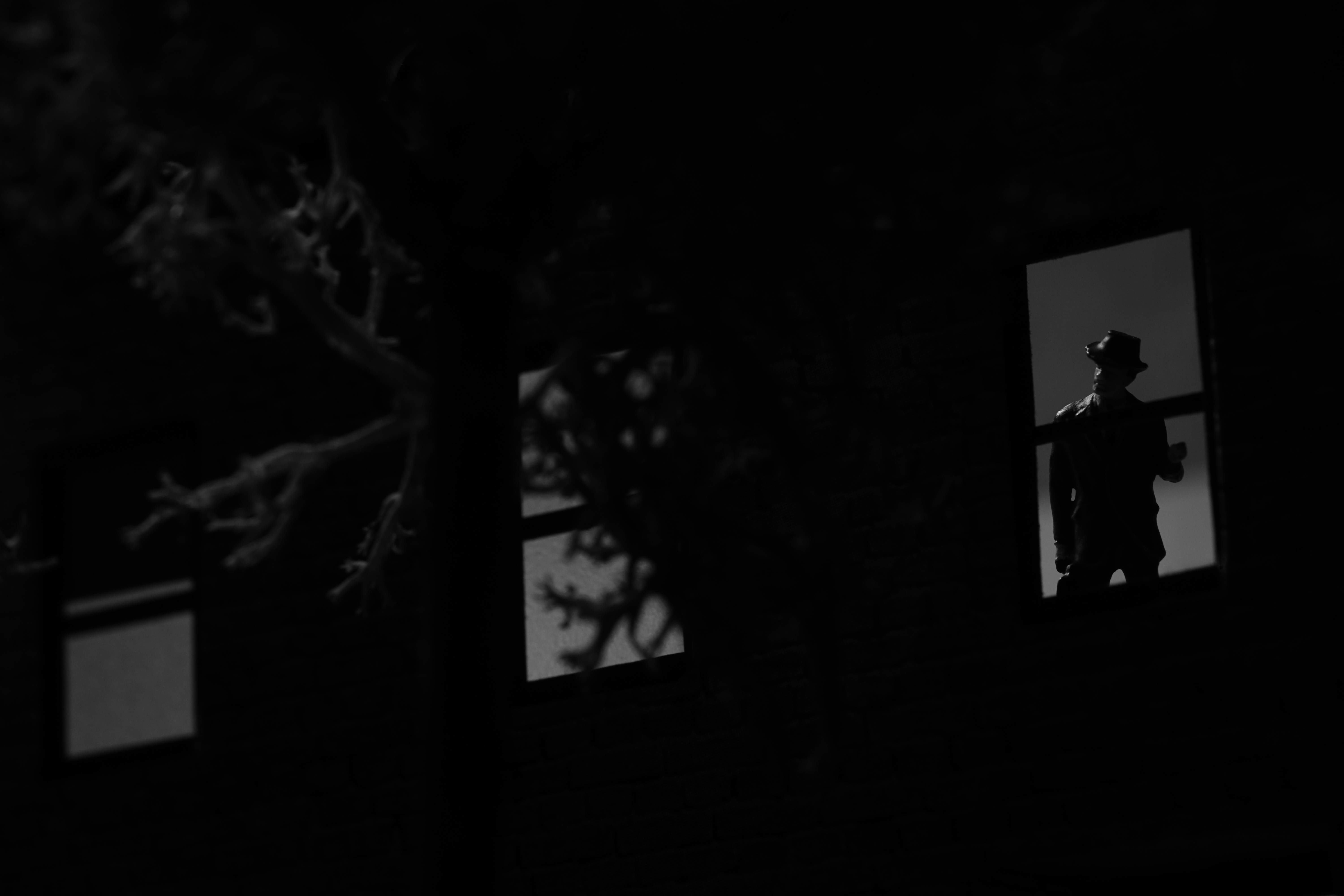
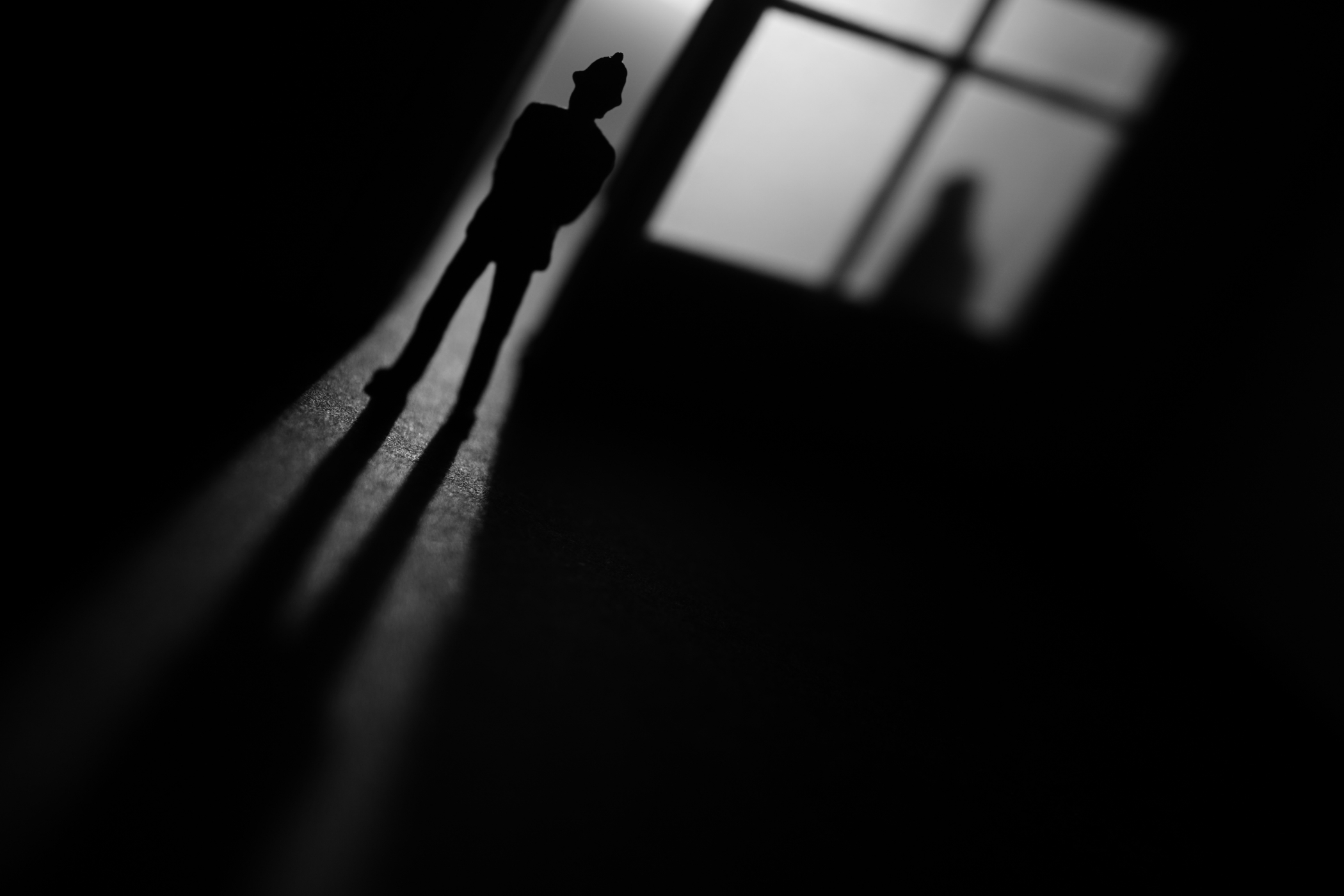
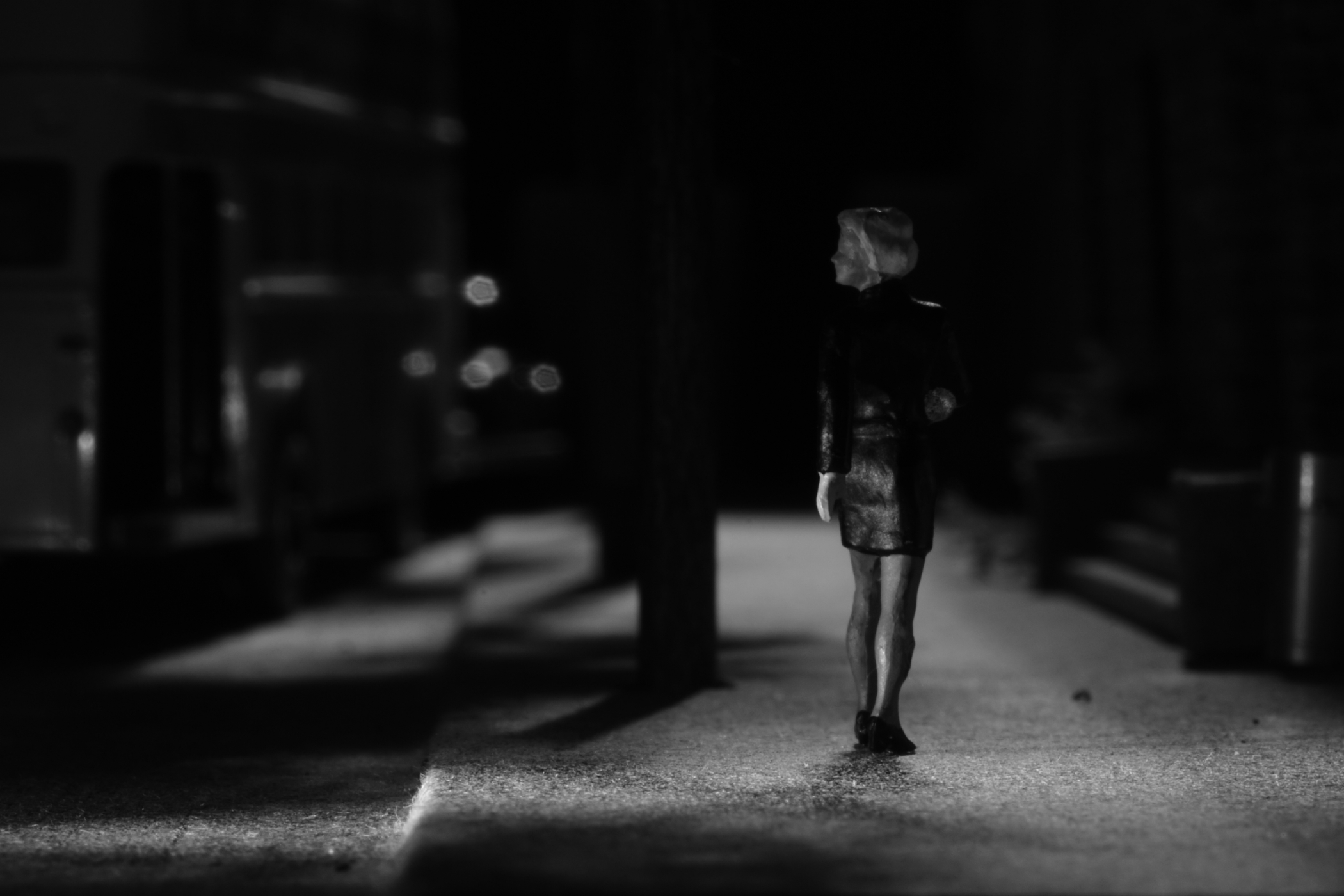
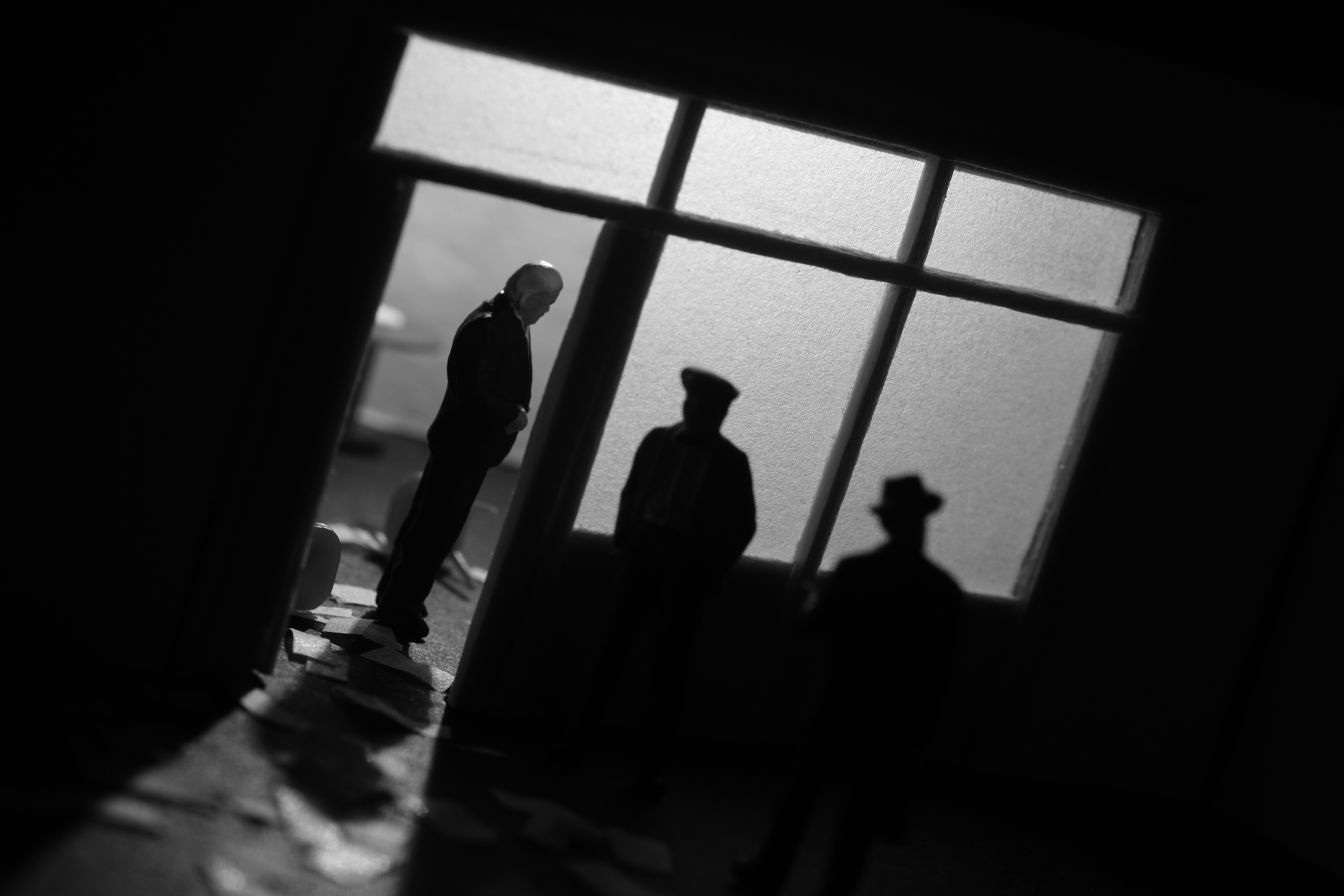
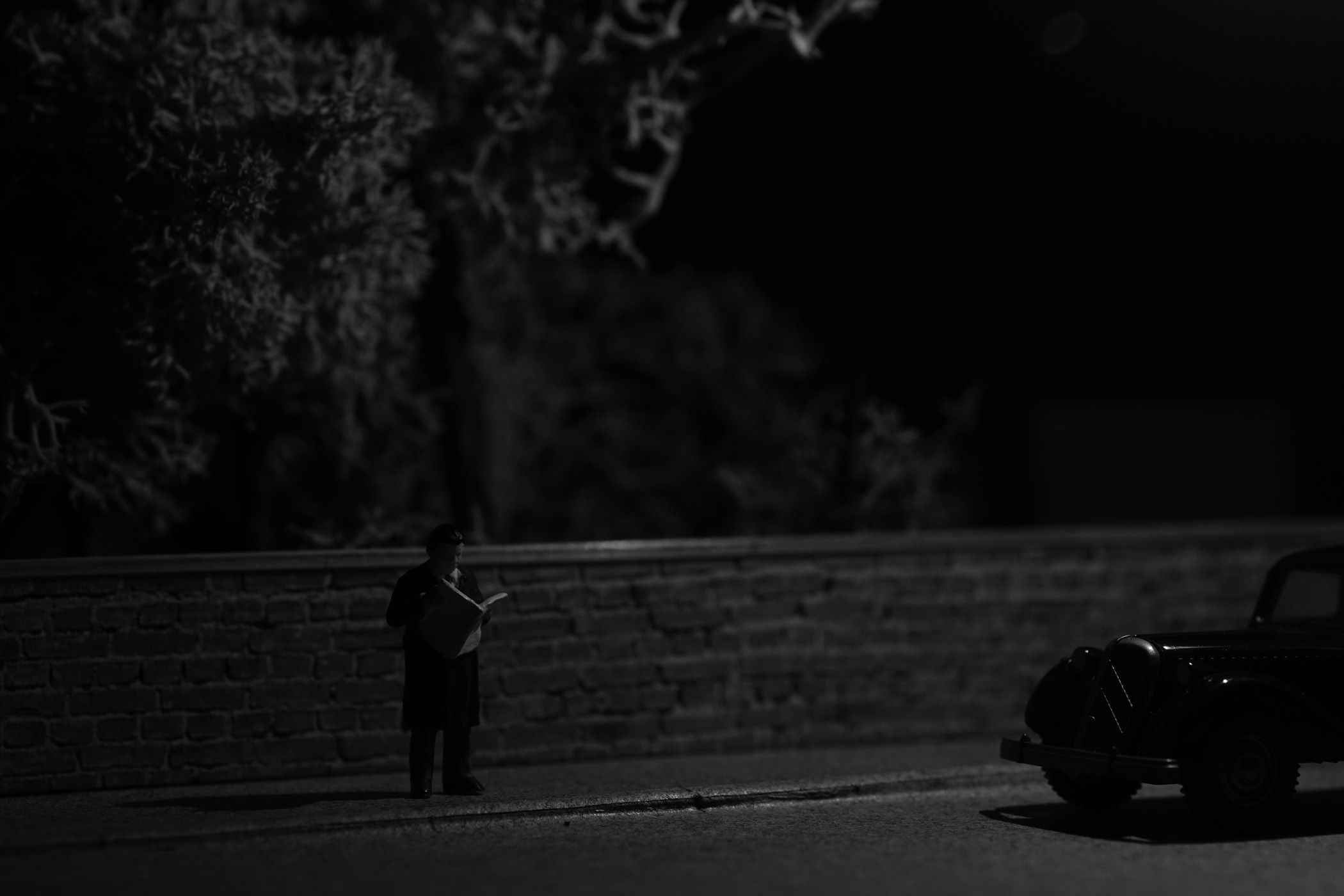
Noir | part 11
Today, I also have the pleasure to participate in the photo challenge at Lost in Translation.


 empire of lights