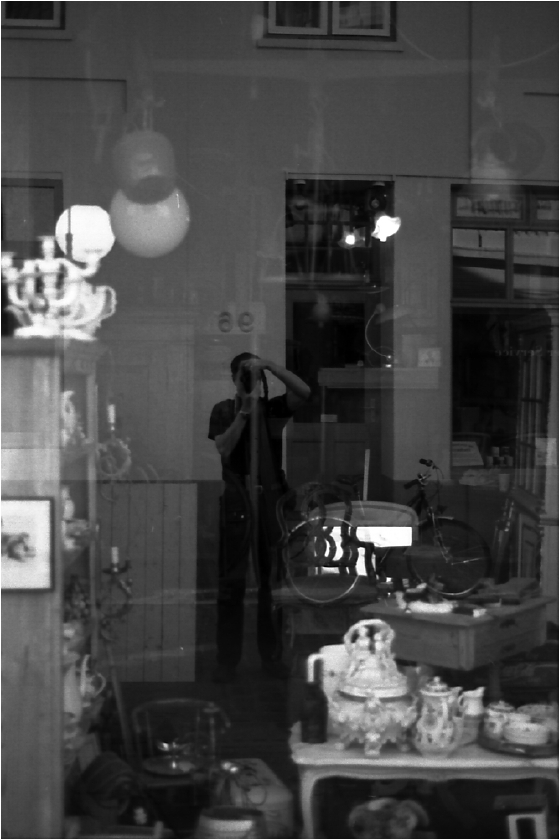
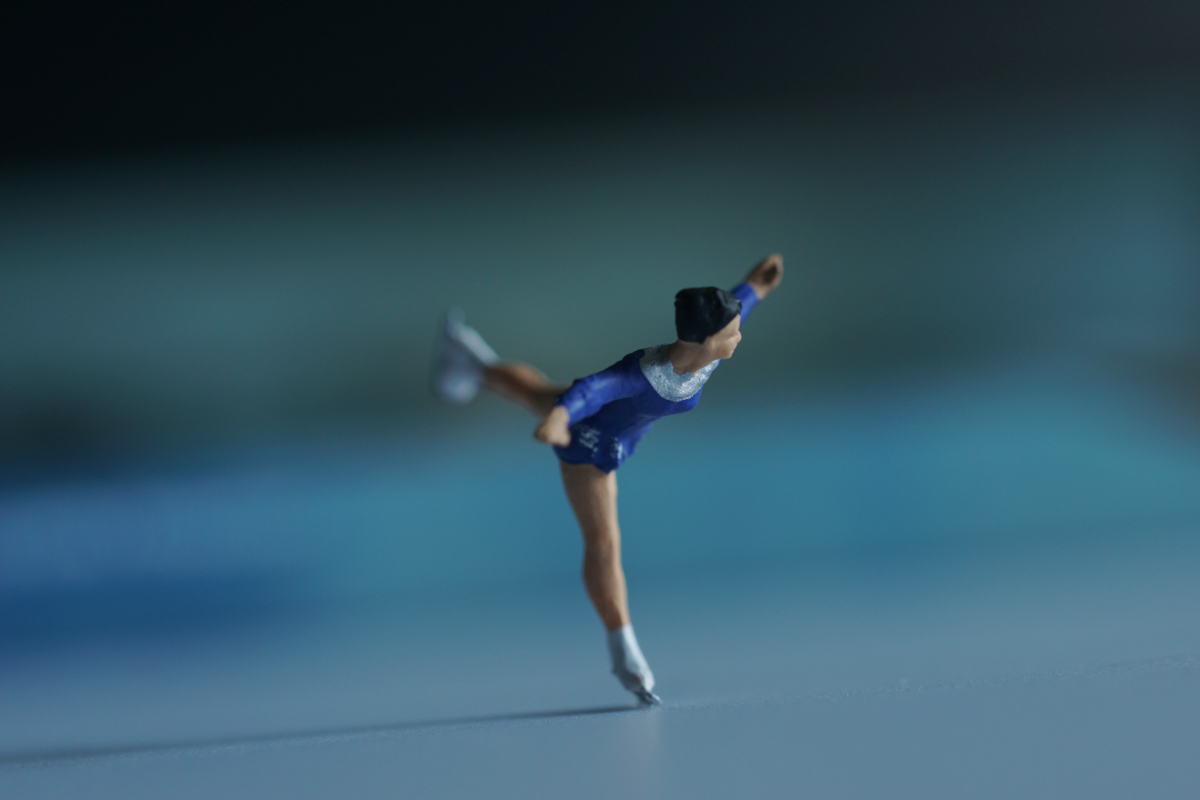
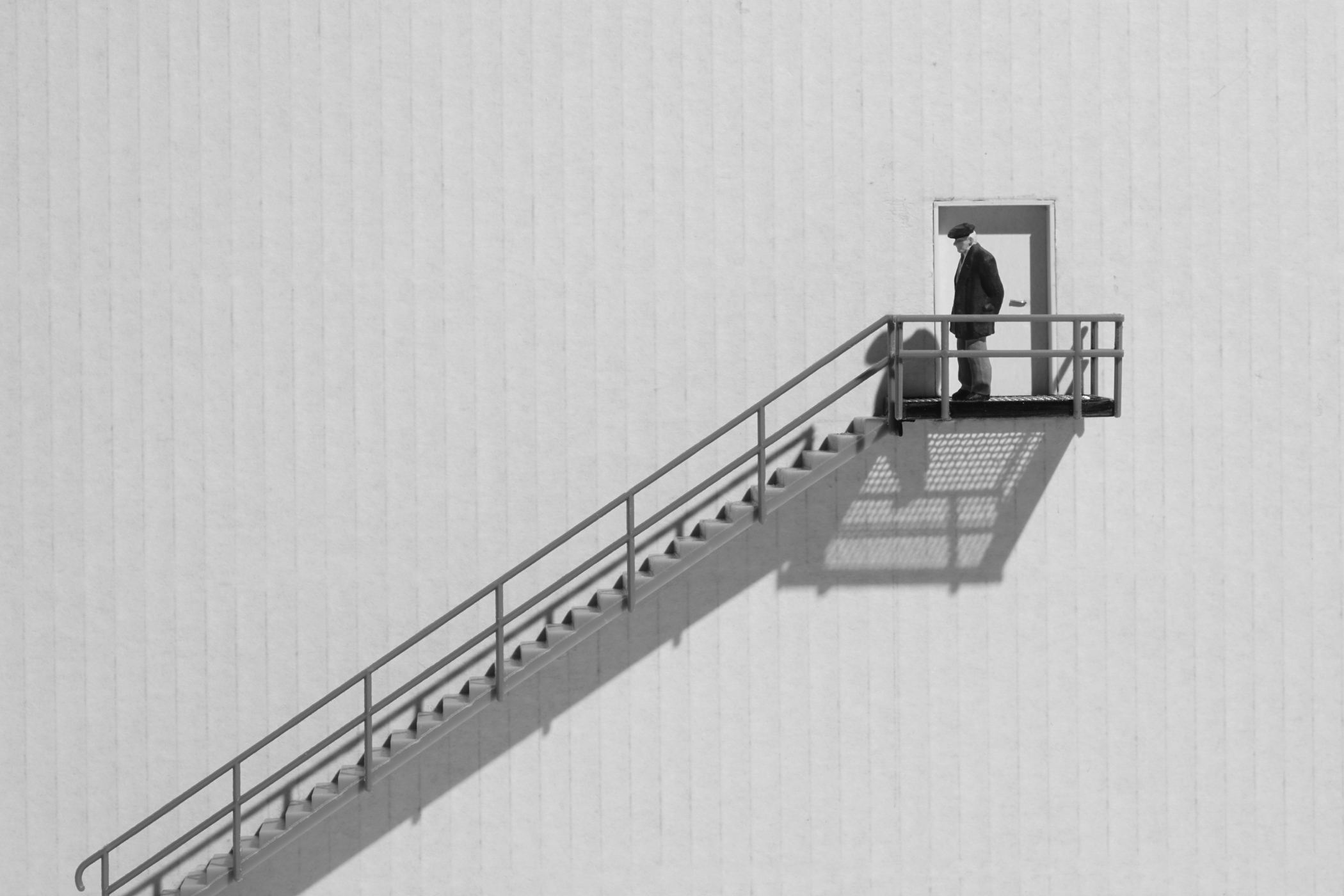
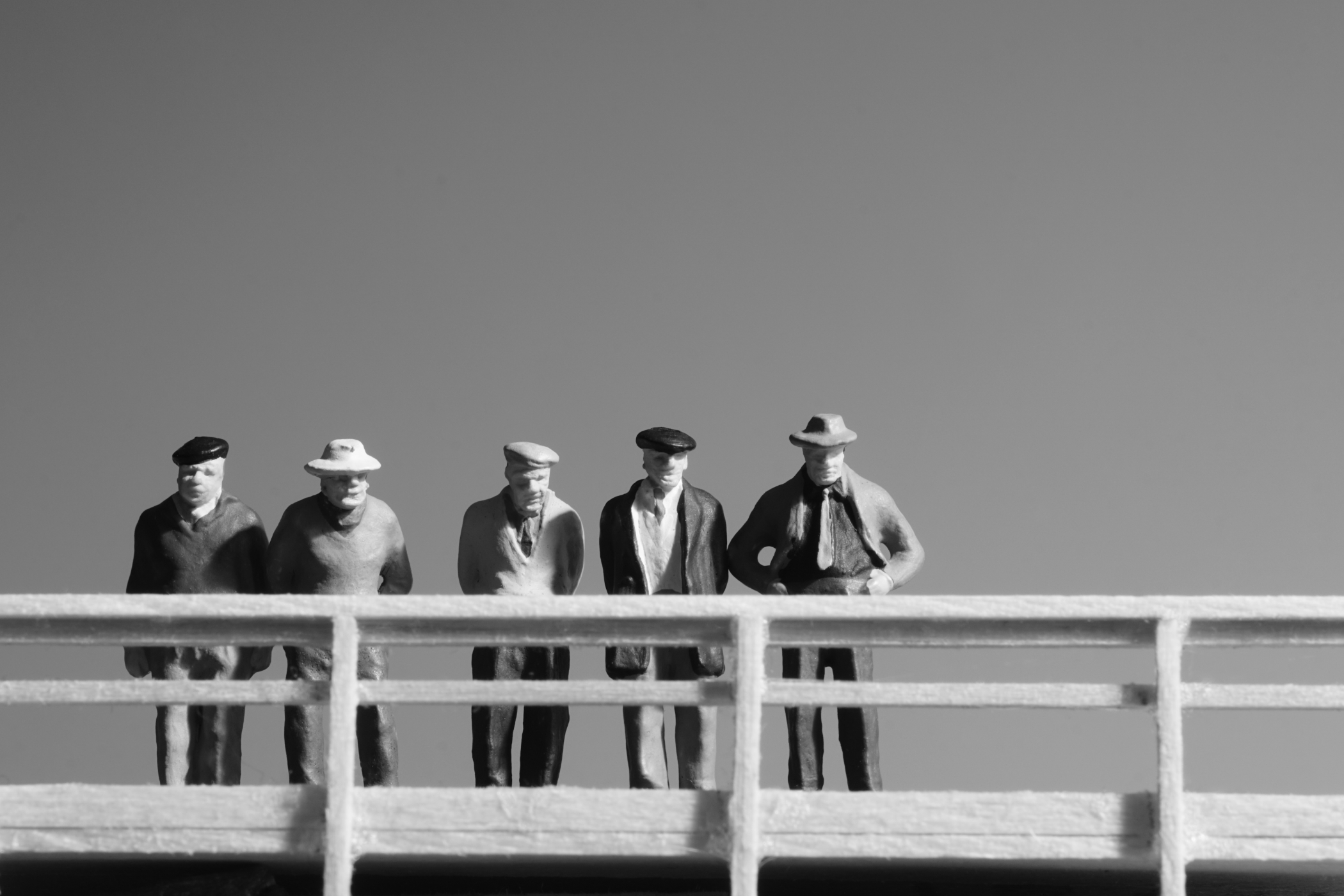
These miniature scenes do not happen out of the blue. I am an amateur photographer. I love wearing that type of cap. People have to wait for my while I take a photo. And yes, I have photographed shop windows before.
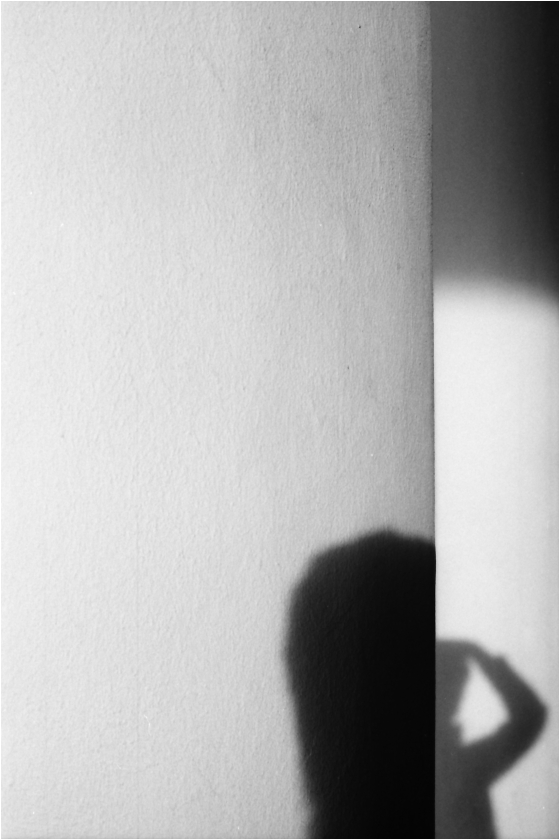
Scanning my photos for proof, I found some pictures that fit the bill. Looking back even made me realize I hid my face in my real-life self portraits as well.
I think when we photograph we always do it with thousands of pictures in our heads, even if we do not have them all before our inner eye in the moment we release the shutter.
Left: “A Picture With Me in It” (2012), right: “Junk” (2009)
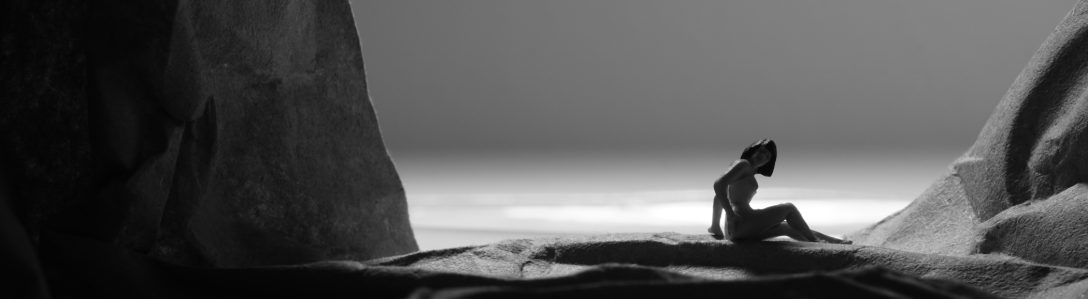
A happy coincidence: This picture is part of a sequence, and it is ready to be shared just the moment lens-artist Leya announced this week’s challenge #319: Setting a Mood.
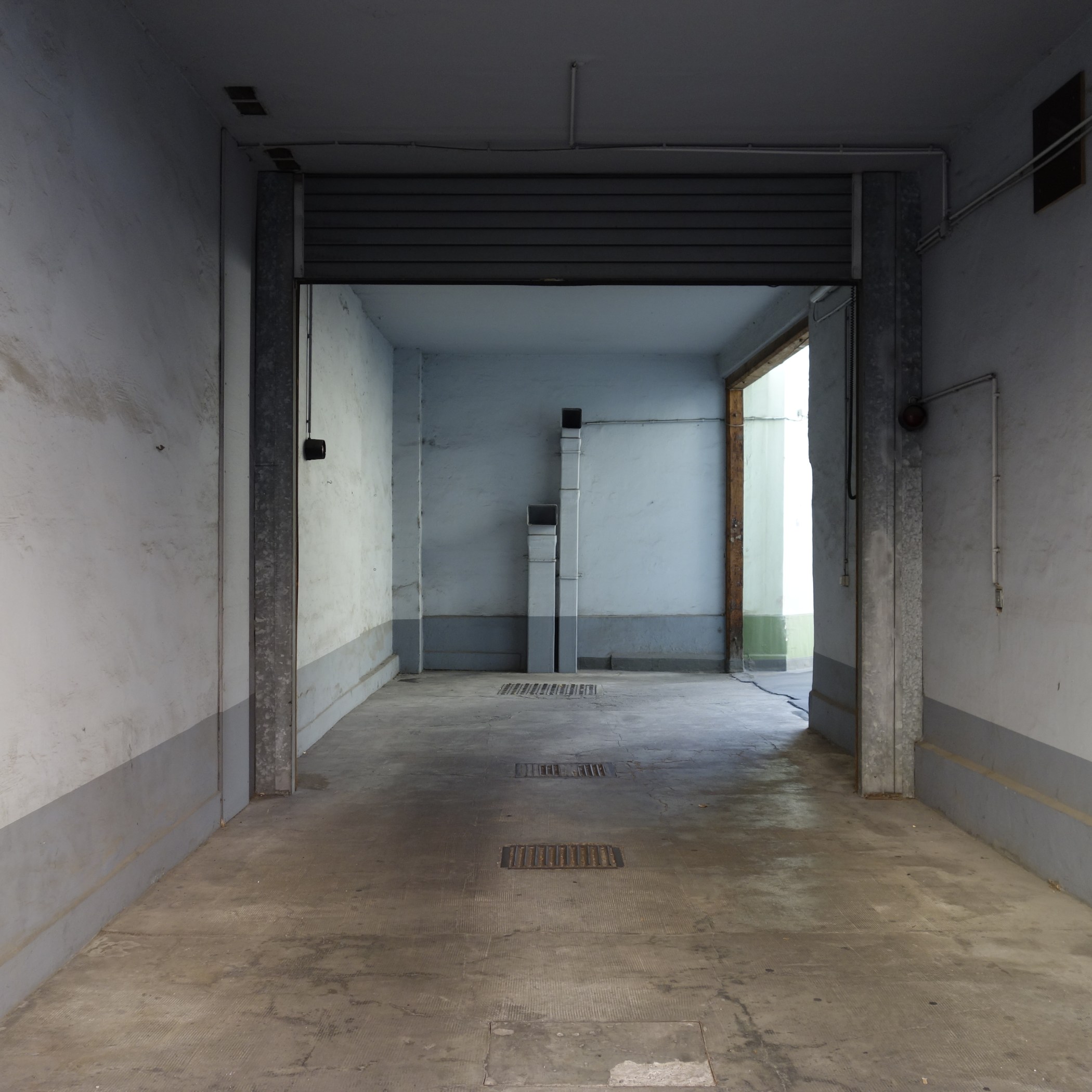
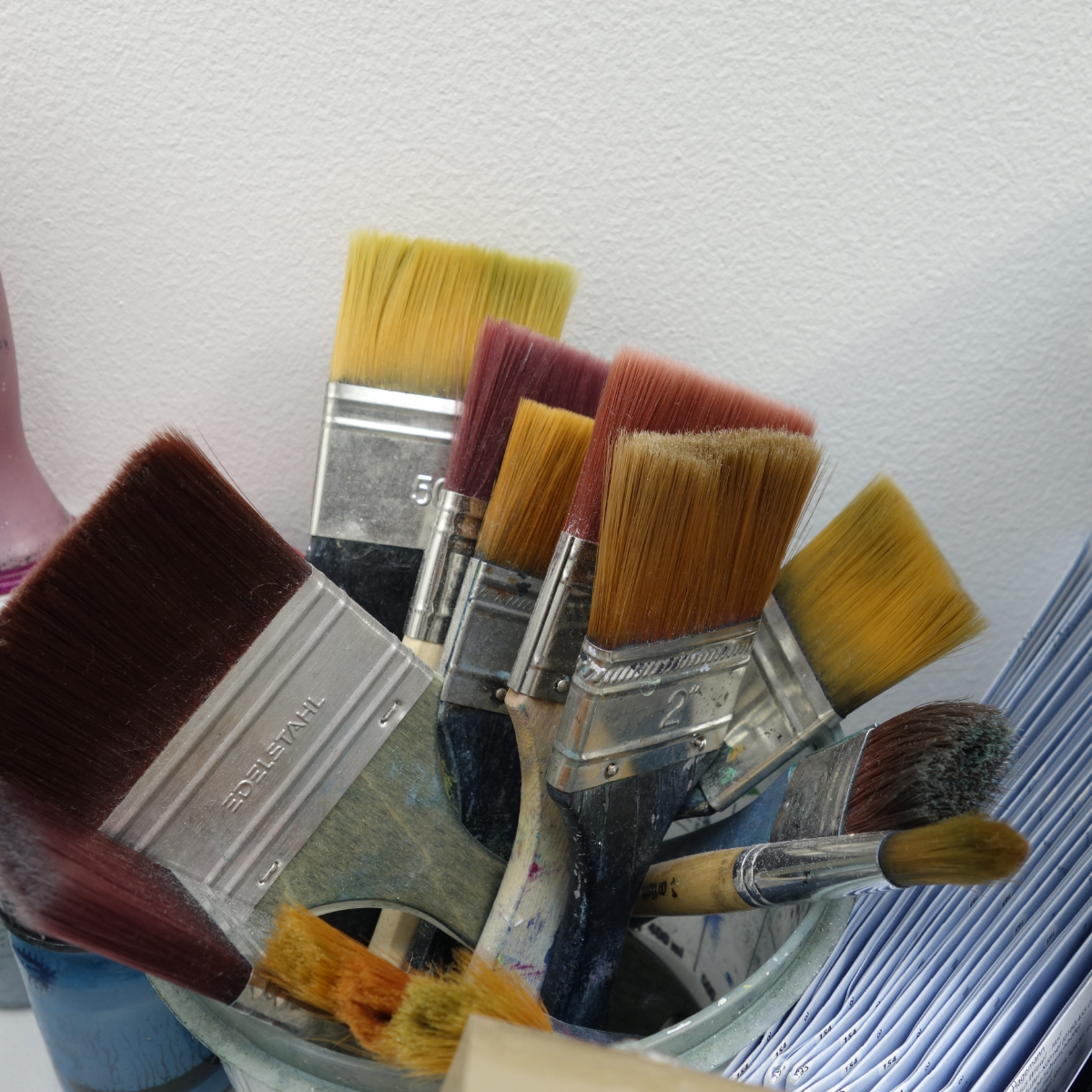
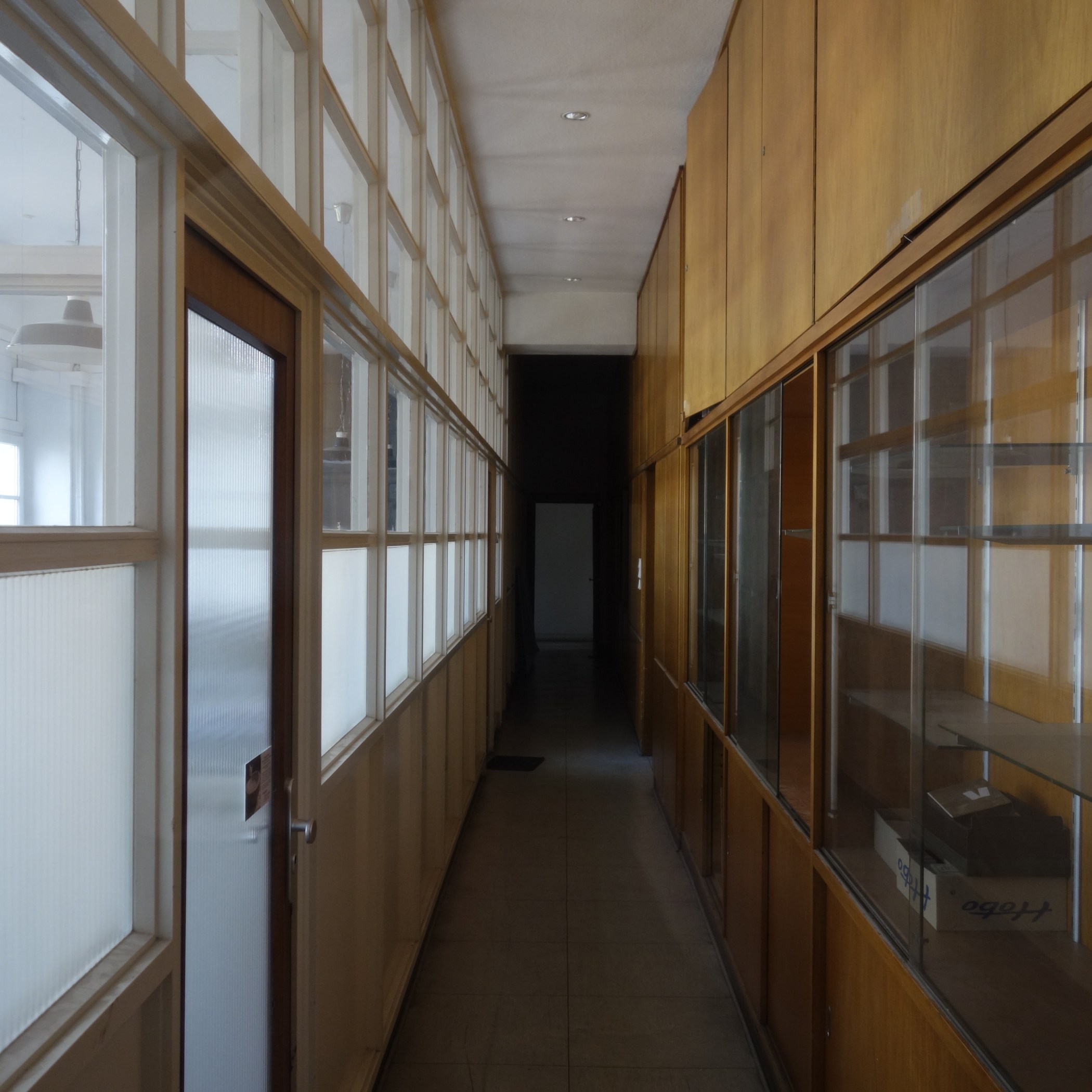
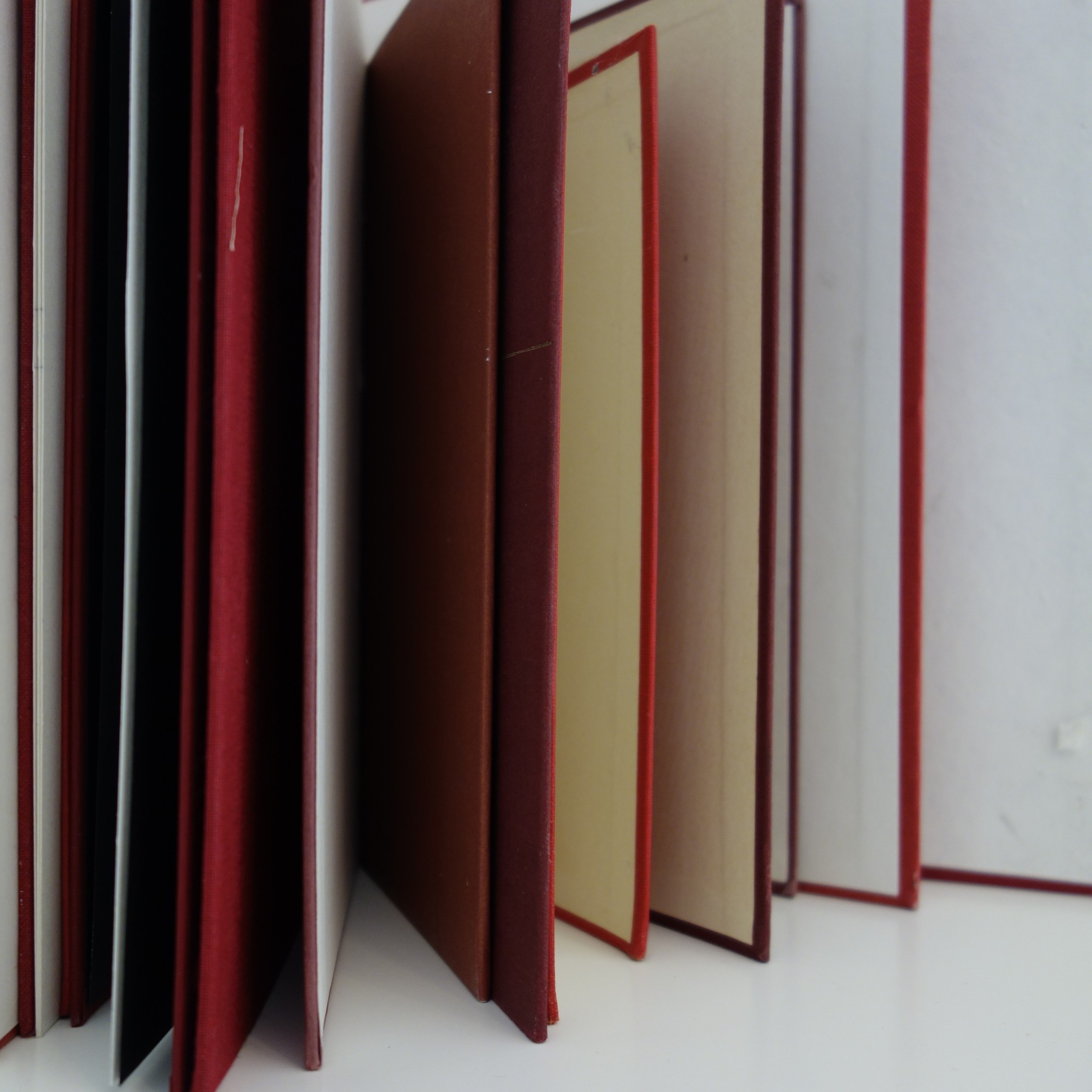
Kunstpunkte (literally “art spots”) stands for two weekends when more than 100 artists in Düsseldorf invite the public to visit their ateliers. These visits always fascinate me; they are a chance to get very close to art and artists, experiencing the places where the works are acutally made. This is similar to visiting the Kunstakademie Düsseldorf (academy of fine arts) which I will cover in a separate post.
You may notice that I barely photograph the art itself, feeling much of it has already been reproduced (the last picture in this post shows part of an art work however). As for the artists themselves, I value their privacy, plus I am not really a portrait photographer. So here are some impressions from four different spots all of which you might not get to see outside of the Kunstpunkte.
Note: The next Kunstpunkte will take place next weekend and the weekend after.
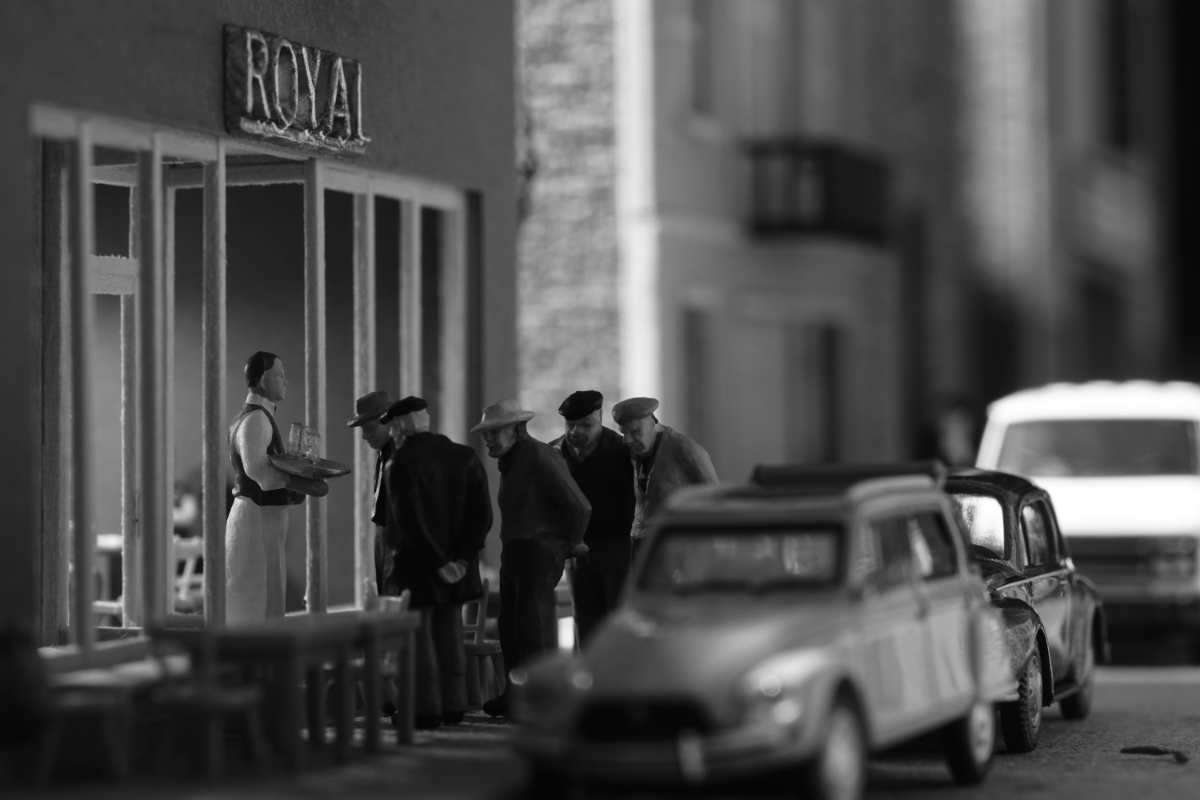
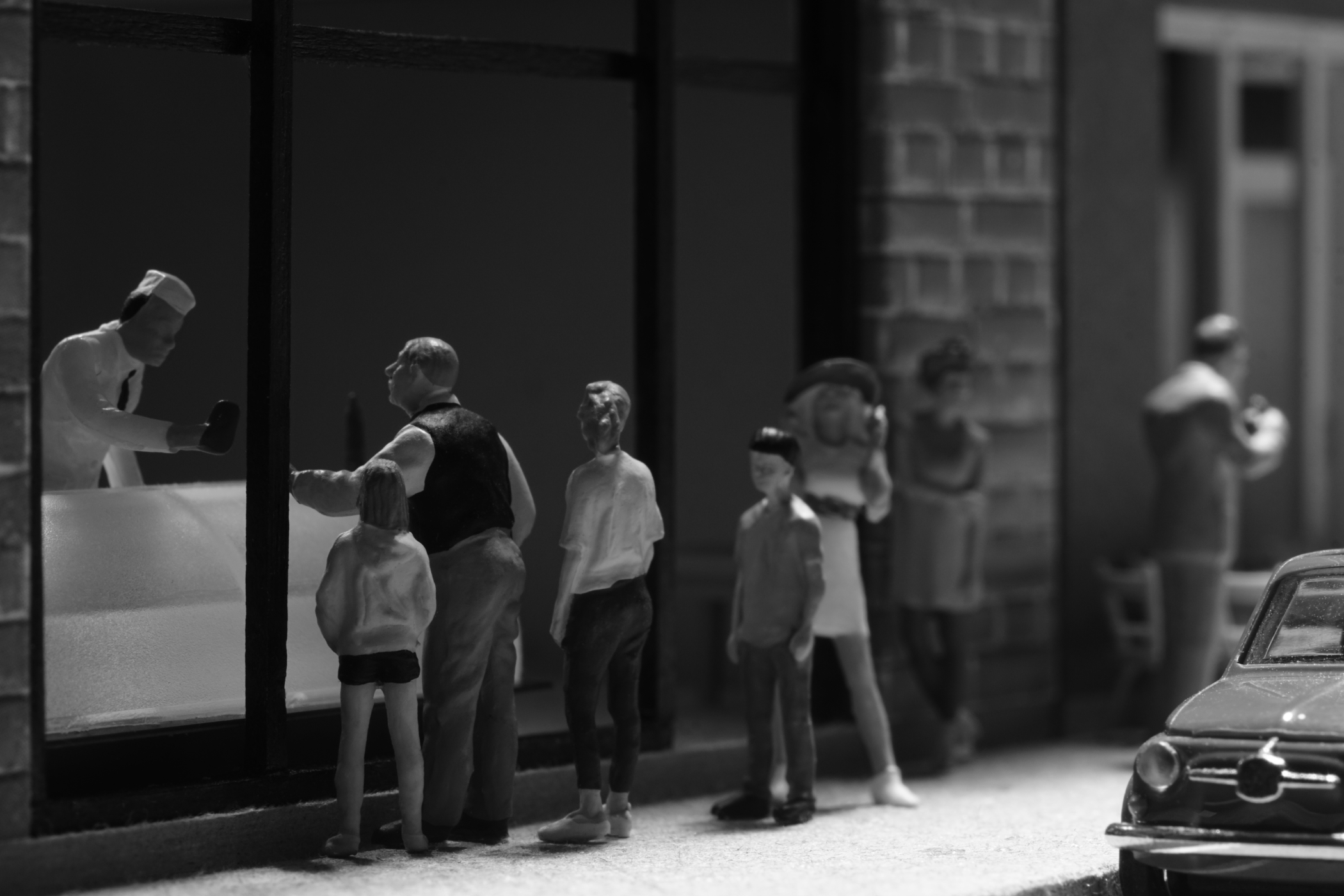
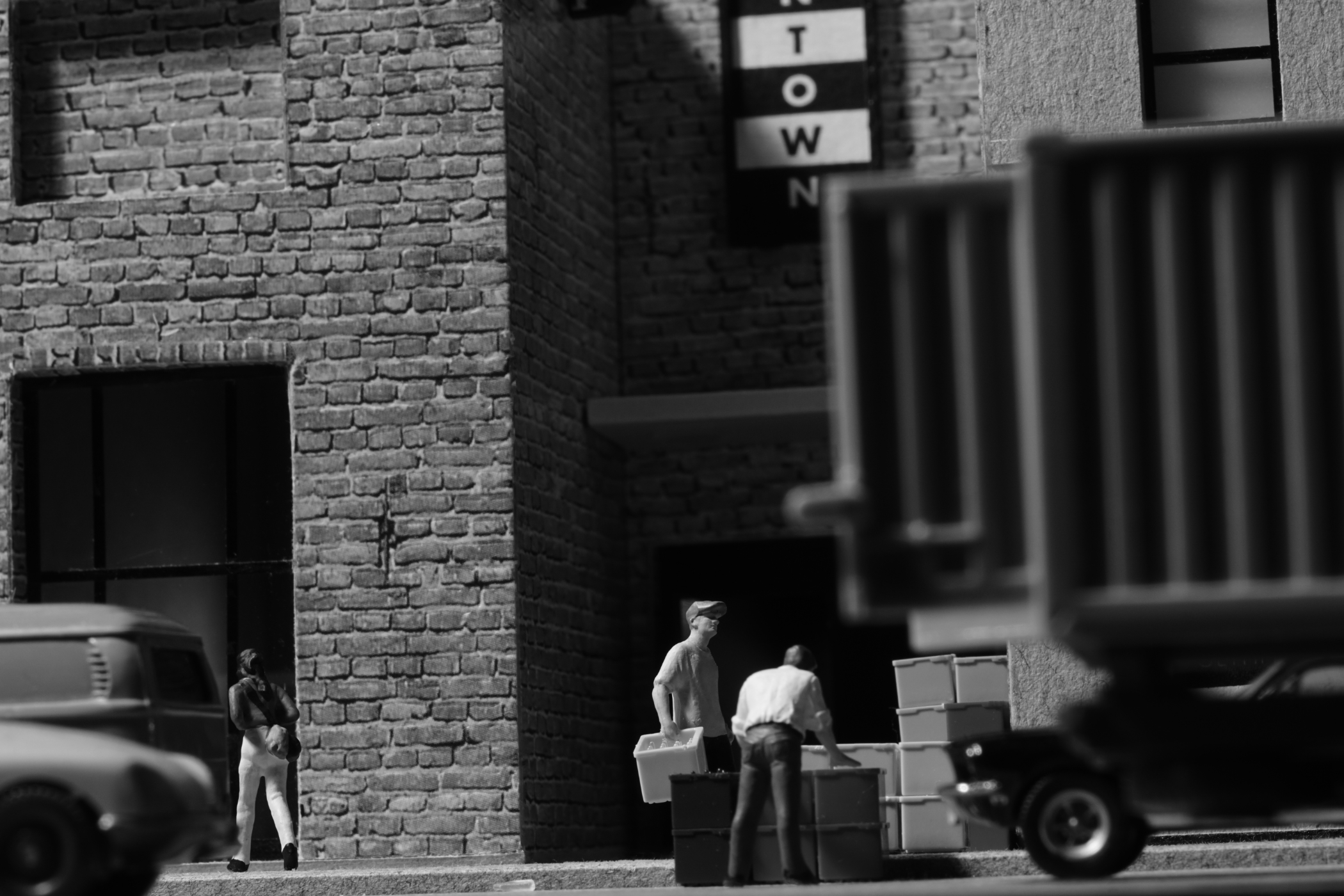
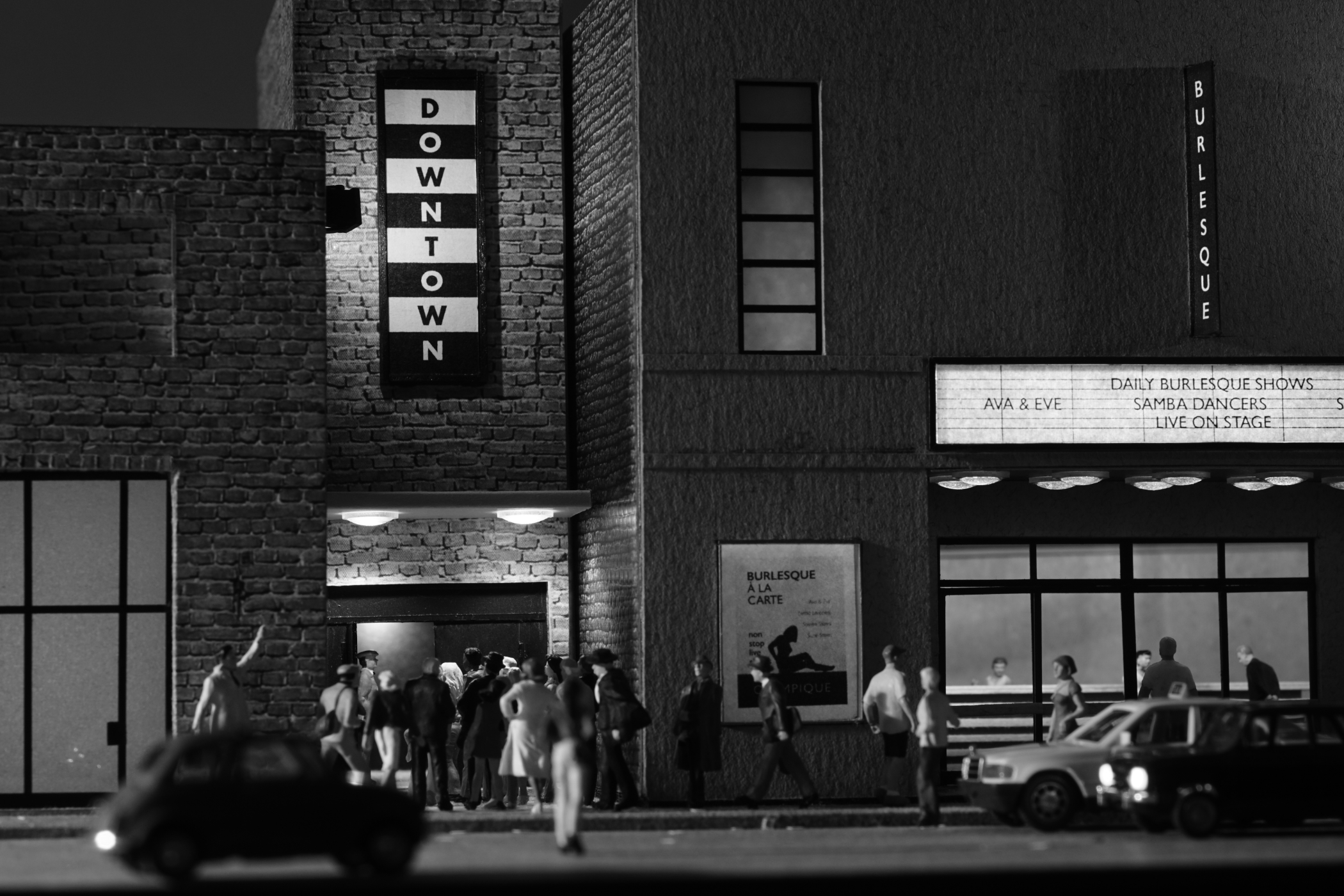
Lens-Artists Challenge 312: Sense of scale. Photographing 1/87 scale (H0) worlds is in itself playing on our sense of scale, maybe even aiming at the viewer questioning her or his sense of scale for a moment. At the same time, most of the elements of a photo are applied in this small world, too: The objects in this picture, along with the camera position, should give a feeling of depth here. By employing these means, I hope to give the picture a real-life immediacy … a touch of streeet photography at best.
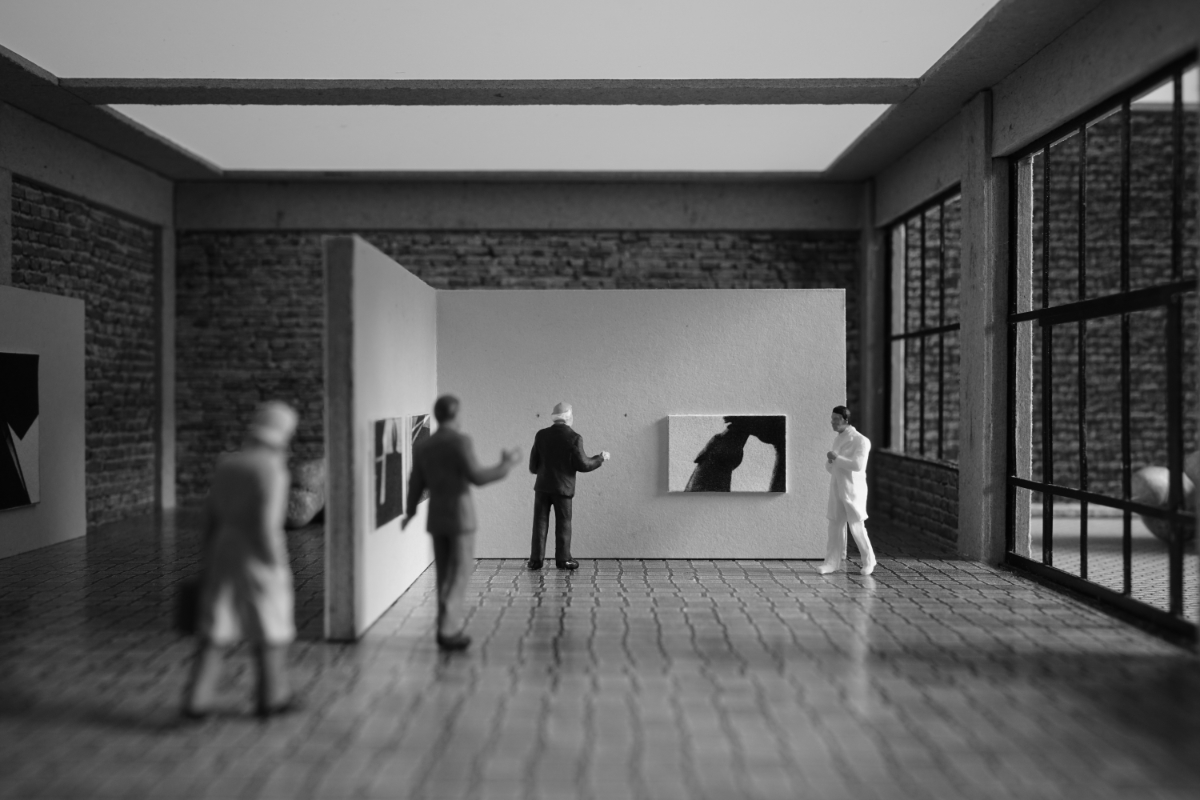
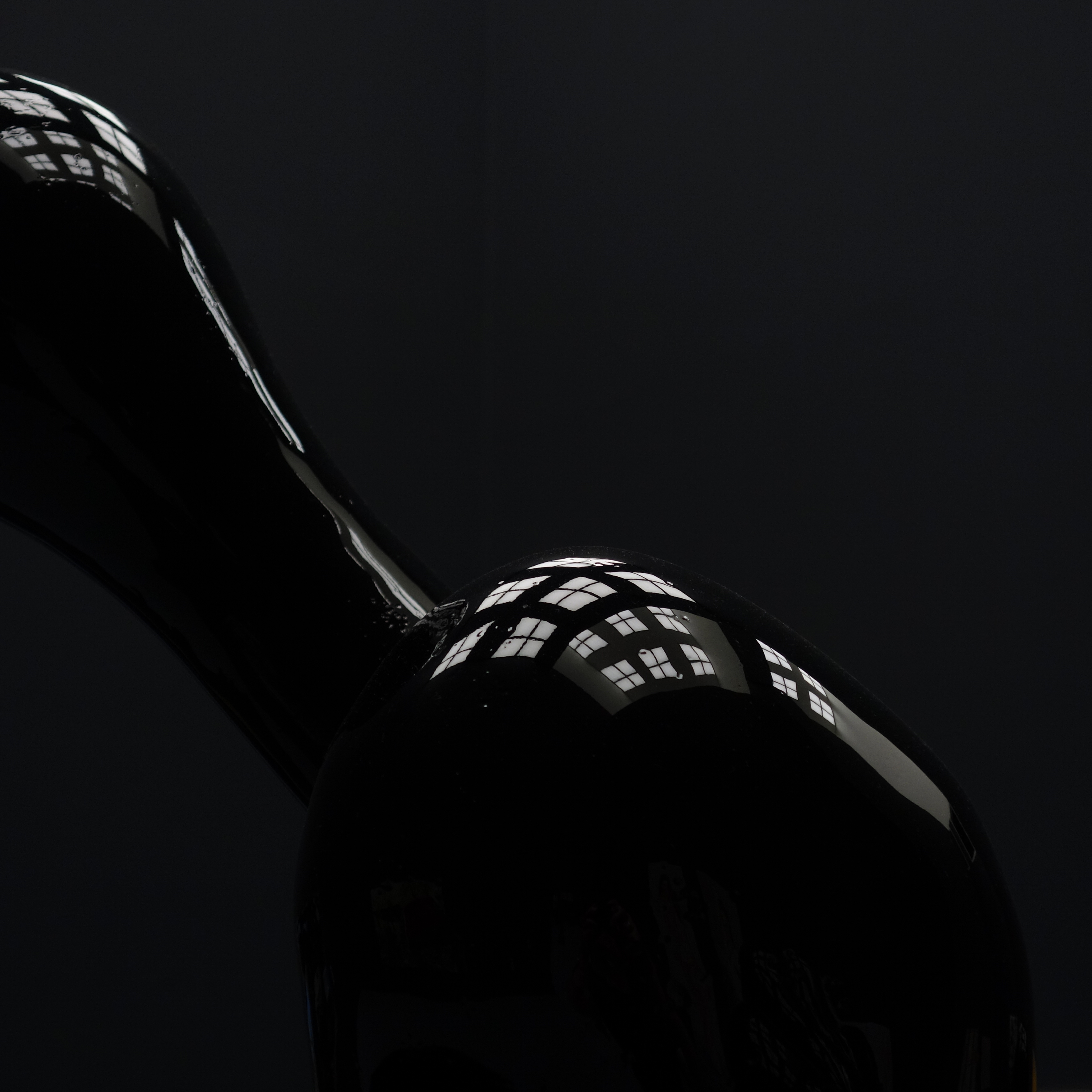
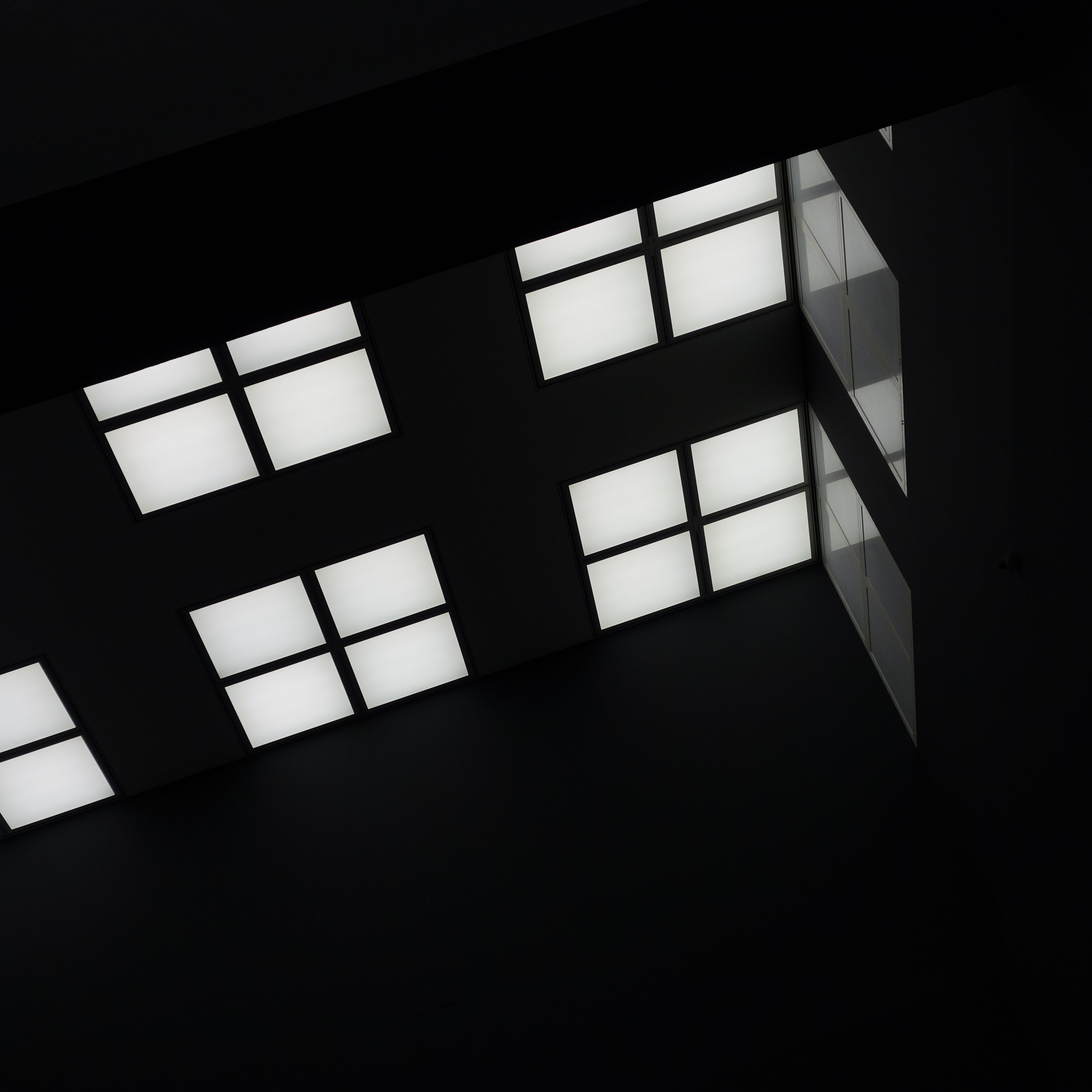
The current Lens Artists Challenge is perfect pairs (or diptychs), and reading this prompt immediately reinded me I always wanted to pair these two. They were taken in 2023 but I never really got around to continuing this series with things I see in museums. So this was a very welcome reminder.
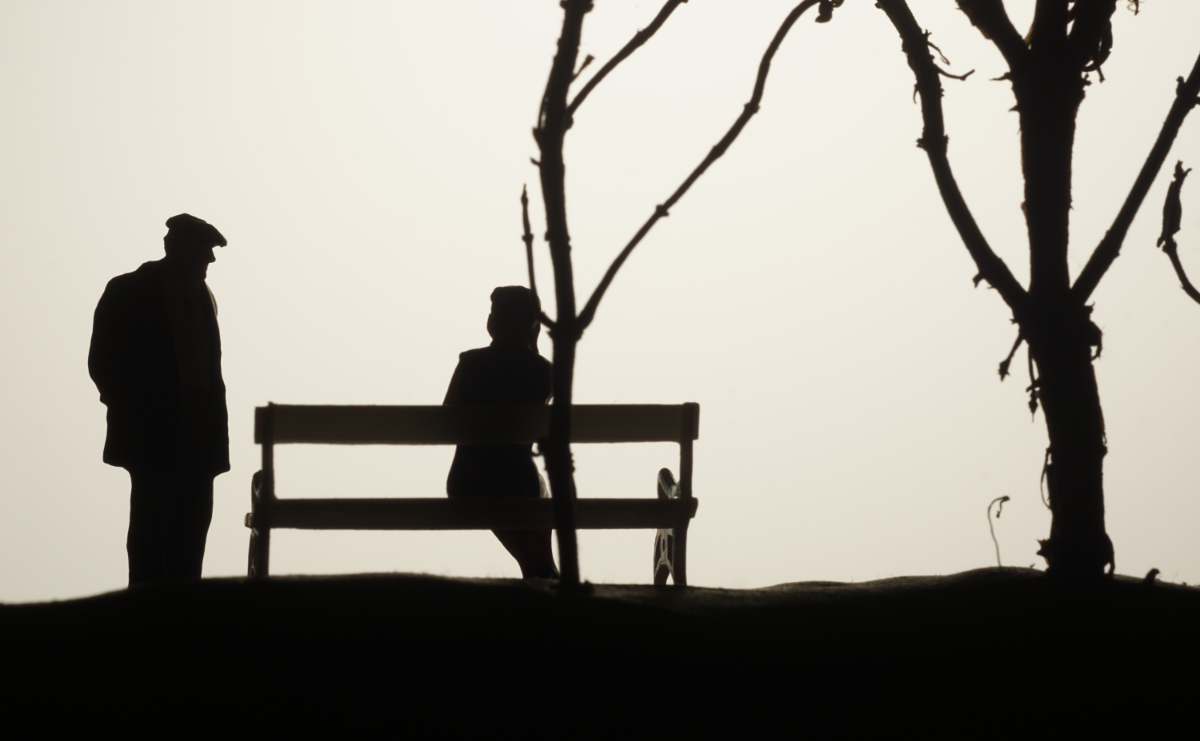
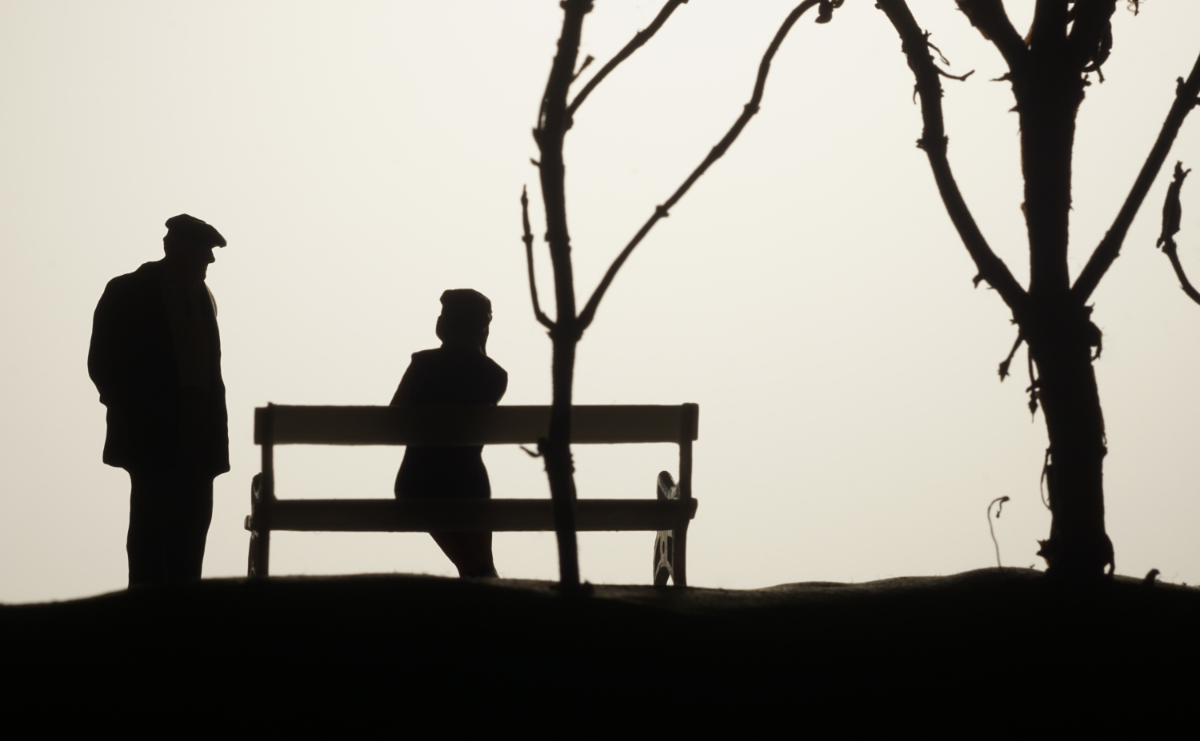
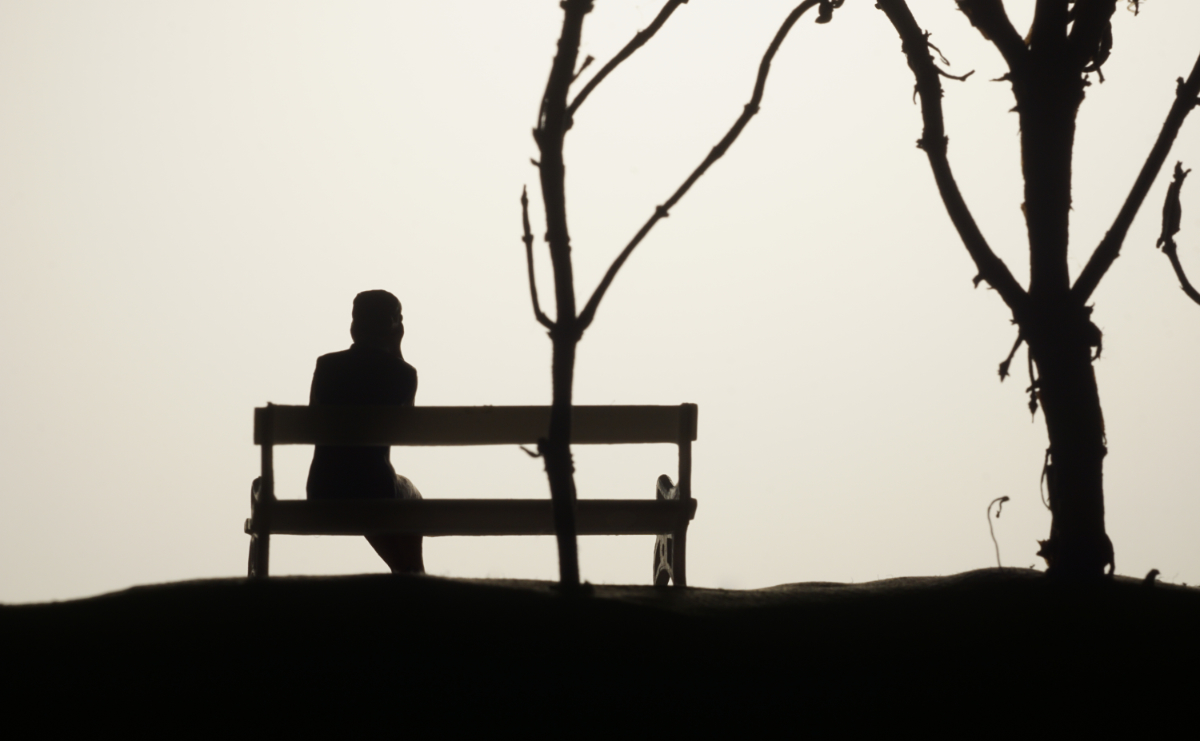
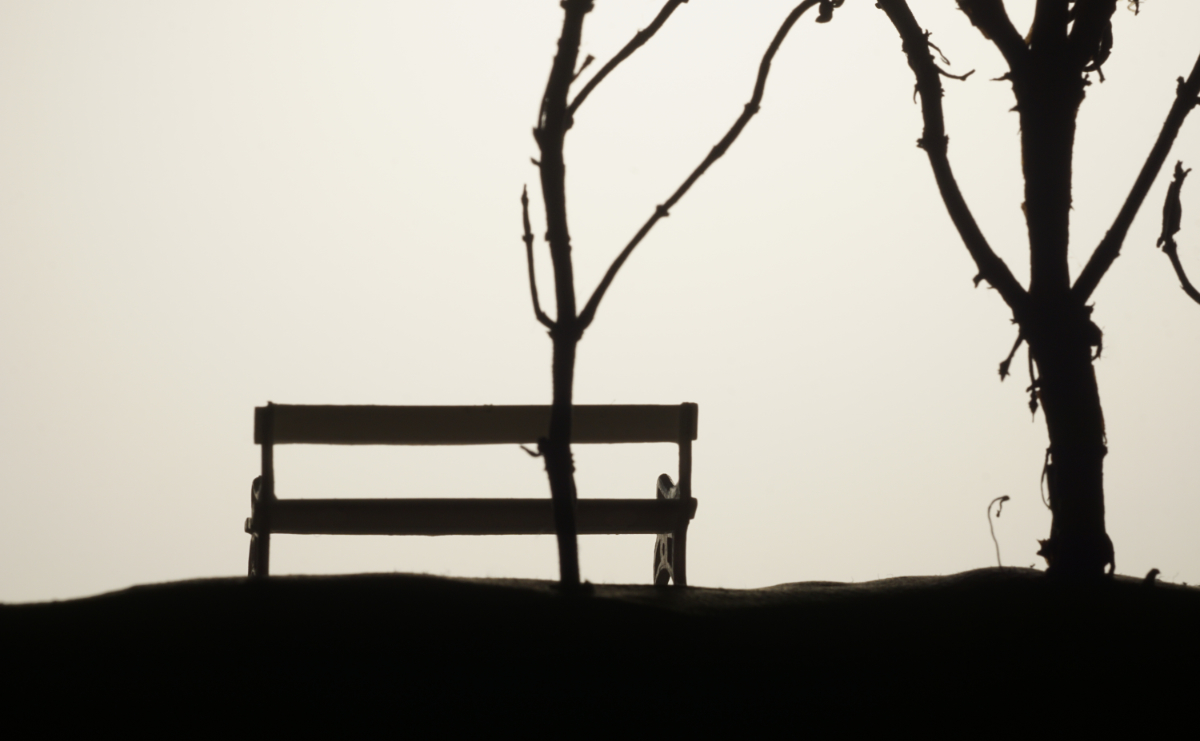
An entry for this week’s lens artists challenge #304: Behind. The challenge is about backgrounds, and so is this picture – in a less literal sense, too.
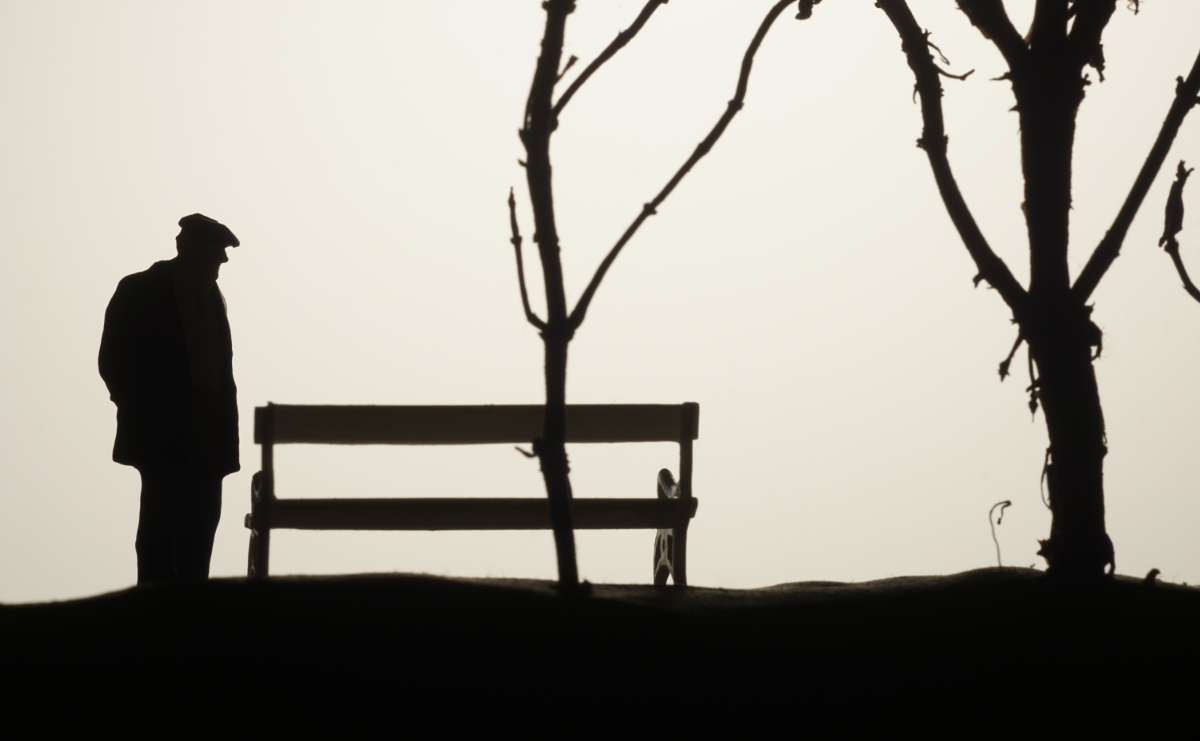
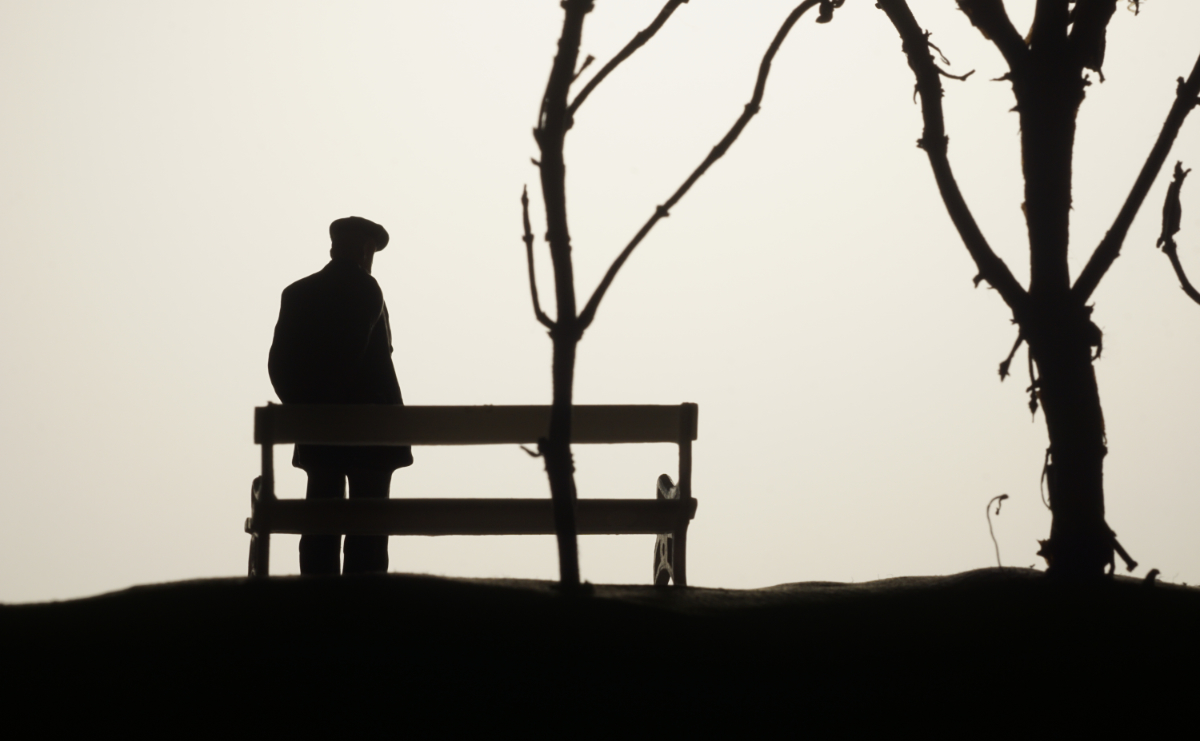
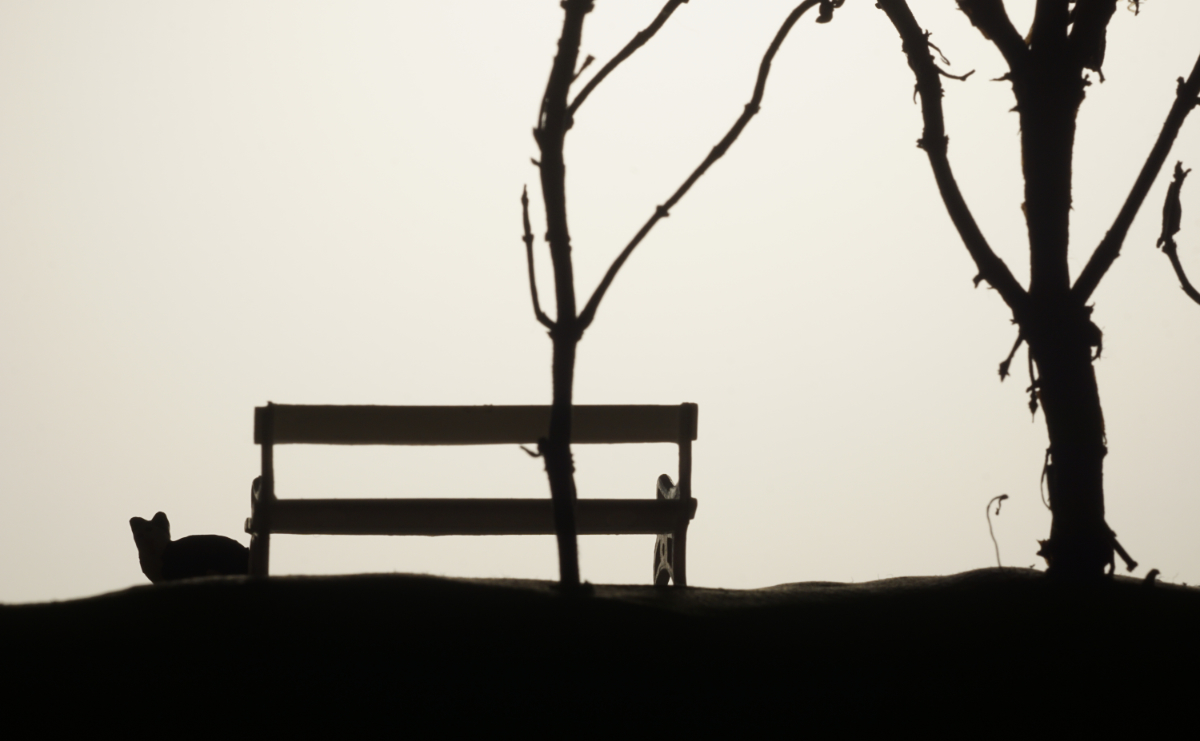
Initially, I only wanted to make a picture of a bench, a tree and the old man on a hill, in silhouette. Then I saw the potential for a short narrative – with a very similar, epic story by Christophe Chabouté, The Park Bench, at the back of my mind. So this is also a homage to one of my favorite graphic novels.
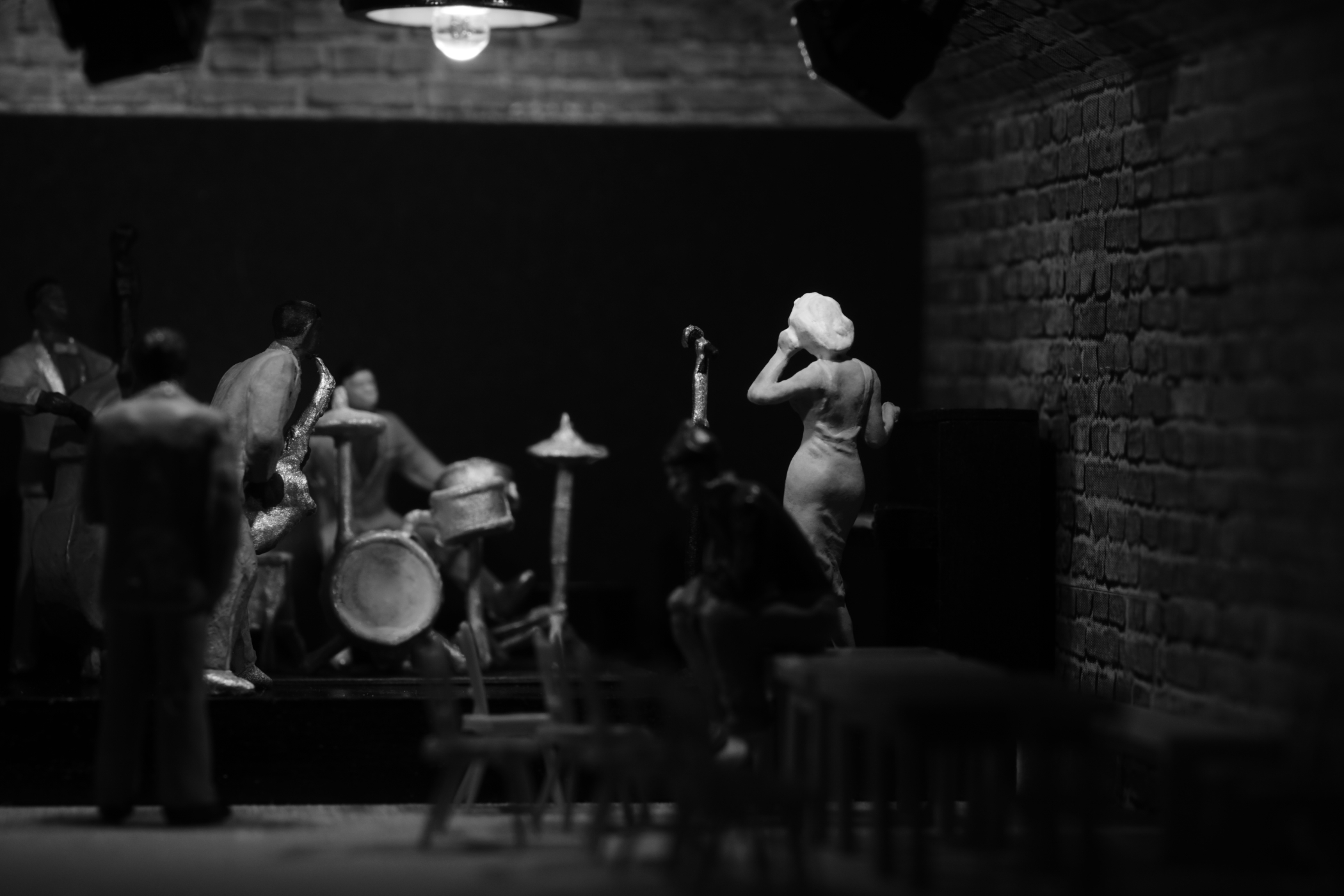
Like “Lovely Rita” a couple of weeks ago, this one is based on a Beatles song. Though I am not a big fan of their music in general, I think the “Sgt. Peppers“ album is a work of genius, and I always wanted to do a series of pictures based on the entire selection of songs it features. One day… For now, here’s an entry for the Lens-Artists Challenge # 297: Music to My Eyes.
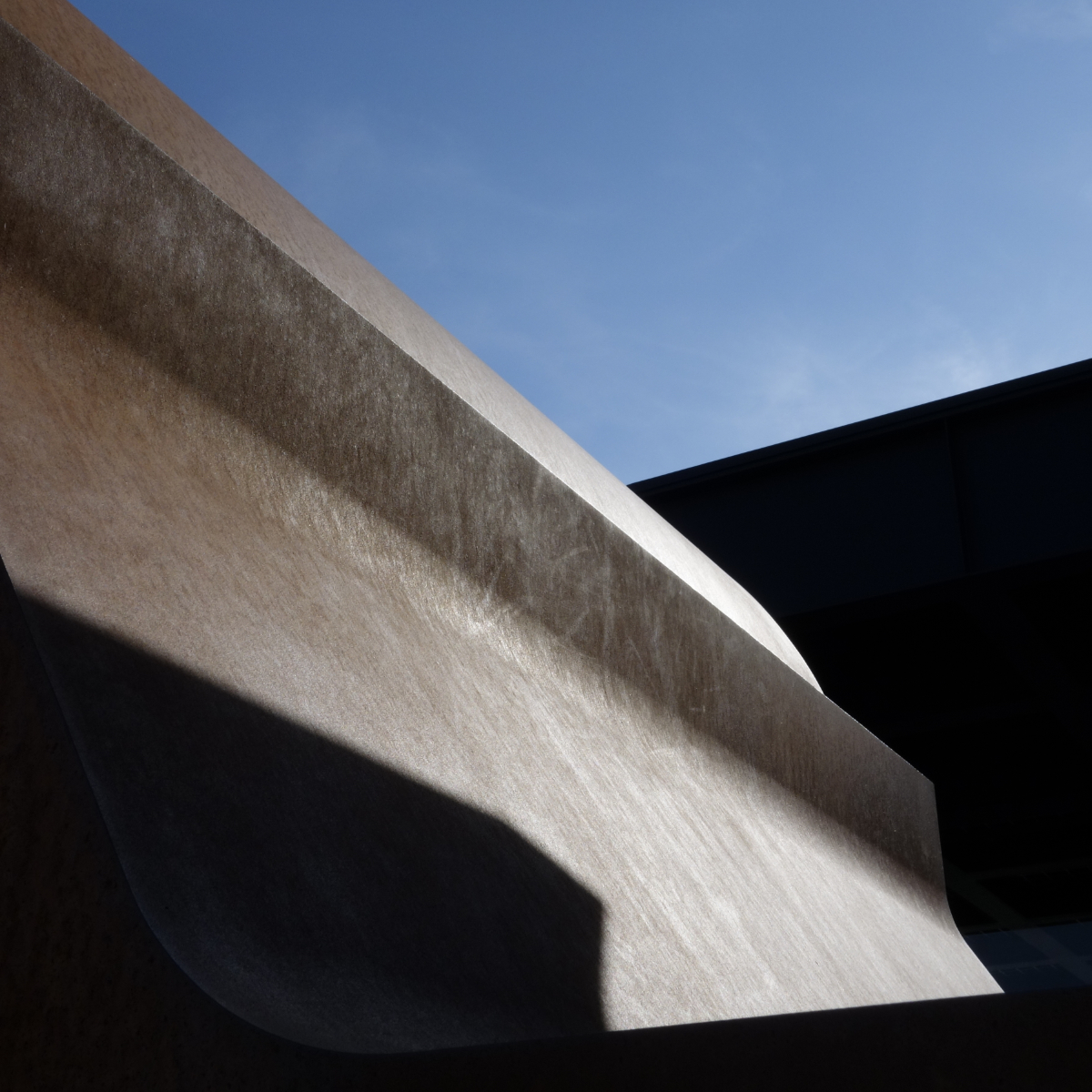
Another entry for the lens-artists challenge: Of the many composition factors in photography, this challenge focuses on shape, form, texture, and light – and I think those are exactly the means I used in this photo.
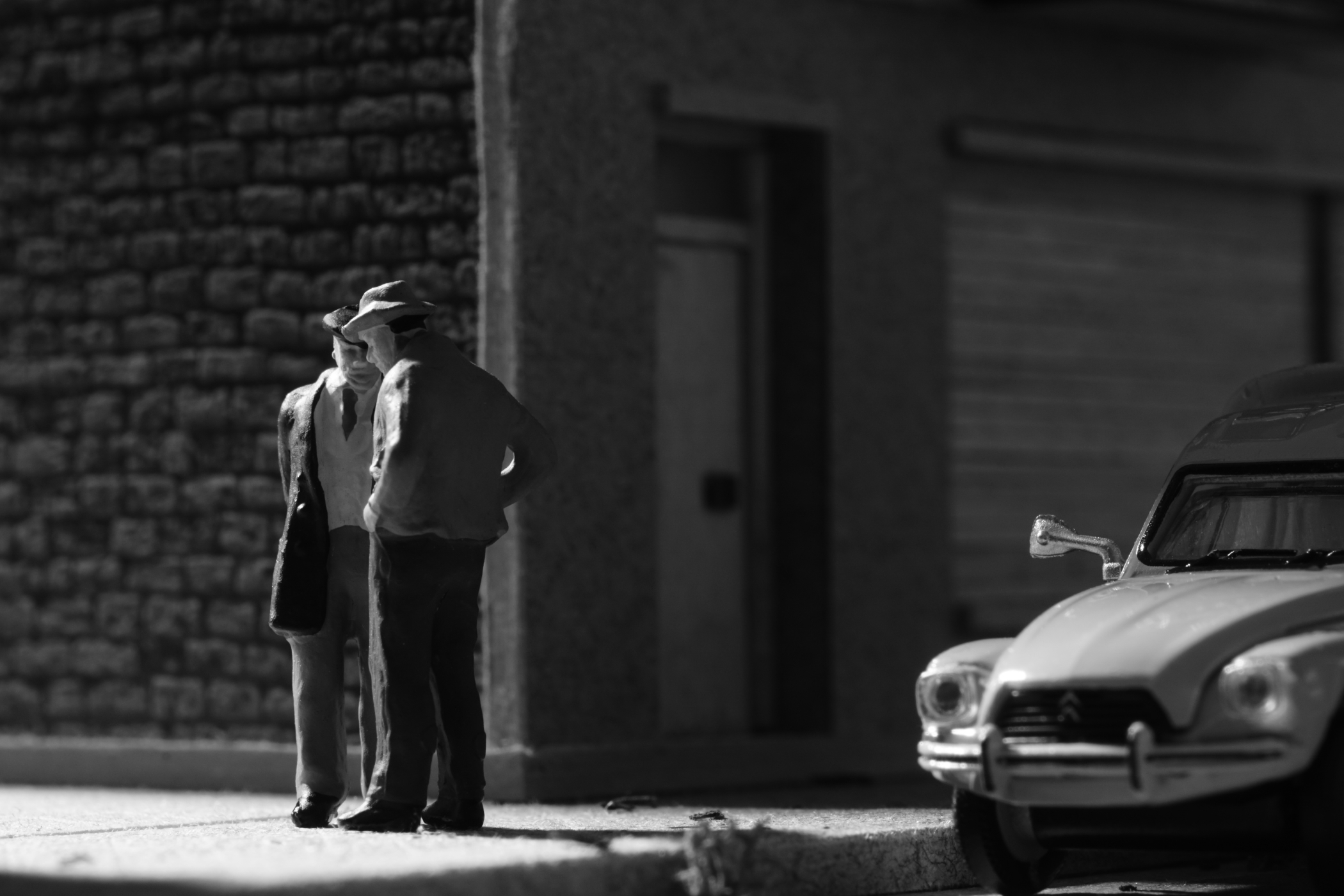
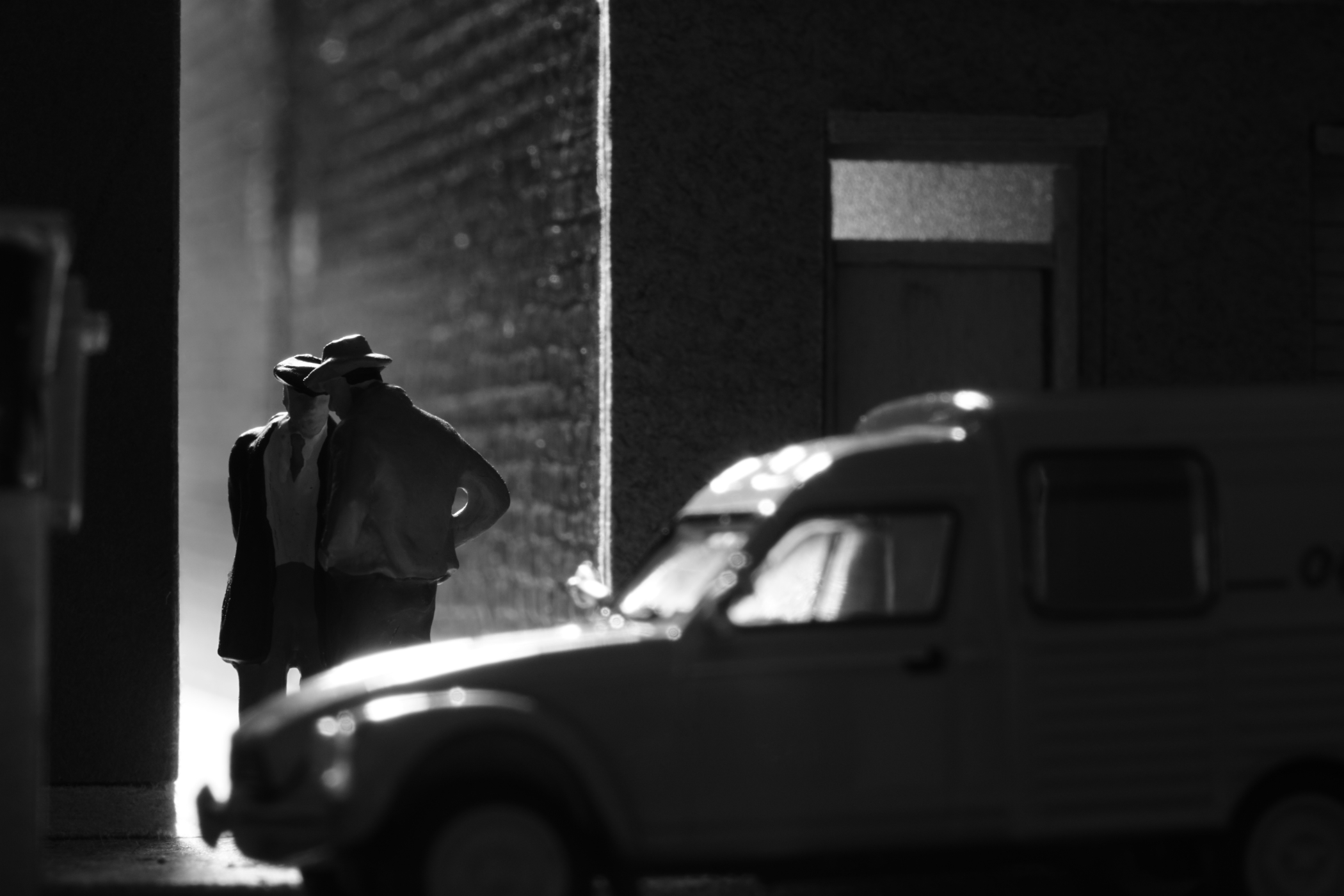
I was making these pictures for this year’s Bingo Challenge over at the Toy Photographers blog – the cue is ‘secret’ – when the Lens Artist’s ‘sound’ challenge popped up. Having posted so many sound-related pictures last year, I thought I’d go with the whispered words, the hushed voices a secret requires.
The first picture shows the original idea, the second resulted from trying the same in a more noir style.
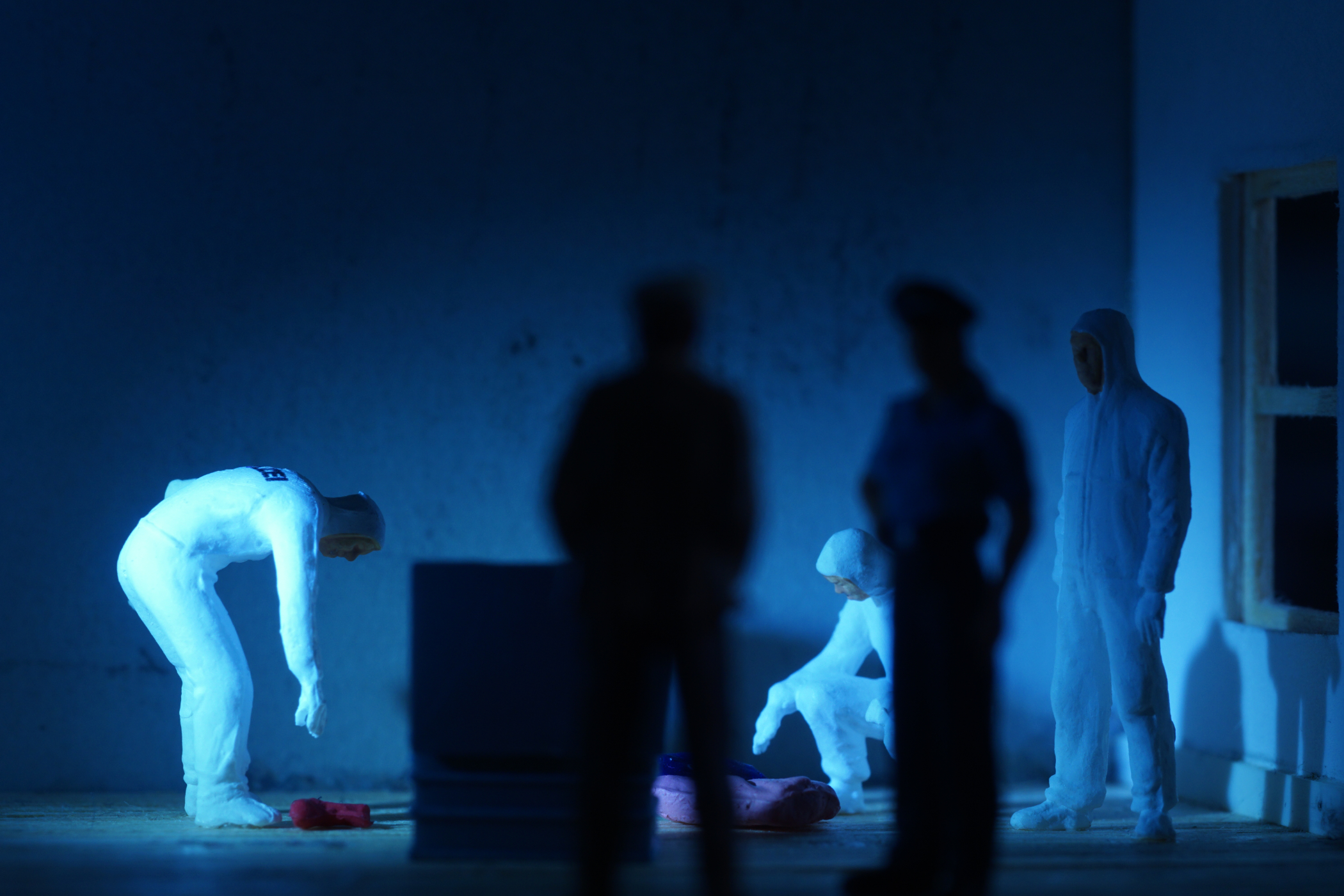
“What have we got?” – “One dead joke, sir. GSW to the punch line. Timing seems a bit off, don’t you think?”
An entry for this month’s toy photography challenge: dad jokes. And since the picture is also a bit dramatic, this might also be a fitting entry for this week’s lens-artists challenge.
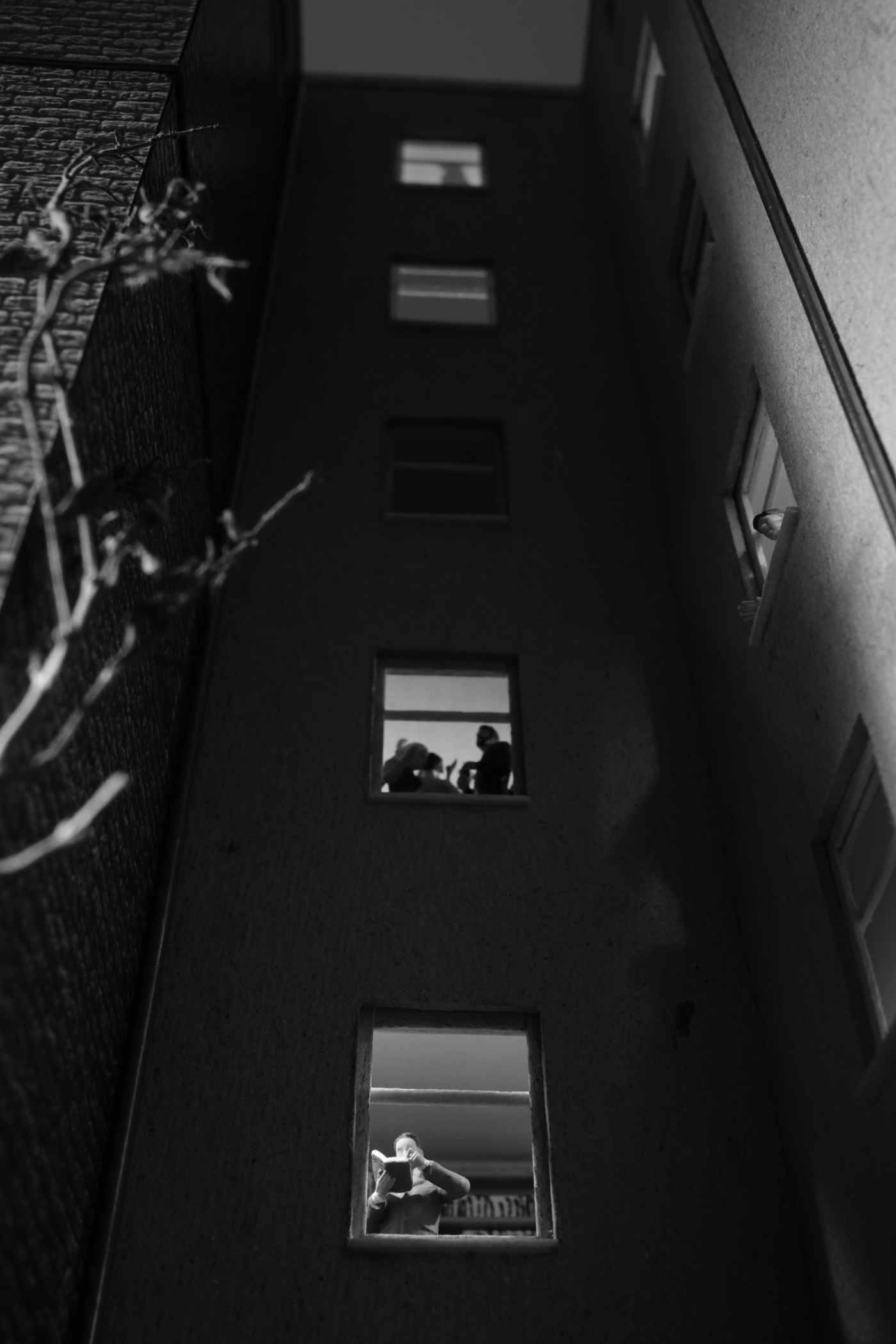
“Take my Harlem Air Shaft. So much goes on in a Harlem air shaft. You get the full essence of Harlem in an air shaft. You hear fights, you smell dinner, you hear people making love. You hear intimate gossip floating down. You hear the radio. An air shaft is one great big loudspeaker. You see your neighbors’ laundry. You hear the janitor’s dogs. The man upstairs’ aerial falls down and breaks your window. You smell coffee. A wonderful thing, that smell. An air shaft has got every contrast. One guy is cooking dried fish and rice and another guy’s got a great big turkey. Guy-with-fish’s wife is a terrific cooker but the guy’s wife with the turkey is doing a sad job. You hear people praying, fighting, snoring. Jitterbugs are jumping up and down always over you, never below you. That’s a funny thing about jitterbugs. They’re always above you. I tried to put all that in Harlem Air Shaft.”(Duke Ellington in Hear Me Talkin’ to Ya. The Story of Jazz as Told by the Men Who Made It, ed. by Nat Shapiro & Nat Hentoff. New York, 1966)
This picture was inspired by the Duke’s description of a Harlem air shaft (his inspiration). I practically saw the picture in front of me when I read the above lines. It took a while to build this, but here we go … I am so lucky there’s the last chance challenge with the lens-artists.


 empire of lights