
Tag: Toy Photography
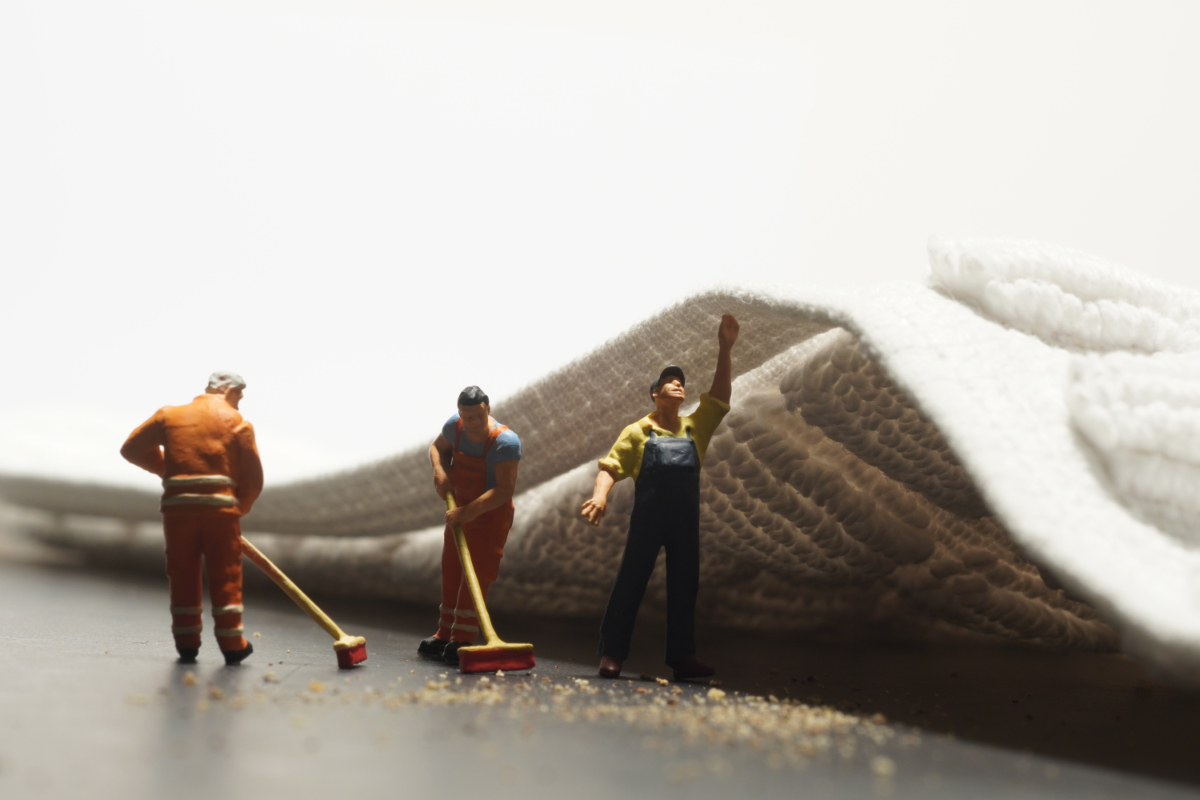
“Guys! Just sweep it under the rug!”
Hangover
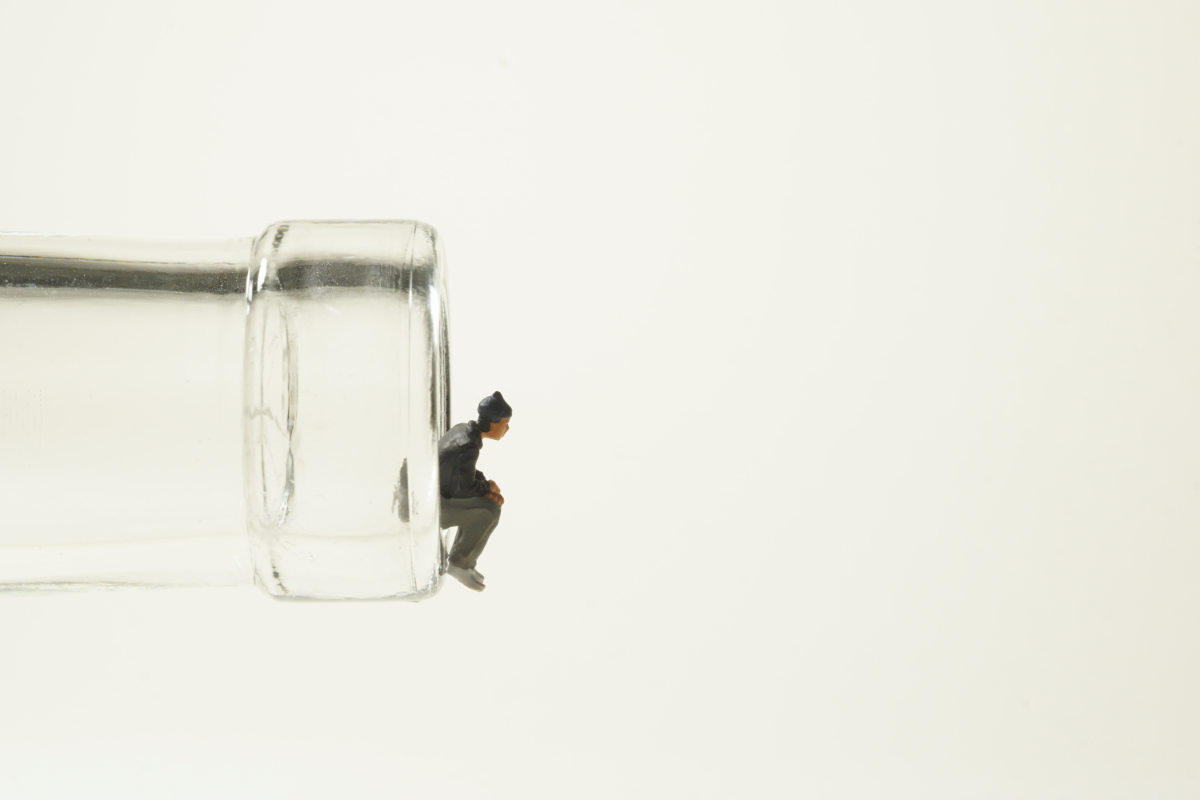
The unusual crop was inevitable (and thus done right away, framing the shot) – so here’s an entry for this week’s lens-artists challenge.
Huis clos
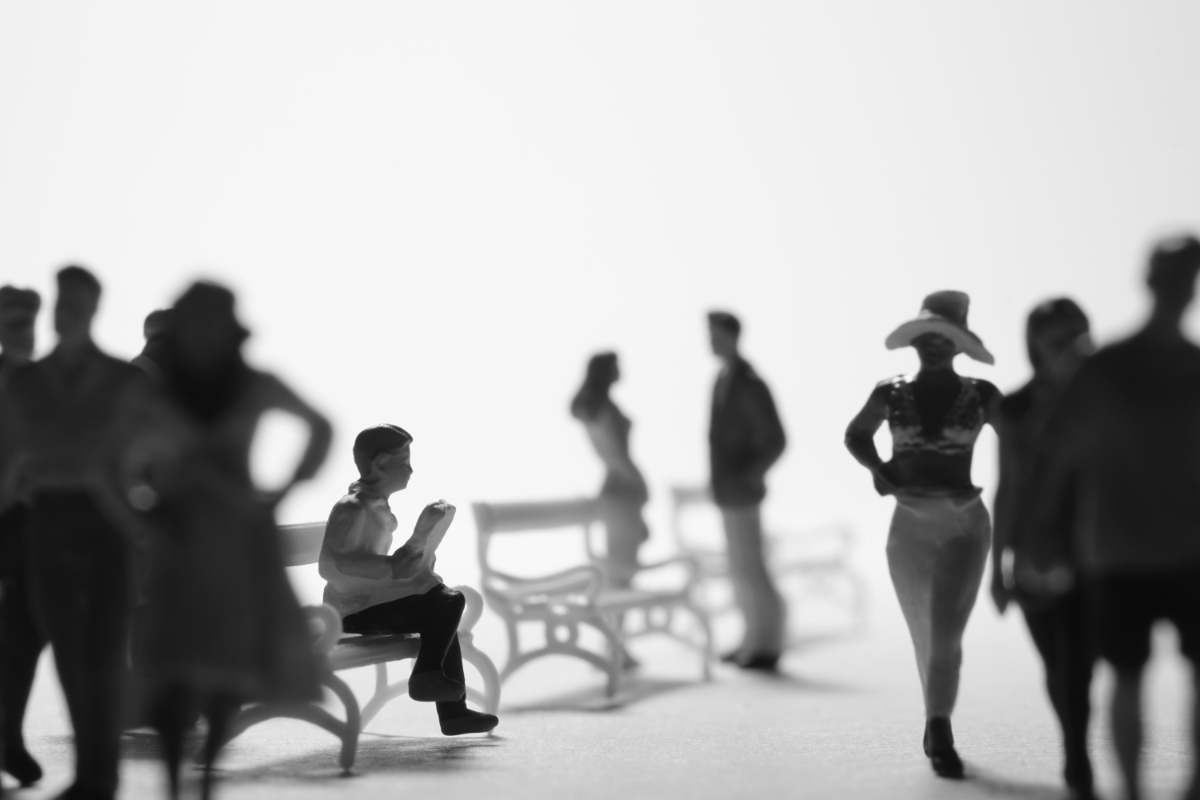
“Stai per cominciare a leggere il nuovo romanzo Se una notte d’inverno un viaggiatore di Italo Calvino. Rilassati. Raccogliti. Allontana da te ogni altro pensiero. Lascia che il mondo che ti circonda sfumi nell’indistinto.” Italo Calvino
(You are about to read the new novel If on a Winter’s Night a Traveler by Italo Calvino. Relax. Collect yourself. Let go of any other thought. Allow the world that surrounds you to dissolve into indistinctness.)
Minuscule Doors
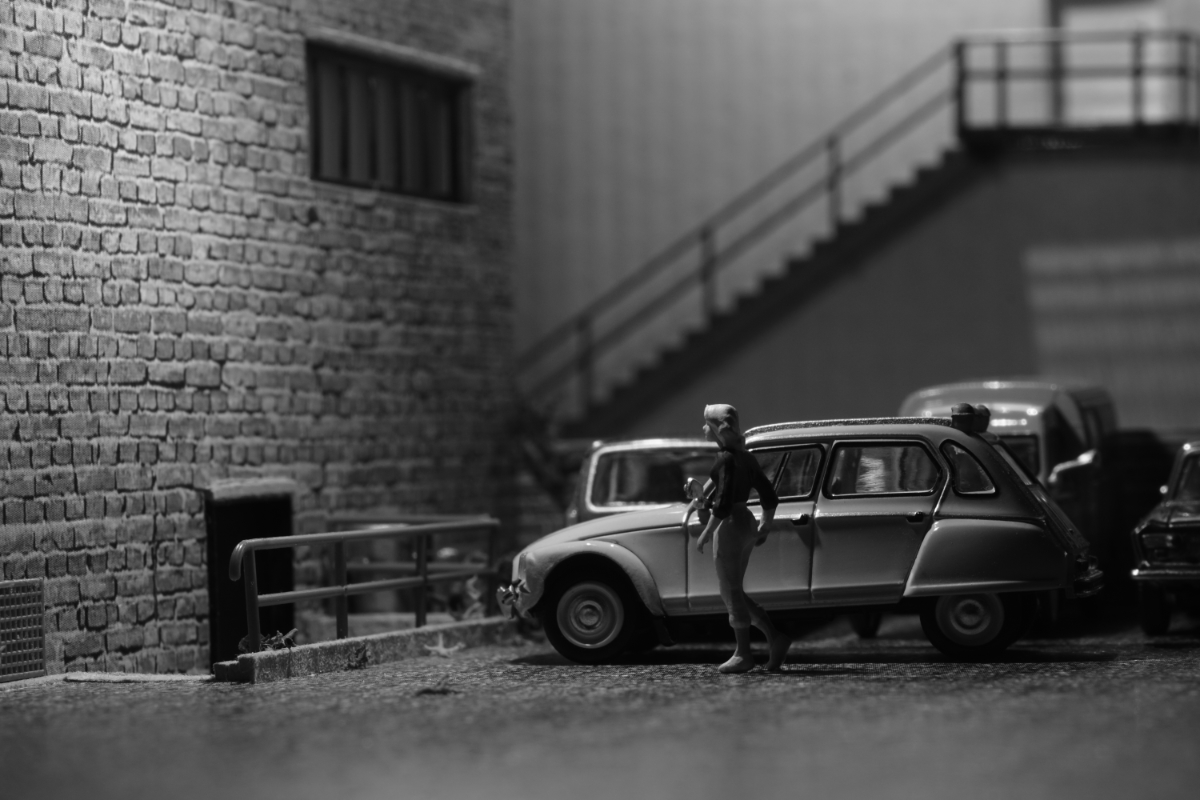
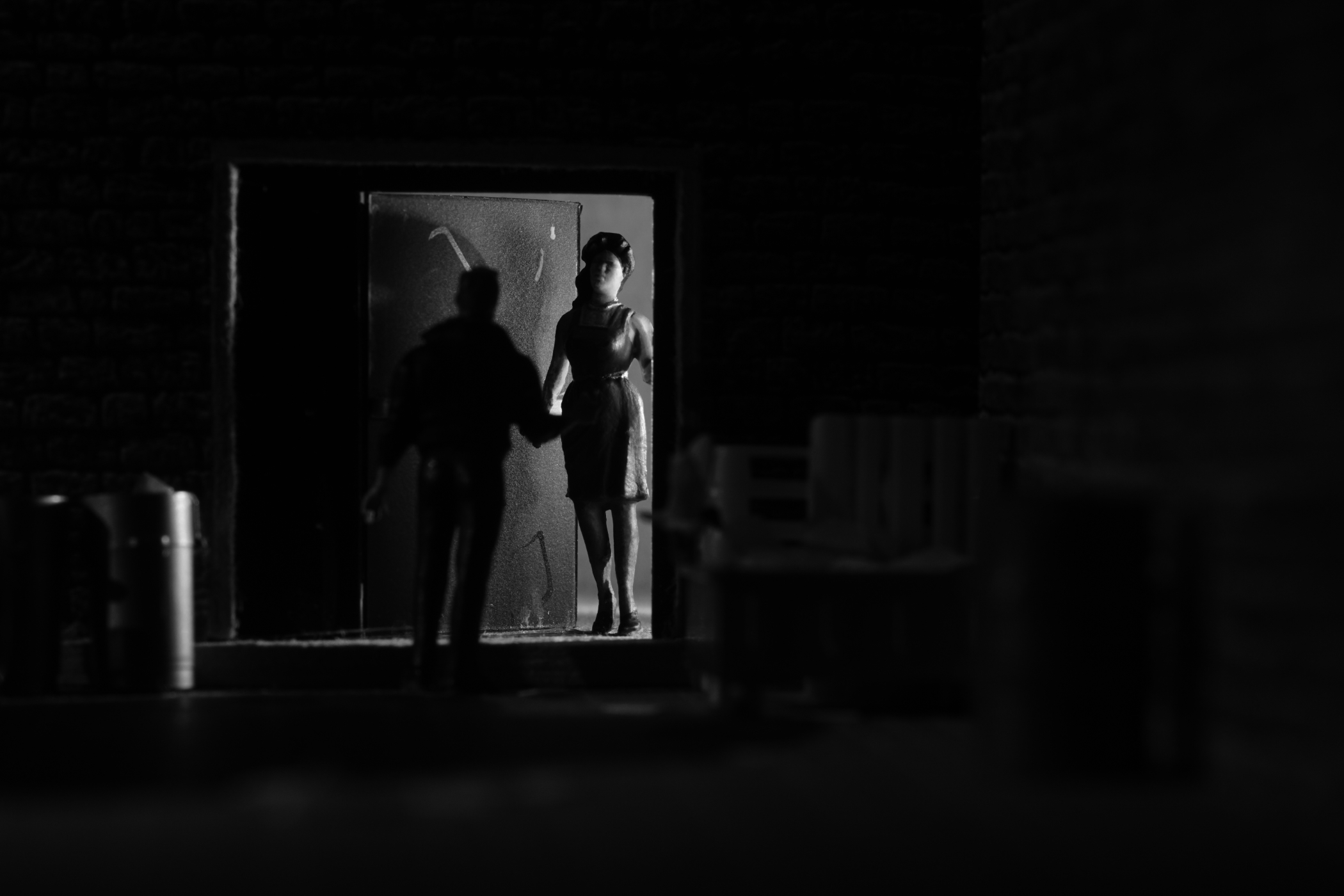
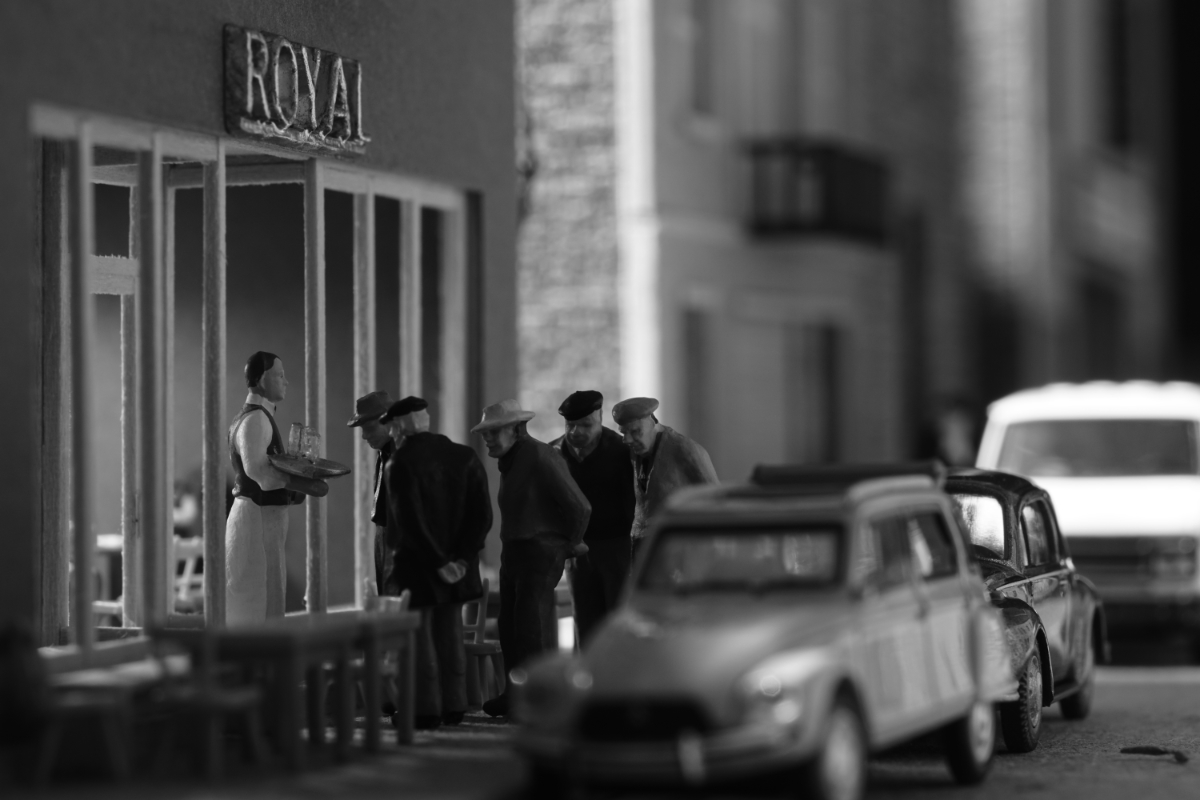
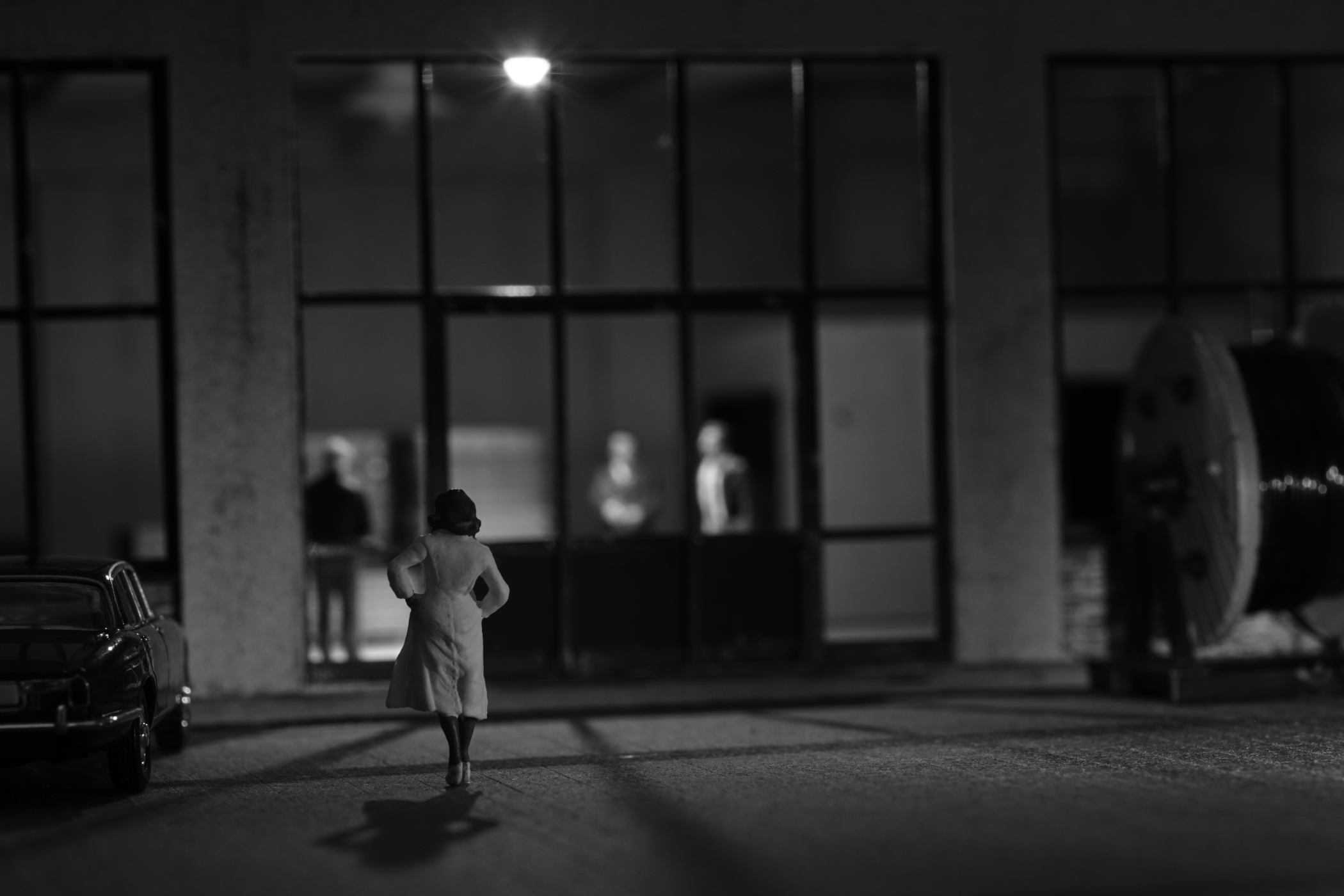
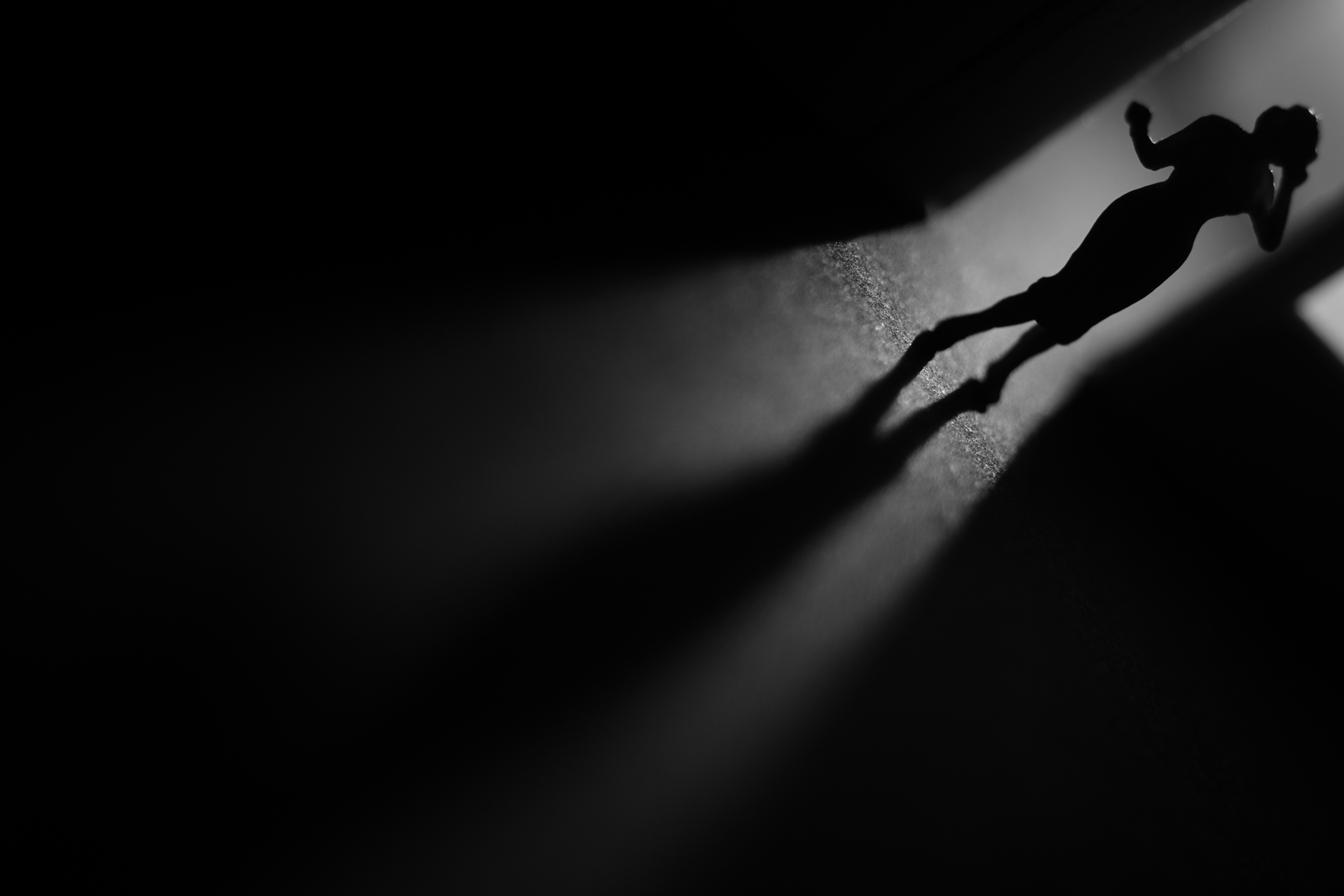
“Going back” is this week’s Lens Artists Challenge; Sofia Alves takes us back to an old doors challenge. In the light of these two ideas I’d like to start this post with some back doors.
As far as toy photography goes, I love to build and photograph doors because of both their architectural and narrative potential. They are simple means of definig a building and evoking an atmosphere – back door or main? Factory or bar? Welcoming or forbidding?
A door is a passageway. This function evokes narrative. The door is closed: what’s happening behind it? The door is open: will someone walk through it? And then, what will happen?
The inside and the outside can stand for a before and an after. Thus, narrative – or the paasing of time – can be hinted at in a single picture.
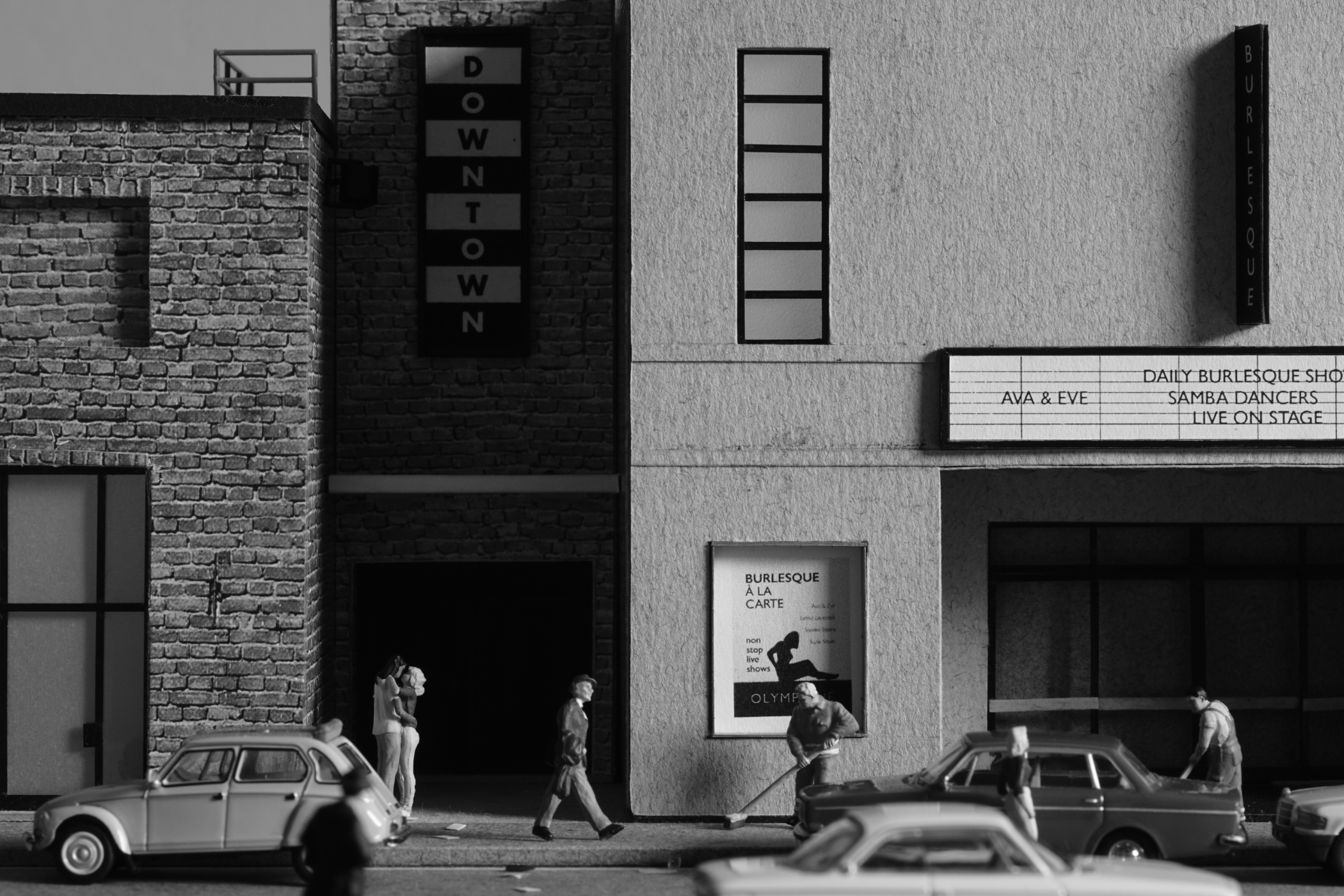
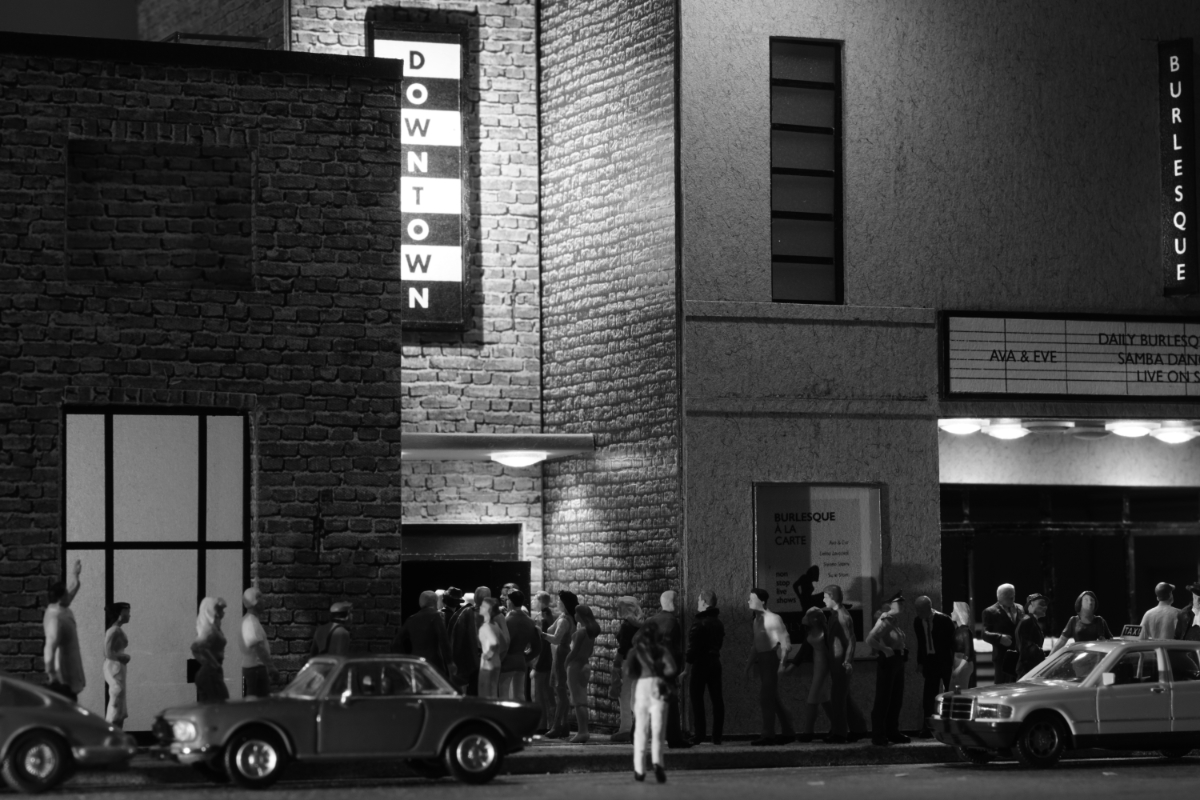
Downtown, Day and Night
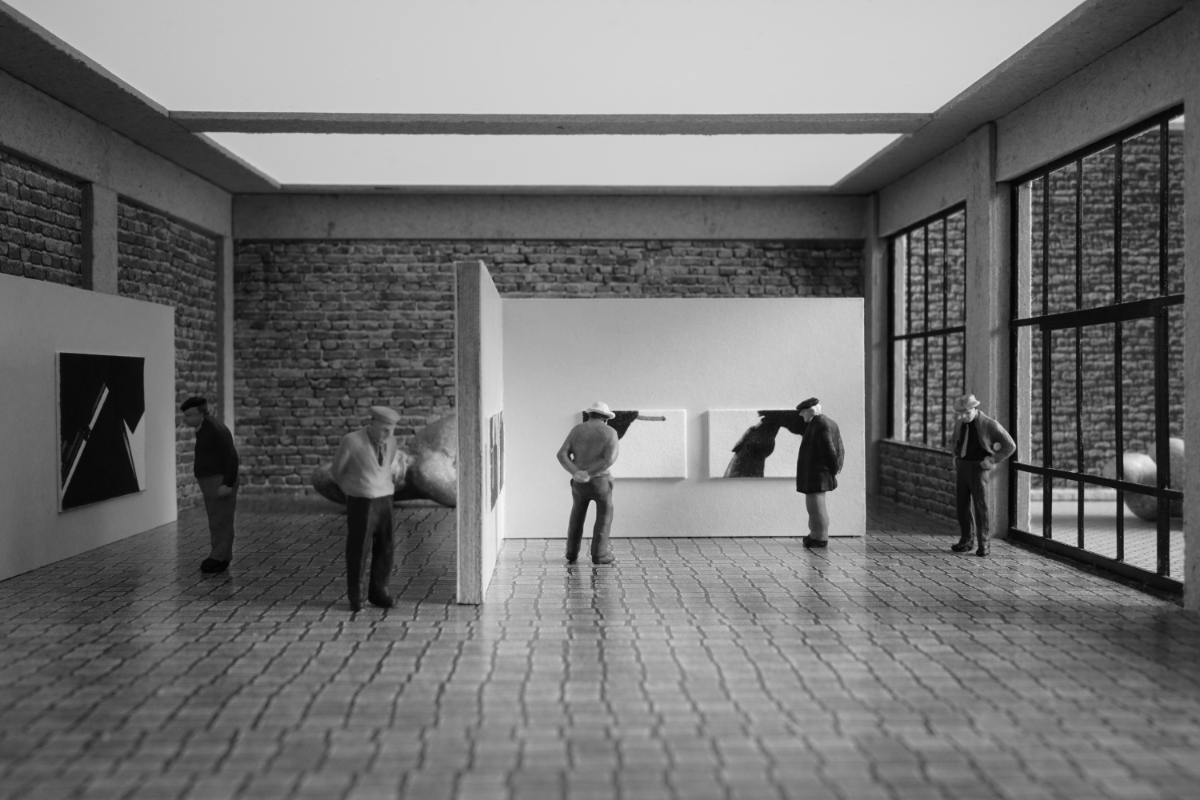
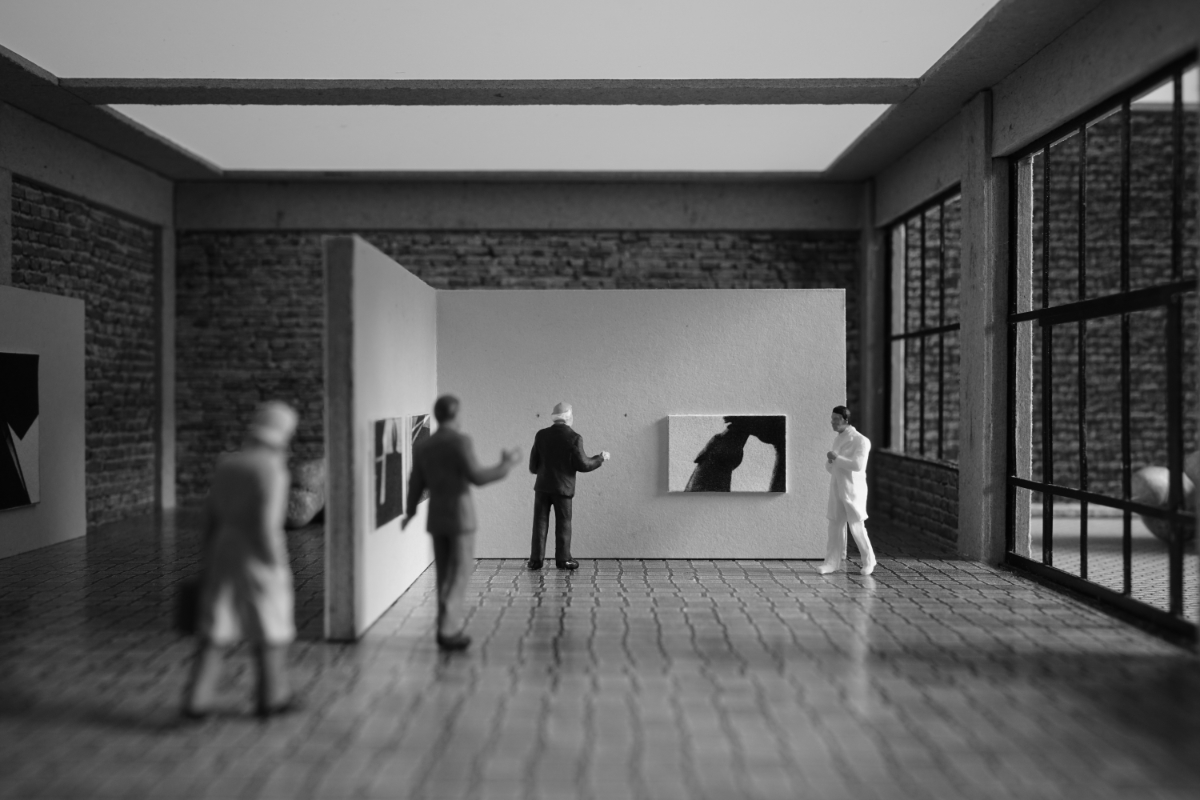
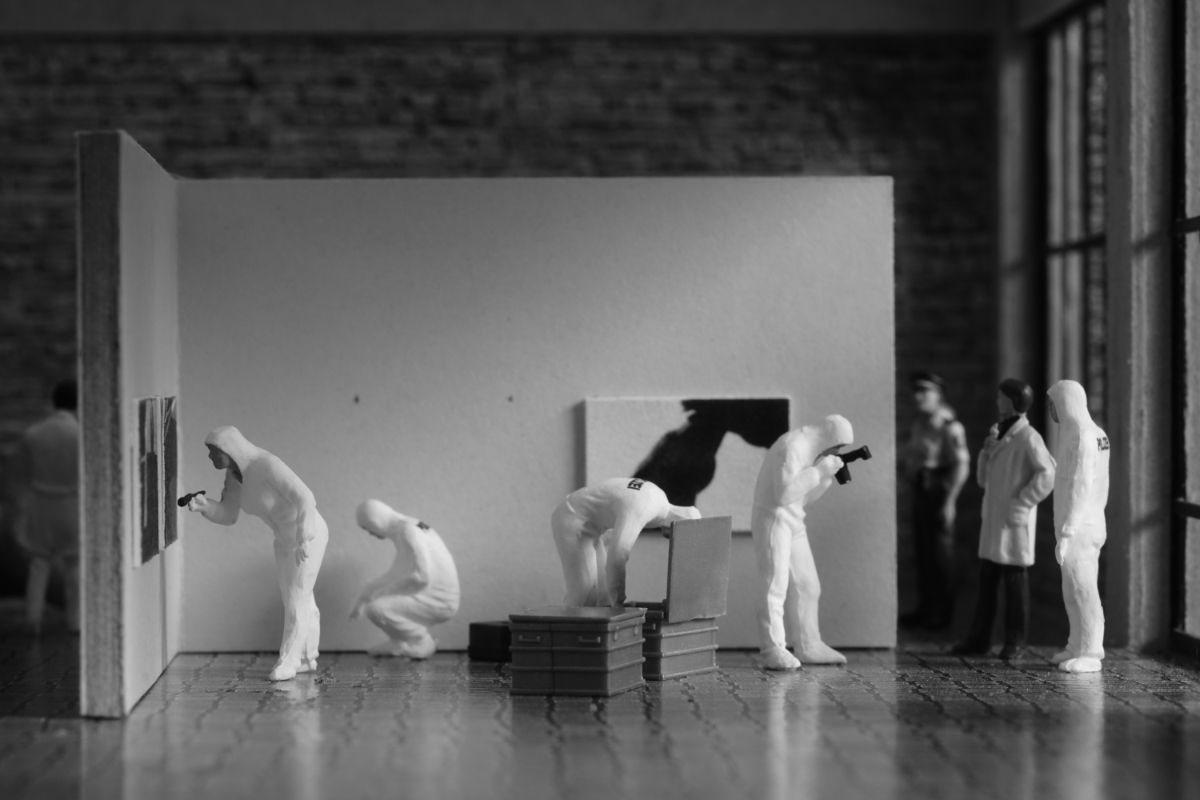
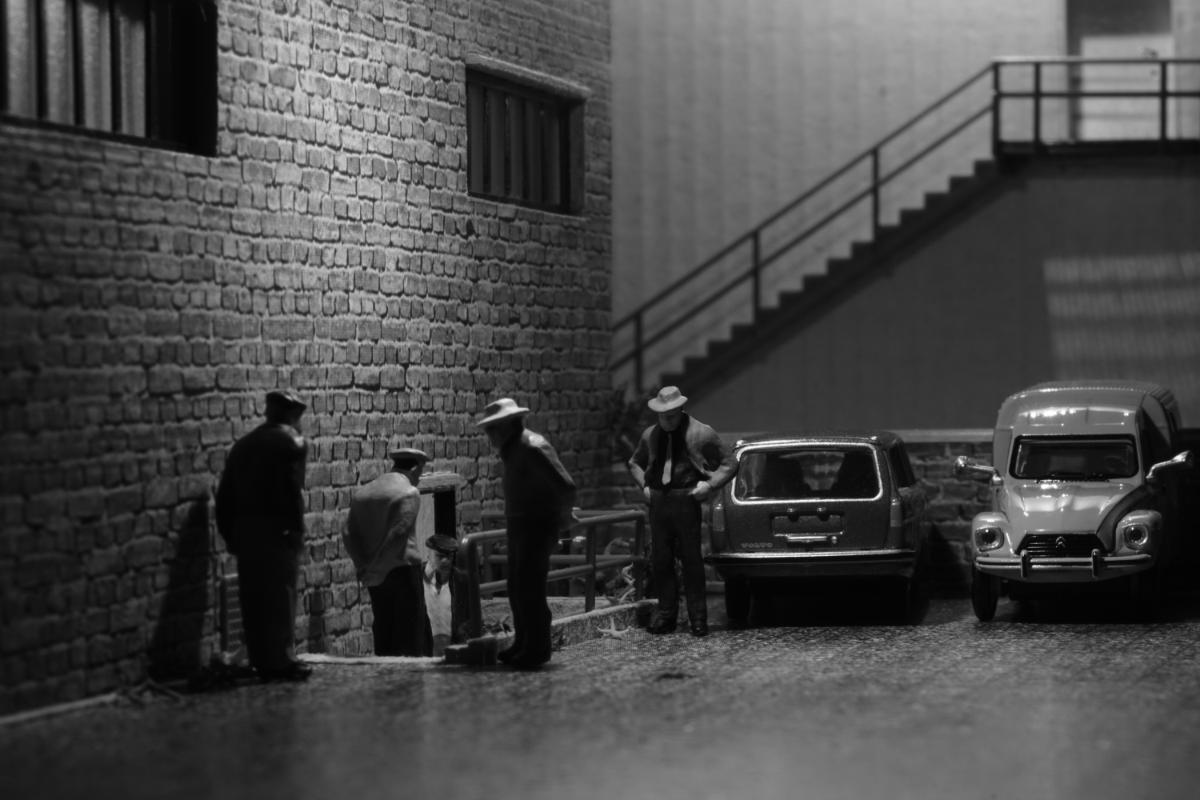
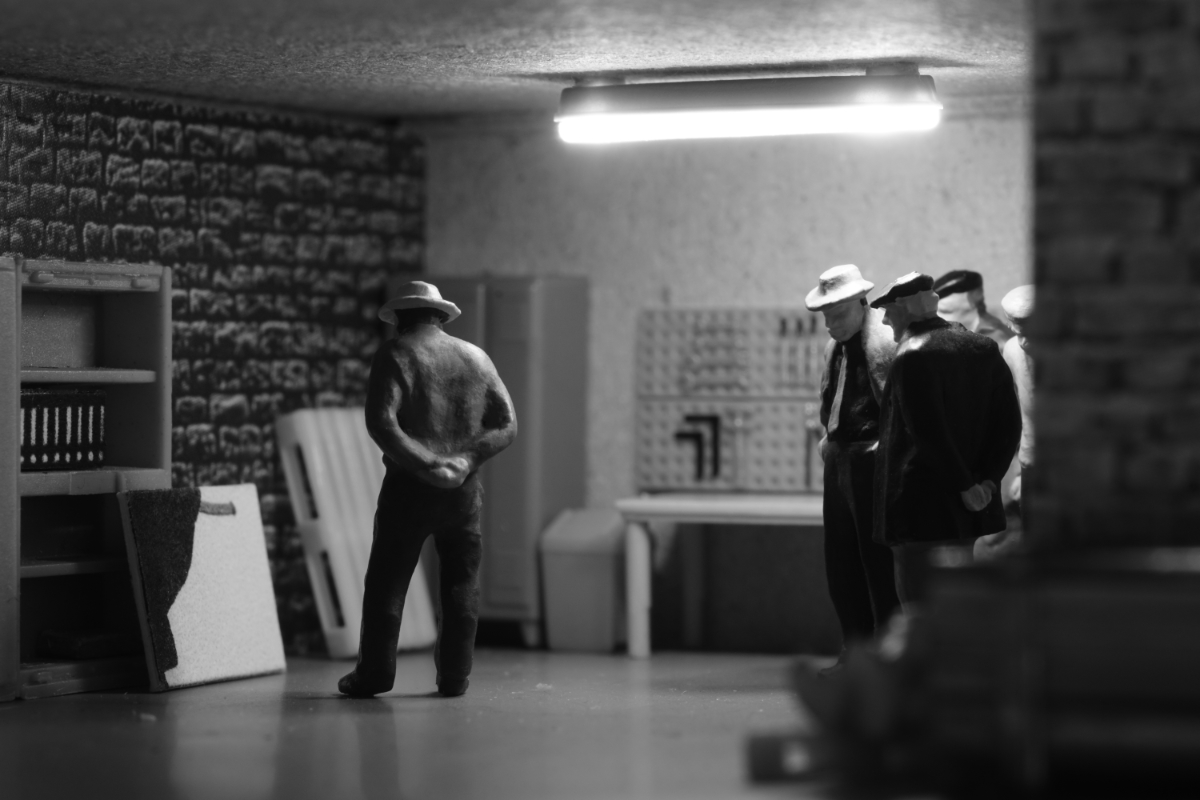
The Sprightly Five at the Museum
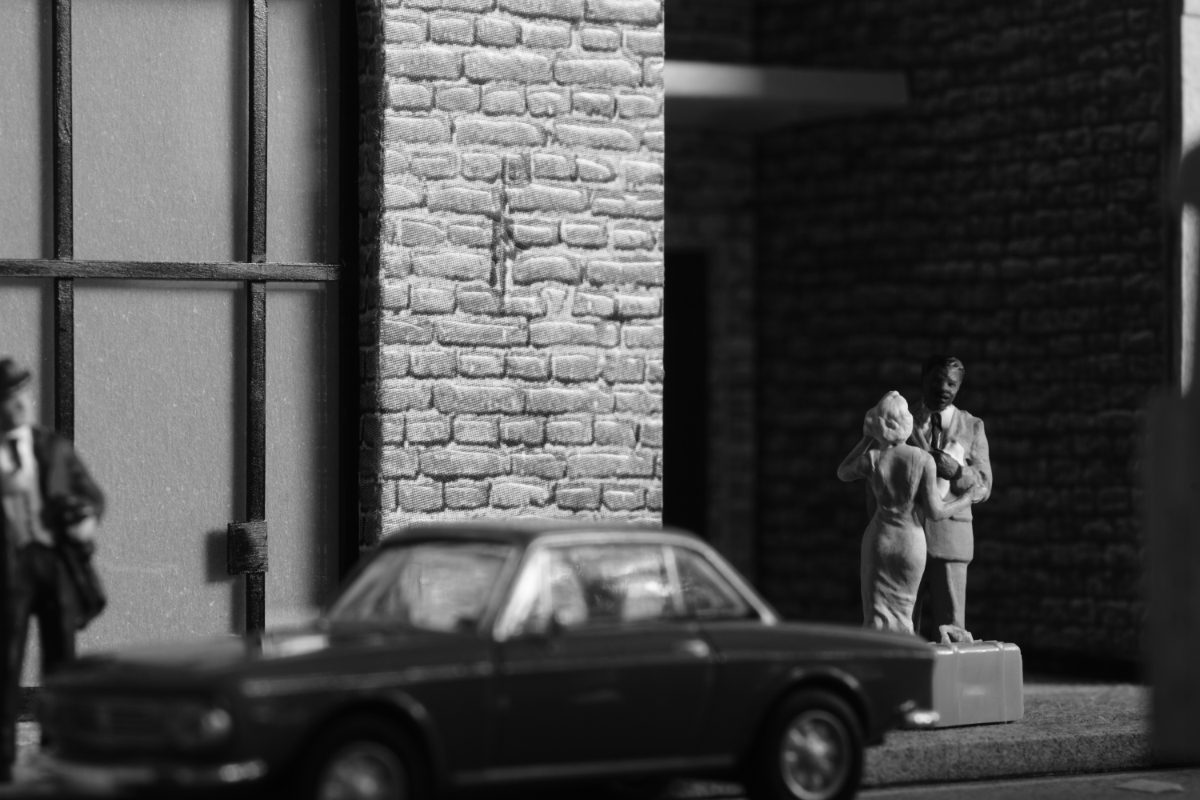
Arrival
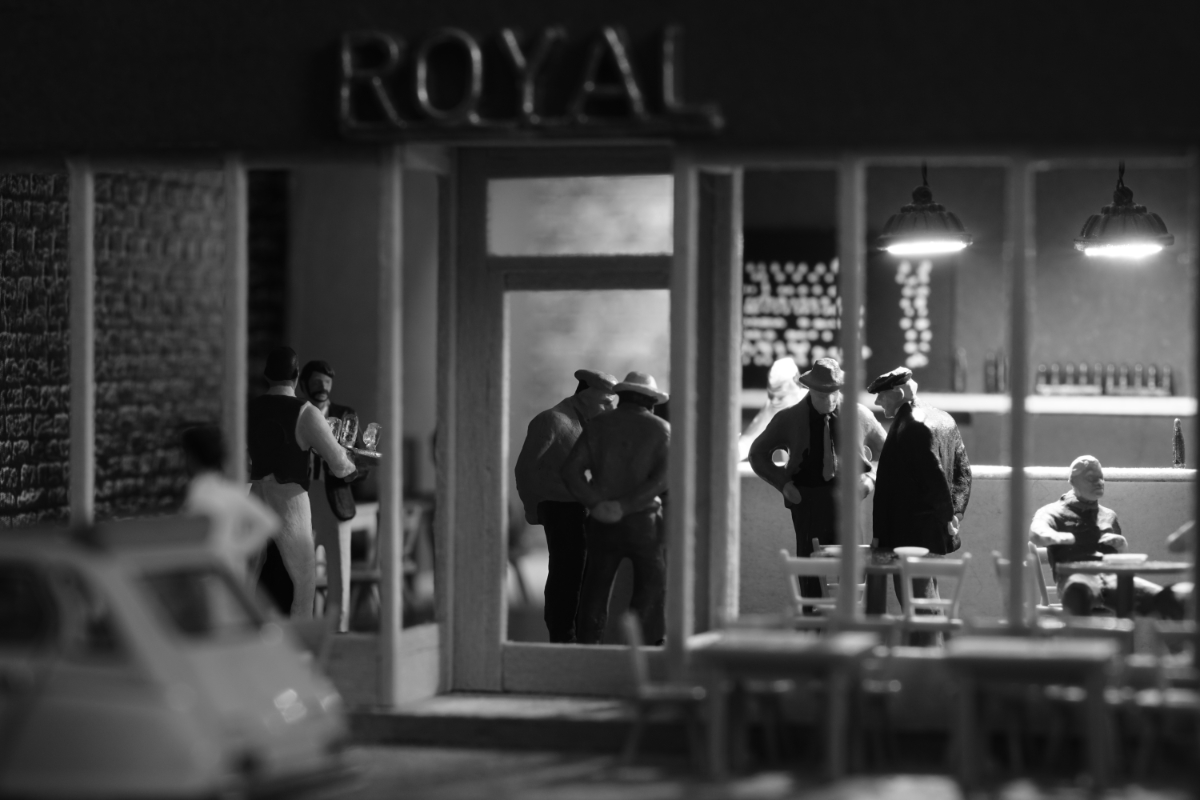
Late Night at the Bar Royal
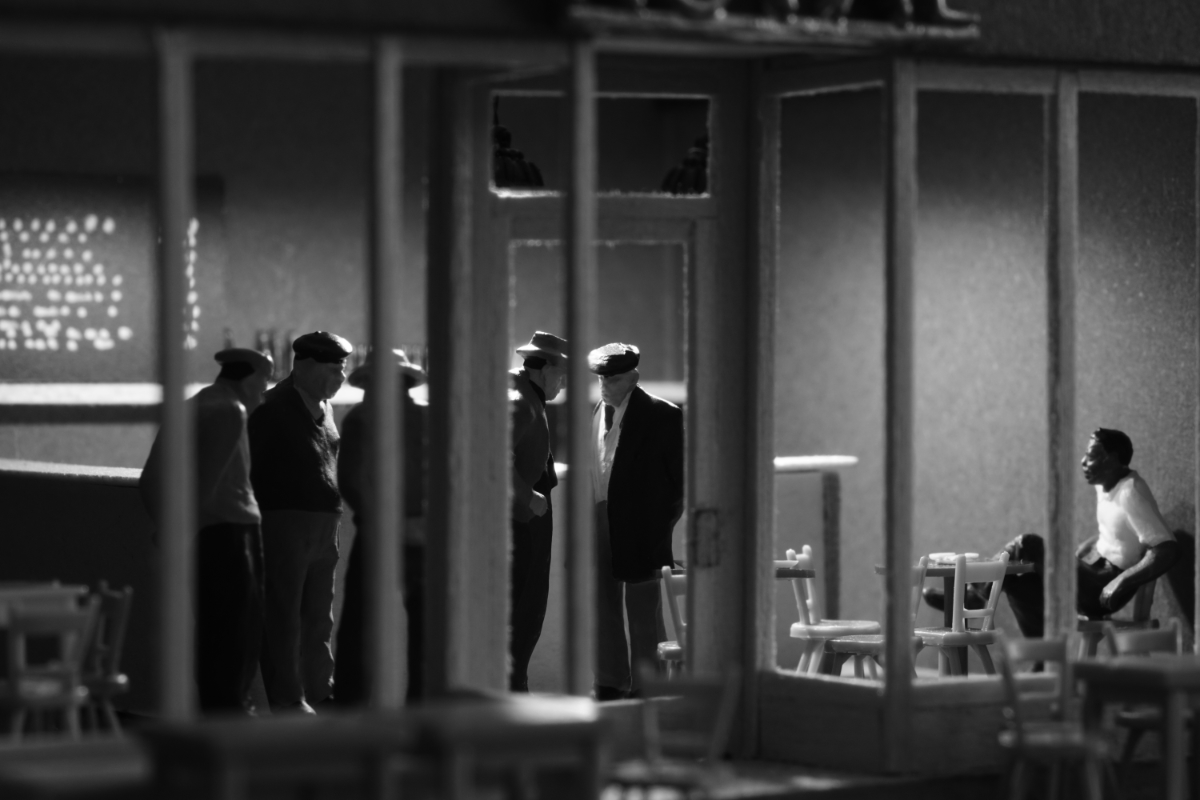
Last Orders!
A Bench
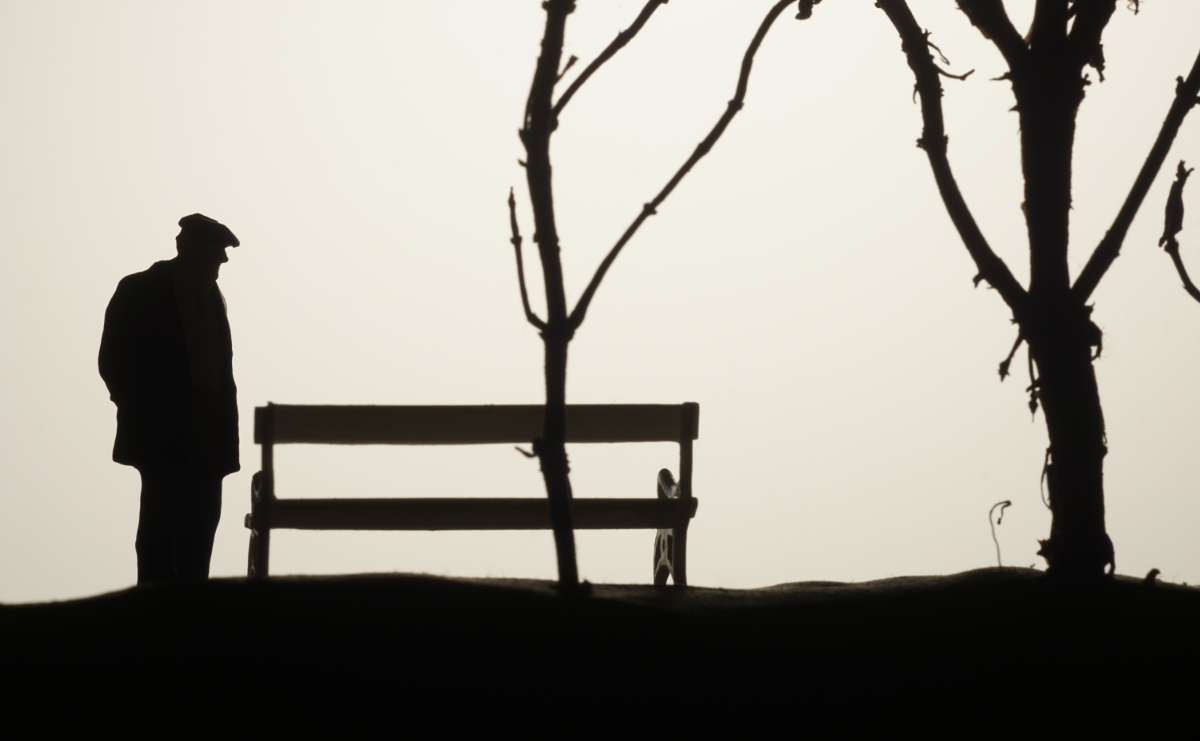
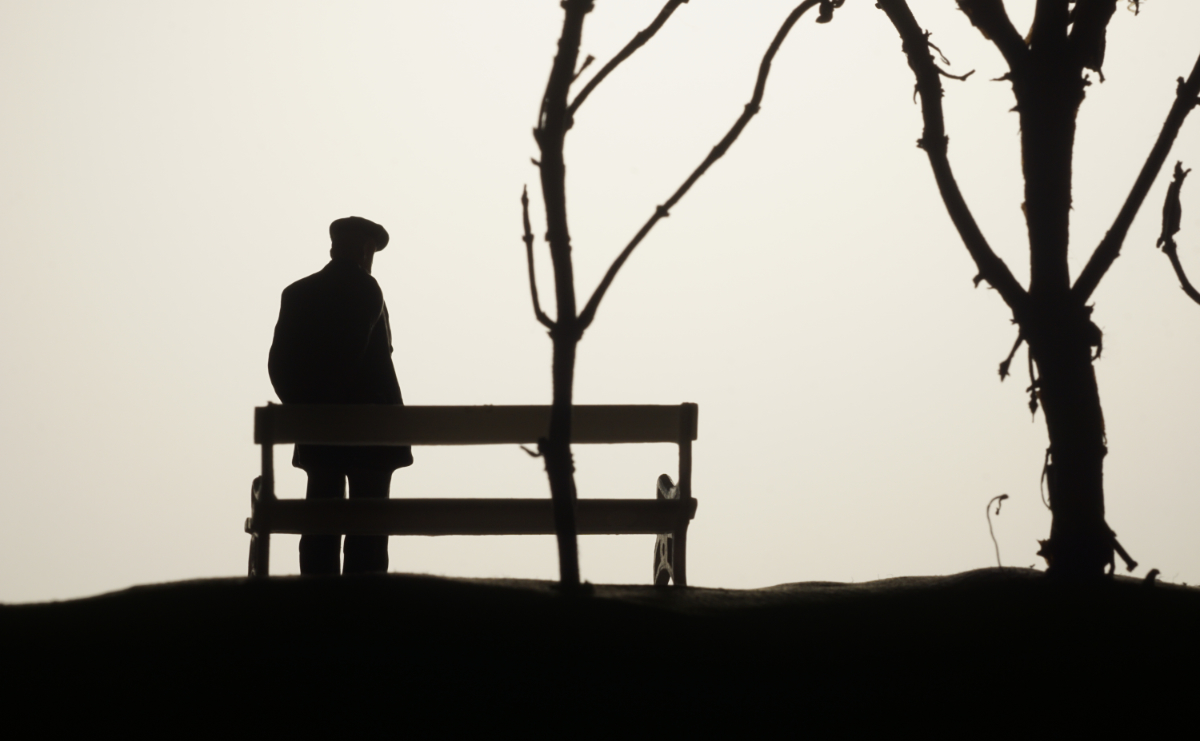
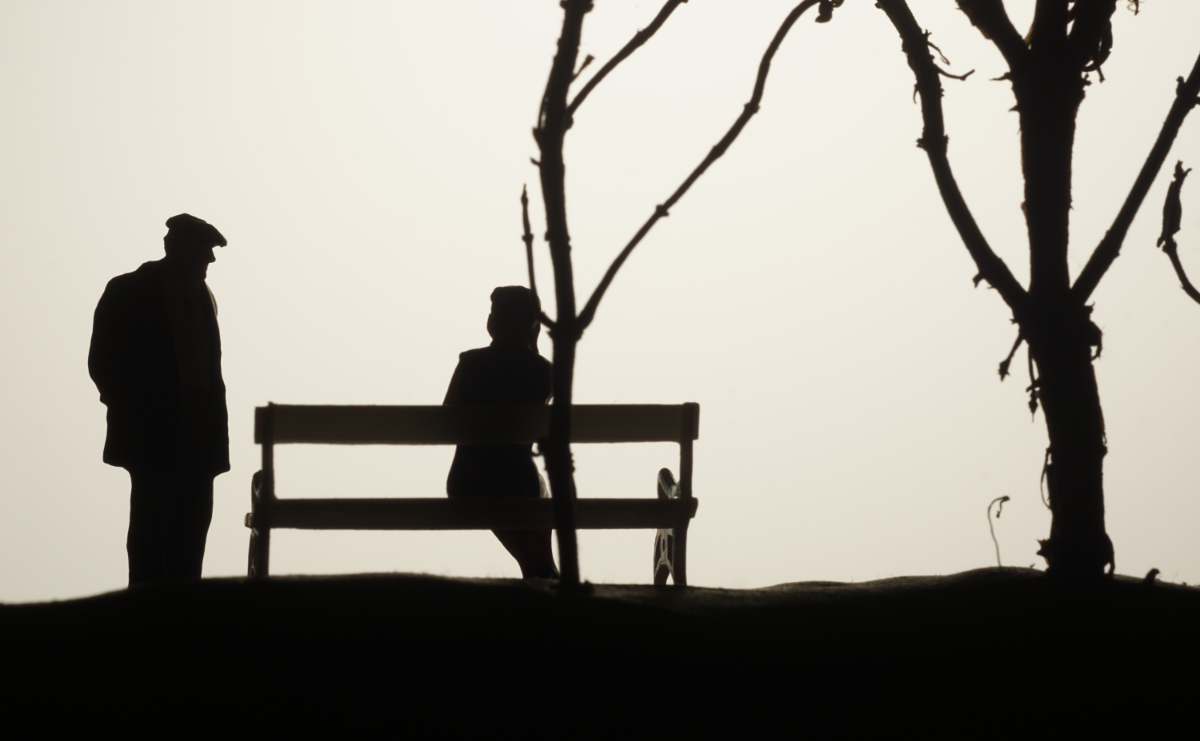
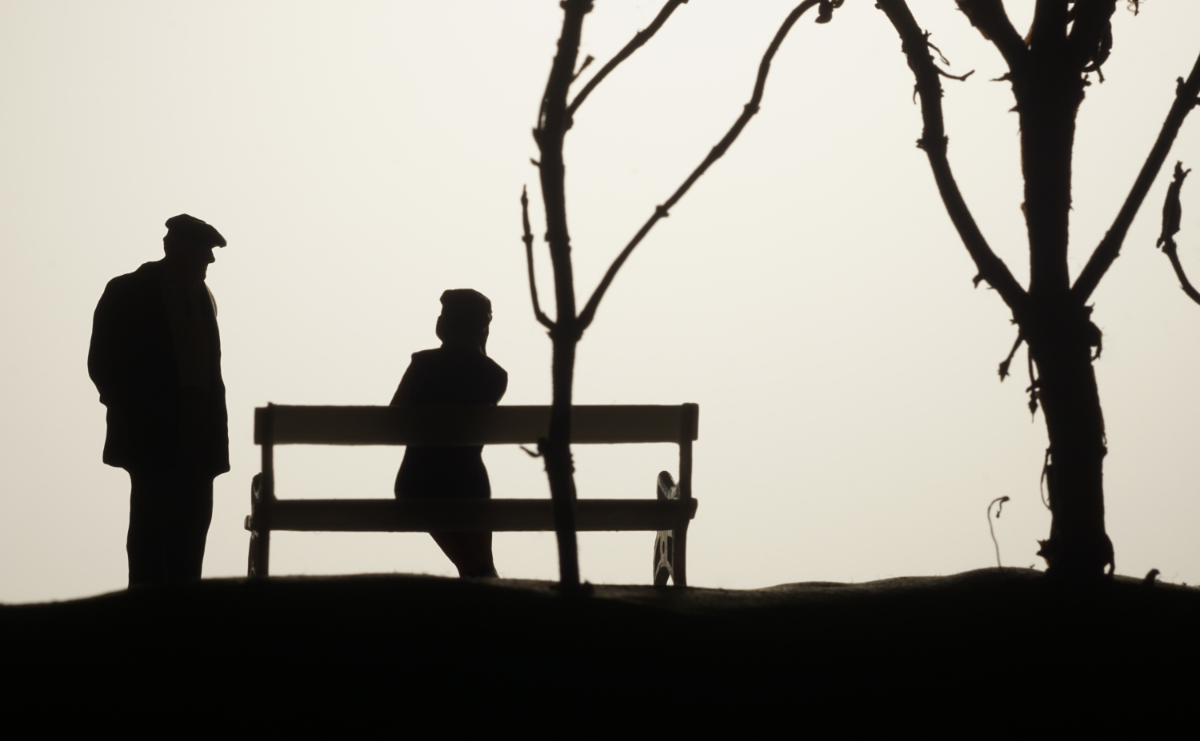
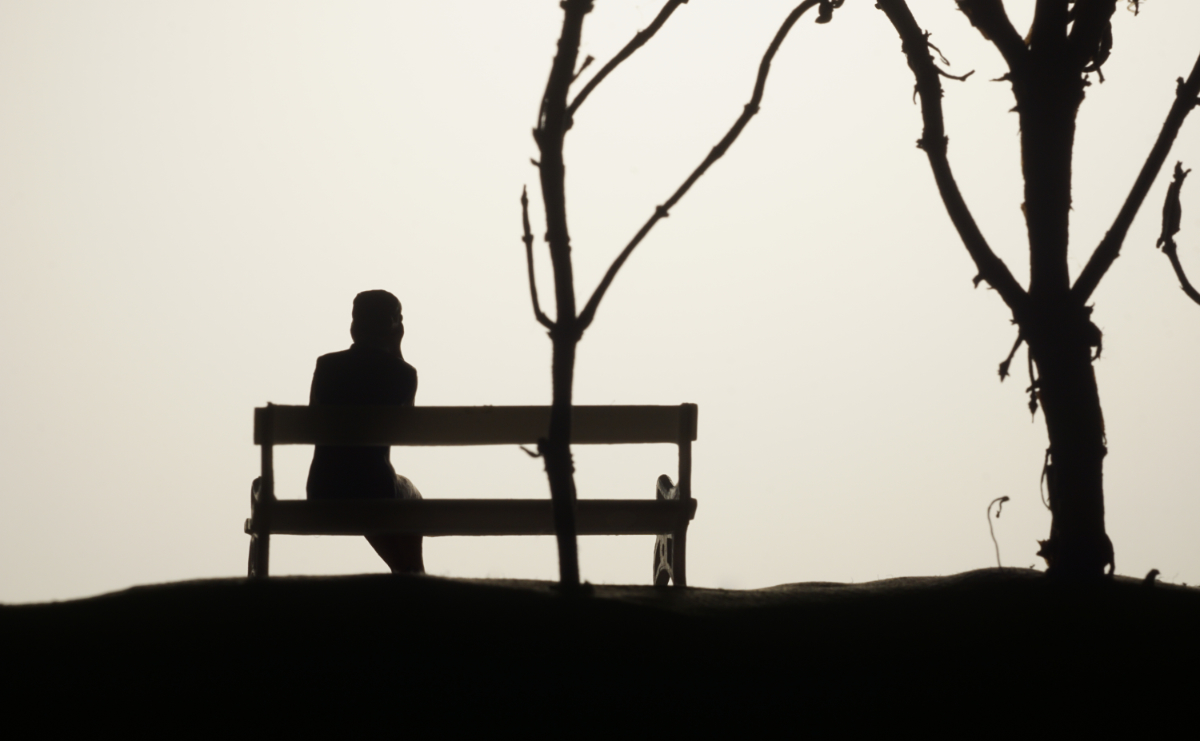
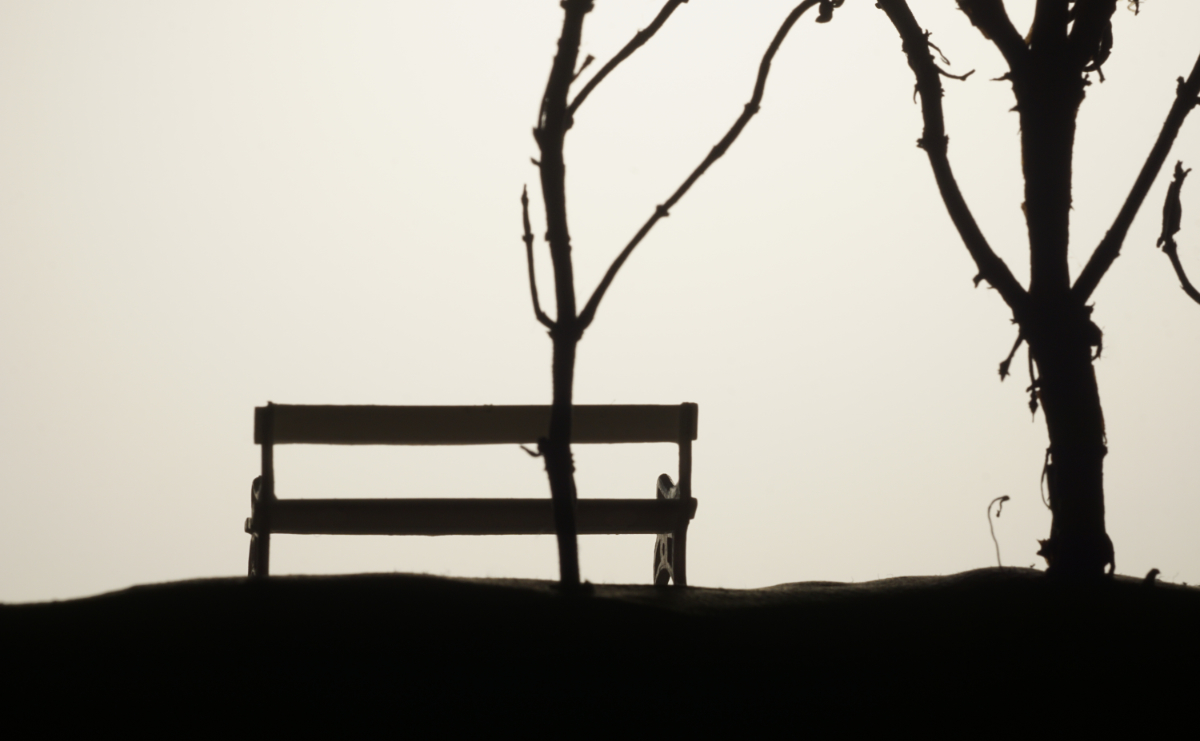
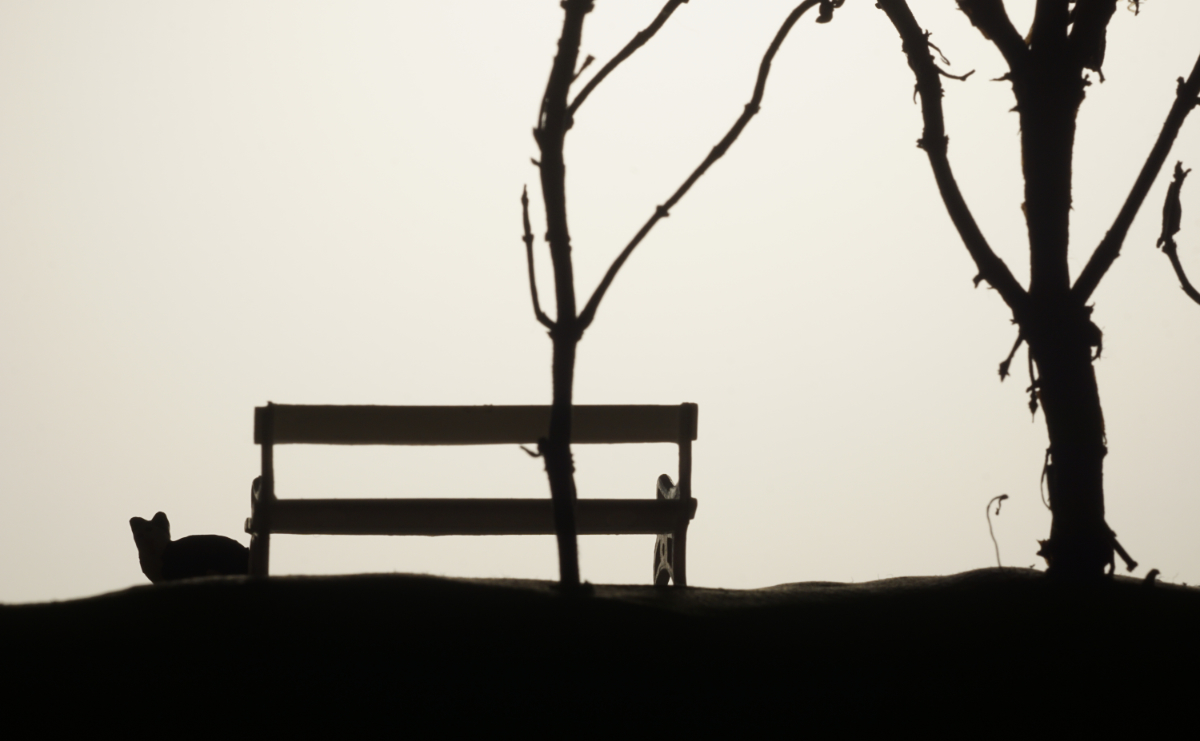
Initially, I only wanted to make a picture of a bench, a tree and the old man on a hill, in silhouette. Then I saw the potential for a short narrative – with a very similar, epic story by Christophe Chabouté, The Park Bench, at the back of my mind. So this is also a homage to one of my favorite graphic novels.
Continue reading “A Bench”Secrets
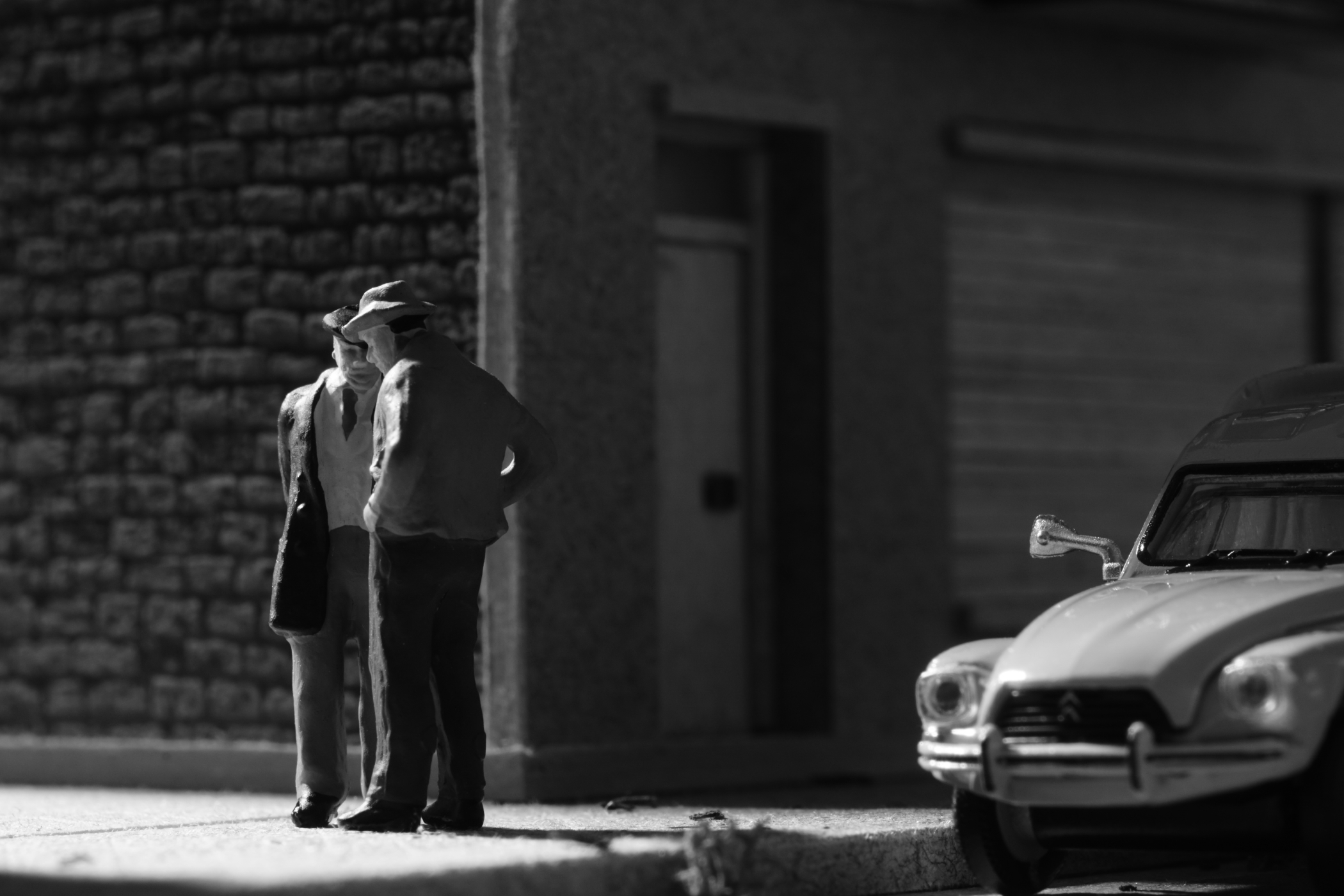
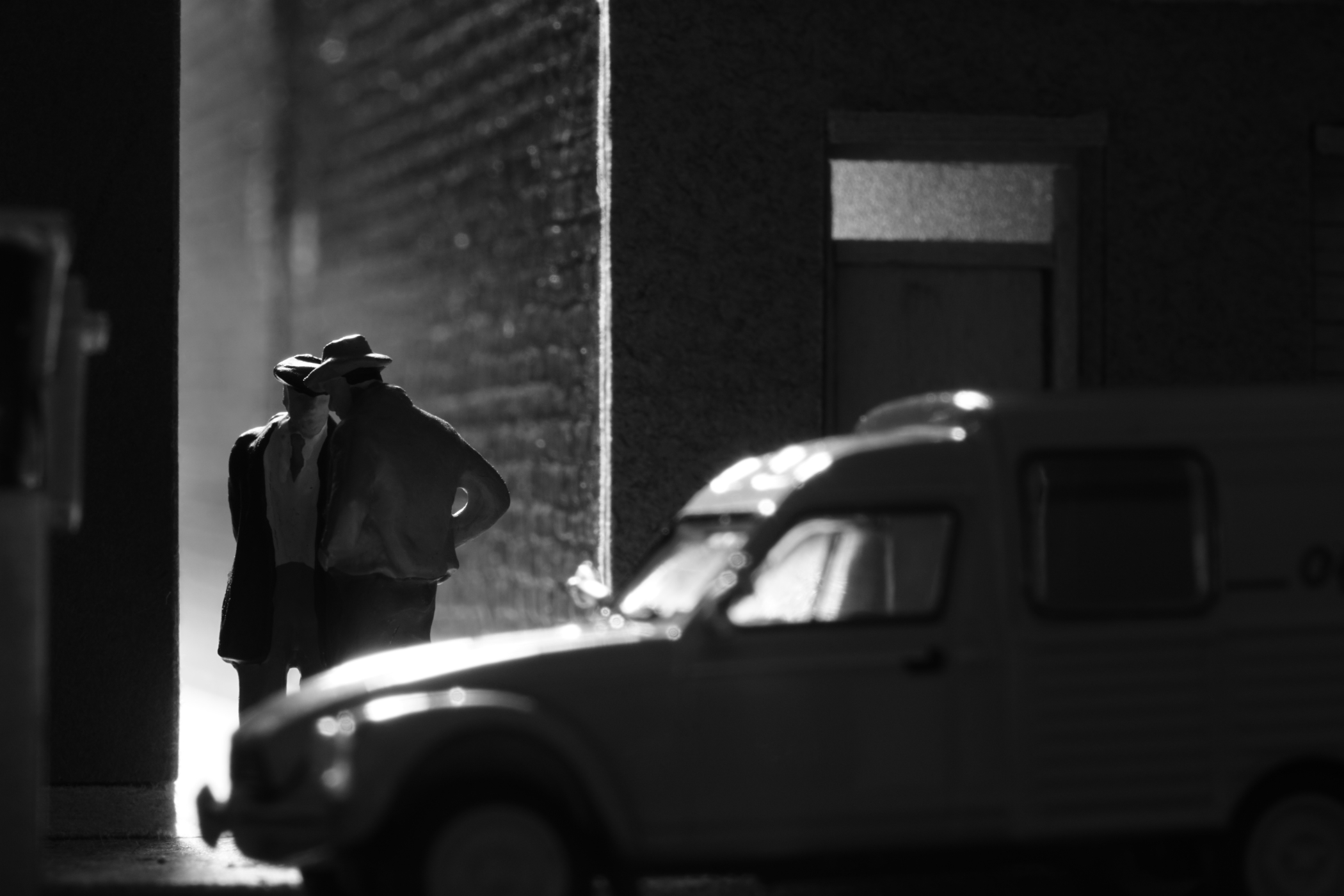
I was making these pictures for this year’s Bingo Challenge over at the Toy Photographers blog – the cue is ‘secret’ – when the Lens Artist’s ‘sound’ challenge popped up. Having posted so many sound-related pictures last year, I thought I’d go with the whispered words, the hushed voices a secret requires.
The first picture shows the original idea, the second resulted from trying the same in a more noir style.
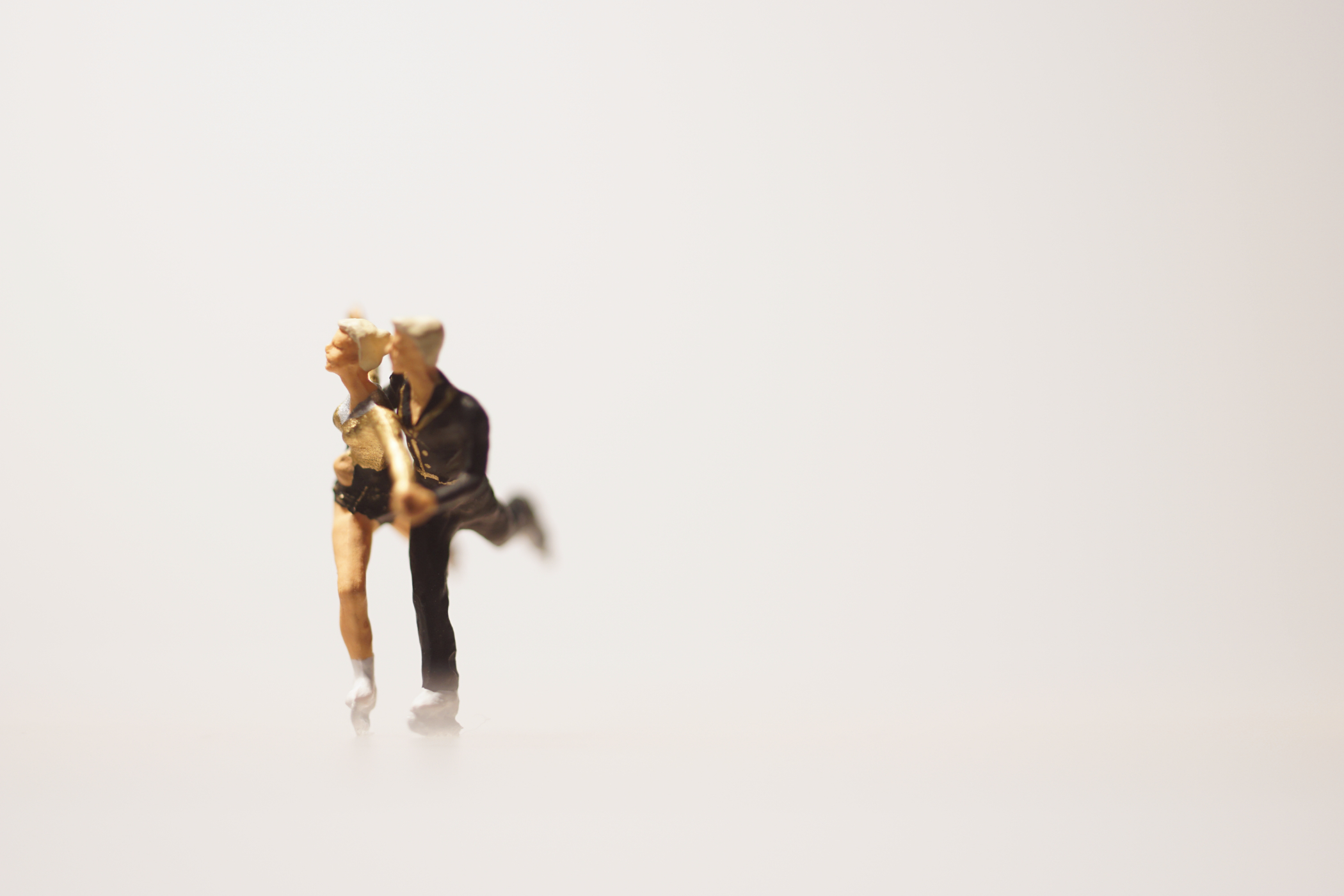
Skate!
“Jitterbugs … always above you”
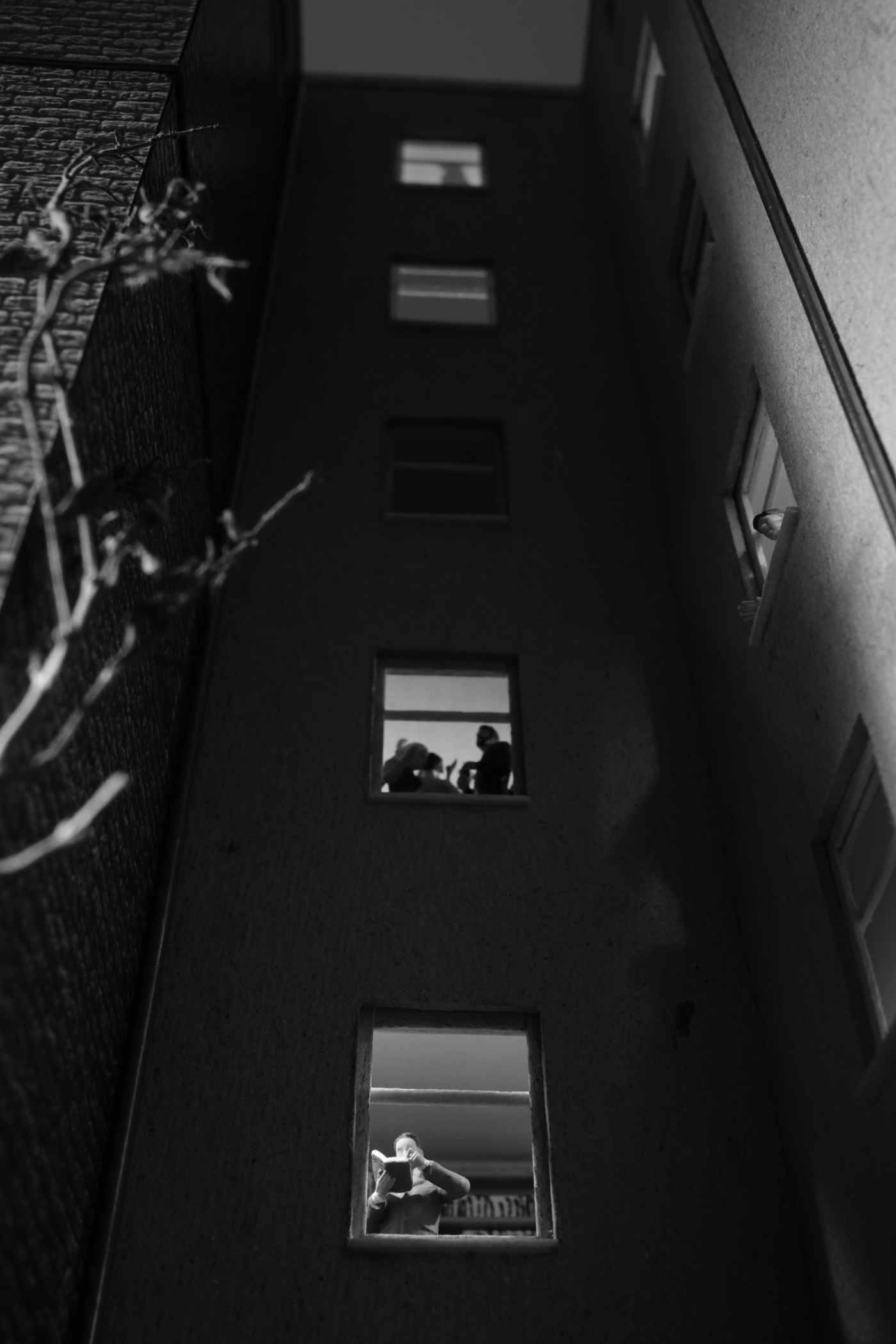
“Take my Harlem Air Shaft. So much goes on in a Harlem air shaft. You get the full essence of Harlem in an air shaft. You hear fights, you smell dinner, you hear people making love. You hear intimate gossip floating down. You hear the radio. An air shaft is one great big loudspeaker. You see your neighbors’ laundry. You hear the janitor’s dogs. The man upstairs’ aerial falls down and breaks your window. You smell coffee. A wonderful thing, that smell. An air shaft has got every contrast. One guy is cooking dried fish and rice and another guy’s got a great big turkey. Guy-with-fish’s wife is a terrific cooker but the guy’s wife with the turkey is doing a sad job. You hear people praying, fighting, snoring. Jitterbugs are jumping up and down always over you, never below you. That’s a funny thing about jitterbugs. They’re always above you. I tried to put all that in Harlem Air Shaft.” (Duke Ellington in Hear Me Talkin’ to Ya. The Story of Jazz as Told by the Men Who Made It, ed. by Nat Shapiro & Nat Hentoff. New York, 1966)
This picture was inspired by the Duke’s description of a Harlem air shaft (his inspiration). I practically saw the picture in front of me when I read the above lines. It took a while to build this, but here we go … I am so lucky there’s the last chance challenge with the lens-artists.
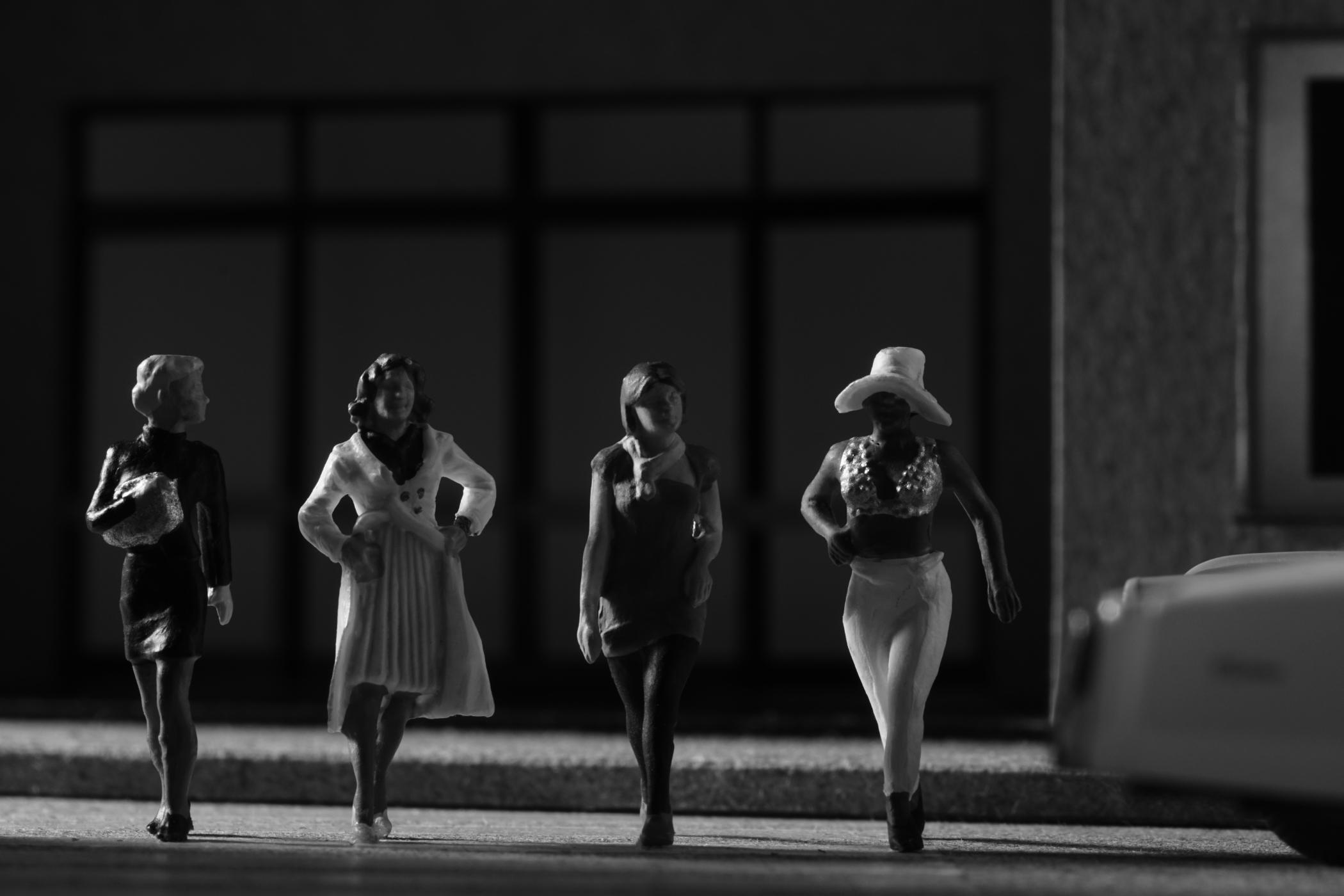
Ocean‘s 4
Framing
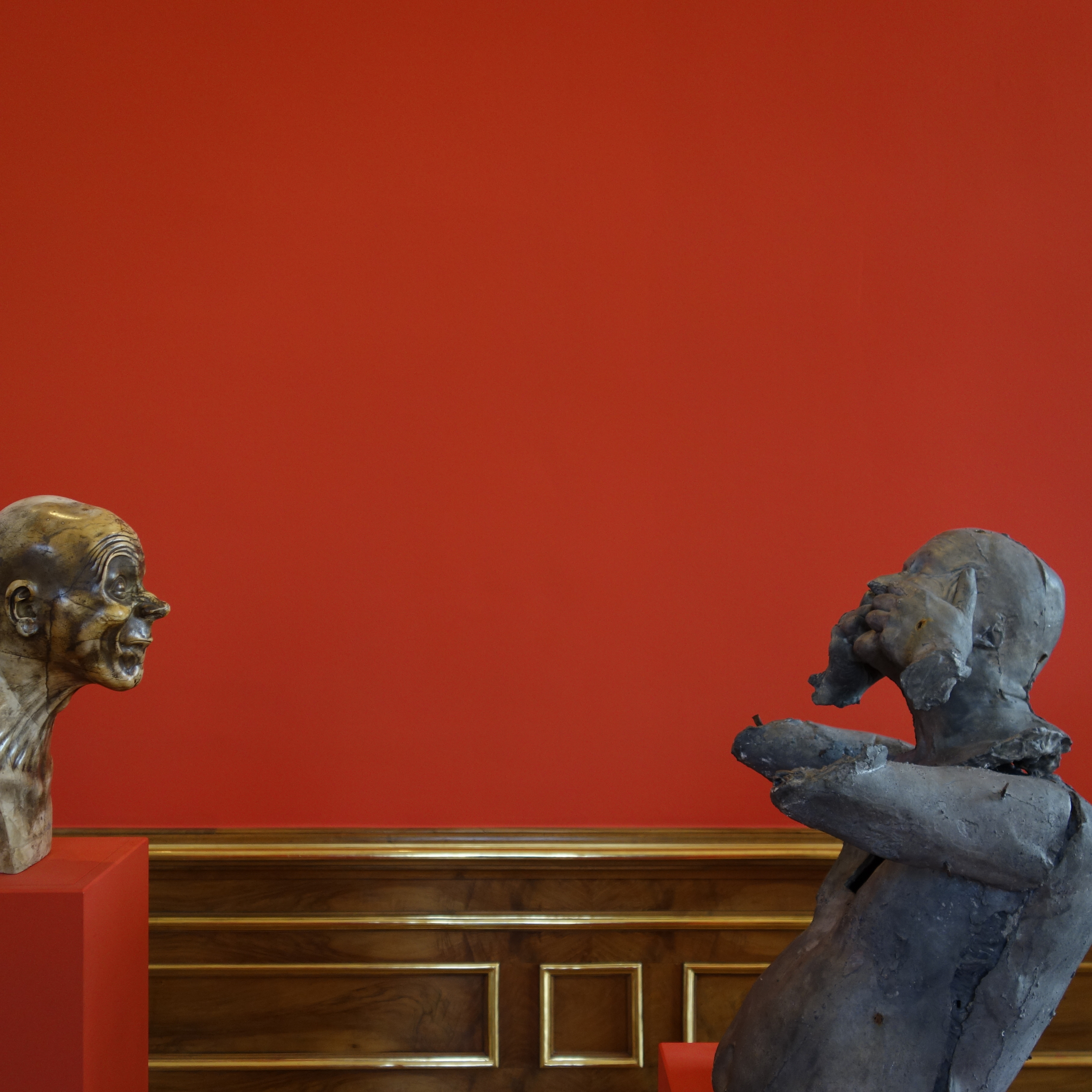
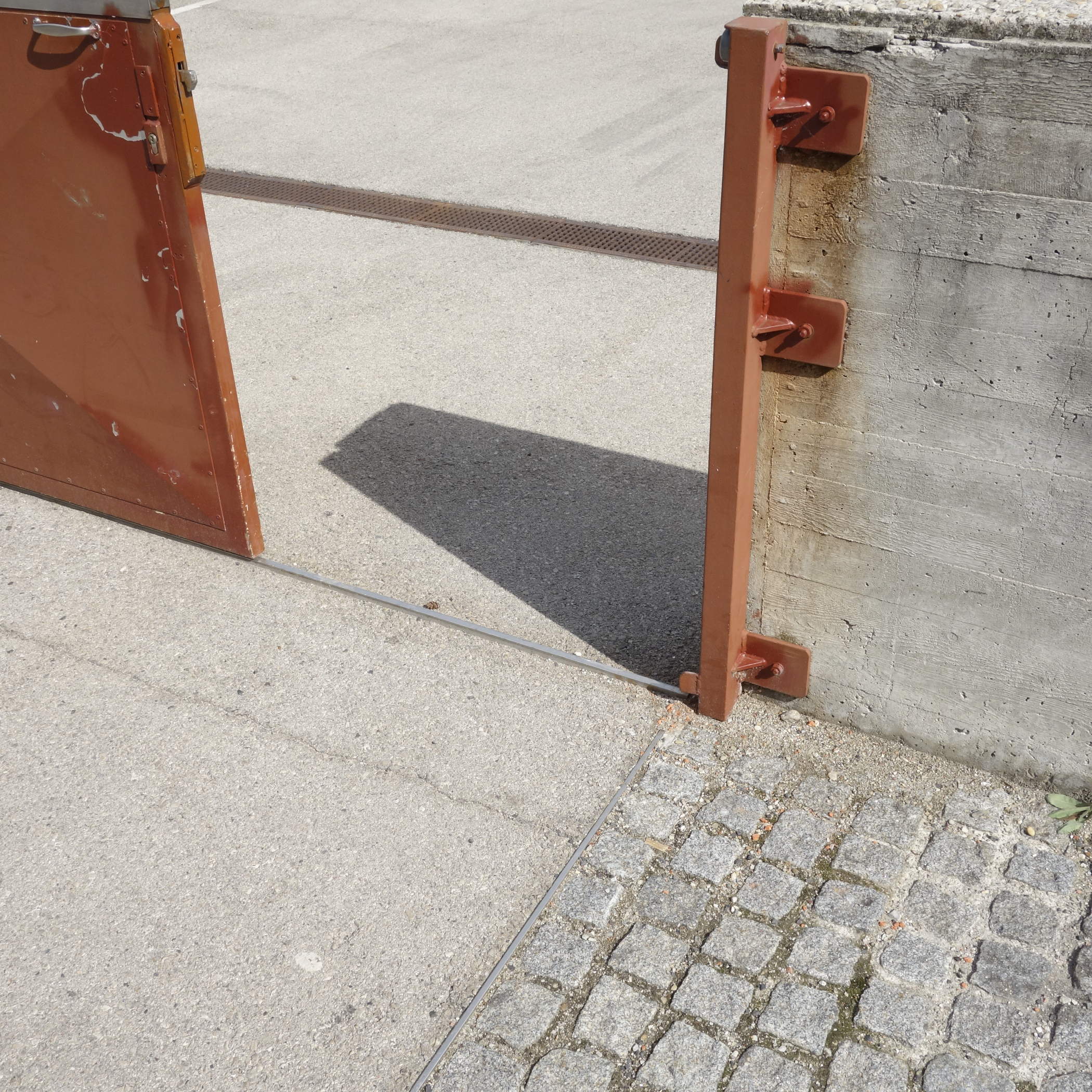
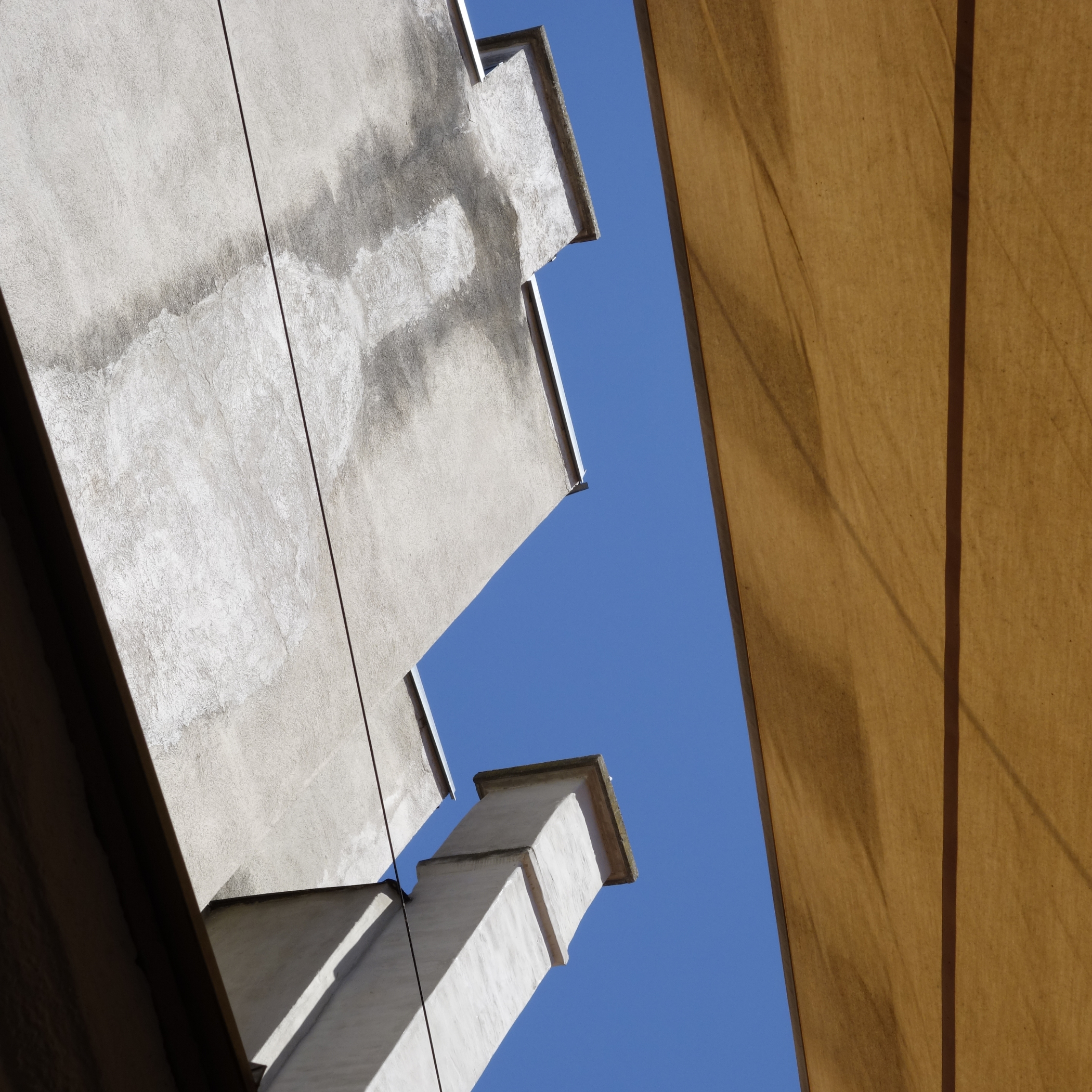
Framing Your Photos is a wonderful challenge because there are two types of framimg I enjoy a lot. In my more or less abstract real life pictures, I love framing the void, or the spaces ‘in between’. For me that’s a way of exploring space and composition and the reality that provides the material for my pictures. I see these aspects in the pictures above.
Continue reading “Framing”Around Here
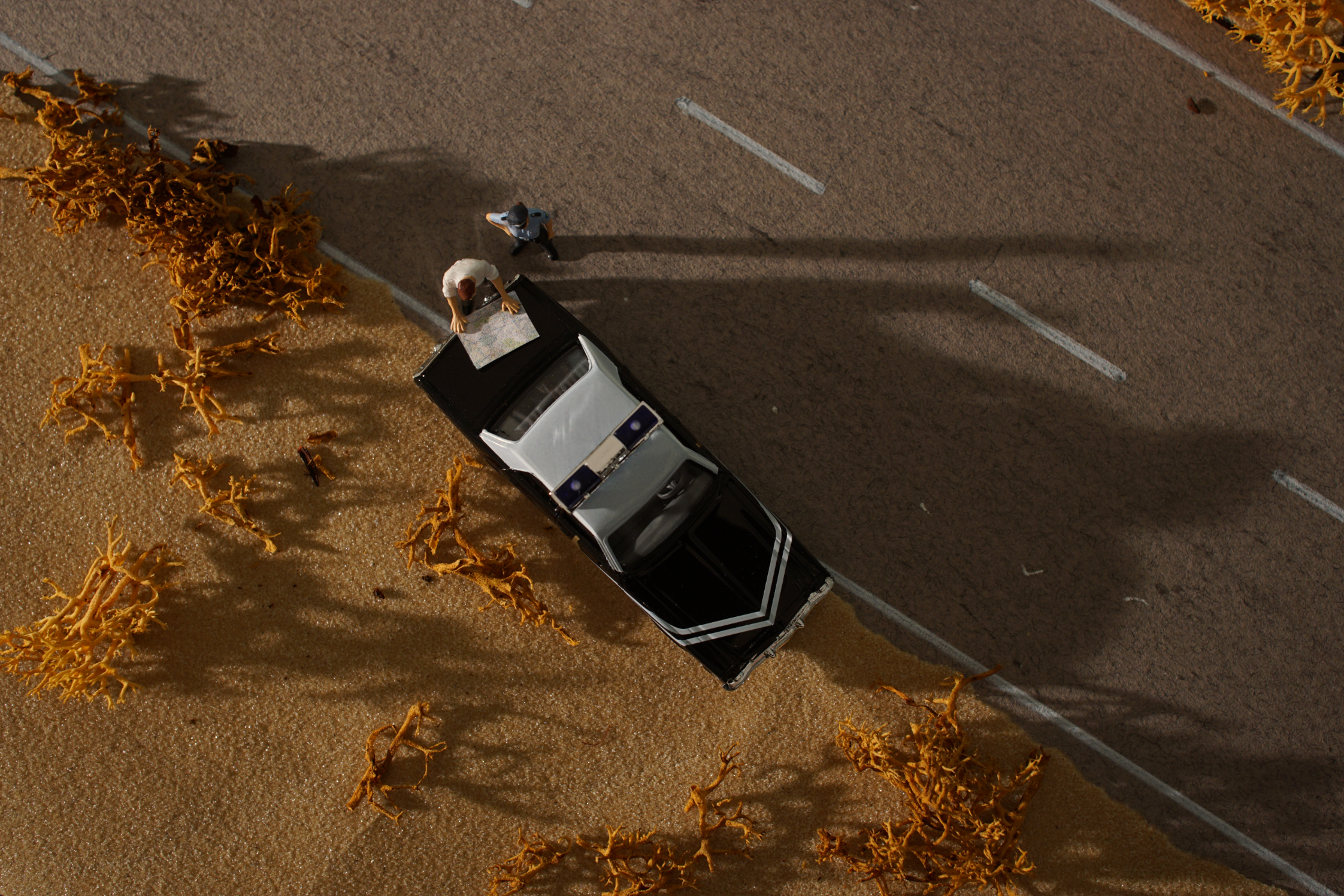
Area 23: Main Gate
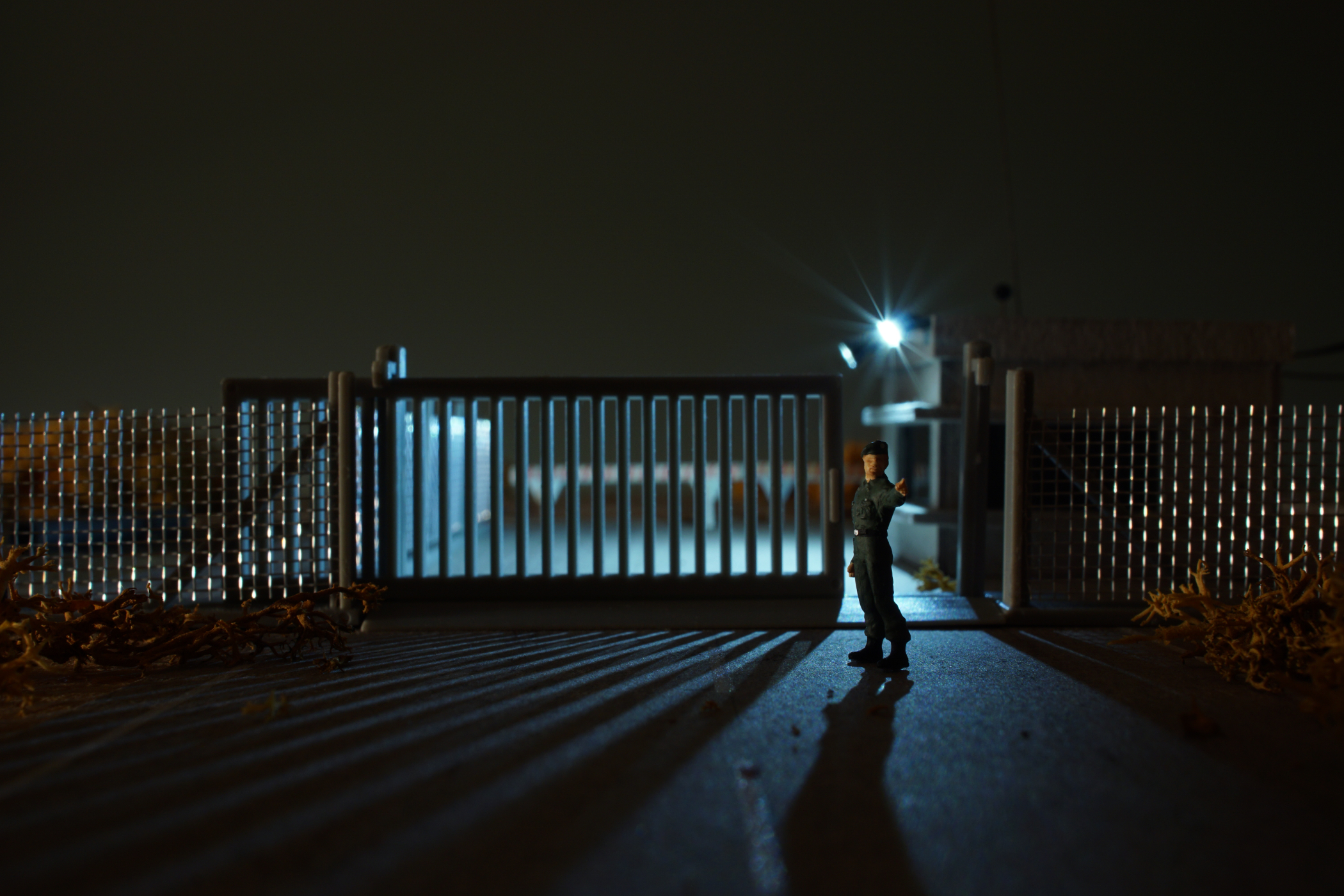
This backlit gate is part of a larger series, and it is also my entry for this week’s lens-artists challenge.
Lucky Dog
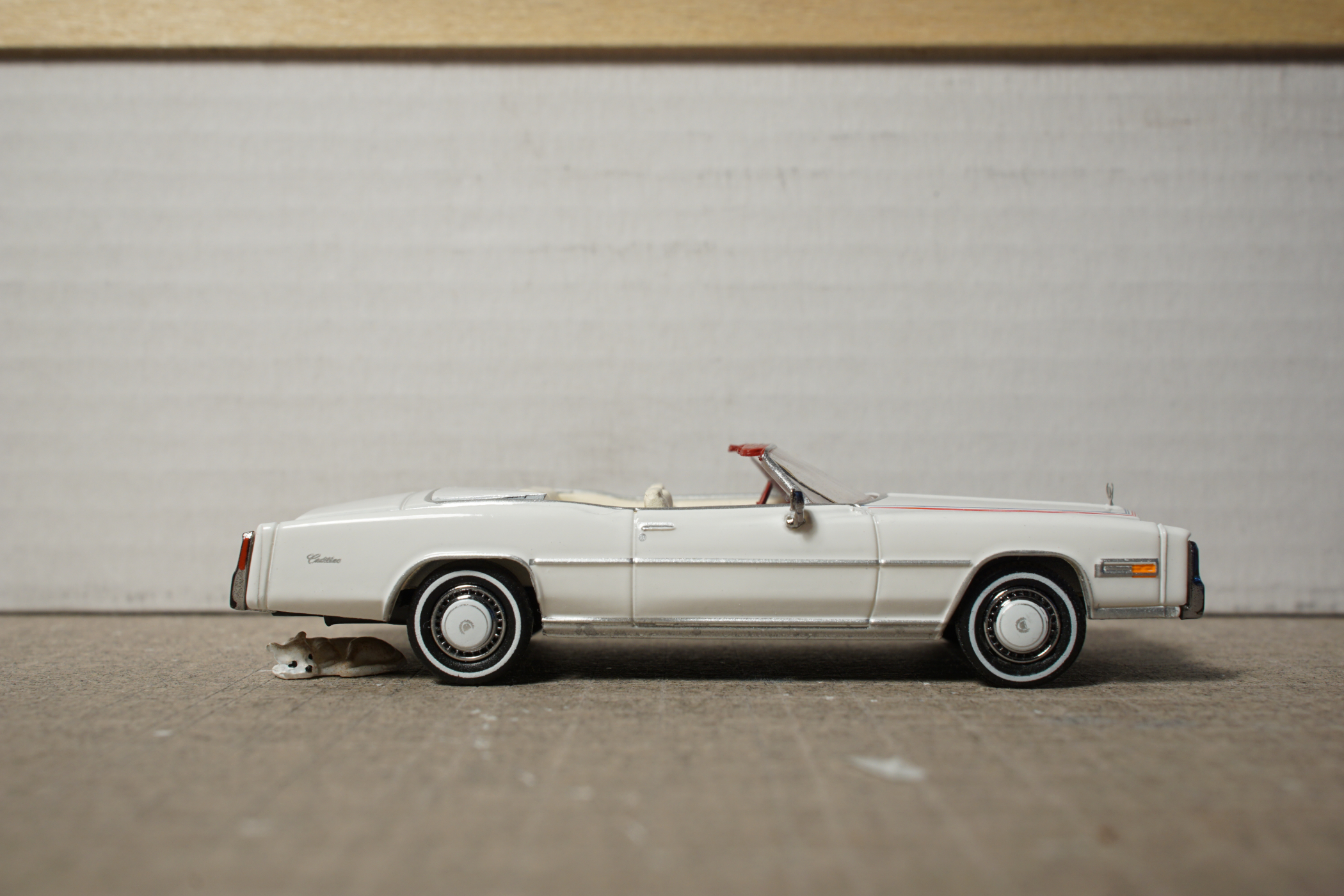
This Cadillac is no longer than 6.3 cm (or roughly 2 1/2 inches), and the white wall was cut from a cardboard box. I added a wooden roof and paper flagstones … and the miniature dog.
Continue reading “Lucky Dog”Near Area 23
 empire of lights