


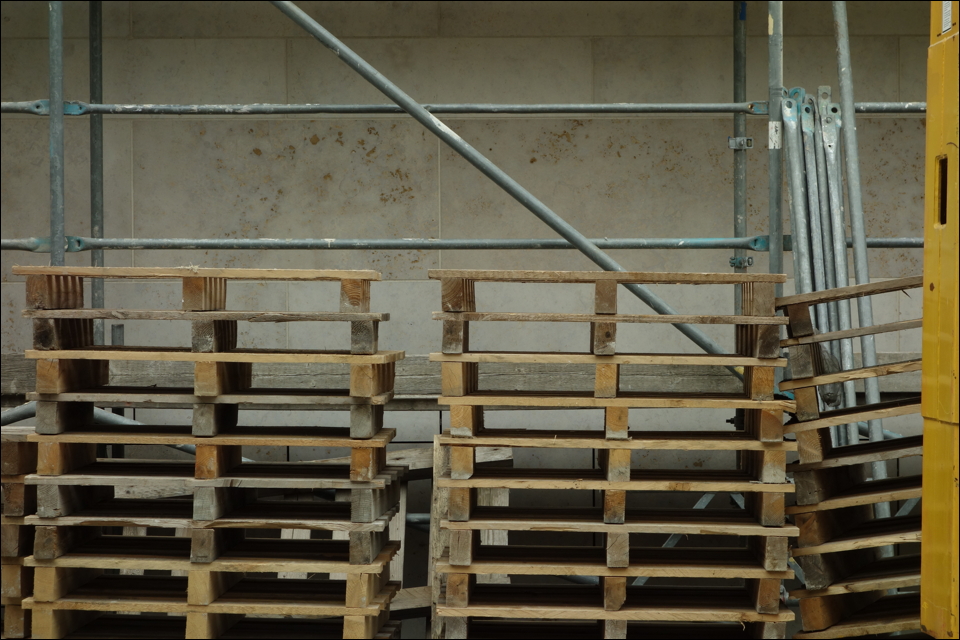
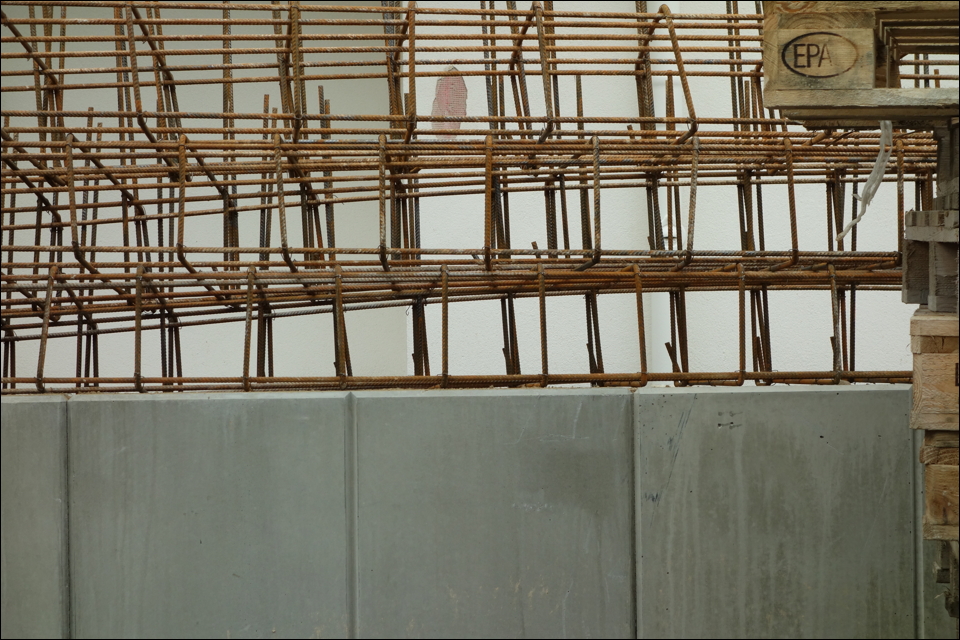
“Everybody is in Baulaune, in the mood for building,” said my wife. “Why don’t you photograph a couple of construction sites?”
tobias m. schiel
“Everybody is in Baulaune, in the mood for building,” said my wife. “Why don’t you photograph a couple of construction sites?”
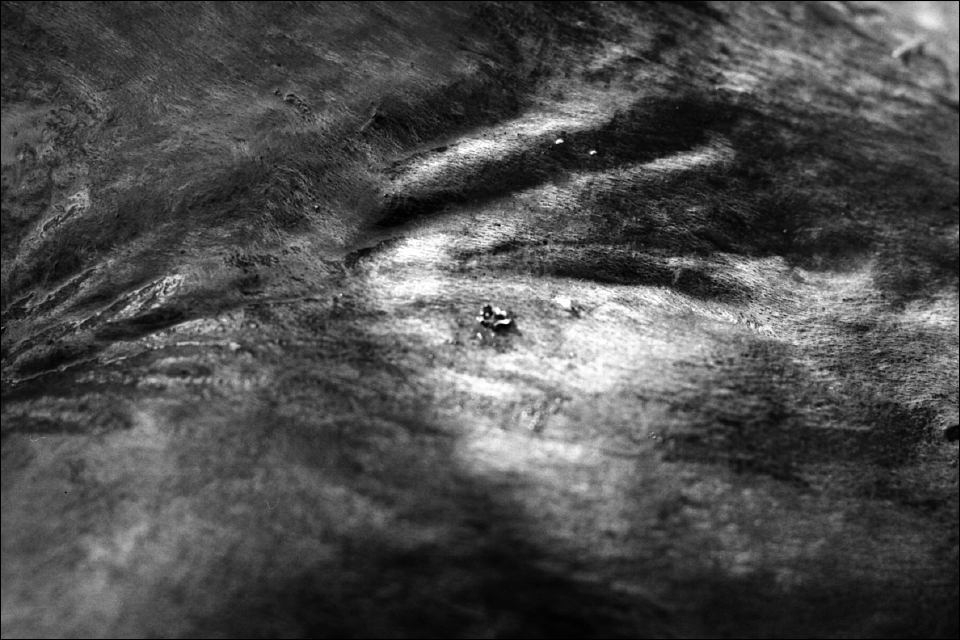


 Conversation instead of presentation: A couple of moths ago I thought I needed a home page. But I did not do much with it, and it did not do much for me – other than that the blog almost vanished in the background and I could not show more than one picture per post on the blog’s first page. All looked good to me, but as I realized I love the experiment, the dynamics and the exchange of opinions more than just presenting, I grew more and more dissatisfied. So: Dear readers, here is a new layout I hope you’ll enjoy.


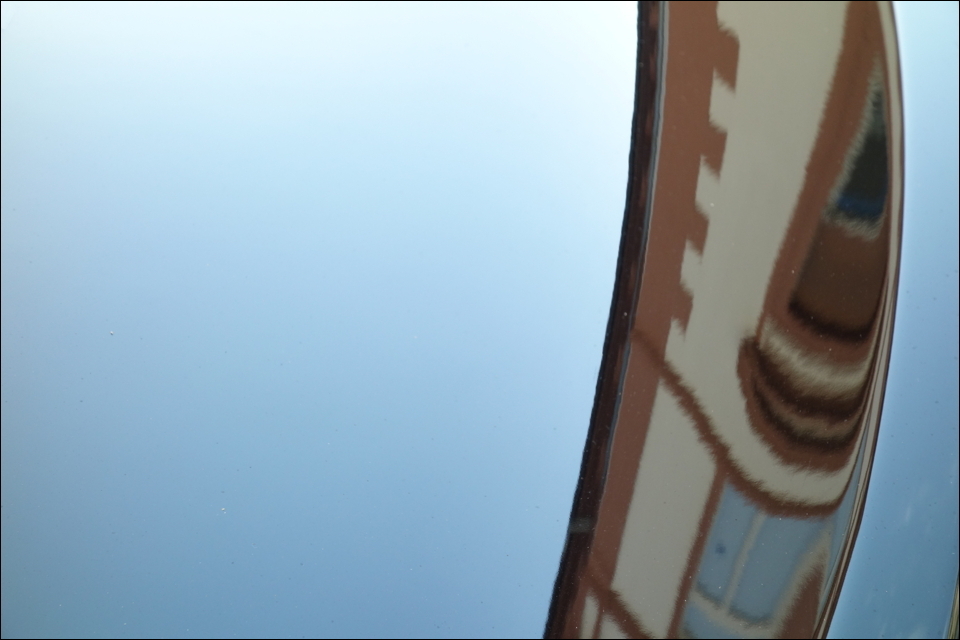
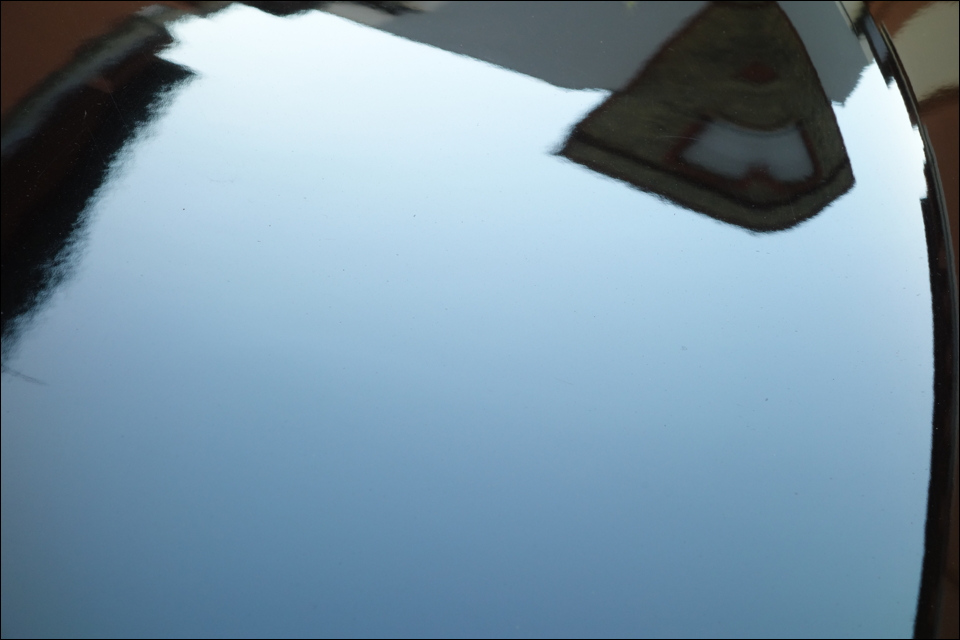
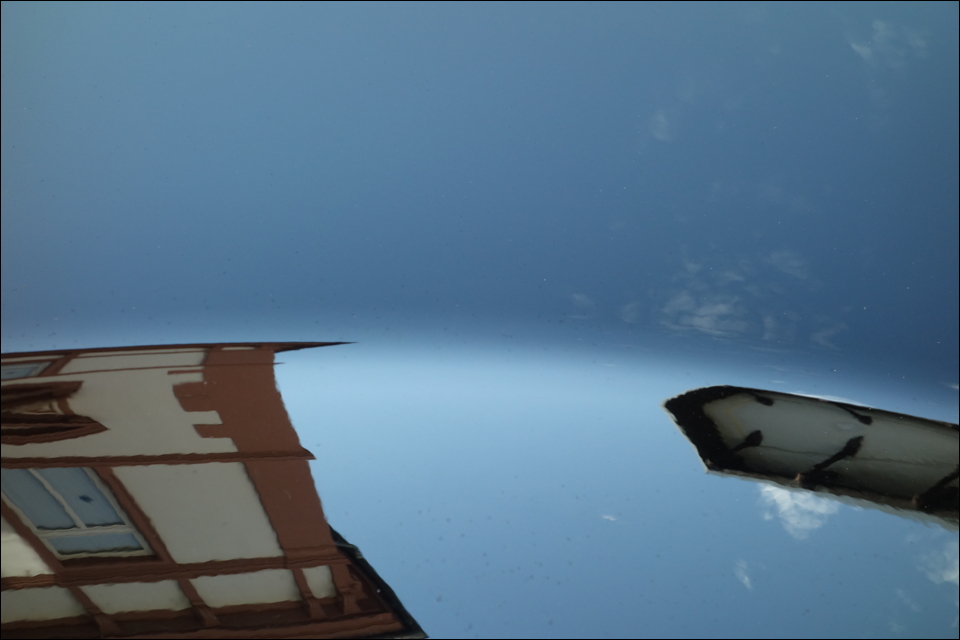 Digging into some literature on an altogether different topic, I stumbled upon this paragraph:
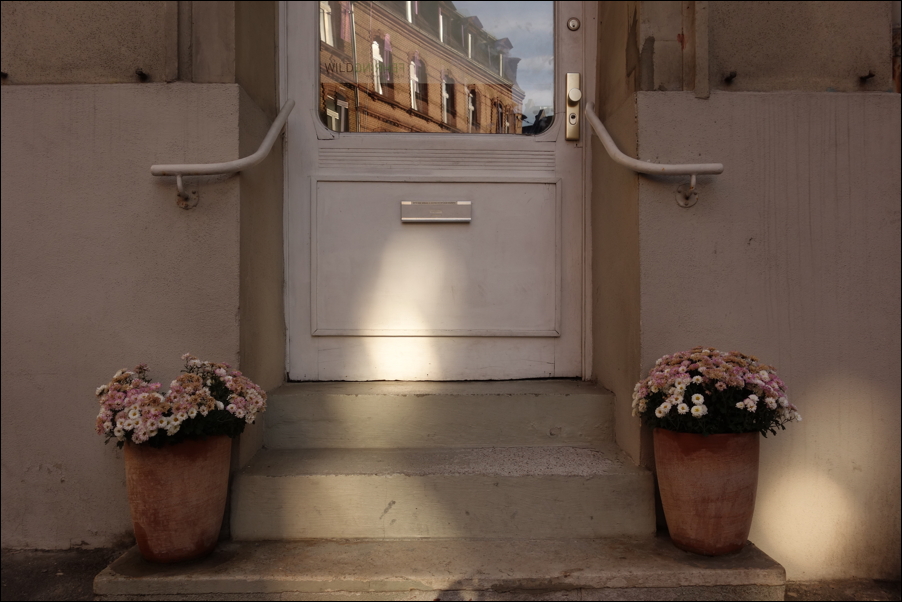
“I believe that between utopias and […] heterotopias, there might be a sort of mixed, joint experience, which would be the mirror. The mirror is, after all, a utopia, since it is a placeless place. In the mirror, I see myself there where I am not, in an unreal, virtual space that opens up behind the surface; I am over there, there where I am not, a sort of shadow that gives my own visibility to myself, that enables me to see myself there where I am absent: such is the utopia of the mirror. But it is also a heterotopia in so far as the mirror does exist in reality, where it exerts a sort of counteraction on the position that I occupy. From the standpoint of the mirror I discover my absence from the place where I am since I see myself over there. Starting from this gaze that is, as it were, directed toward me, from the ground of this virtual space that is on the other side of the glass, I come back toward myself; I begin again to direct my eyes toward myself and to reconstitute myself there where I am. The mirror functions as a heterotopia in this respect: it makes this place that I occupy at the moment when I look at myself in the glass at once absolutely real, connected with all the space that surrounds it, and absolutely unreal, since in order to be perceived it has to pass through this virtual point which is over there.” (Michel Foucault, Of Other Spaces. Heterotopias)
It made me wonder: Could photographs be related to mirrors? And could a photograph possibly be some kind of heterotopia? After all, photos seem to trigger a strange exchange between my position – here, in front of the picture – and the place they show which is, in most cases, not here, but inevitably there. I am here, looking at a ‘there’ which is very real as a picture and very absent as an object: “There is no there there,” I am tempted to say.

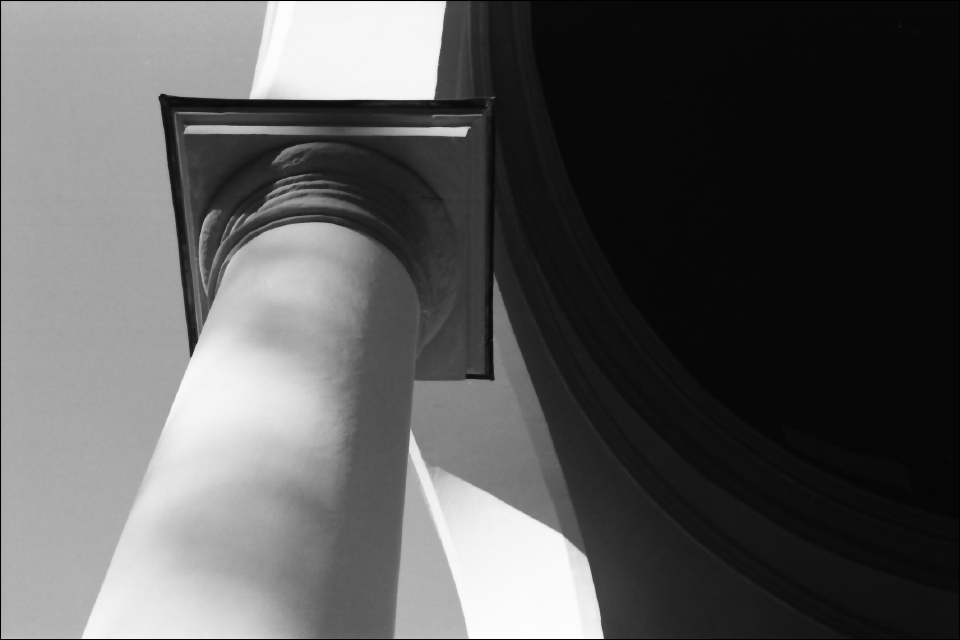
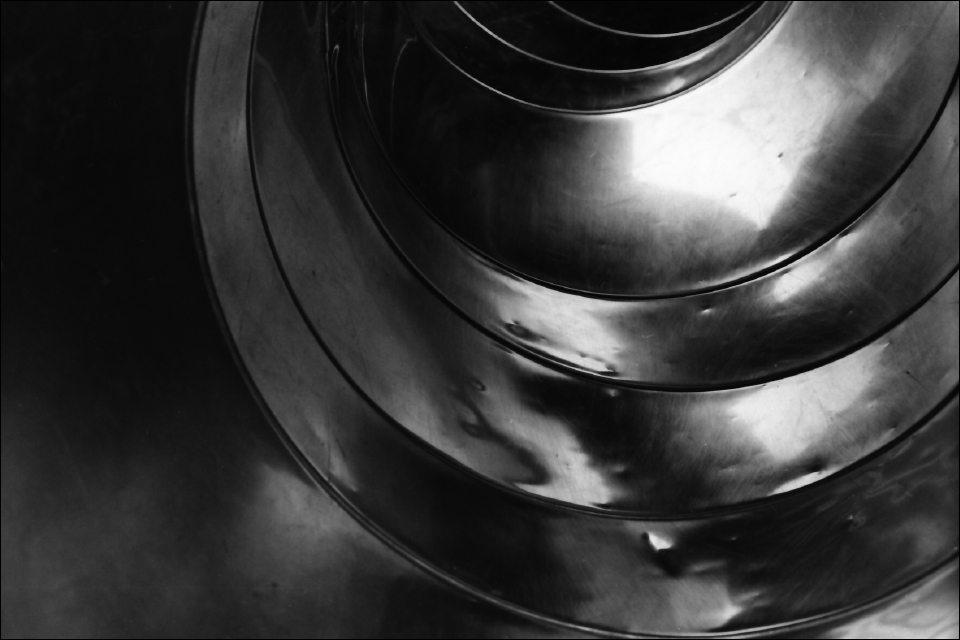
A contribution for the Weekly Photo Challenge: Masterpiece. This Monopteron, located on Wiesbaden’s Neroberg, was designed by P. Hoffmann in 1851 who used forms of early Florentine renaissance. So it appears to echo an echo of Greek Antiquity. But still: I like this building’s elegance and its sense of lightness (especially on a bright day), an I am intrigued by the way its circles and arches seem to form a vortex in this picture.


 Contributing to this week’s photo challenge.
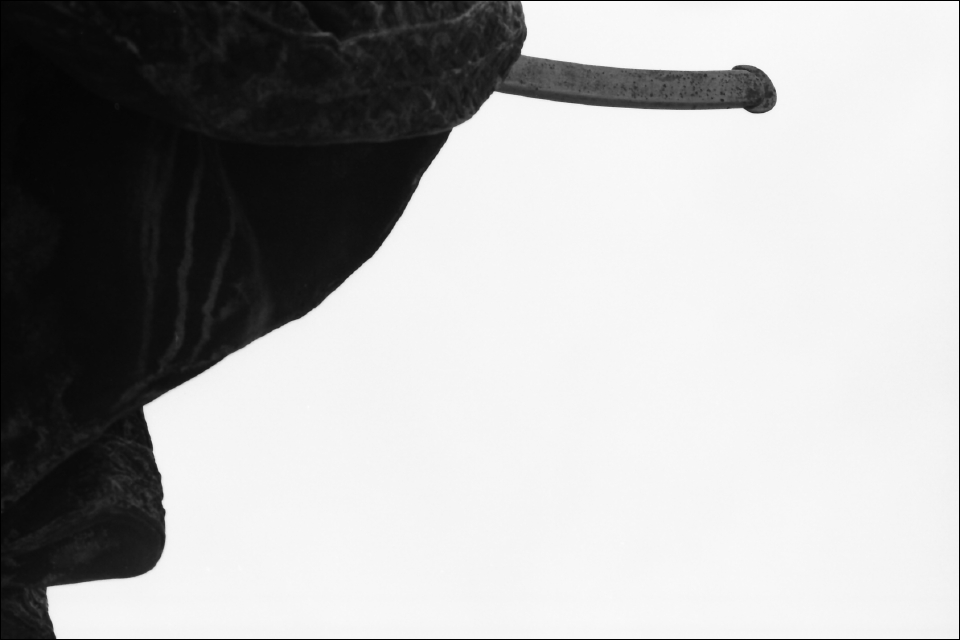
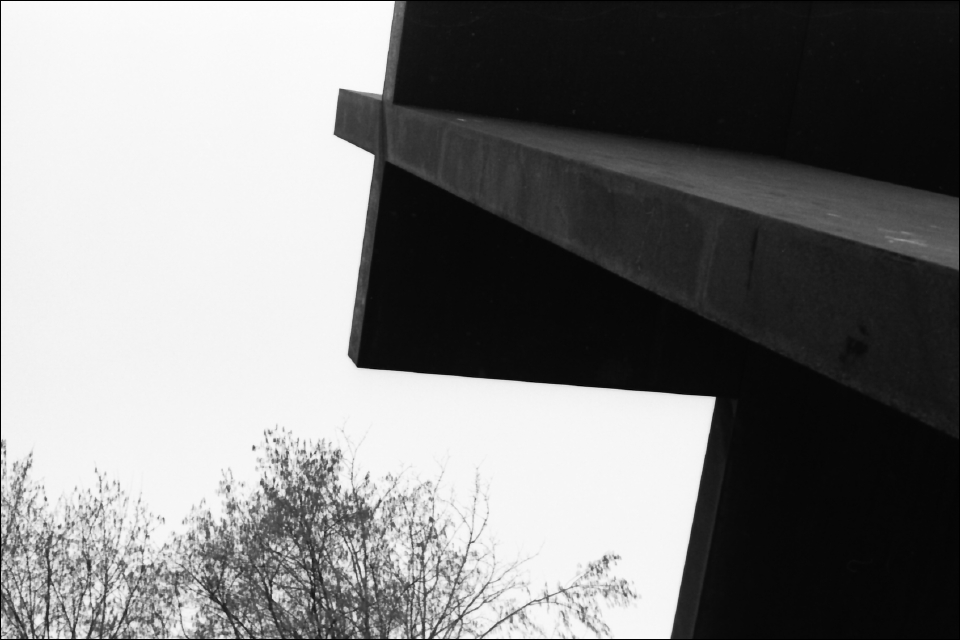



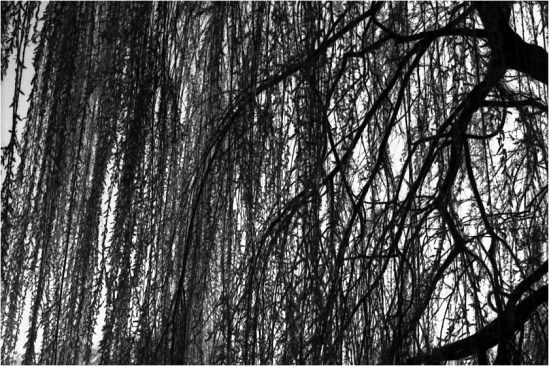

Photographs serve the illusion of realism, of showing the Eiffel Tower or the bombing of a Vietnamese village as it really was. Perspective strongly supports this illusion. It denotes three-dimensional space on the basis of construction rules that have been derived from optics. A camera basically follows the same optical laws we find at work in the Renaissance theory and practice of perspective. It is a machine for making central perspectives, very much like the devices contrived by Dürer and others to facilitate the drawing of perspectives.
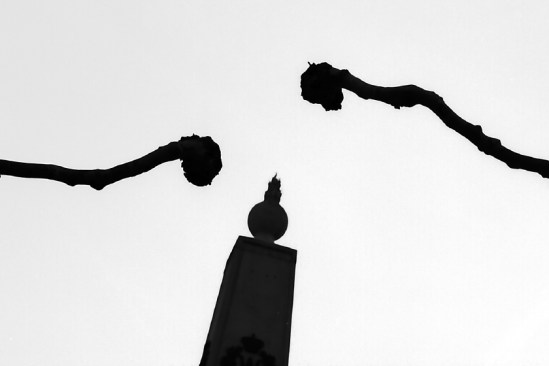
Perspective does not only denote space. It also positions the spectator: Central perspective works best if you stand right in front of the picture’s vantage point. You are thus made part of the geometrical arrangement; your (ideal) position, your eye is inscribed into the picture. For the image to captivate you and work its illusion, you have to cooperate, positioning yourself accordingly. Illusion comes at the price of a loss of freedom for the spectator.
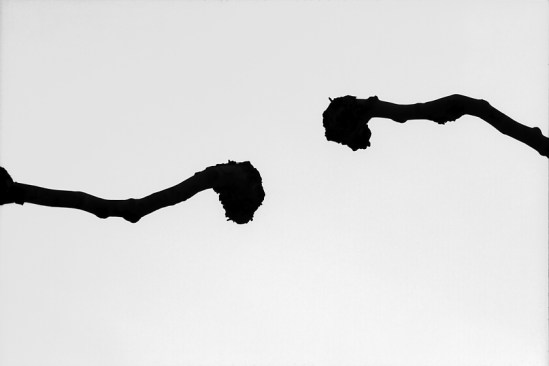
Would absence of perspective, emphasizing the picture‘s flatness, then mean that spectators regain a certain amount of freedom, being allowed to stand wherever they like, without missing anything?
If this were the case, speaking of Informel paintings as ‘democratic’ may not only cover the picture elements (which are all equal) but also the ‘positioning’ of spectators. Confronted with a painting by, say, K. H. Sonderborg, spectators can position themselves freely, they can pick any spot in front of the picture they like. There is a certain openness to this, some kind of laissez-faire a Renaissance painting following the rules of central perspective might lack.
.
Sources
Hans Belting, Florenz und Bagdad. Eine westöstliche Geschichte des Blicks. München: Beck, 2008.
Willi Kemp, “Das deutsche Informel”, Le grand geste! Informel und Abstrakter Expressionismus 1946 – 1964. Hg. v. museum kunst palast. Köln: DuMont, 2010.
 empire of lights