

 “It’s just a jump to the left”: A small step actually made all the difference between the two pictures here. I believe this proves that ‘taking a picture’ can indeed be a complex operation, starting with the question what you want it to show.
Author: Tobias M. Schiel
Abstract arts lover, Jazz enthusiast, mystery buff, compulsive reader - and how do I get it all into pictures? Photography has been a good way over the last couple of years.1. .
2/3. Imagine


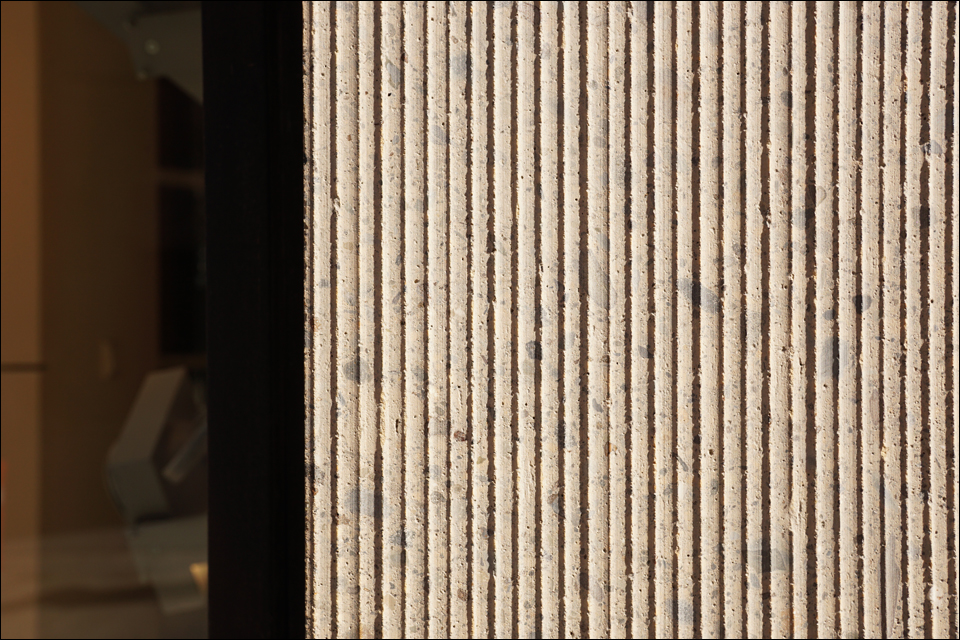
What if every picture of the 2/3 series were a word? Each one acquires part of its meaning through a certain use in a certain context, any single picture relating to the sequence the way a word relates to a sentence, sentences after sentences – sequence after sequences – woven into a narrative. And then there are the simple words and the complex ones, some of them able to stand alone while others do not mean much outside the structure of the sentence. This might be the field I am currently playing on.
(I arrived at this short description because it seemed clear from the beginning that I might post the same picture more than once, depending on the use I might have for it in different contexts. That’s how I arrived at language: I also use some words more than once, and while they always almost mean the same, the sentences they are part of mean very different things.
You’ve seen two of the above pictures already, but I needed the car for obvious reasons. But was it necessary to re-post the last picture as well? Deleting it from this sequence felt like something went missing, so: yes, had to re-post it!)
The Changing Seasons: Downtown in April
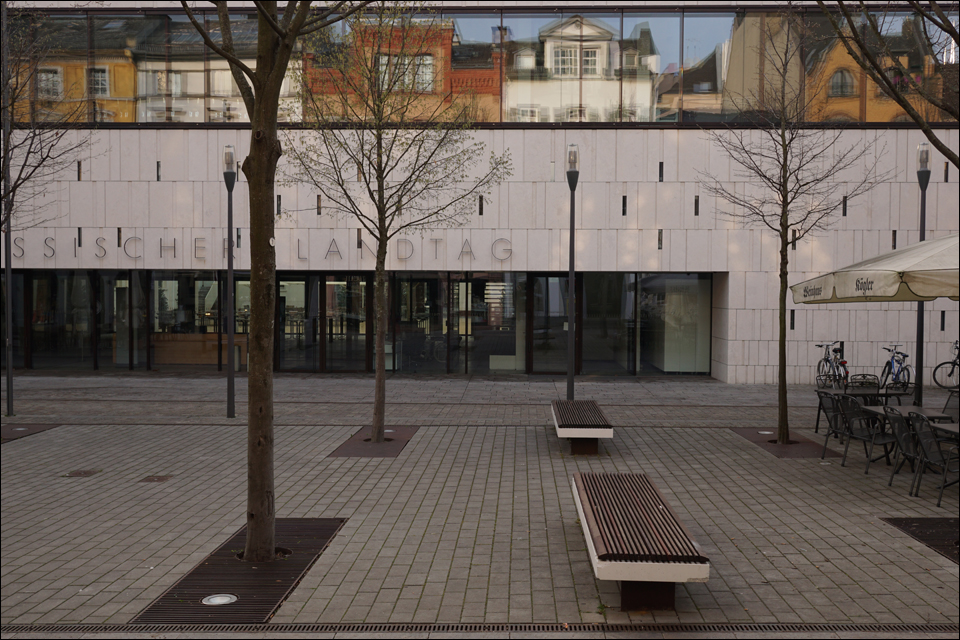
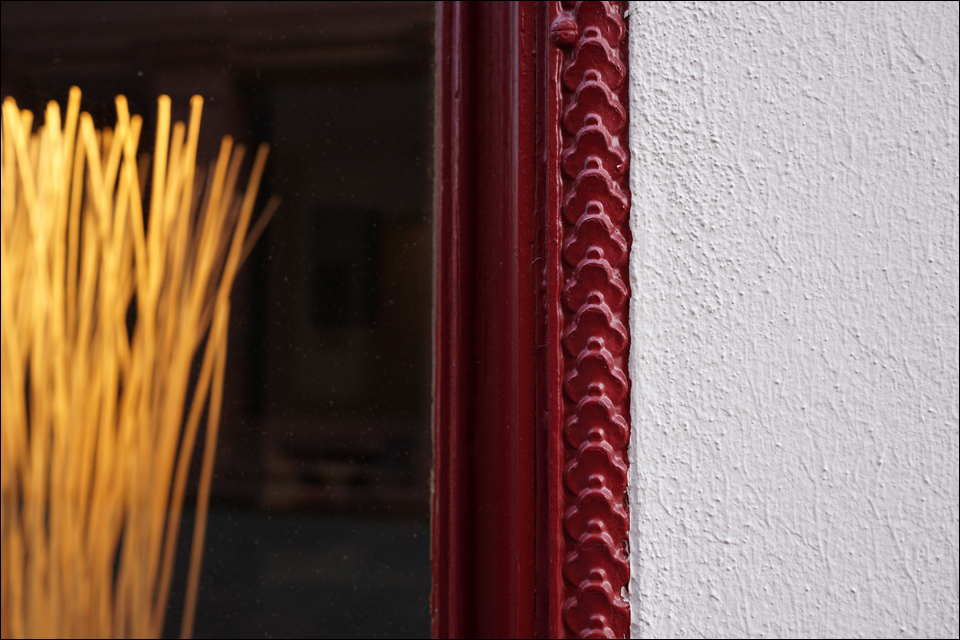
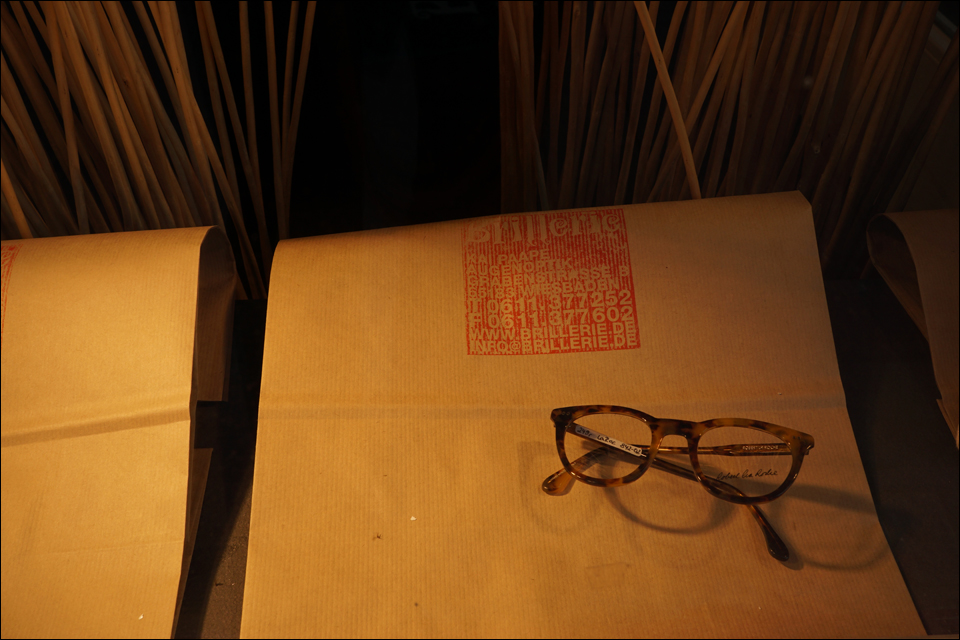
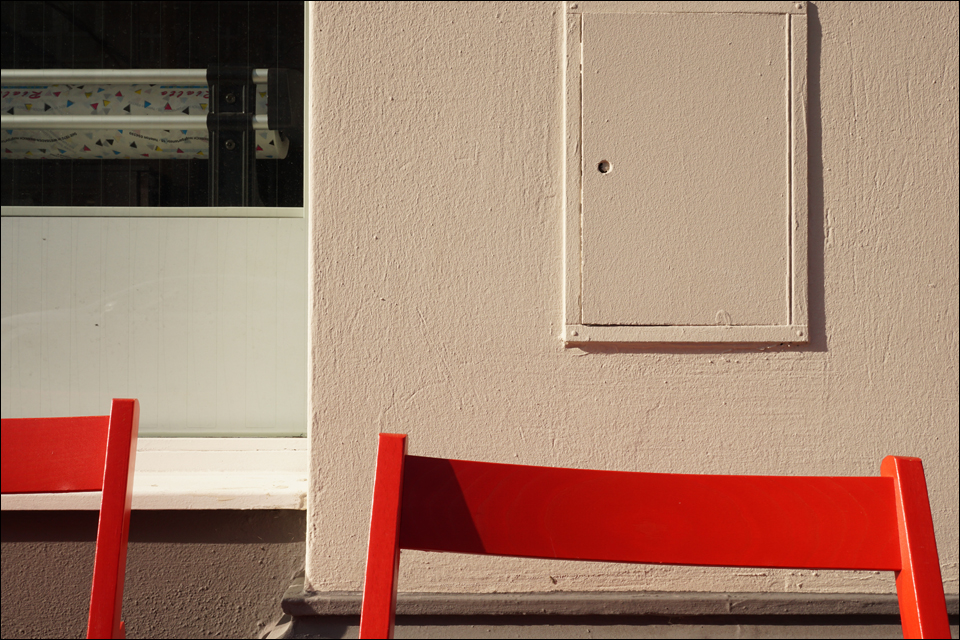
These pictures were taken in the mornings of April 8th till 10th – on my way to work again – except for the last one which shows the chair in front of an ice cream parlor in the late afternoon sun. I supposed that in comparison to the last Changing Seasons post the light would not have changed much since we went back do daylight saving time in the end of March. The weather was much nicer though, and with it, the light possibly a little warmer.
This is a contribution for Cardinal Guzman’s ongoing Changing Seasons project, which you should check out if you have the time. It will take you all around the world.
2/3. Faces of Hamburg
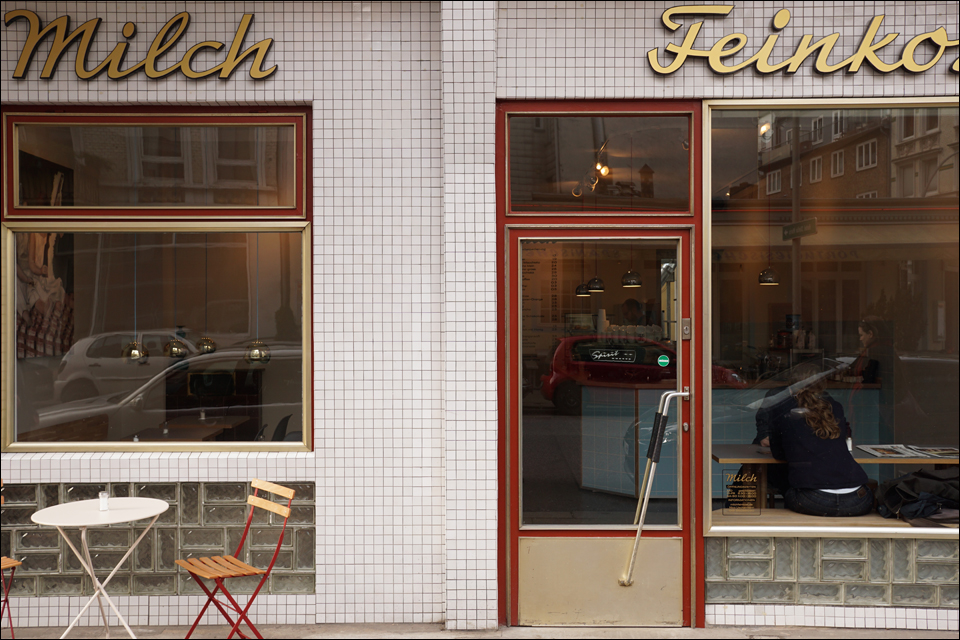
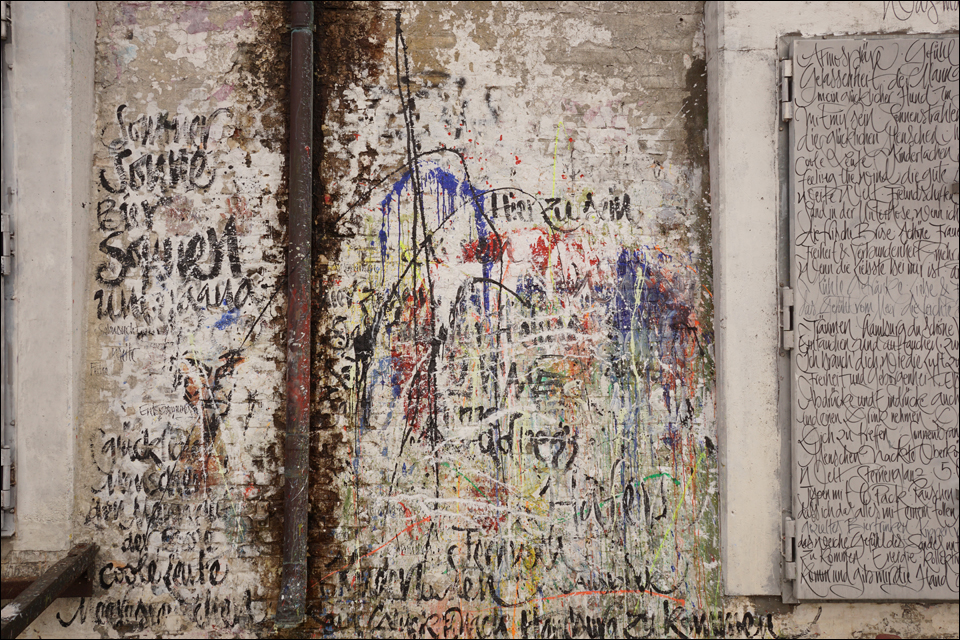
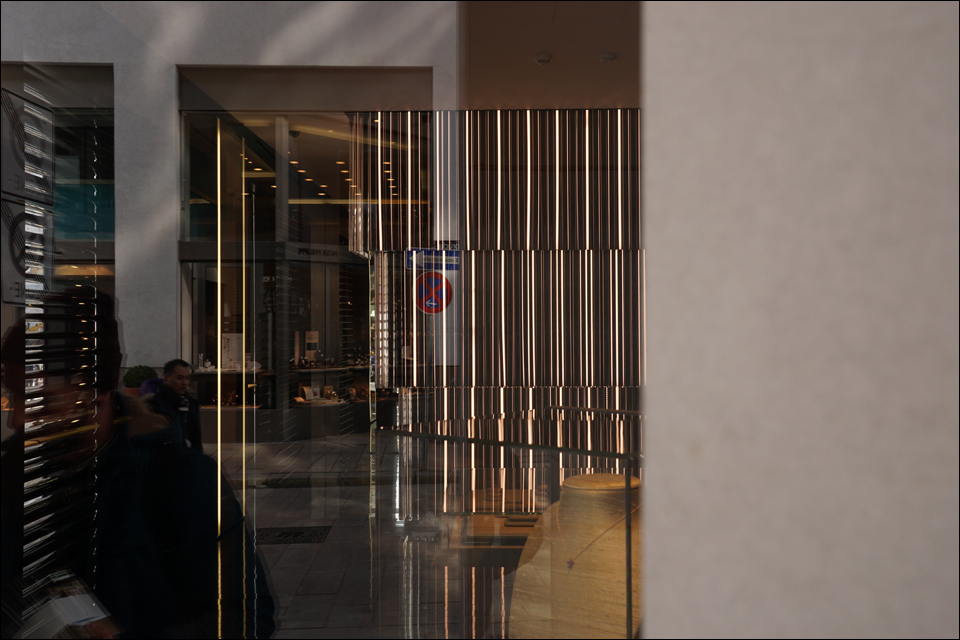
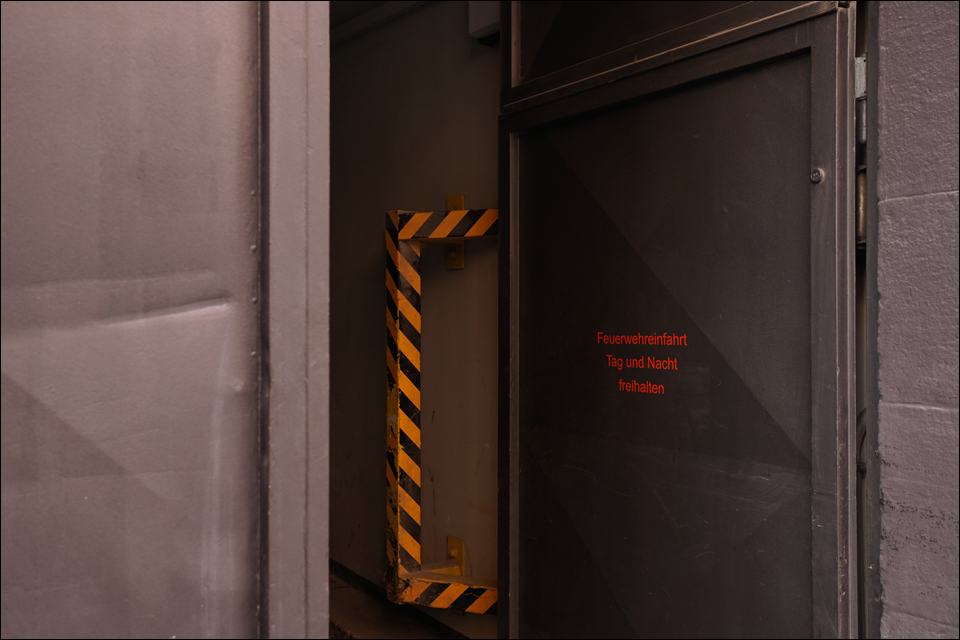
Though these pictures were made in the course of two different walks, I saved them for Jo’s Monday Walk – they just seem adequate because they were literally made en passant. And they show different faces of the same city: nostalgic, rough, sumptuous, utilitarian. The latter two are less than 200 meters apart, by the way, while the first two are not far from the Elbe river.
Afloat. Adrift. Ashore.


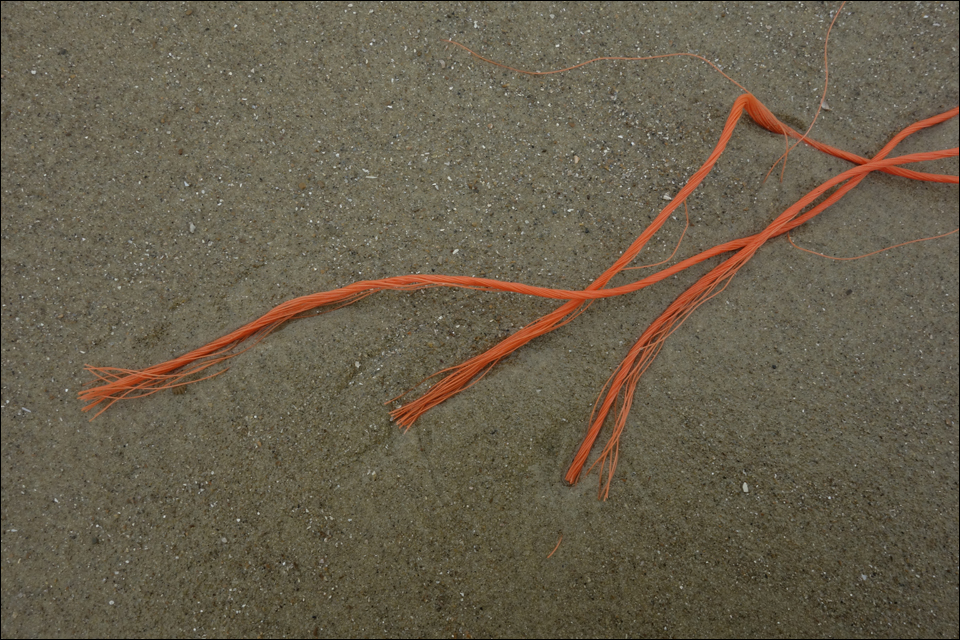 Ever the optimist, I guess: When I read this week’s photo challenge, I immediately had to think of the waste afloat on our oceans. Well, here is my contribution: What goes around, comes around. Literally.
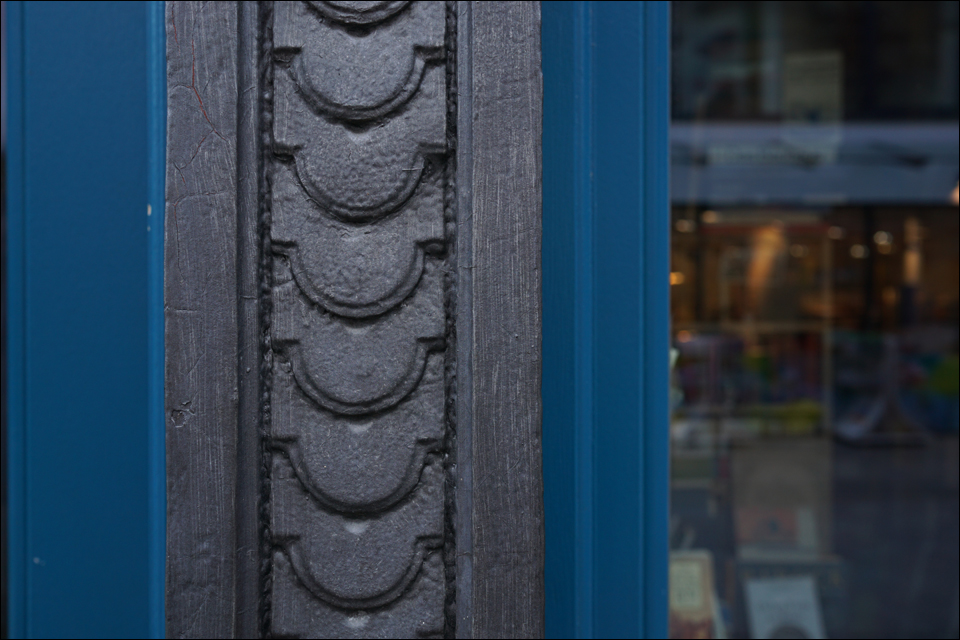
2/3. Door Details

Festung Ehrenbreitstein
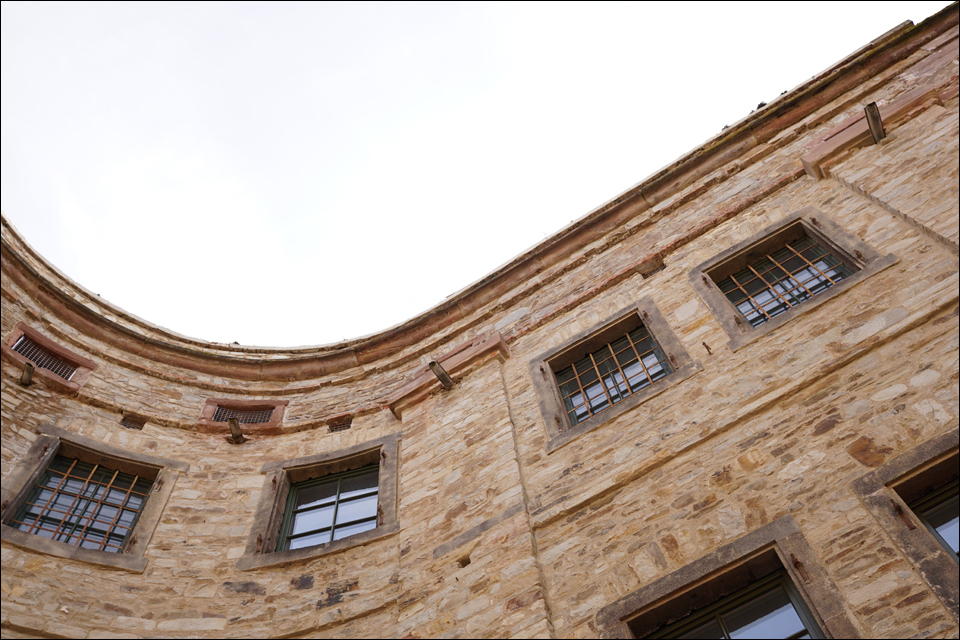
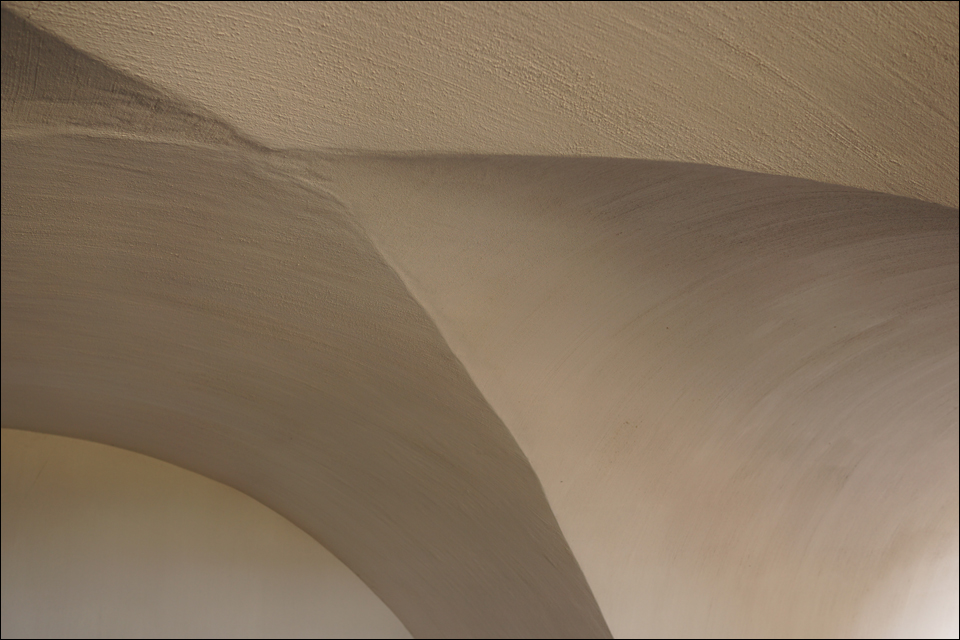
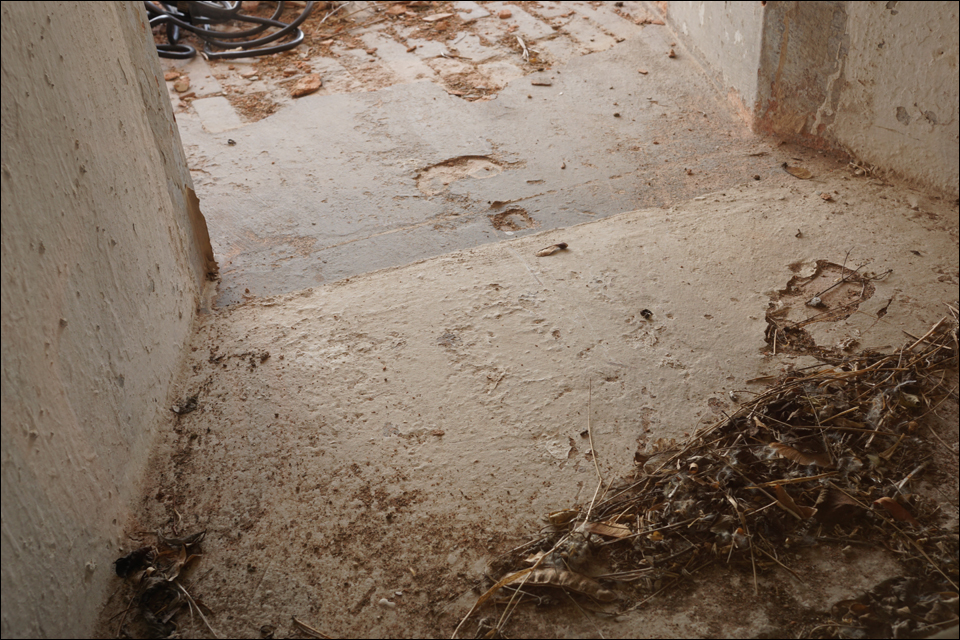
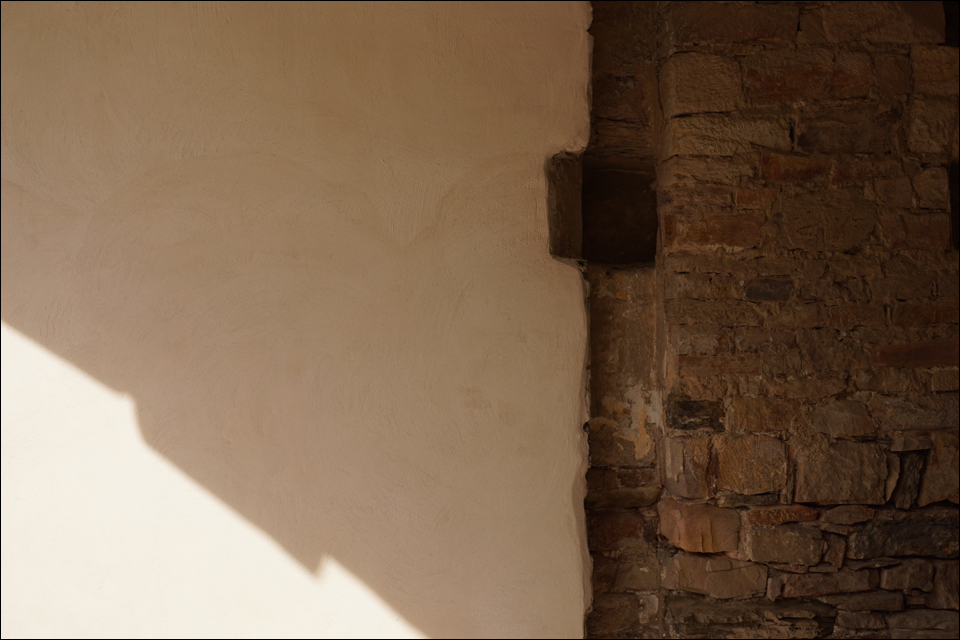
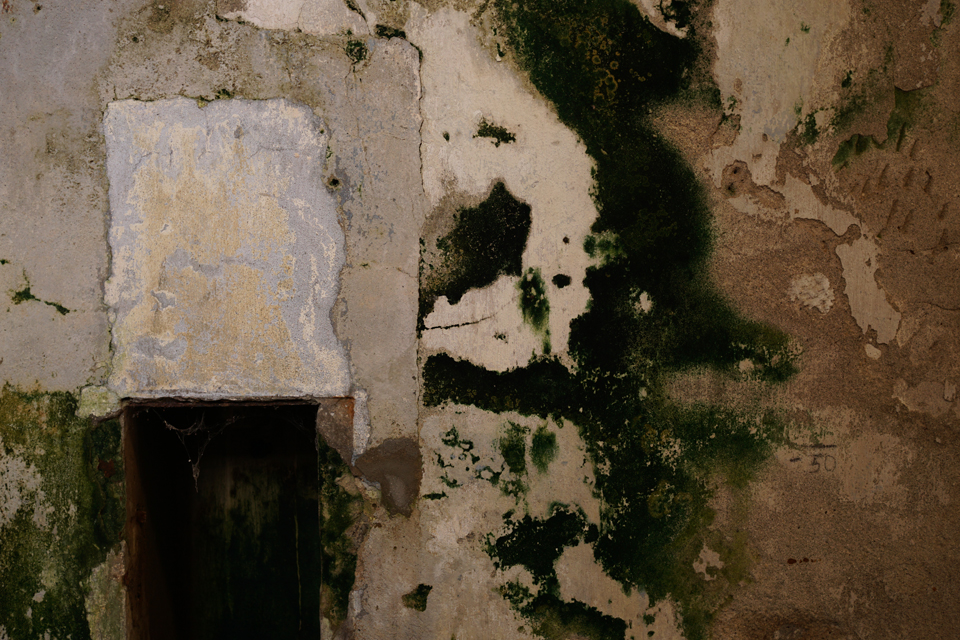
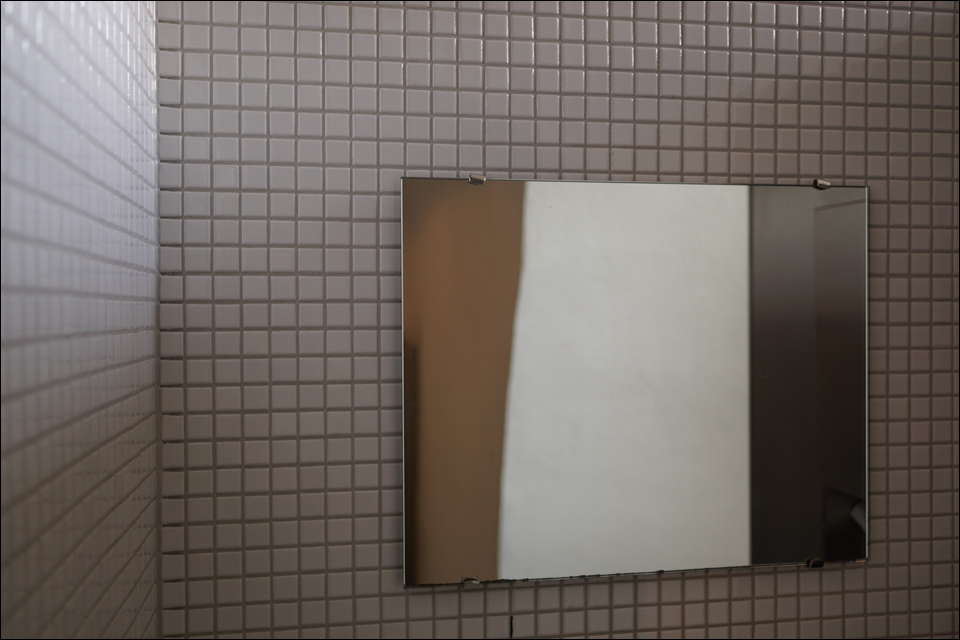
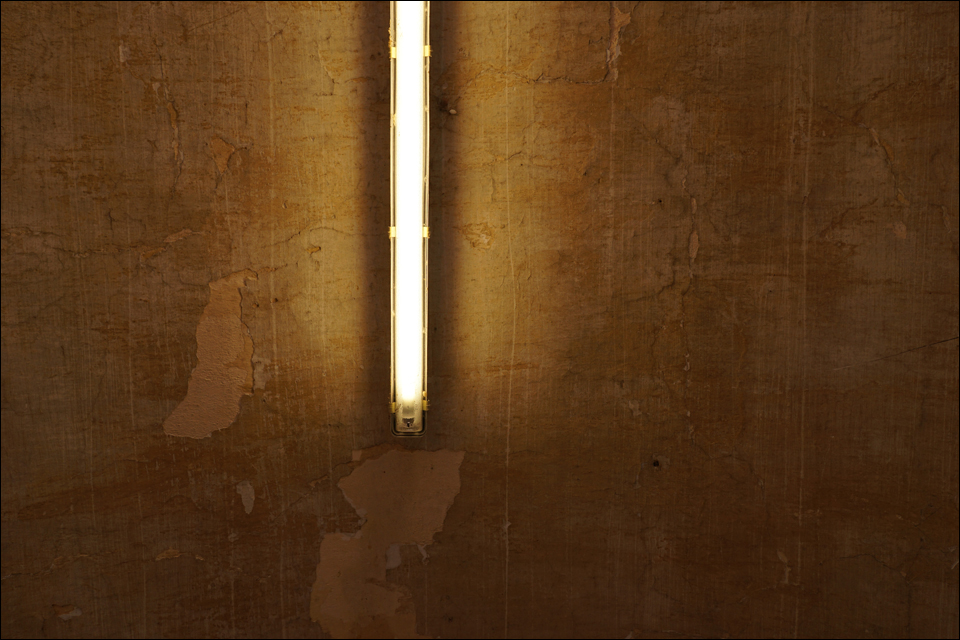
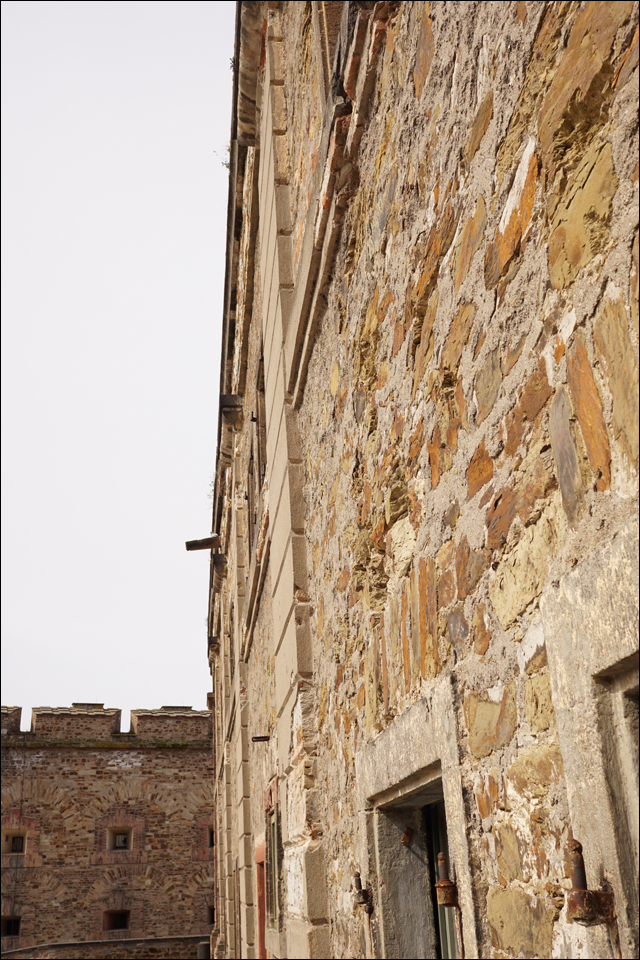
The river Rhine: Wine, castles, romanticism. And aren’t those castles intriguing? Well they are as long as they are medieval… On the Ehrenbreitstein rock, just above the city of Koblenz and Deutsches Eck, where the Moselle meets the Rhine, somebody called Ehrenbrecht or Ehrenbert built a castle near the end of the 10th century. For strategic reasons they kept adding to it, fortifying it until the 19th century, when the buildings were given today’s classicist look. Thus we are now facing a Prussian fortress quite lacking in romanticism despite its location.
The battlements were really not that exciting when I visited with Grandfather as a child, nothing much there but a youth hostel, it seemed.
In 2011 the premises opened for Bundesgartenschau though (a garden exhibition that moves from town to town and gives our cities an incentive to become greener), and it now sports a couple of gardens and museums well worth a visit. However, in some places you can still breathe its drab history as a military installment.
A visit can take a couple of hours – and we still missed on of the outer forts and an art installation – so I consider this a walk: not a Monday Walk but this year’s Good Friday walk.
2/3. Blur

A different approach to the the “2/3” theme that currently keeps me occupied: A bit of blur, in line with this week’s photo challenge. (Later I will explain what the series is all about: That post is already in line to go online.)
A Walk in Berlin
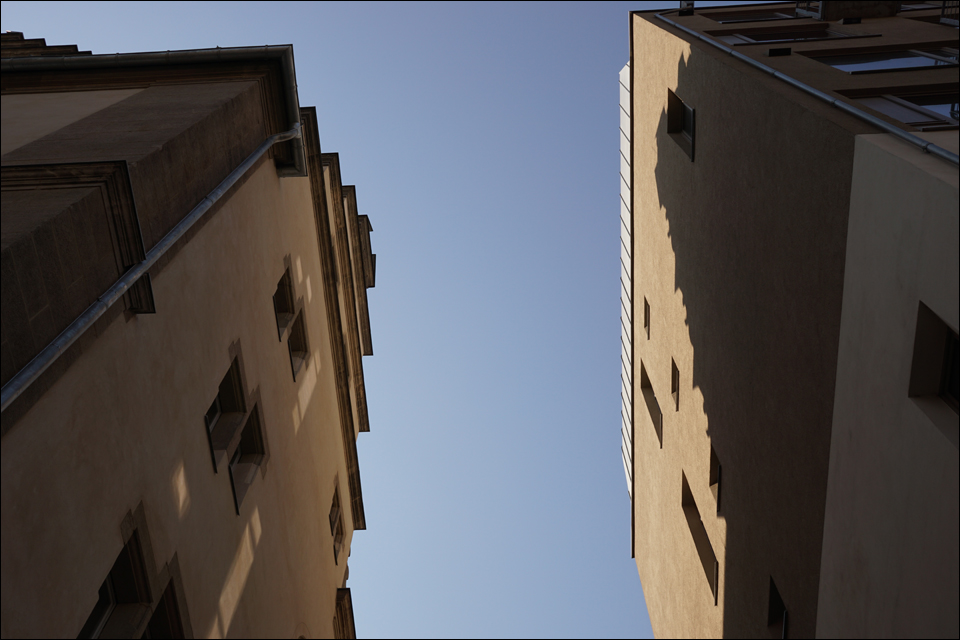
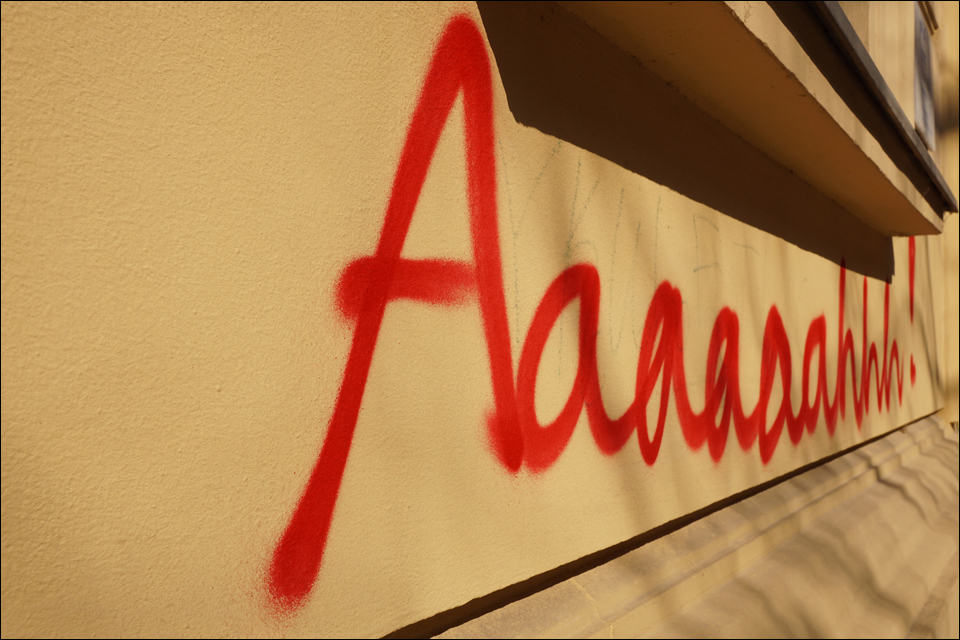


Walking is such a good idea for photographers that I am always happy to participate in Jo’s Monday Walks: This sequence was made during a stroll in Berlin’s Prenzlauer Berg neighborhood which is about to become very posh. A partial eclipse of the sun accounted for very strange light for a while but I did not include the photos made during the eclipse though because they somewhat ruined the atmosphere of this selection.
2/3. Ephemeral


Ephemeral – a response to this week’s photo challenge, continuing my collection of … what? Simple compositions? Windows and walls? Colours?
Project 03 | Understanding Art. KIT – TAU (2)


As I moved around the art, the art moved me..
Kunst im Tunnel (KIT) is one of Düsseldorf’s most original museum spaces. It is literally part of a tunnel, a little odd-shaped piece of concrete left over above the actual tube and beyond a beautiful riverside walk along the Rhine river. It is very low at one end and very narrow at the other, and between the two ends, it is shaped like banana, or rather a banana box. The place is worth a visit in itself.
Tau, on he other hand, is the German word for both dew and a rope. It was chosen as a title for the collective exhibition of a class of Düsseldorf’s academy of the fine arts. The leaflet explains that no single work is ascribed to a single artist, thus drawing a parallel to both dew and a rope which are both constituted by smaller elements (the droplets, the single threads).
As a way of exhibiting art, this seems to be halfway between the art school exhibition I showed before and the museum I plan to take you to in some upcoming posts.
Let me just add that being there with a permit to photograph, I felt like a kid in a candy store.
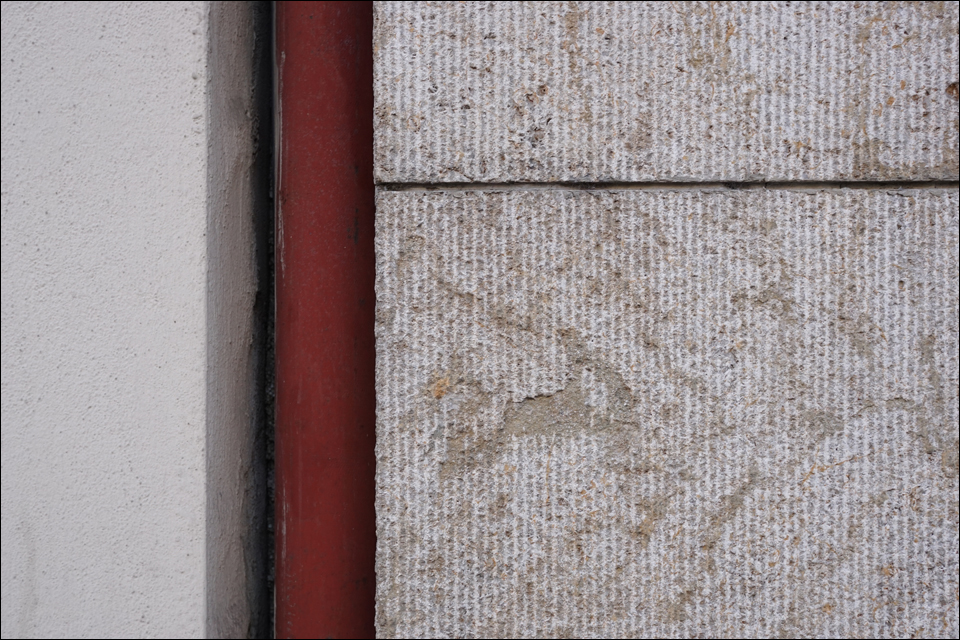
2/3. Joined Walls With Down Spouts


The Changing Seasons: Marching Into March
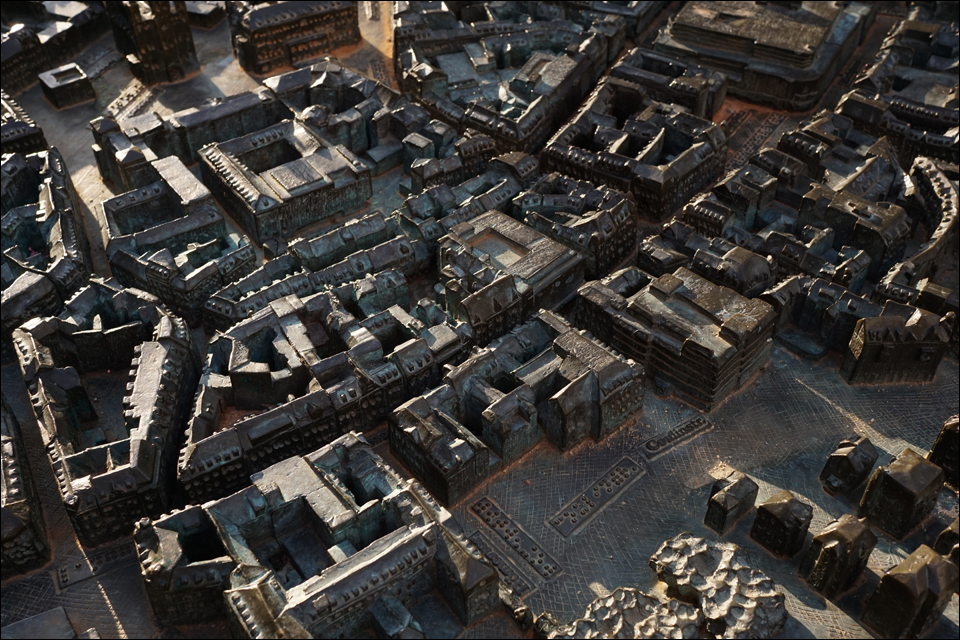
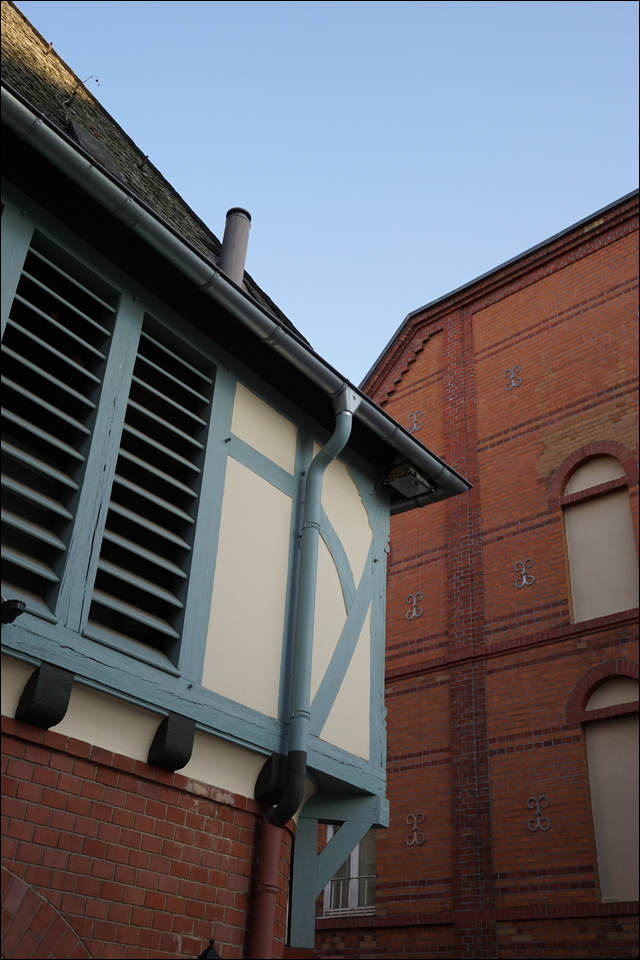
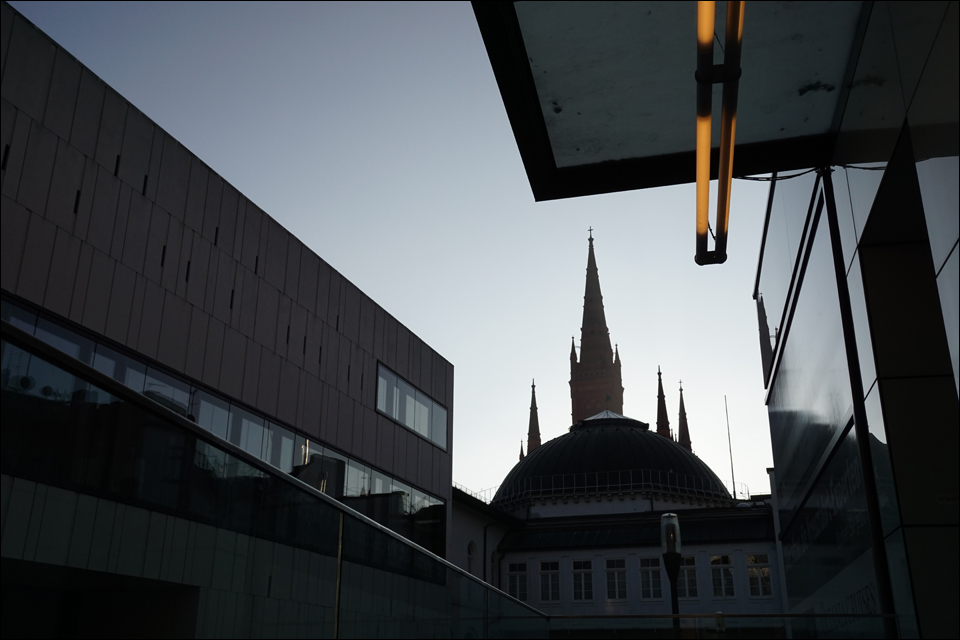
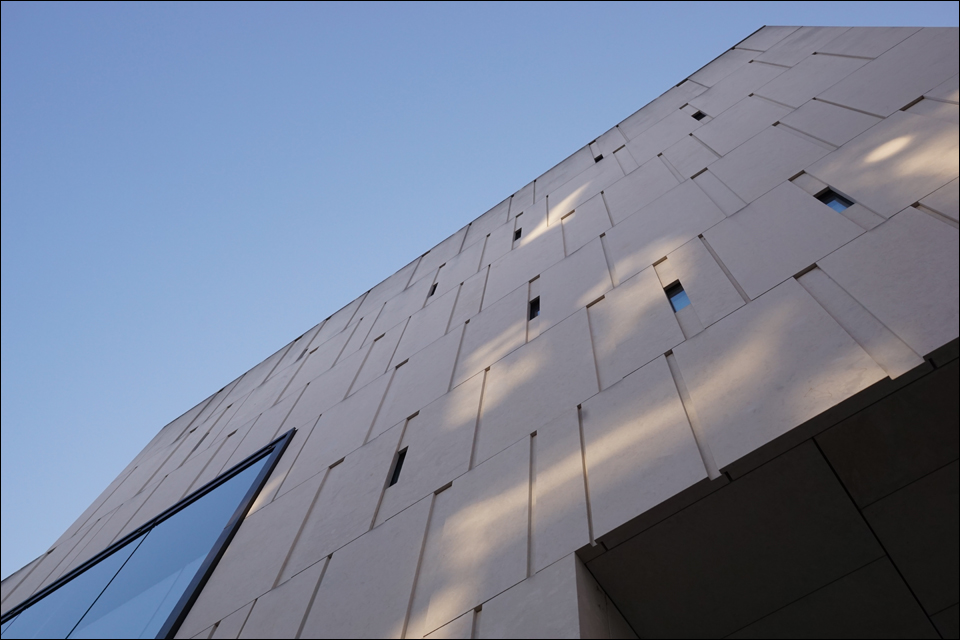
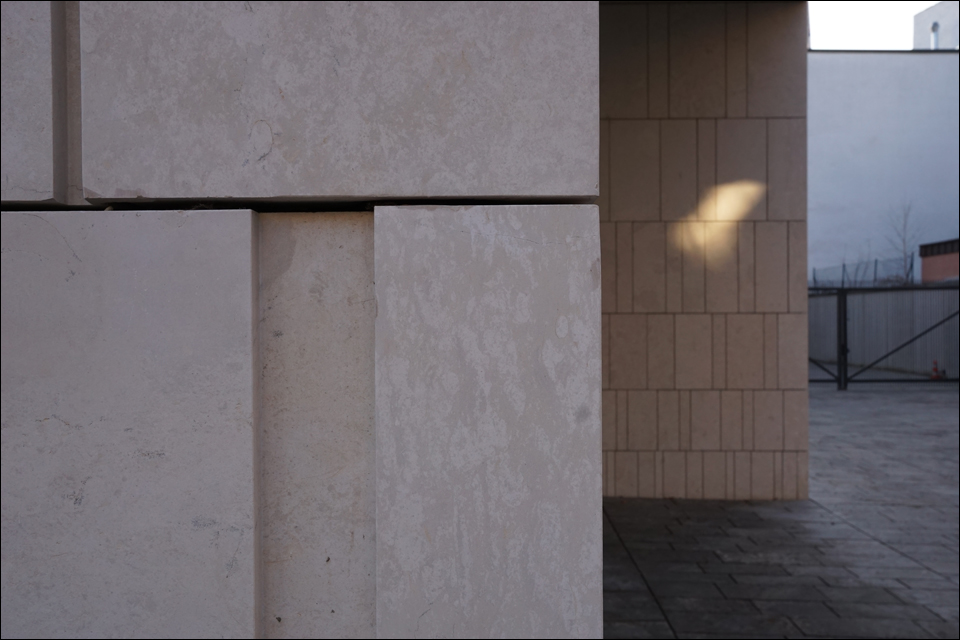
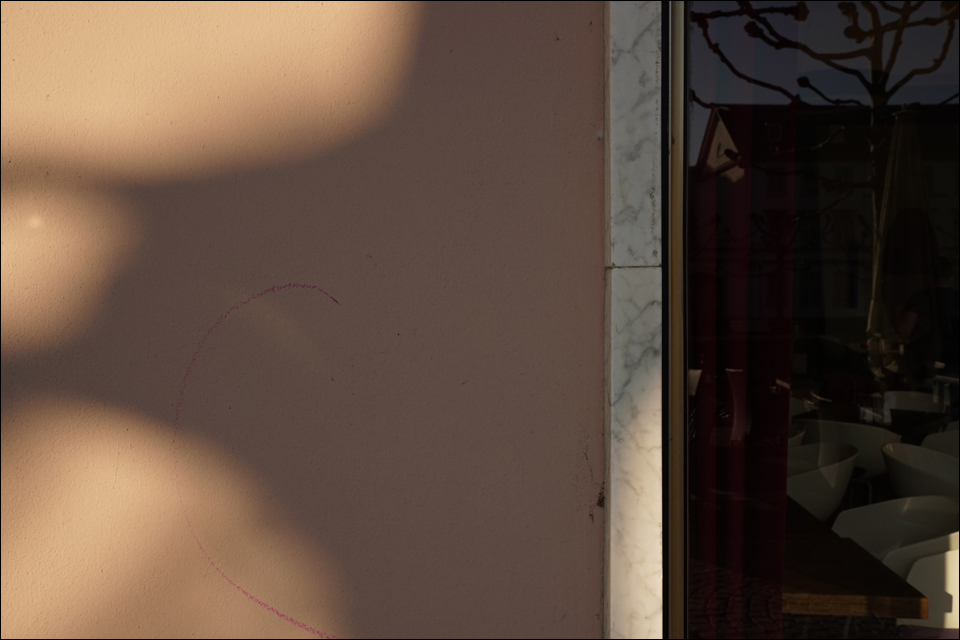
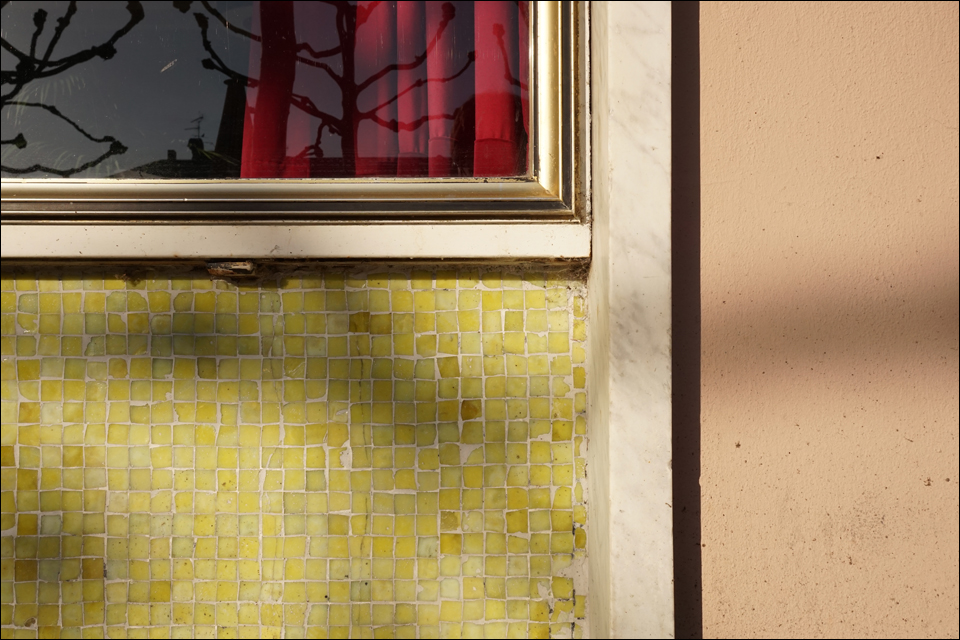
It is so sunny and nice outside that I just could not resist this title. Sorry for that.
So here’s my contribution to Cardinal Guzman’s monthly photo challenge. The pictures were made on March 9, 11 and 12 between 08.15 and 08.45 a.m. Same as in January and February, they show things I find on my way to work, mainly around the parliament of the federal state of Hesse in the heart of the city: My way to work en miniature, some older buildings around the state parliament building, the state parliament itself and two close-ups of a café that used to be a hair salon and still maintains that flavour of the seventies.
“Let Go of the Urge to Make Sense of What Is Seen”


Catching up on Paula’s photo challenge I could not resist this one – which is where I found the great quote I am now using as a title. I hope that these pictures really help you letting go of this urge so that you can “focus […] on the act of seeing rather than the intellectual processes of naming and analysing what is being seen.”
As I am uploading pictures from a new series called 2/3 (for no apparent reason), up pops another challenge: Wall. Well.
Project 03 | Understanding Art. Kunsthochschule (2)


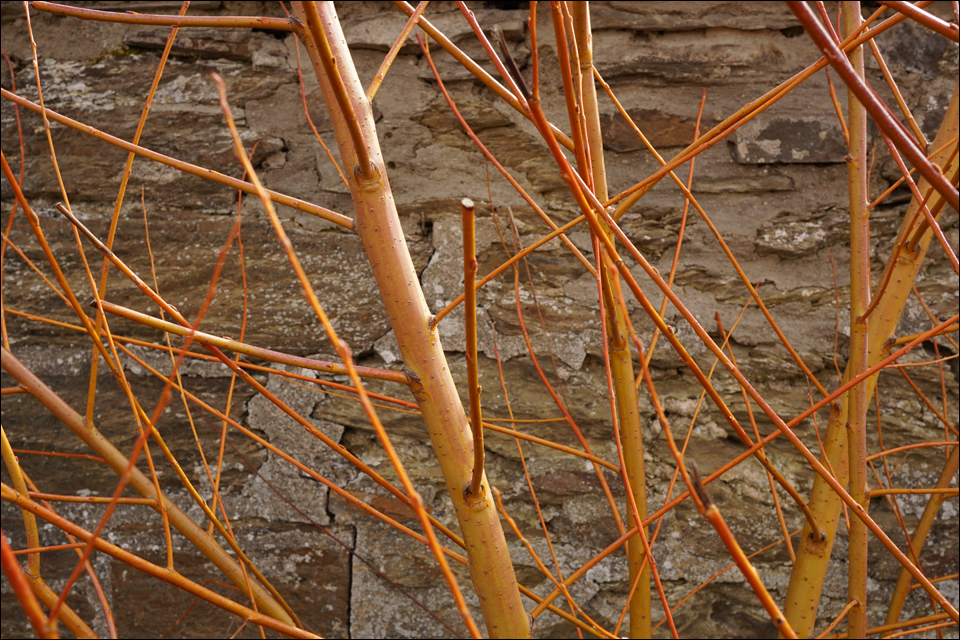
2/3. Orange
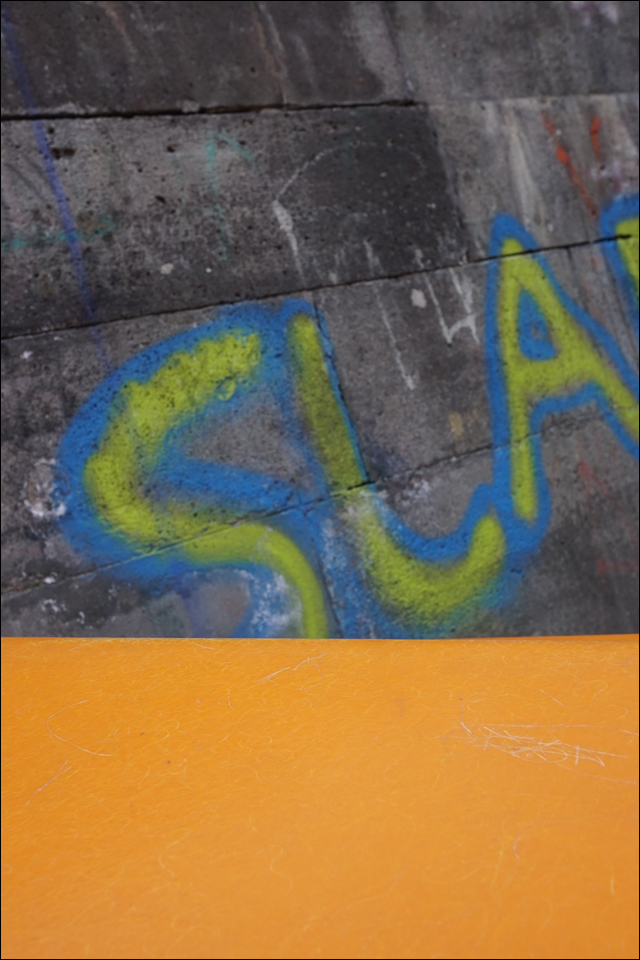 This is part of a series I am currently working on. The featured colour is orange here, so I thought it might be a nice addition to this week’s photo challenge.
Orange Interior
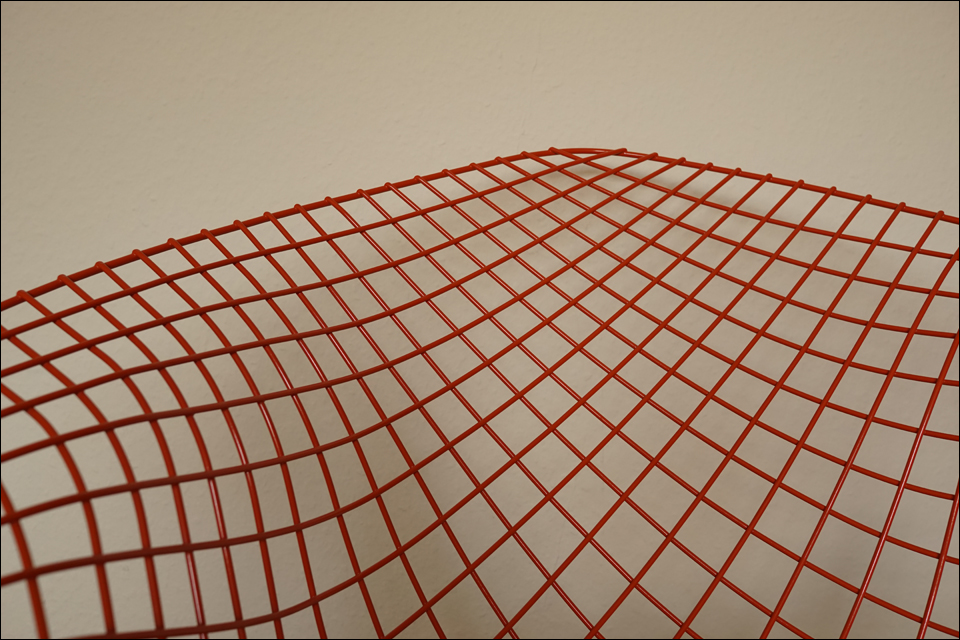
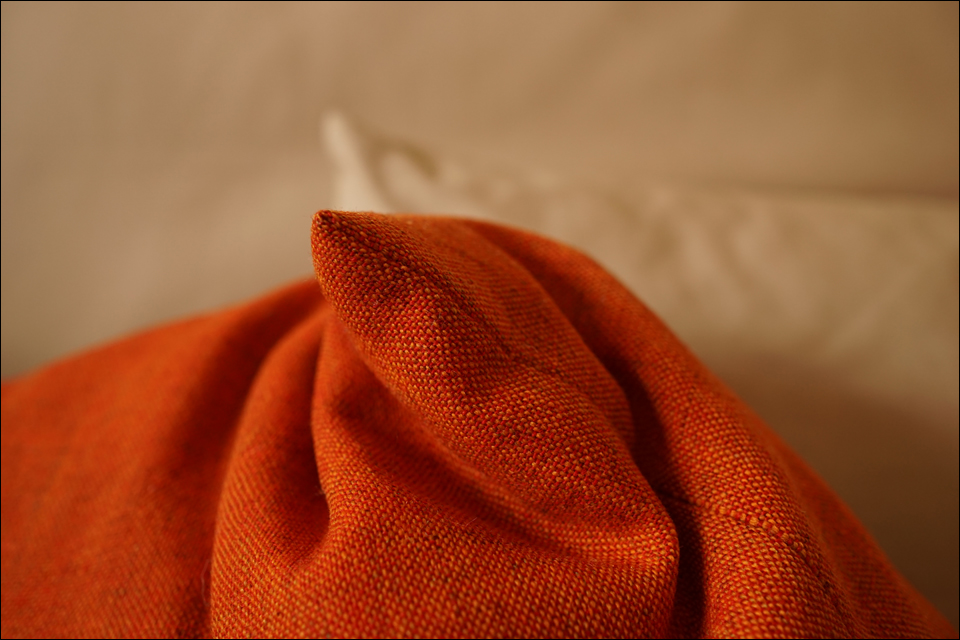 Favourite colour – so this is an easy contribution to the Weekly Photo Challenge.
Project 03 | Understanding Art. KIT – TAU (1)
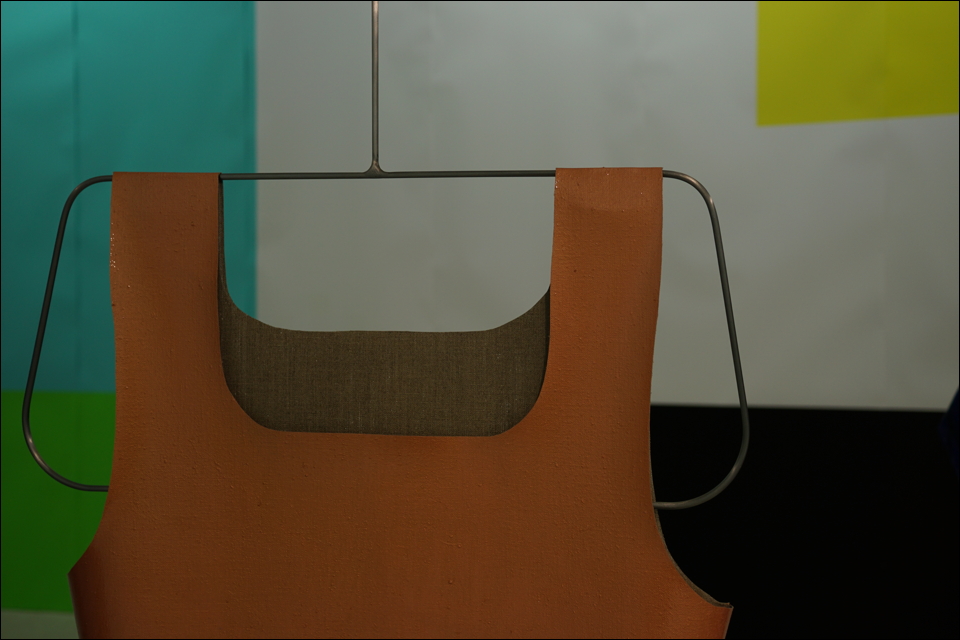


 After visiting a students’ exhibition at an Art School (Kunsthochschule) in Mainz, KIT – TAU took us to a public exhibition space in Düsseldorf. The works shown in KIT were made by art students from Katharina Grosse’s class. Grosse will have her work exhibited here in Wiesbaden in the late summer. The art world is a small world.
Museum Wiesbaden will be featured soon, so that this series proceeds from the atelier to a formal museum in three steps.
The general idea of this series: “Challenge yourself, not by attempting to capture the artwork itself, but your experience of it” (Johan Idema, How To Visit a Museum. Tips for a Truly Awarding Visit. Amsterdam: BIS, 2014). This project is, indeed, intended as a challenge. So you are very welcome to participate. Details can be found here. | This is also my response to the Weekly Photo Challenge: Orange.
Project 03 | Understanding Art. Kunsthochschule (1)
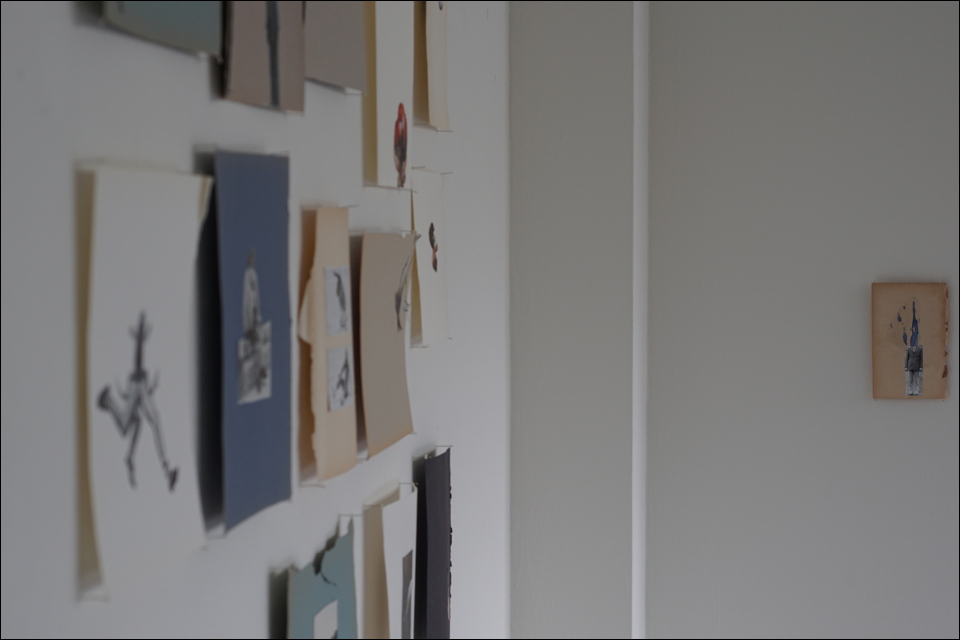

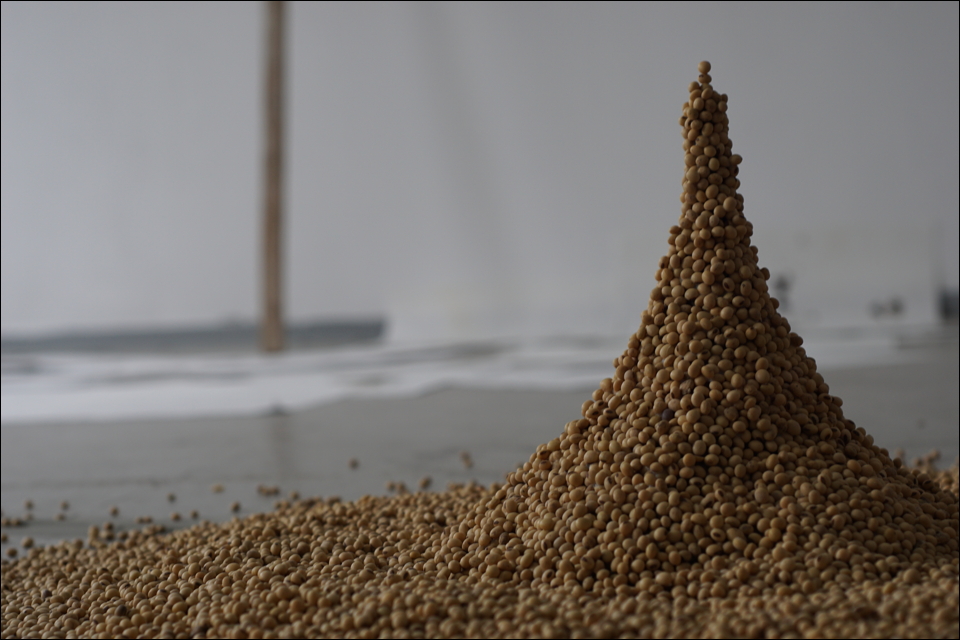
Seeing artworks in the ateliers they were made in is fascinating. The air at the Kunsthochschule (Art School) is heavy with paint and solvents; paint buckets, brushes and easels have been stowed away in a hurry; students seem to be compensating for last night’s lack of sleep rather than guarding the art and asking questions. Some smile (encouragingly?) when the see me making pictures.
Visiting the academy and getting a glimpse of the actual work environment is quite different from going to a museum. But does it help in understanding the works?
If you study hermeneutics (the art and science of understanding), you’ll find the idea that to understand the artist, you need to understand the circumstances under which he or she worked. While I doubt I always want to understand the artist – understanding art is tough enough – visiting an atelier lets me see the works in a ‘fresher’ or even ‘hotter’ state than any other environment (hypothesis: museums are for cooling art down to a more palpable temperature). And since understanding a work of art might as well be non-verbal, digesting it at its freshest might indeed help us understand.
Not to mention the fact that the physical access to the works seems to be way more direct. No one tells you to step back; you can wear your oldest trousers and roll on the floor to get the best point of view if you like. If art is a game, here is an invitation to play with it.
Speaking of invitations: This is part of this year’s third project in which you can participate: The idea is to (playfully) understand art through photography; details can be found on this page.
Project 03 | Understanding Art. Interjection
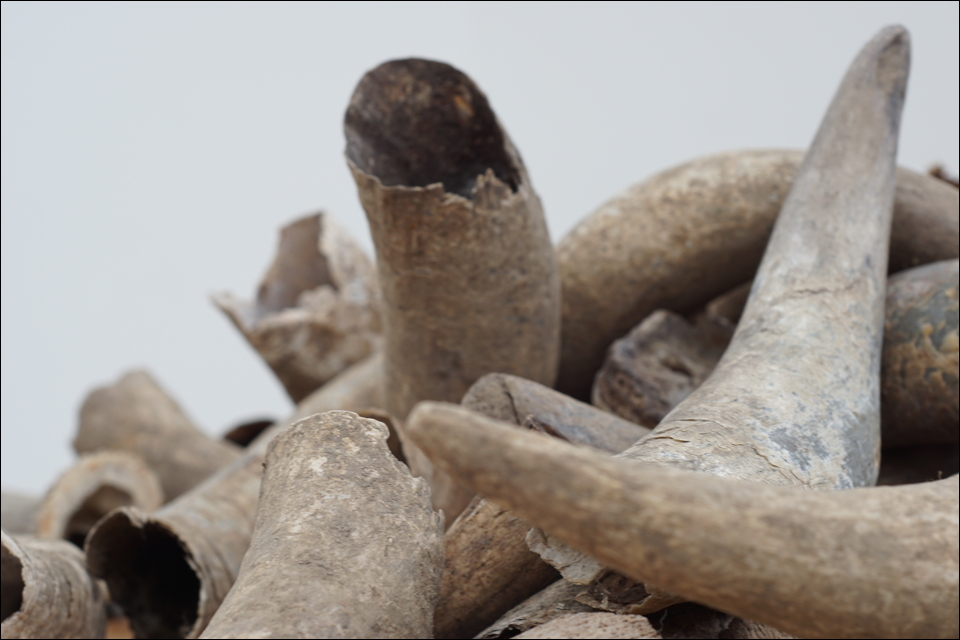
Sometimes even the most dubious characters in a mystery novel have a lot to say. In Ben Aaronovitch’s Whispers Underground, an artist speaks his mind: “There’s no point asking what a piece of work means, you know? If we could express it in words, do you think we would have spent all that time bisecting a cow or pickling a shark? Do you think bisecting a cow is somebody’s idea of a fun fucking afternoon? And then to have stupid people come up to you and say, ‘It’s very interesting, but is it art?’ – yes, it’s fucking art. Do you think I’m planning to eat the fecking thing?” (p. 285)
I kind of like the reasoning here: Art can be defined by the use we make of it. And it is hard to talk about. So why not try to understand it non-verbally? That’s what my March/April project is about. You can participate! Details can be found here and on the ‘2015 Projects’ pages.
 empire of lights