


Barfleur, France, 2023
tobias m. schiel
Barfleur, France, 2023


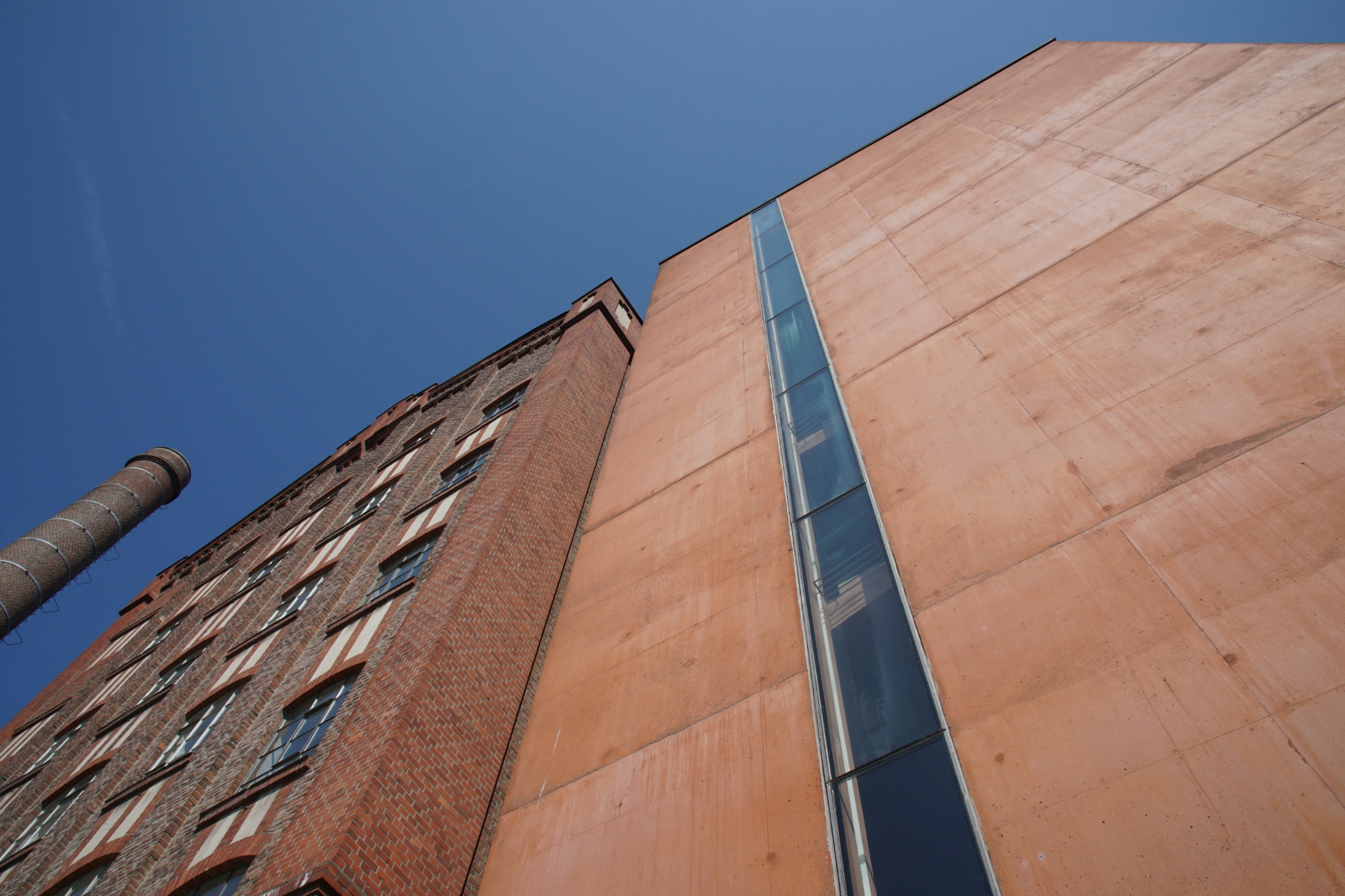
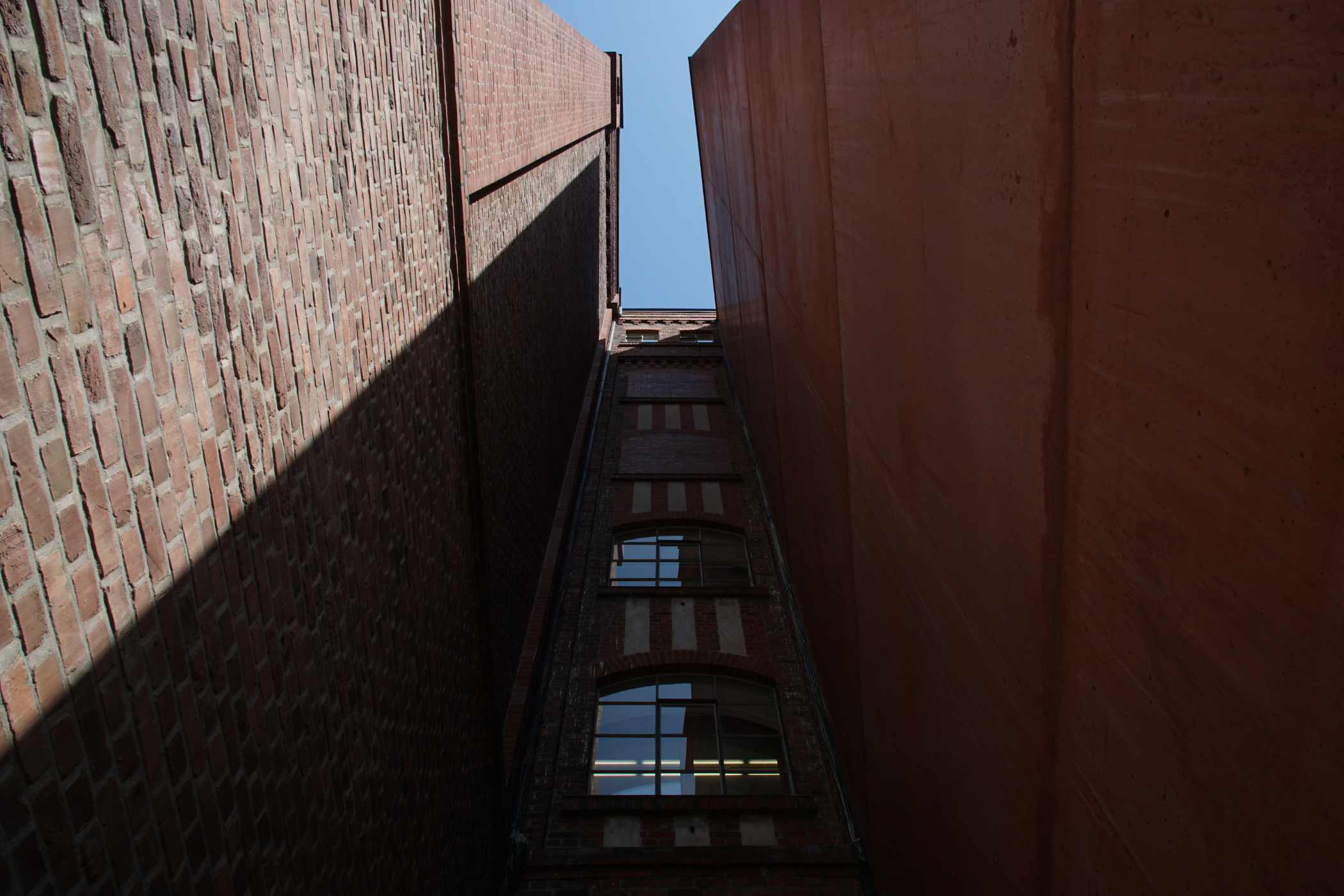
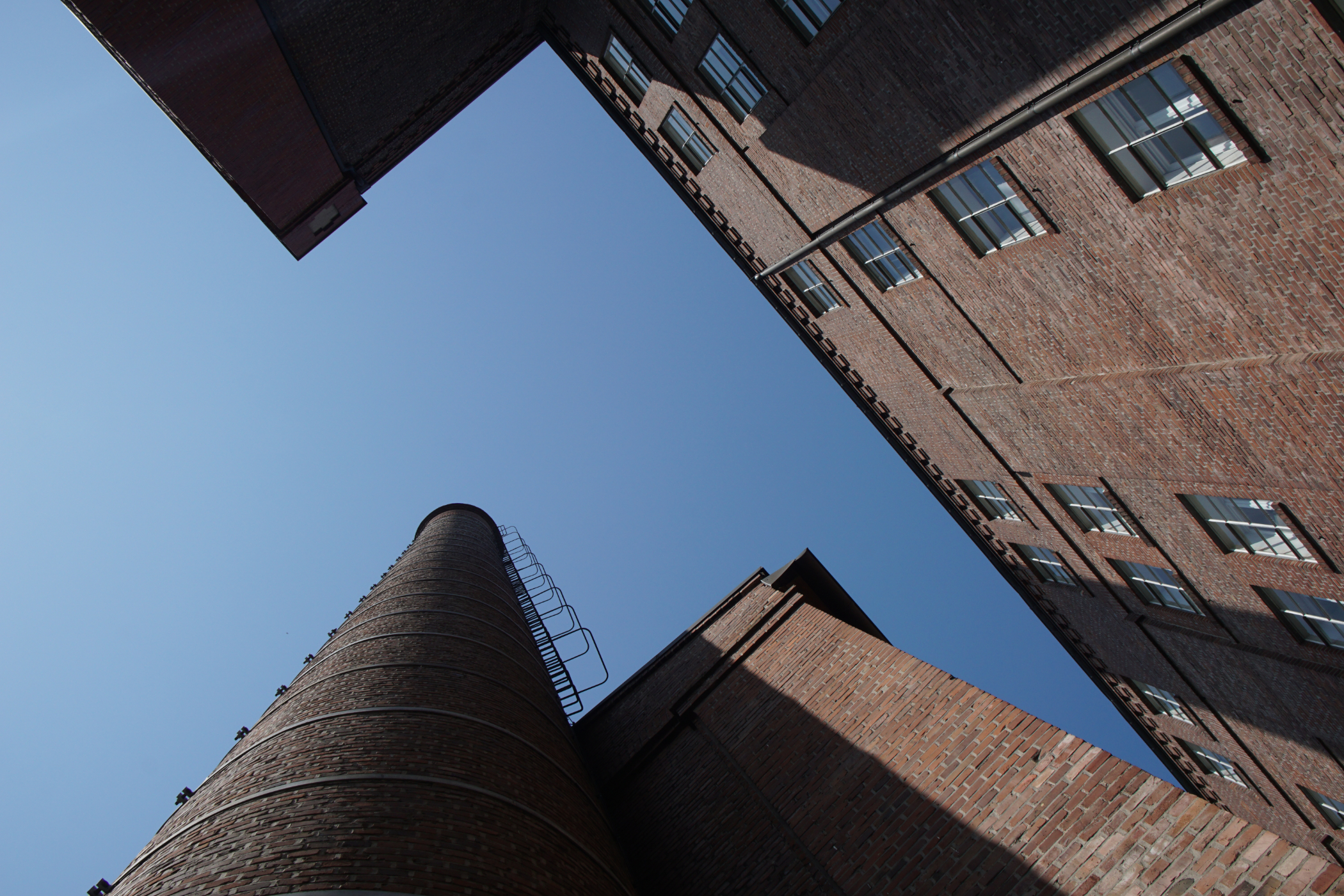
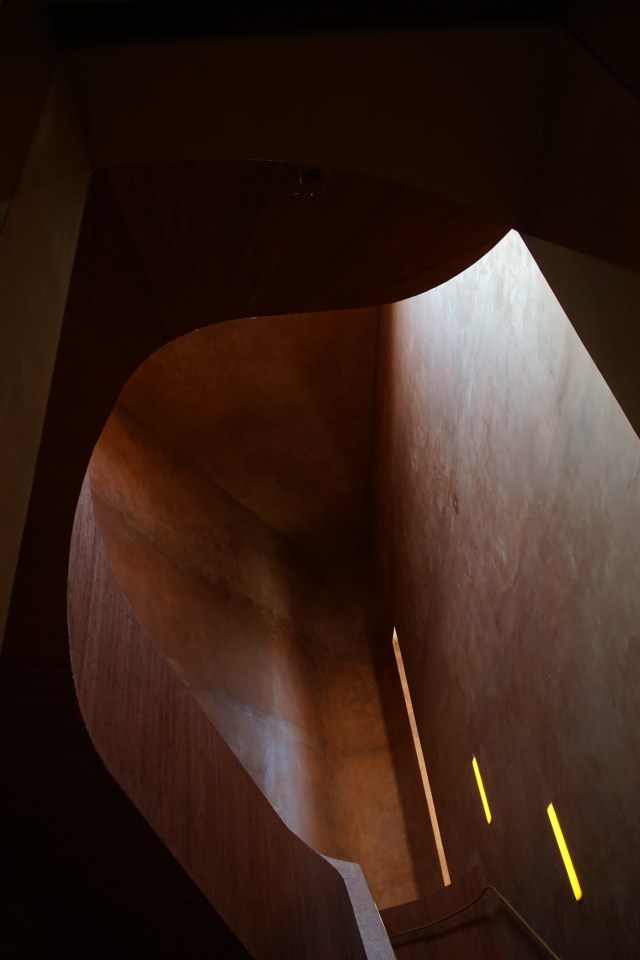
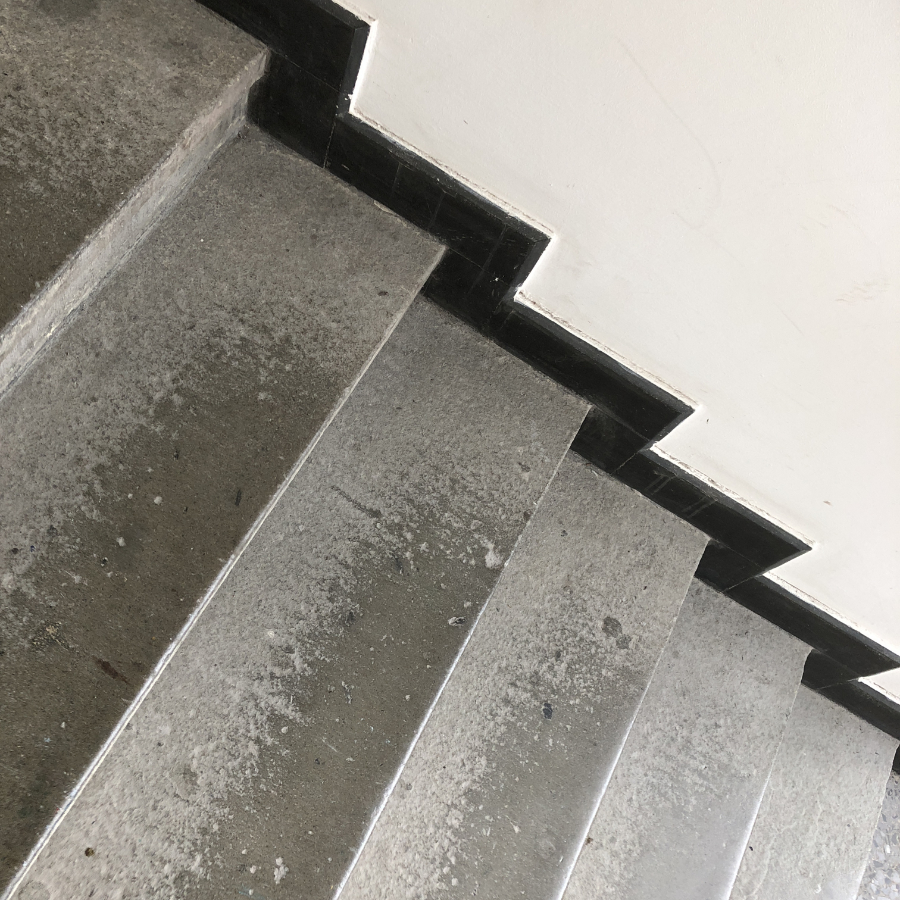
Küppersmühle, an industrial mill in the port of Duisburg, Germany, has been converted into a museum. It now displays a great collection of modern and contemporary art. But I never really get to enjoy the art in full because the museum now features two beautiful staircases which are themselves works of art – and they are very distracting!
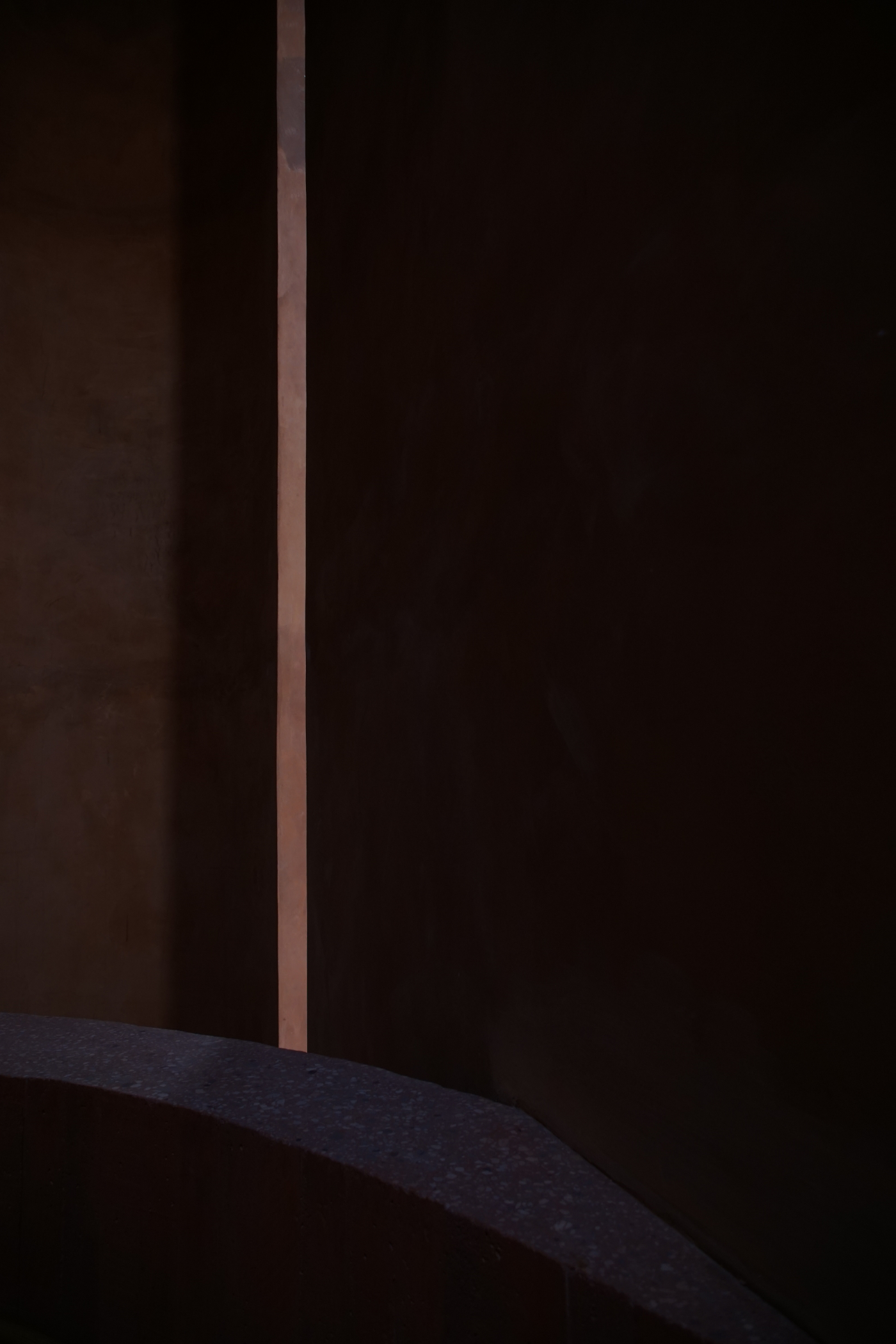
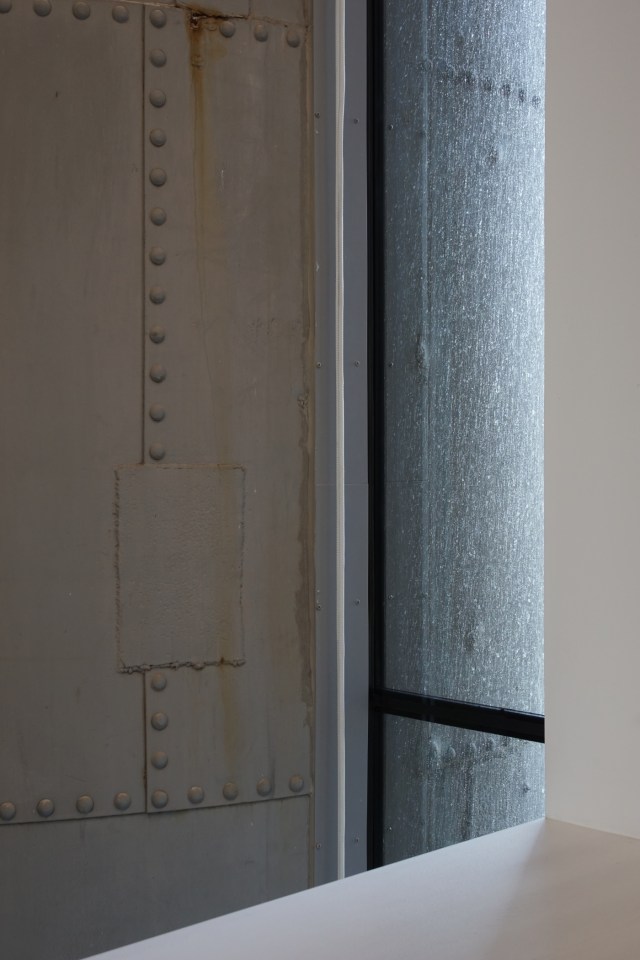
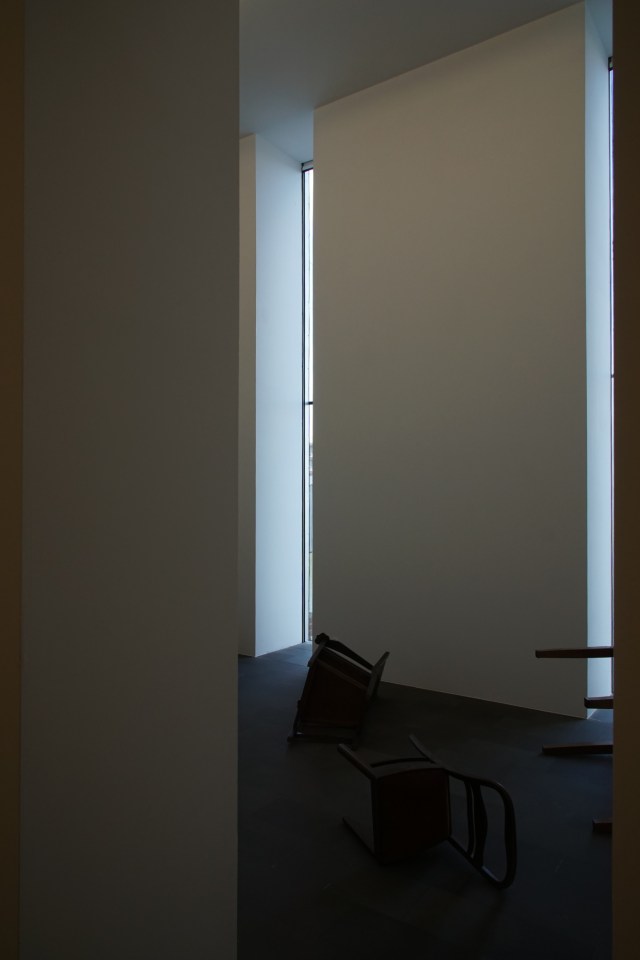
With some of the old silos still standing, you get a strong industrial vibe while the building also frames the art nicely.
But I compulsively return to the stairs…
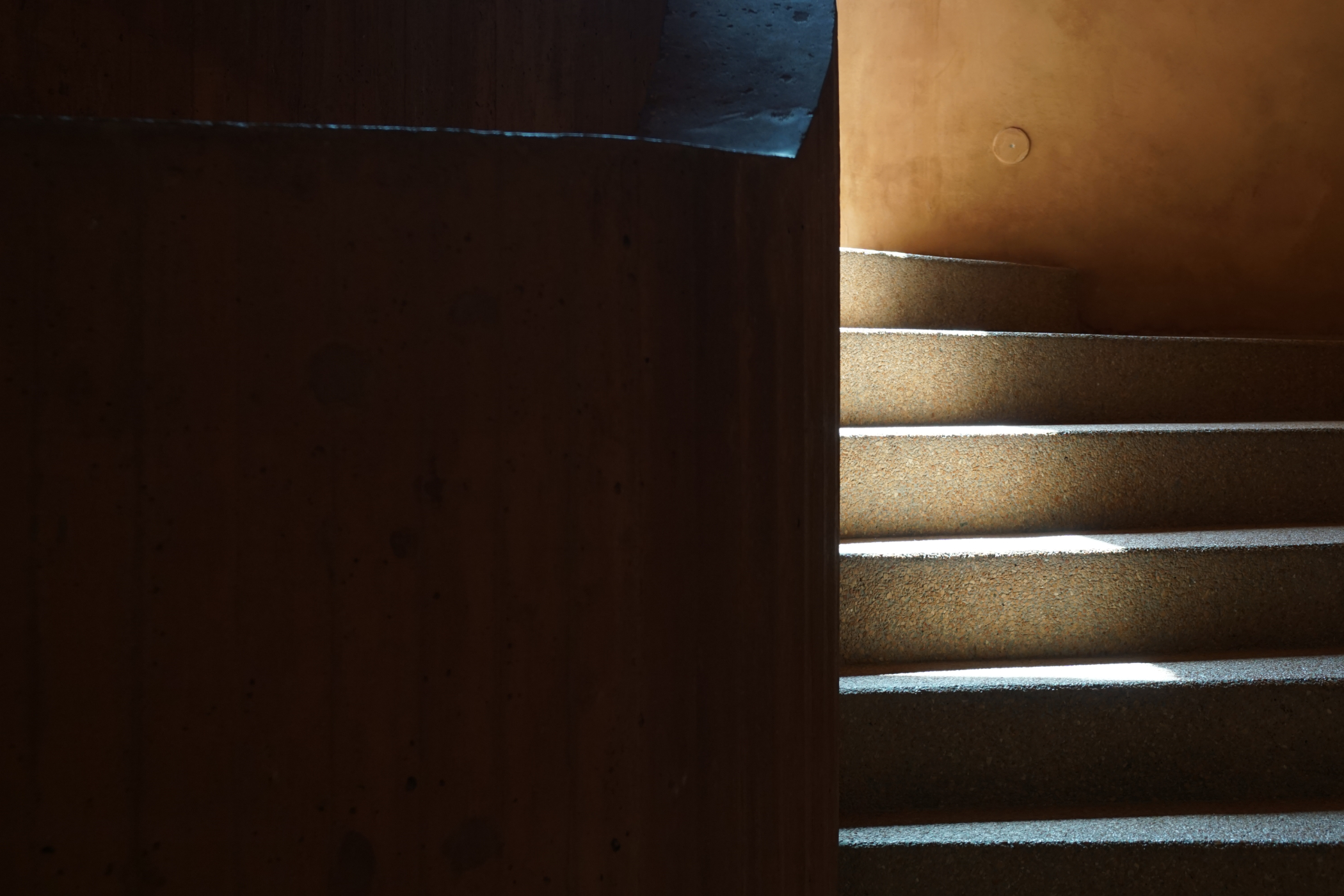
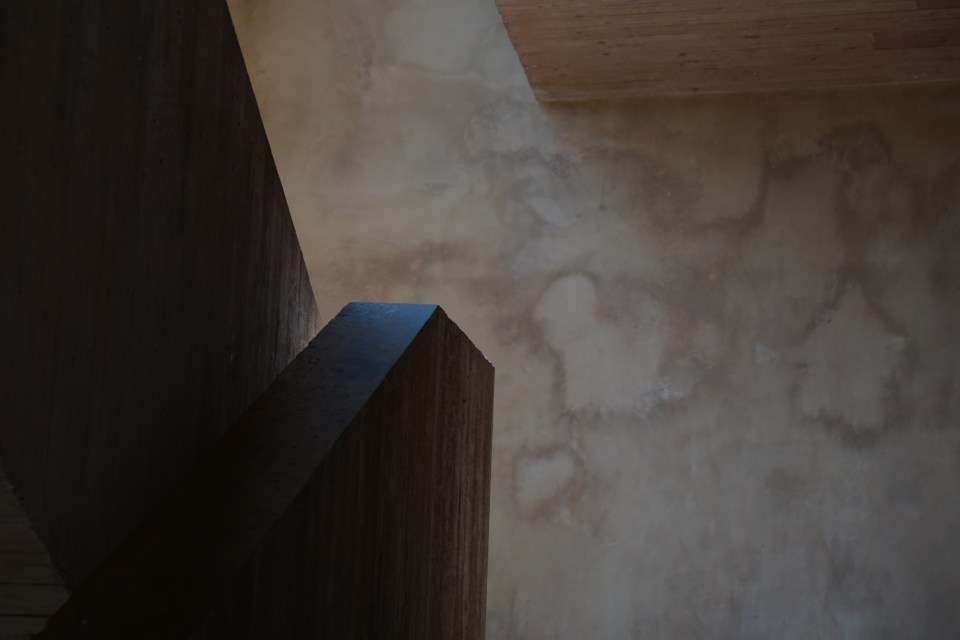
The architecture just lends itself to this kind of abstract photography I so much like – using built space for compositions within the rectangualr space of the picture. And I think the pictures lend themselves to contributing to Anne’s wonderful lens artists challenge #251: Buildings and Other Structures. Oh, and here’s one other structure, a work of art nicely interacting with the architecture.
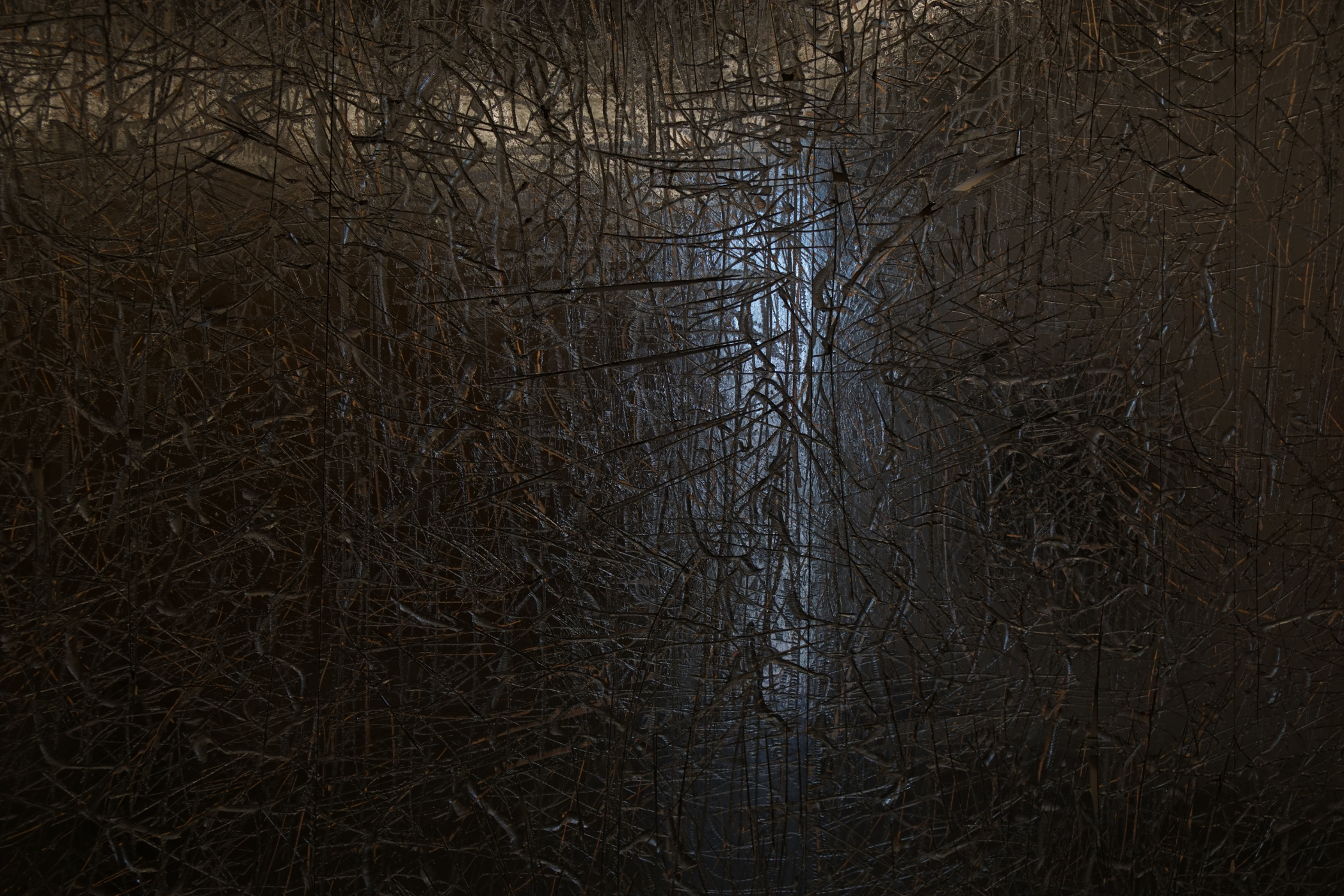
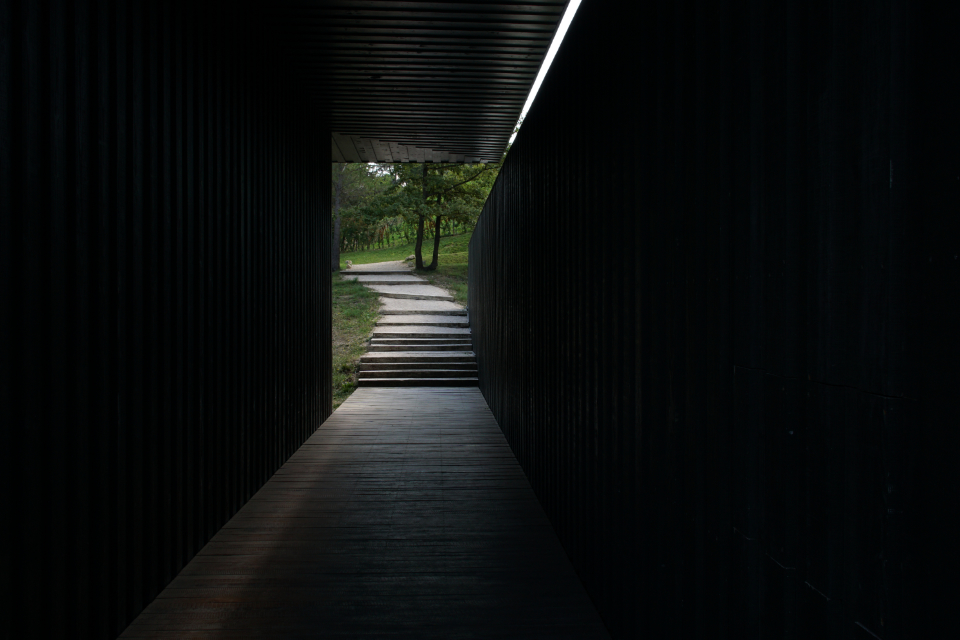
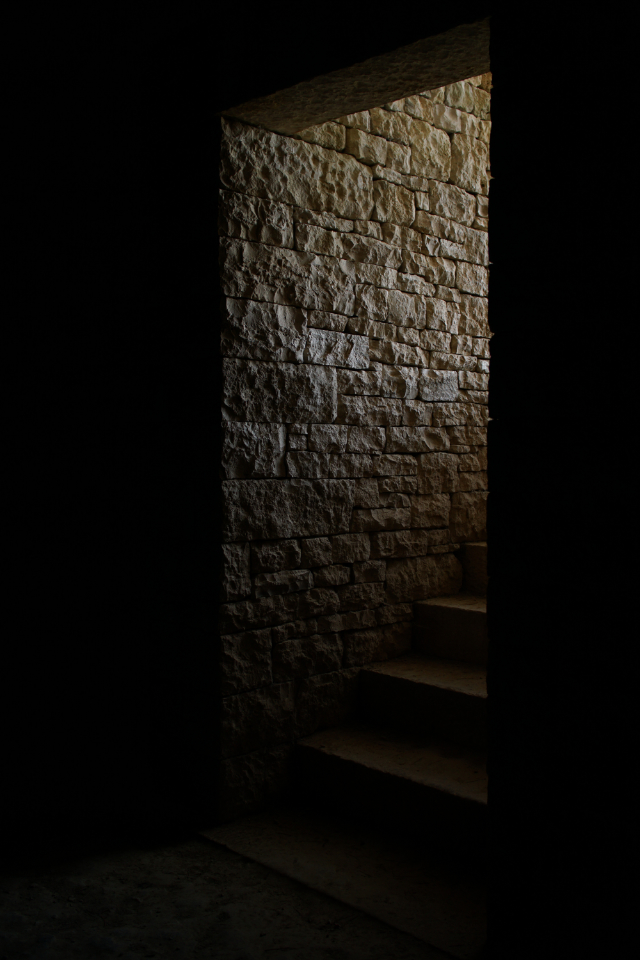
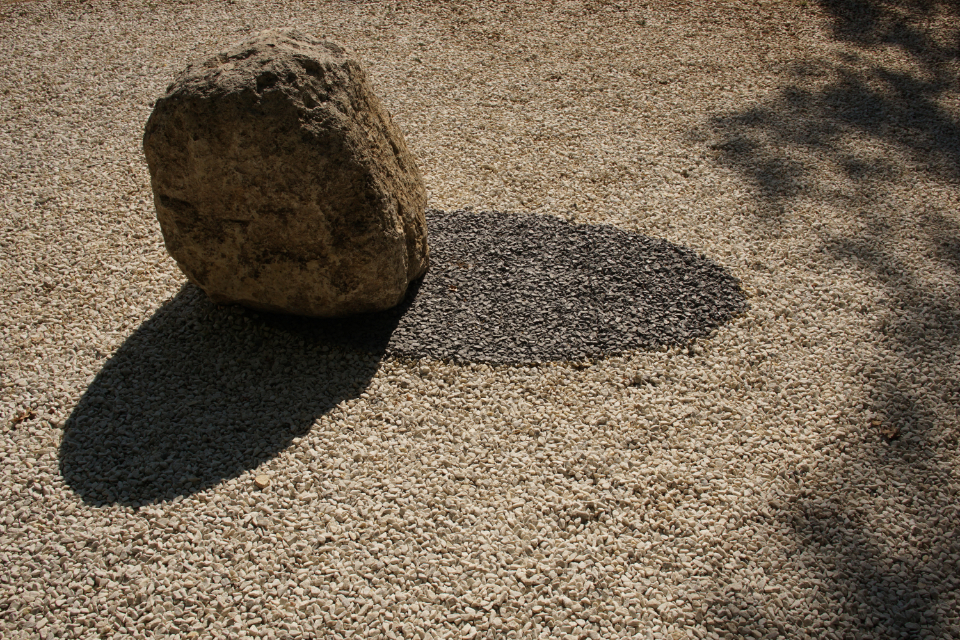
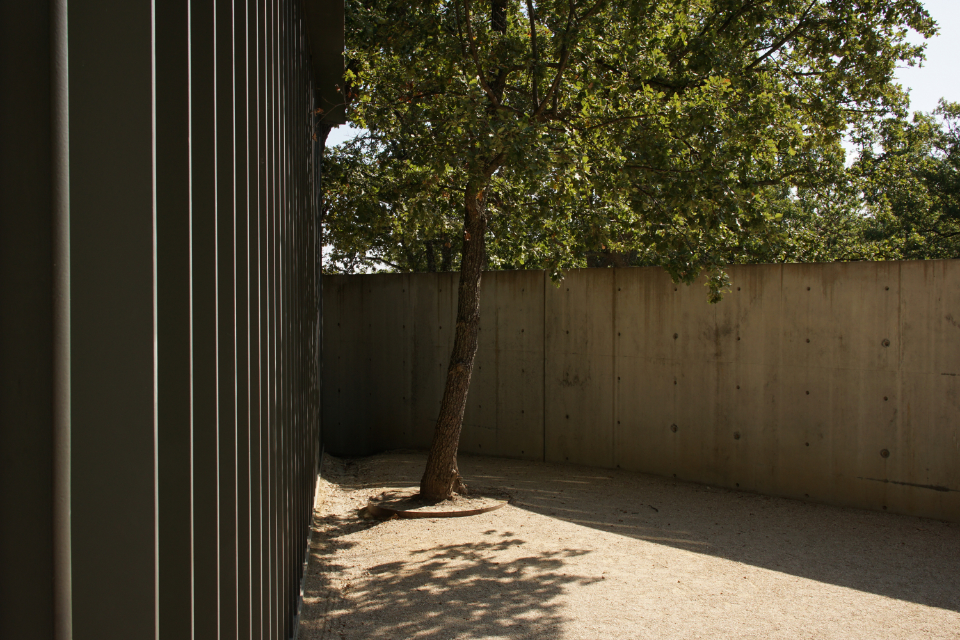
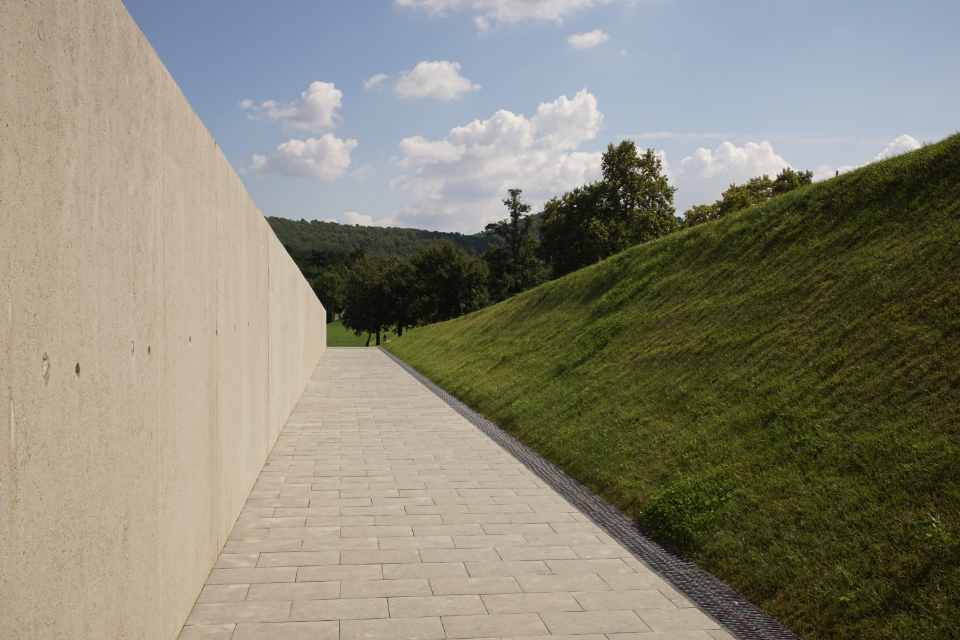
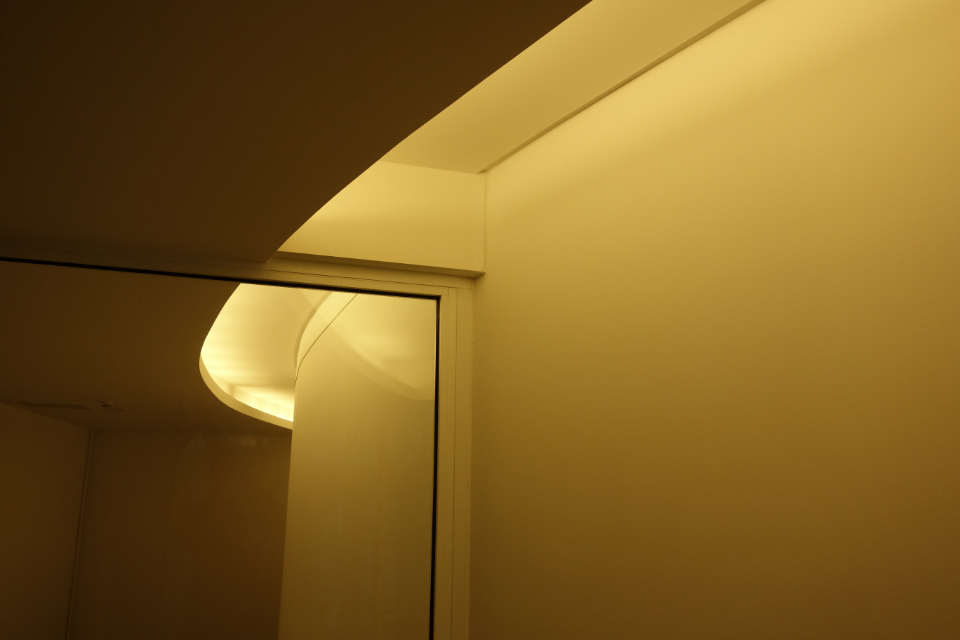
Continuing last week’s walk, here is art / architecture by Tadao Ando (pictures 1, 2, and 5), Andy Galsworthy (picture 3), Lee Ufan (picture 4), and Renzo Piano.


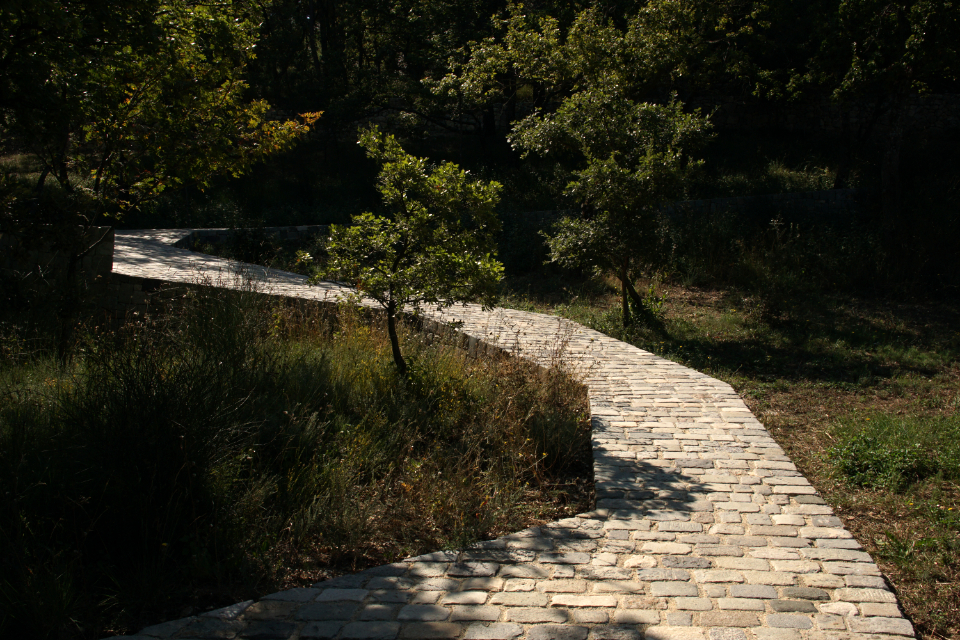
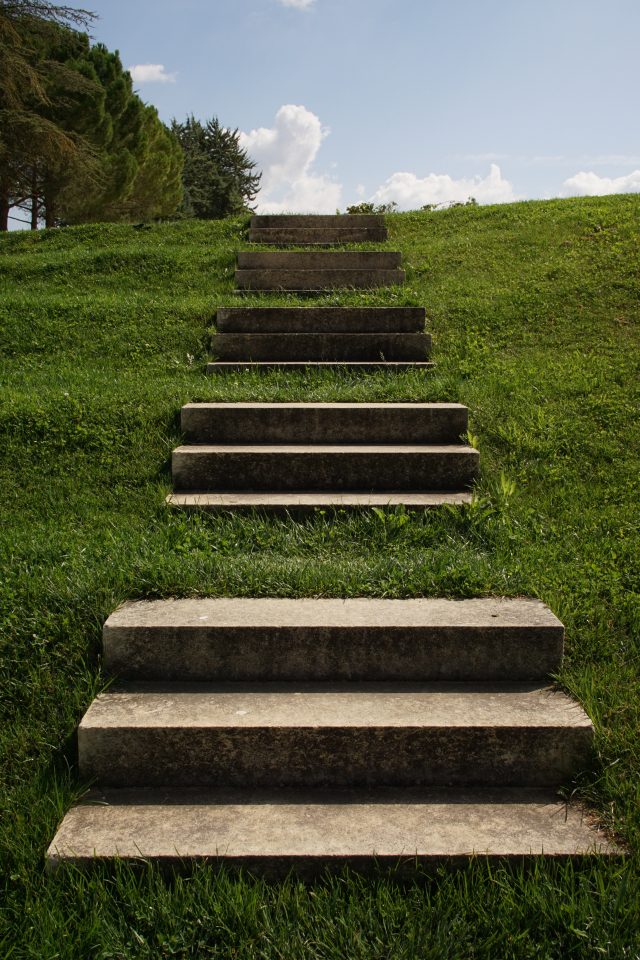
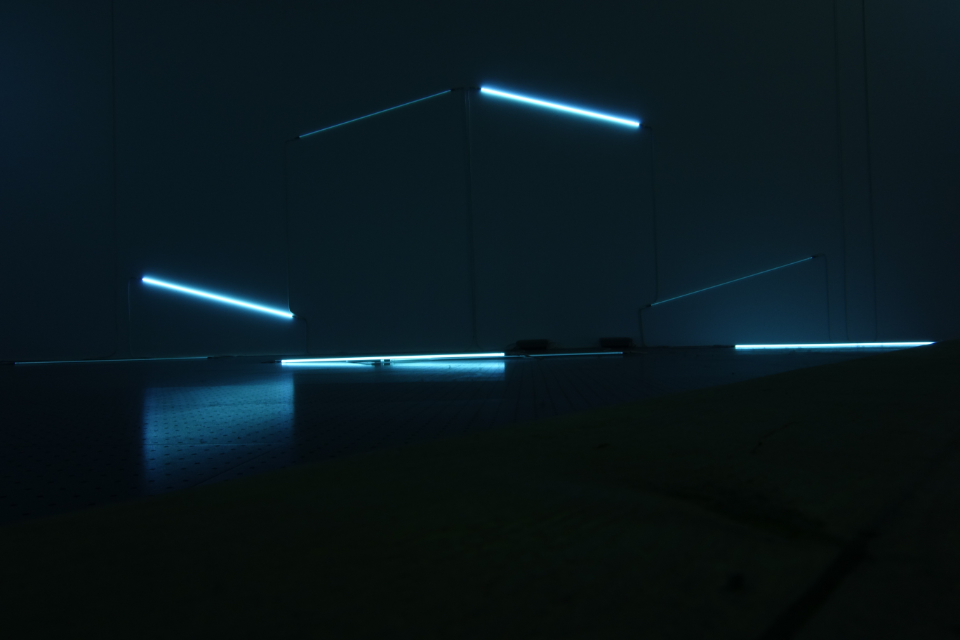
Château La Coste in the South of France offers a great opportunity to see landscape (and) art. Artists include Kengo Kuma (pictures 1 and 2), Liam Gillick (picture 3), and Ai Weiwei (picture 4). The stepstones appear to be just a nice anonymous addition to a pavillion by Frank Gehry. This walk is a contribution for Jo’s Monday Walks.
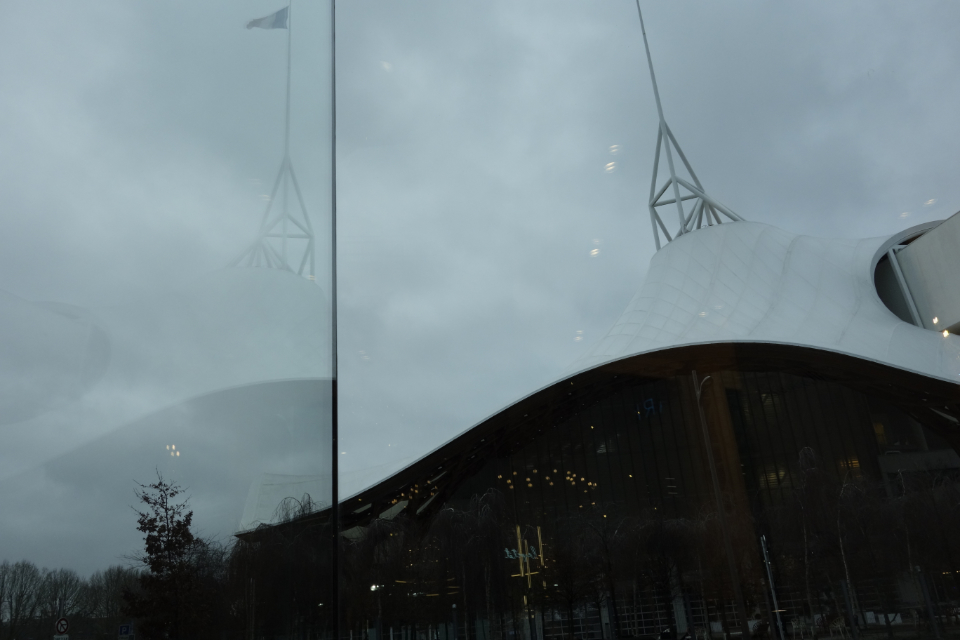





Three floors of art classes, and the building is huge… I think our tour qualifies as a walk and may thus be contributed to Jo’s Monday Walks.
That day, all photos were taken with an iPhone.

At documenta Kassel, for the Weekly Photo Challenge
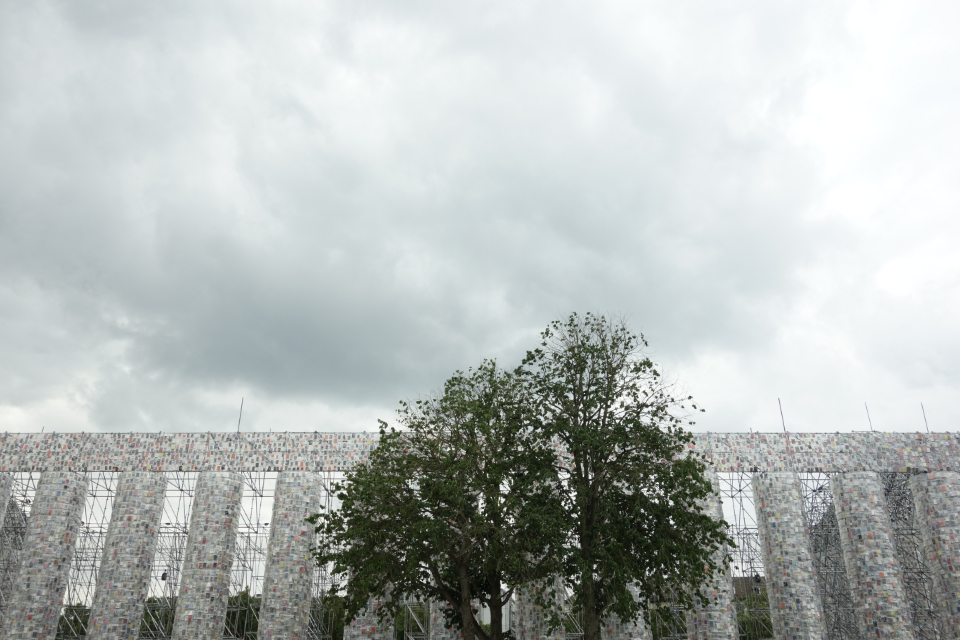
At documenta Kassel, for the Weekly Photo Challenge.
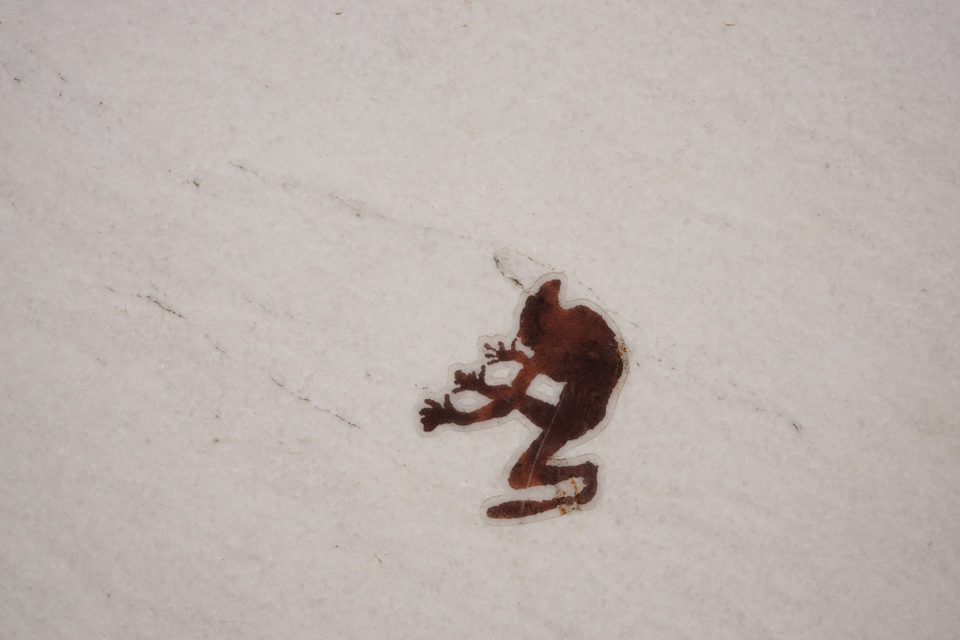
…or maybe it’s the God of Small Things. However, I did notintend to participate in Paula’s Thursday Challenge until I found this little devil, a very minuscule example of Urban Art.
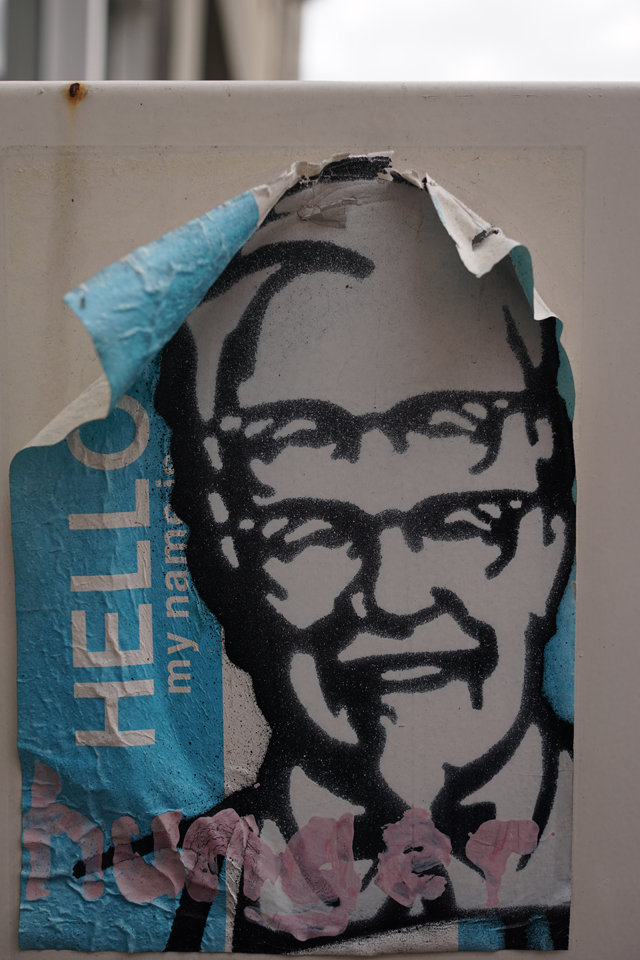
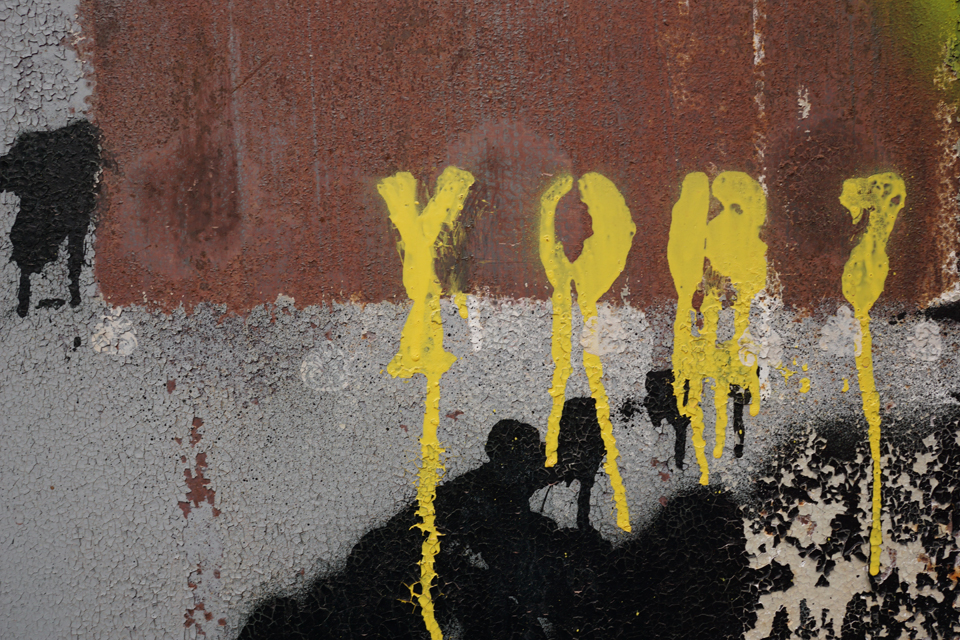
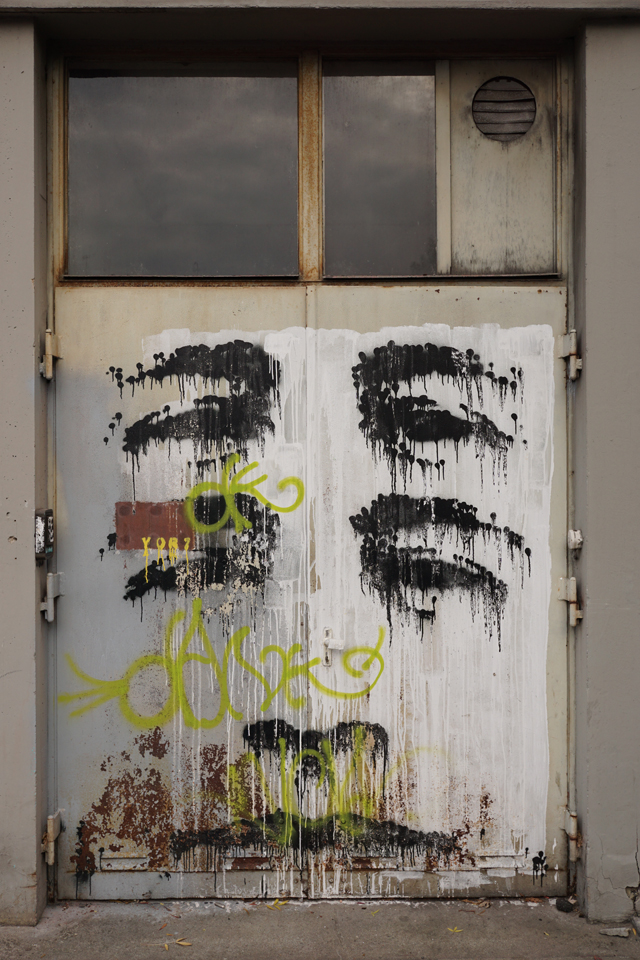
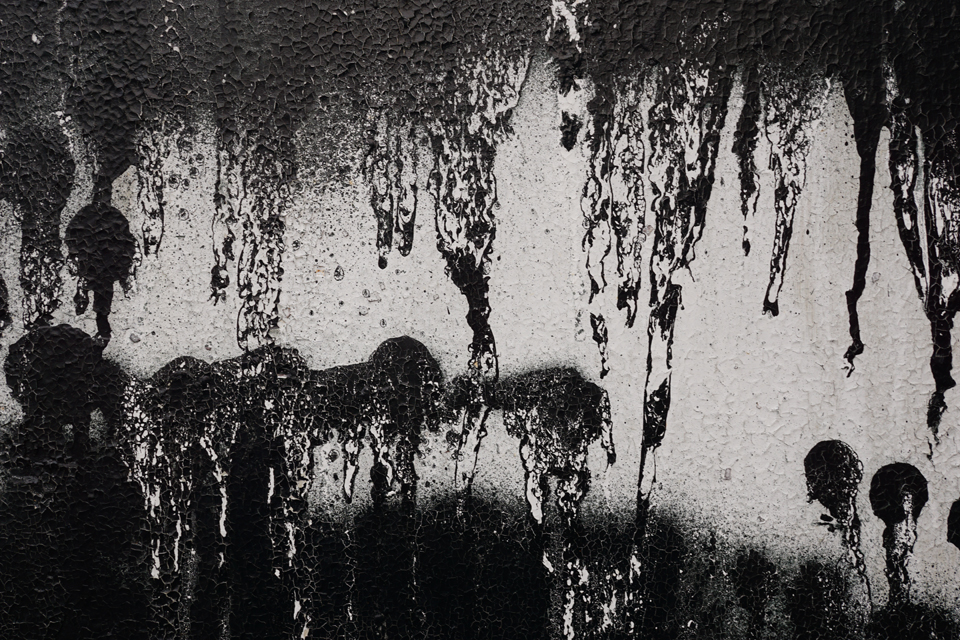
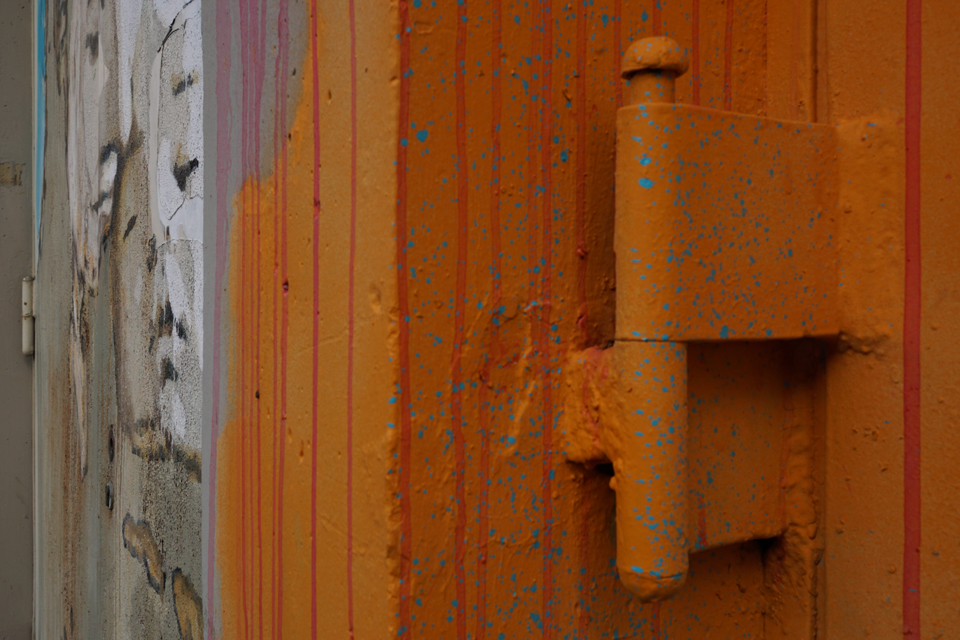
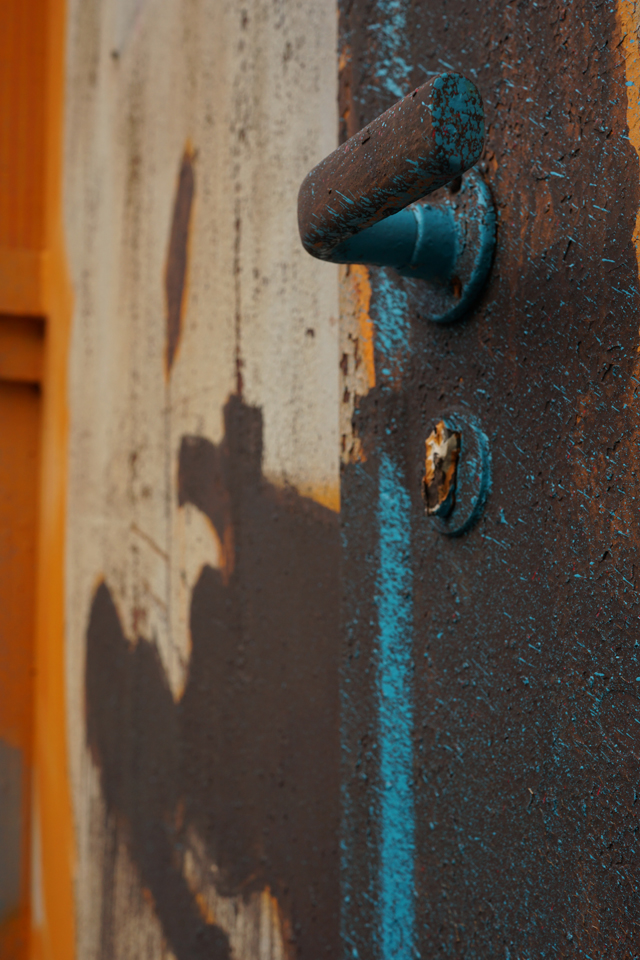
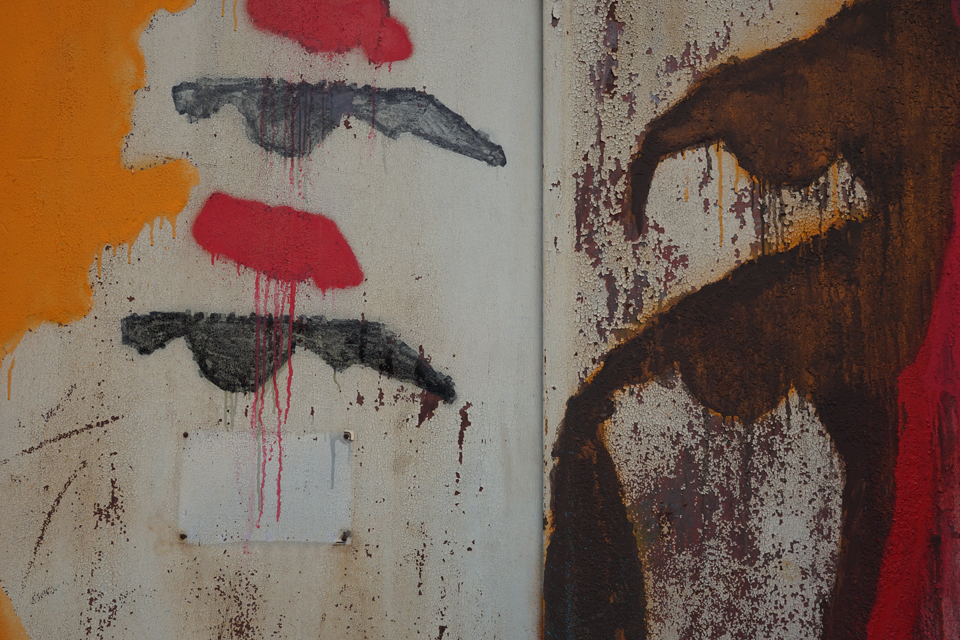
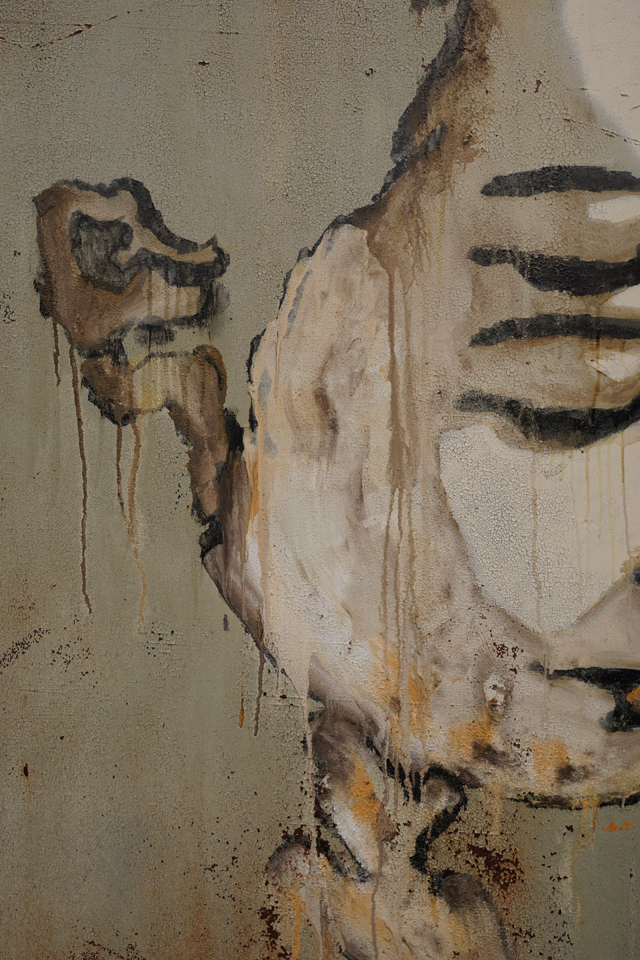
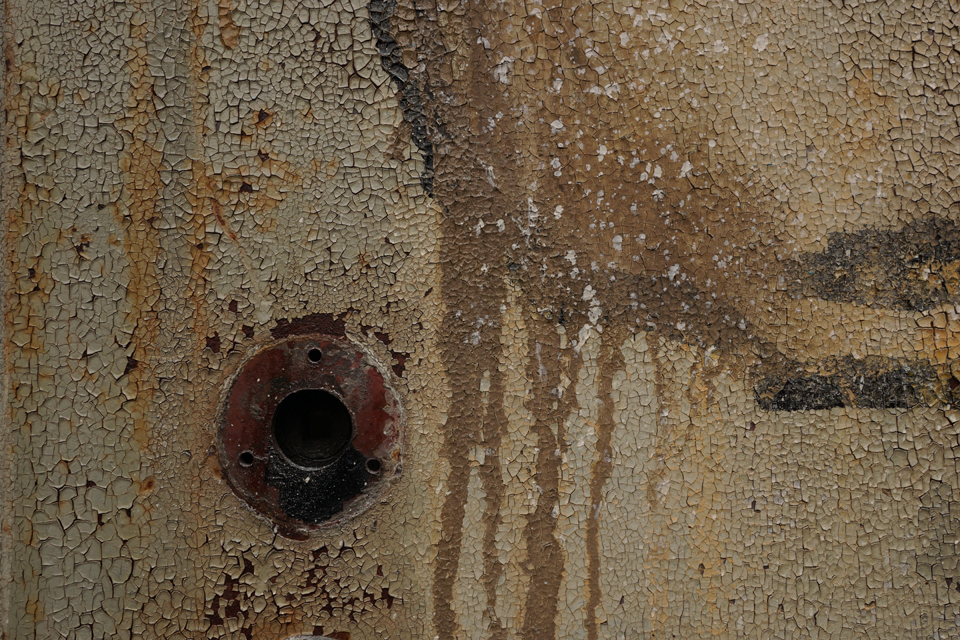
Looking for traces of use and abuse around Wiesbaden’s former courthouse, I spotted these pictures painted on metal doors. I found them absolutely gripping, and immediately decided I had to show them to Jörg from Dosenkunst. Then I checked with his blog and found out he had photographed and posted them quite a while ago. So what was the point of photographing them again?
I told my wife I had to show her some photos of graffiti, and upon seeing them she replied: “Are you sure you want to call these graffiti? They are art!” So here’s another interpretation of art…


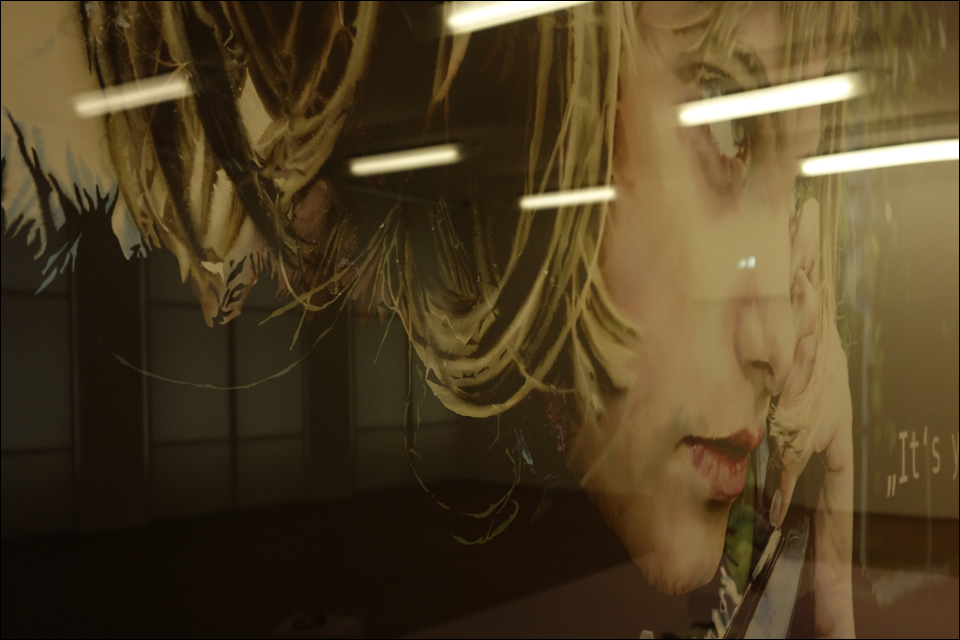

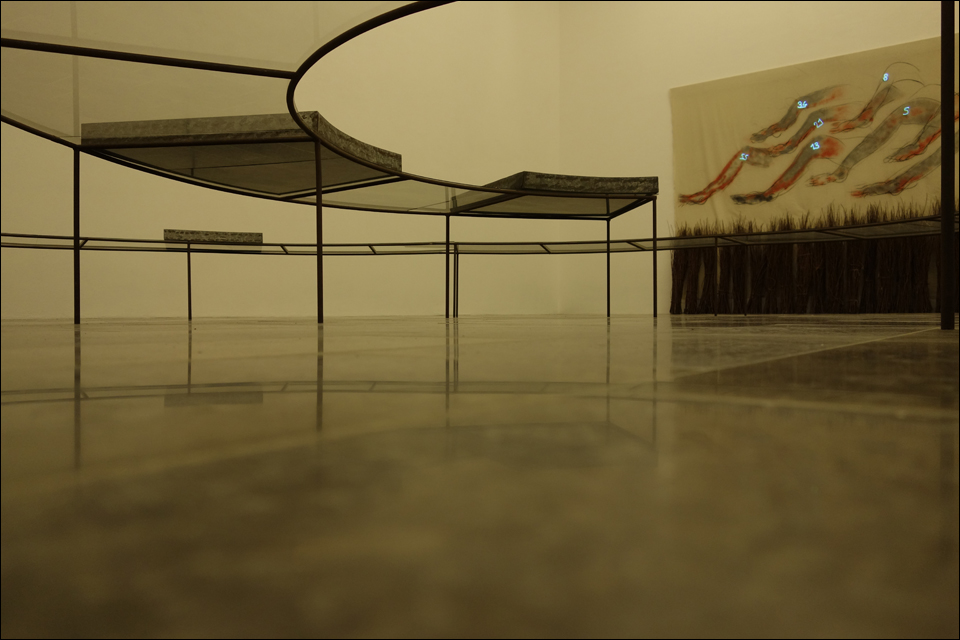
A visit to the museum is a success when I feel like I had my brain massaged, when I literally start to look at things differently. That’s what contemporary art does for me, even if I do not fully understand it.


Man is only himself when at play, claims Friedrich Schiller in his Letters upon the Aesthetic Education of Man. For me, museums are not just places that deal with aesthetics but also adult playgrounds – especially when I am allowed to use my camera: Museums encourage taking the risk of looking at things differently; the whole activity feels like getting the head massaged. | A contribution for the Weekly Photo Challenge: Happy Place.

The picture – Organische Struktur (1962) by German artist Günther Uecker – hangs on a wall like a painting. Yet it challenges the notion of a picture plane. While the indistinct ‘background’ lacks any classic perspective, the nails will inevitably be seen in perspective by a spectator.
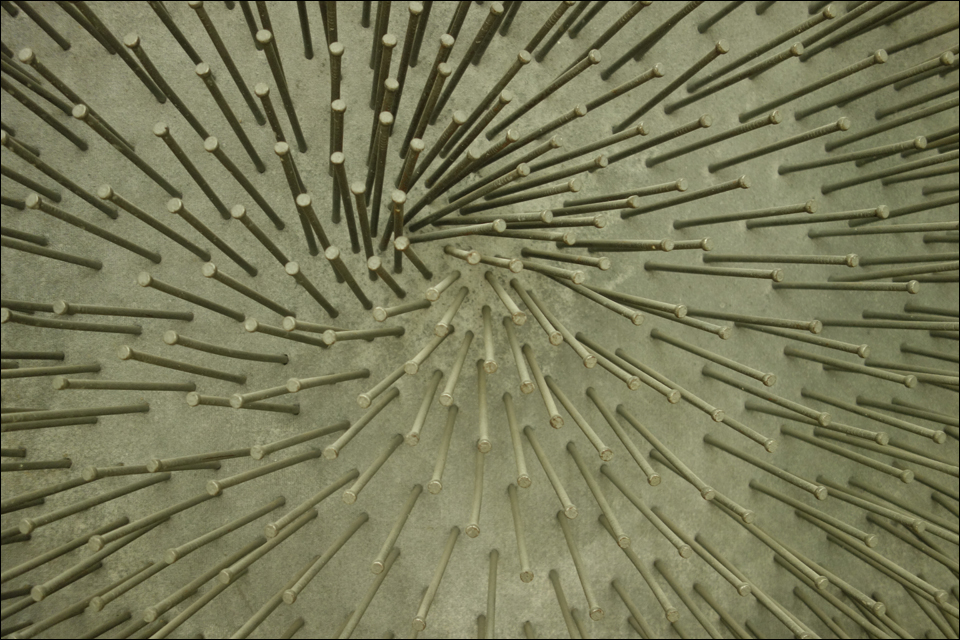
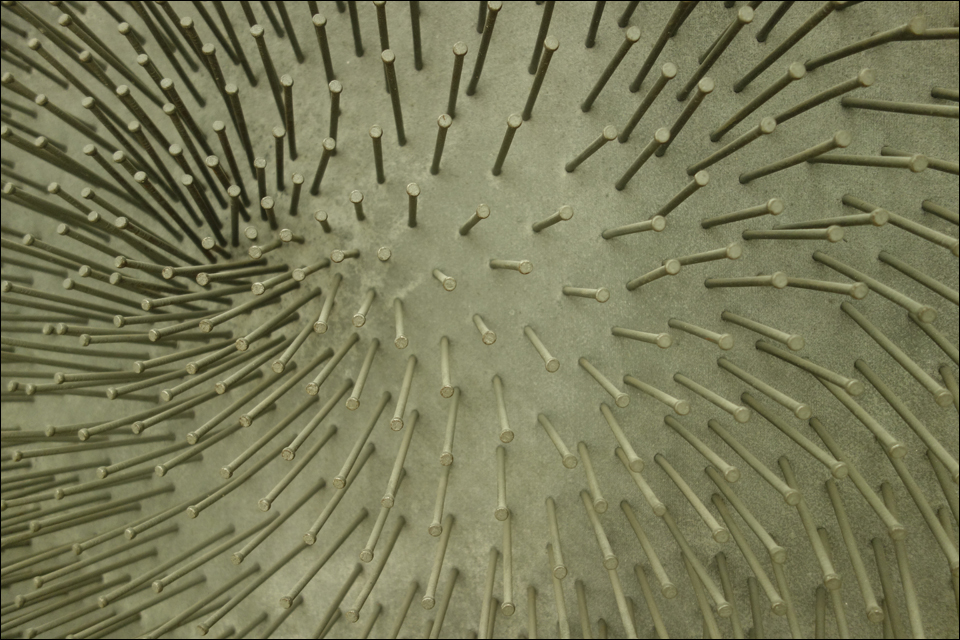

The picture changes as you walk past; note the varying balance of dark parts and bright parts, caused by light and shadow on the otherwise monochrome nails. Unlike in Renaissance painting, there is no privileged point of view from which – and from which only – the perspective will work.
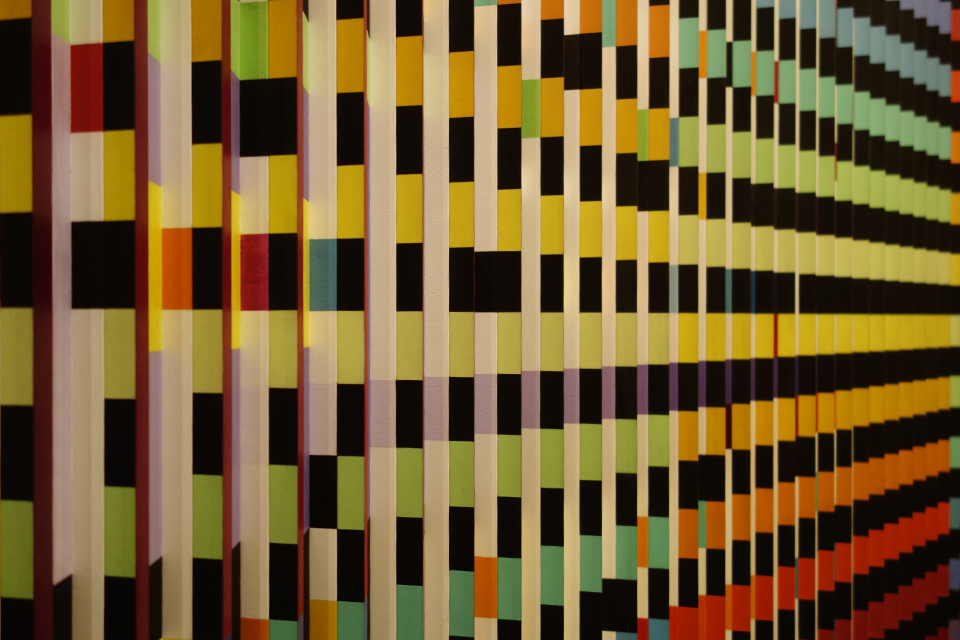
There is great openness in this kind of art, inviting some activity from the spectator. The right perspective is the one you choose. The same seems to apply to Vibration (1961) by Jesús Rafael Soto (below). Because of the narrow stripes in the background, the wires seem to vibrate as you walk around – an effect the still camera captures as jagged lines.
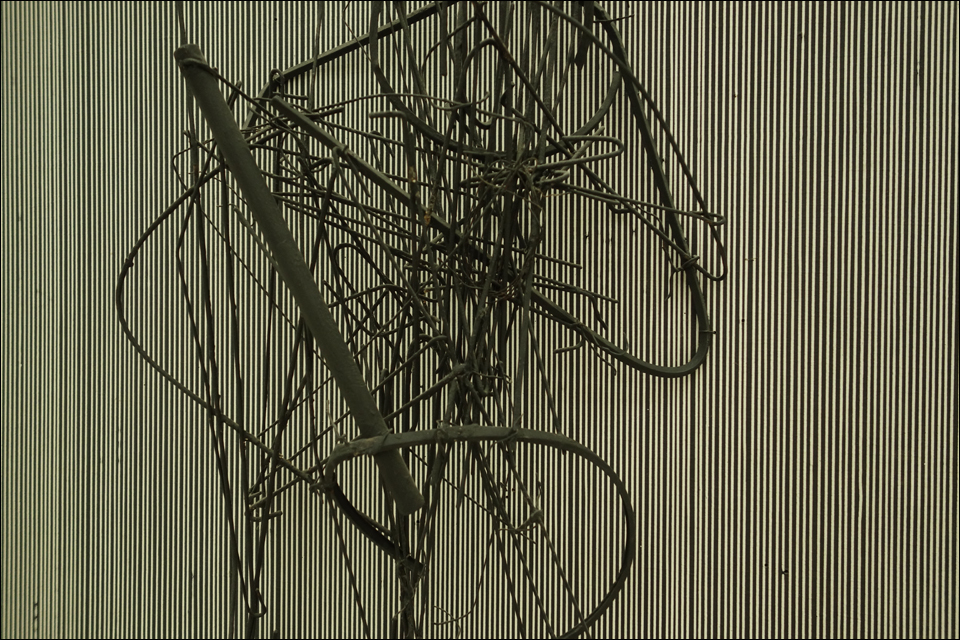
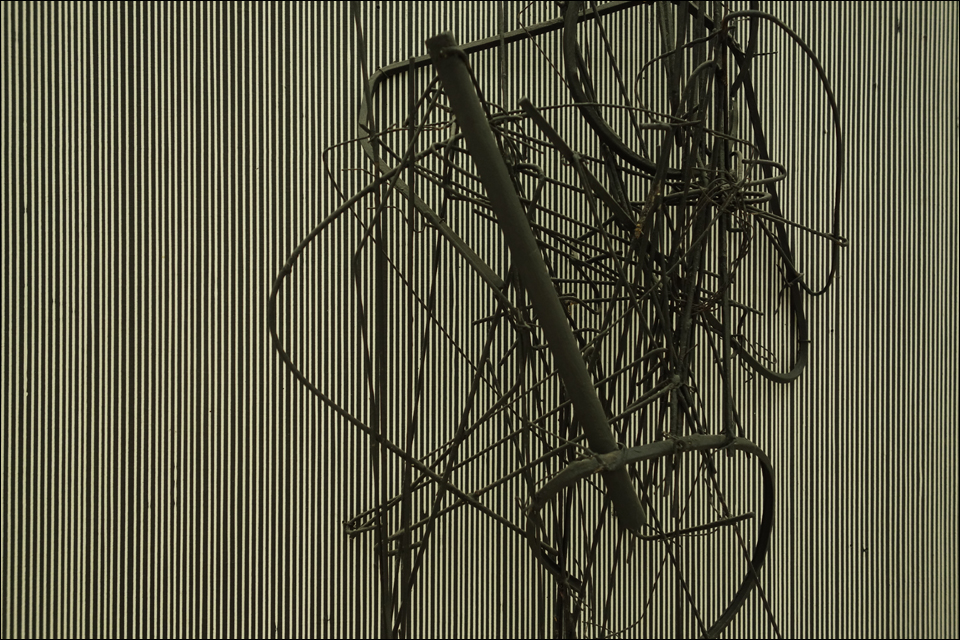

I had no idea when to post this (I made the photographs on May 24), but then Christina aka Paleica came up with a challenge that’s right down my alley: Kunst / Art. Thank you, Christina!


As I moved around the art, the art moved me..
Kunst im Tunnel (KIT) is one of Düsseldorf’s most original museum spaces. It is literally part of a tunnel, a little odd-shaped piece of concrete left over above the actual tube and beyond a beautiful riverside walk along the Rhine river. It is very low at one end and very narrow at the other, and between the two ends, it is shaped like banana, or rather a banana box. The place is worth a visit in itself.
Tau, on he other hand, is the German word for both dew and a rope. It was chosen as a title for the collective exhibition of a class of Düsseldorf’s academy of the fine arts. The leaflet explains that no single work is ascribed to a single artist, thus drawing a parallel to both dew and a rope which are both constituted by smaller elements (the droplets, the single threads).
As a way of exhibiting art, this seems to be halfway between the art school exhibition I showed before and the museum I plan to take you to in some upcoming posts.
Let me just add that being there with a permit to photograph, I felt like a kid in a candy store.


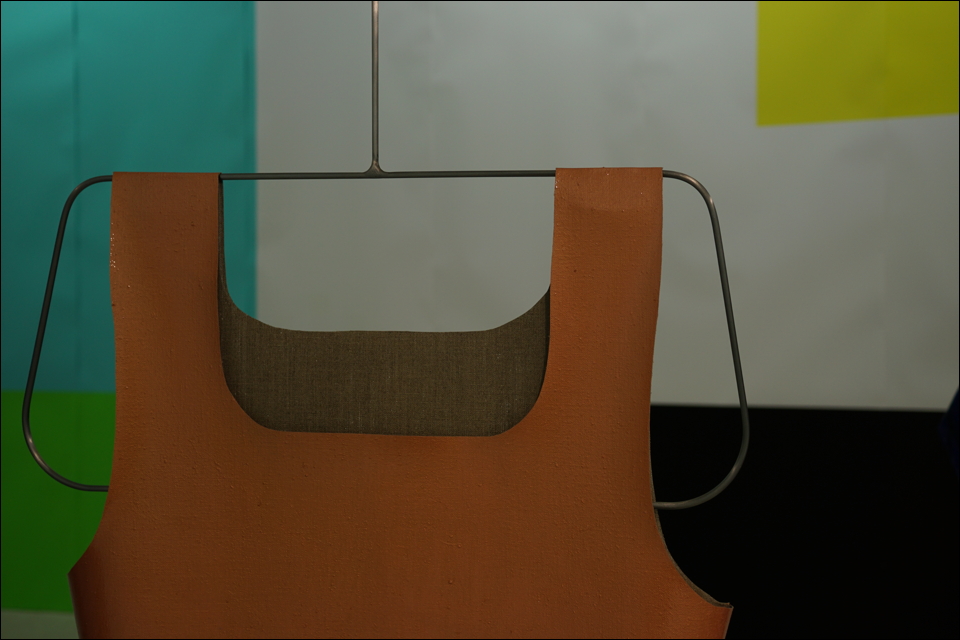


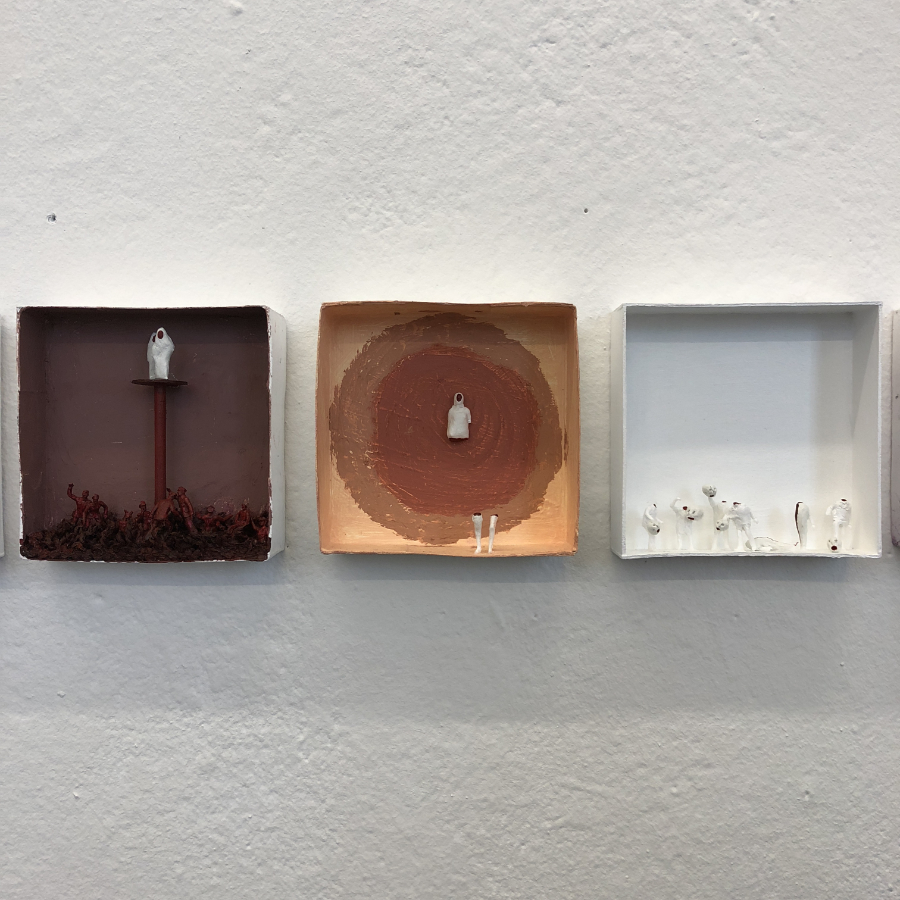
 After visiting a students’ exhibition at an Art School (Kunsthochschule) in Mainz, KIT – TAU took us to a public exhibition space in Düsseldorf. The works shown in KIT were made by art students from Katharina Grosse’s class. Grosse will have her work exhibited here in Wiesbaden in the late summer. The art world is a small world.
Museum Wiesbaden will be featured soon, so that this series proceeds from the atelier to a formal museum in three steps.
The general idea of this series: “Challenge yourself, not by attempting to capture the artwork itself, but your experience of it” (Johan Idema, How To Visit a Museum. Tips for a Truly Awarding Visit. Amsterdam: BIS, 2014). This project is, indeed, intended as a challenge. So you are very welcome to participate. Details can be found here. | This is also my response to the Weekly Photo Challenge: Orange.
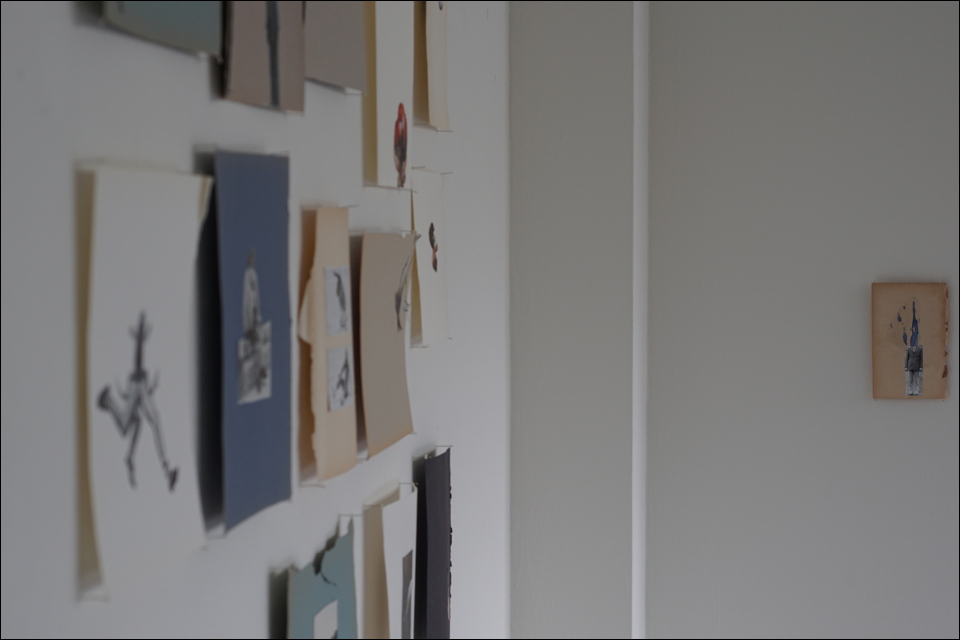

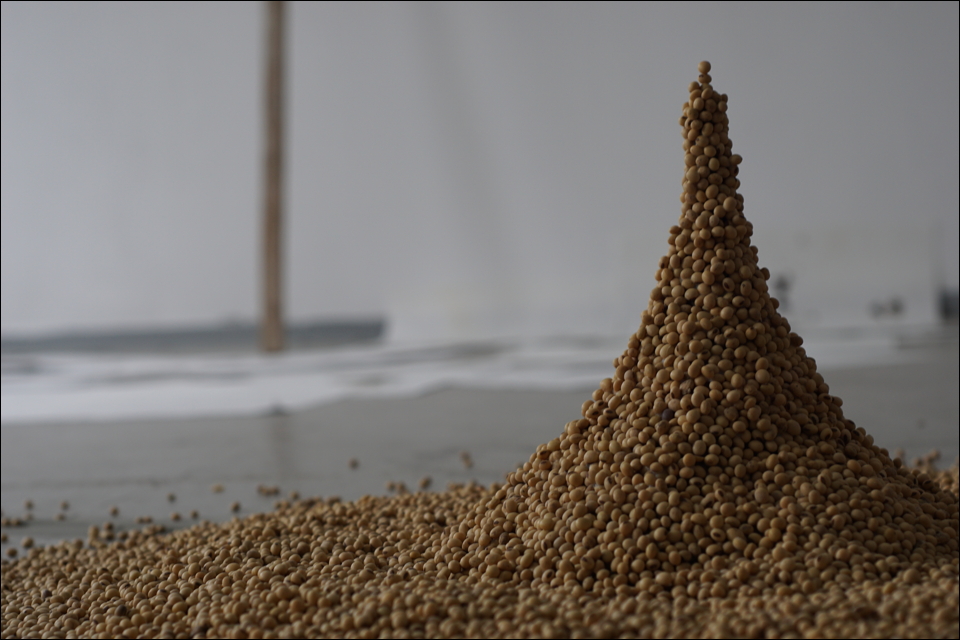
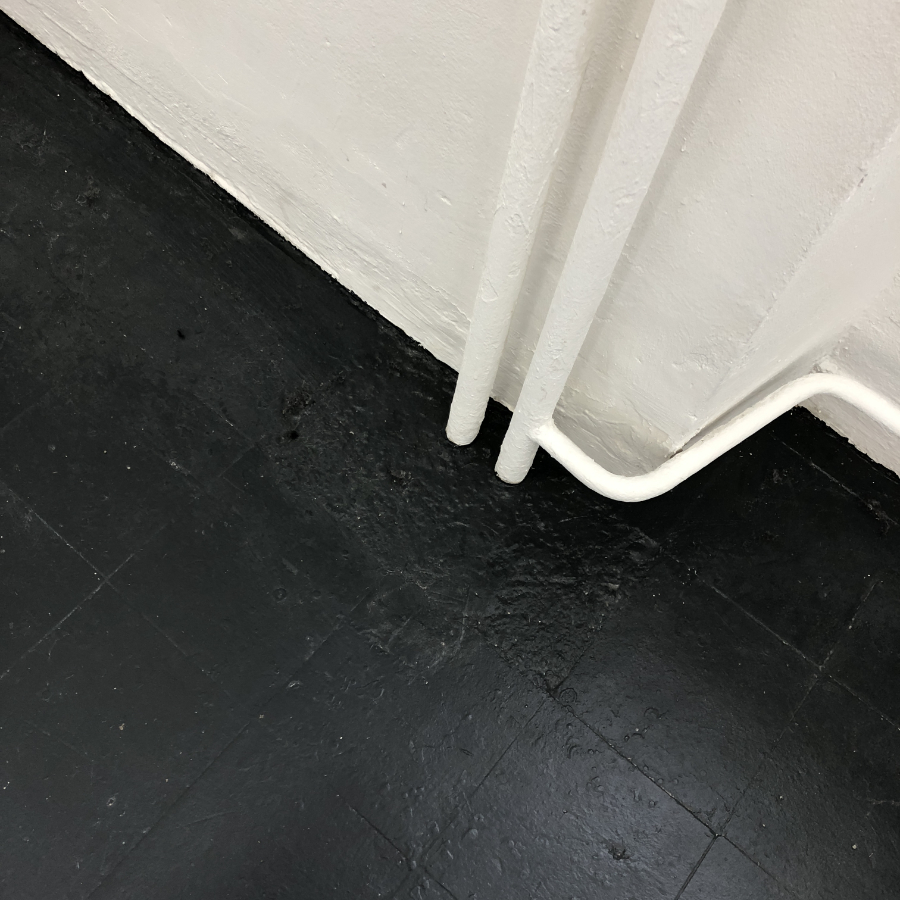
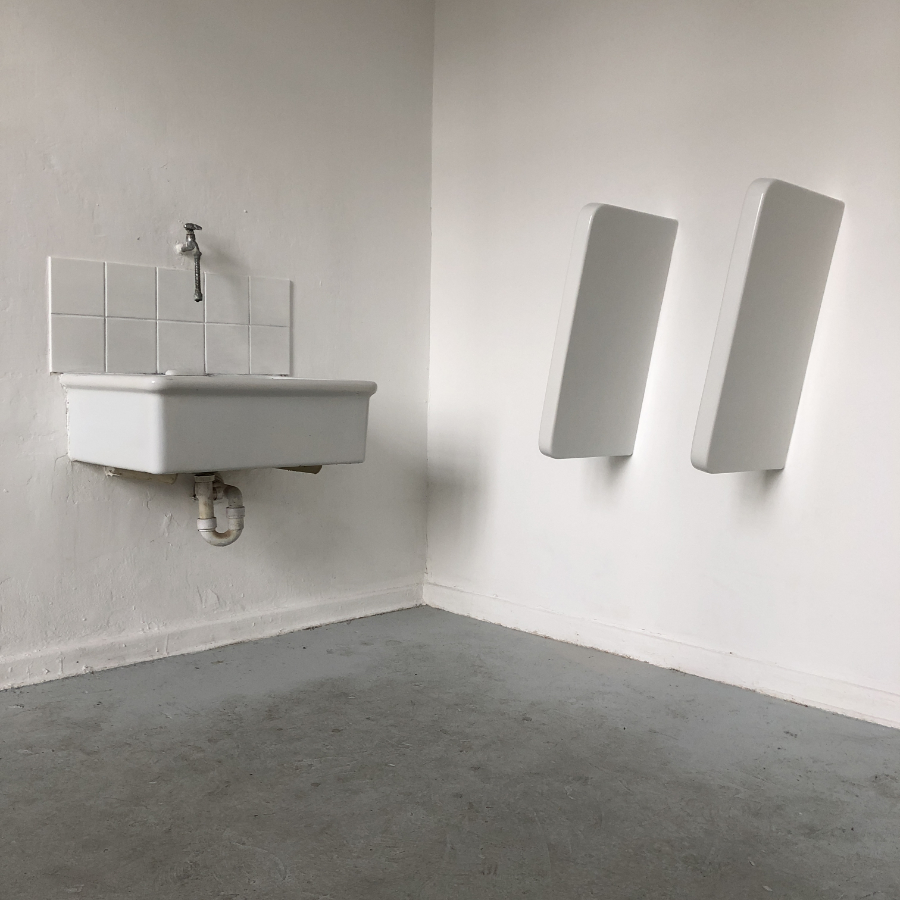
Seeing artworks in the ateliers they were made in is fascinating. The air at the Kunsthochschule (Art School) is heavy with paint and solvents; paint buckets, brushes and easels have been stowed away in a hurry; students seem to be compensating for last night’s lack of sleep rather than guarding the art and asking questions. Some smile (encouragingly?) when the see me making pictures.
Visiting the academy and getting a glimpse of the actual work environment is quite different from going to a museum. But does it help in understanding the works?
If you study hermeneutics (the art and science of understanding), you’ll find the idea that to understand the artist, you need to understand the circumstances under which he or she worked. While I doubt I always want to understand the artist – understanding art is tough enough – visiting an atelier lets me see the works in a ‘fresher’ or even ‘hotter’ state than any other environment (hypothesis: museums are for cooling art down to a more palpable temperature). And since understanding a work of art might as well be non-verbal, digesting it at its freshest might indeed help us understand.
Not to mention the fact that the physical access to the works seems to be way more direct. No one tells you to step back; you can wear your oldest trousers and roll on the floor to get the best point of view if you like. If art is a game, here is an invitation to play with it.
Speaking of invitations: This is part of this year’s third project in which you can participate: The idea is to (playfully) understand art through photography; details can be found on this page.
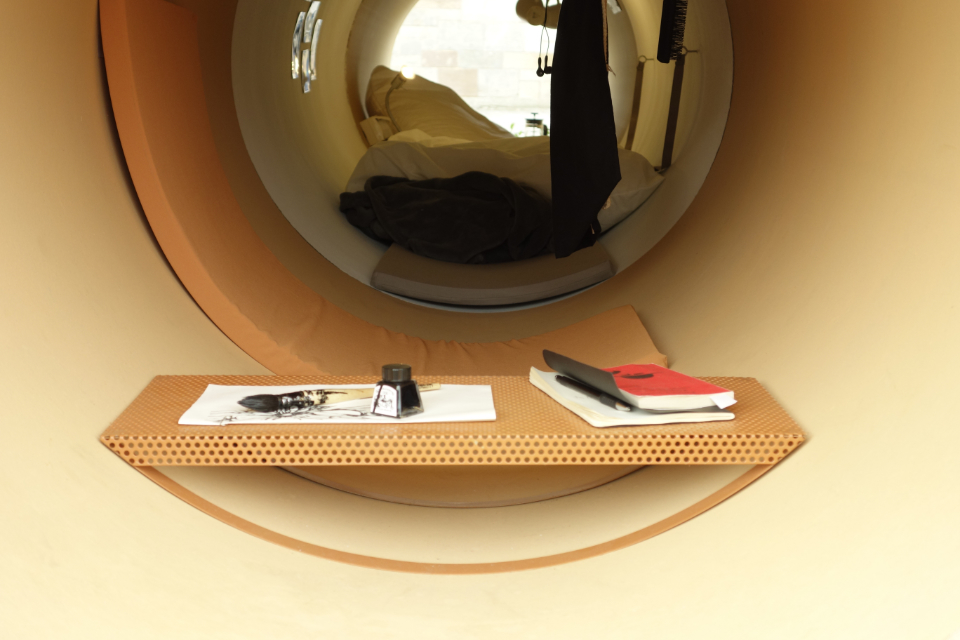


 empire of lights