
Wishing all of you a good start into the new year and a very happy 2017.
Euch allen wünsche ich einen guten Start ins neue Jahr und ein glückliches 2017.

tobias m. schiel
Wishing all of you a good start into the new year and a very happy 2017.
Euch allen wünsche ich einen guten Start ins neue Jahr und ein glückliches 2017.

This week, Krista at The Daily Post presents us with a “New Horizon” challenge: “Think ahead and show your work in a representative photo. If you set New Year’s resolutions, give them some thought a few weeks early. If resolutions aren’t your style, show us something that you want to achieve — it could be setting a new goal, making plans, or even tackling that pile of laundry waiting by the washer. The goal is to get out of the busy ‘now,’ and imagine your new horizon. Go!”

This is my contribution for Thursday’s Special at Paula’s Lost in Translation: Conceptual Photography. The idiom is the same in German, by the way: “Etwas unter den Teppich kehren.”

This is my contribution for Thursday’s Special at Paula’s Lost in Translation. It was “pick a word” again, and I went with the first one on the list: aquatic. | Tech specs: Sony A6000 with Nikon 55/2.8 Micro-Nikkor.
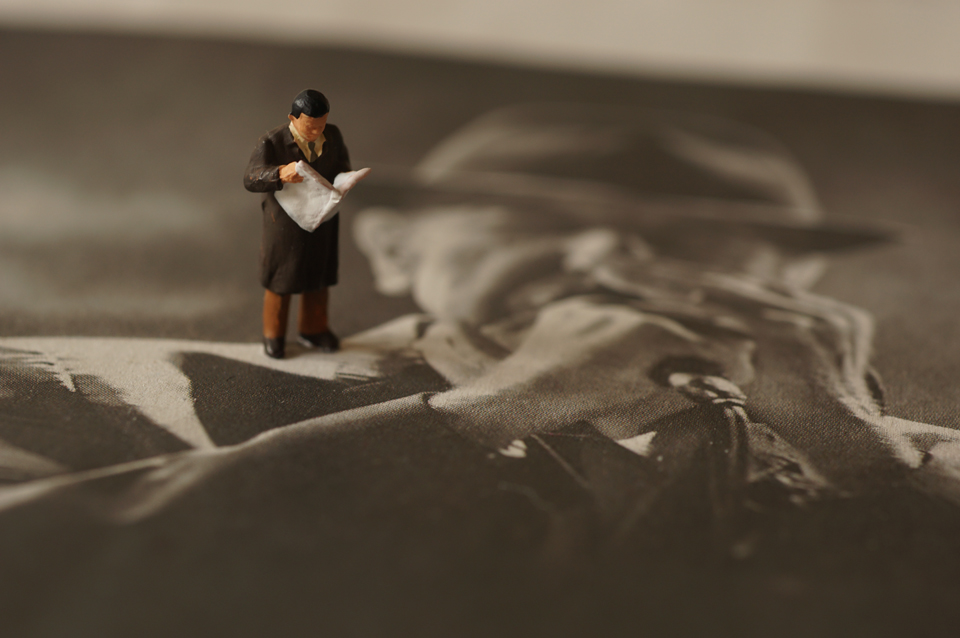
I was looking for something referring to ‘the news’ as a stage for this tiny reader when I stumbled upon last Friday’s copy of Frankfurter Allgemeine Zeitung (one of the quality newspapers in Germany, they say). I began fooling around with the miniature man and the front page, and arrived at this picture.
This is my contribution for the Weekly Photo Challenge – but I ought to say that much of my interest in tiny worlds was induced by Jennifer Nichole Wells’ photography.

(Deconstruction) was how it read in the blog. That was a while ago, and the blog is called Lost in Translation, evocative for someone setting out to think about deconstruction. Jacques Derrida came to mind, and wait: What was it he taught again?
That question set me on a little adventure. I ventured into writing a short article on my understanding of deconstruction, then read about Derrida, tried again (failed again), read some texts by Derrida (failed better), started thinking about ways in which his ideas might be relevant to photography, to my photography, and am still wondering what deconstruction might look like in photography if the basis were Derrida.
Since this is an ongoing process, I would like to share those thoughts with you, from the start. I very much hope that my scribblings – because that’s what they are, really – might inspire you to question (or support) my attempts at understanding.
Destruction? Construction? Which is it? In the humanities, deconstruction is associated with the ideas of Jacques Derrida, and it’s not simple. But since my post is based on philosophical deconstruction – as I understand it – I’ll try to outline the idea.
Deconstruction is radical about questioning the premises of things we hold true. It is radical insofar as it always seems to shatter the very fundaments of rational thought. The simple reasoning goes something like this: Language inadvertently uses metaphor. Metaphor is always open to interpretation. Since even the most ‘coherent’ thinking is always based on language (hence on metaphor), its very premises must be subject to Interpretation (i.e. the ‘demasking’ of metaphors).
Well, if I write it like that, I can almost see Nietzsche leering round the corner. But there is a practice to the theory, and to me it seems like this practice aims at arriving at aporias (or undecideabilities, as they call it): The answer to the final final question concerning any philosophical problem remains open.
Against this Background, acting always requires a leap of faith. For example: How come the police, in enforcing the law, may act in ways that would be against the law for anybody else? Why may it use force to enforce something that – gernerally speaking – forbids the use of force? And it does not help to refer to a law that allows law enforcement to act in ways forbidden to others: What would be the underlying priciple? How about justice? Does the idea of justice really work when these question are at stake? And so on.
You can pursue these questions until you are ‘at the heart of the aporia‘. But what good would that do? I believe it’s basically an enlightenment thing.
So how do I incorporate deconstruction into a picture? Where’s the metaphor, the undecideability?
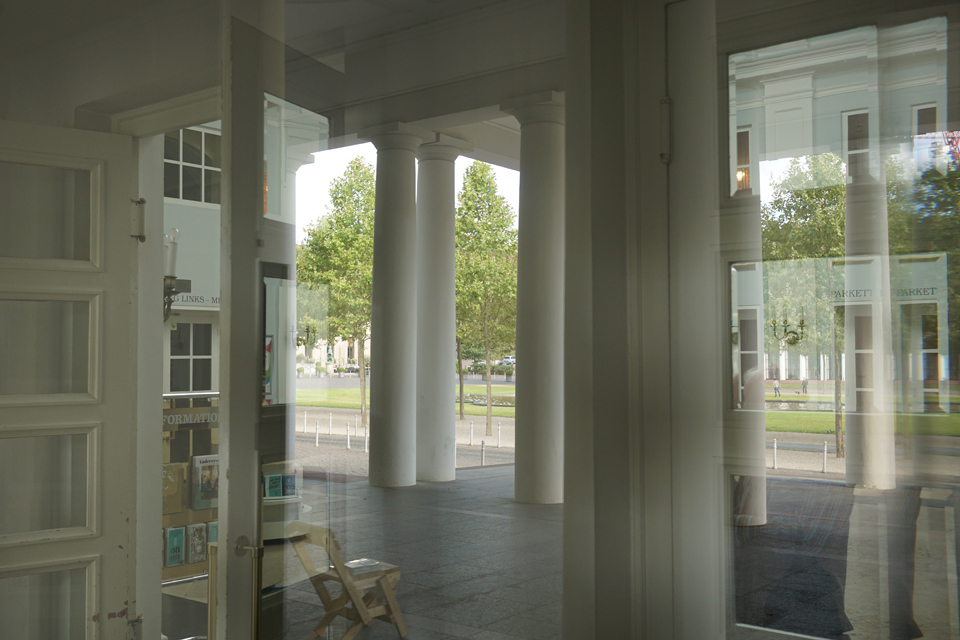
In my first attempt to describe philosophical deconstruction I was not altogether wrong – but I was not altogether right either. After reading some commentaries on the works and central concepts of Derrida, I realize that Derrida’s project involves ceaseless questioning: Words receive meaning because they differ from other words – not just in the sense in which “house” differs from “mouse” (by one letter), but also in the sense in which a house differs from a building, a palace, a mansion, a shed etc. These differences are defered, they never come to an end: No word is ever fully defined.
I read this nice thought experiment: You can look up the definition of a word in a dictionary, and then the definitions of the words defininig this word, and so on … and we would probably not arrive at a ‘full’ definition.
The question remains: How can pictures be linked to deconstructive activities? How can I show ‘never a full picture’?

Does reality reflect the picture? In claiming the immediacy of the mind’s picture we say that the photographer’s chore is searching reality for just that constellation: Traditional thought describes the picture – as well as the mirror – as secondary to reality, although things changed a bit when it comes to paining. But when it comes to photography, we mostly live in the Platonic era.
I’ve always enjoyed the process of ‘thinking’ the picture before actually finding it. If we now apply deconstruction (the deconstructive process?) to pictures and their contents or to the acts of picture making and contemplating we might have to expand the field. Reality might be likely to represent pictures: When a sundown reminds us of a painting by Caspar David Friedrich or William Turner or Vincent van Gogh, we see it through the after-image of the painting.
And we see pictures through other pictures. Would a single picture be as menaningless as a single word? Can it be no less outside the world of pictures than a word can be outside the text?
Pictures are charged by reality, and reality is full of those objects we call pictures.

Writing, I understand, has traditionally been regarded as a substitute for speech. While the latter is immediate, writing can only aim at speech: It is a signifier of a signifier, and hence to be regarded as secondary.
Derrida seems to question this very hierarchy, and one of the point he makes (if I understand correctly) is this: Our present knows of much writing that does not signify speech; think of mathematical “writings” (formulae, for example), think of cybertext. These examples made me to consider a very special type of writing: The invisible text (code) that “results” in the digital picture. Contrary to so many other texts, this one in radically absent, and if you are not an expert, it is quite difficult to dig it up.
It is an imperative because it tells the machine what to do: generate a picture on the interface. But what is the signifier, what is signified? What’s the connection between the object, the text and the picture? Do we get lost in translations – since, after all, those translations are not intelligible?
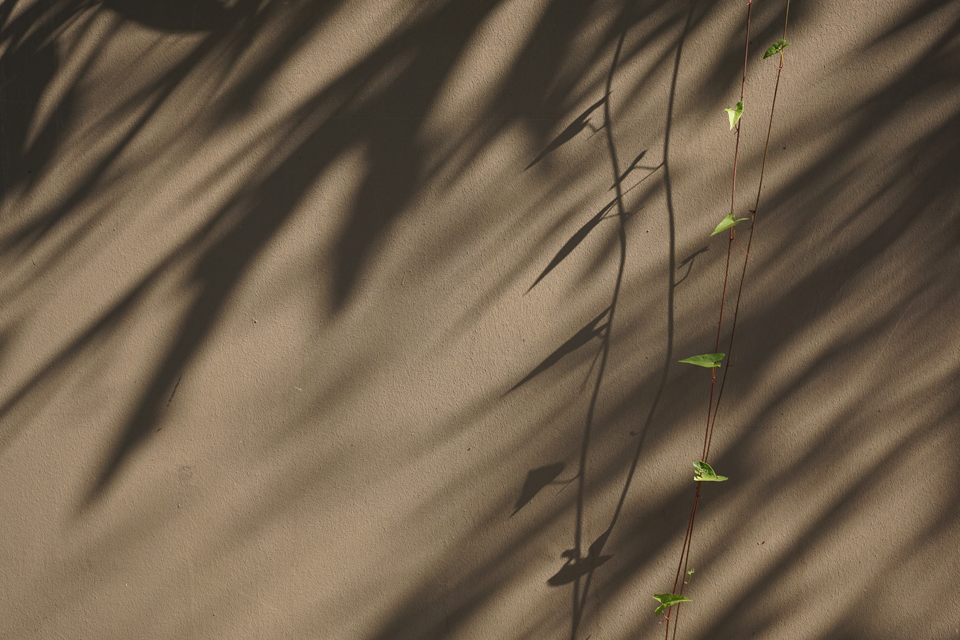
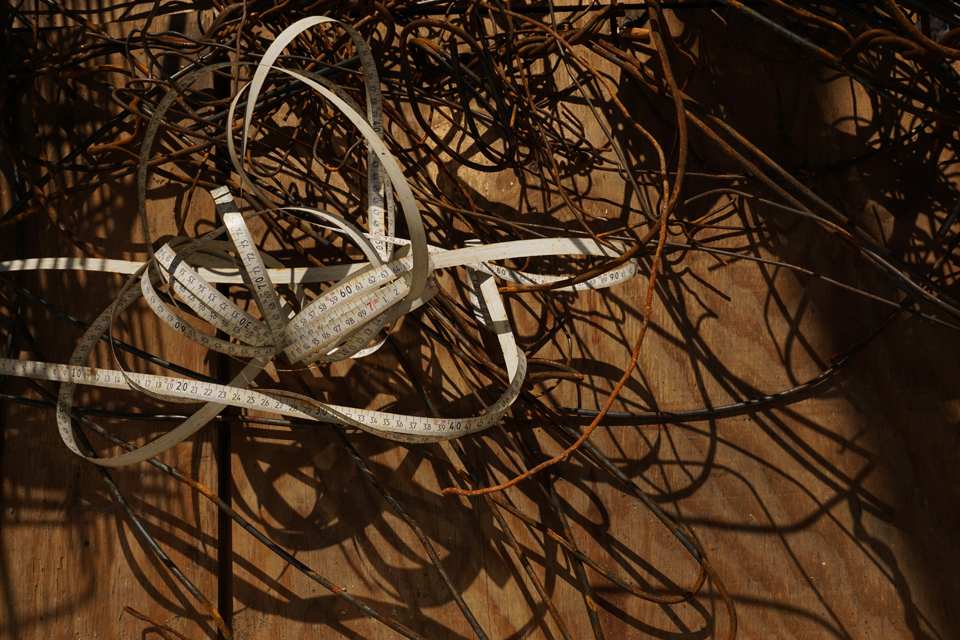
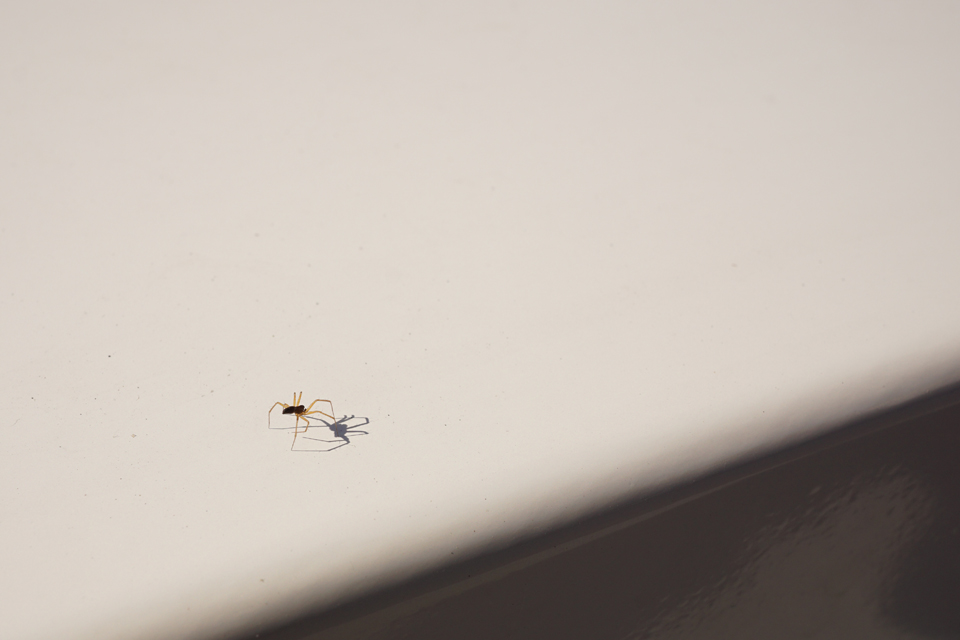
So much sun, so many shadows – for Paula’s Thursday Special. I did not really know which one to pick. The second picture is entitled Measure for Measure, and the third one seems to answer to Paula’s question: “Are you ready to face your own shadow?” Or will it make you trip over your own legs?
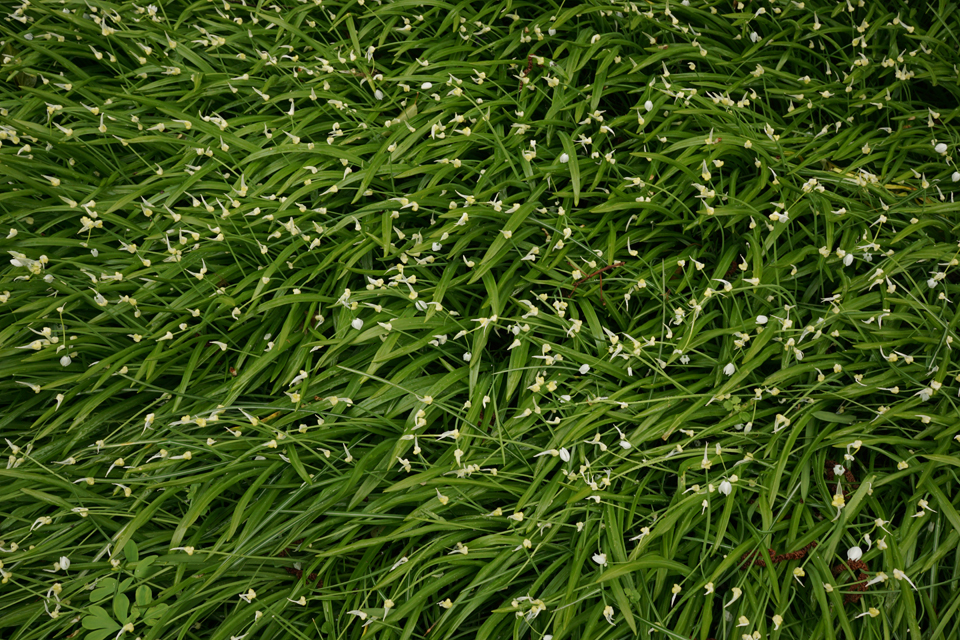
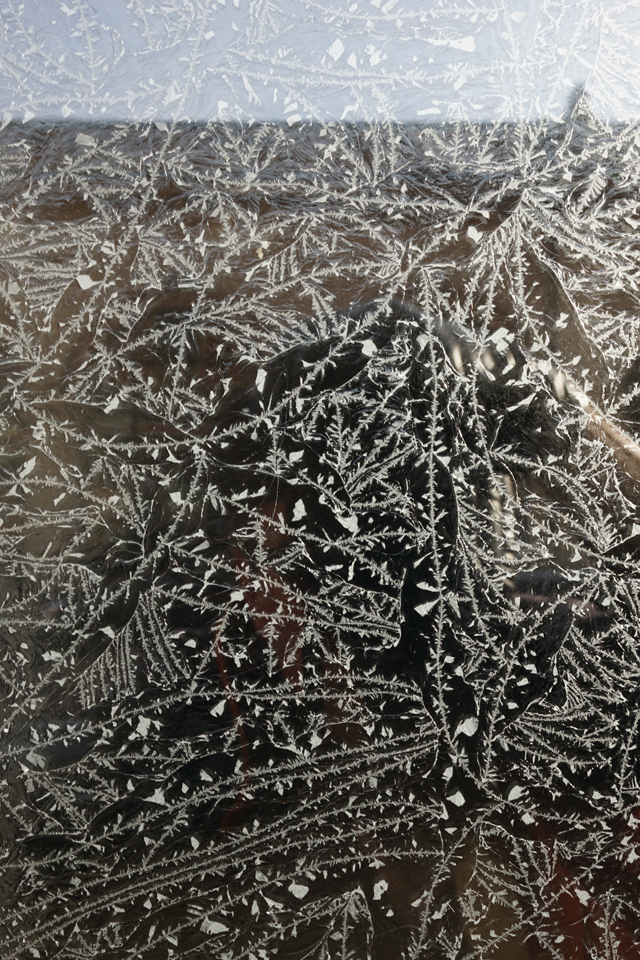
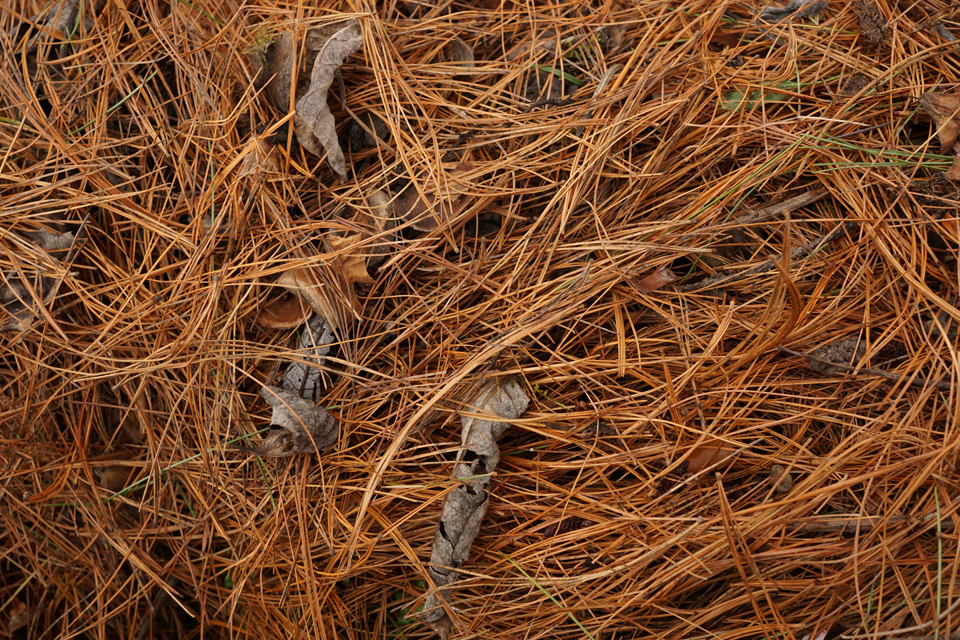
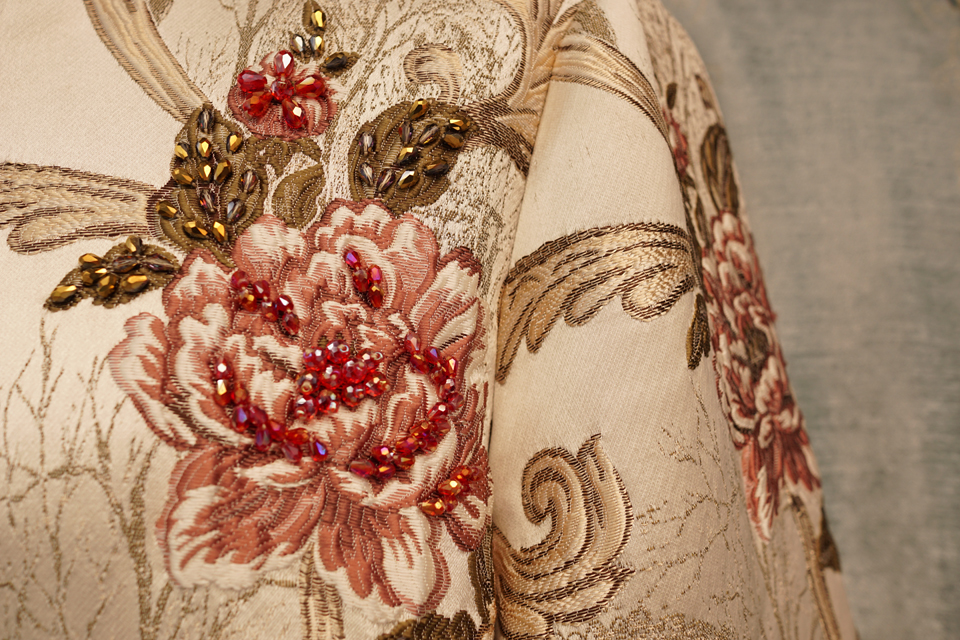
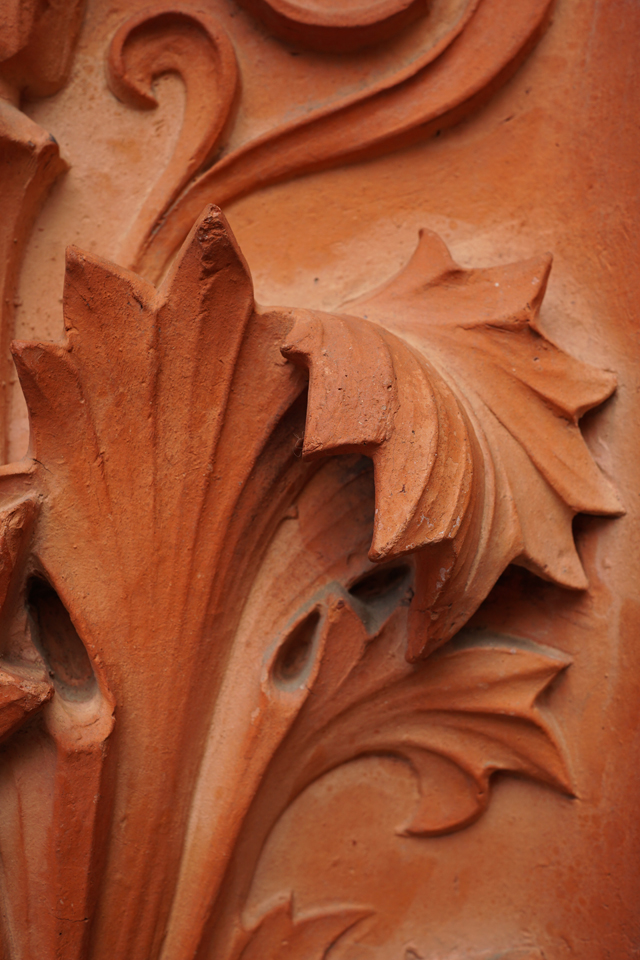
Here’s a contribution for Paleica’s Magic Mottos. This month, it is Blüten und Blätter (blossoms and leaves), and I felt like trying to come up with as many interpretations as I could. I began with focusing on nature’s abundance. Then I realized that many of the resulting pictures resembled patterns … or floral decorations that seem to be ubiquitous.
Ein Beitrag für Paleicas Magische Mottos. Dieses Mal waren es Blüten und Blätter, und ich habe versucht, so viele Interpretationen wie möglich zu finden. Es begann mit einem Blick auf Überfluss und Fülle der Natur. Dann fiel mir auf, dass die Bilder an Muster erinnern … an florale Dekorationen, wie man sie überall findet.
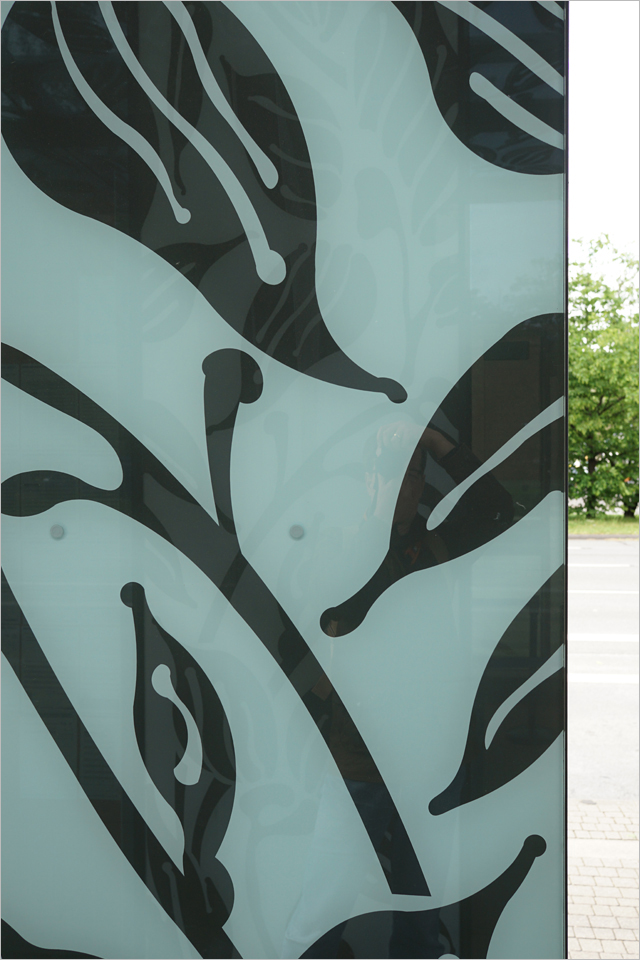
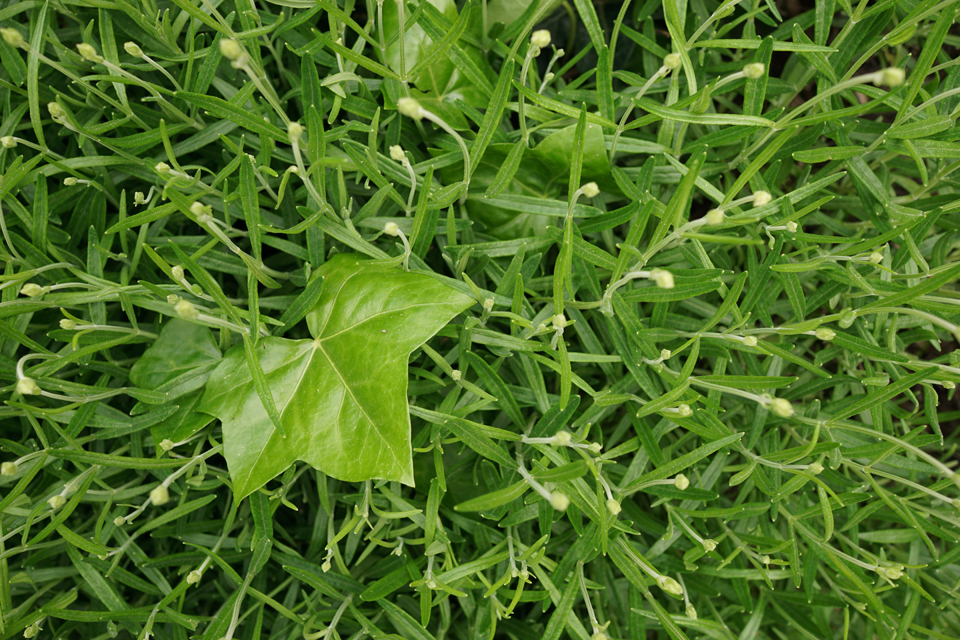
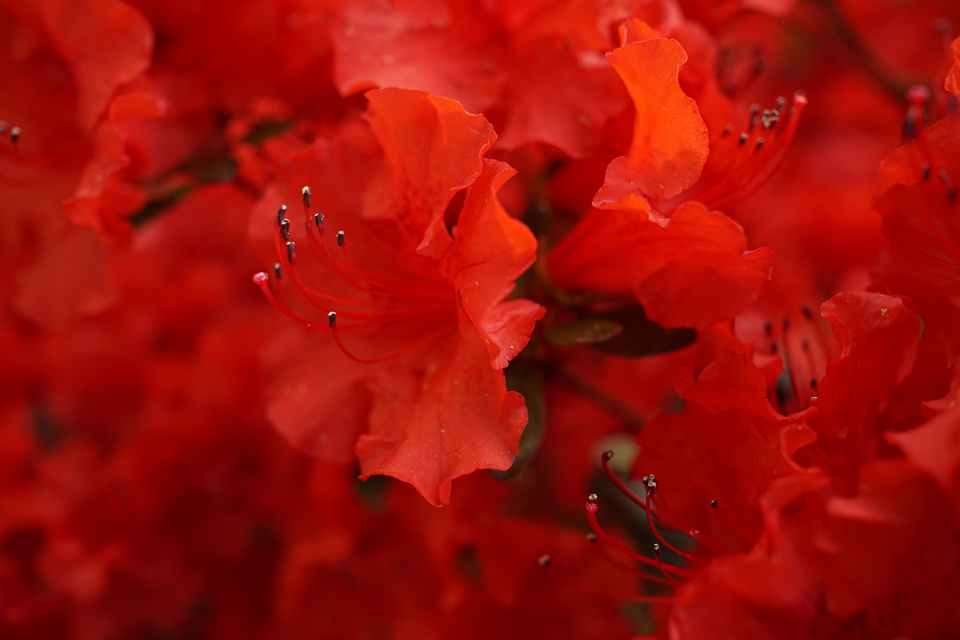
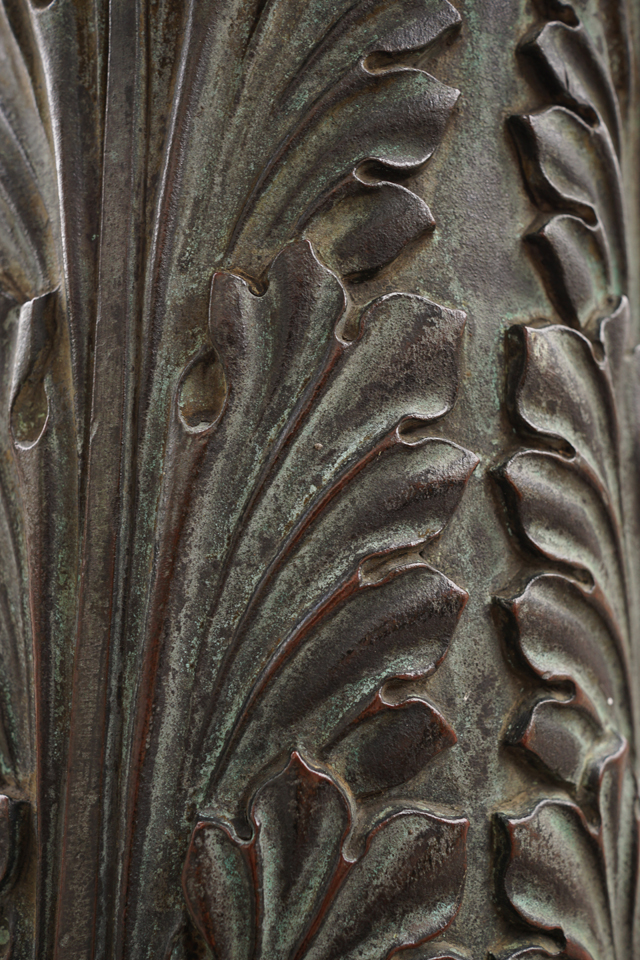
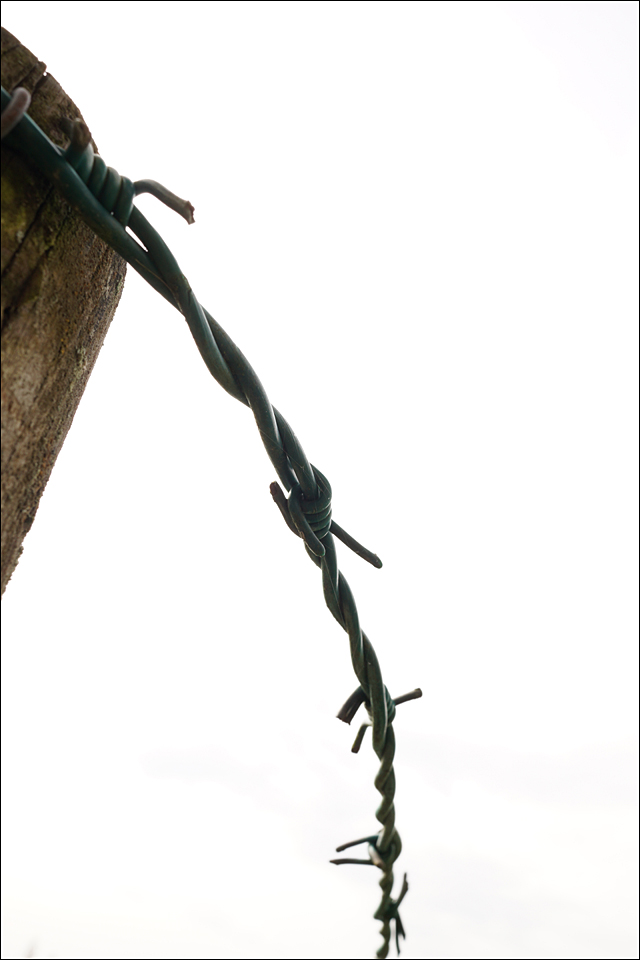

After some very friendly nudging by Paula I decided I had to come up with something for her Thursday’s Special: Forbidding. At first, things did not quite work out the way I intended them to, so it took a little while. Despite the obvious choice in the left picture I think these finally work.
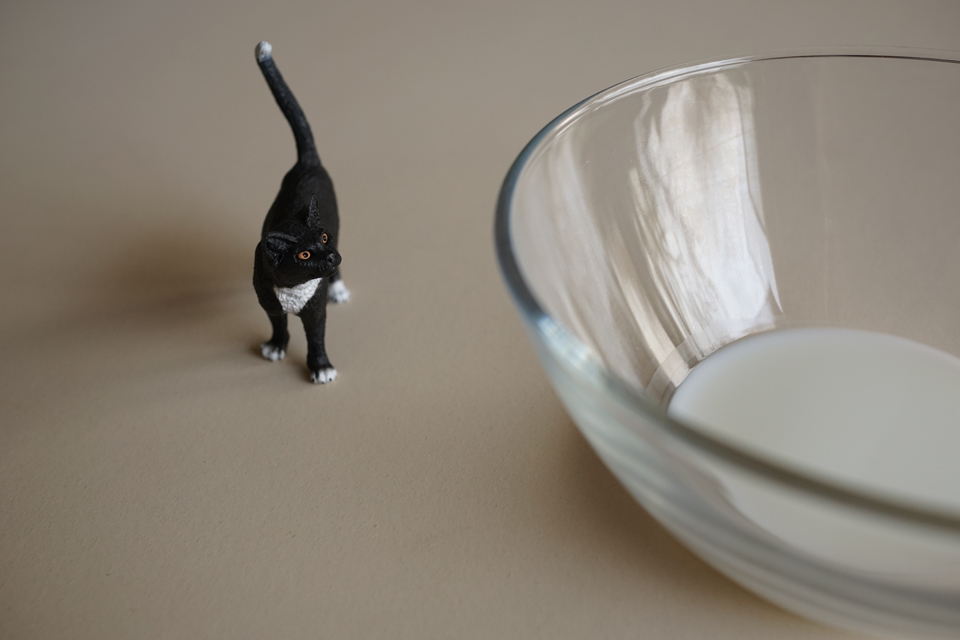
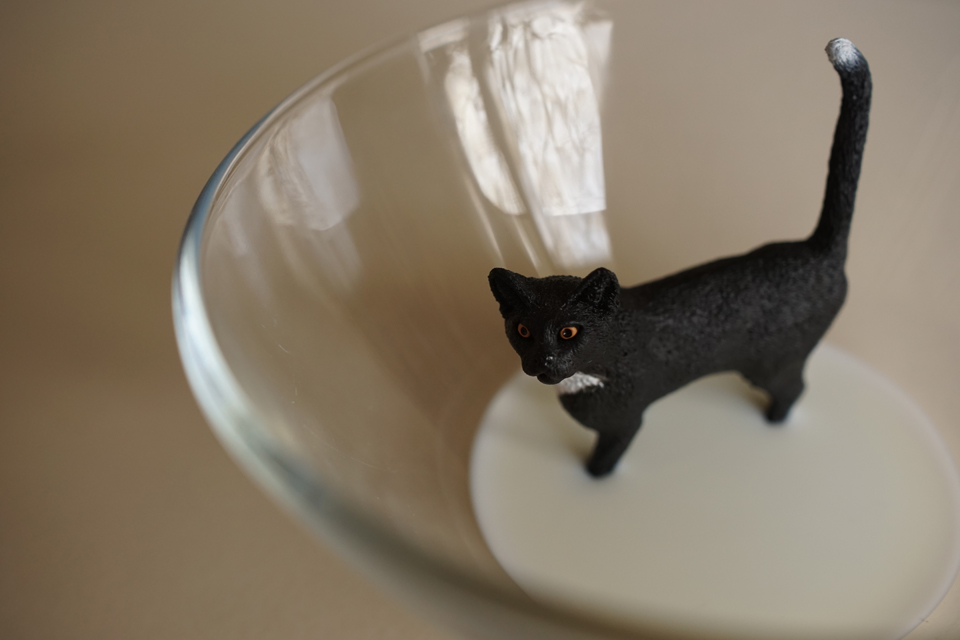
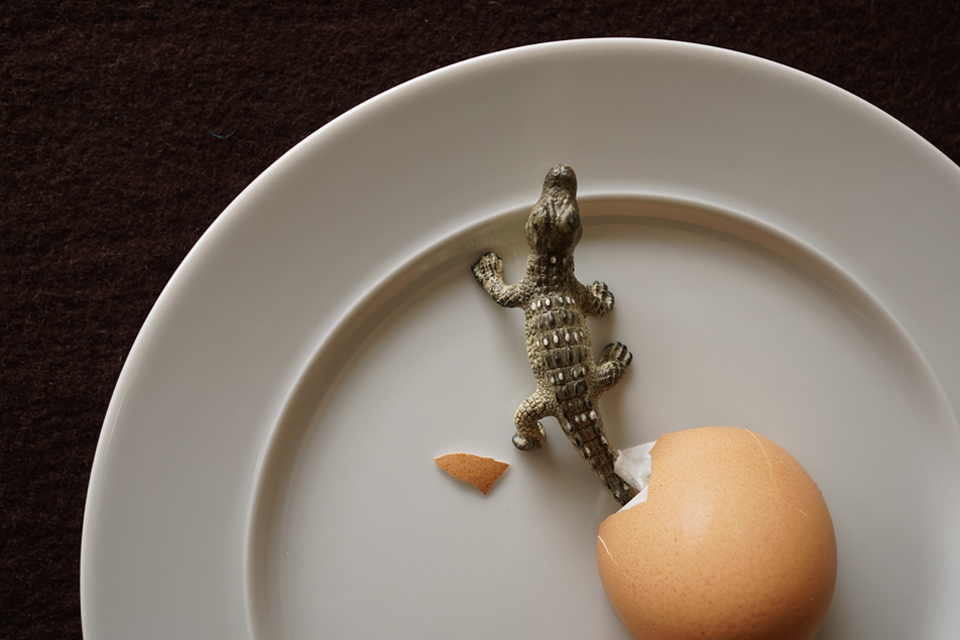
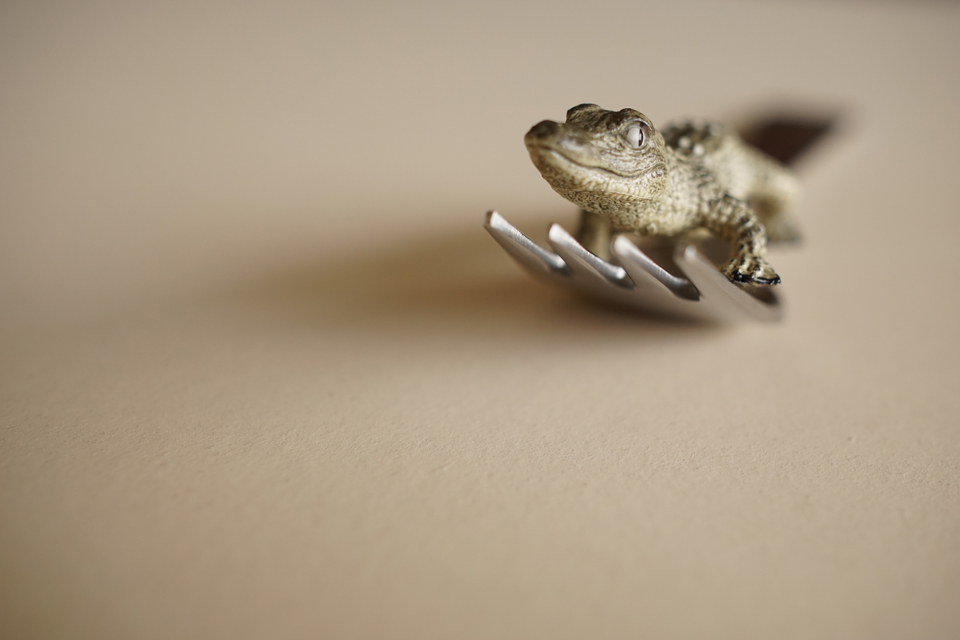
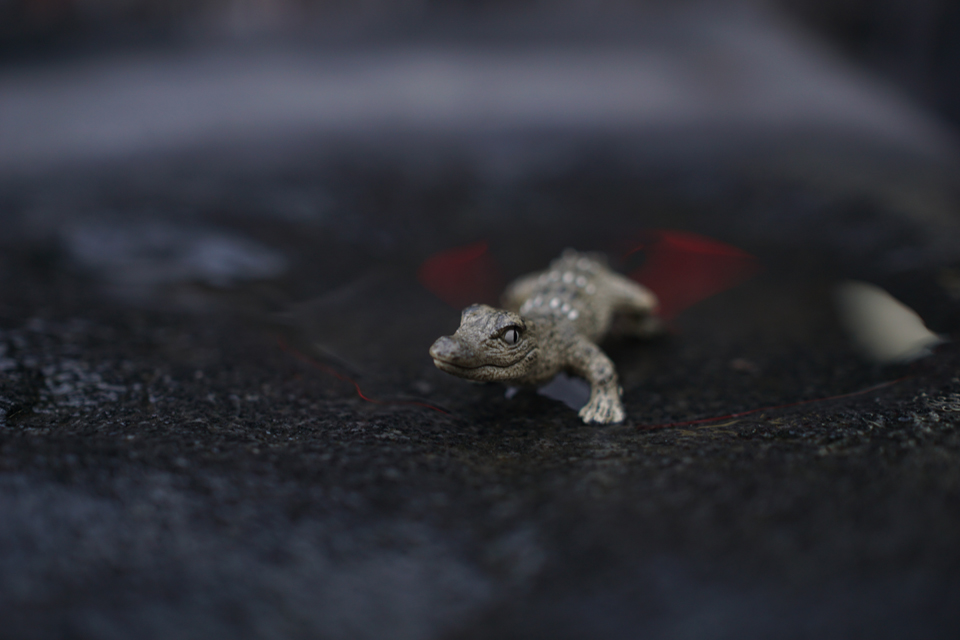
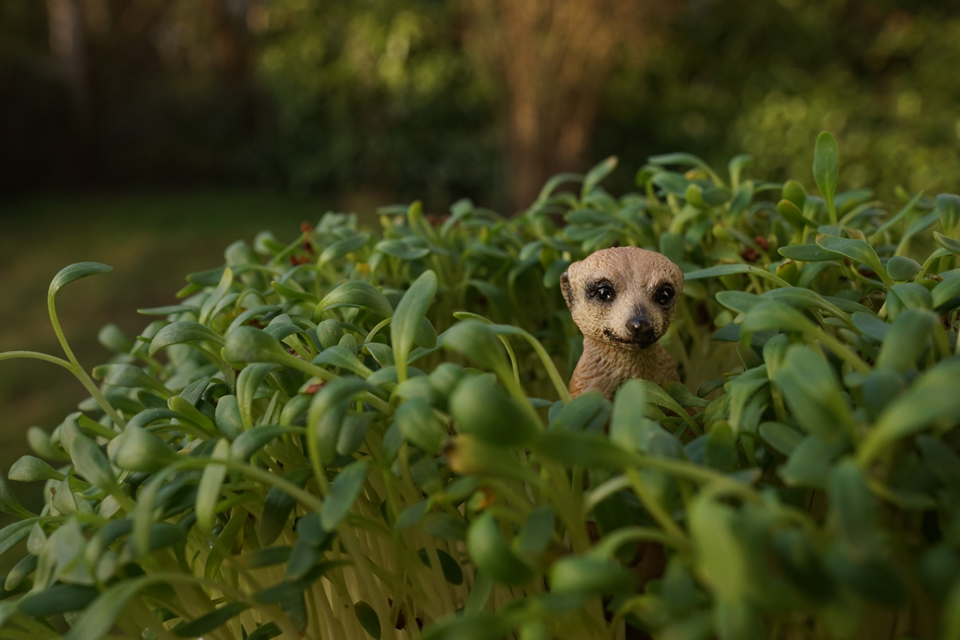
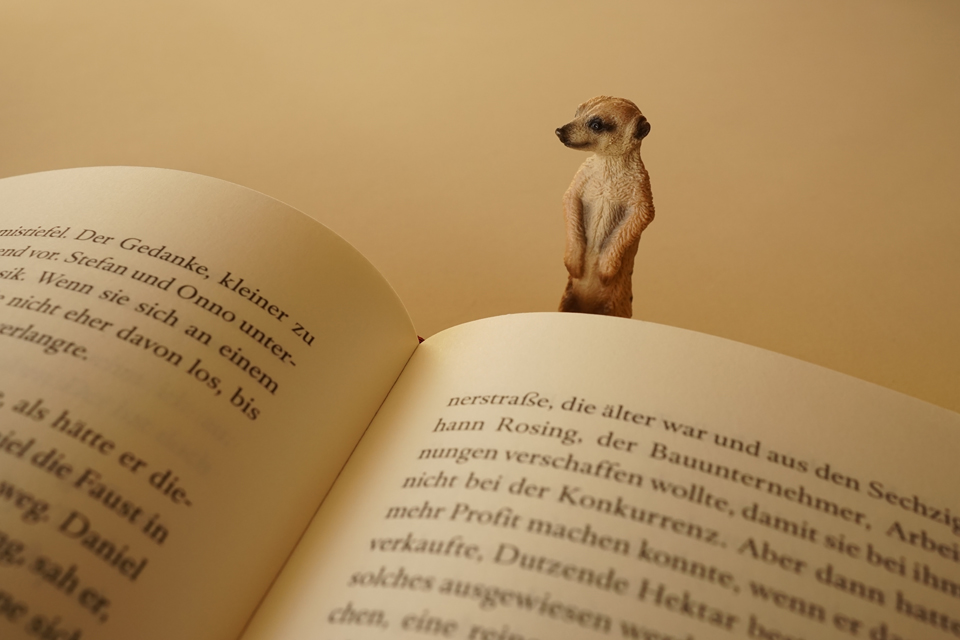
A contribution for Paula’s Thursday Special: Life-Size. At first I did not know what this was all about. But then our pets got out of hand – that cat: You don’t pay attention for a moment and the next thing you know, she’s in the milk! Just sharing some photos of the weird menagerie. Life-size, of course.

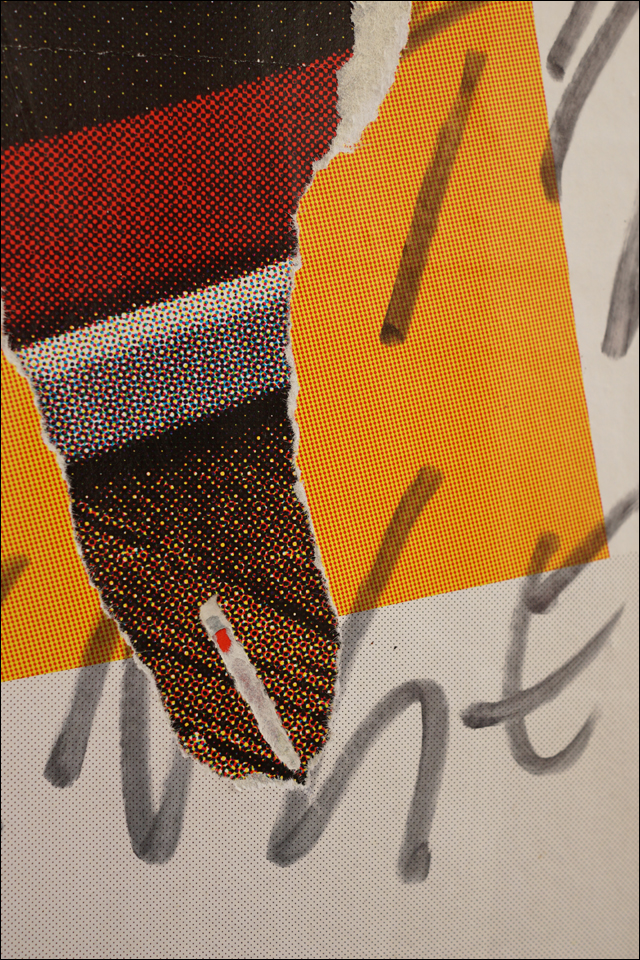
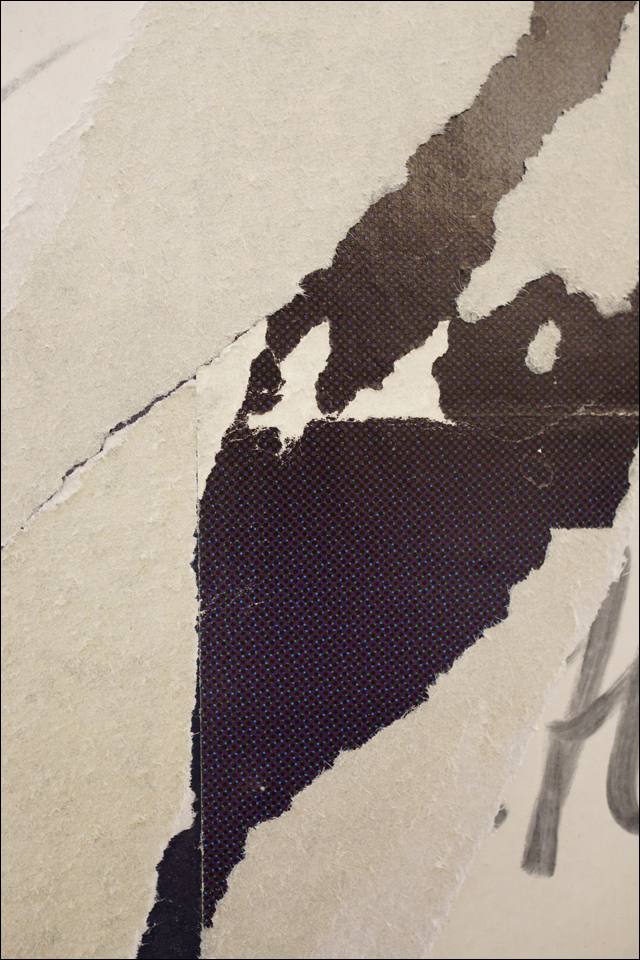
Paula at Lost in Translation kindly asked me to host a guest challenge which I gladly did because those challenges often entail great discussions. That’s what’s happening… Jo wondered if organizing noise was something like finding beauty in ugliness. I remarked that the phrase might also be understood as “ordering chaos” and then realized that this answer might make sense in more ways than I would have thought.
1. I was reminded of Michel Foucault’s L’ordre du discours, “The Order of Discourse.” Order/ordre seems to signify system here, or disposal, also connoting terms like regulation or even directive.
According to Foucault, there is no knowledge to be had outside of Discourse. Discourse decides what can be said within reason and what cannot, and what form a proposition must have. By exerting this power, Discourse forces knowledge into existing: The ways in which we can think or speak about anything determine what we can know about these things.
2. I was also reminded of Alfred Döblin’s Berlin Alexanderplatz, one of the masterworks of Modernity. Writing this novel, Döblin saw himself confronted with the problem of representing all the things happening simultaneously in a metropolis. As a solution, it seems, he chose the form of collage. And in one of the many essays that may be read as commentaries of his work, Döblin asks: “Was steigt in das Becken des Jetzt?” – “What will climb into the Pool of Now?”
Climbing into the Pool of Now: I love this metaphor! Today I get the impression that it is also a photographer’s (and an artist’s) question: What will be allowed to ‘climb’ into the picture – now?
Answering this question by releasing the shutter, we force pictures into being, pictures of a world that often presents itself to us as an incomprehensible chaos. Pictures then can help us sort it out, no matter if we choose the counter-discourse of art or the discourse of reportage.
Pictures from Litfaß session no. 11
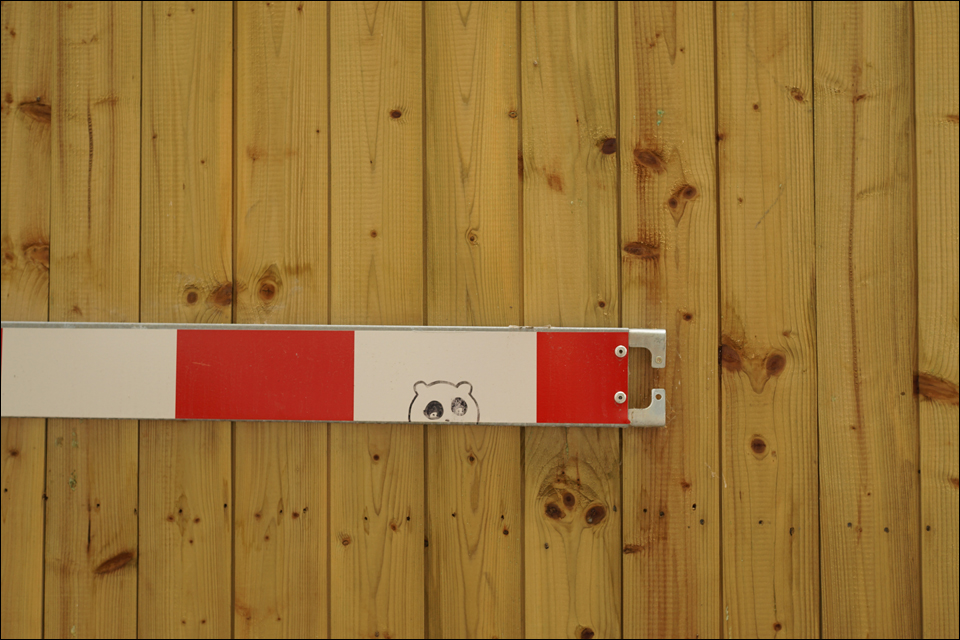

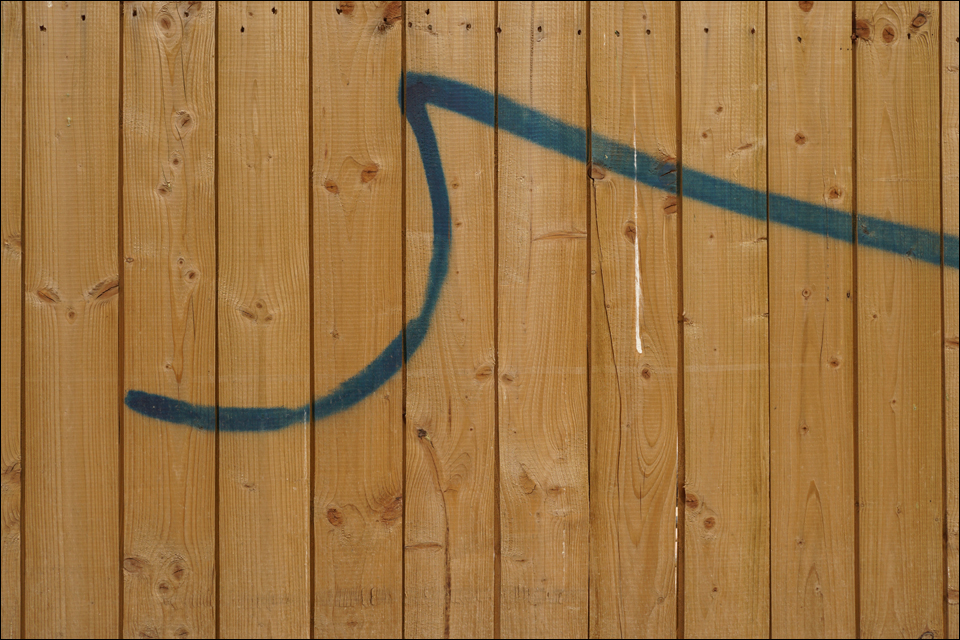
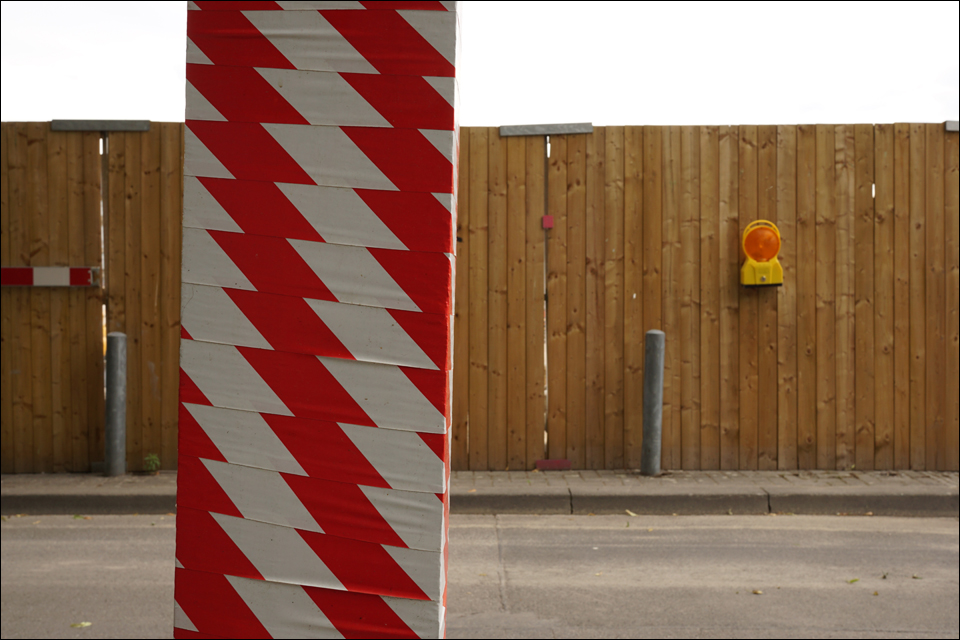
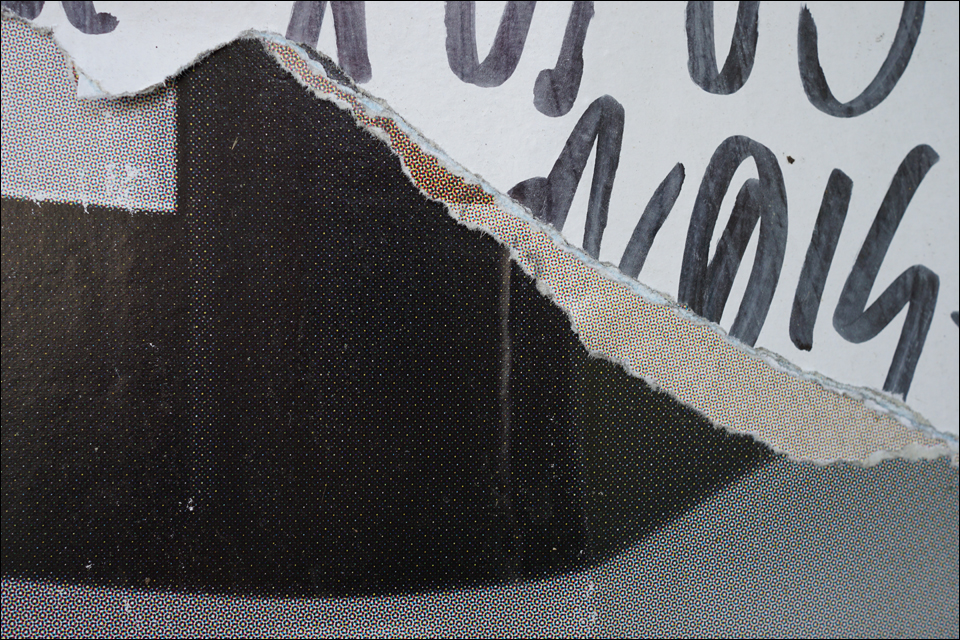


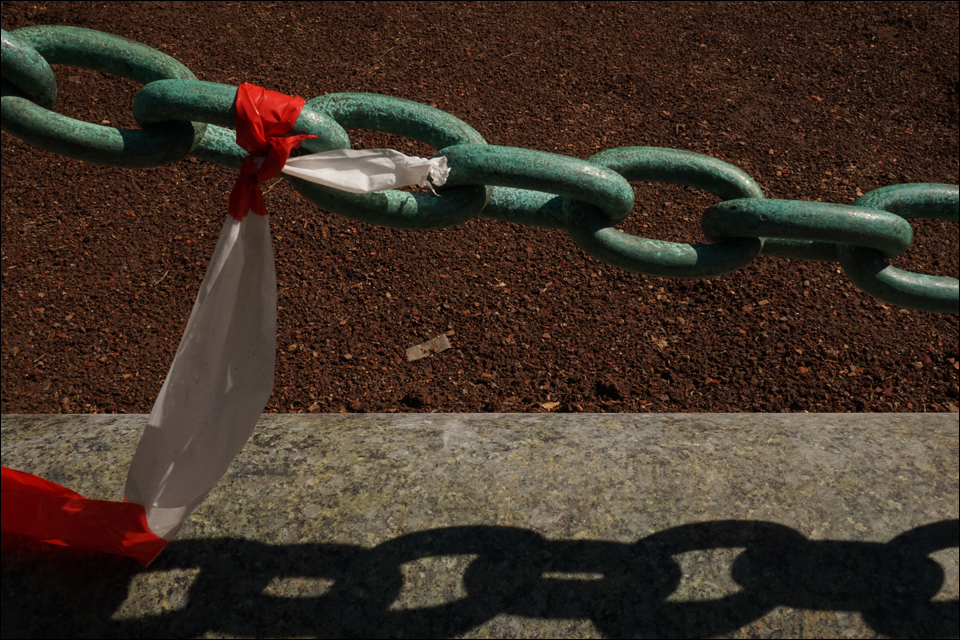
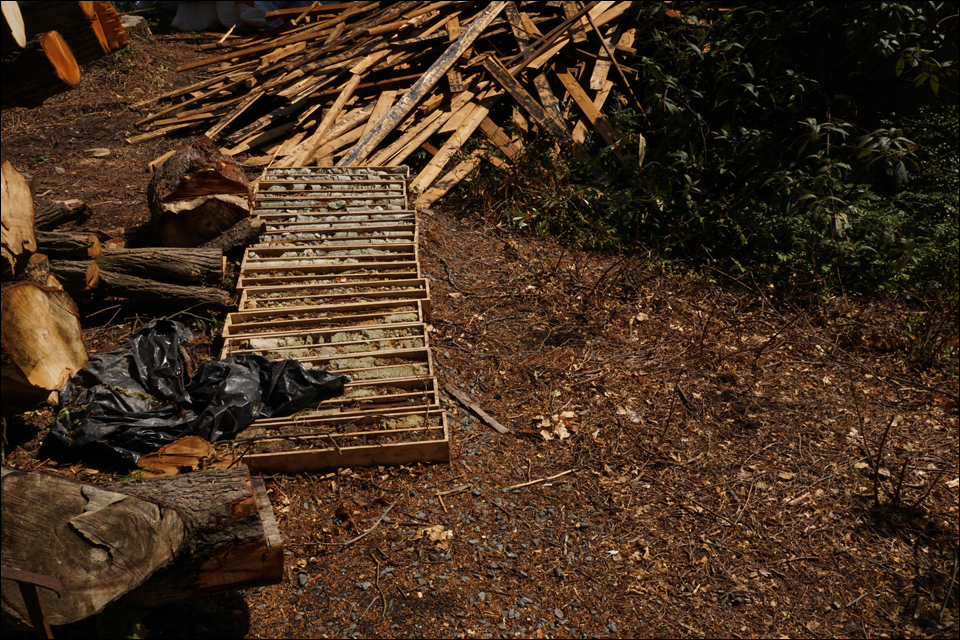
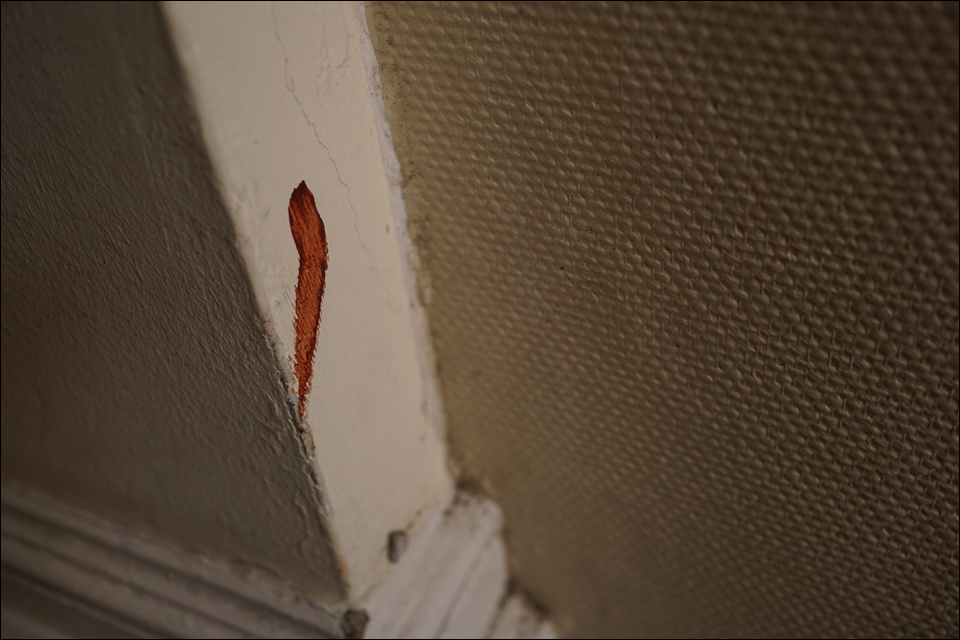
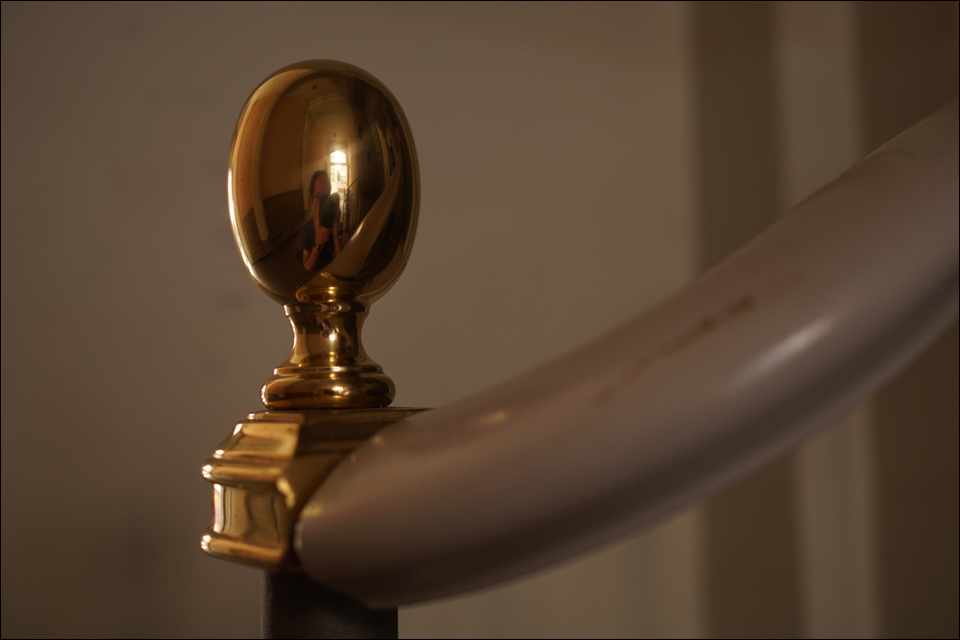
Some pictures I like just do not seem to fit into any post until a good cue gives me new ideas: Paula’s photo challenge Traces of the Past proved quite helpful for this post. She writes: “For the third time this year Thursday’s Special is bringing you a challenge dedicated to past. It can be a distant past or a recent one. It can be a past that is abandoned and about to be forgotten, or past that is still functional and intertwined with present.” And here was my cue. I decided to focus on the traces, no matter how long gone the past might be.
Not me! I ain’t done nothing. Just happened to be there.
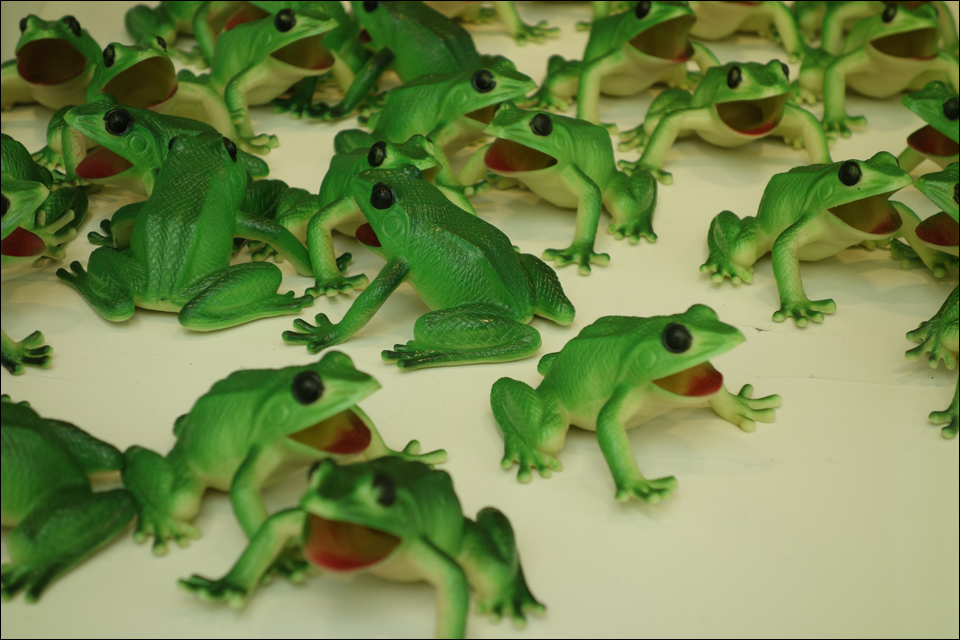
– Wolves run in a pack. Fish swim in a school. Now what would you call a ‘school’ of crows?
– A rookery.
– Meaning, a rook is a crow.
– That’s right.
– A rookery then. And a school of frogs would be a froggery?
– In your world, yes.
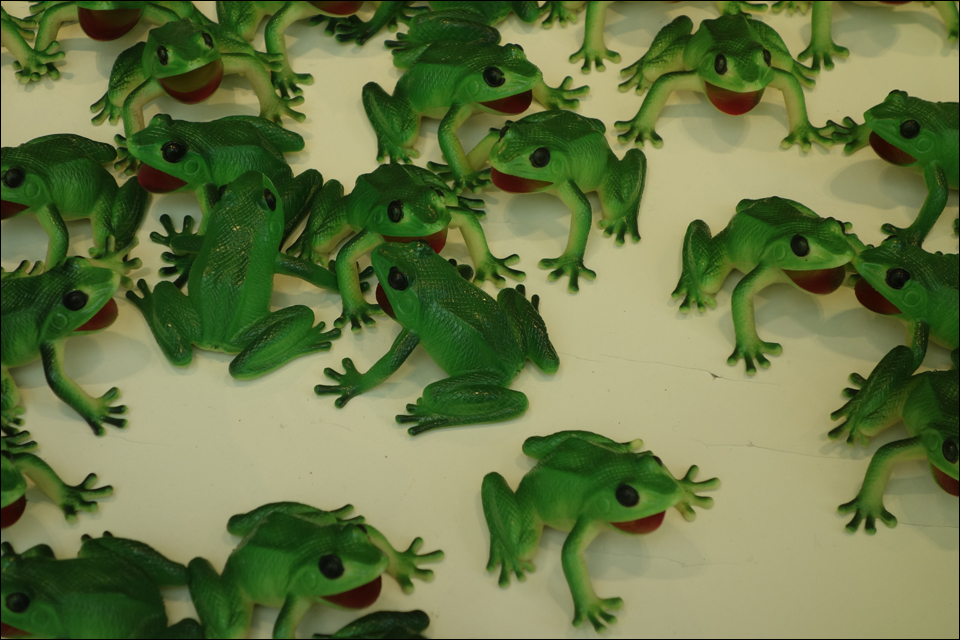
This is my entry for this week’s photo challenge: Vivid.
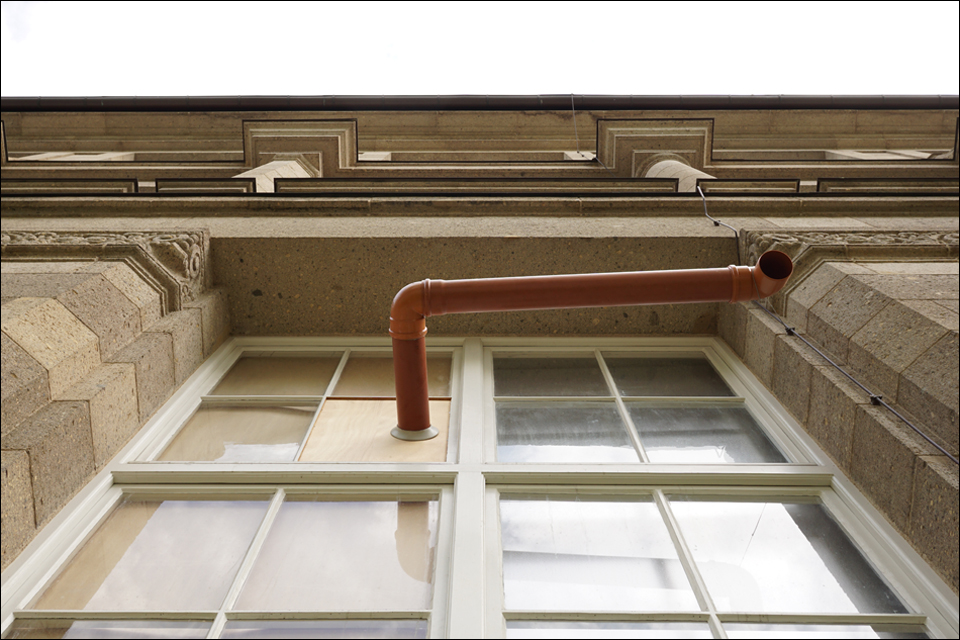
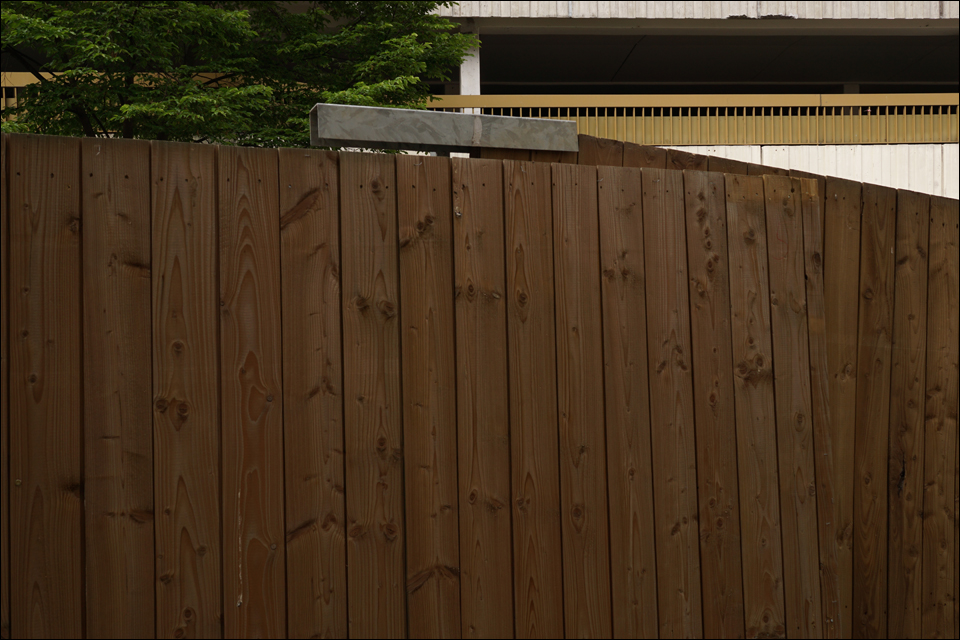

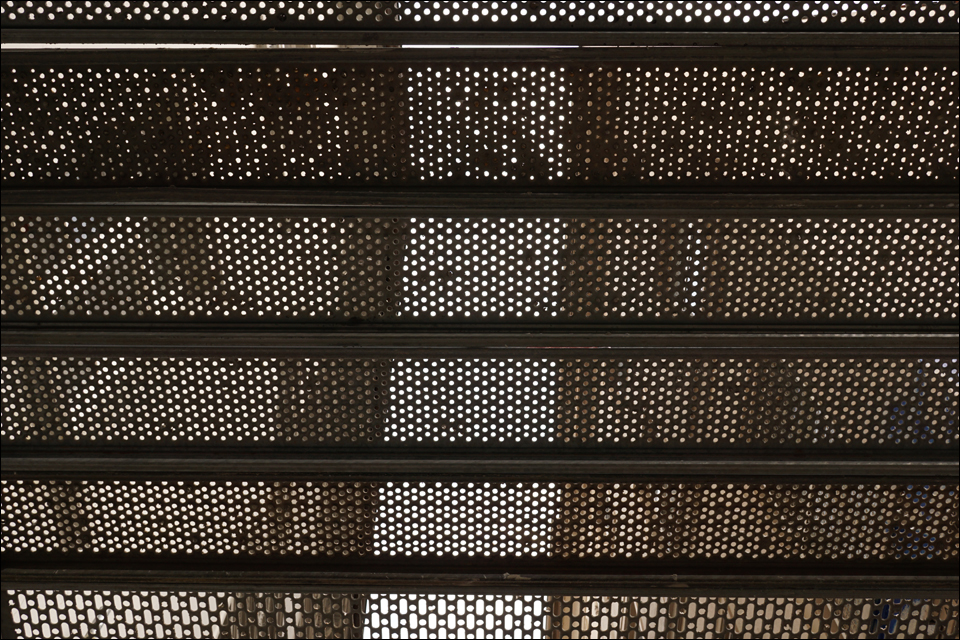
 After deciding this was the story for Paula’s Guest Challenge – How to Tell a Story through Colour Photography – I first thought I should add a narrative text. But then I decided on the title, and I will say no more.
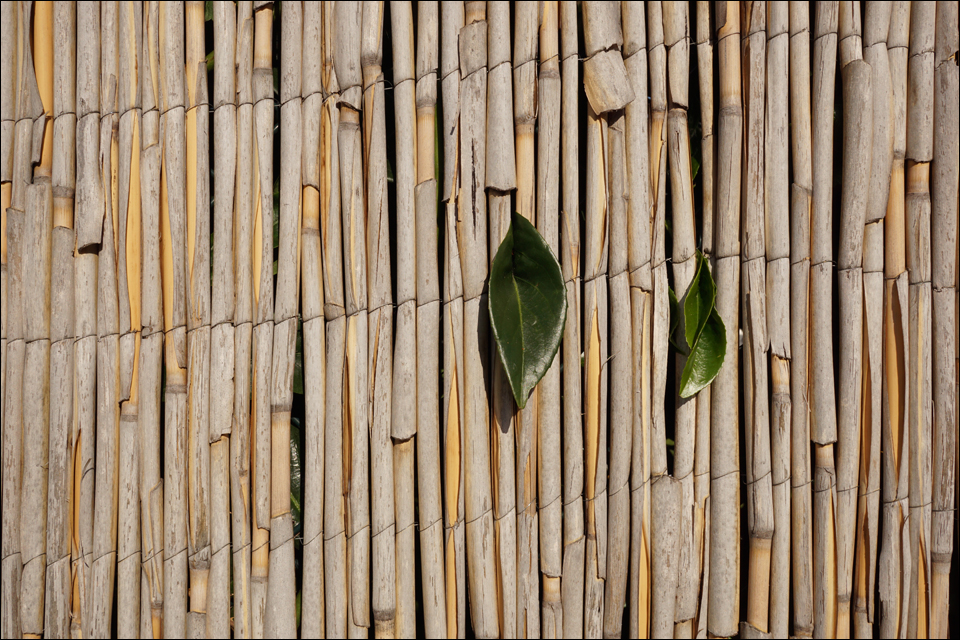 The Weekly Photo Challenge features Forces of Nature.
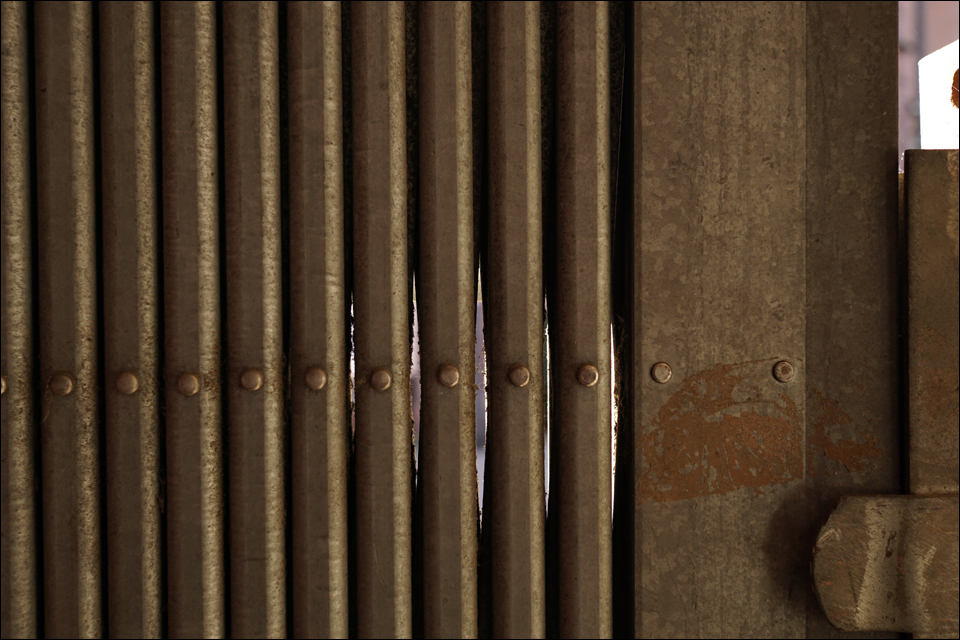
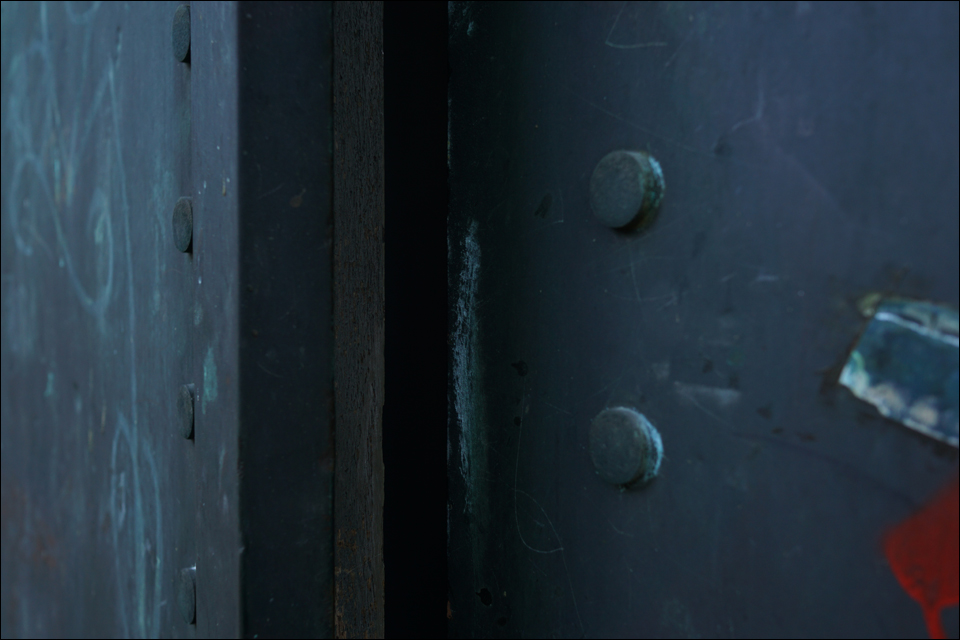
Inside: Is the inside visible from the outside? Is the inside only perceptible in its relation to an outside (by way of looking out, for example)? How can I arrive at one of the two, starting from the other? It may be the transition that counts.
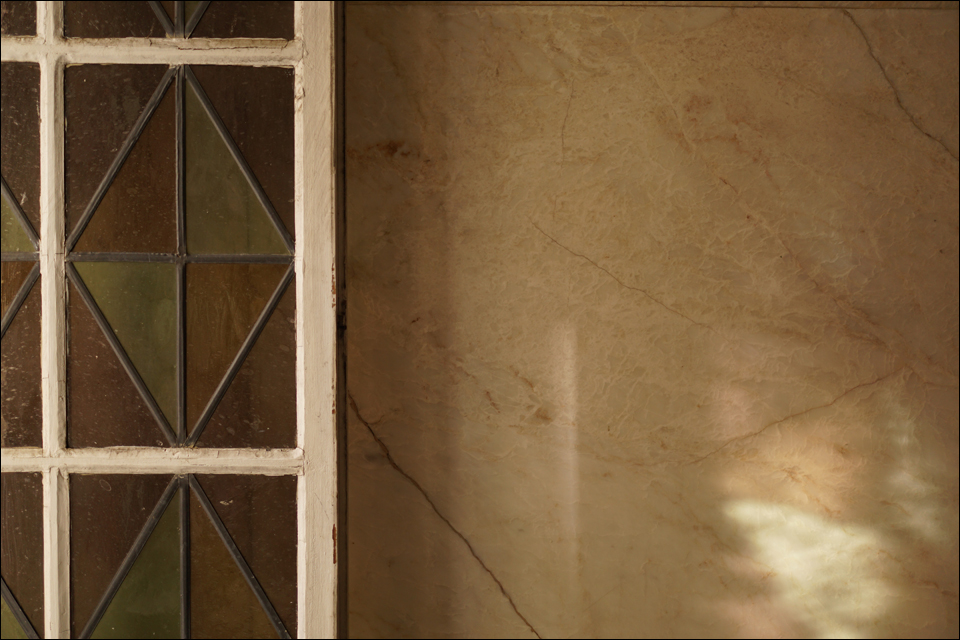

Ist das Innen von Außen zu sehen? Zeigt sich das Innen nur in seinem Bezug zum Außen (zum Beispiel beim Hinausschauen)? Wie komme ich von dem einen zum anderen? Vielleicht ist es der Übergang, der zählt.
 empire of lights