
One thing I love about my native language: there is no limit to the length of words. Throw it all together and have fun! Ein Leuchtturmtürstopper would be a lighthouse door stop.
tobias m. schiel
One thing I love about my native language: there is no limit to the length of words. Throw it all together and have fun! Ein Leuchtturmtürstopper would be a lighthouse door stop.
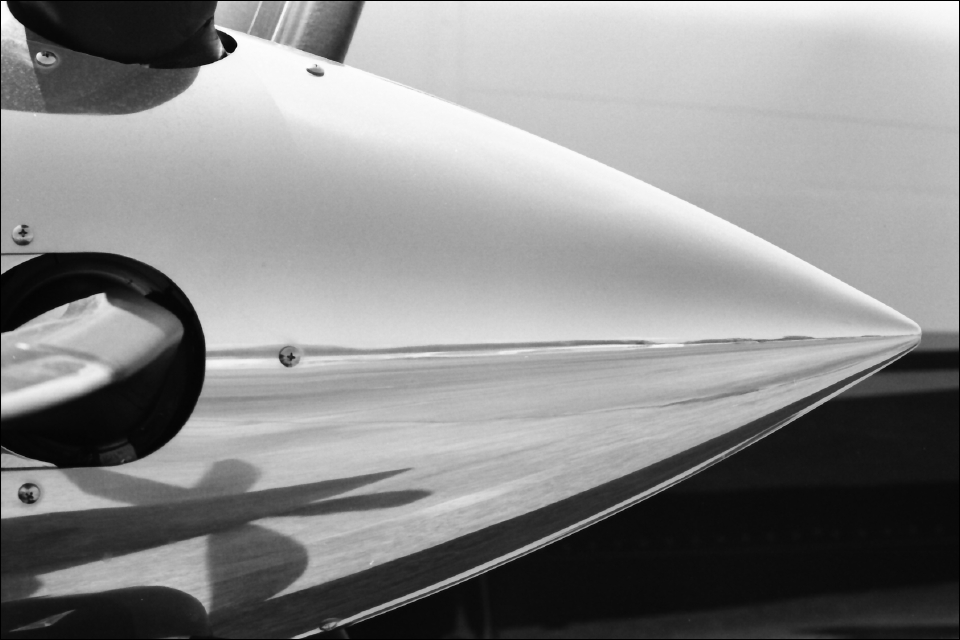
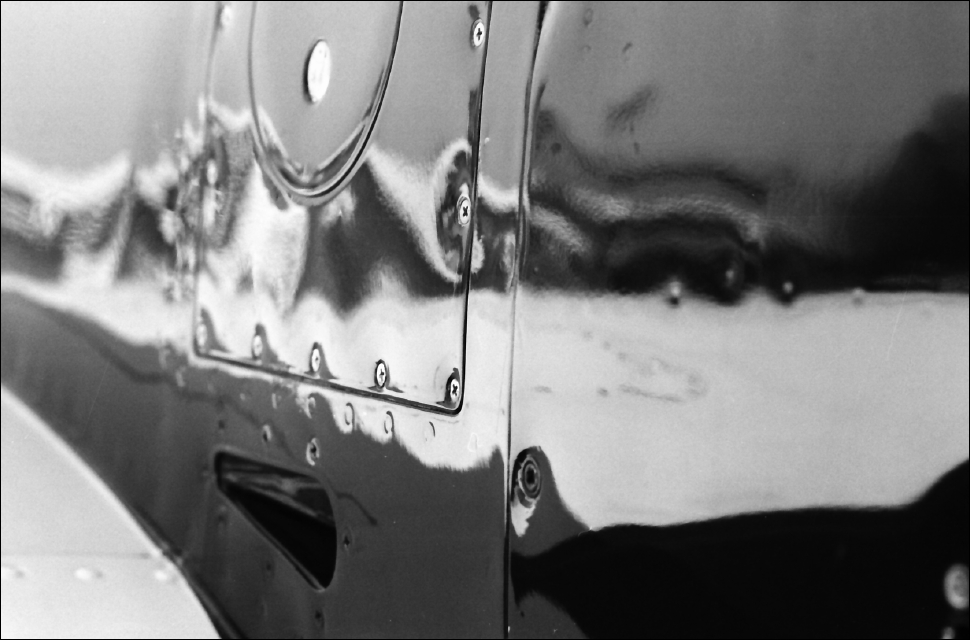 Sometimes subjects and interests seem to have a life of their own.
By the end of December 2012, I drove to Frankfurt Airport to photograph some airplanes and – if possible – some of the airport’s navigational signs (a plan that had formed upon the desire to photograph ‘some machinery’ in an abstract way). I knew fairly well I could get really close to the historic aircraft at the Airlift Memorial; I knew fairly well what kind of pictures I wanted; and after two hours I knew the session had gone well.
Preparing the pictures for presentation in this blog, I realized there was more to them than just ‘abstract machinery’. For me, the pictures also transported a fascination with airports and flying (I vividly remember being taken on a short trip aboard a Piper Tomahawk) as well a sense of history: What does the memorial refer to? How were these planes used? And what can the memorial tell us about those who erected it?
In short: “The Berlin Train”, made at the Airlift Memorial, became a trigger – or should I say: ‘seed’ for other projects: I am currently trying to pursue both subjects, flight (or traffic) and memorials (or remembering). And both lead me to new insights, not only in terms of pictures but also in understanding things.
Special thanks to air traffic control at Verkehrslandeplatz Mainz-Finthen (EDFZ) for the permission to photograph the taxiway area. – This is also my contribution for this week’s photo challenge, for the the reflections on these planes are, in my view, fleeting.
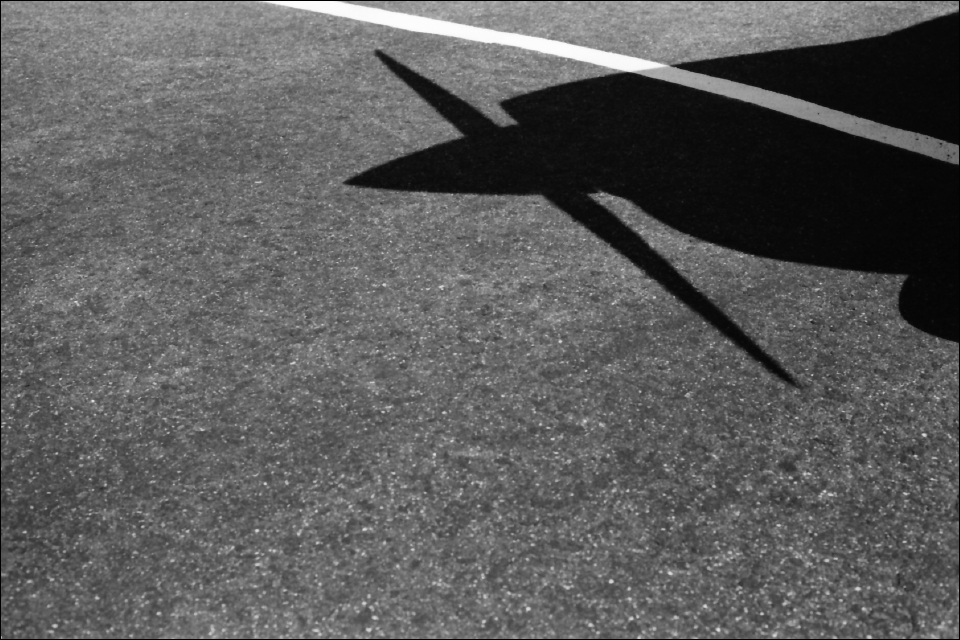
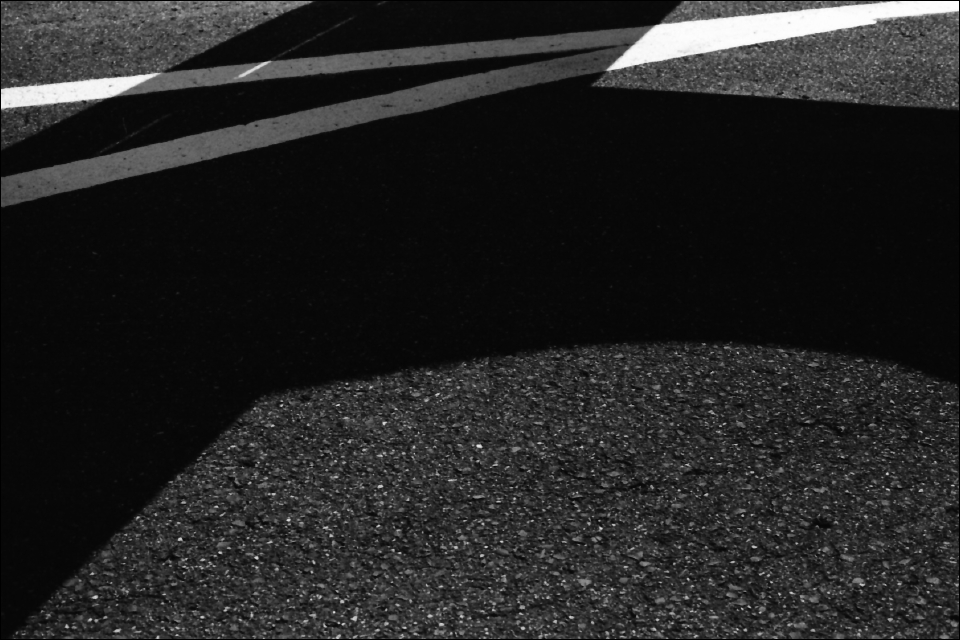
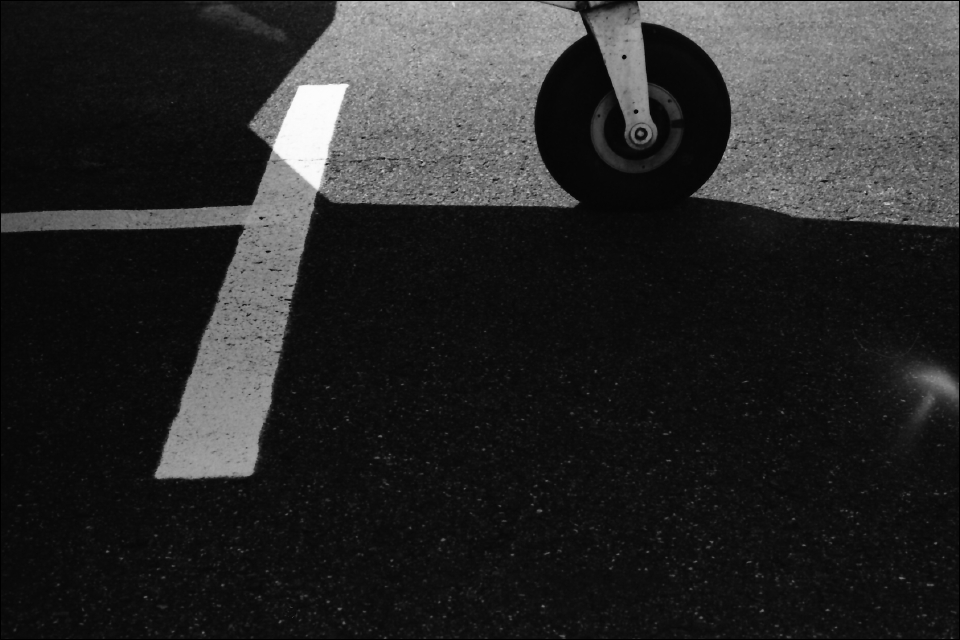 The notion that ‘a picture says more than a thousand words’ probably blinded us, leading us to believe that a picture must be an object that is complete in itself. But pictures are more dependent on context than we usually think. Instead of fighting this fact (and trying to create autonomous works), why do we not use context to our advantage, as a means to our ends? Think of comic strips.
Special thanks to air traffic control at Verkehrslandeplatz Mainz-Finthen (EDFZ) who allowed me to photograph their taxiway area.
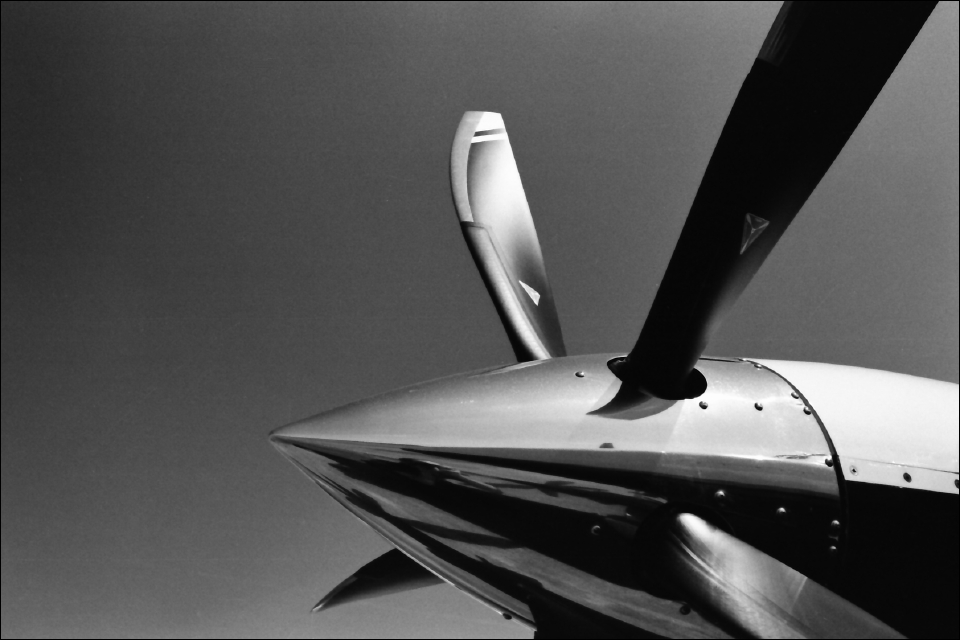
Weekly Photo Challenge: In the Background. Photographed with the kind permission of air traffic control at Verkehrslandeplatz Mainz-Finthen (EDFZ).

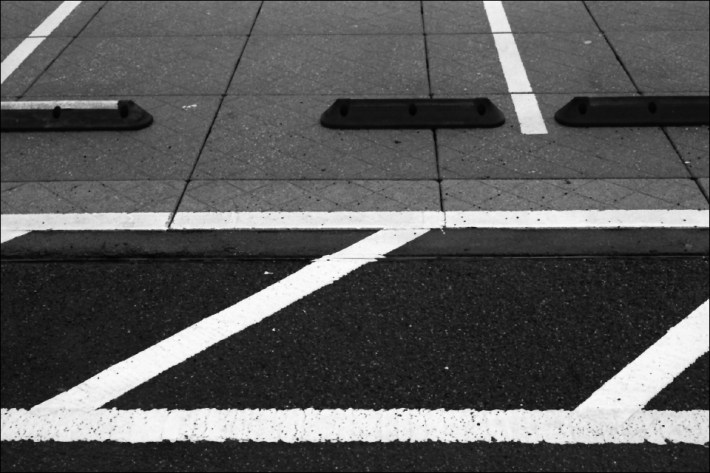



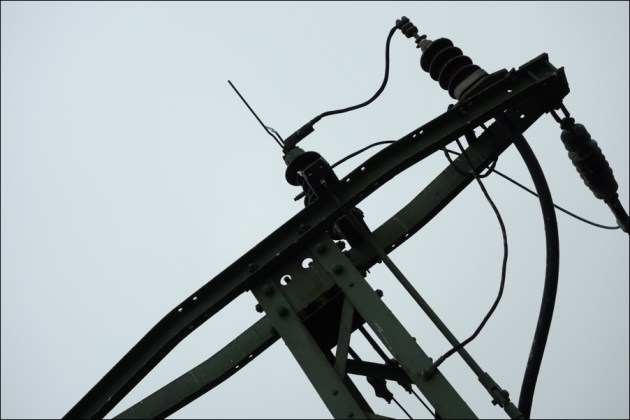 A response to The Weekly Photo Challenge: German Railways (Deutsche Bahn) claim to provide the greenest transportation available, and here are some – green – fixtures that help provide the power for the engines.


Today’s post may show less abstraction; instead, I hope there is a story. Here is what feels like traditional gardening to me – a garden you may live in, a garden you can contemplate, a garden that feeds you (with artichokes).
Alfriston Clergy House was the first object to be acquired by The National Trust (England) in 1896. I also think this tradition of preserving a country’s heritage is a good one. And so this post might contribute to Ailsa’s Travel Theme – Tradition.

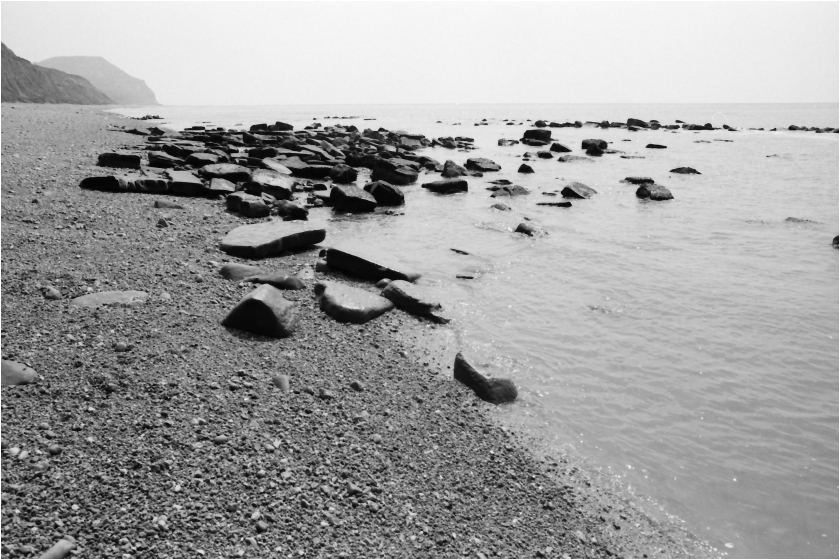


This is a contribution to Ailsa’s Travel Theme: Oceans.



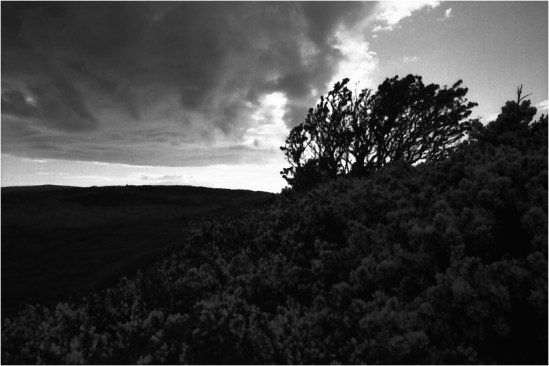
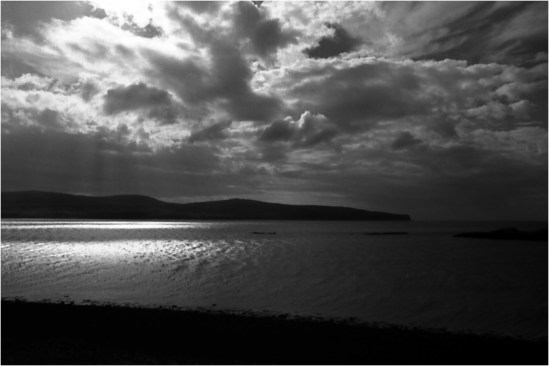
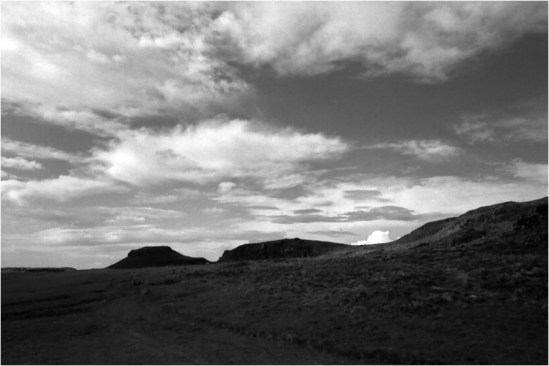
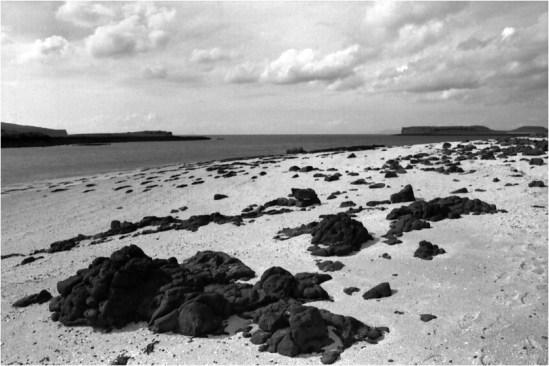


“My father was not an ‘inspector’ of lighthouses; he, two of my uncles, my grandfather, and my great grandfather in succession, have been engineers to the Scottish Lighthouse service, all the sea lights in Scotland are signed with our name; and my father’s services to lighthouse optics have been distinguished indeed. I might write books till 1900 and not serve humanity so well,” wrote Robert Louis Stevenson to his American publishers (quoted from Bella Bathurst, The Lighthouse Stevensons. London: Harper, 2005). Neist Point Lighthouse was designed by Louis’ cousin, David A. Stevenson.

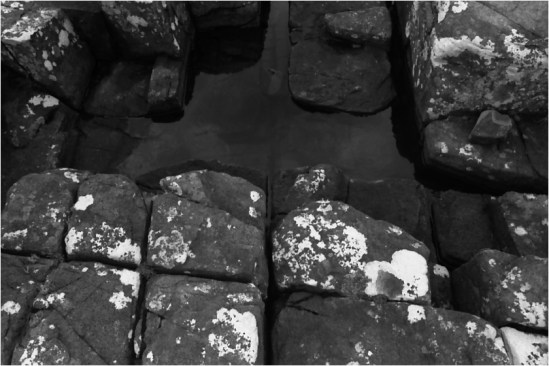
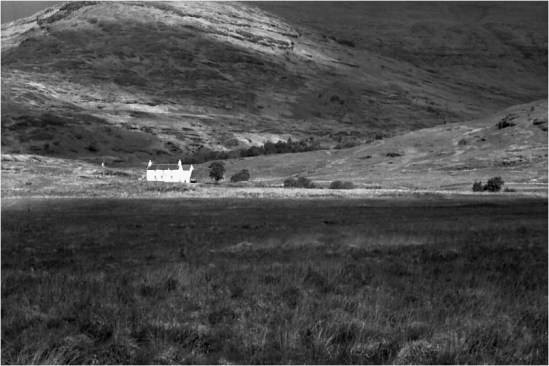
Hills and glens, rivers and lochs: Whenever I heard these words, a distinctive picture would form in my head and I knew that I had to travel Scotland one day. When this dream finally began to come true, we were quite sure about our destination: the Inner Hebrides. But I was not so sure what kind of pictures I would bring home. Would I seek confirmation of what I thought I already knew about Scotland – its nature, its climate, its topography, and maybe its picturesque-ness? Or would I rather follow up on recent thoughts about landscapes and maps, trying to see the abstract potential, as I would at home?
As much as we might think that abstract pictures could be made everywhere, they would not exist without a very specific ‘there’ (with a bow to Gertrude Stein, you may say that in a photo, there is a there there). They inevitably denote a location, probably transforming space into place … I do wonder if a photograph adds some kind of human scale to any given, nondescript space. By turning natural space into pictorial space, don’t we add some sort of meaning it would not have per se?
In the end, I found myself combining two angles: I took photos that would serve narrative ends and establish an account of our trip, and I made pictures in which I find a more or less abstract quality.
My introduction to the Inner Hebrides is a photo that represents what I came to see as a characteristic landscape: We found these white builings scattered through the Highlands and islands, a particular type of house that has its chimneys built into both gable ends.
 empire of lights