Unten im Museum

_DSC3023-k

_DSC3015-k

_DSC2963-k

_DSC2973-k

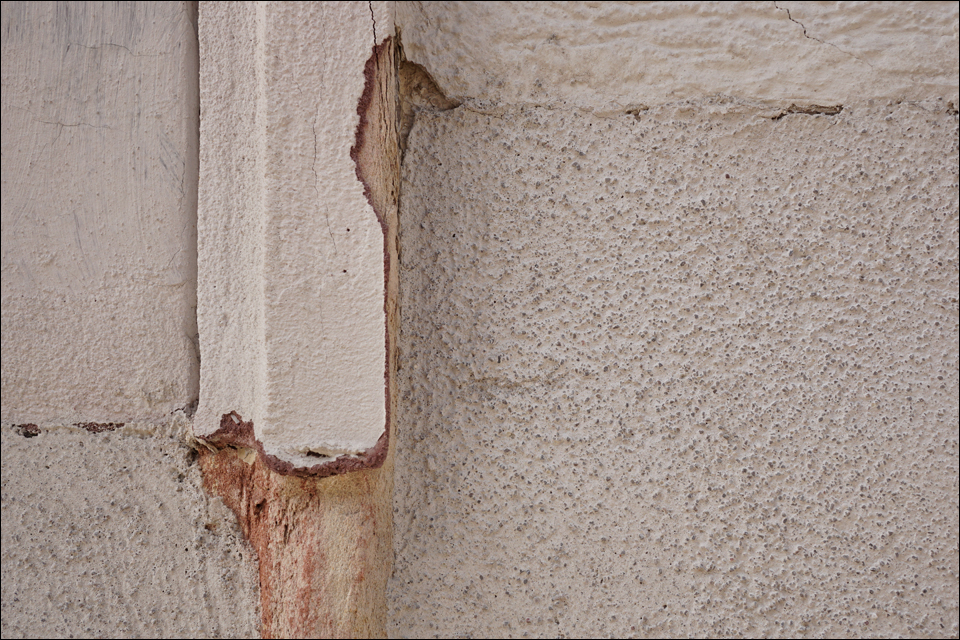
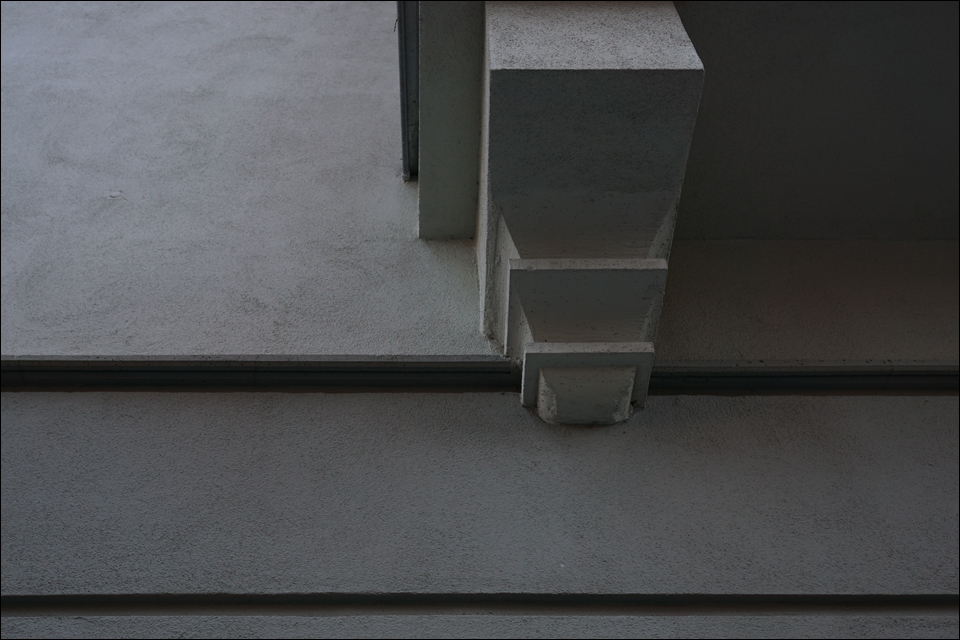
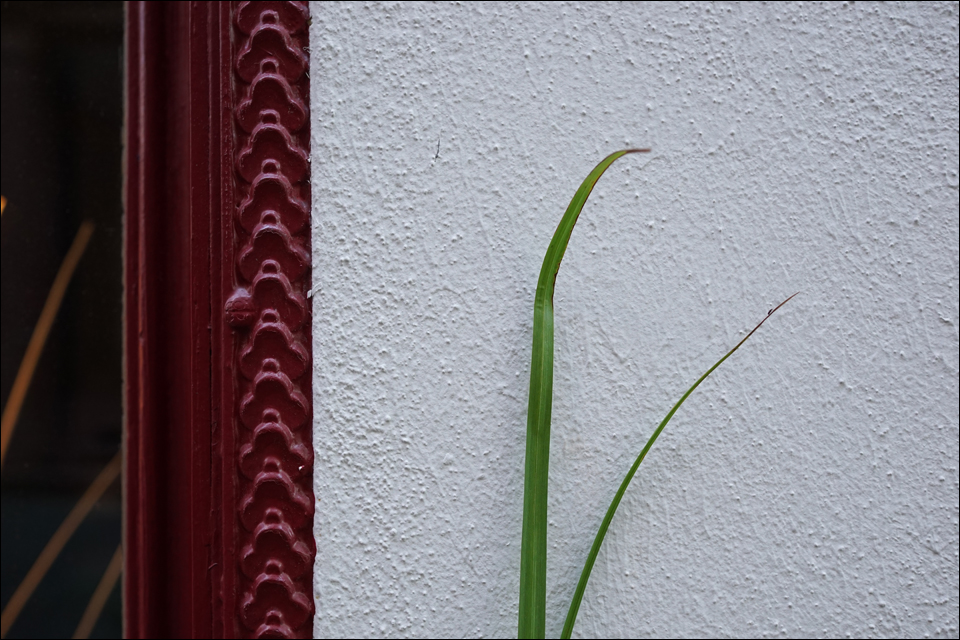
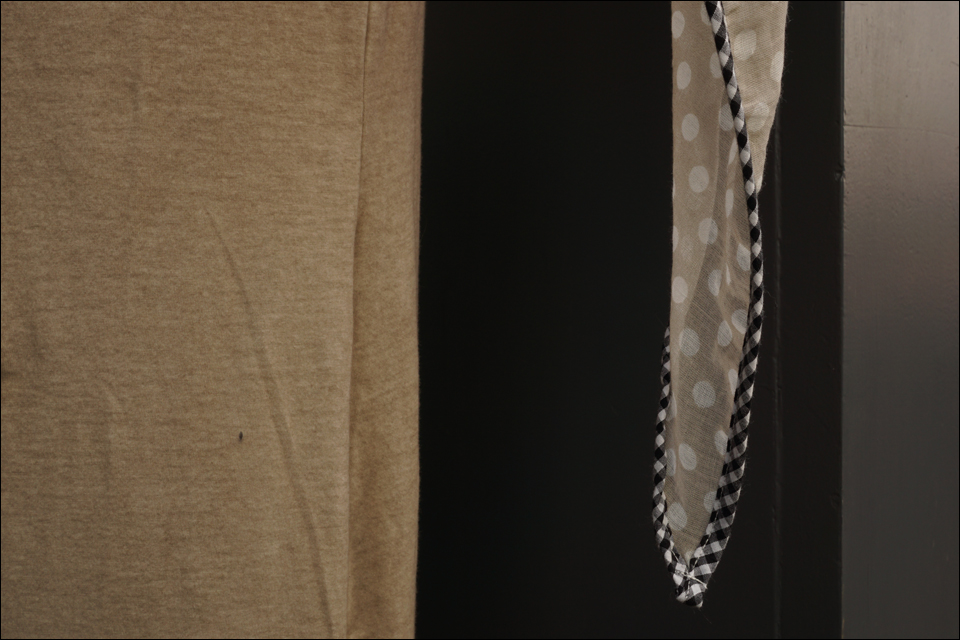
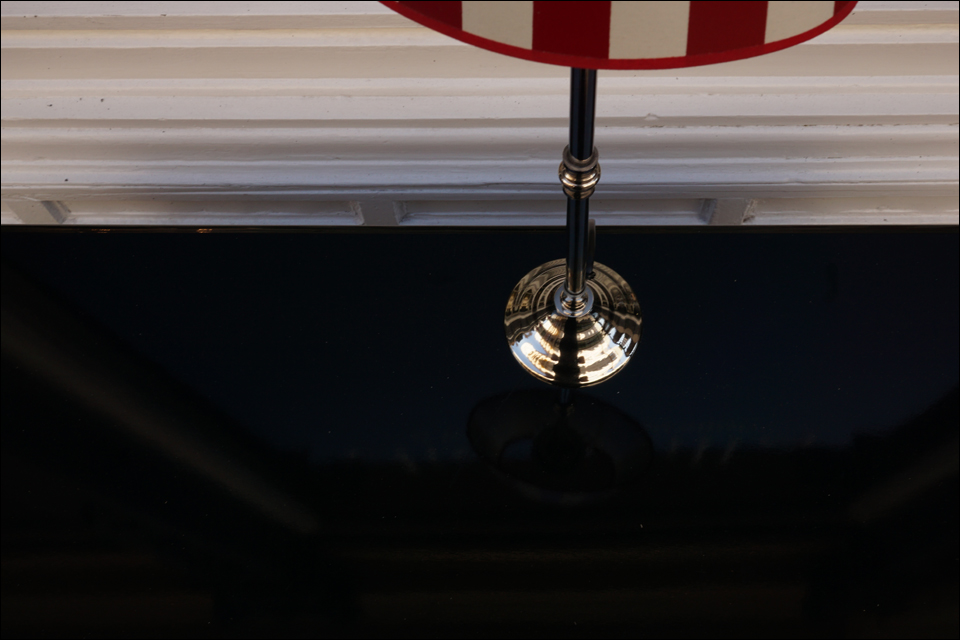
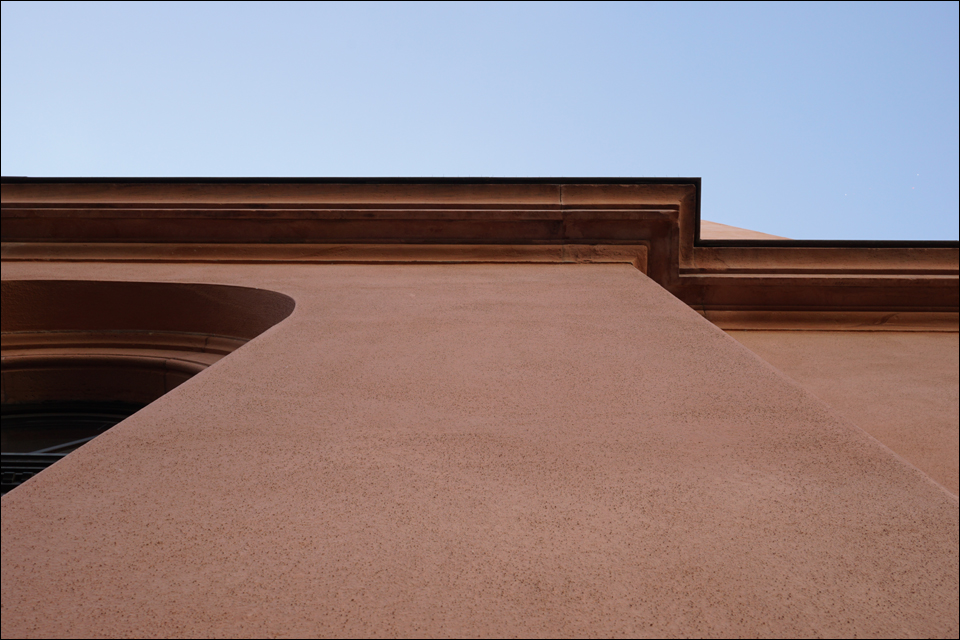
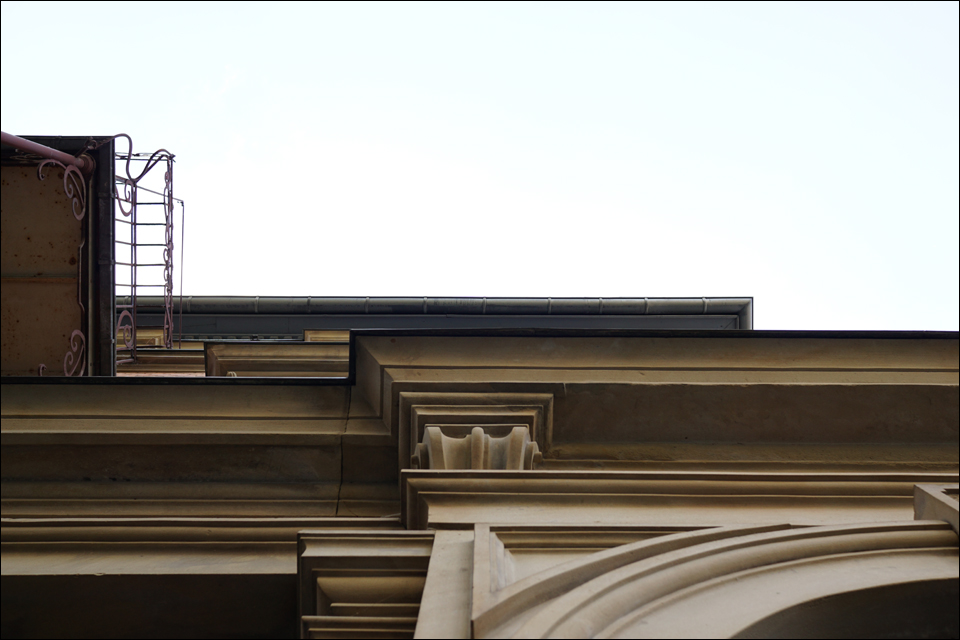
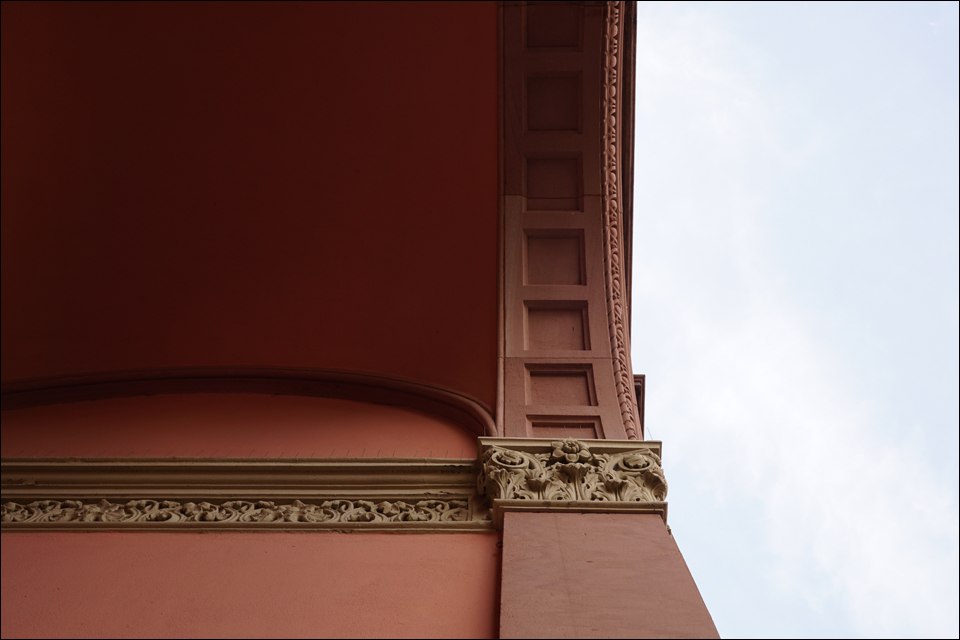
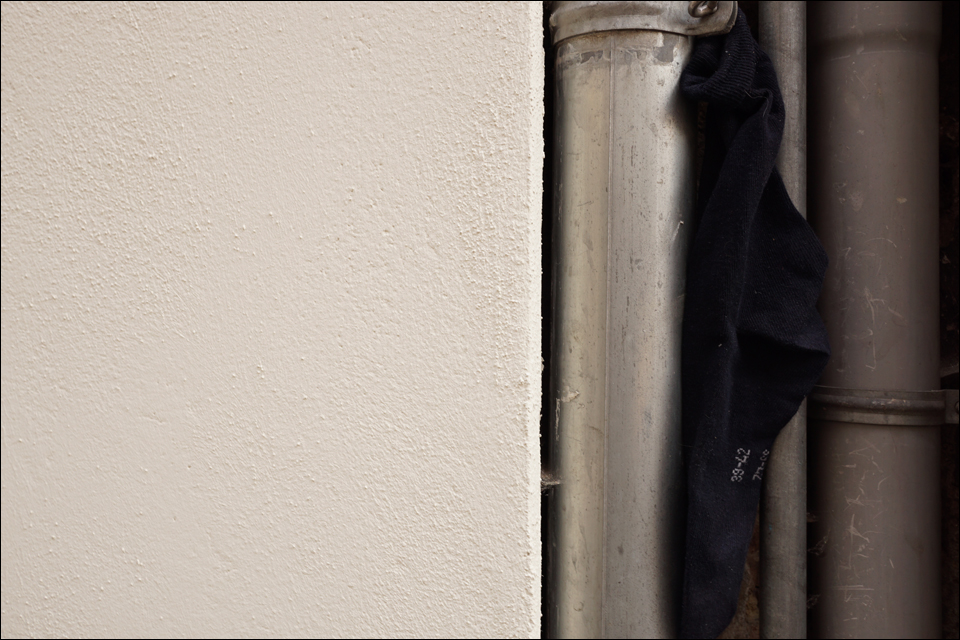
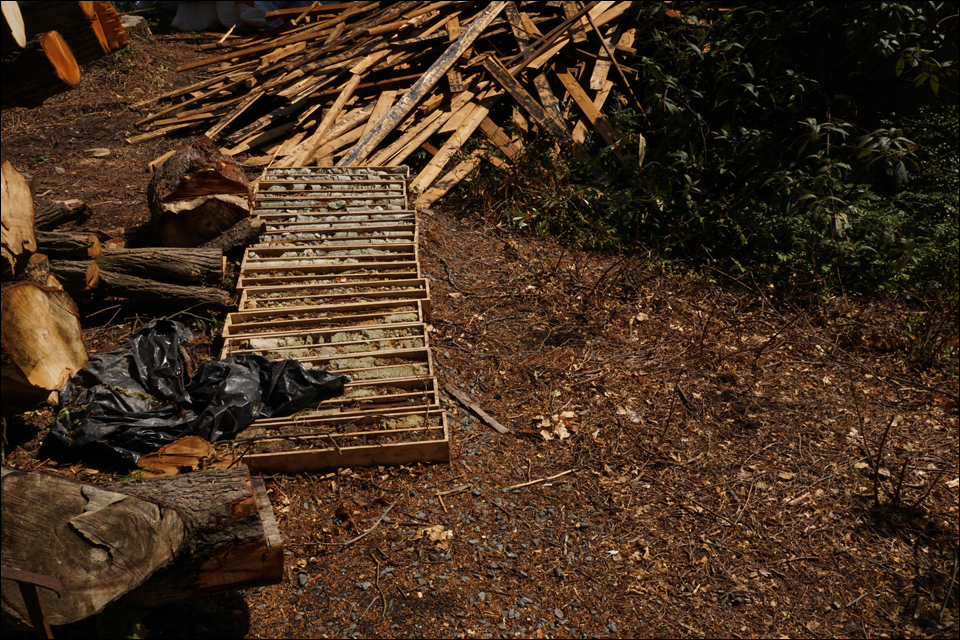
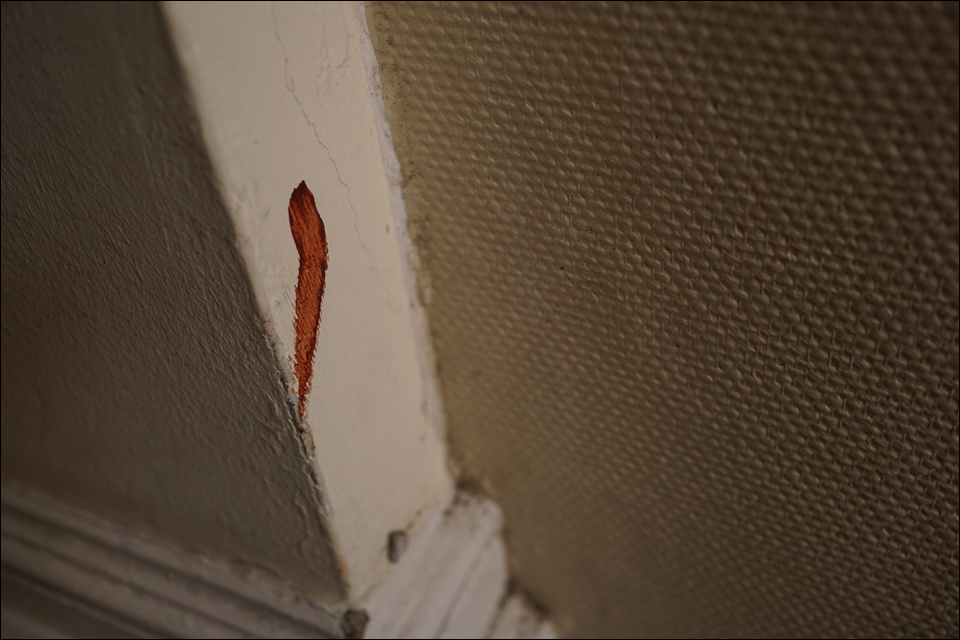
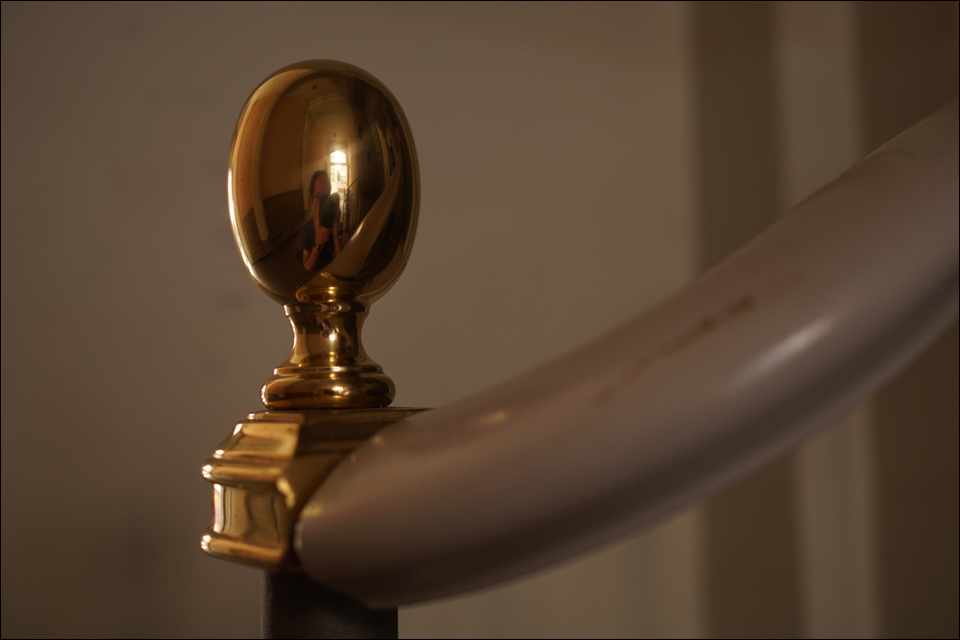
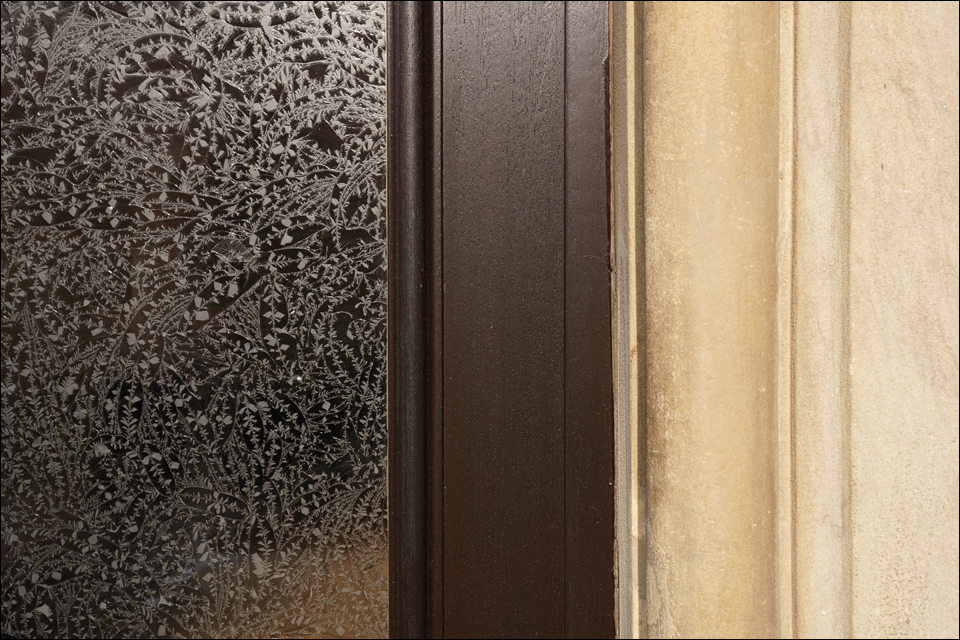
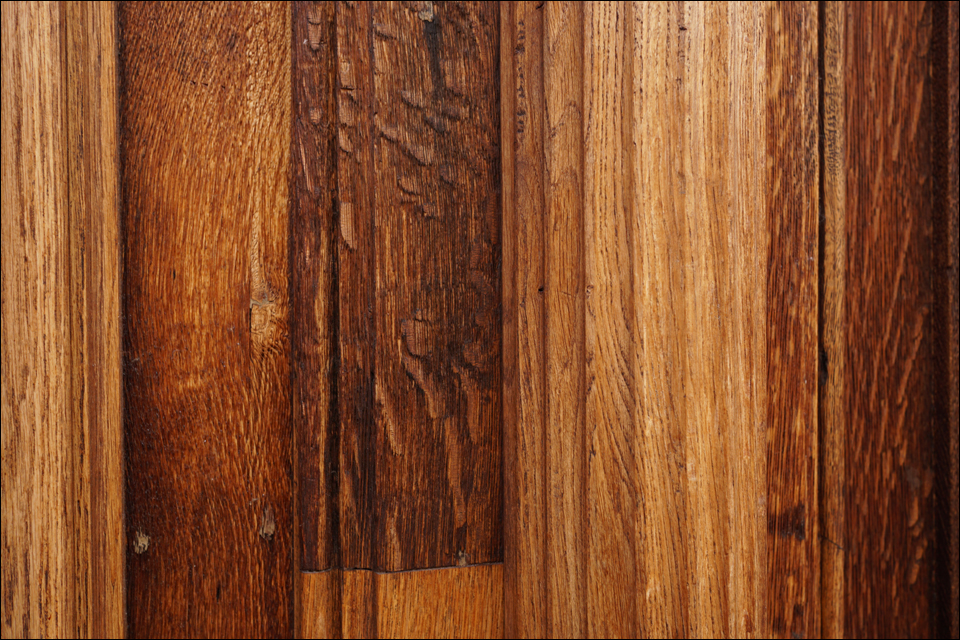
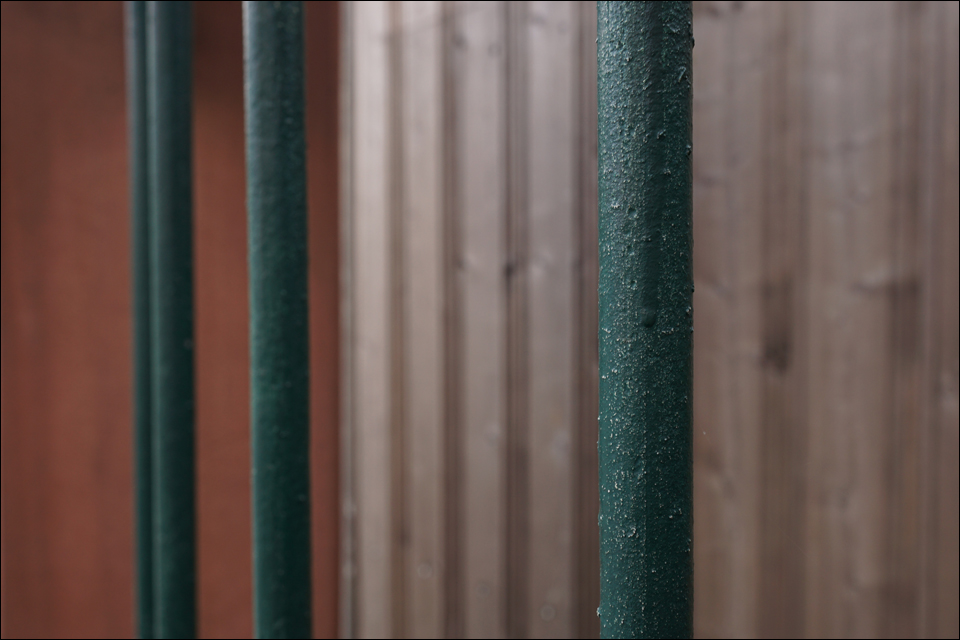
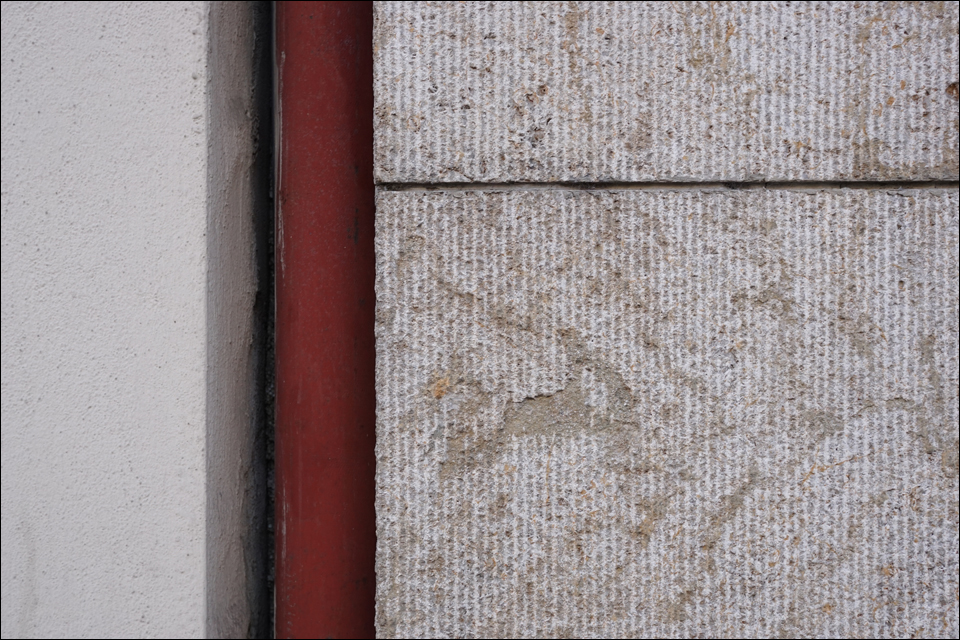
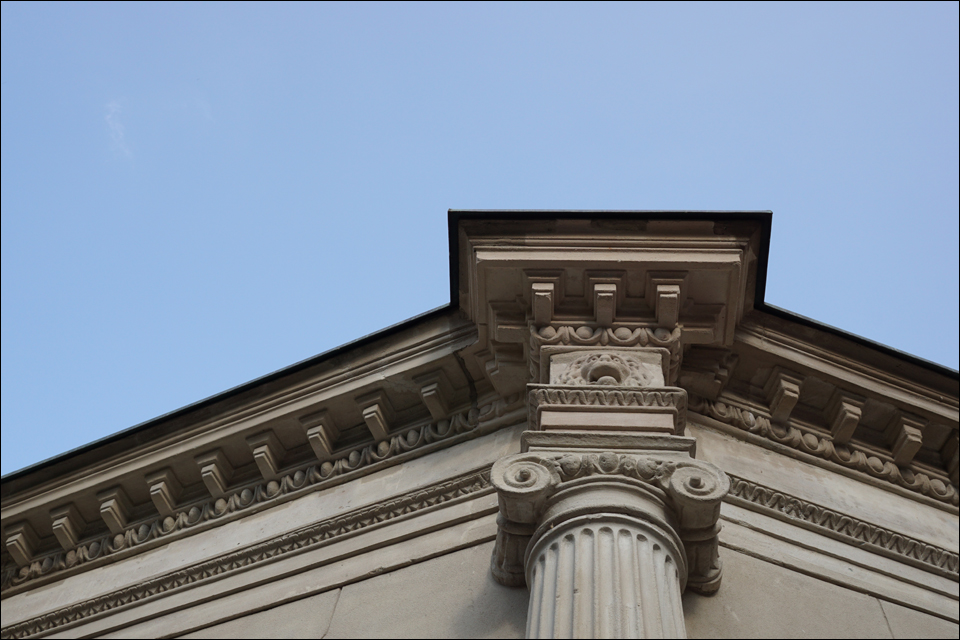
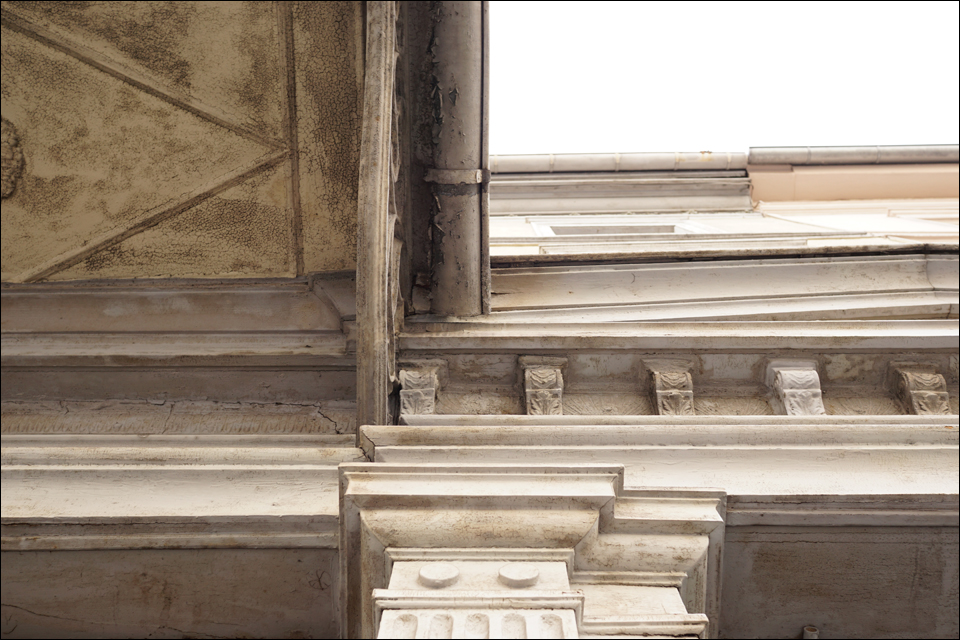
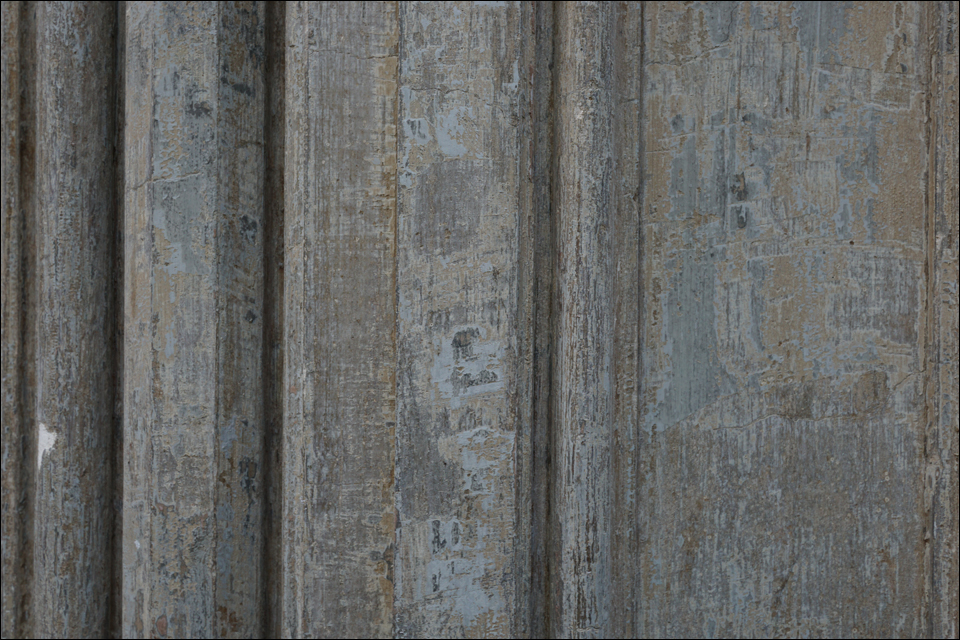
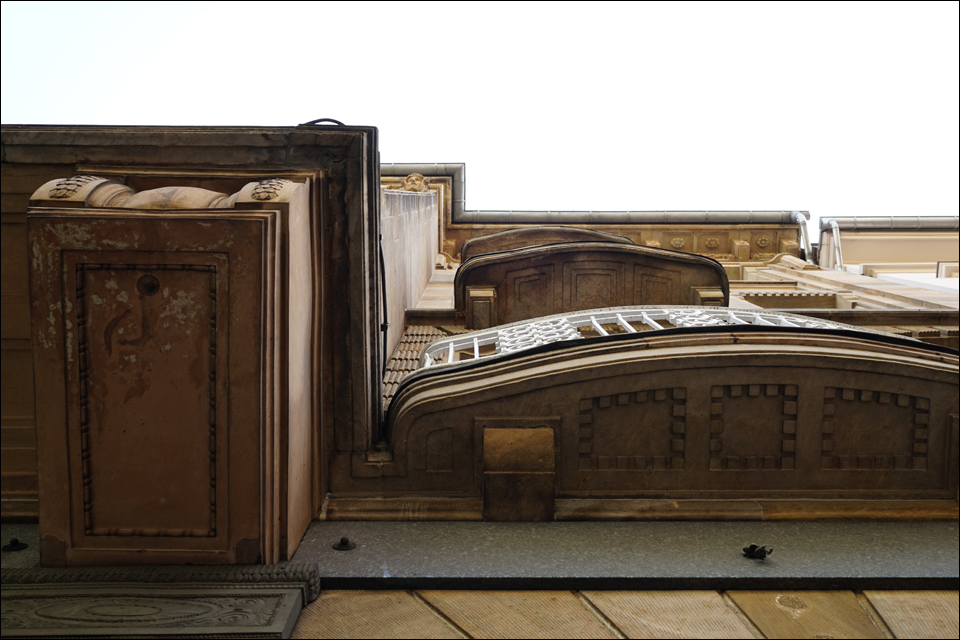
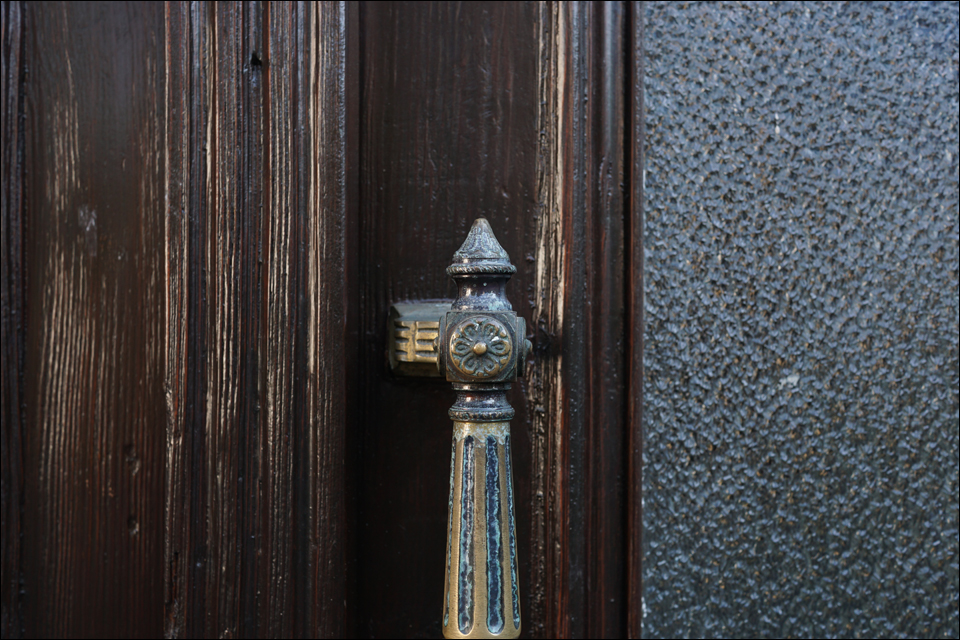
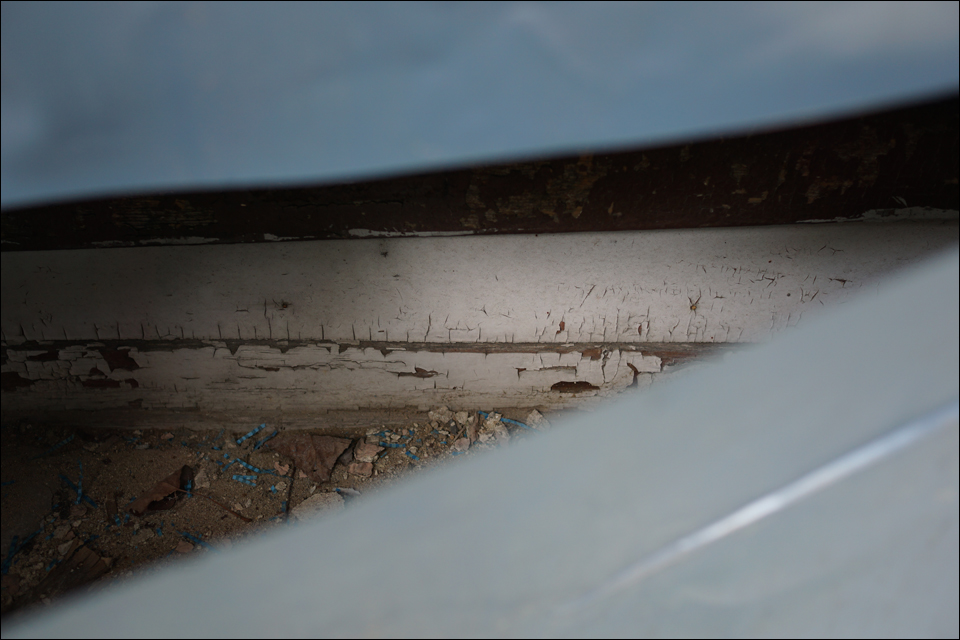
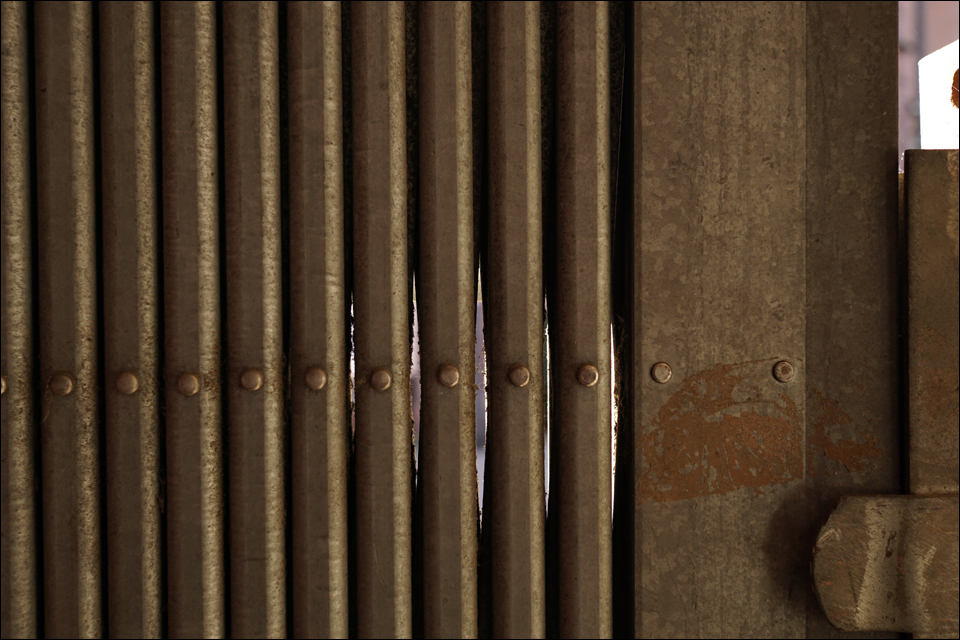
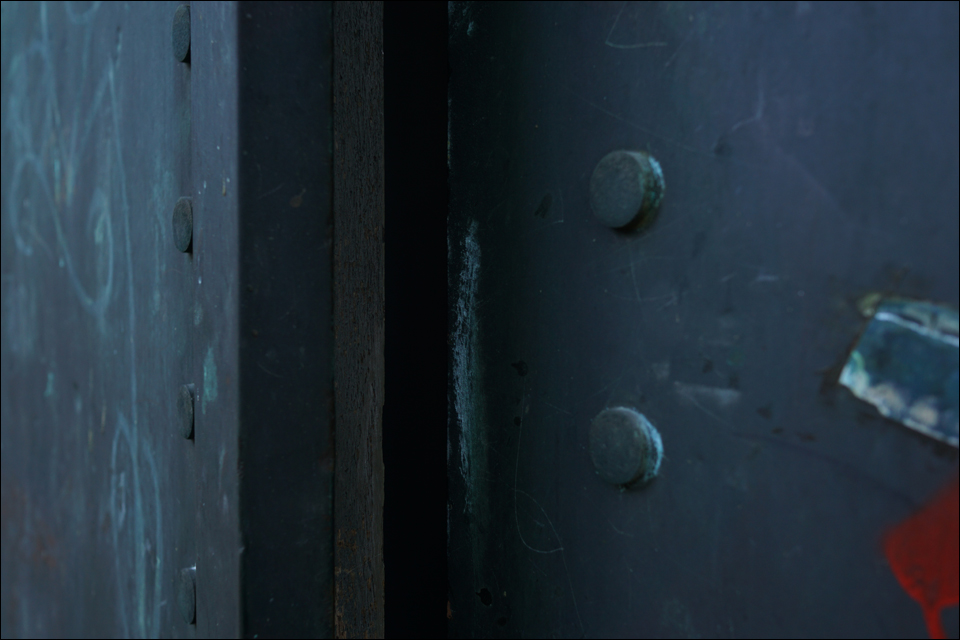
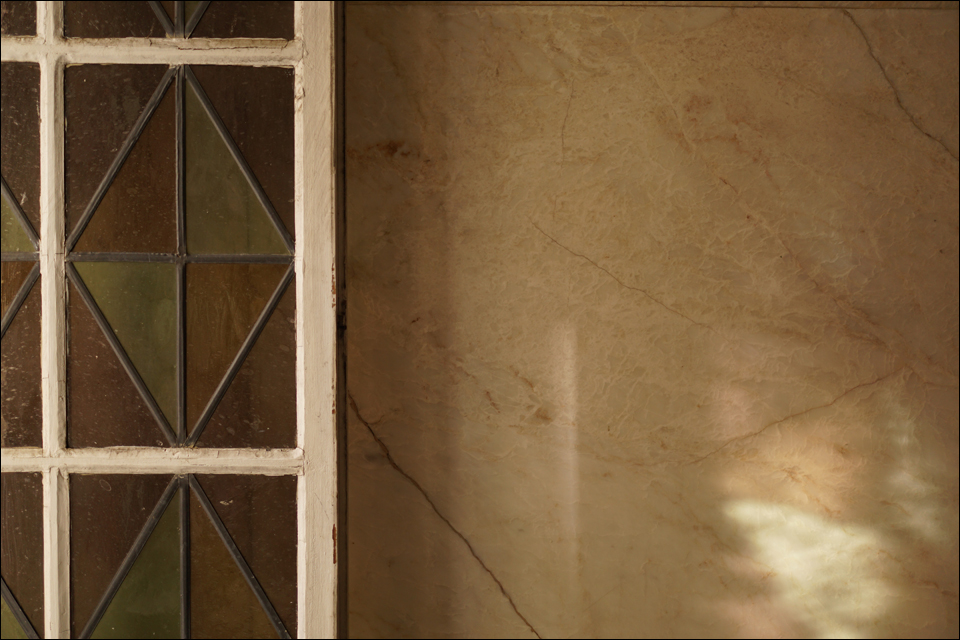
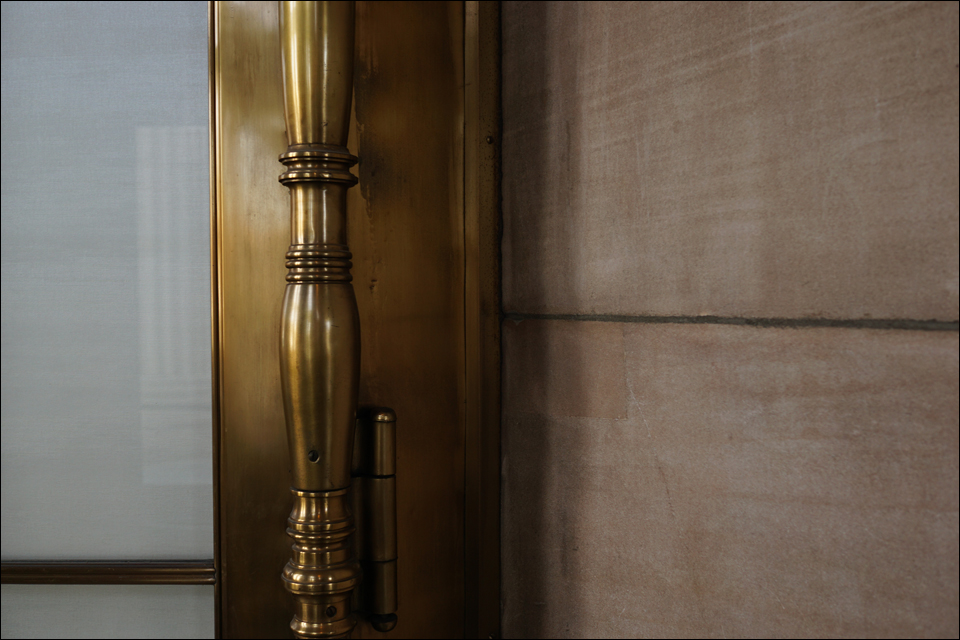
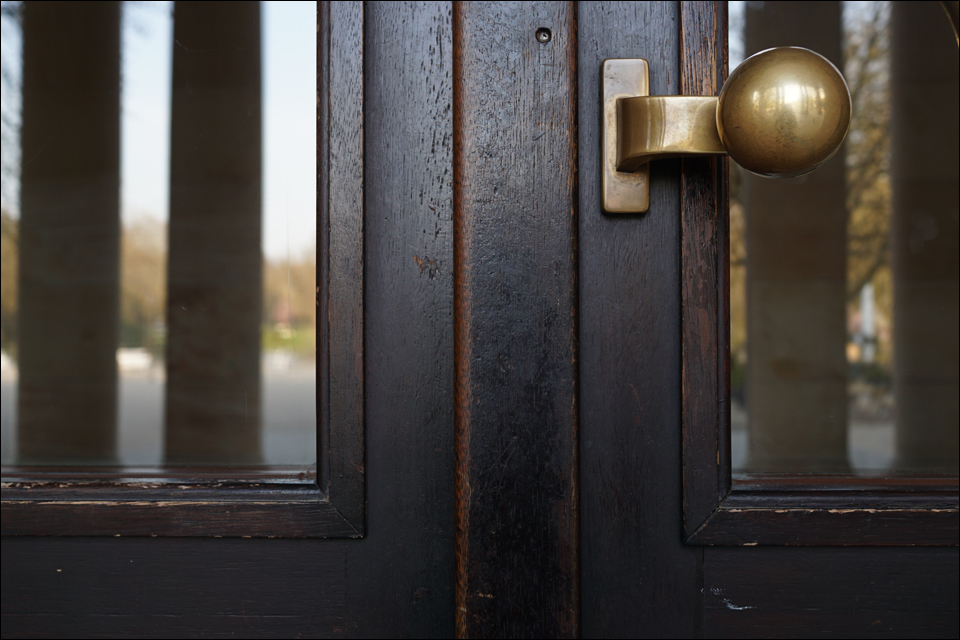
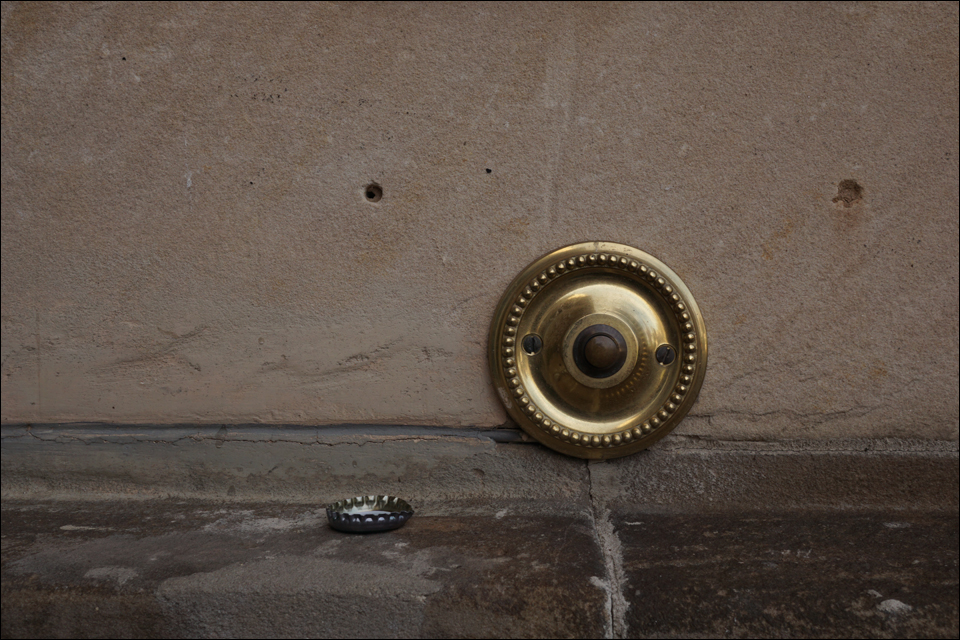
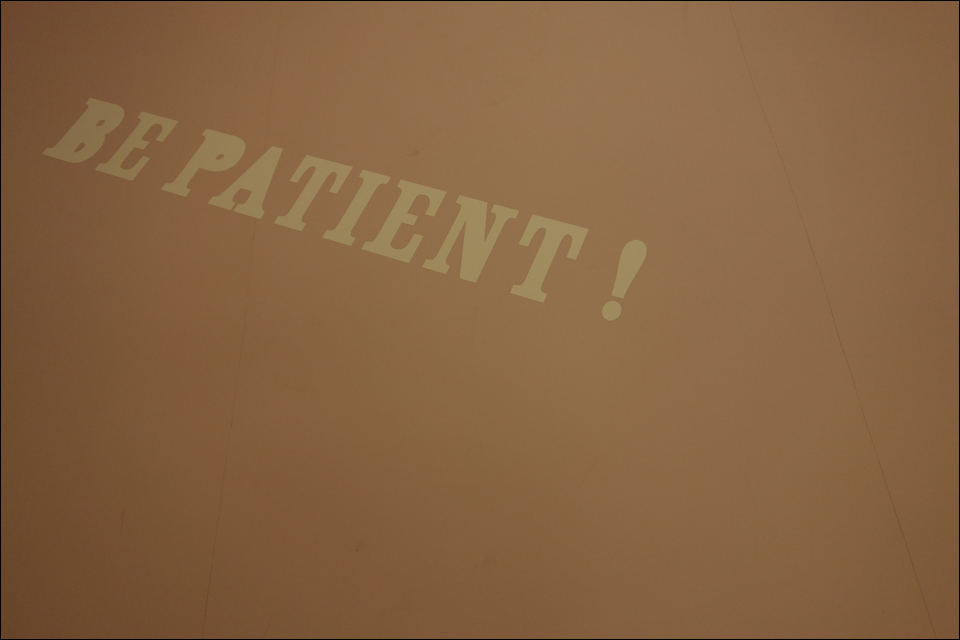
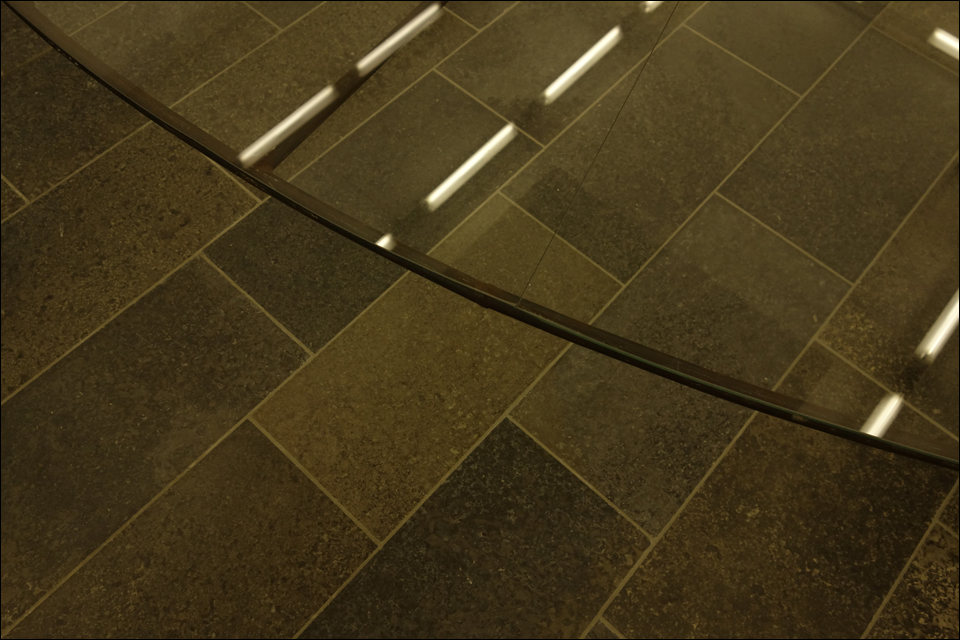
Unten” (“below”) is the subject of Paleica’s latest photo challenge, and since I am a person who can’t even resist looking down while at a museum, here we go.

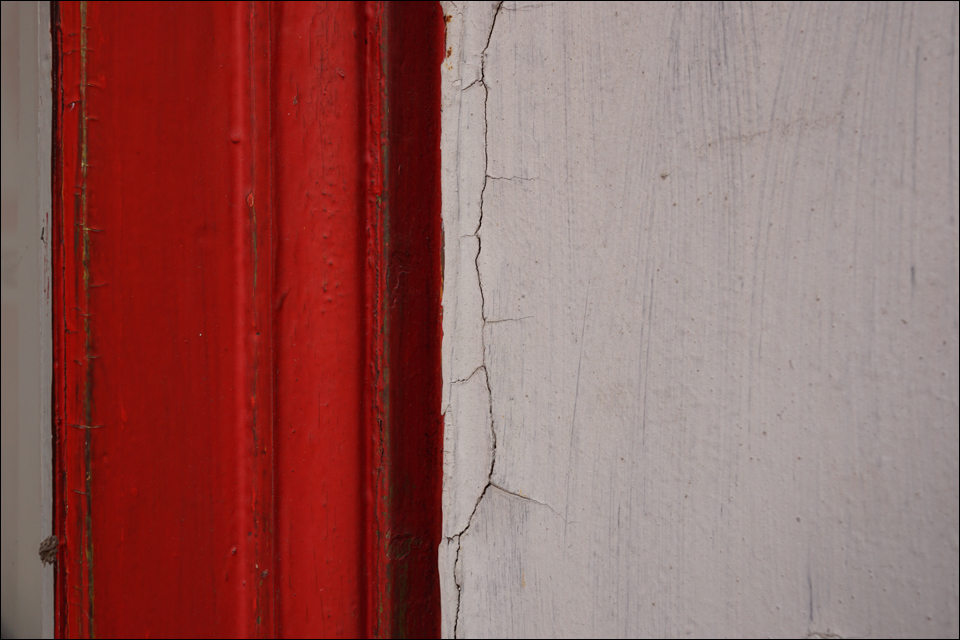
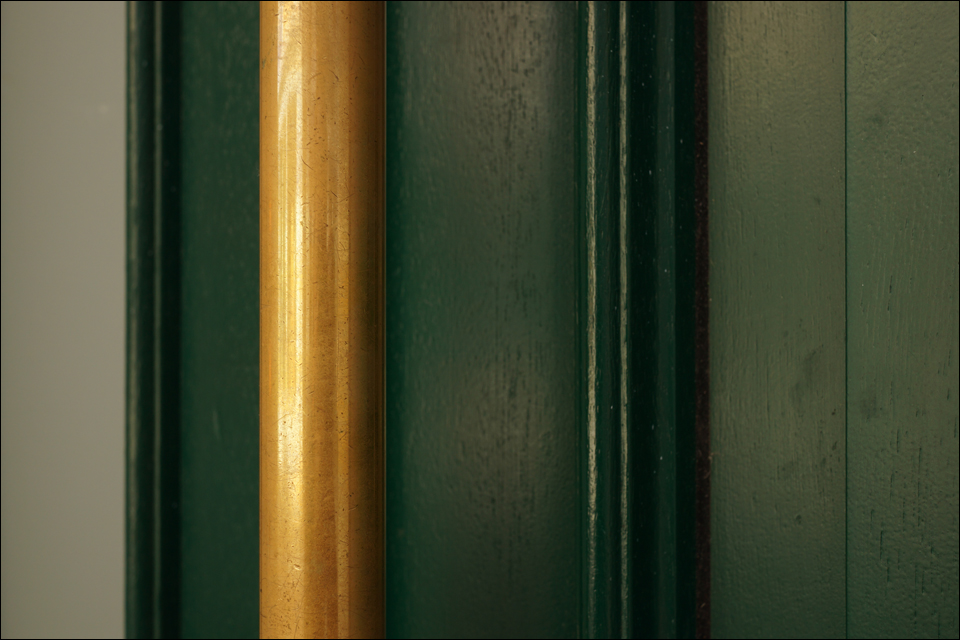
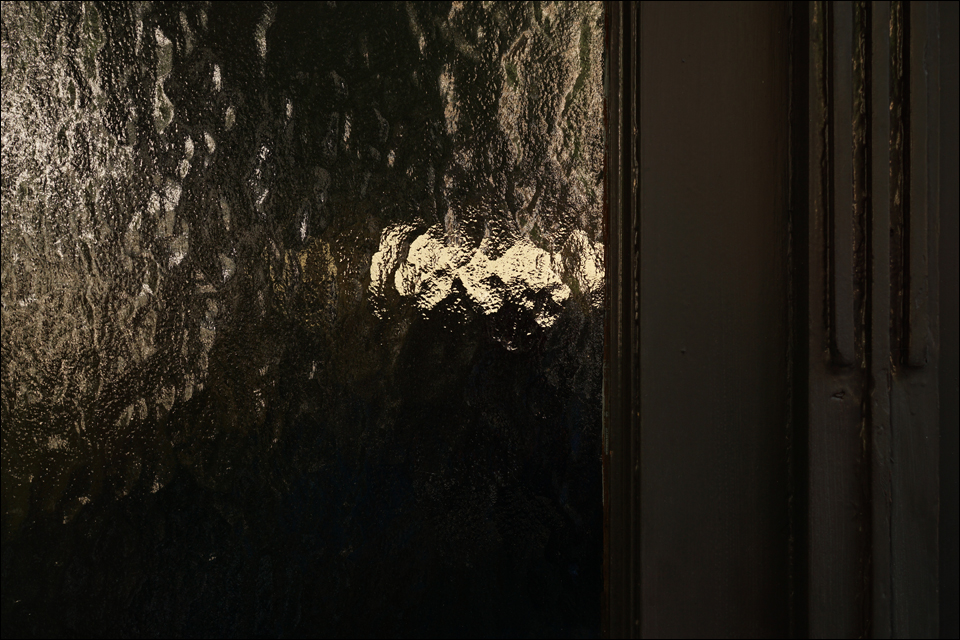
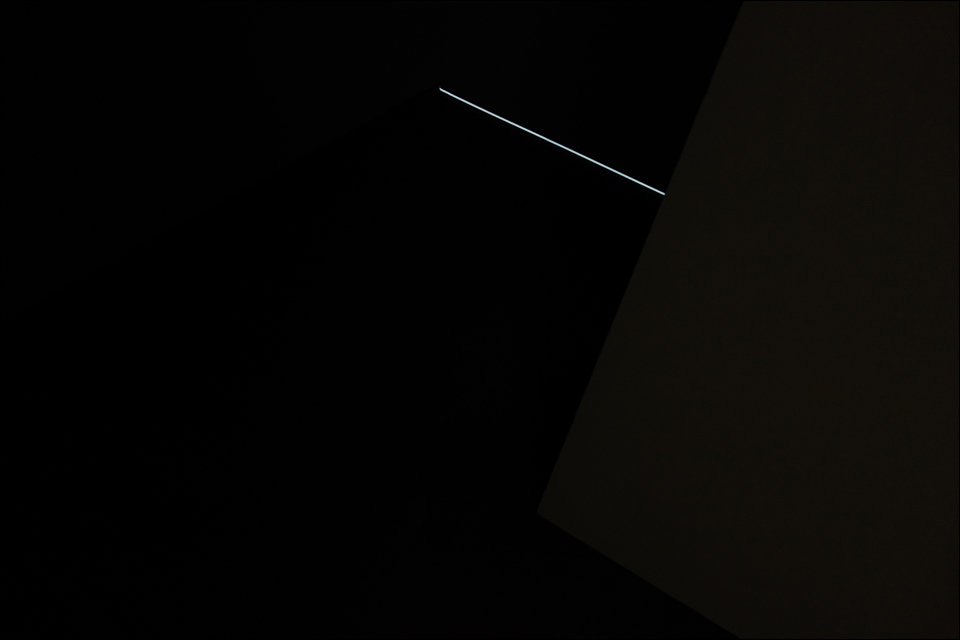
Since I experiment with low light conditions, I think that a note on the first picture may be in order: There are two very dark hues in this picture, with a rectangular shape to the right of the light strip: this part is minimally brighter than the rest of the picture (and it seems to become visible if you look at it long enough and/or in a dark room). I had been thinking about increasing the contrast, but then I was fascinated by this kind of minimalism and did not touch it.

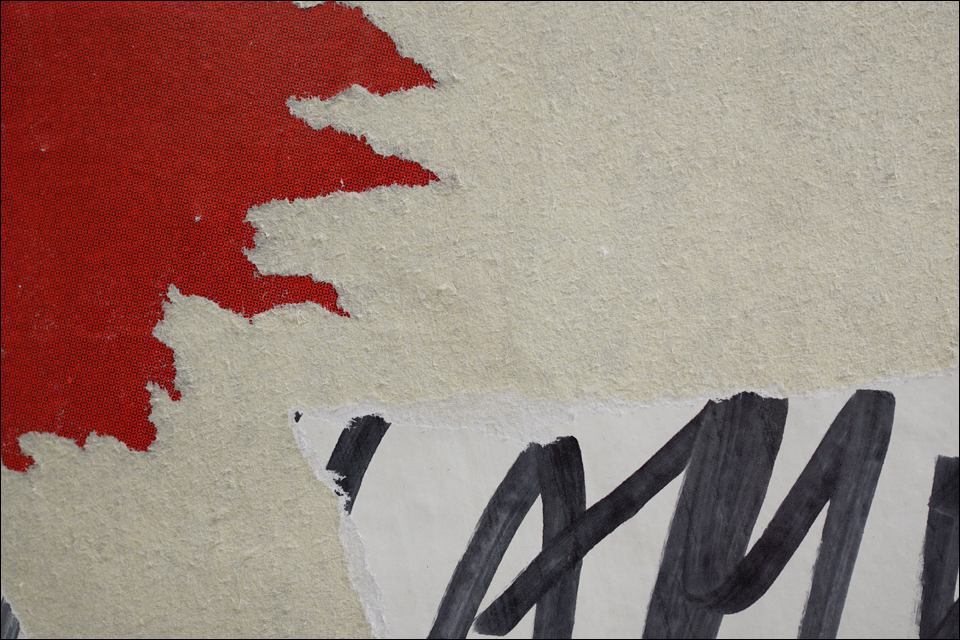
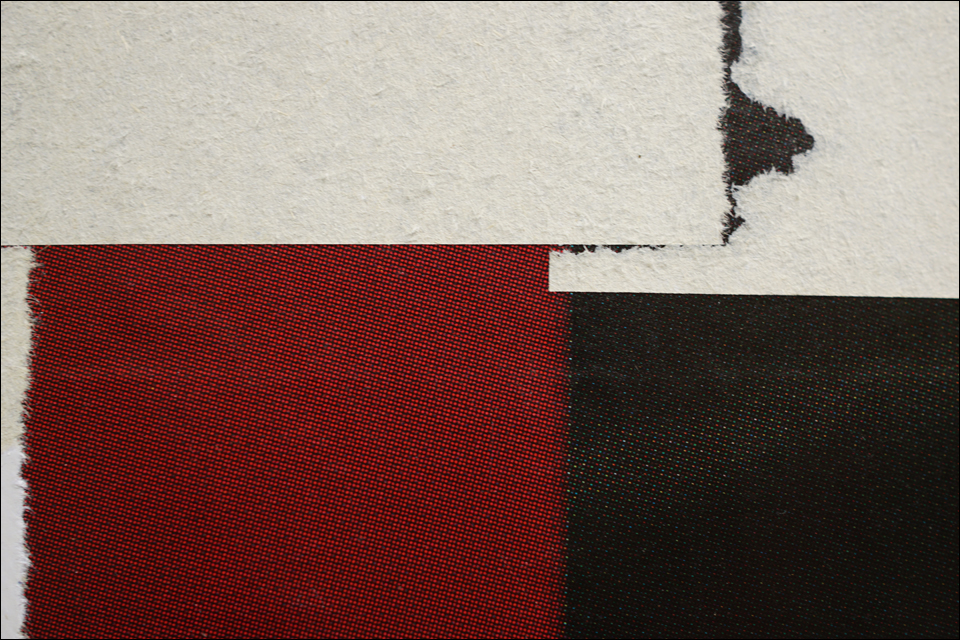
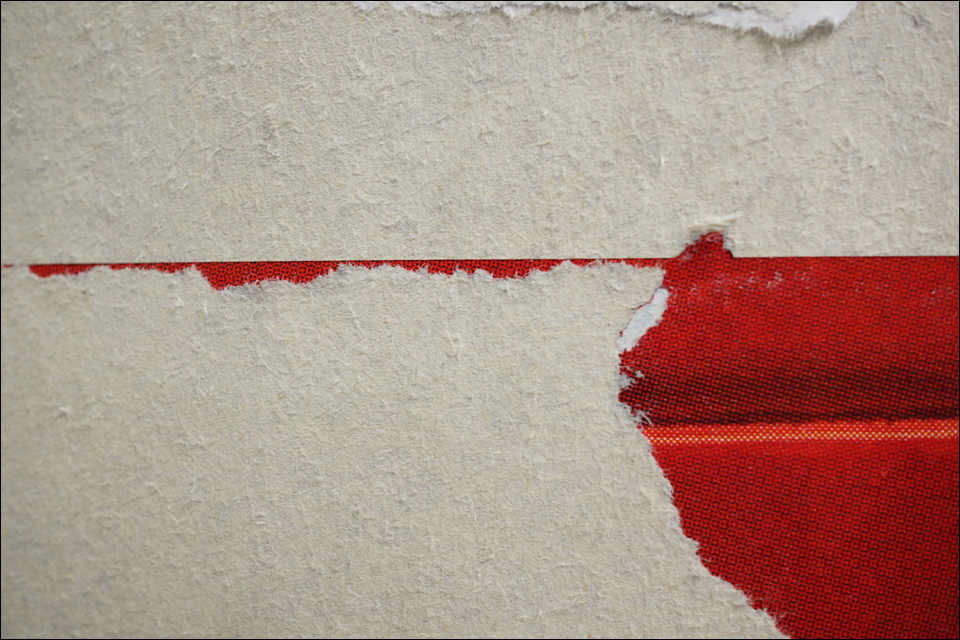
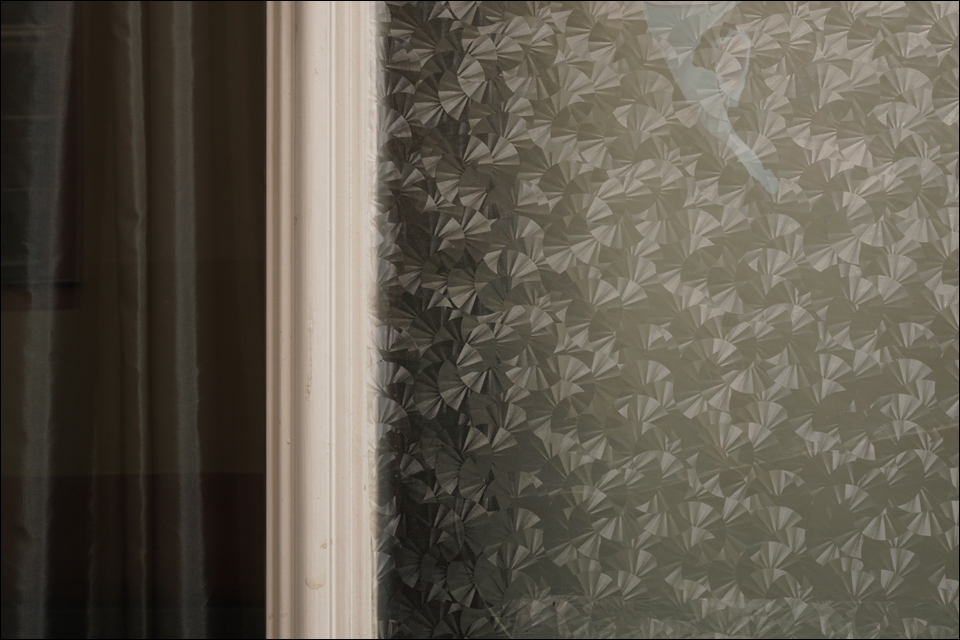
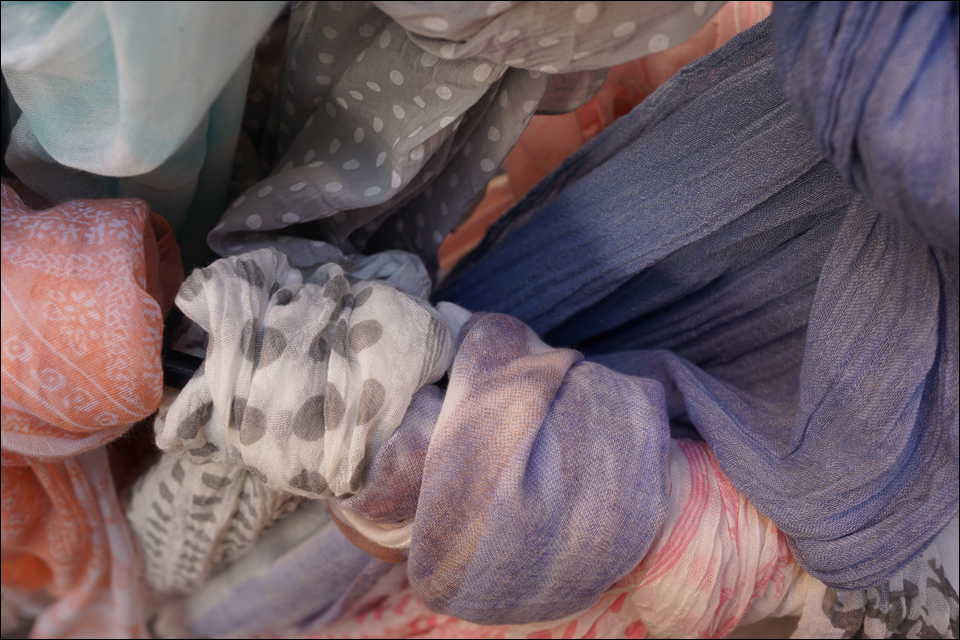
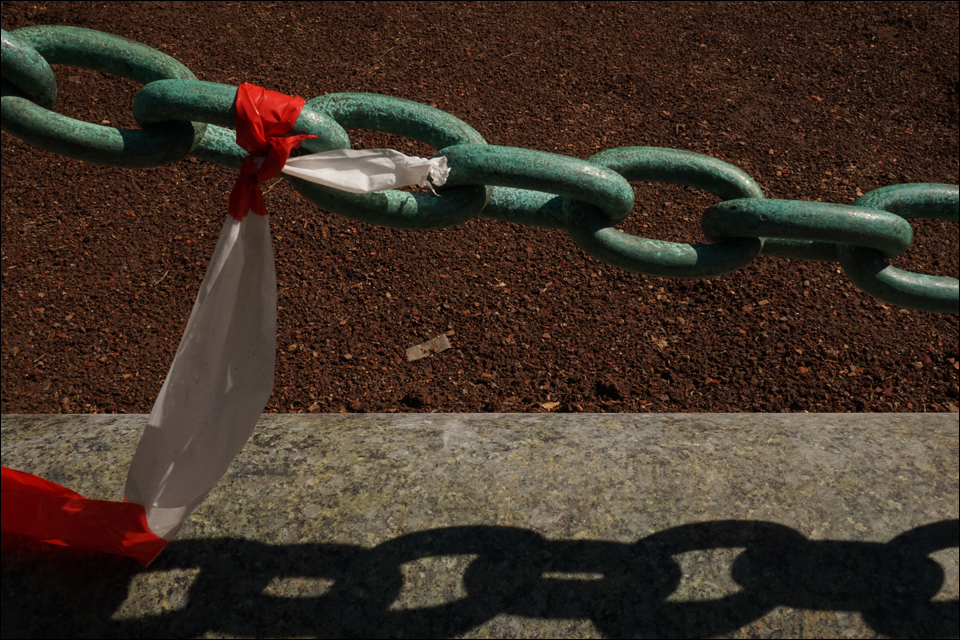
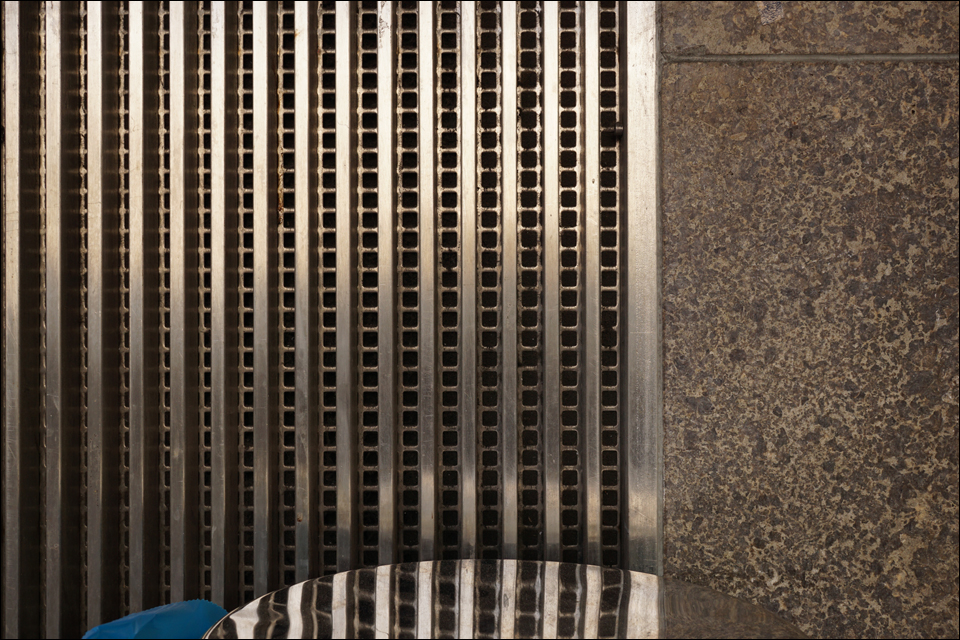
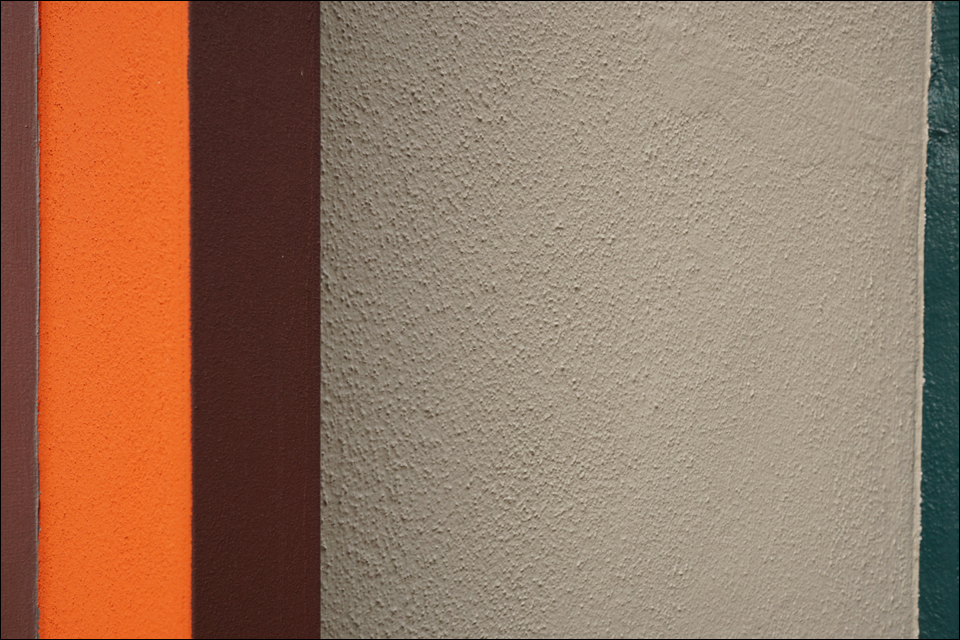
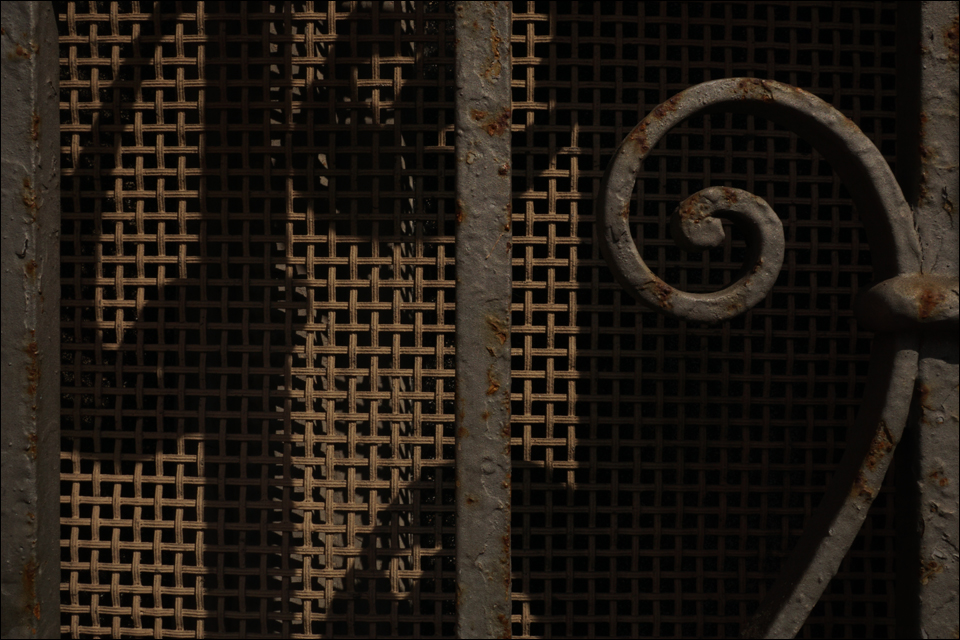
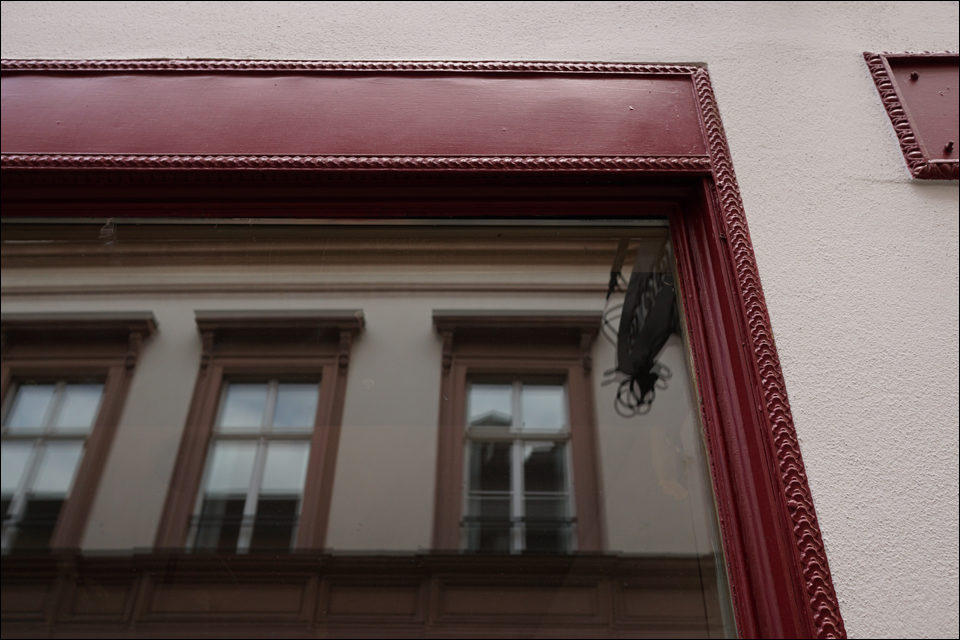
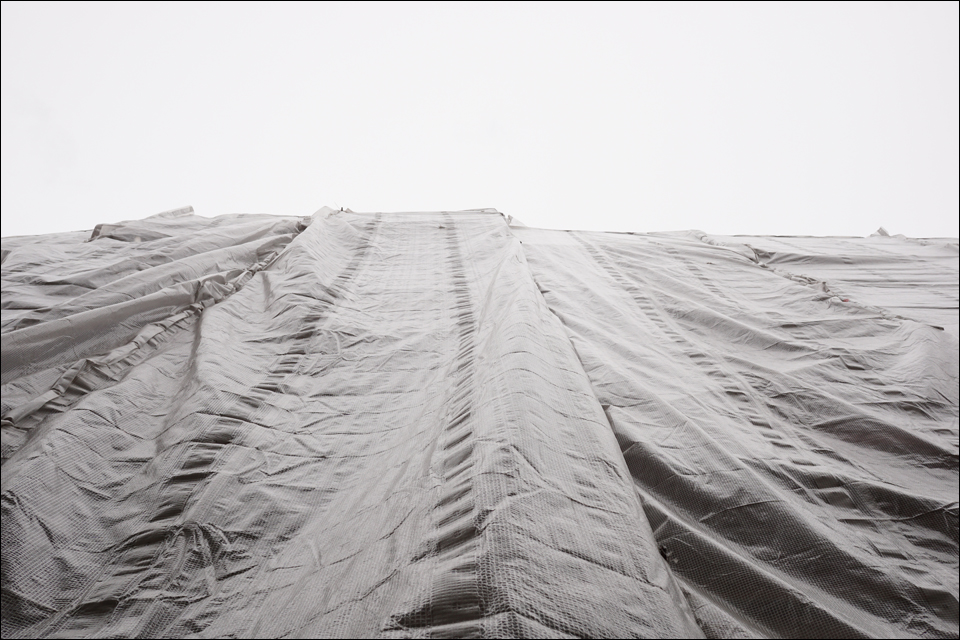
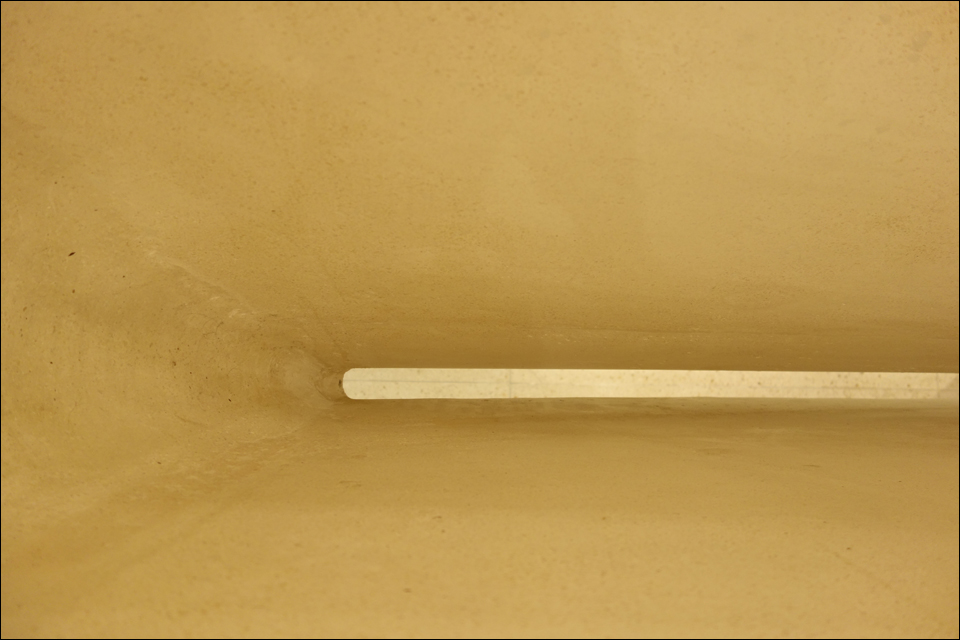
The first two pictures show Städel Museum in Frankfurt; the last parts of art installations at Museum Wiesbaden, a small museum valiantly and successfully maintaining its own profile in the face of all the well-known museums in nearby cities like Frankfurt, Darmstadt, and Mainz. I recommend visiting.

2/3. Geology? Archaeology?

DSC00879-k

DSC00767-k

DSC00632-k

A quick reminder because I love getting myself distracted by photo challenges: The 2/3 series features a simple formula: composition by the so called rule of thirds. The idea is to focus on structures and colours rather than composition while giving the pictures a uniform look. Based on this unifying ‘grammar’ it should be possible to arrange and re-arrange picture series according to different criteria – and tell different ‘stories’ – without losing a certain coherence. Here, the story told might be of rocks, or the remnants enclosed inside them.

Light Matters

DSC02148-d-02k

DSC02146-k

DSC02130-k

DSC02135-d-02k

DSC02142-kThe pictures show details of Kochbrunnen, an octagonal building in Wiesbaden’s downtown area. Different angles, different times of the day. different days, different weather conditions: These factors account for the different moods and colours in these picures.

I metered on the columns, slightly (but consistently) overexposing them because the sandstone is quite light – except for the last frame which reflects the lighting situation of the early evening. White balance was the same for all pictures, and no post-processing was done regarding the colours.

If I ever needed proof that light is one of the most important ‘materials’ for a photographer to work with, here it is. I am sure you all already knew, but I am still kind of new to colour photography, so to acutally see how different these pictures are from one another is a bit of a surprise for me.

Thanks to Christina / Paleica for inspiring this series with her recent photo challenge.

Alla Veneziana (Decay)

DSC01869-k

DSC01789-k

DSC02030-d-01k

DSC02042-k

Decay can look quite quite pretty in a romantic or decadent way when the dosage is moderate. A bit of laissez faire, a bit of savoir vivre; after all, enjoying life is more important than maintaining old houses. Buildings that have decayed to a degree we find charming may remind us of Luchino Visconti’s Morte a Venezia.

DSC02092-k

However, the famous Italian city might be more rotten than the pictures in our minds suggest, and there are buildings that are way beyond charming here in Wiesbaden. They literally fall apart (the glimpse through a hole in the tarpaulin hints at the whole). Some of them are protected as monuments or national heritage (“denkmalgeschützt”): They must not be knocked down, so the owners let them rot until they pose a security risk and demolition becomes inevitable.

To see more decay – and to read a great yet outrageous story about an ambitious hospital project – visit Paula’s Photo Challenge which inspired the idea that while we might like that bit of decay, more of it is not too good.

A Short Walk Around Luxemburgplatz

DSC01788-k

DSC01789-k

DSC01790-k

DSC01794-k

DSC01795-k

DSC01797-k

DSC01798-kLuxemburgplatz: There is a distinct neighbourhood surrounding this little downtown square, and since I do not know it well, I enjoyed walking around there, making pictures. While this post shows what can happen when I take a camera, I am not quite sure if pictures like these are what Jo has in mind for her Monday Walks. But I think that although they show nothing but details, they convey that particular neighbourhood’s atmosphere.

Inside / Out

DSC01546-k

DSC01548-k

Inside: Is the inside visible from the outside? Is the inside only perceptible in its relation to an outside (by way of looking out, for example)? How can I arrive at one of the two, starting from the other? It may be the transition that counts.

DSC01555-k

DSC01563-k

Ist das Innen von Außen zu sehen? Zeigt sich das Innen nur in seinem Bezug zum Außen (zum Beispiel beim Hinausschauen)? Wie komme ich von dem einen zum anderen? Vielleicht ist es der Übergang, der zählt.