
One thing I love about my native language: there is no limit to the length of words. Throw it all together and have fun! Ein Leuchtturmtürstopper would be a lighthouse door stop.

tobias m. schiel
One thing I love about my native language: there is no limit to the length of words. Throw it all together and have fun! Ein Leuchtturmtürstopper would be a lighthouse door stop.

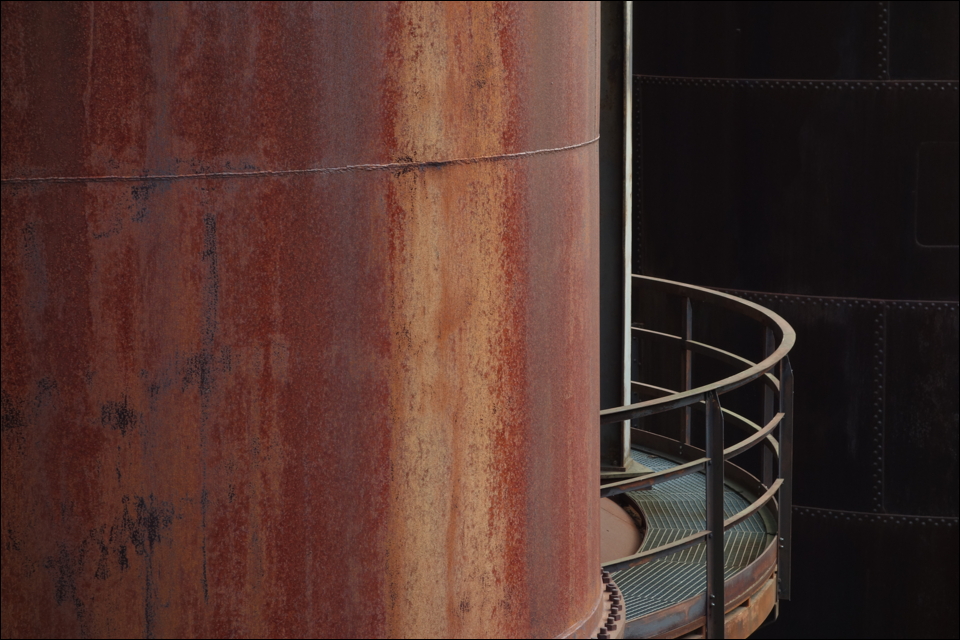
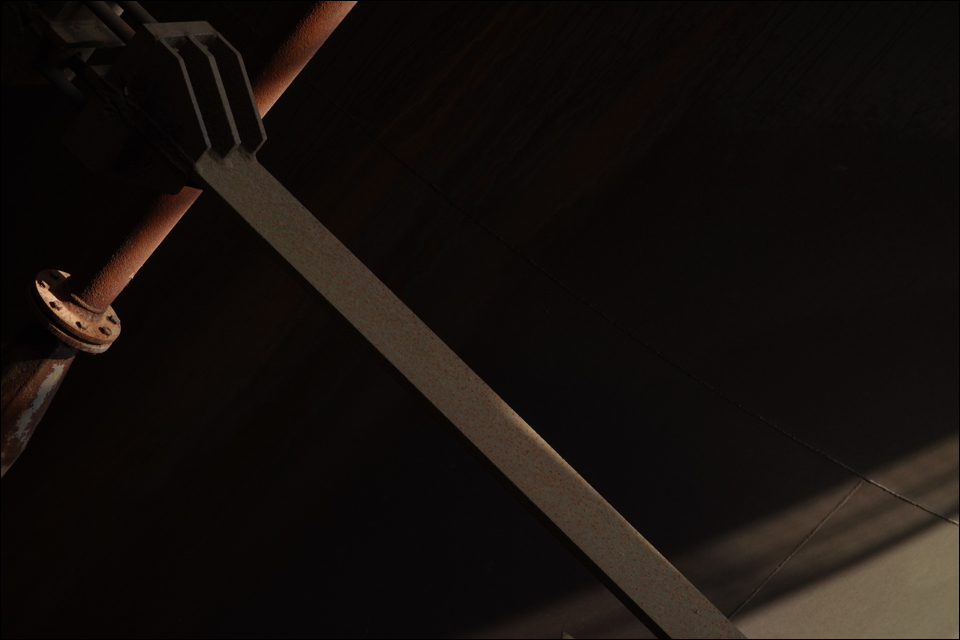
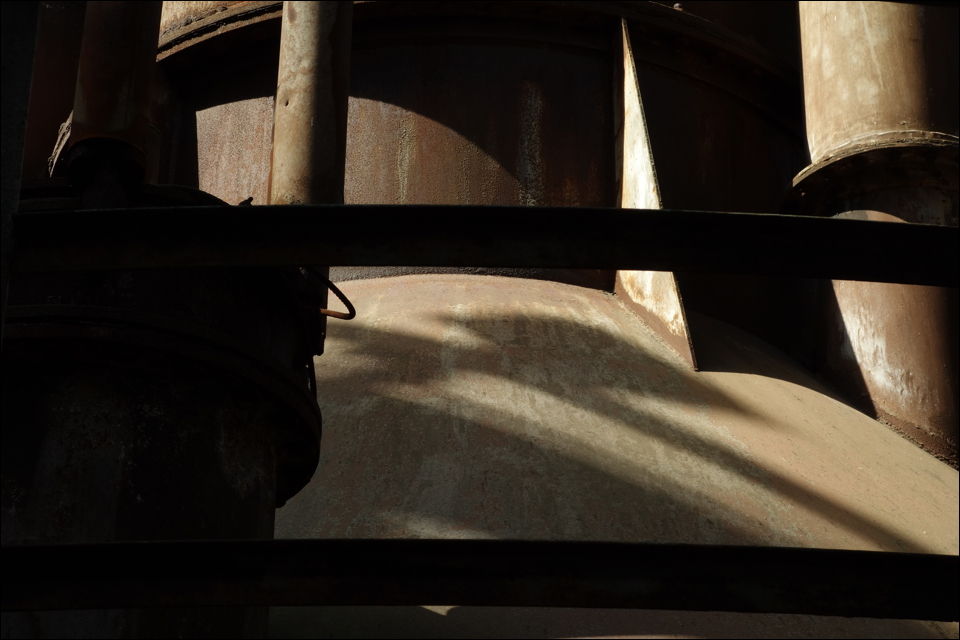
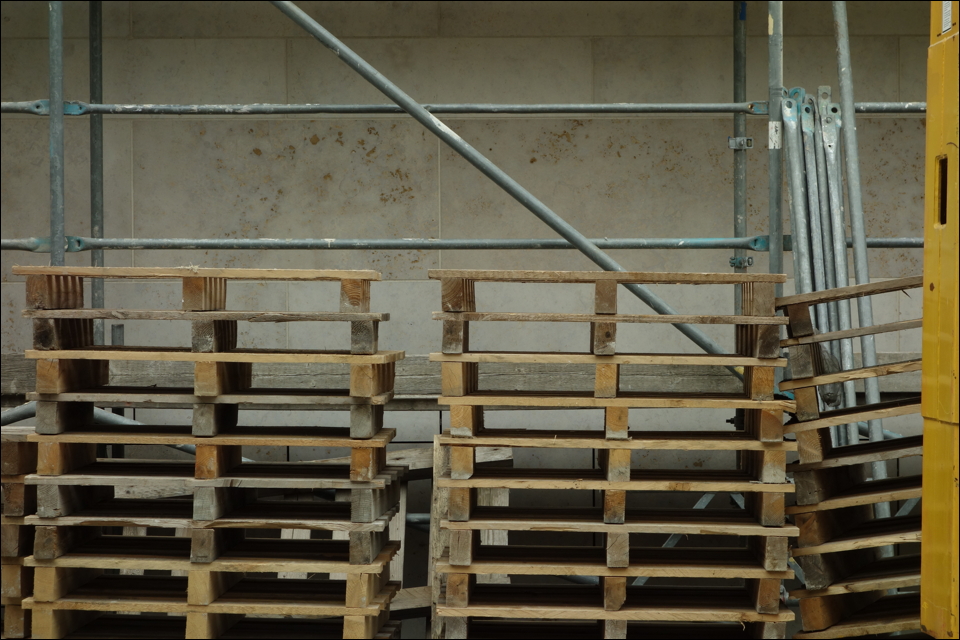 Conversation instead of presentation: A couple of moths ago I thought I needed a home page. But I did not do much with it, and it did not do much for me – other than that the blog almost vanished in the background and I could not show more than one picture per post on the blog’s first page. All looked good to me, but as I realized I love the experiment, the dynamics and the exchange of opinions more than just presenting, I grew more and more dissatisfied. So: Dear readers, here is a new layout I hope you’ll enjoy.


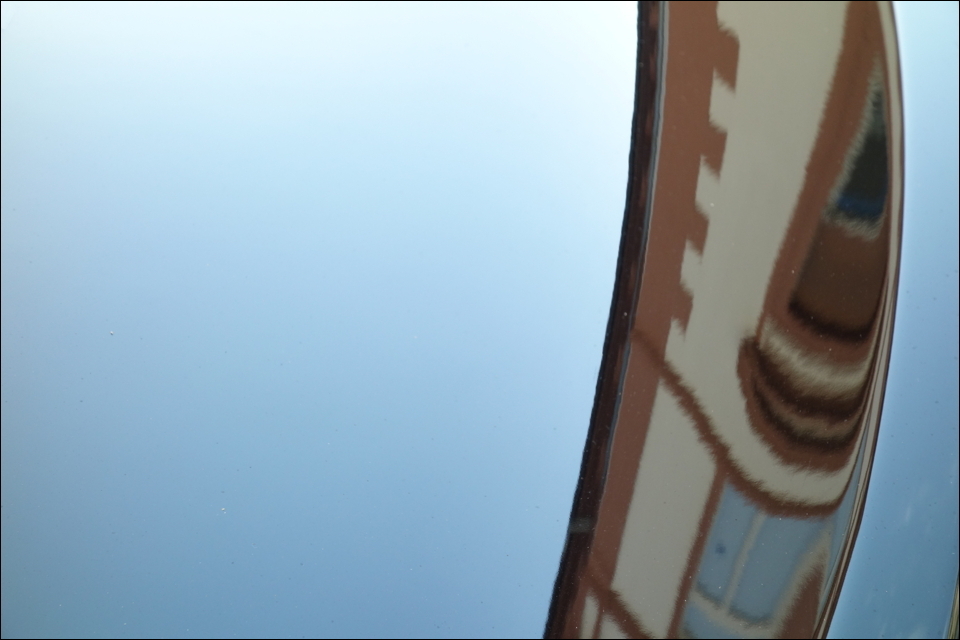
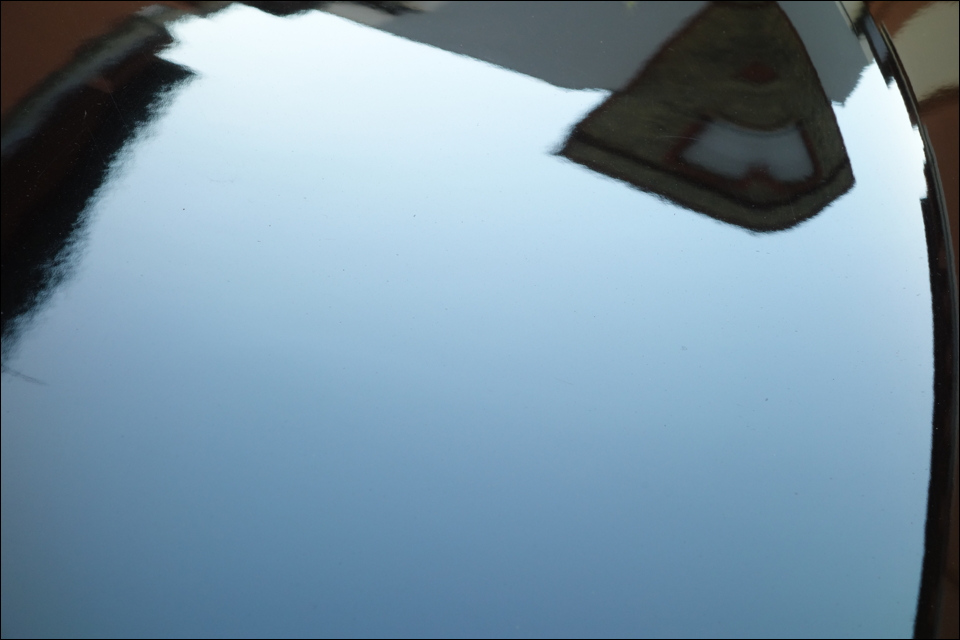
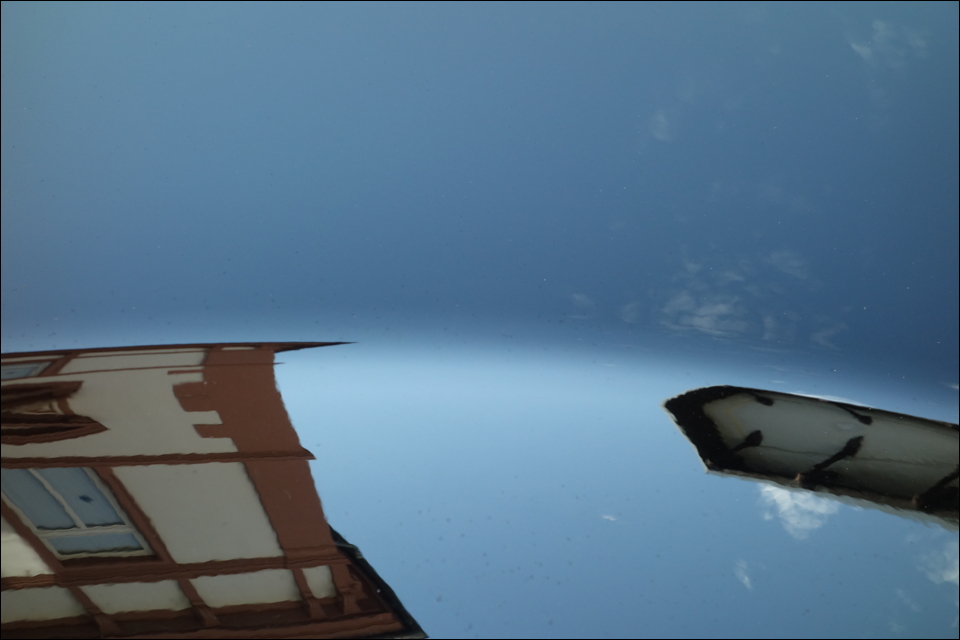 Digging into some literature on an altogether different topic, I stumbled upon this paragraph:
“I believe that between utopias and […] heterotopias, there might be a sort of mixed, joint experience, which would be the mirror. The mirror is, after all, a utopia, since it is a placeless place. In the mirror, I see myself there where I am not, in an unreal, virtual space that opens up behind the surface; I am over there, there where I am not, a sort of shadow that gives my own visibility to myself, that enables me to see myself there where I am absent: such is the utopia of the mirror. But it is also a heterotopia in so far as the mirror does exist in reality, where it exerts a sort of counteraction on the position that I occupy. From the standpoint of the mirror I discover my absence from the place where I am since I see myself over there. Starting from this gaze that is, as it were, directed toward me, from the ground of this virtual space that is on the other side of the glass, I come back toward myself; I begin again to direct my eyes toward myself and to reconstitute myself there where I am. The mirror functions as a heterotopia in this respect: it makes this place that I occupy at the moment when I look at myself in the glass at once absolutely real, connected with all the space that surrounds it, and absolutely unreal, since in order to be perceived it has to pass through this virtual point which is over there.” (Michel Foucault, Of Other Spaces. Heterotopias)
It made me wonder: Could photographs be related to mirrors? And could a photograph possibly be some kind of heterotopia? After all, photos seem to trigger a strange exchange between my position – here, in front of the picture – and the place they show which is, in most cases, not here, but inevitably there. I am here, looking at a ‘there’ which is very real as a picture and very absent as an object: “There is no there there,” I am tempted to say.
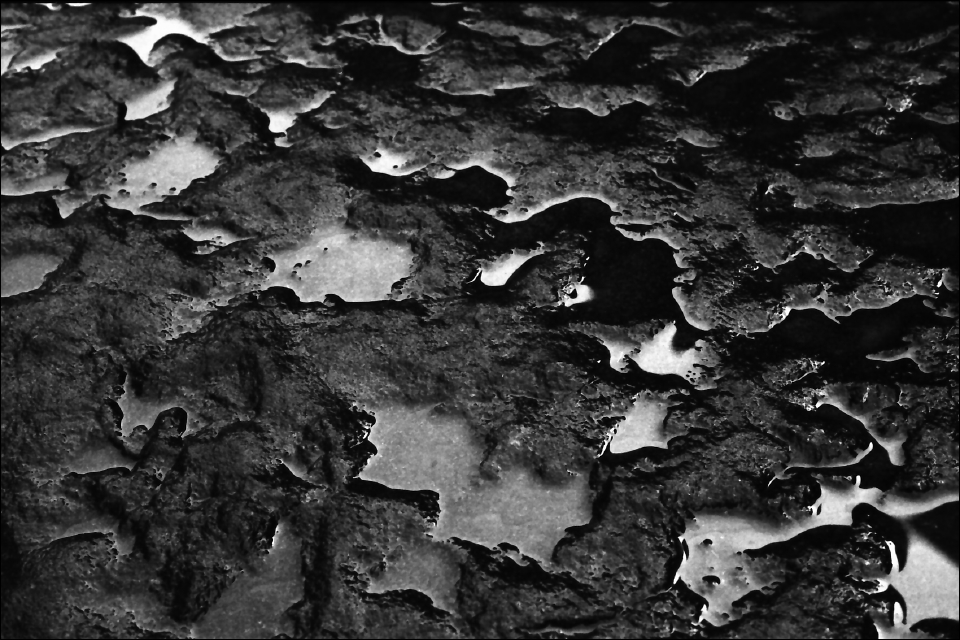


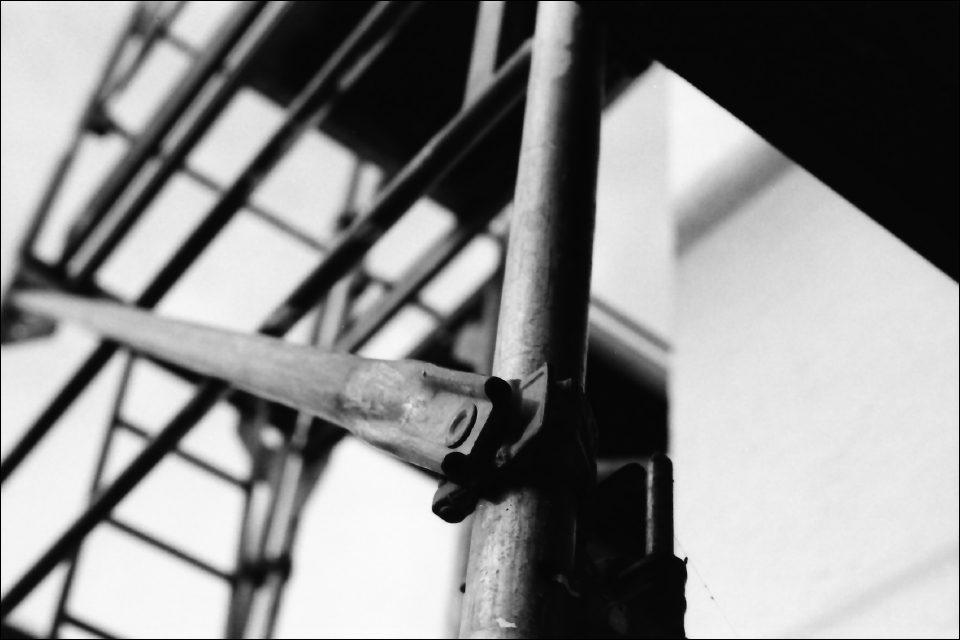
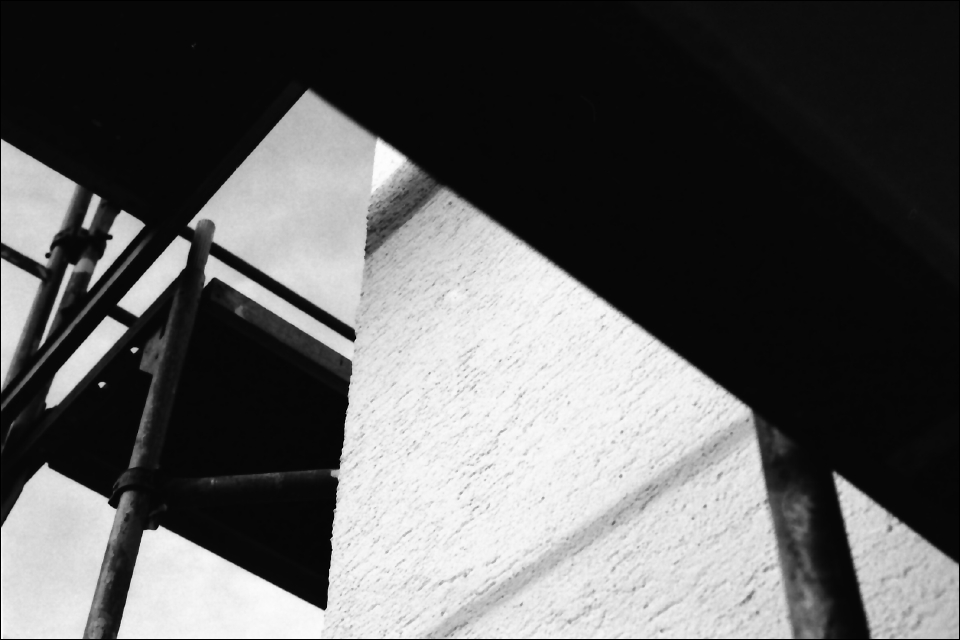
The original idea was to try out a different film, the Kodak PLUS-X 125, processed with Rodinal. Judging from the scanned pictures, my first impression is that it has a rougher, perhaps more old-fashioned look than the T-MAX 400 I usually prefer … While experimenting I realized that these two also seem to illustrate the idea of this week’s photo challenge.
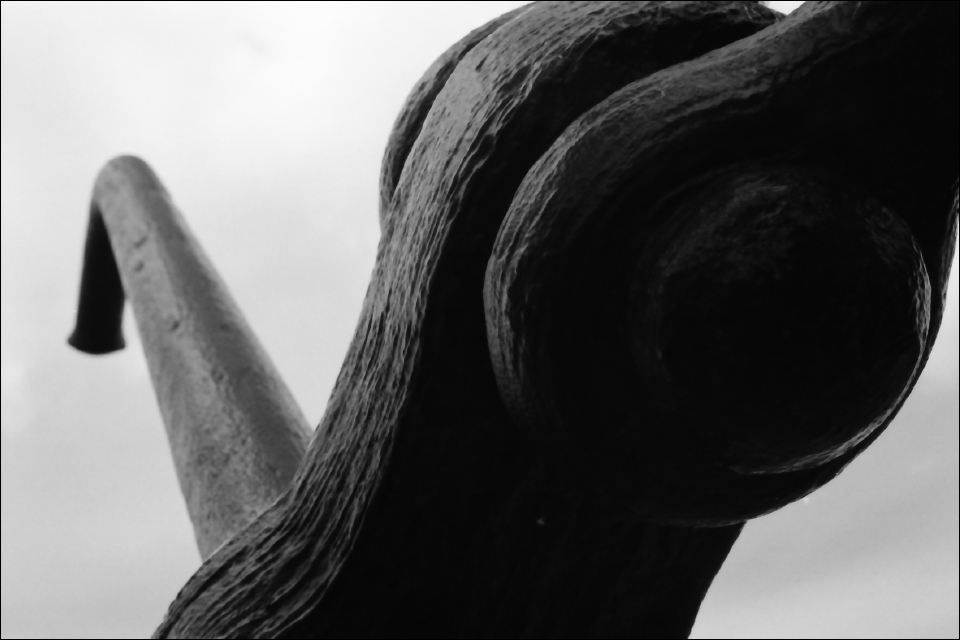


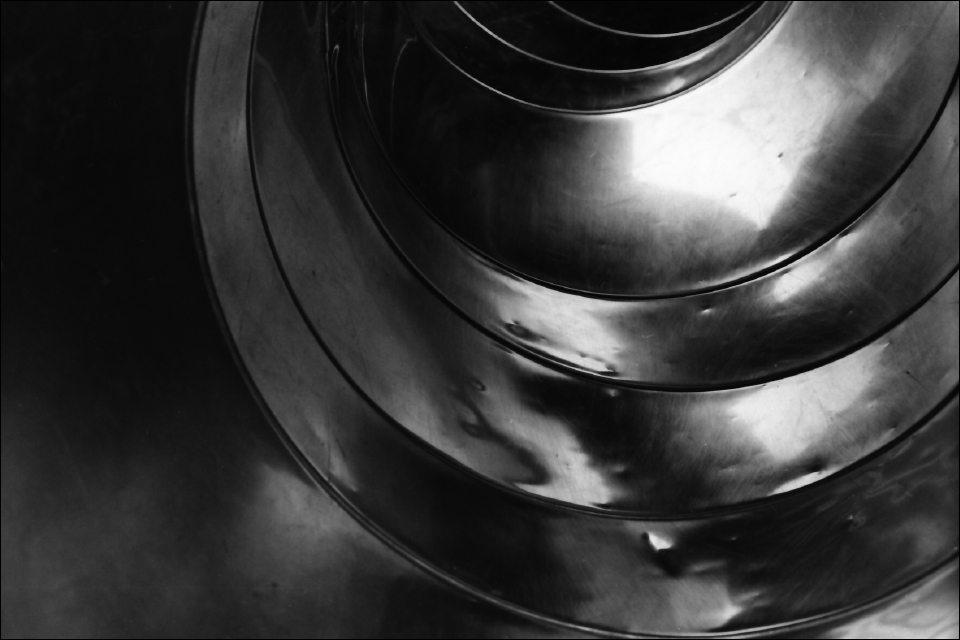
A contribution for the Weekly Photo Challenge: Masterpiece. This Monopteron, located on Wiesbaden’s Neroberg, was designed by P. Hoffmann in 1851 who used forms of early Florentine renaissance. So it appears to echo an echo of Greek Antiquity. But still: I like this building’s elegance and its sense of lightness (especially on a bright day), an I am intrigued by the way its circles and arches seem to form a vortex in this picture.
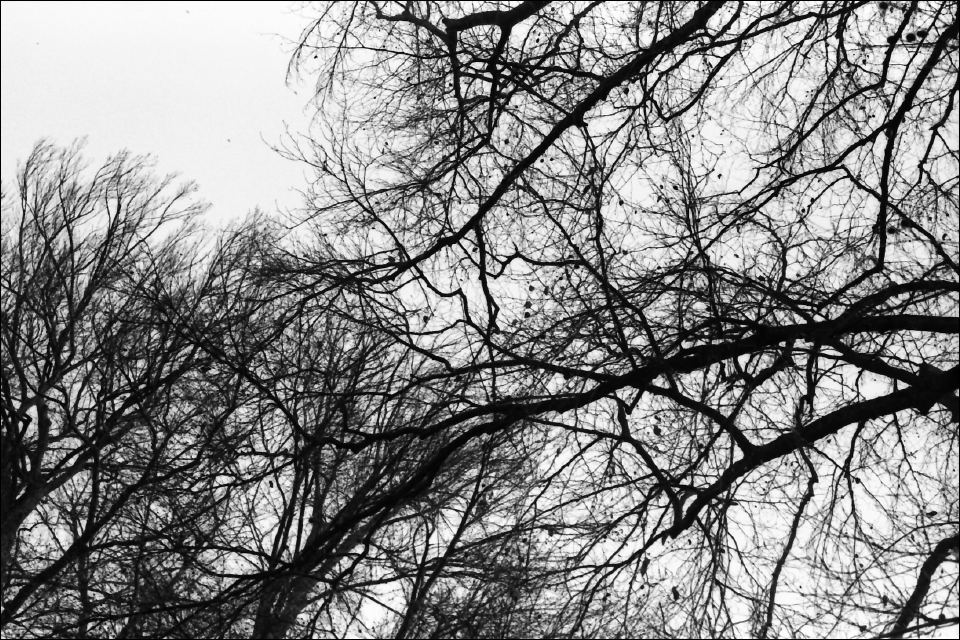
 … est un jeu magnifique!


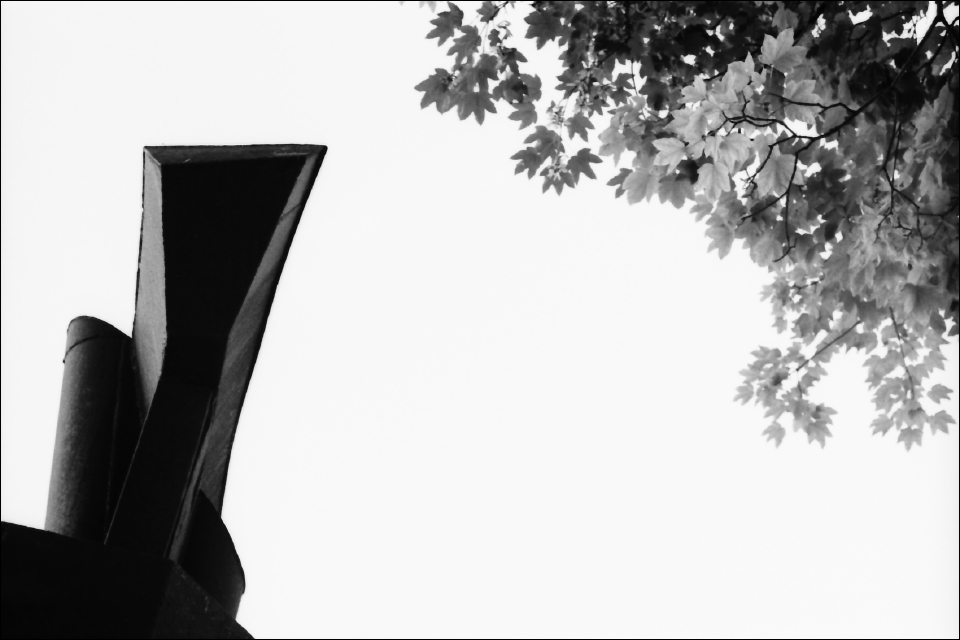
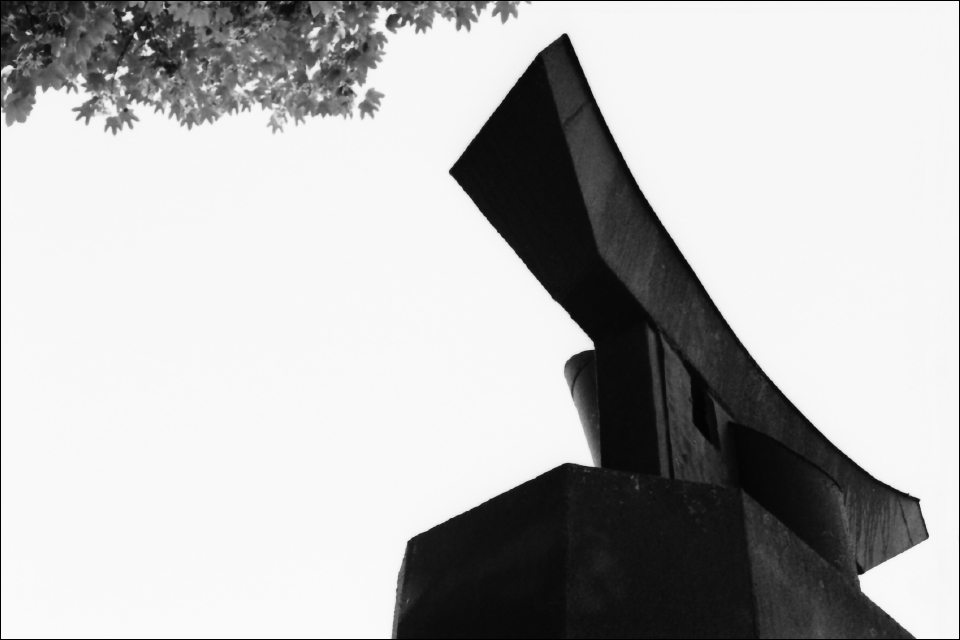
I cannot figure out who made this sculpture or what it is (if you know, please help me with a hint). Yet it has its part in defining the space between the museum and the Rhein-Main-Hallen in Wiesbaden. Since the latter are to be demolished, I wonder what will happen to this piece.

Weekly Photo Challenge: Companionable

 Contributing to this week’s photo challenge.
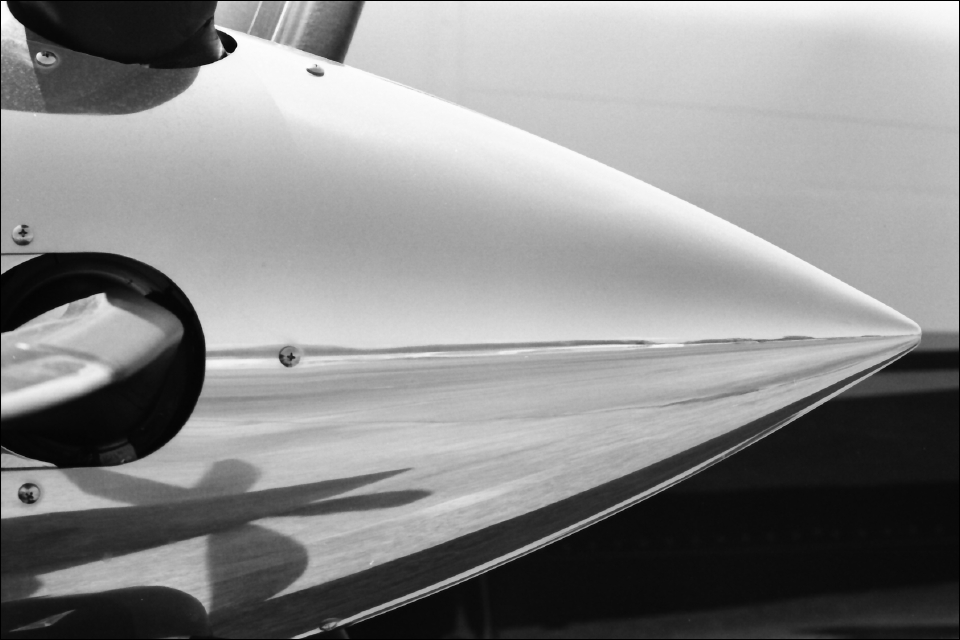
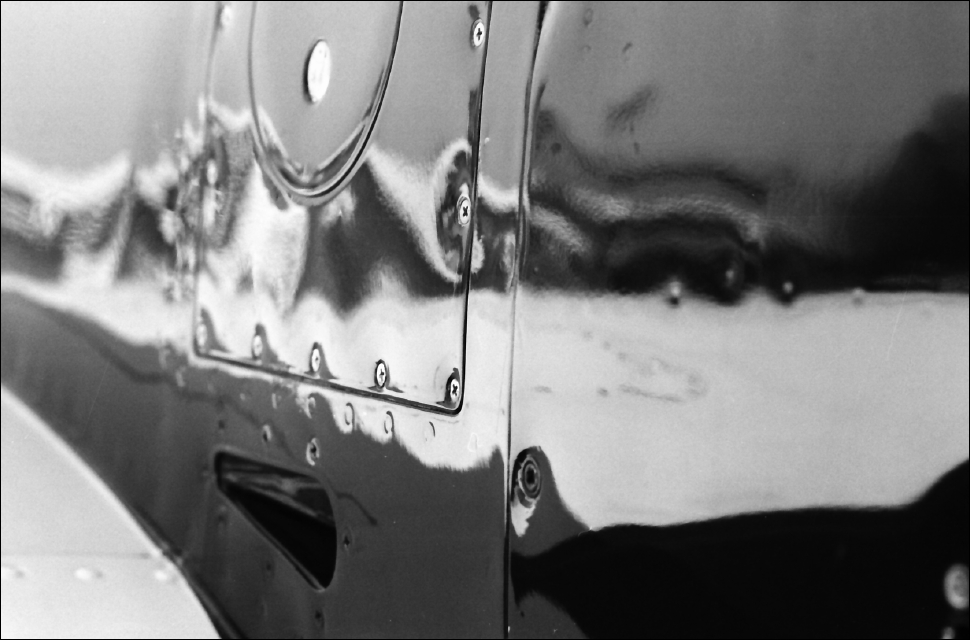 Sometimes subjects and interests seem to have a life of their own.
By the end of December 2012, I drove to Frankfurt Airport to photograph some airplanes and – if possible – some of the airport’s navigational signs (a plan that had formed upon the desire to photograph ‘some machinery’ in an abstract way). I knew fairly well I could get really close to the historic aircraft at the Airlift Memorial; I knew fairly well what kind of pictures I wanted; and after two hours I knew the session had gone well.
Preparing the pictures for presentation in this blog, I realized there was more to them than just ‘abstract machinery’. For me, the pictures also transported a fascination with airports and flying (I vividly remember being taken on a short trip aboard a Piper Tomahawk) as well a sense of history: What does the memorial refer to? How were these planes used? And what can the memorial tell us about those who erected it?
In short: “The Berlin Train”, made at the Airlift Memorial, became a trigger – or should I say: ‘seed’ for other projects: I am currently trying to pursue both subjects, flight (or traffic) and memorials (or remembering). And both lead me to new insights, not only in terms of pictures but also in understanding things.
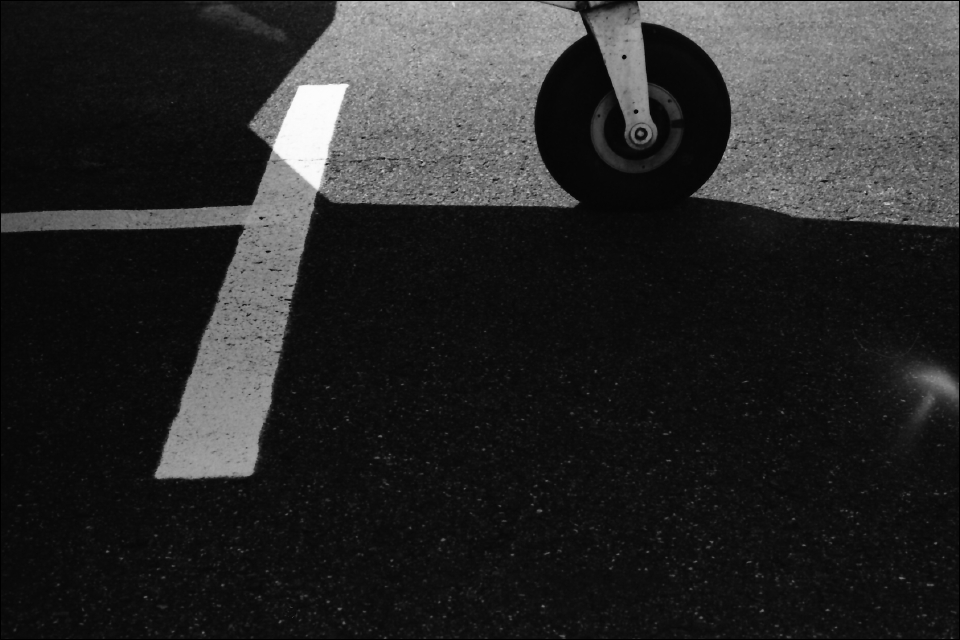
Special thanks to air traffic control at Verkehrslandeplatz Mainz-Finthen (EDFZ) for the permission to photograph the taxiway area. – This is also my contribution for this week’s photo challenge, for the the reflections on these planes are, in my view, fleeting.
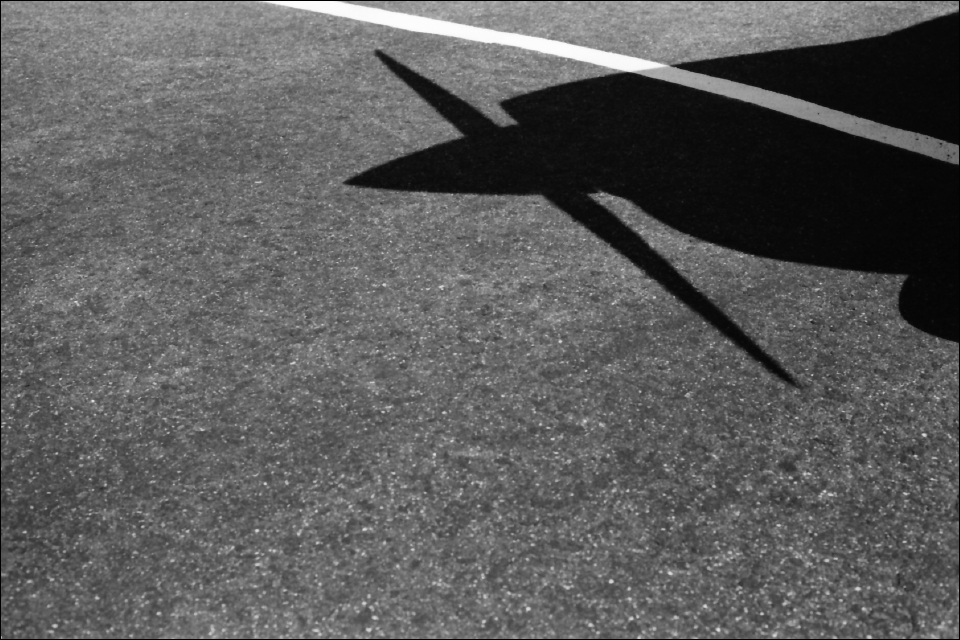
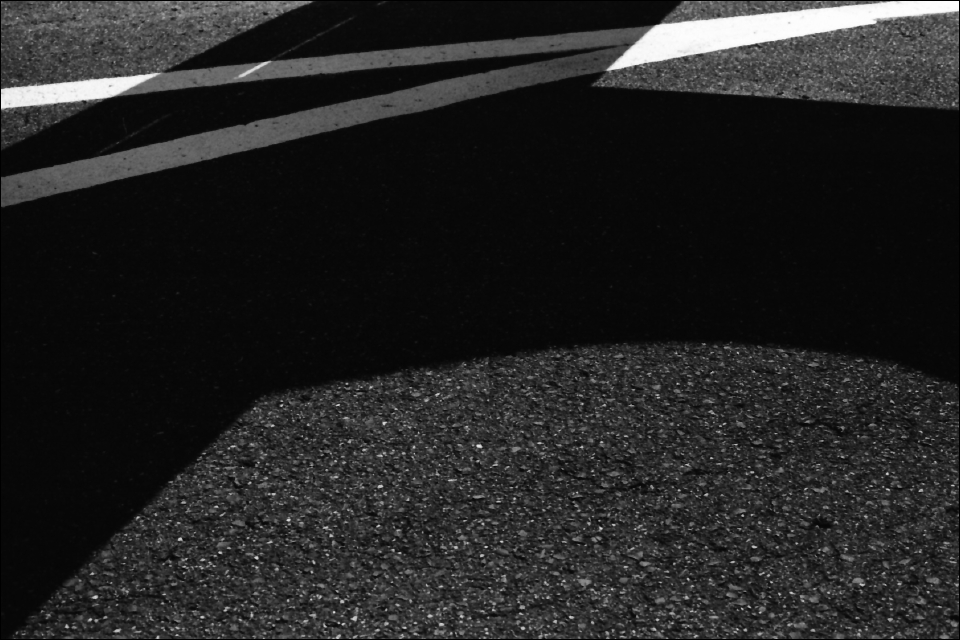
 The notion that ‘a picture says more than a thousand words’ probably blinded us, leading us to believe that a picture must be an object that is complete in itself. But pictures are more dependent on context than we usually think. Instead of fighting this fact (and trying to create autonomous works), why do we not use context to our advantage, as a means to our ends? Think of comic strips.
Special thanks to air traffic control at Verkehrslandeplatz Mainz-Finthen (EDFZ) who allowed me to photograph their taxiway area.


 empire of lights