


Author: Tobias M. Schiel
Abstract arts lover, Jazz enthusiast, mystery buff, compulsive reader - and how do I get it all into pictures? Photography has been a good way over the last couple of years.1. .
Totem or Toro?
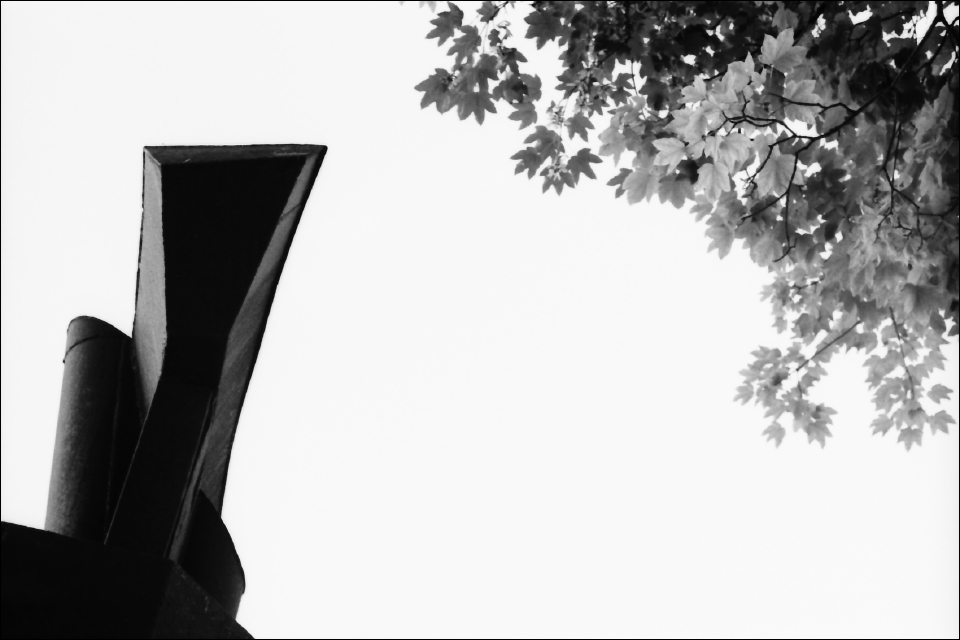
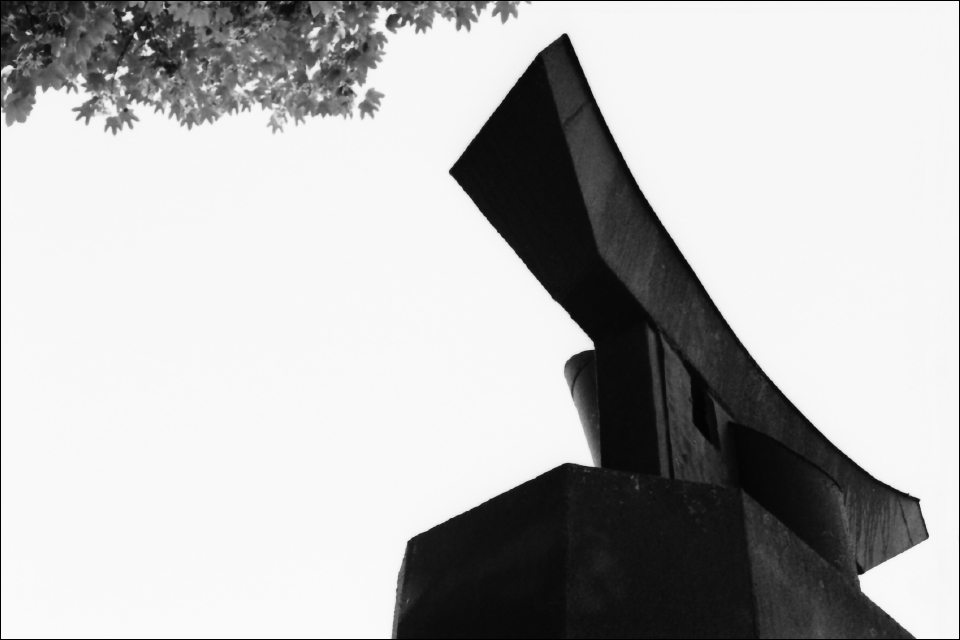
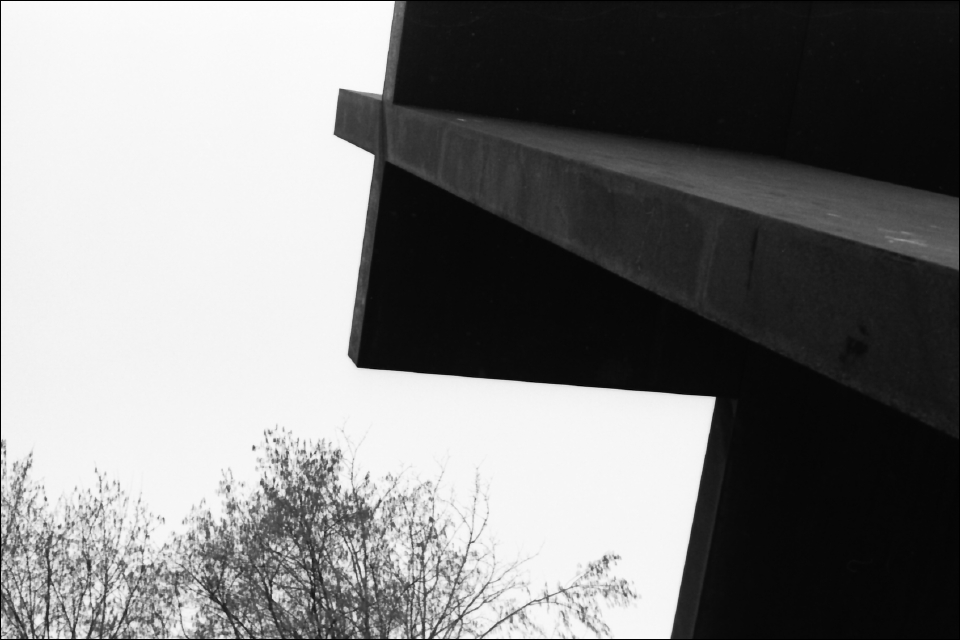
I cannot figure out who made this sculpture or what it is (if you know, please help me with a hint). Yet it has its part in defining the space between the museum and the Rhein-Main-Hallen in Wiesbaden. Since the latter are to be demolished, I wonder what will happen to this piece.
3 … 2 … On Board!


Companionable Chaps

Weekly Photo Challenge: Companionable
Chapel Space

 Contributing to this week’s photo challenge.
Metal Tube
Modern Aircraft
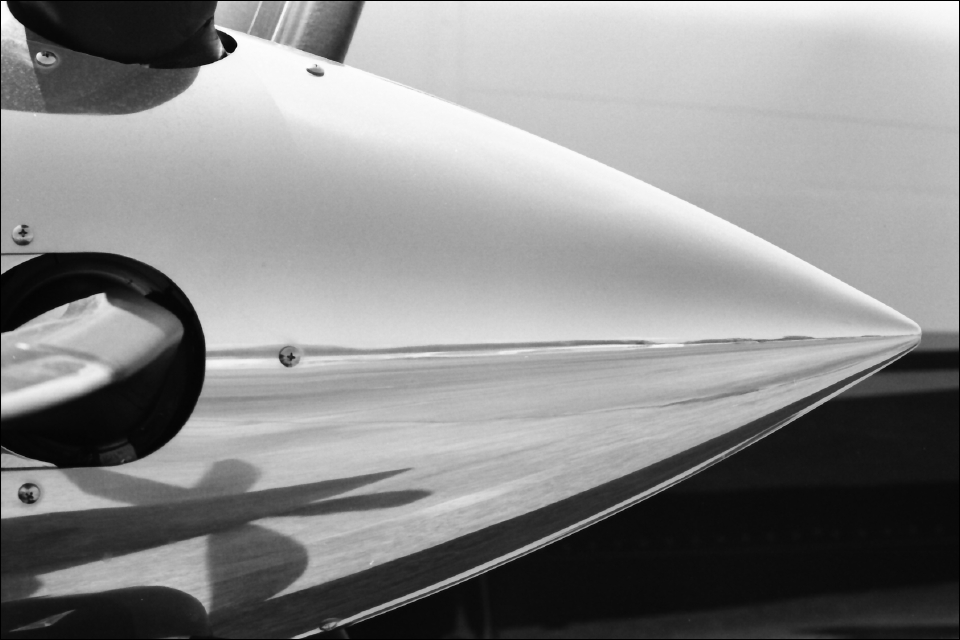
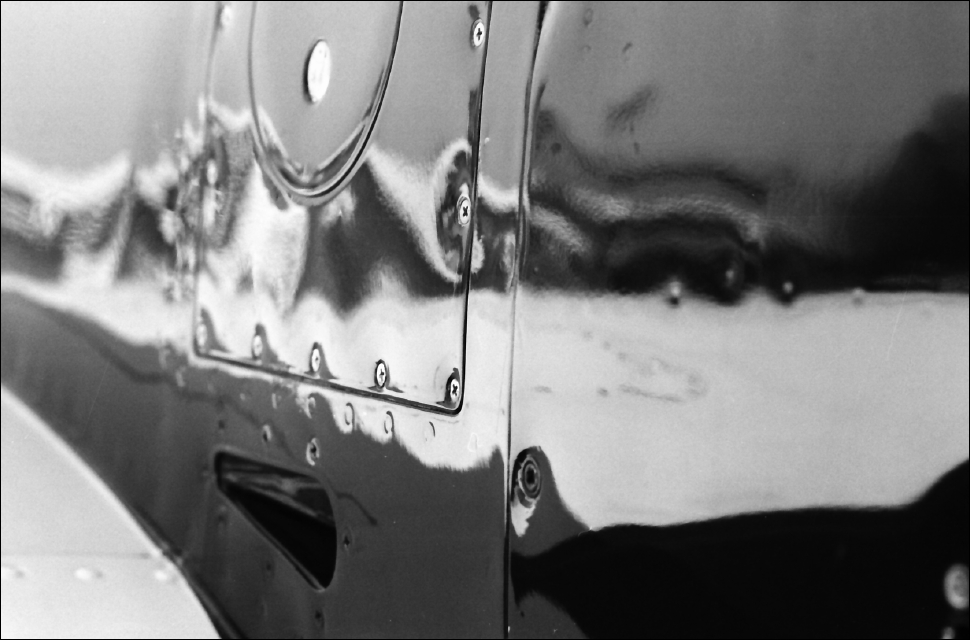 Sometimes subjects and interests seem to have a life of their own.
By the end of December 2012, I drove to Frankfurt Airport to photograph some airplanes and – if possible – some of the airport’s navigational signs (a plan that had formed upon the desire to photograph ‘some machinery’ in an abstract way). I knew fairly well I could get really close to the historic aircraft at the Airlift Memorial; I knew fairly well what kind of pictures I wanted; and after two hours I knew the session had gone well.
Preparing the pictures for presentation in this blog, I realized there was more to them than just ‘abstract machinery’. For me, the pictures also transported a fascination with airports and flying (I vividly remember being taken on a short trip aboard a Piper Tomahawk) as well a sense of history: What does the memorial refer to? How were these planes used? And what can the memorial tell us about those who erected it?
In short: “The Berlin Train”, made at the Airlift Memorial, became a trigger – or should I say: ‘seed’ for other projects: I am currently trying to pursue both subjects, flight (or traffic) and memorials (or remembering). And both lead me to new insights, not only in terms of pictures but also in understanding things.
Special thanks to air traffic control at Verkehrslandeplatz Mainz-Finthen (EDFZ) for the permission to photograph the taxiway area. – This is also my contribution for this week’s photo challenge, for the the reflections on these planes are, in my view, fleeting.
Flying Home
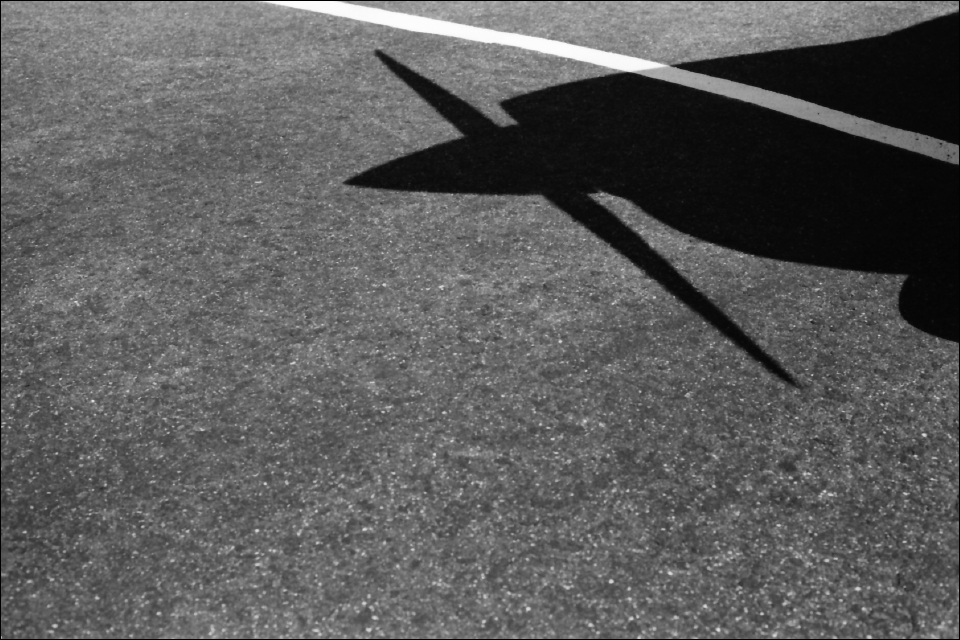
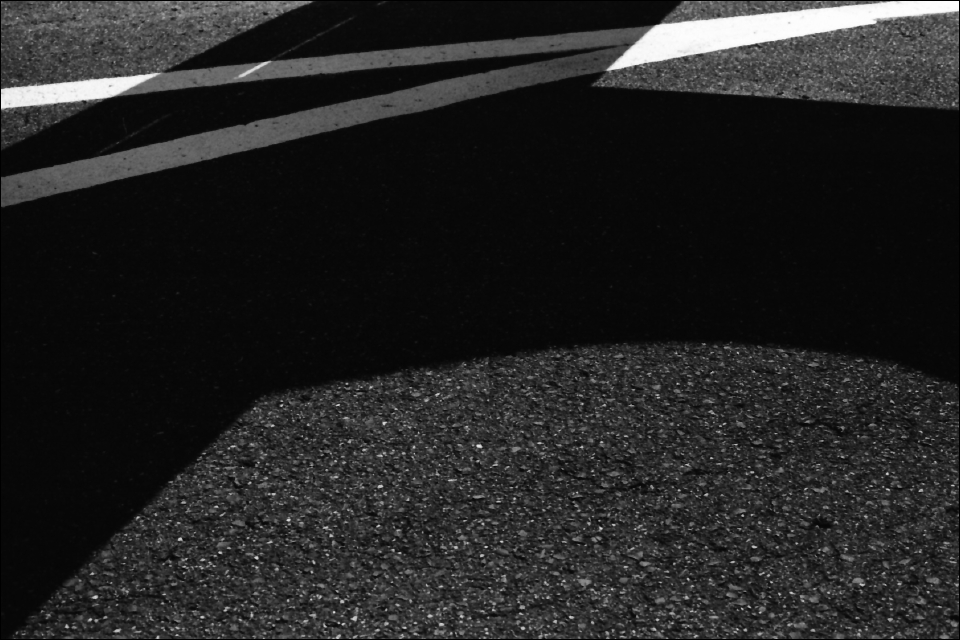
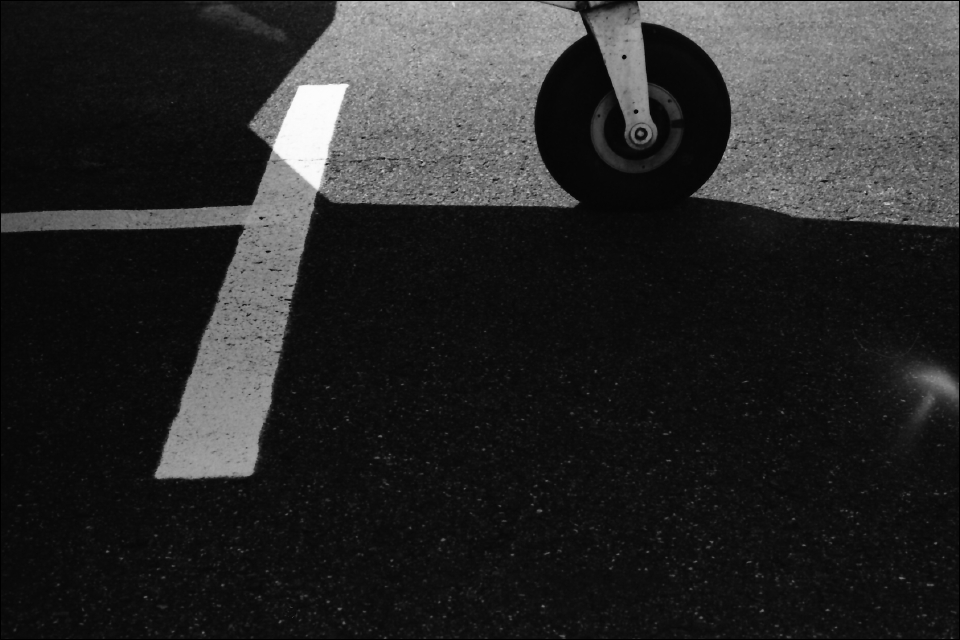 The notion that ‘a picture says more than a thousand words’ probably blinded us, leading us to believe that a picture must be an object that is complete in itself. But pictures are more dependent on context than we usually think. Instead of fighting this fact (and trying to create autonomous works), why do we not use context to our advantage, as a means to our ends? Think of comic strips.
Special thanks to air traffic control at Verkehrslandeplatz Mainz-Finthen (EDFZ) who allowed me to photograph their taxiway area.
Fly!
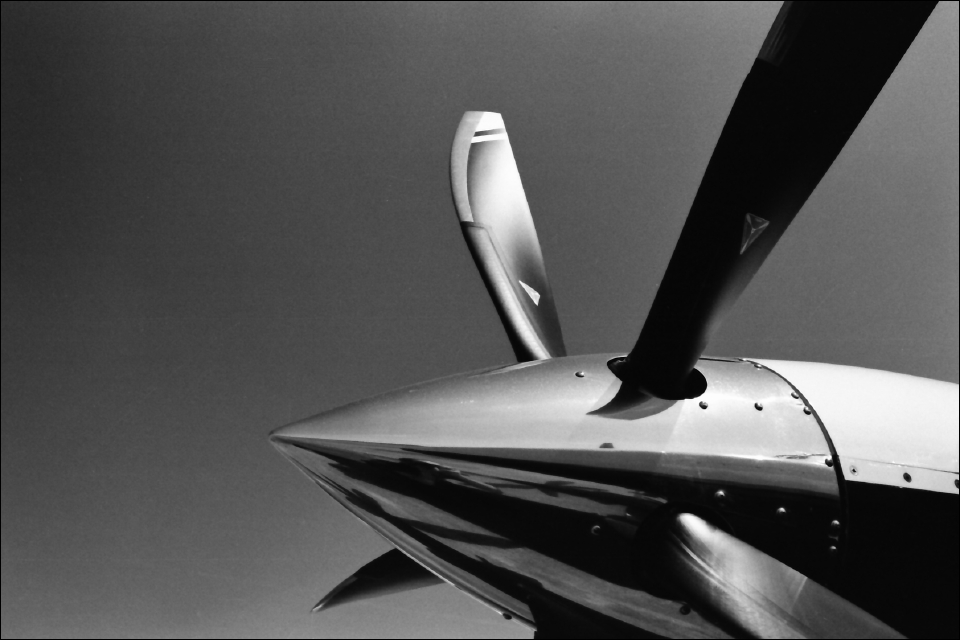
Weekly Photo Challenge: In the Background. Photographed with the kind permission of air traffic control at Verkehrslandeplatz Mainz-Finthen (EDFZ).
Escape?


Escaped
An interpretation of the Weekly Photo Challenge.
Of Heroes and Battles


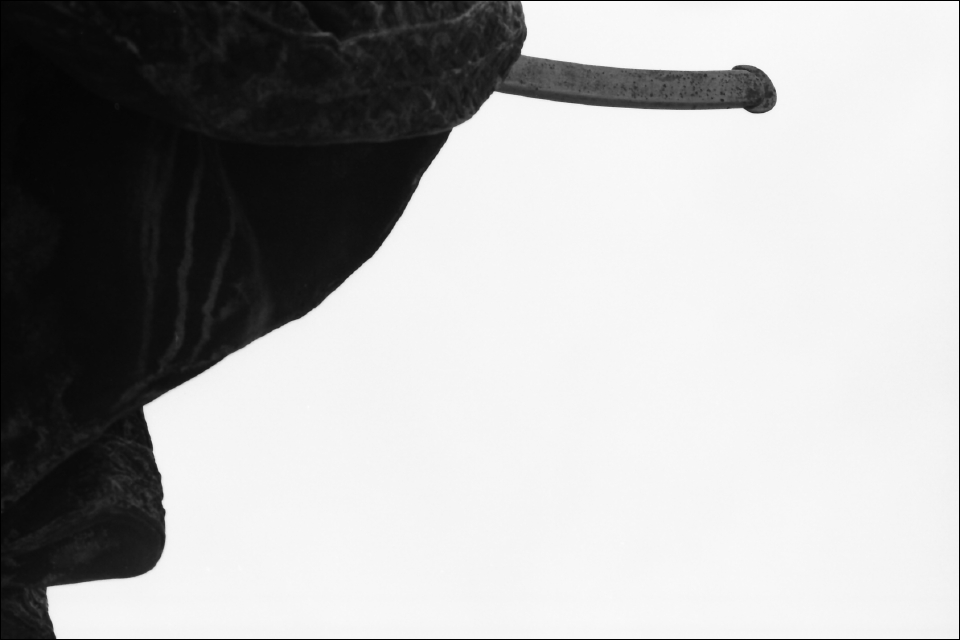
The first picture shows the memorial for “Wilhelm I., Fürst von Oranien, Graf zu Nassau-Breda, Statthalter von Holland, Seeland, Friesland und Utrecht” (erected in 1908). Wilhelm was born to the House of Nassau as Count of Nassau-Dillenburg. He became Prince of Orange in 1544 and is thereby the founder of the branch House of Orange-Nassau and the ancestor of the monarchy of the Netherlands.
The second picture shows the obelisk erected to commemorate June 18, 1815 – namely the soldiers of the “Erste Nassauische Infanterie-Regiment Nr. 87” who participated in the Waterloo battle.
Reflecting History
Man With a Book
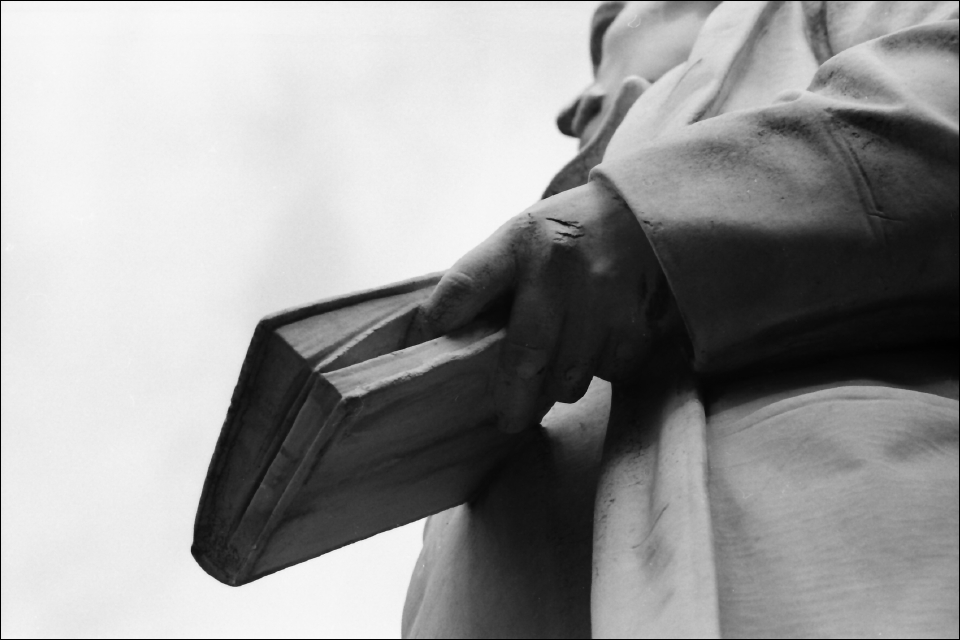
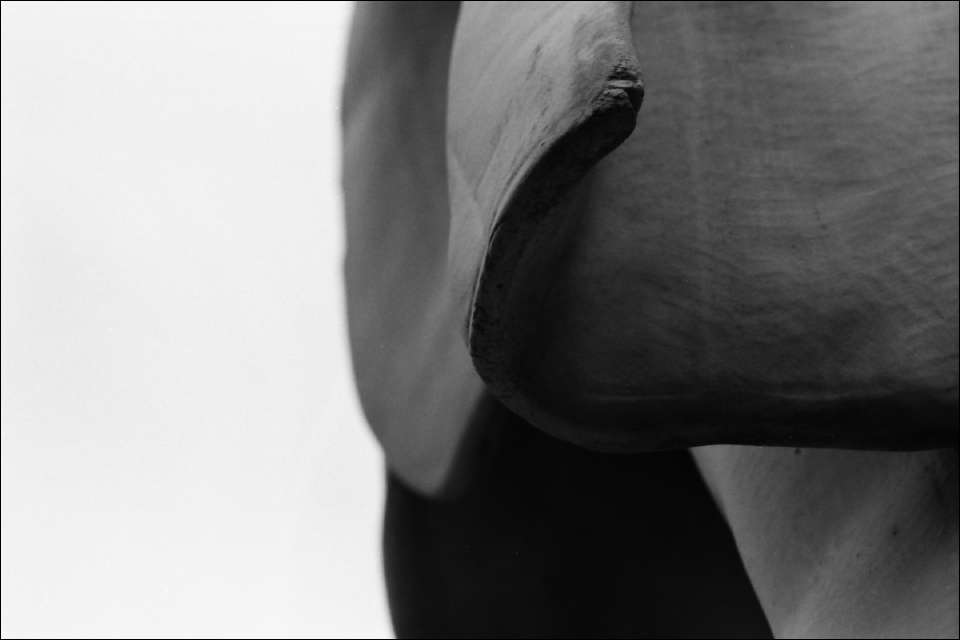
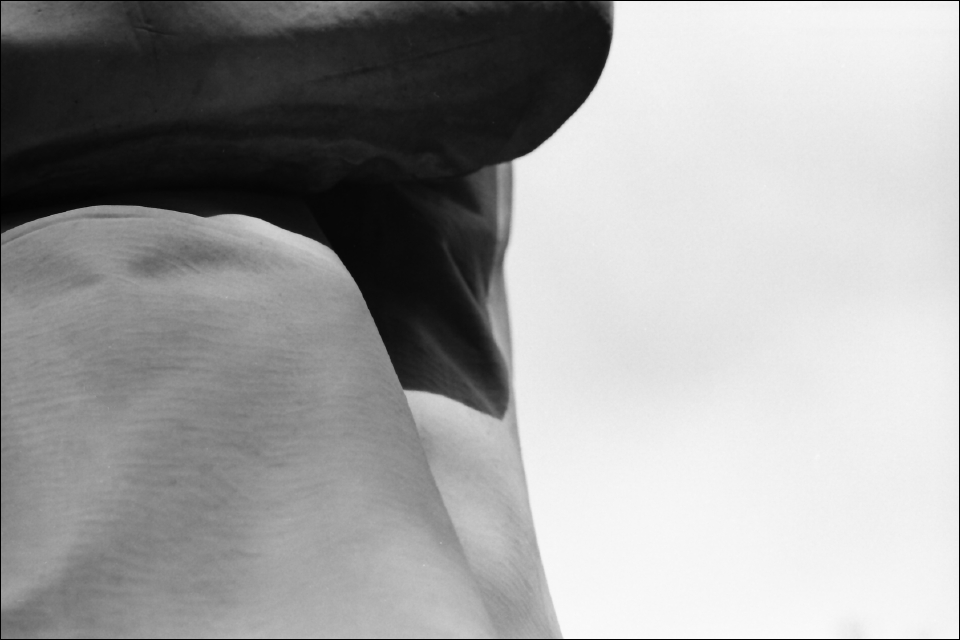
When I think of pictures, I often think of lines – outlining the shape of an object, or adding up to shades of gray in a hatching. Michelangelo, however, thought that there were no lines in nature; there are only surfaces. And from a photographic point of view, he is spot-on: Photography gives us a unique chance to present surfaces with relatively little effort. Maybe that’s why I like photographing stone so much.
My contribution for this week’s photo challenge – culture – shows a statue by F. Schaper (dated 1904/05) representing Gustav Freytag, a German homme des lettres.
Up!
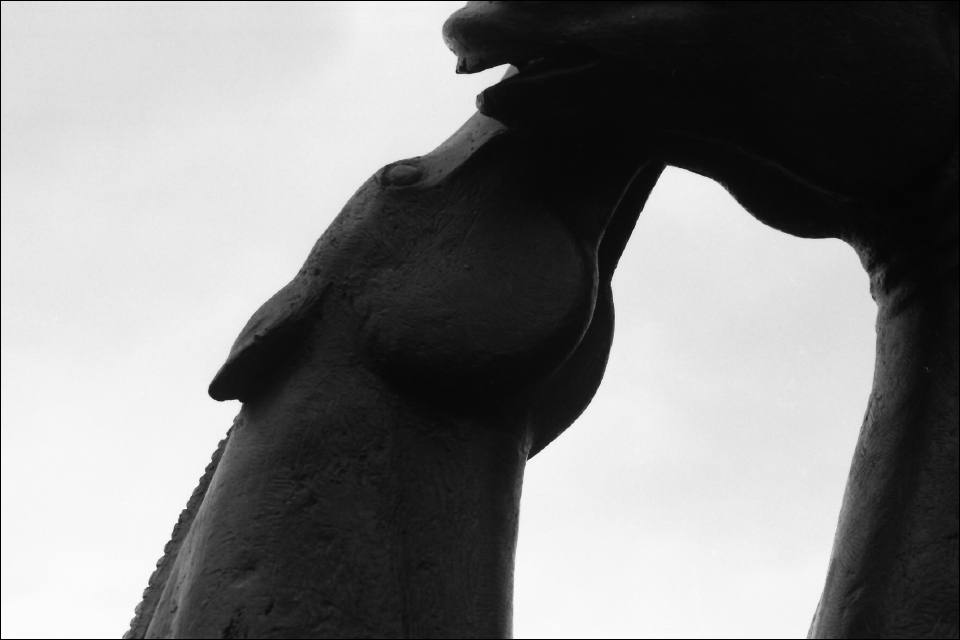
Spielende Hengste (Playing Stallions) by German sculptor Gerhard Marcks. The sculpture was commissioned by a local insurance company in 1962 and donated to the City of Wiesbaden in 1963. It refers to Wiesbaden as a host to the Pfingstturnier, an annual horse race of international scope.
If things pan out as planned, this picture will be part of a larger series called Le città e la memoria (another bow to Italo Calvino) which will explore landmarks, memorials, and some buildings.
This is my second contribution for the Weekly Photo Challenge.
Quite Some Characters


Change


This Way. That Way.

This Way? That Way?


Tree, Interrupted
 empire of lights