
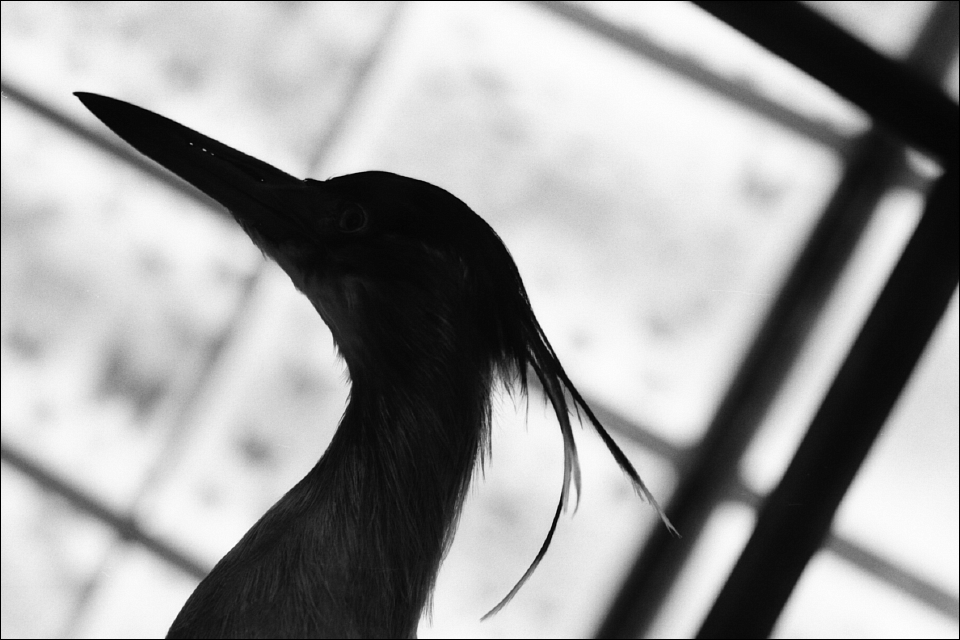

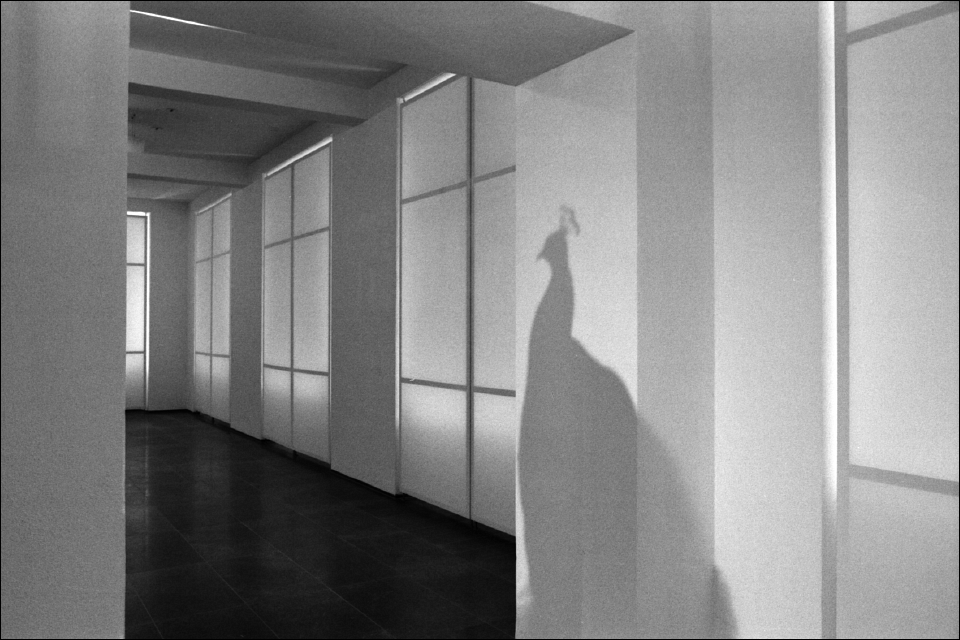
 Once in the museum, even animals turn into objects. Should you like to read about the role of photography in establishing objectivity here is book I can recommend: Lorraine Daston and Peter Galison, Objectivity.
Category: Wiesbaden
A Tree … a Cosmos
 One solitary tree.
Let There Be Light!


Up!
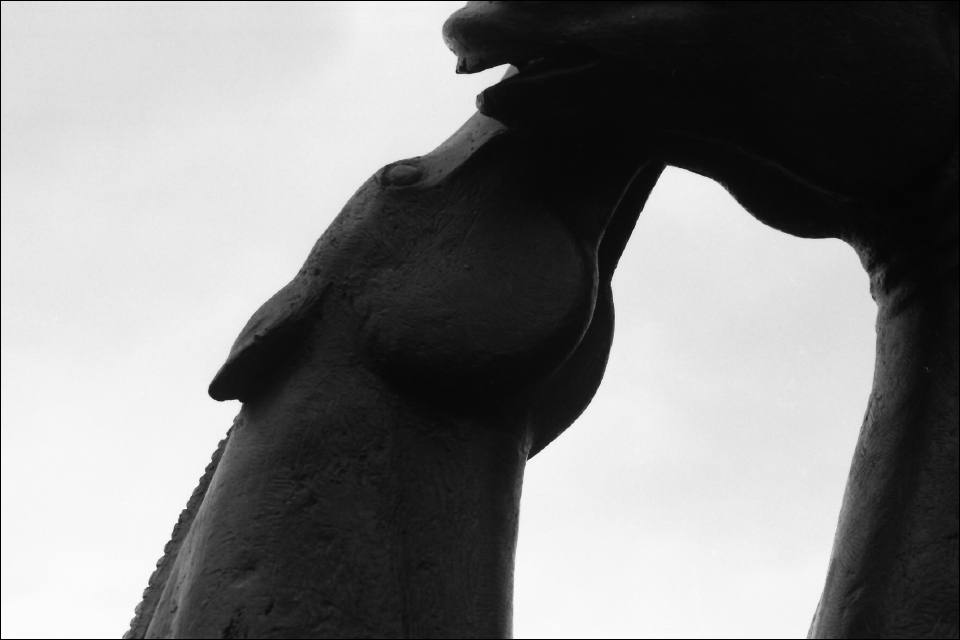
Spielende Hengste (Playing Stallions) by German sculptor Gerhard Marcks. The sculpture was commissioned by a local insurance company in 1962 and donated to the City of Wiesbaden in 1963. It refers to Wiesbaden as a host to the Pfingstturnier, an annual horse race of international scope.
If things pan out as planned, this picture will be part of a larger series called Le città e la memoria (another bow to Italo Calvino) which will explore landmarks, memorials, and some buildings.
This is my second contribution for the Weekly Photo Challenge.
Tree, Interrupted
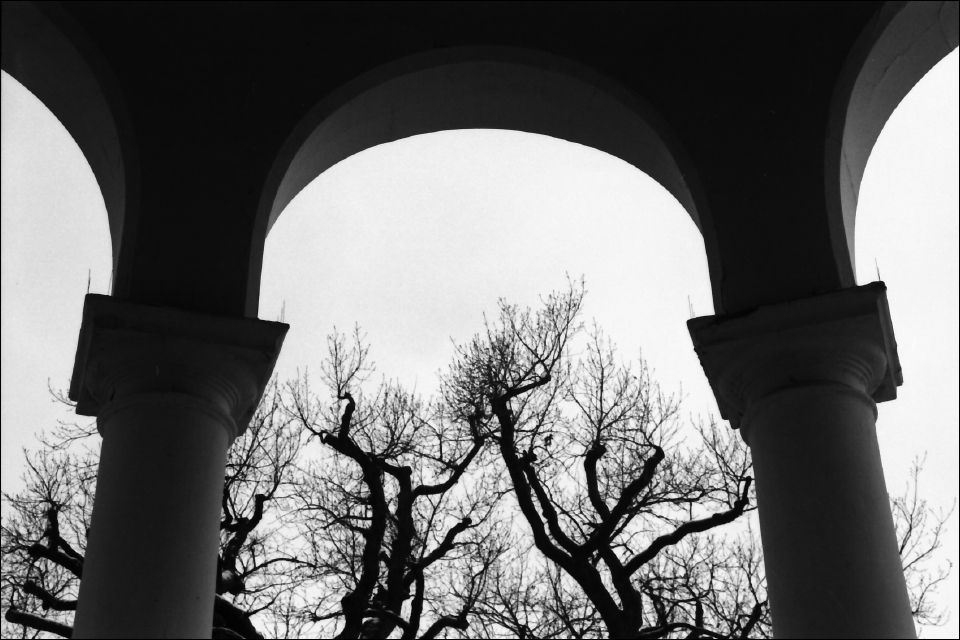
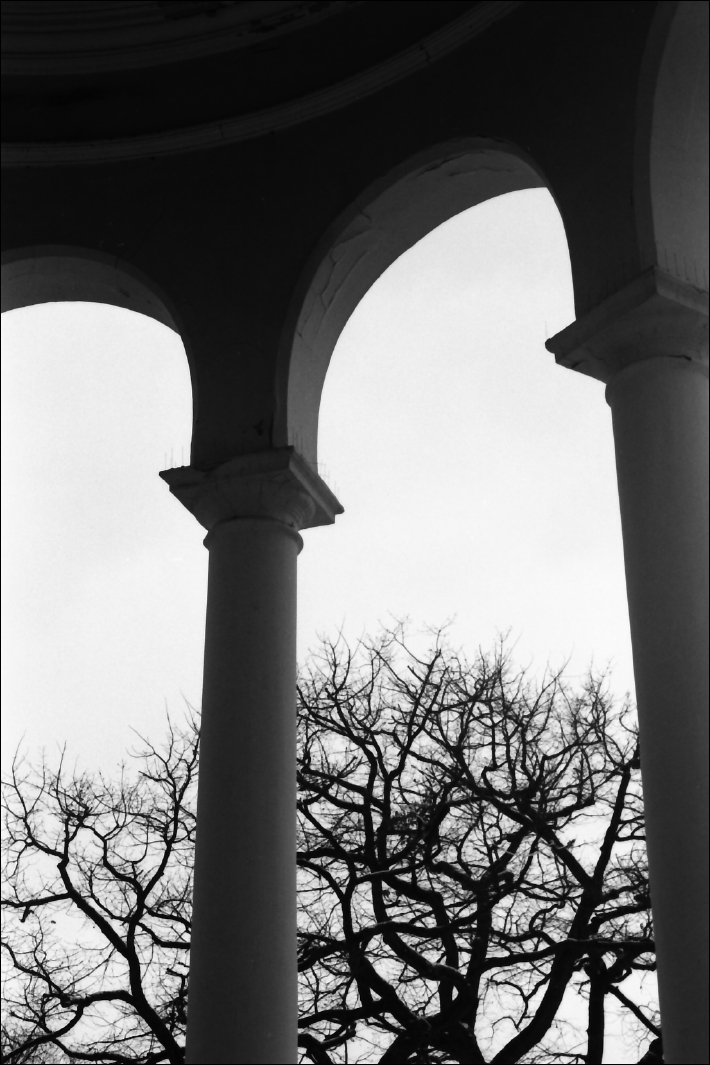
Transitory

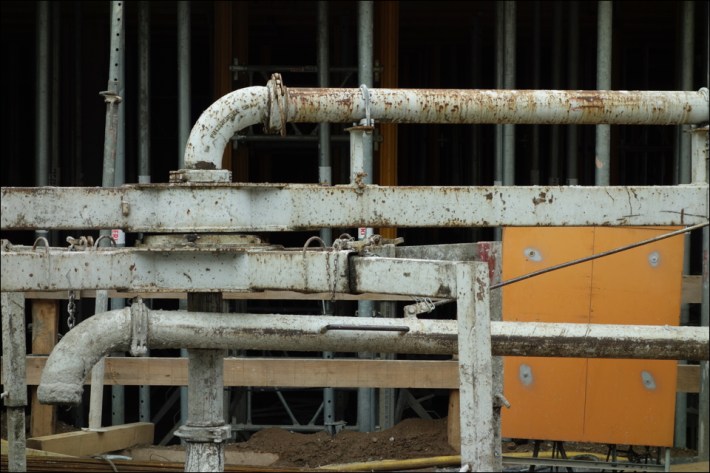

Construction sites always seem to display a kind of transitory architecture, which I think is fascinating. Since this transitory architecture seems to imply a view into the future, I thought this might be an adequate entry for this week’s photo challenge: Future Tense.
Surprise? Surprise!

 …or should I say Überraschung? This is a contribution to the Weekly Photo Challenge – and I might give you a hint at what’s behind the curtains in my next post. As for now, you are welcome to guess…
A Hat, a Coat and …
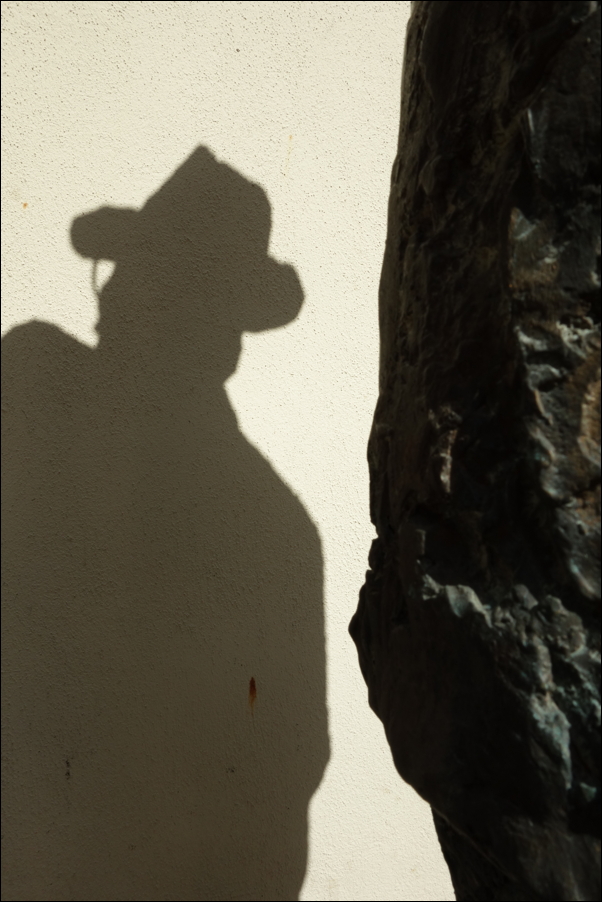
Light filtering through the vapours from the hot springs and wells of this city, the old buildings being reflected in a spill of water, sudden sunbeams hitting walls and floor of a narrow courtyard: Sometimes the daily vistas assume a touch of foreignness. Seeing these moments is all we have to do as photographers.
This idea formed in a discussion with Judith Bruder (see here) who nudged me to participate in this week’s photo challenge: Thank you, Judith! The picture shows the shadow cast by a statue. And while the chap originally looks amiable enough, his shadow reminds me of Philip Marlowe, who had “a hat, a coat, and a gun” – which accounts for the title.
Le città e il gioco. 3.

 Kranzplatz Playground, Wiesbaden. I think the curves might contribute to Ailsa’s Travel Theme – Curves.
Le città e il gioco. 2.

 Adolfsallee, Wiesbaden – This second part of my playground series coincides with The Weekly Photo Challenge: Urban
Le città e il gioco. 1.
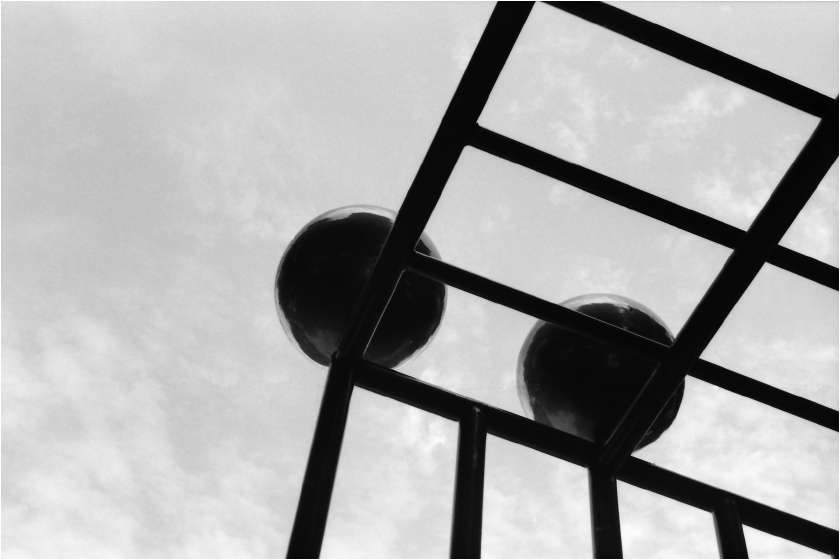
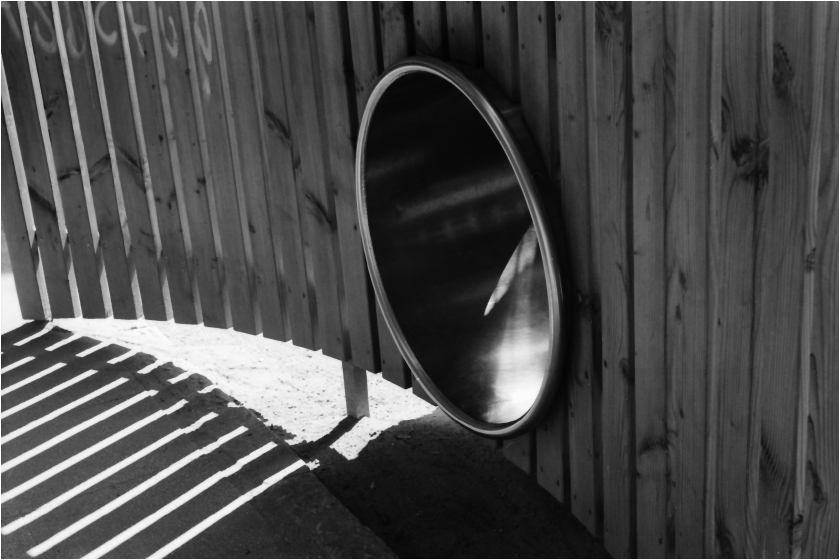 It cannot be known what Italo Calvino would have told us about the cities and the game in his novel Le città invisibili (Invisible Cities).
Would he have thought of strange objects defining particular spaces within the urban space? Would he have mentioned architects devising structures that seem to defy any sense of purpose? Would he have noticed that the seeming absence of rationality follows its own rules – rules that lie at the basis of an invitation to explore, dig, swing, or climb?
And what – if anything – would he have related about the inhabitants of these cities who so willingly accept these invitations at a certain age? Could he have said that those who are past that age just turn a blind eye at the cities’ appeal because they are afraid they, too, would willingly submit to it?
[In a certain ironic way, taking a camera to a playground, you do not have to be ashamed of being caught playing.]
Adolfsallee, Wiesbaden
Definitive!
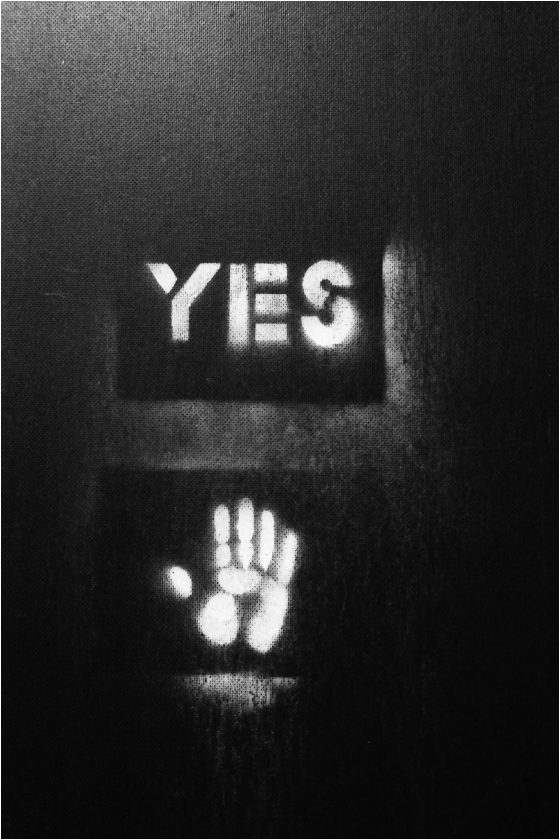 A contribution to Ailsa’s Travel Theme: Signs – come to think of it, the message looks a bit wrong. – Anyway, there is just one thing I would like to try, see it as a little extra for today: Do the bottom three ‘work’ together? After all, they are Ironic Icons…
There is Wood Inside
 A contribution to The Weekly Photo Challenge
Chiaroscuro

Face it!
Holzwege II
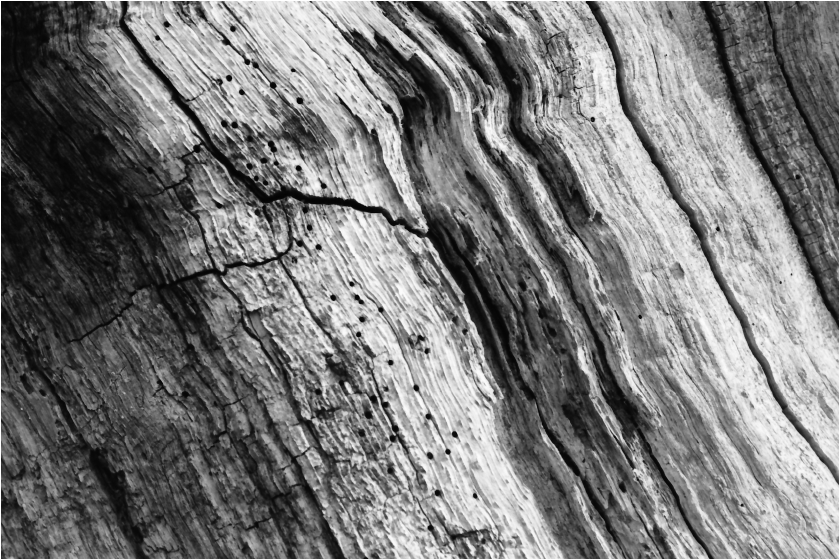
Rock

A Complicated Relationship
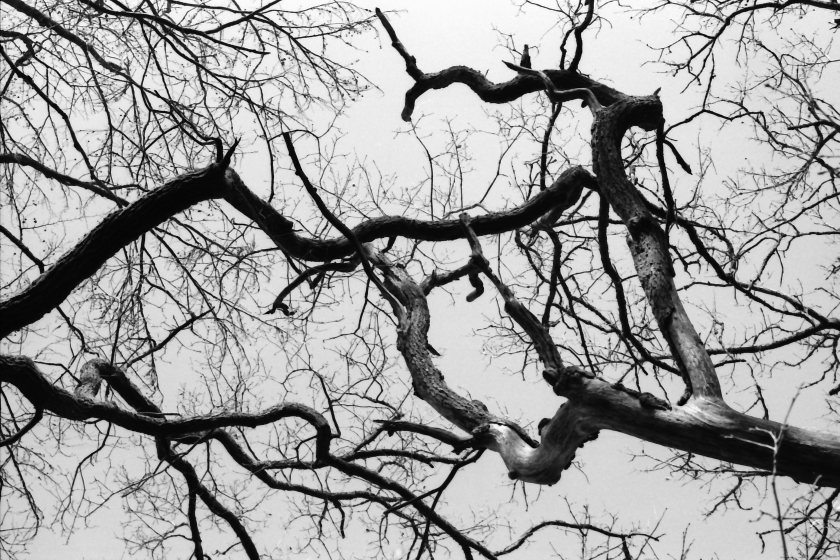
Rock. Wood.
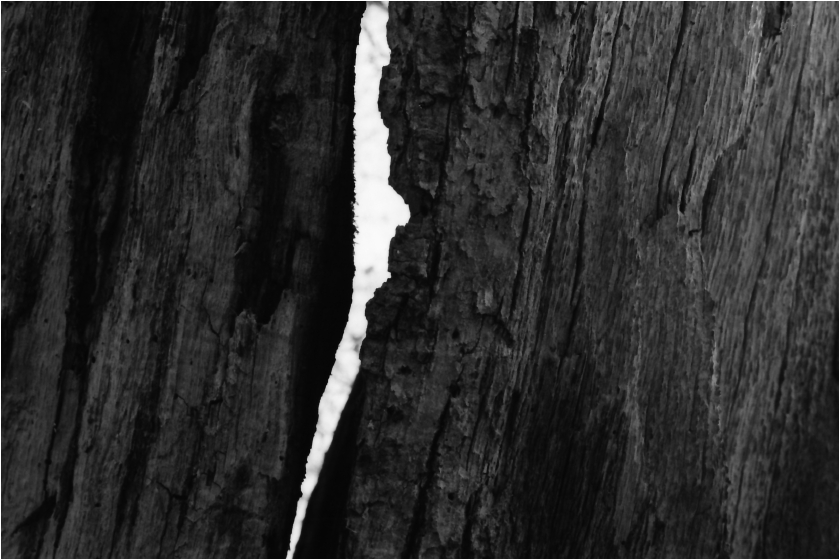
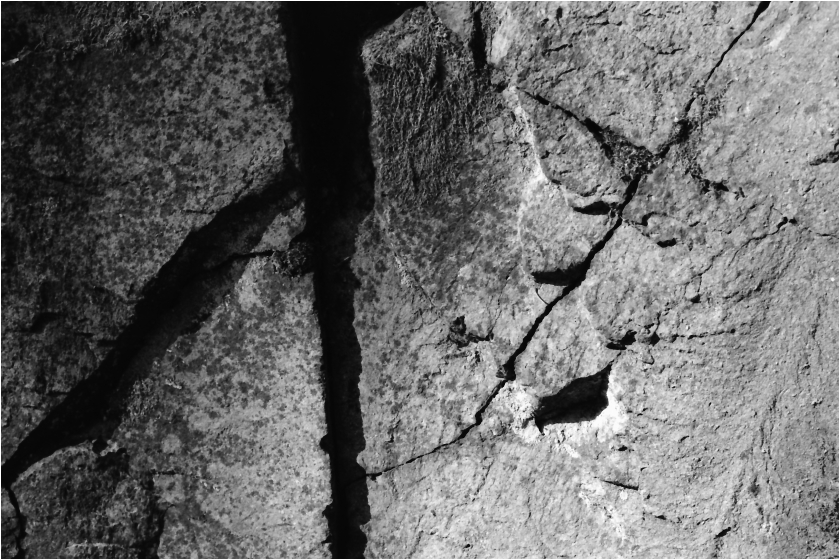
Staatstheater
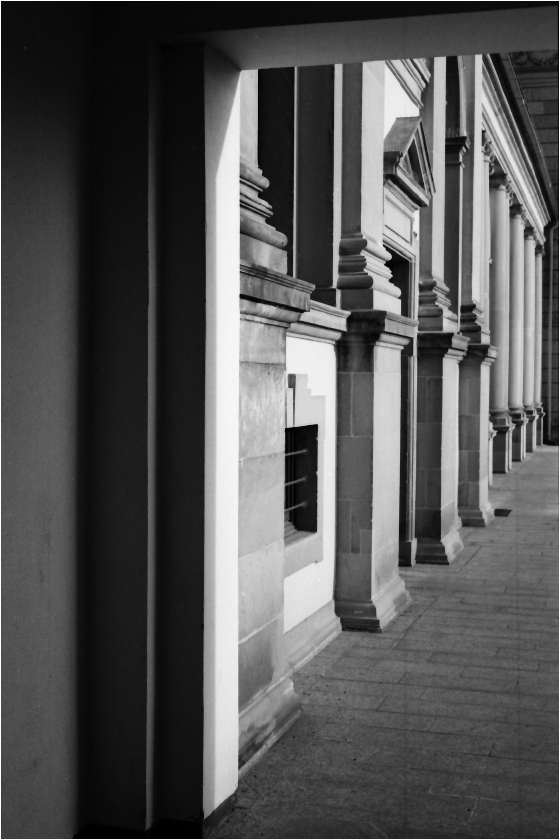
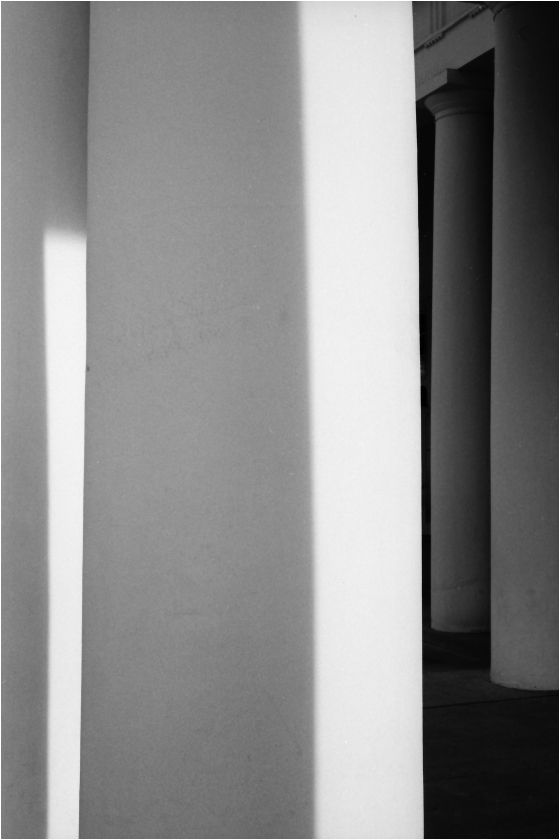
 empire of lights