Tag: Black and white
One Corner, Two Angles
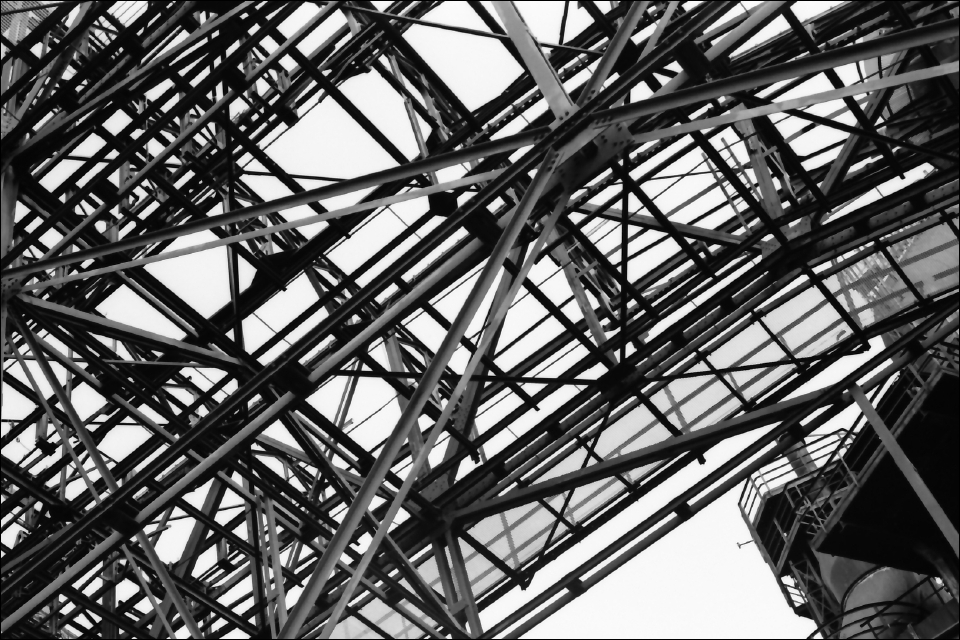
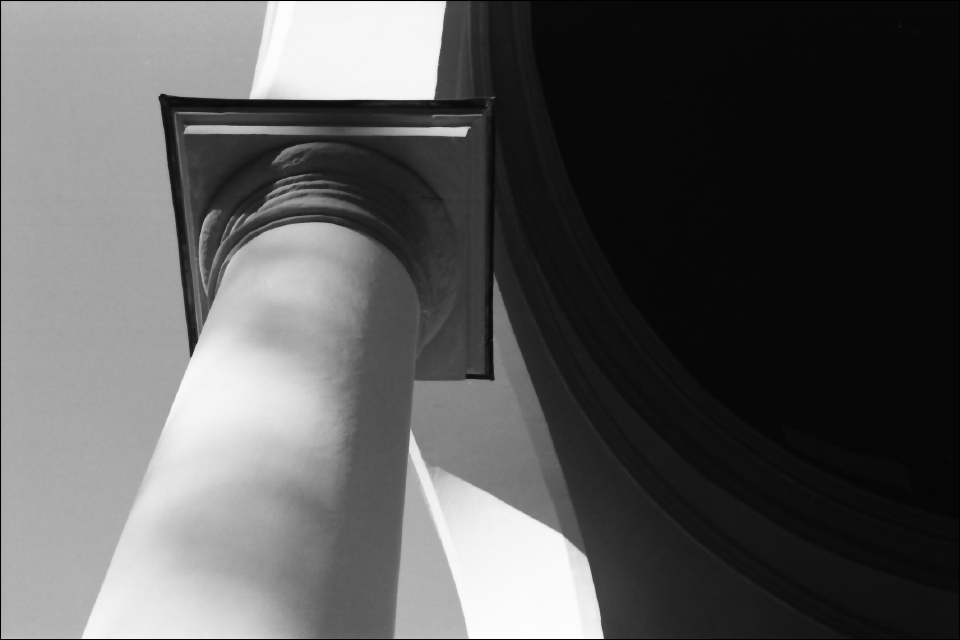
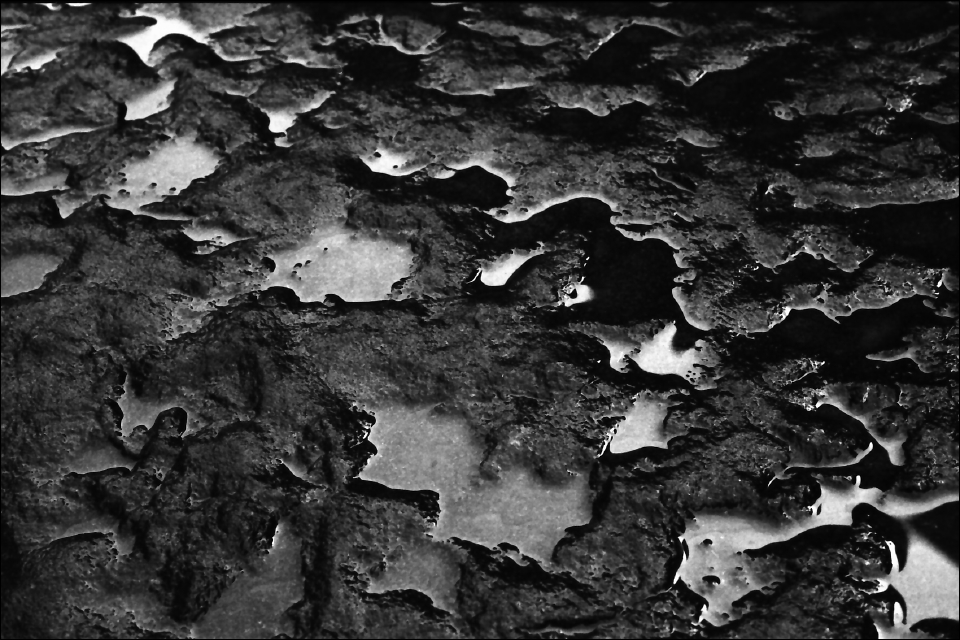
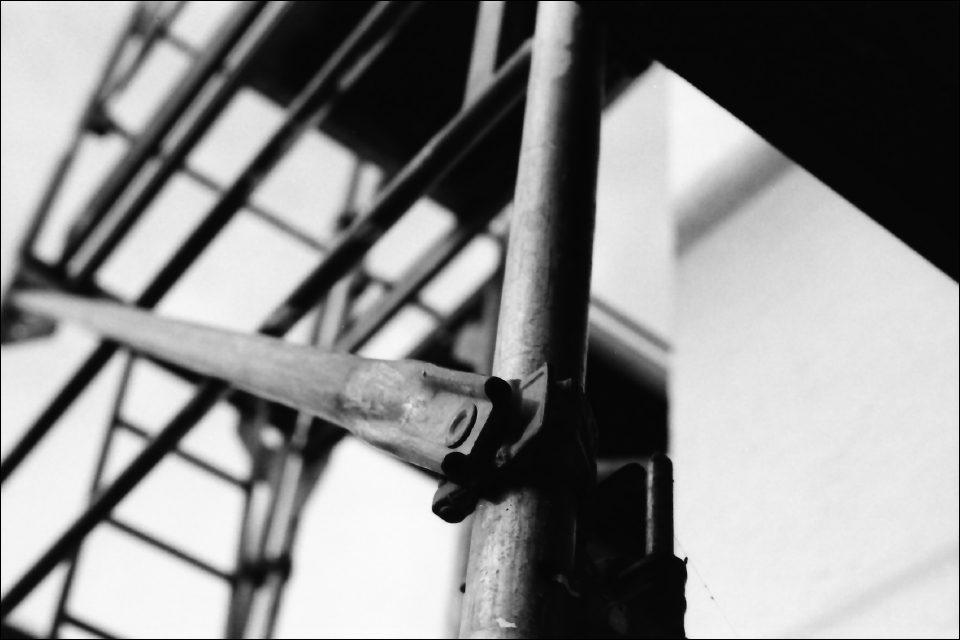
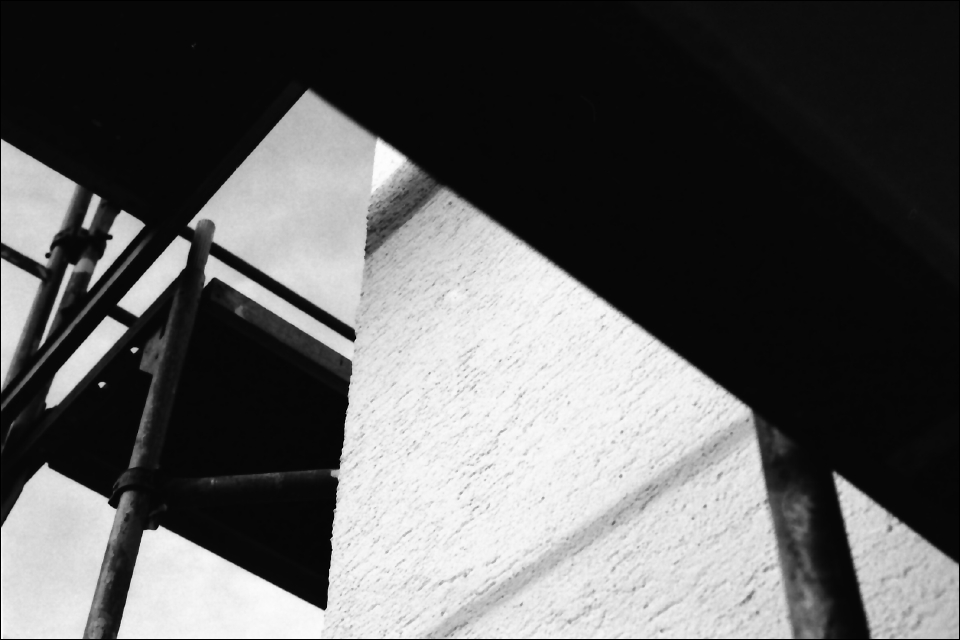
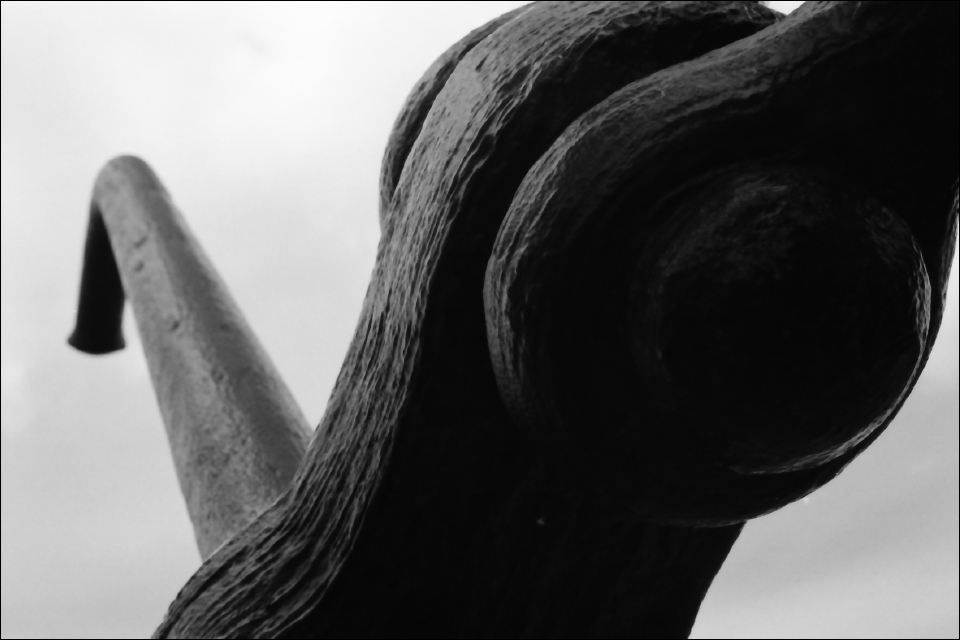
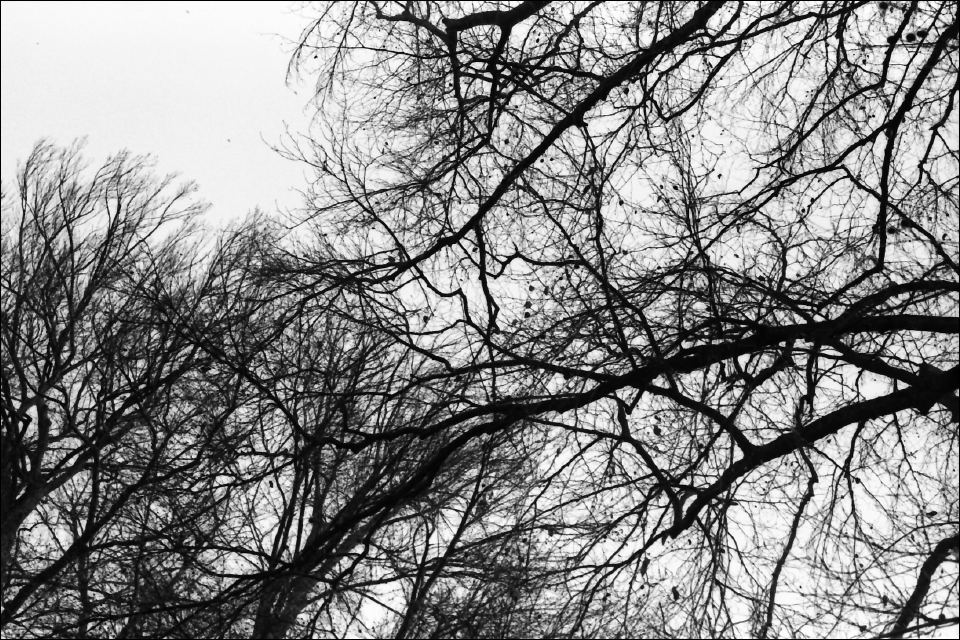
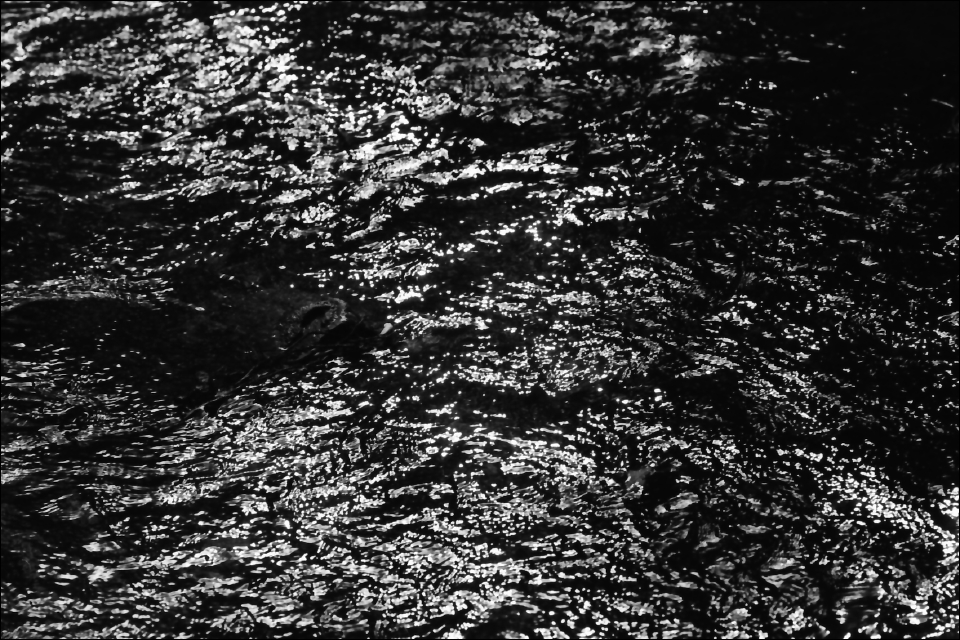
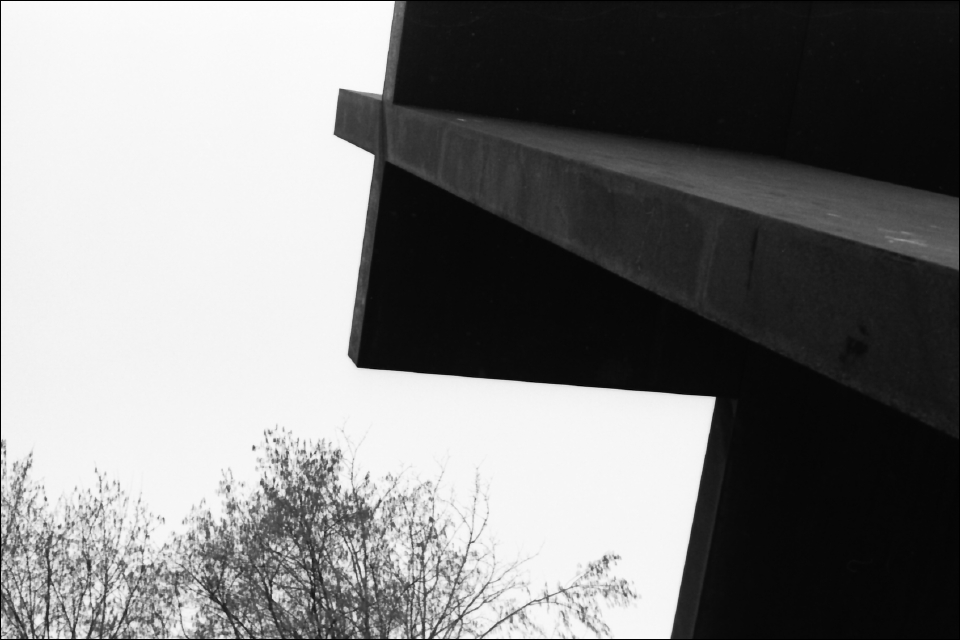
The original idea was to try out a different film, the Kodak PLUS-X 125, processed with Rodinal. Judging from the scanned pictures, my first impression is that it has a rougher, perhaps more old-fashioned look than the T-MAX 400 I usually prefer … While experimenting I realized that these two also seem to illustrate the idea of this week’s photo challenge.
One Shot, Two Ways
And There Was Light
Monopteron
A contribution for the Weekly Photo Challenge: Masterpiece. This Monopteron, located on Wiesbaden’s Neroberg, was designed by P. Hoffmann in 1851 who used forms of early Florentine renaissance. So it appears to echo an echo of Greek Antiquity. But still: I like this building’s elegance and its sense of lightness (especially on a bright day), an I am intrigued by the way its circles and arches seem to form a vortex in this picture.
Le structuralisme …
Chapel in the Fields
Companionable Chaps
Weekly Photo Challenge: Companionable
Chapel Space
Contributing to this week’s photo challenge.
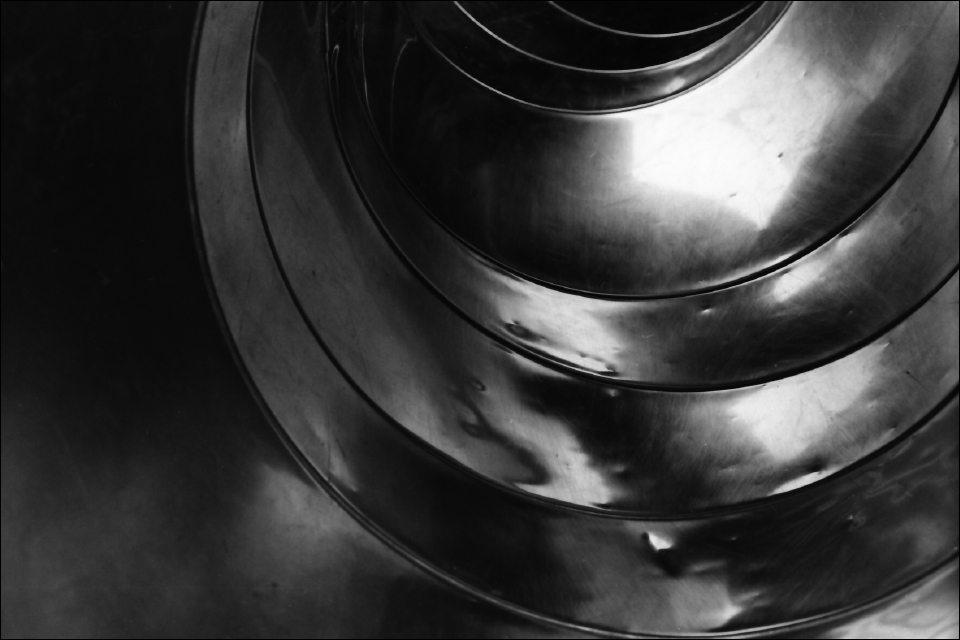
Metal Tube
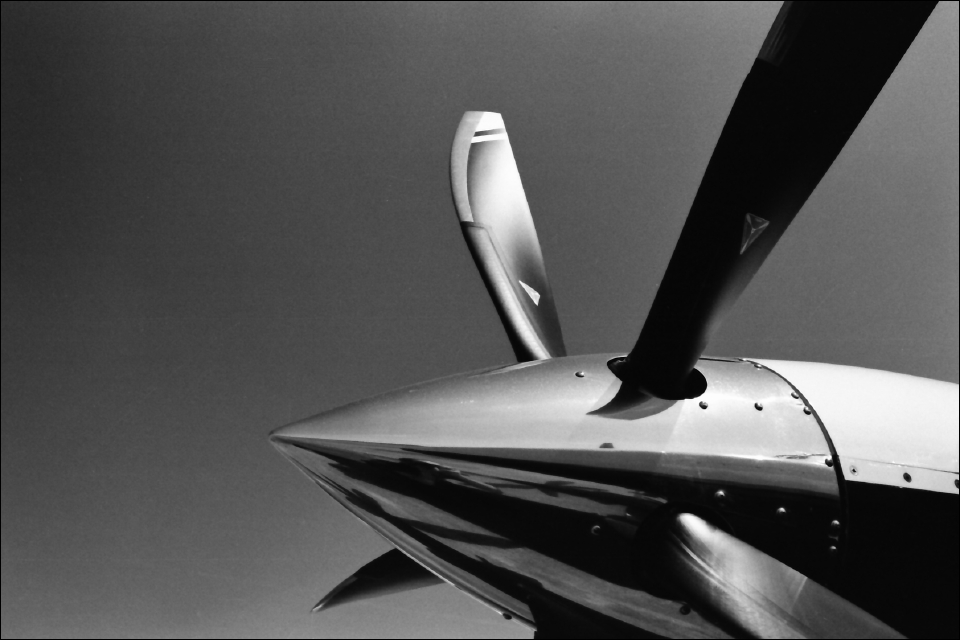
Fly!
Weekly Photo Challenge: In the Background. Photographed with the kind permission of air traffic control at Verkehrslandeplatz Mainz-Finthen (EDFZ).
Of Heroes and Battles
The first picture shows the memorial for “Wilhelm I., Fürst von Oranien, Graf zu Nassau-Breda, Statthalter von Holland, Seeland, Friesland und Utrecht” (erected in 1908). Wilhelm was born to the House of Nassau as Count of Nassau-Dillenburg. He became Prince of Orange in 1544 and is thereby the founder of the branch House of Orange-Nassau and the ancestor of the monarchy of the Netherlands.
The second picture shows the obelisk erected to commemorate June 18, 1815 – namely the soldiers of the “Erste Nassauische Infanterie-Regiment Nr. 87” who participated in the Waterloo battle.
Reflecting History
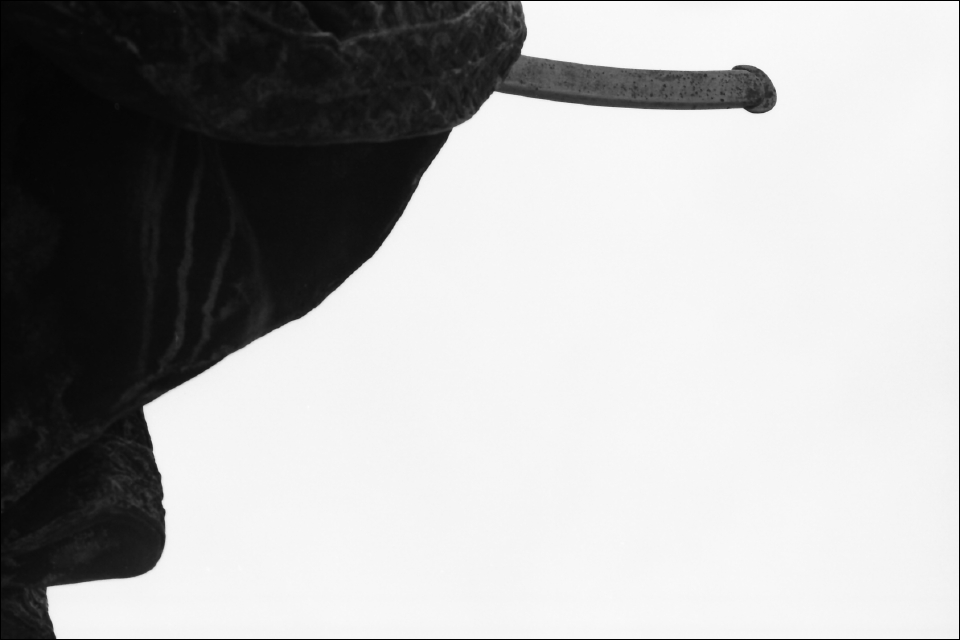
Man With a Book
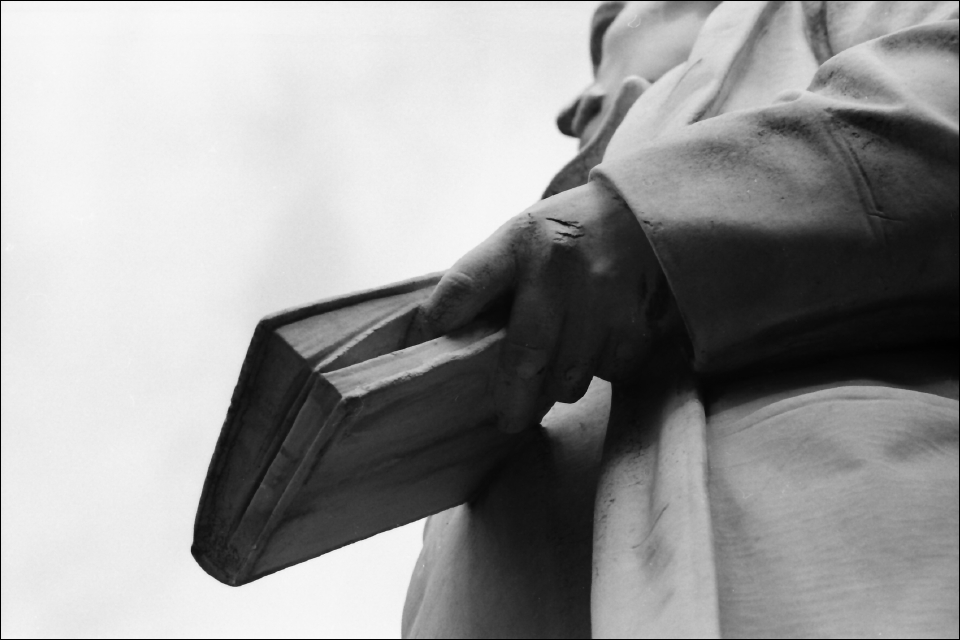
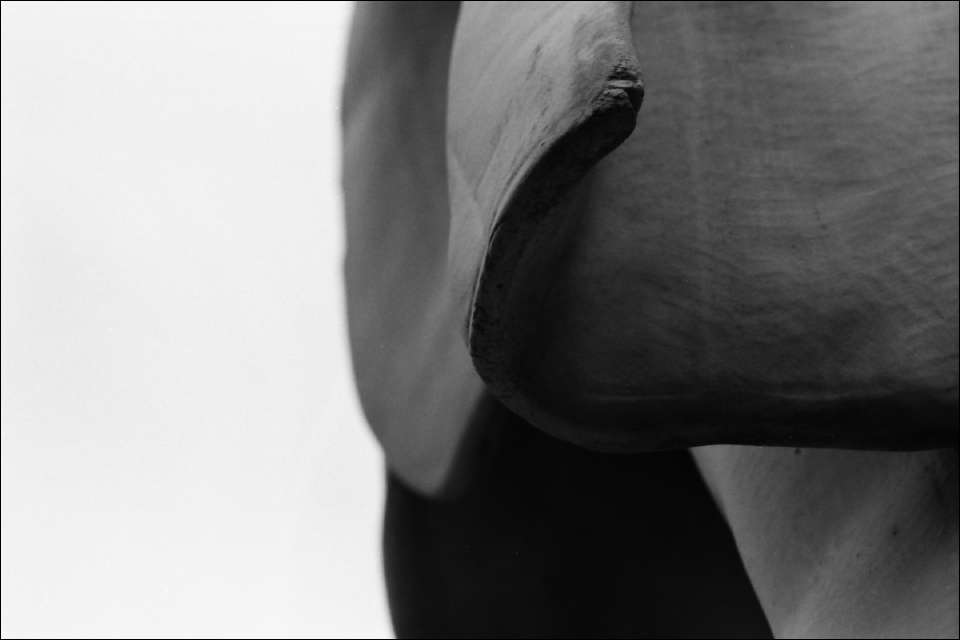
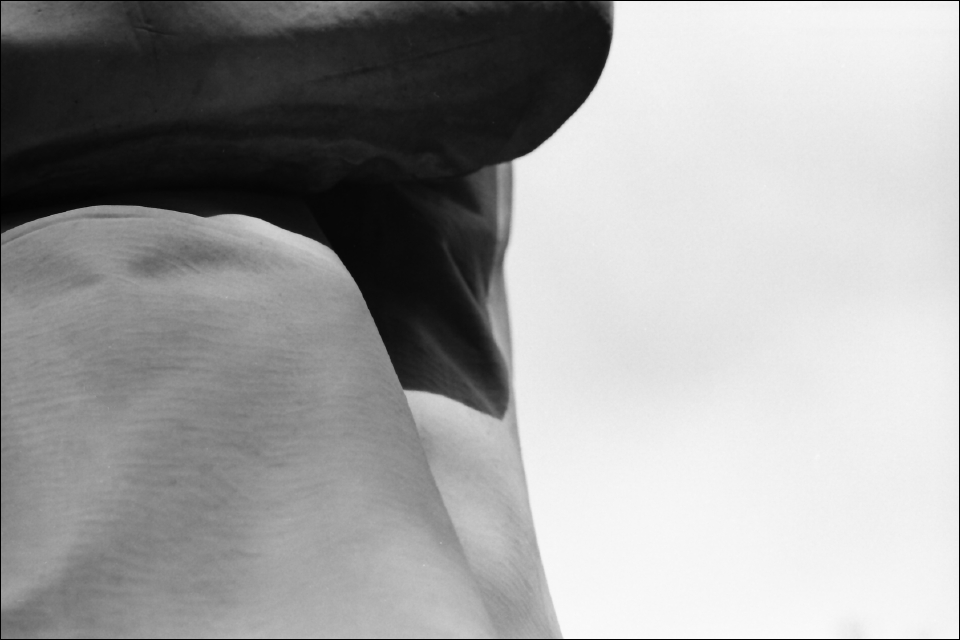
When I think of pictures, I often think of lines – outlining the shape of an object, or adding up to shades of gray in a hatching. Michelangelo, however, thought that there were no lines in nature; there are only surfaces. And from a photographic point of view, he is spot-on: Photography gives us a unique chance to present surfaces with relatively little effort. Maybe that’s why I like photographing stone so much.
My contribution for this week’s photo challenge – culture – shows a statue by F. Schaper (dated 1904/05) representing Gustav Freytag, a German homme des lettres.
Up!
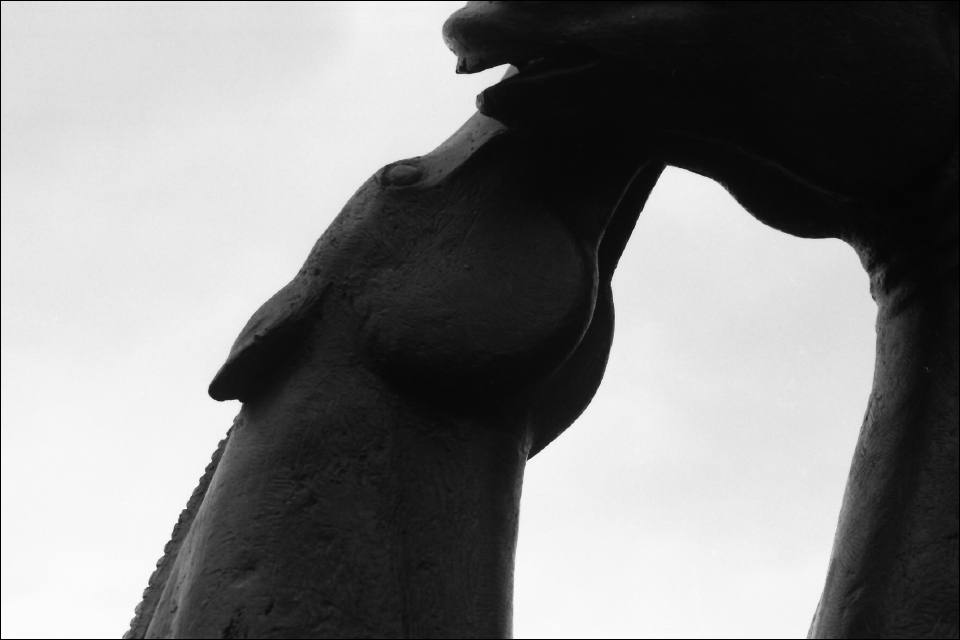
Spielende Hengste (Playing Stallions) by German sculptor Gerhard Marcks. The sculpture was commissioned by a local insurance company in 1962 and donated to the City of Wiesbaden in 1963. It refers to Wiesbaden as a host to the Pfingstturnier, an annual horse race of international scope.
If things pan out as planned, this picture will be part of a larger series called Le città e la memoria (another bow to Italo Calvino) which will explore landmarks, memorials, and some buildings.
This is my second contribution for the Weekly Photo Challenge.