

This is what I see on my way, some of it in my way (by the way).

tobias m. schiel
This is what I see on my way, some of it in my way (by the way).

 After deciding this was the story for Paula’s Guest Challenge – How to Tell a Story through Colour Photography – I first thought I should add a narrative text. But then I decided on the title, and I will say no more.

The picture – Organische Struktur (1962) by German artist Günther Uecker – hangs on a wall like a painting. Yet it challenges the notion of a picture plane. While the indistinct ‘background’ lacks any classic perspective, the nails will inevitably be seen in perspective by a spectator.
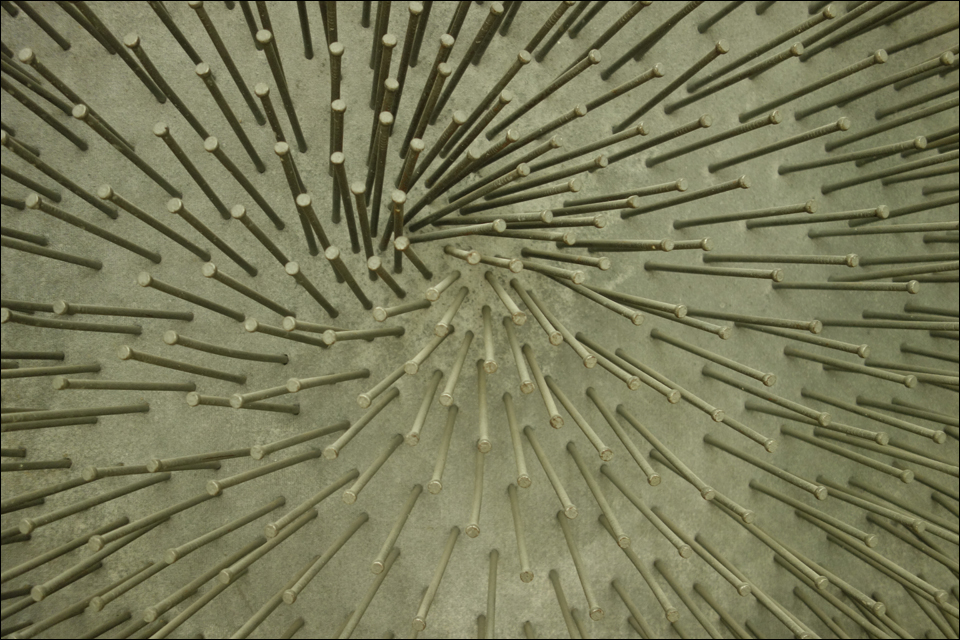
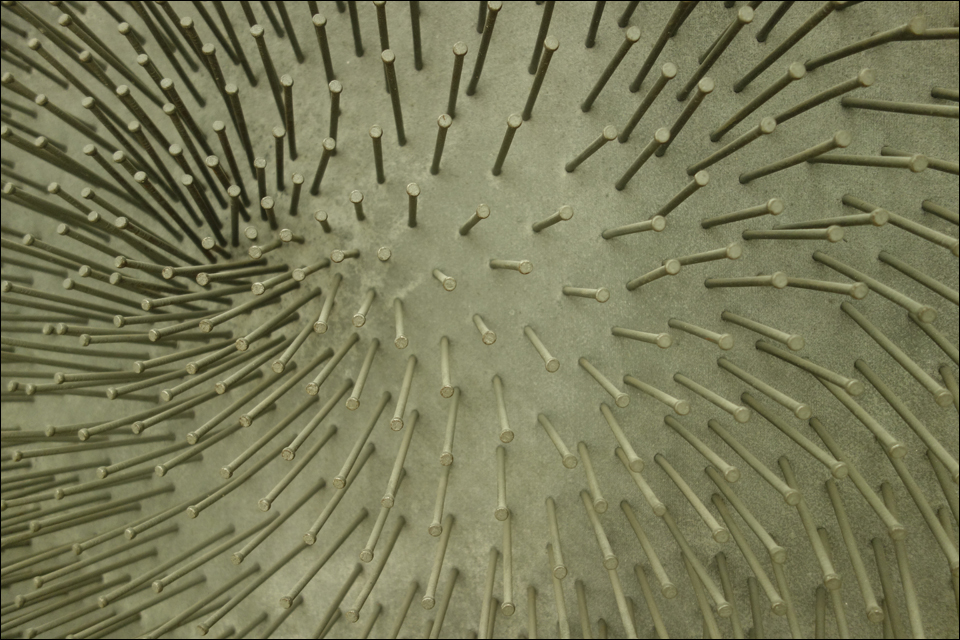

The picture changes as you walk past; note the varying balance of dark parts and bright parts, caused by light and shadow on the otherwise monochrome nails. Unlike in Renaissance painting, there is no privileged point of view from which – and from which only – the perspective will work.
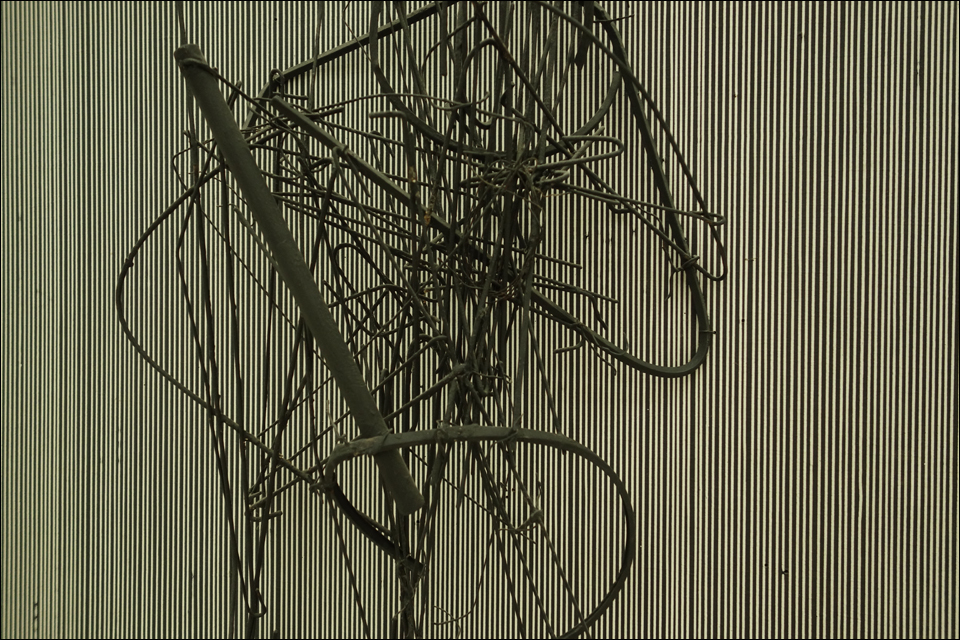
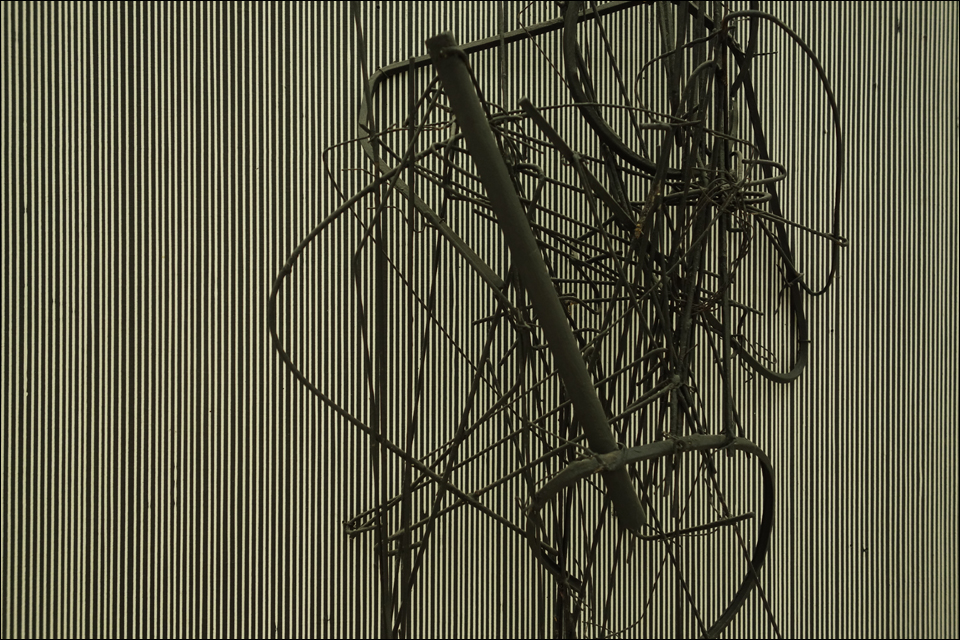
There is great openness in this kind of art, inviting some activity from the spectator. The right perspective is the one you choose. The same seems to apply to Vibration (1961) by Jesús Rafael Soto (below). Because of the narrow stripes in the background, the wires seem to vibrate as you walk around – an effect the still camera captures as jagged lines.

I had no idea when to post this (I made the photographs on May 24), but then Christina aka Paleica came up with a challenge that’s right down my alley: Kunst / Art. Thank you, Christina!



 Luxemburgplatz: There is a distinct neighbourhood surrounding this little downtown square, and since I do not know it well, I enjoyed walking around there, making pictures. While this post shows what can happen when I take a camera, I am not quite sure if pictures like these are what Jo has in mind for her Monday Walks. But I think that although they show nothing but details, they convey that particular neighbourhood’s atmosphere.
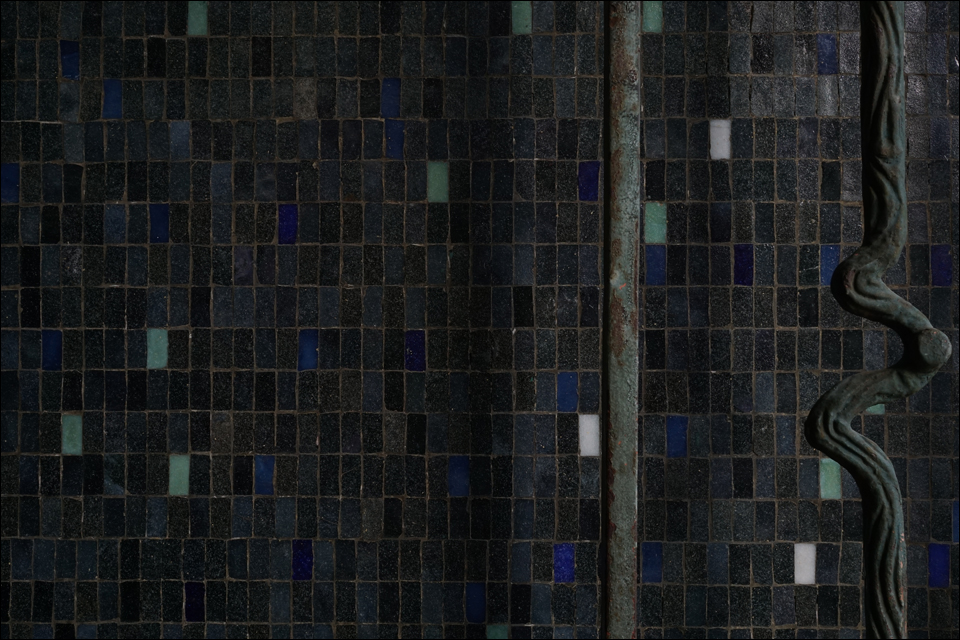
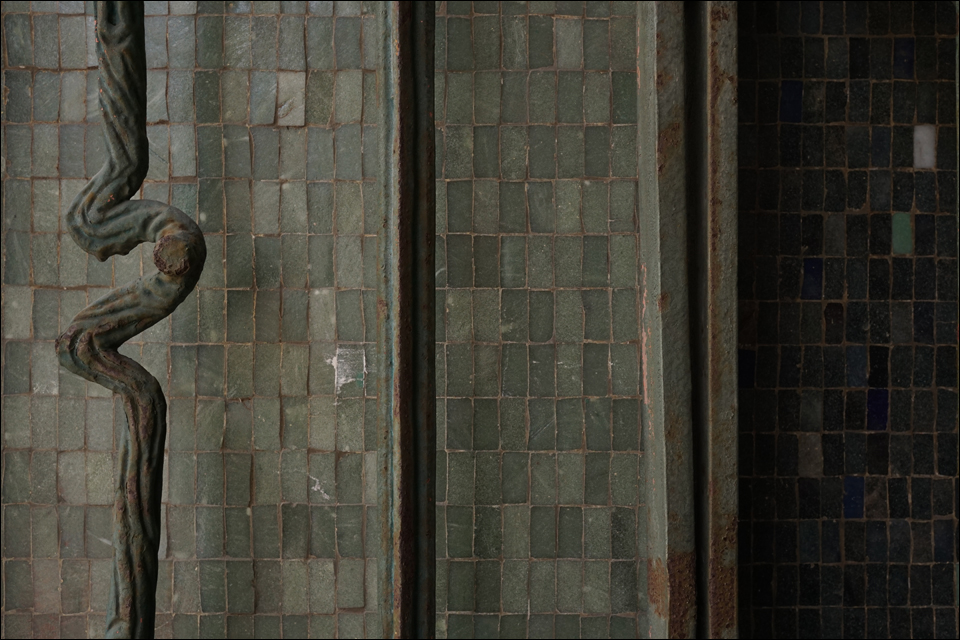
It has been for quite a while that I wanted to make these photos because the blue mosaic is quite unique for Wiesbaden and the bars add some extra art nouveau. All this was found in a passage leading into a commercial backyard in the downtown part of town.
Once there, capturing the blues, I thought, why don’t I also photograph the opposite side for Paula’s photo challenge? (Can you tell these are opposite walls? There is scientific evidence…)

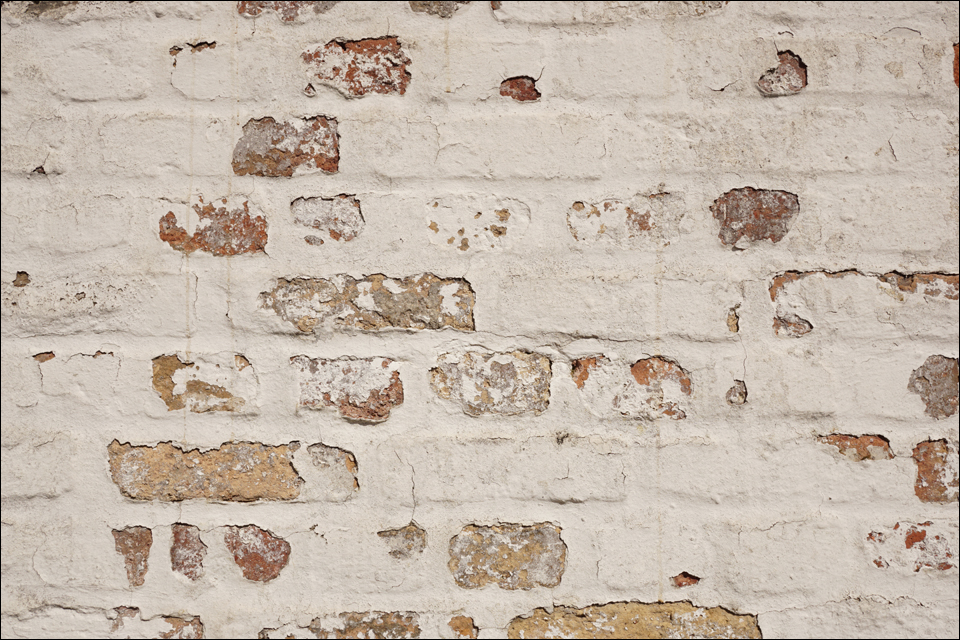


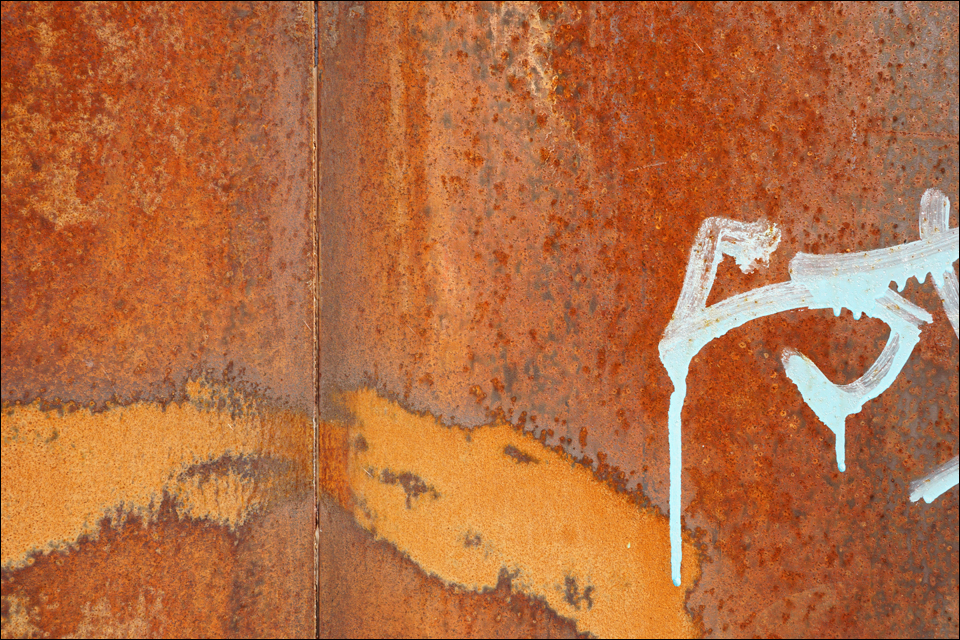
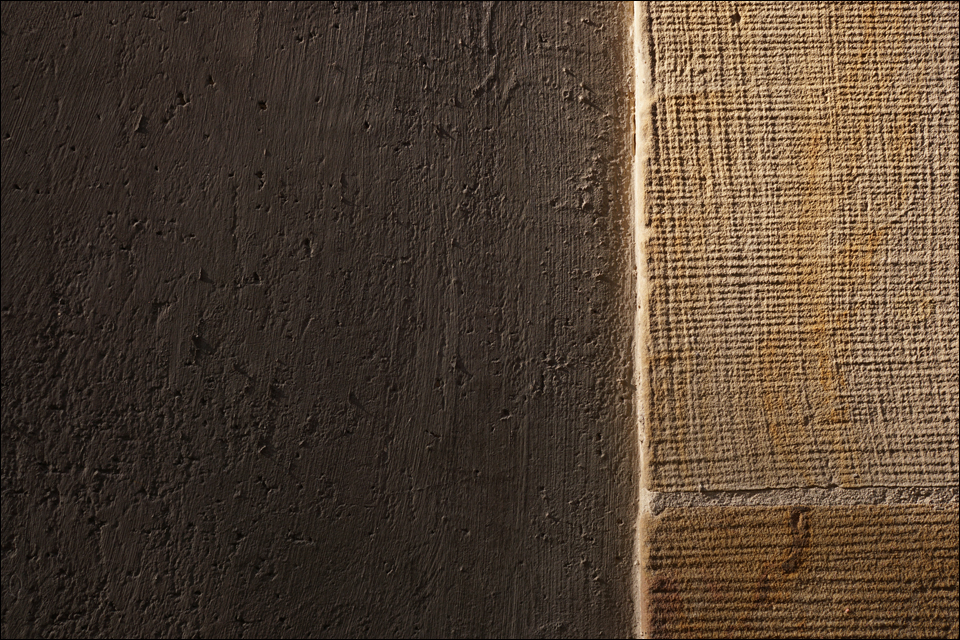


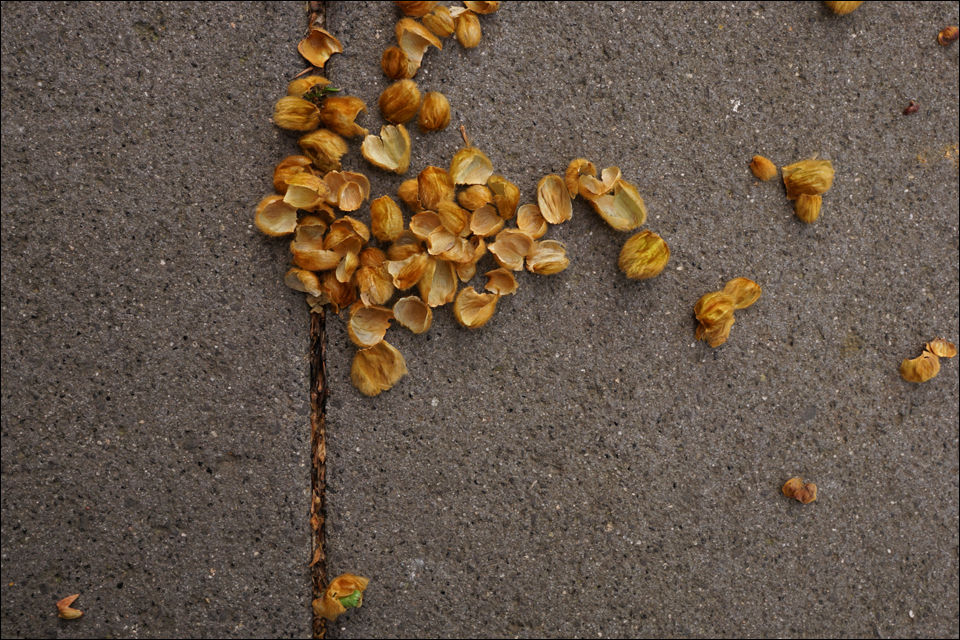
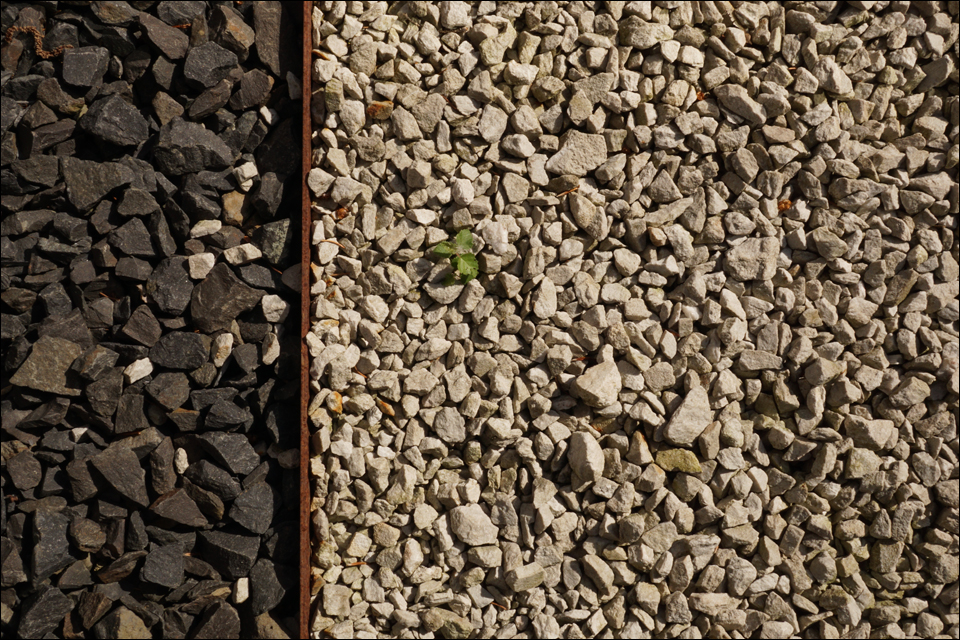 Paleica’s Magic Letter for this week and the next is “J”, and the magic word is Jetzt (now). This is my take on “now.”

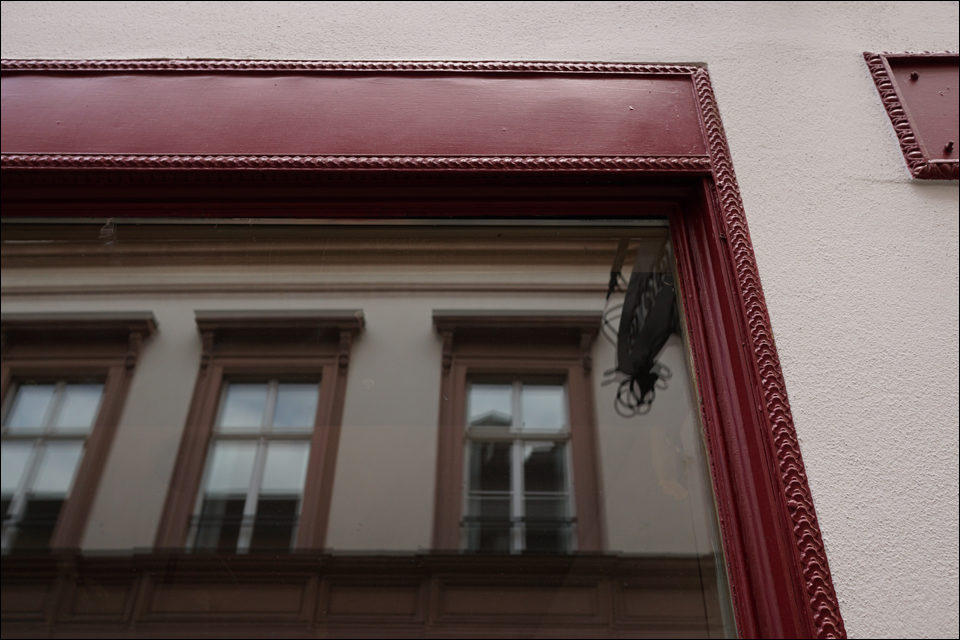

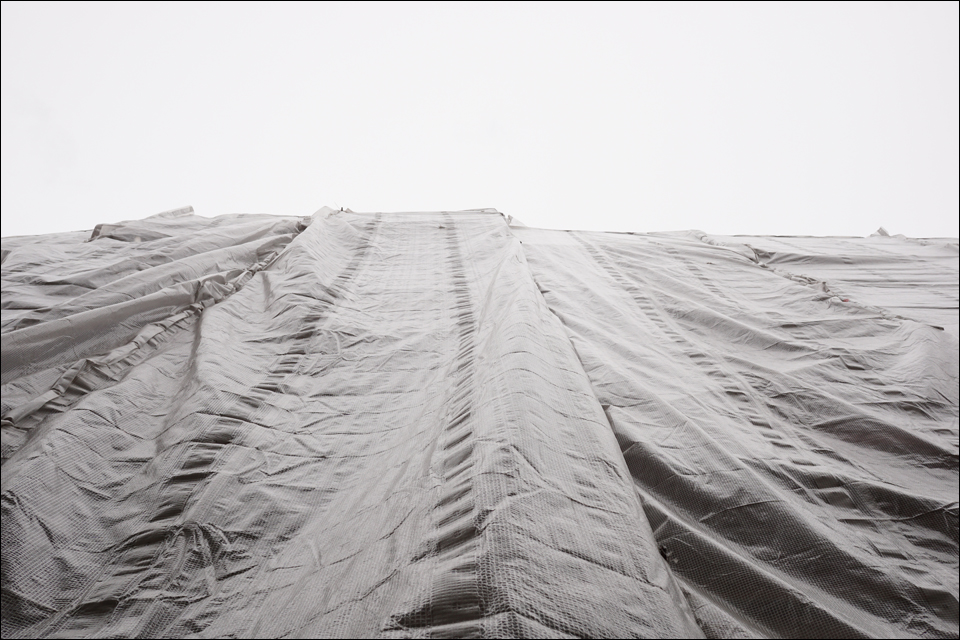
 Another month has passed since the last post for this challenge. I thought it was time for a change in perspective. I added the third picture to prove we are still in the same place: On my way to work, behind the parliament of the federal state.
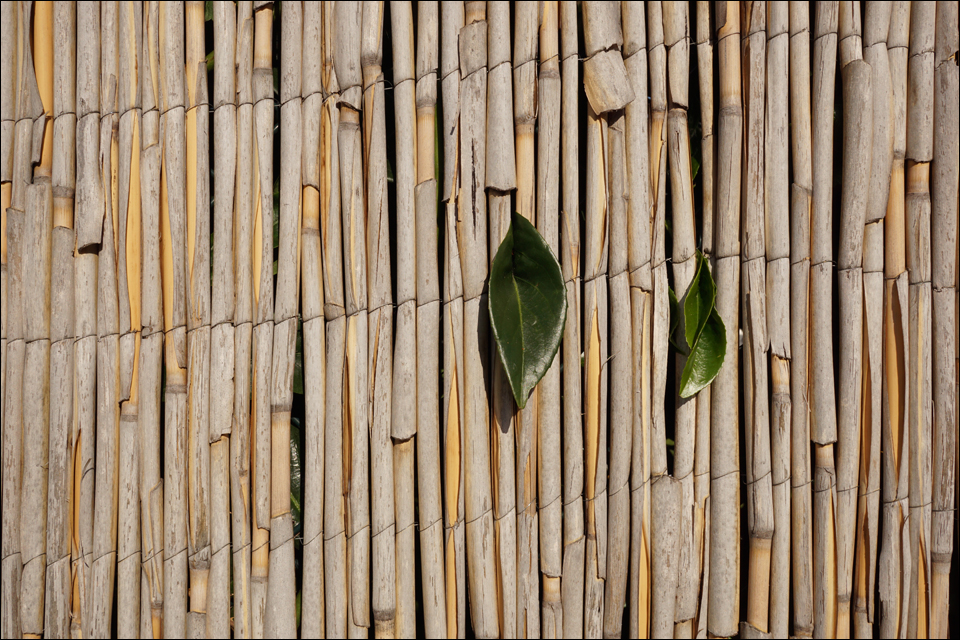 The Weekly Photo Challenge features Forces of Nature.
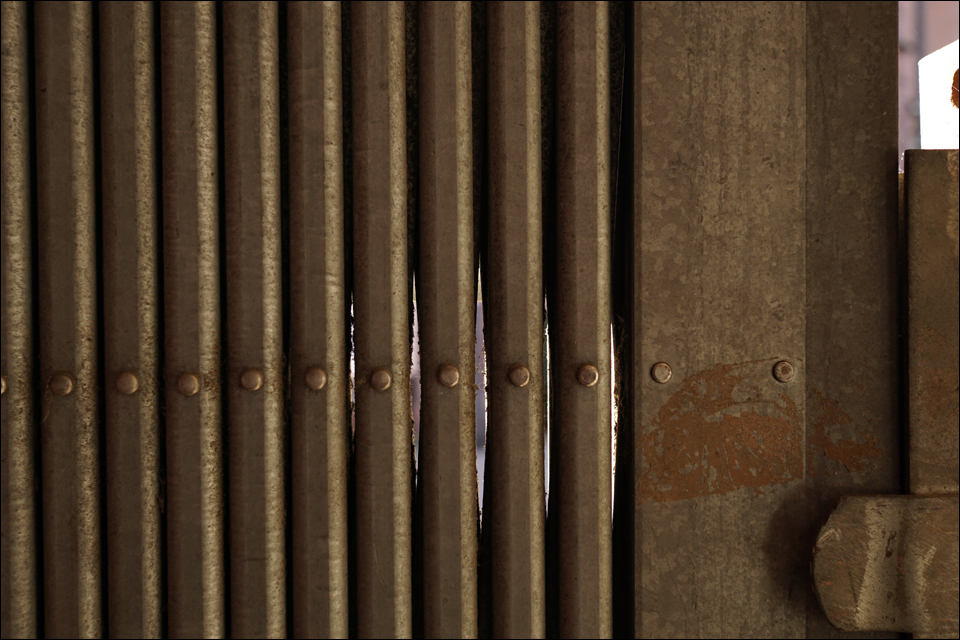
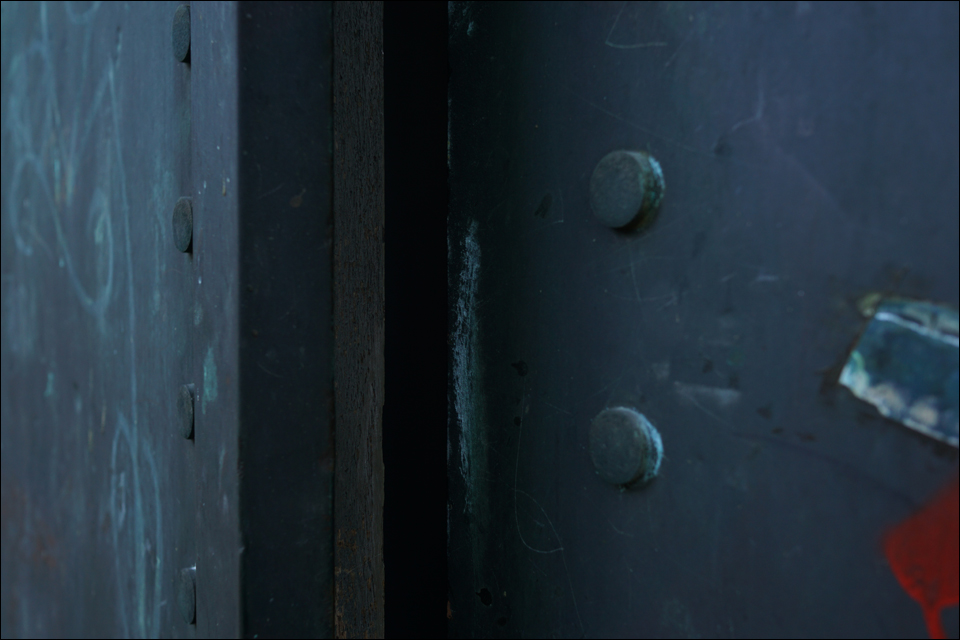
Inside: Is the inside visible from the outside? Is the inside only perceptible in its relation to an outside (by way of looking out, for example)? How can I arrive at one of the two, starting from the other? It may be the transition that counts.
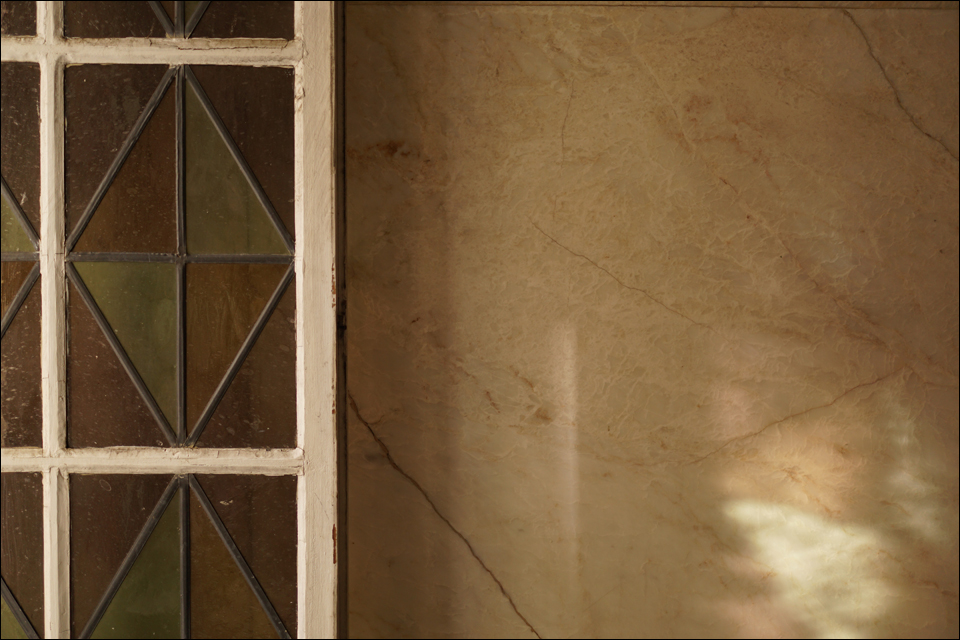

Ist das Innen von Außen zu sehen? Zeigt sich das Innen nur in seinem Bezug zum Außen (zum Beispiel beim Hinausschauen)? Wie komme ich von dem einen zum anderen? Vielleicht ist es der Übergang, der zählt.

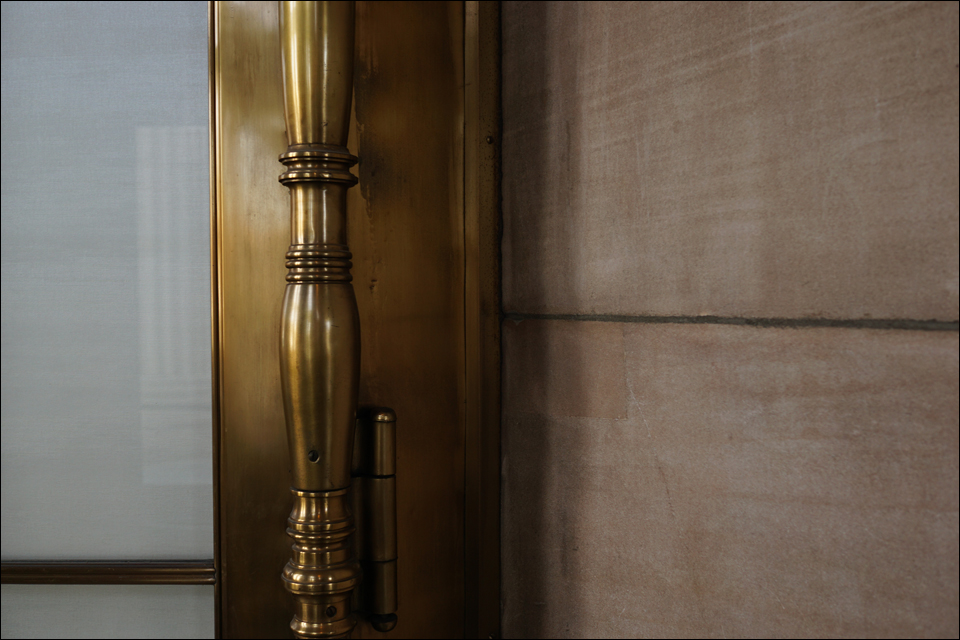
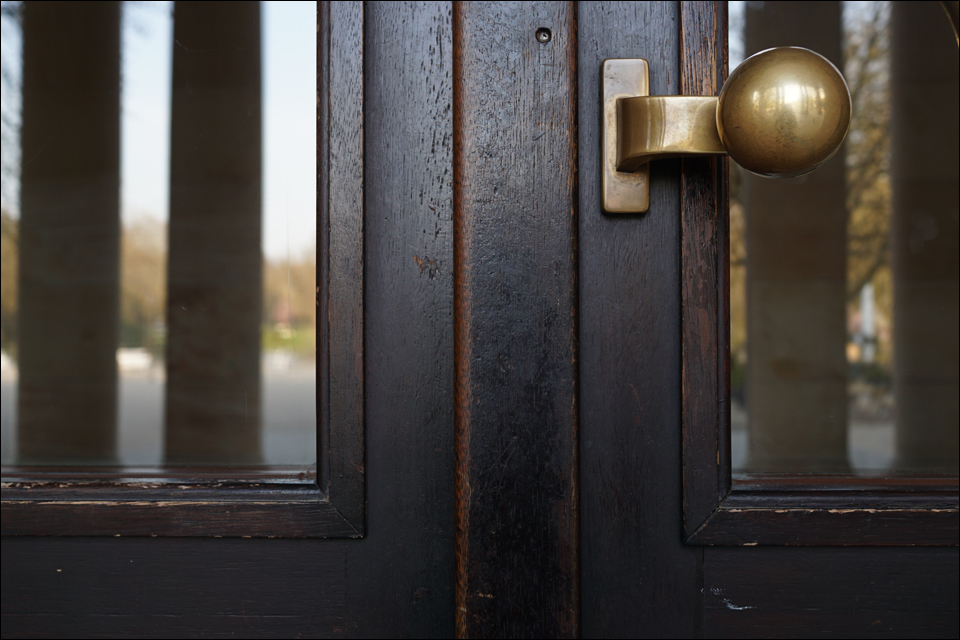

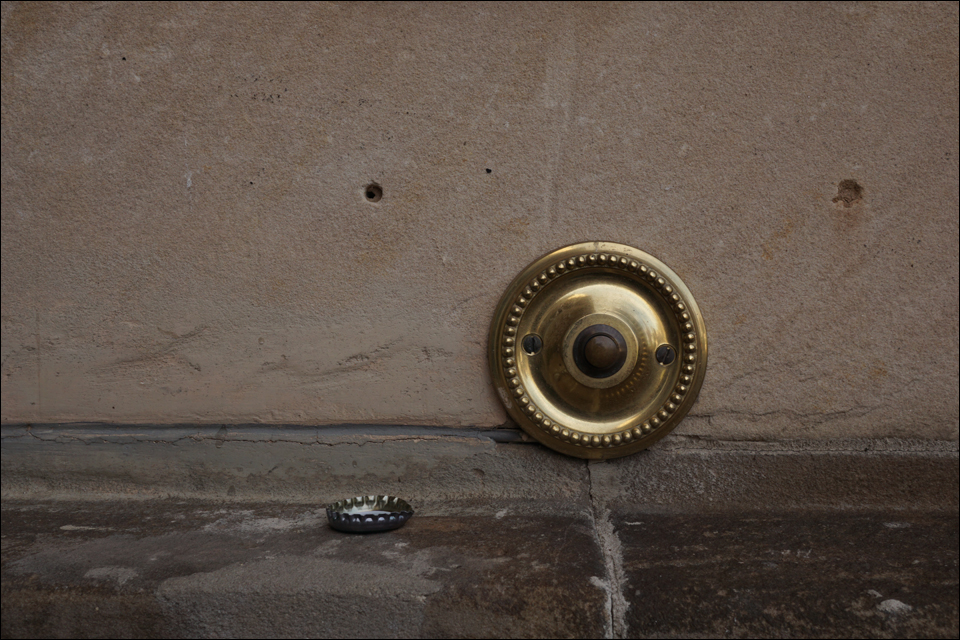

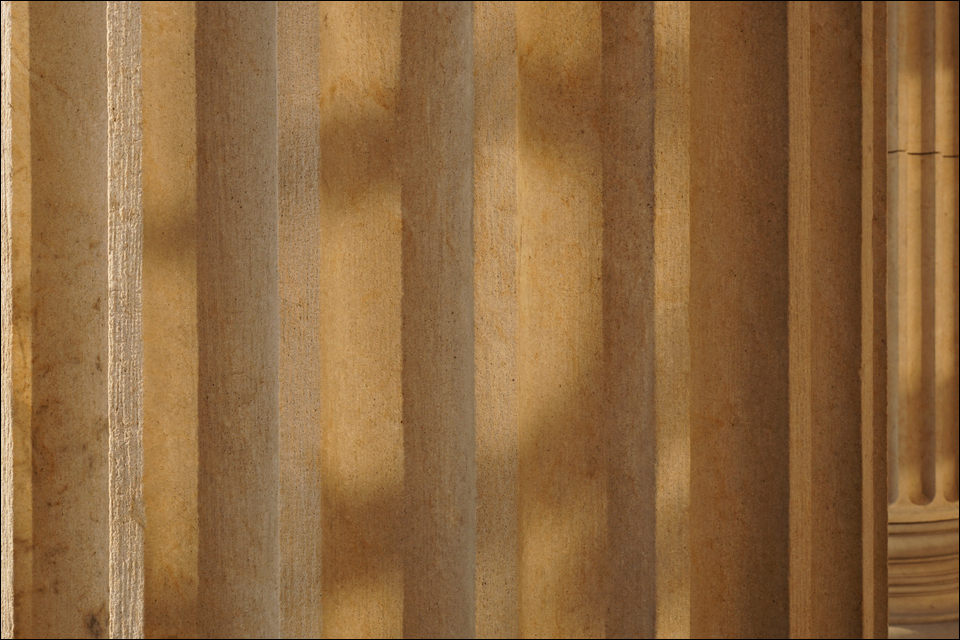
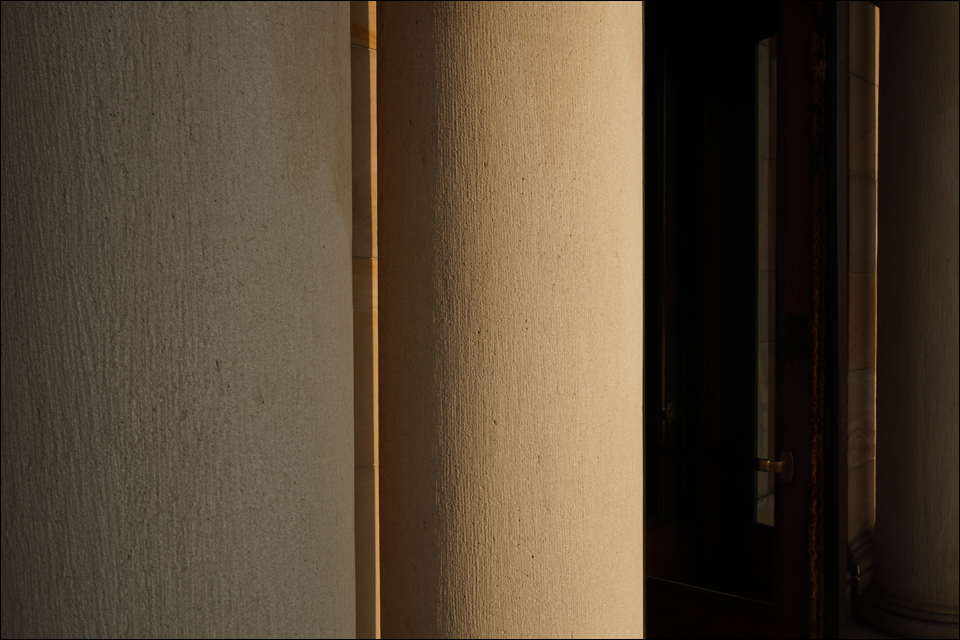
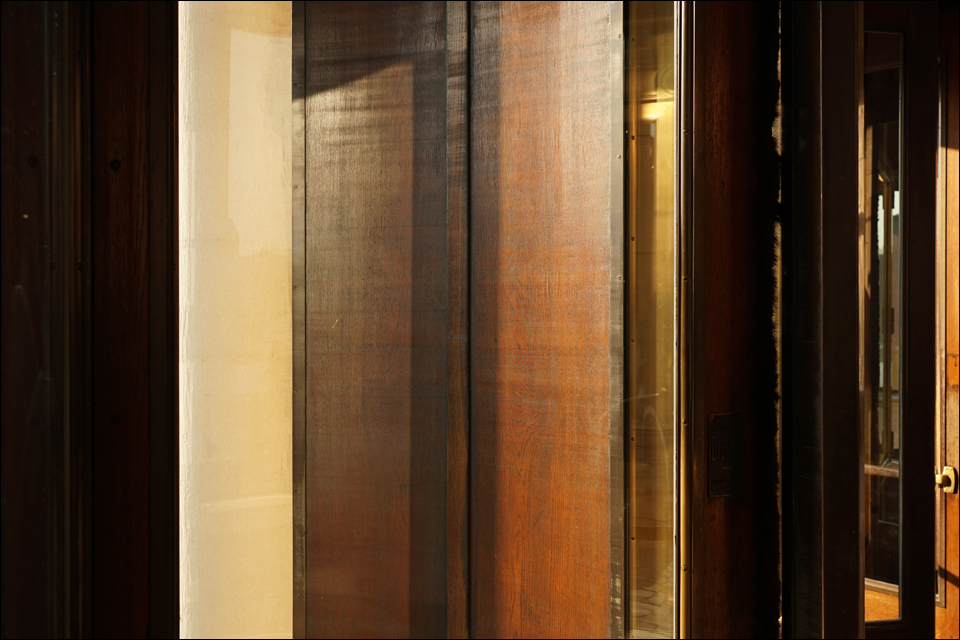
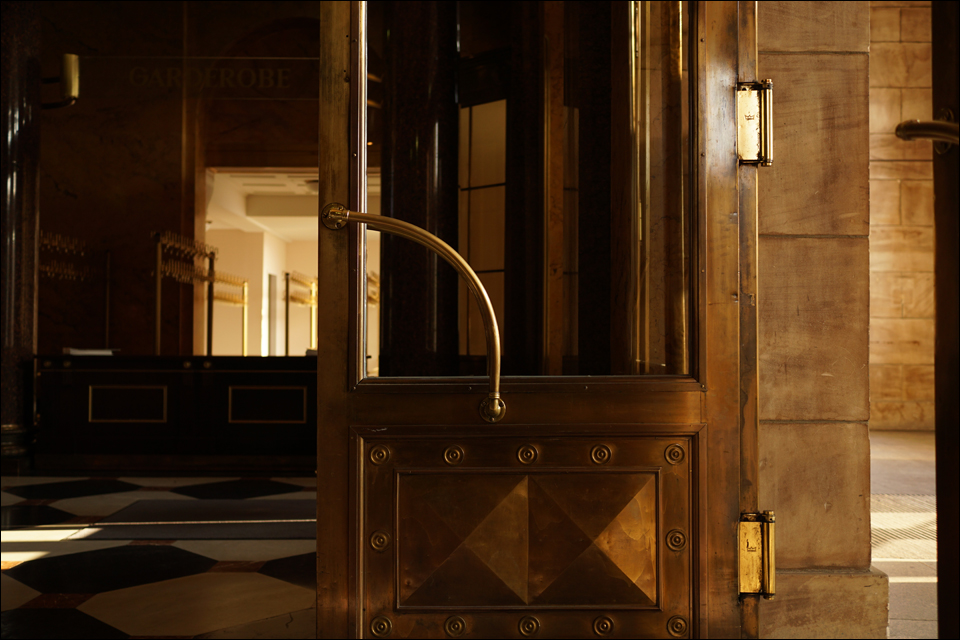
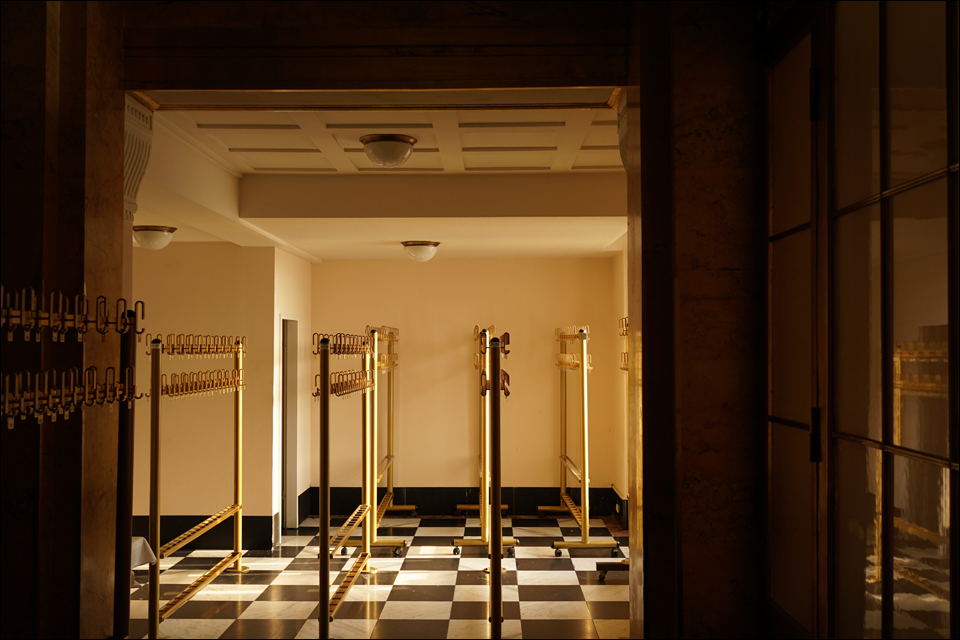
All the stone and glass and brass come to my inner eye when I think of Kurhaus, where last Monday’s walk ended. So I see this as a sort of sequel to last week’s contribution to Jo’s Monday Walks: I never quite succeeded in picturing this feeling of transition into a space that feels old and otherworldly in a way (where you would not be surprised to encounter Mr. Dostoevsky). These pictures are getting very close now.


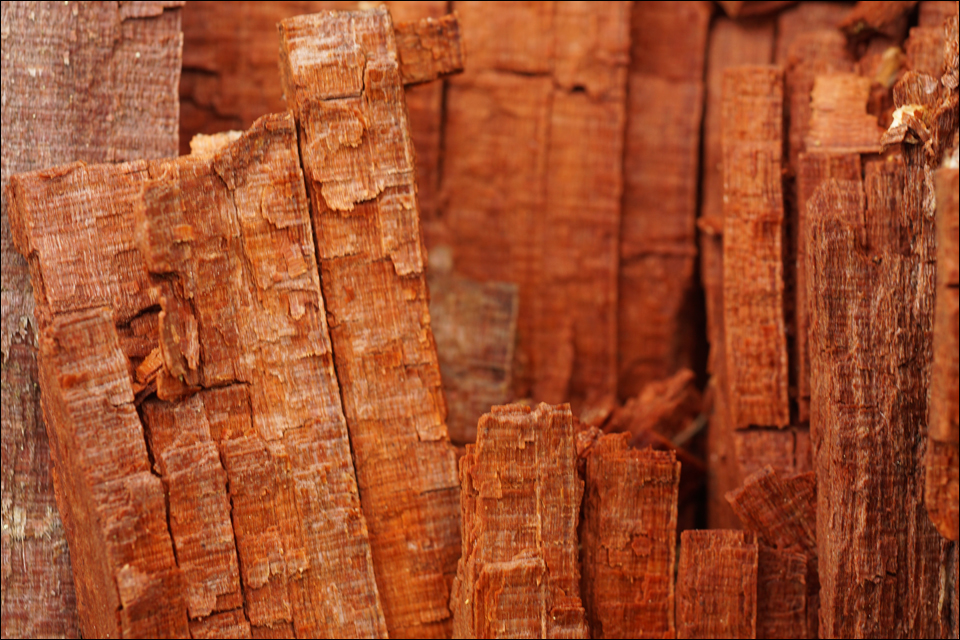
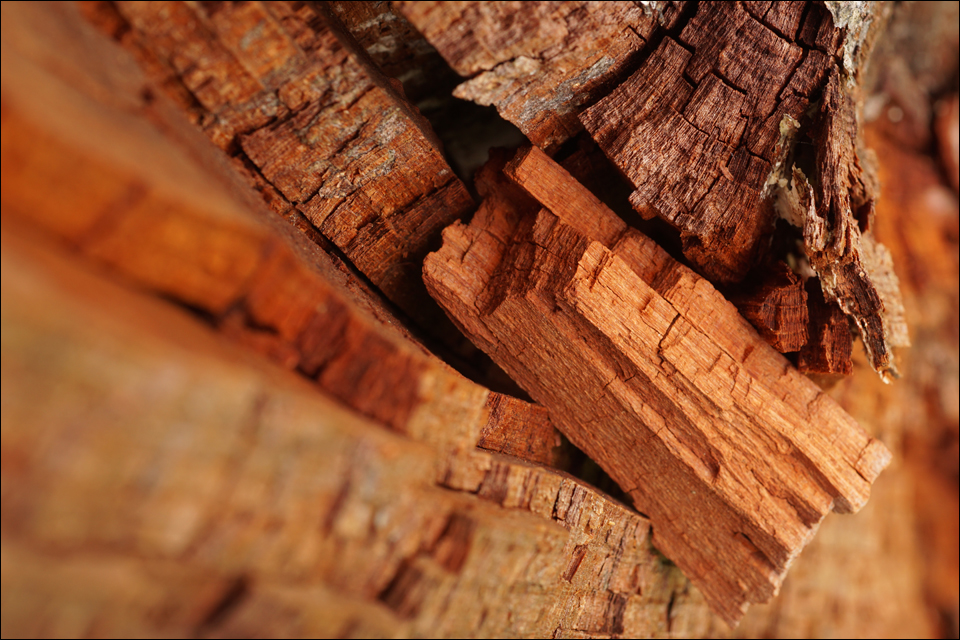

A contribution for Magic Letters: I. The challenge is to photograph Innen: the inside. Im Holz means ‘in the wood’ and this part shows a fruit tree fracture that only occurred during last summer’s storms. The wood is still relatively fresh.
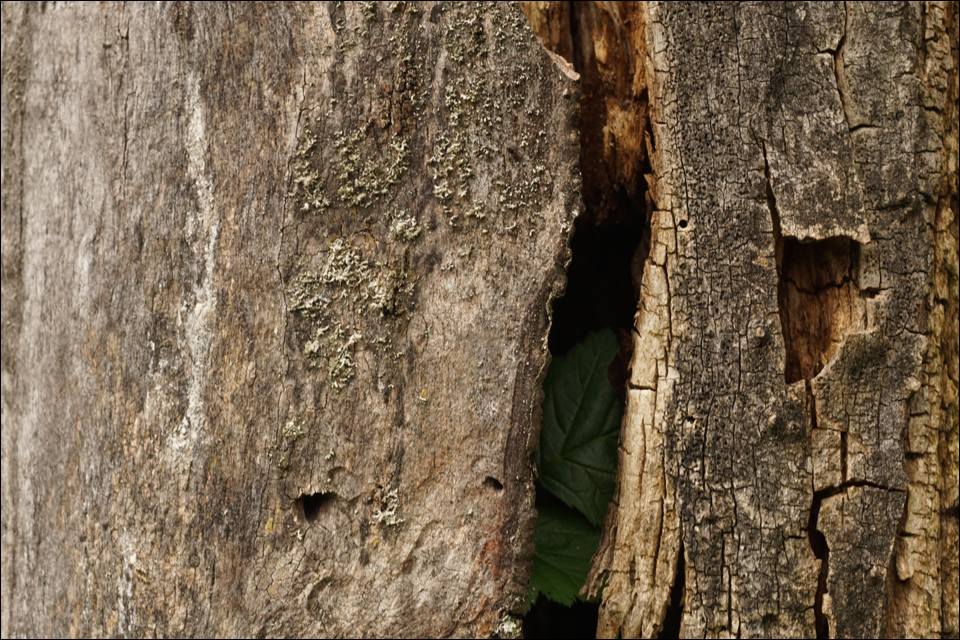
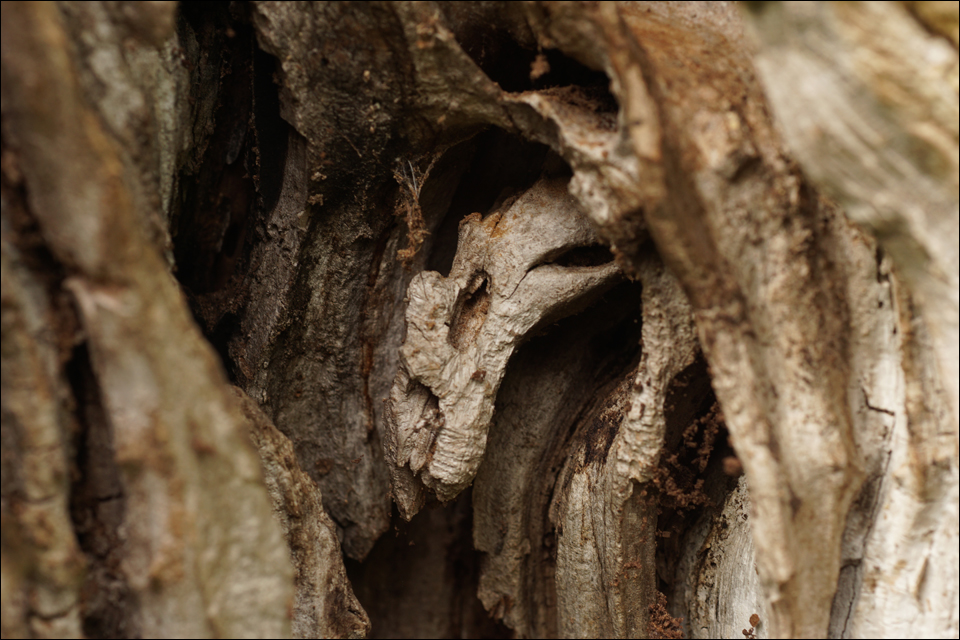 A contribution for Magic Letters: I. The challenge is to photograph Innen which means ‘the inside’ but also carries a connotation of ‘inward’ or even ‘subjectivity’. Im Holz would be ‘in the wood’ in English – which could also have been a title I liked – and part one features two older fruit tree fractures. Life goes on here.
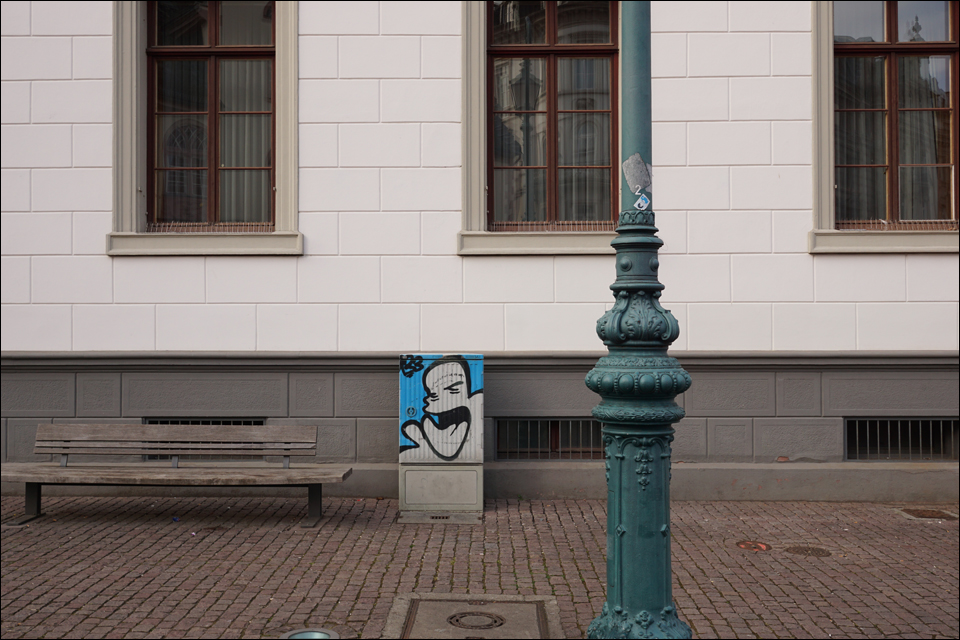
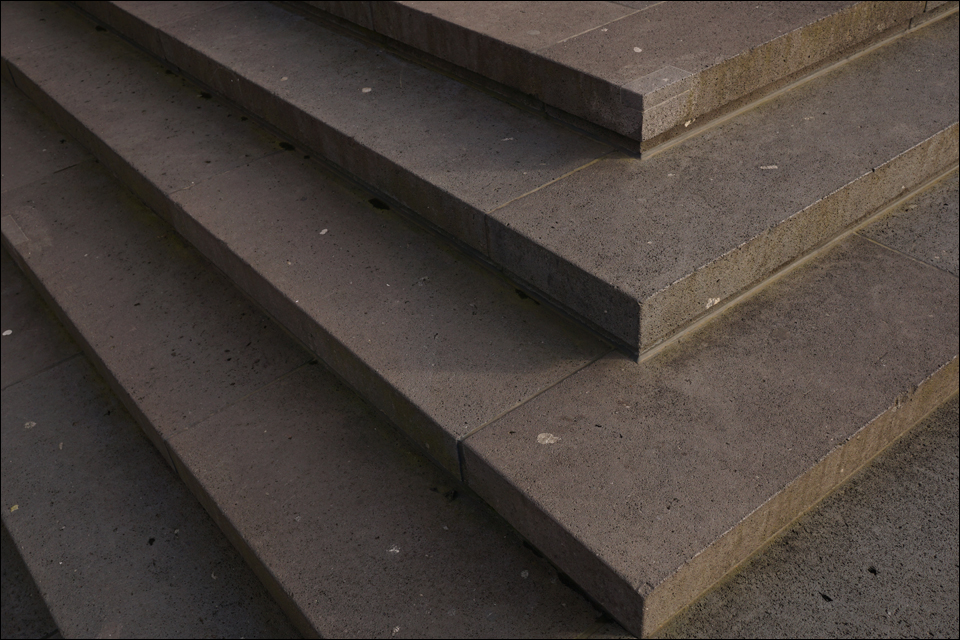

Upon taking a walk, visitors and Wiesbadeners alike will not really get around Kurhaus, the grand building that houses concert halls, a restaurant, and a casino famous for players like Fyodor Dostoevsky – his novel The Gambler is said to be based on the author’s own experience in Wiesbaden. The building seems to be the city’s (romantic?) heart.
If so, the nearby market place may the be the lungs… Which is where we departed for today’s walk, visually sniffing like a happy dog at some of the things along the way. We have had a look at the former palace, walked along the steps of the ‘new’ city hall, and seen a bit of its ornaments (above).
Turning around, we cannot miss Marktirche (‘Market Church’), a spectacular orange brick building that has already been photographed a million times. I think it is considered Wiesbaden’s capital church, and as history has it, it is protestant. We rush along its walls towards the doors one of the city’s finest cinemas, Caligari (bottom) where a beautiful Art Deco interior is still intact. However, we will stay outside today – or we’ll never arrive at Kurhaus!


Turning left and then right again, one of the city’s nicer arcades takes us to Wilhelmstraße, dominated here by the Theatre of the State (Hessisches Staatstheater). We sneak past the back side, taking in the closed faded curtains, and finally find ourselves in front of the Kurhaus’ revolving doors which I reserve for next Monday’s post: It will not be a long walk, but I consider it worth while, so that will be part of Jo’s Monday Walks (hoping that’s fine by our hostess).
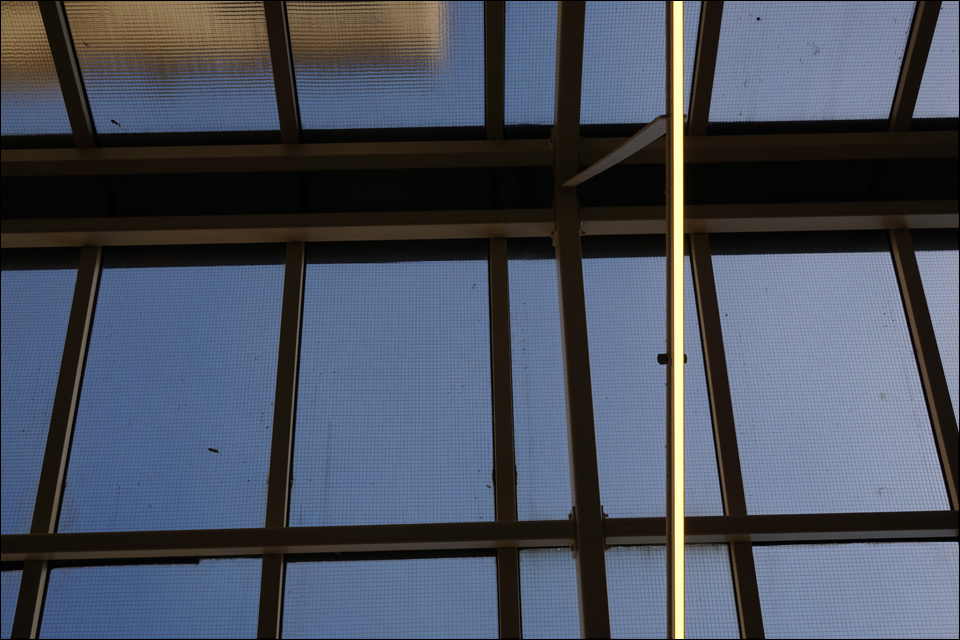


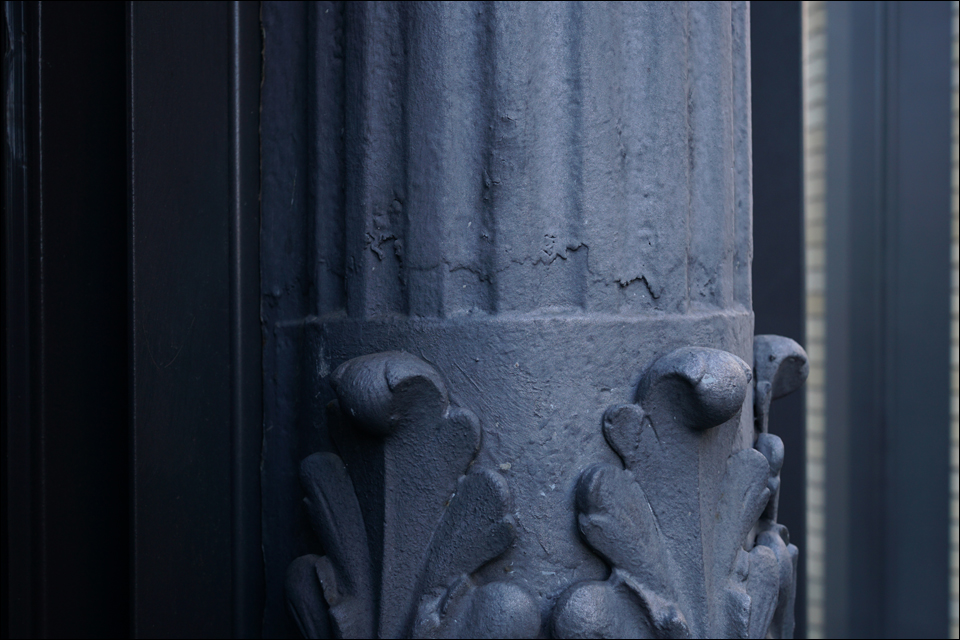
Traces from a past when these were, strictly speaking, already traces from the past: Classicism was quite the thing when these buildings were erected roughly 150 years ago. I am fascinated by the ways the builders found around traditional – probably expensive – masonry: Mostly brick and cast iron and occasionally some wood were the materials used instead.
This is my (late) contribution for Paula’s Thursday’s Special which is really worth a visit.

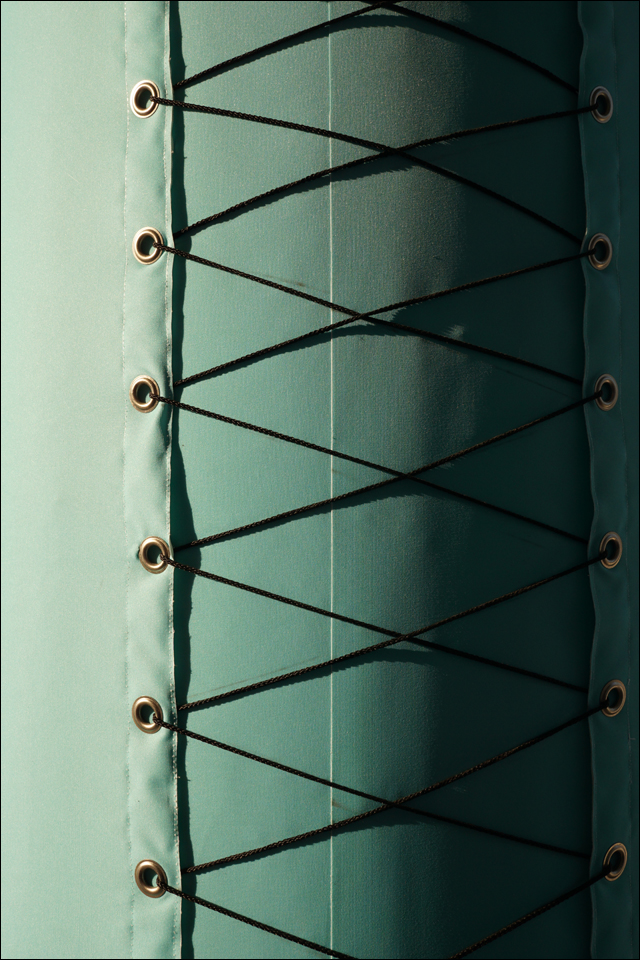
With these two pictures, I would like to point out a blog I only discovered two days ago: Episoden.Film. (The blog is written in German.) There is also a photo challenge there, the theme is Magic Letters: H – hochkant, meaning the upright photo format here.
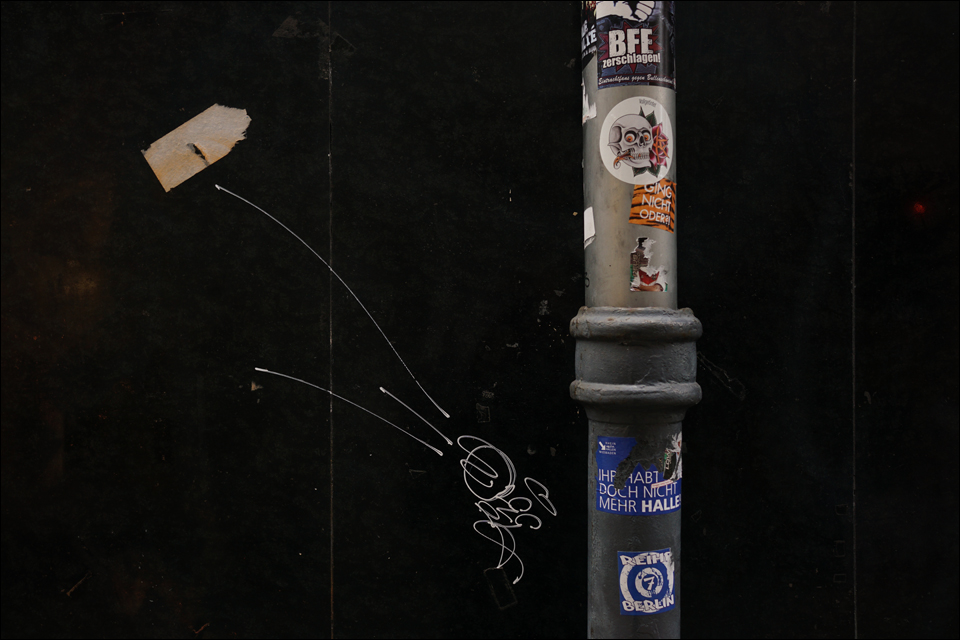

 Some graffiti I found looking for simple compositions. If you really like great graffiti and mural art, I strongly recommend a visit at Dosenkunst (‘Canned Art’).
 empire of lights