Inspiration

“We want to see portraits of you doing something that inspires you to blog.” That’s what the Special Photo Challenge asked for. So here are some things that inspire me.

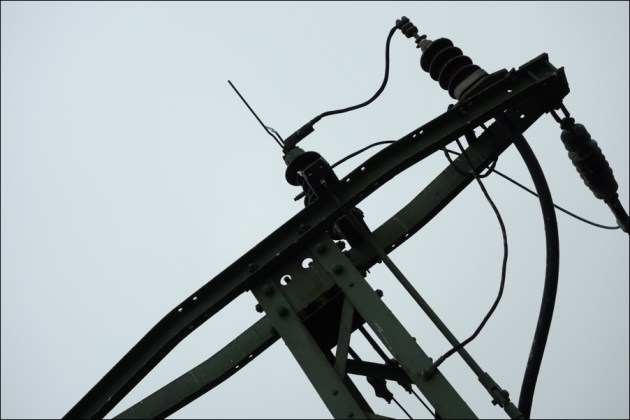
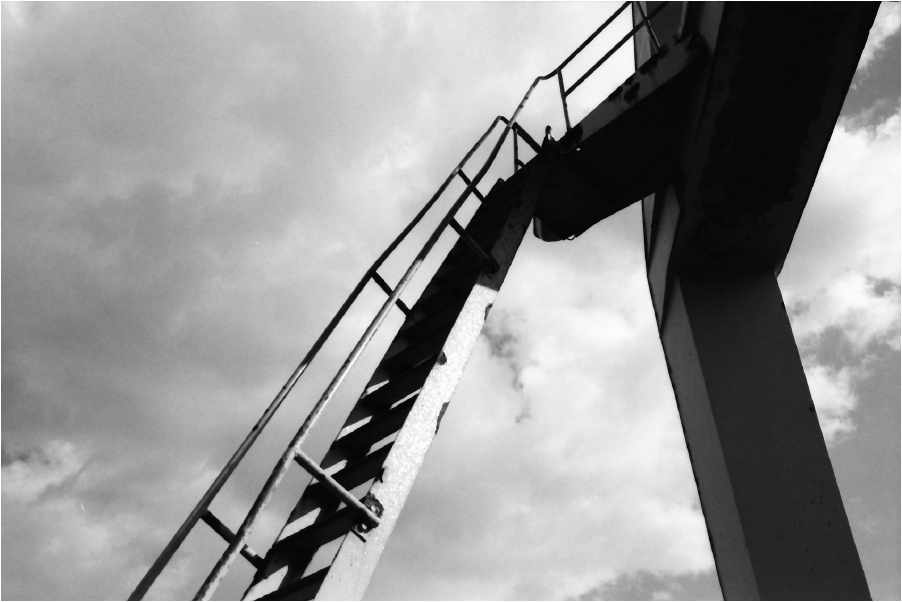
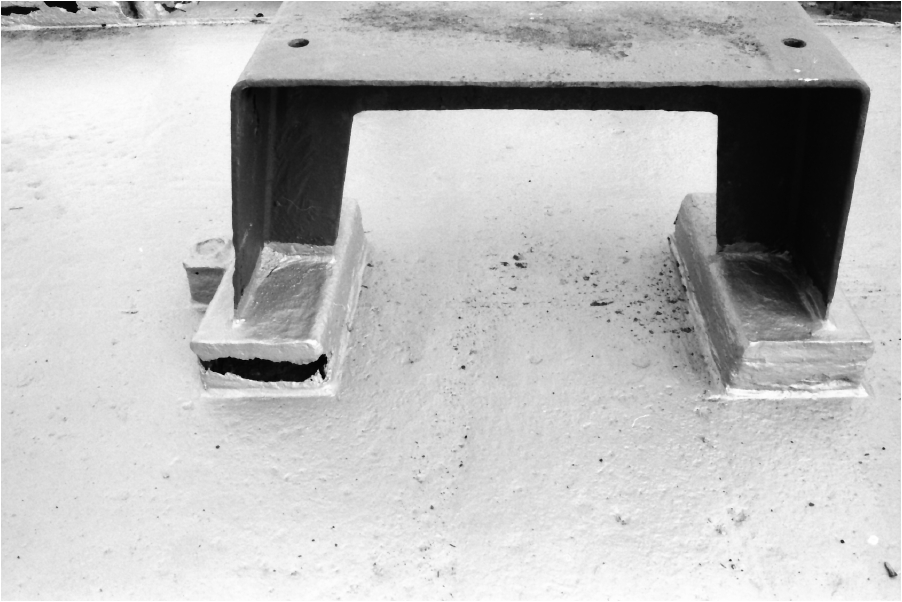
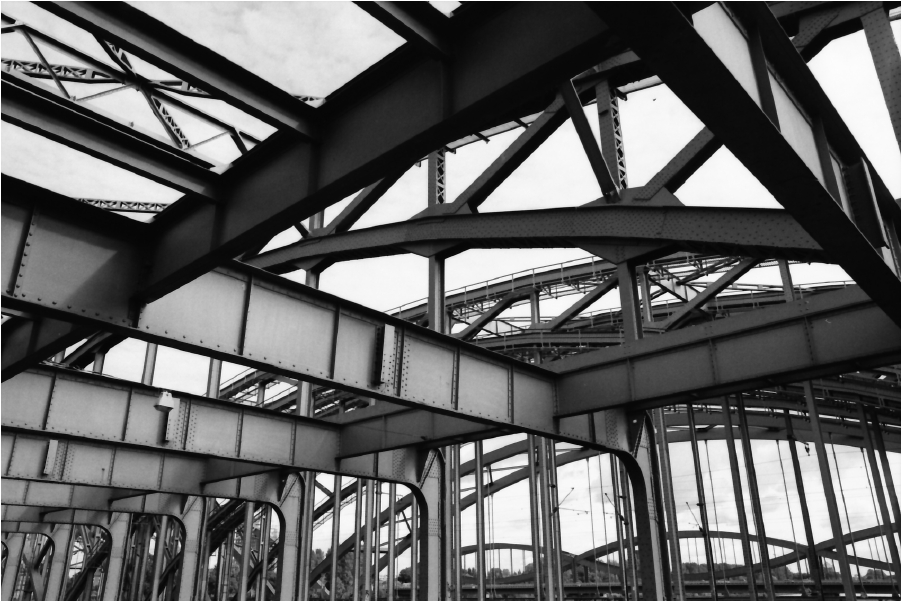
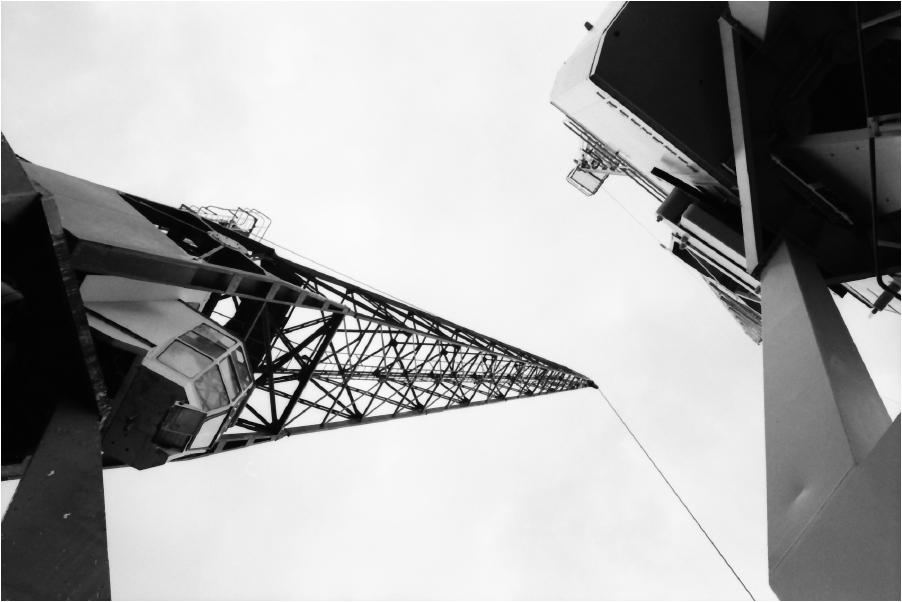
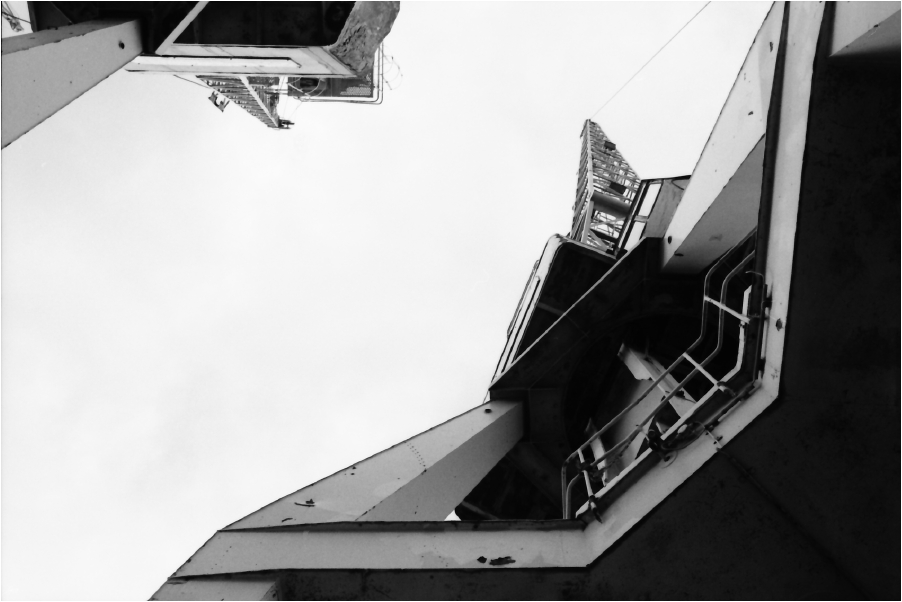
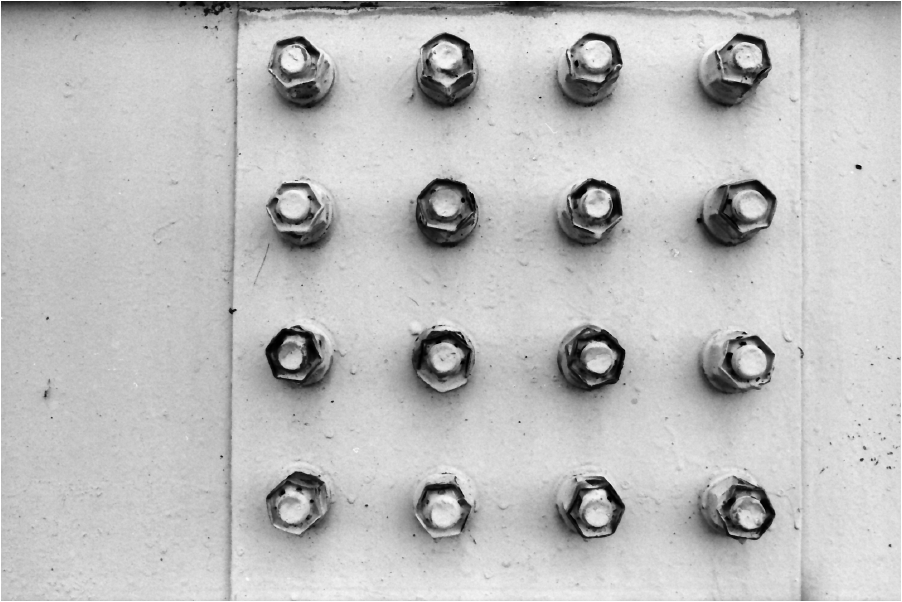
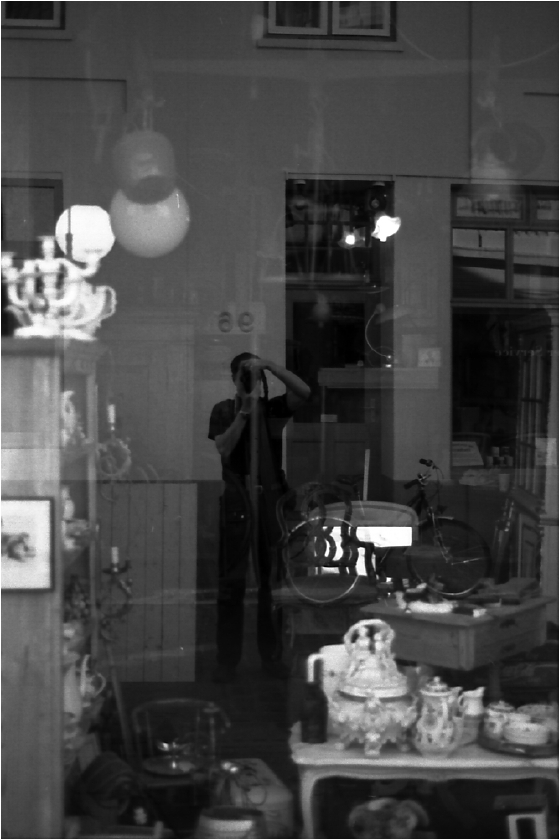
The left picture shows many objects – me photographing stuff, actually. It was inspired by Susan Sontag’s essays on photography: The mere act of making a photograph, Sontag says, re-evaluates the stuff we find because taking a picture equals claiming that the subject is deserves to be looked at – even ugly objects become ‘nice’ in photograph. Hence Sontag’s idea that photography aesteticizes the whole world.

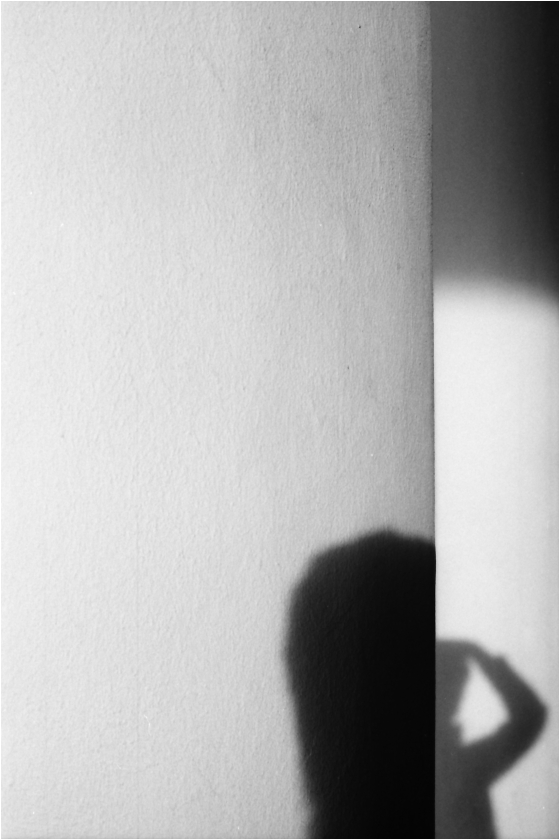
Though I find a lot of inspiration in texts, pictures inspire me too: I ‘found’ the right one after visiting an Ellsworth Kelly exhibition entitled “Black and White”. This abstract picture with me in it may well be a reaction to (or inspired by) the pictures I saw. – While all this describes my motivation to photograph, this blog is really inspired by my love of photography, and the desire to share my pictures and see what you think.

A Hat, a Coat and …

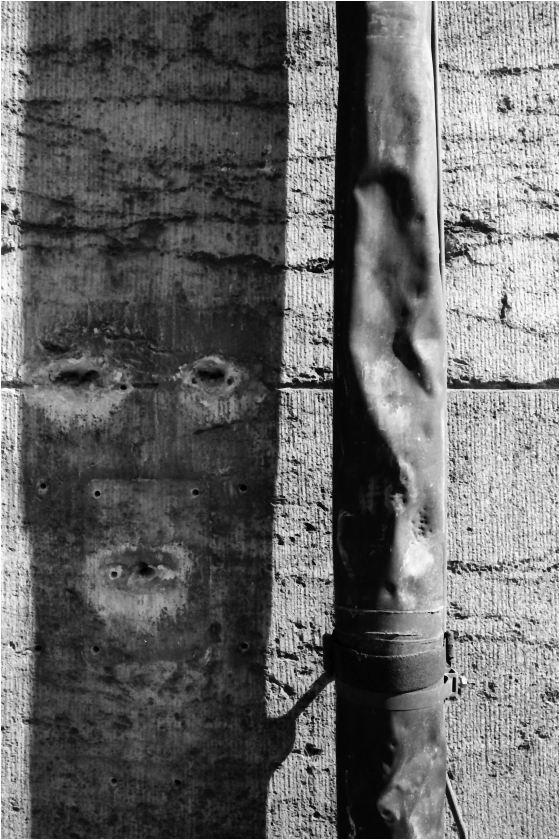
Light filtering through the vapours from the hot springs and wells of this city, the old buildings being reflected in a spill of water, sudden sunbeams hitting walls and floor of a narrow courtyard: Sometimes the daily vistas assume a touch of foreignness. Seeing these moments is all we have to do as photographers.

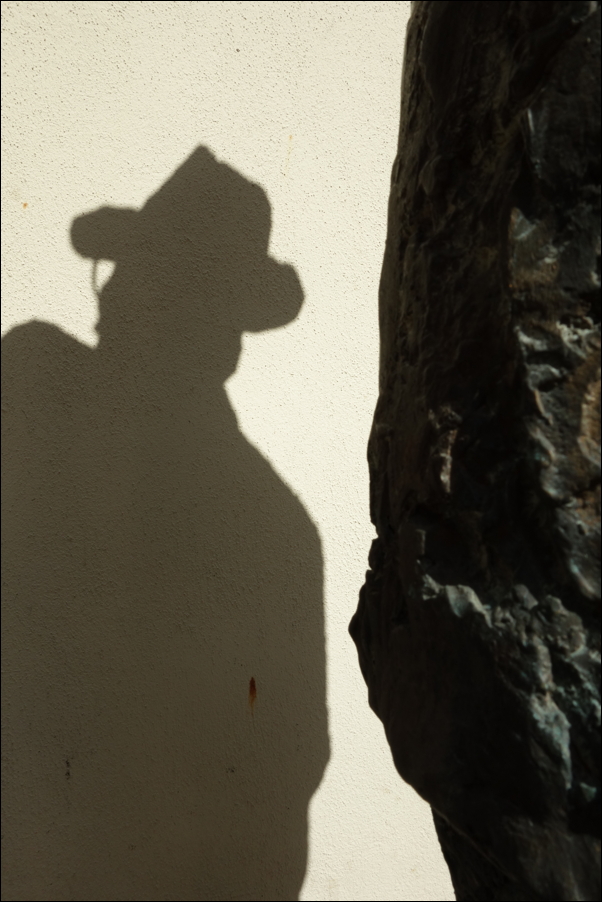
This idea formed in a discussion with Judith Bruder (see here) who nudged me to participate in this week’s photo challenge: Thank you, Judith! The picture shows the shadow cast by a statue. And while the chap originally looks amiable enough, his shadow reminds me of Philip Marlowe, who had “a hat, a coat, and a gun” – which accounts for the title.
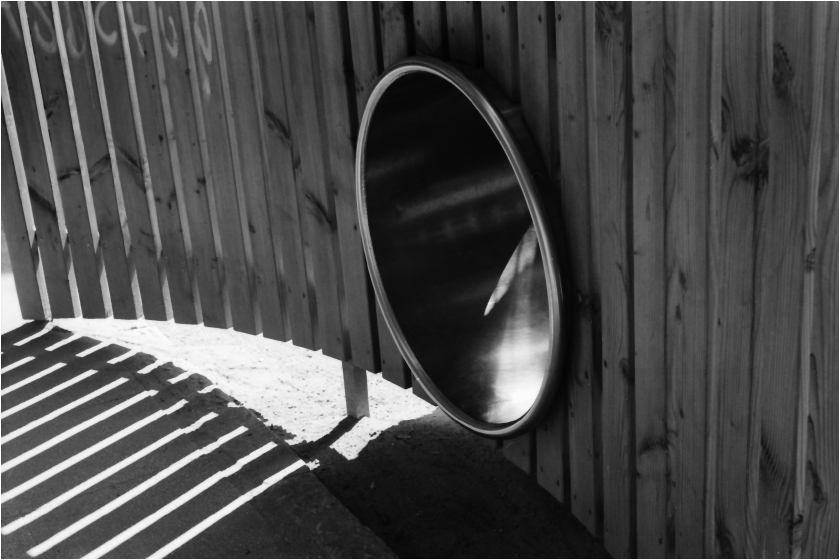
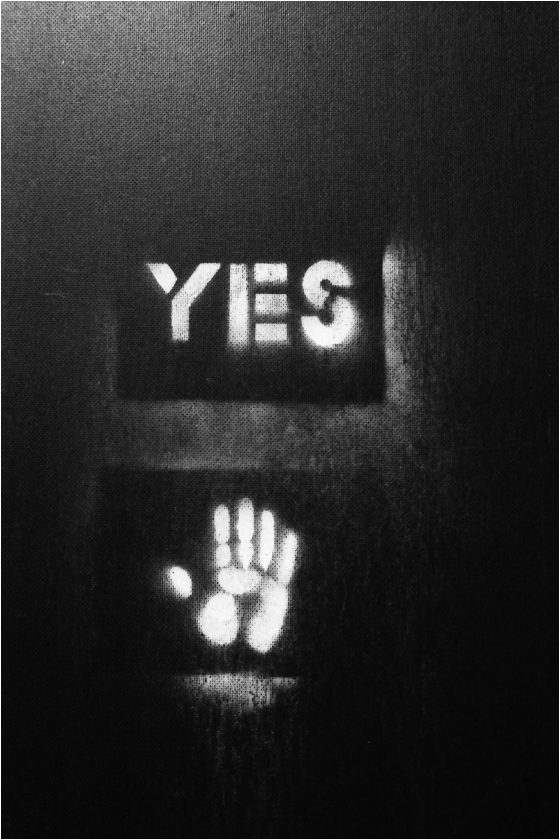
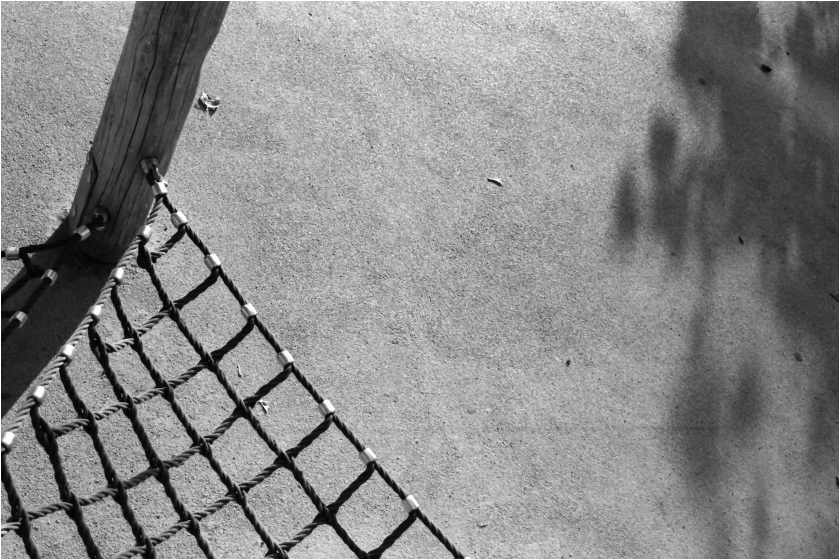
Le città e il gioco. 1.

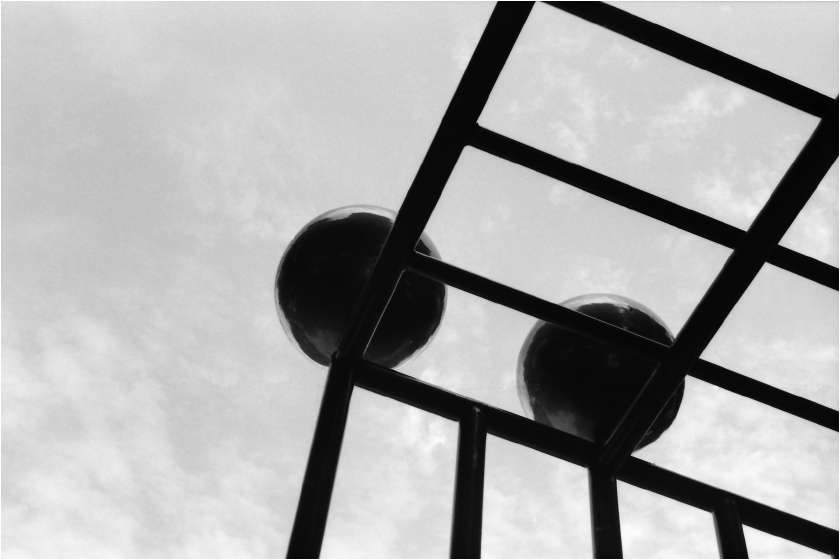
It cannot be known what Italo Calvino would have told us about the cities and the game in his novel Le città invisibili (Invisible Cities).

Would he have thought of strange objects defining particular spaces within the urban space? Would he have mentioned architects devising structures that seem to defy any sense of purpose? Would he have noticed that the seeming absence of rationality follows its own rules – rules that lie at the basis of an invitation to explore, dig, swing, or climb?

And what – if anything – would he have related about the inhabitants of these cities who so willingly accept these invitations at a certain age? Could he have said that those who are past that age just turn a blind eye at the cities’ appeal because they are afraid they, too, would willingly submit to it?

[In a certain ironic way, taking a camera to a playground, you do not have to be ashamed of being caught playing.]

Adolfsallee, Wiesbaden