“With Care Never Worse Failed.”

321-29

First the body. No. First the place. No. First both. Now either. Now the other. Sick of the either try the other. Sick of it back sick of the either. So on. Somehow on. Till sick of both. Throw up and go. Where neither. Till sick of there. Throw up and back. The body again. Where none. The place again. Where none. Try again. Fail again. Better again. Or better worse. Fail worse again. Still worse again. Till sick for good. Throw up for good. Go for good. Where neither for good. Good and all.

321-34

It stands. What? Yes. Say it stands. Had to up in the end and stand. Say bones. No bones but say bones. Say ground. No ground but say ground. So as to say pain. No mind and pain? Say yes that the bones may pain till no choice but stand. Somehow up and stand. Or better worse remains. Say remains of mind where none to permit of pain. Pain of bones till no choice but up and stand. Somehow up. Somehow stand. Remains of mind where none for the sake of pain. Here of bones. Other examples if needs must. Of pain. Relief from. Change of.

322-14

All of old. Nothing else ever. But never so failed. Worse failed. With care never worse failed.

.

Samuel Beckett: Worstward Ho | This is part two of five. A short introduction can be found in part one.

.

“Try again. Fail again. Fail better.”

321-21

On. Say on. Be said on. Somehow on. Till nohow on. Said nohow on.

322-26

Say for be said. Missaid. From now say for missaid.

322-07

Say a body. Where none. No mind. Where none. That at least. A place. Where none. For the body. To be in. Move in. Out of. Back into. No. No out. No back. Only in. Stay in. On in. Still.

322-02

All of old. Nothing else ever. Ever tried. Ever failed. No matter. Try again. Fail again. Fail better.

.

Samuel Beckett: Worstward Ho | It all started with a visit to Hamburger Kunsthalle. They had a small but inspiring exhibition entitled “Fail Better”. A short introduction to the show quoted Beckett. The words “Try again. Fail again. Fail better” have been with me since, and I soon found out that they come from one of his last texts, Worstward Ho.

Enters the philologist: What’s the context of this line? What is Beckett’s text all about? I read the text, or, frankly, the first half of it. It intrigued me the way good poetry does. At a point I paid attention to the pictures it evokes. Could I  actually make any such pictures?

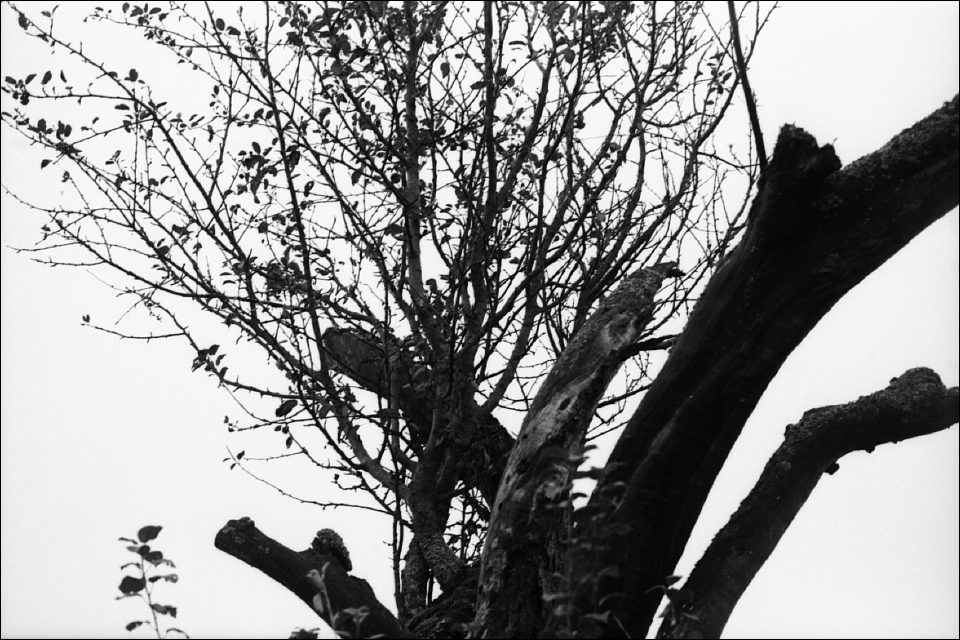
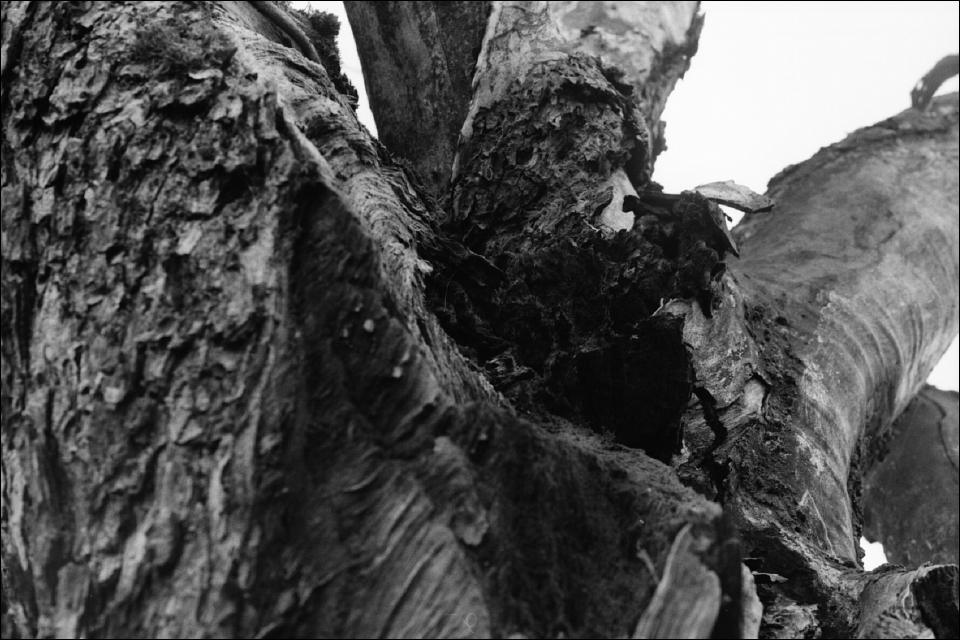
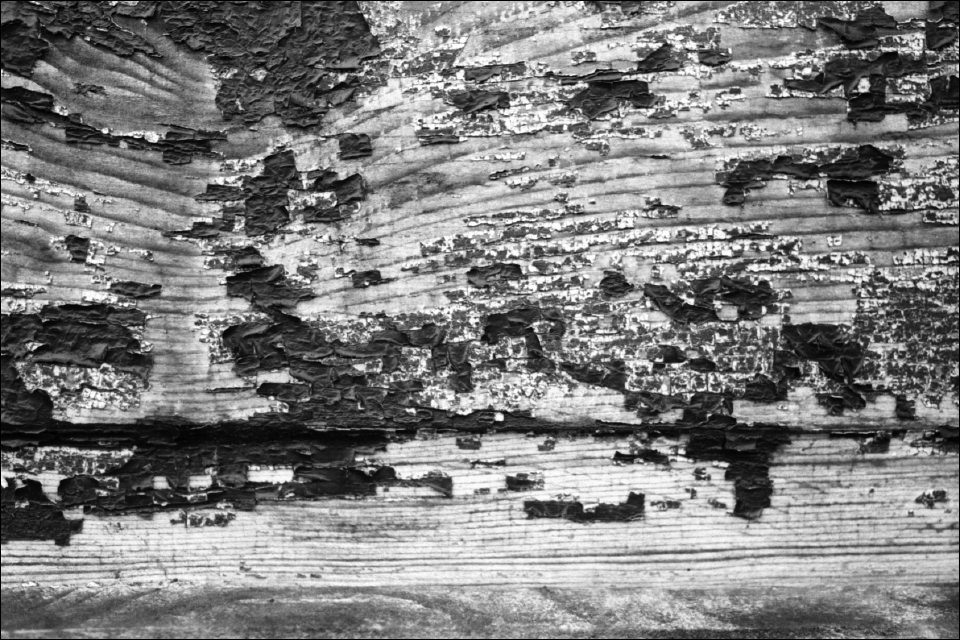
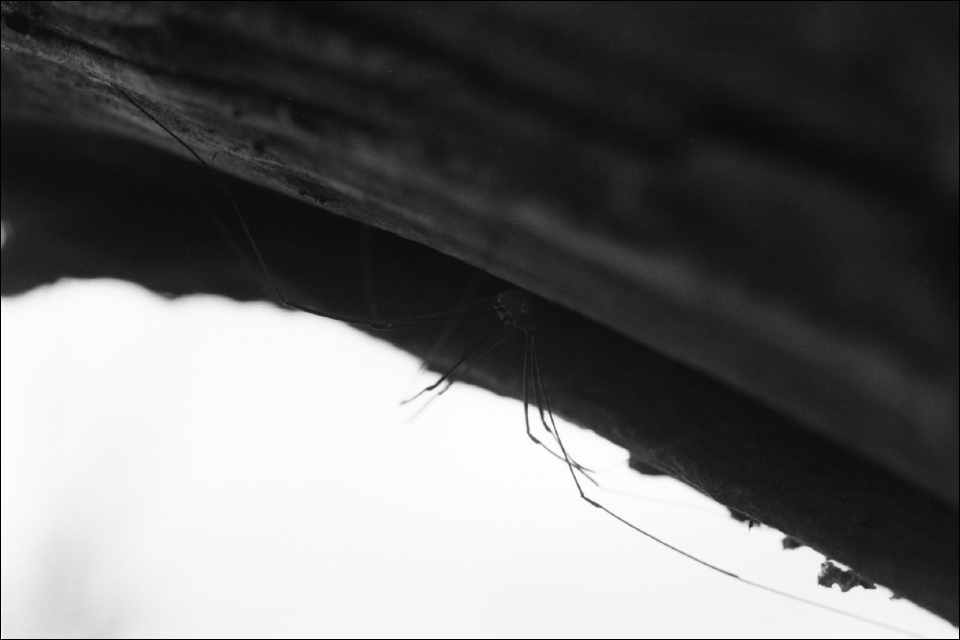
Which was when I stopped reading any further. Instead, I went back to reading the first couple of pages again and again, looking for cues that triggered certain images. With them in mind, I set out for a walk in the nearby meadows scattered with apple trees. I took my camera. I made these pictures.

This is part one of five.

.

A Year

294-22

296-16 cut

293-35a

290-06

E2

BF1

318-23

313-23

293-01

314-33a

314-13

319-10

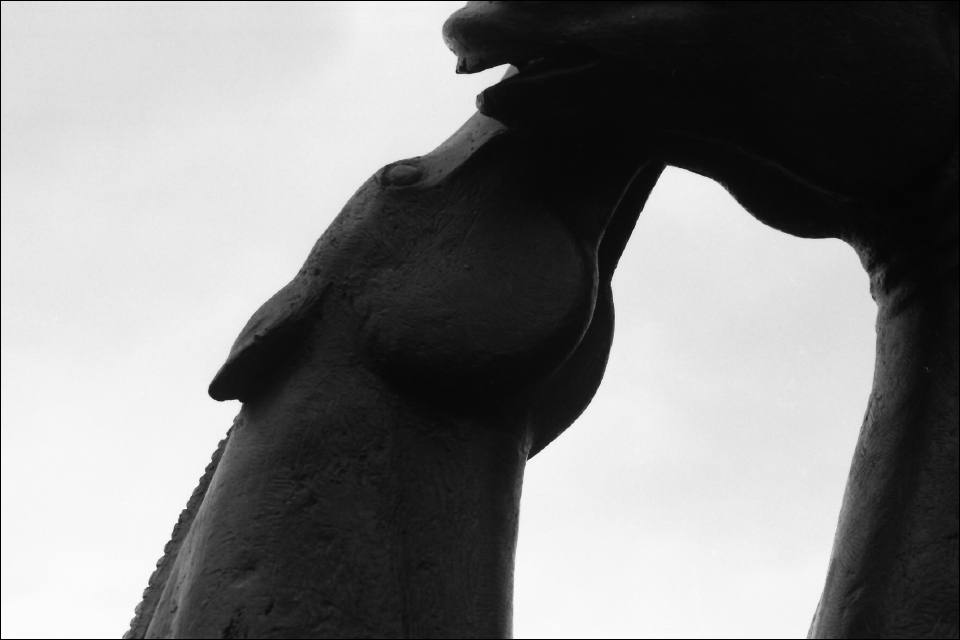
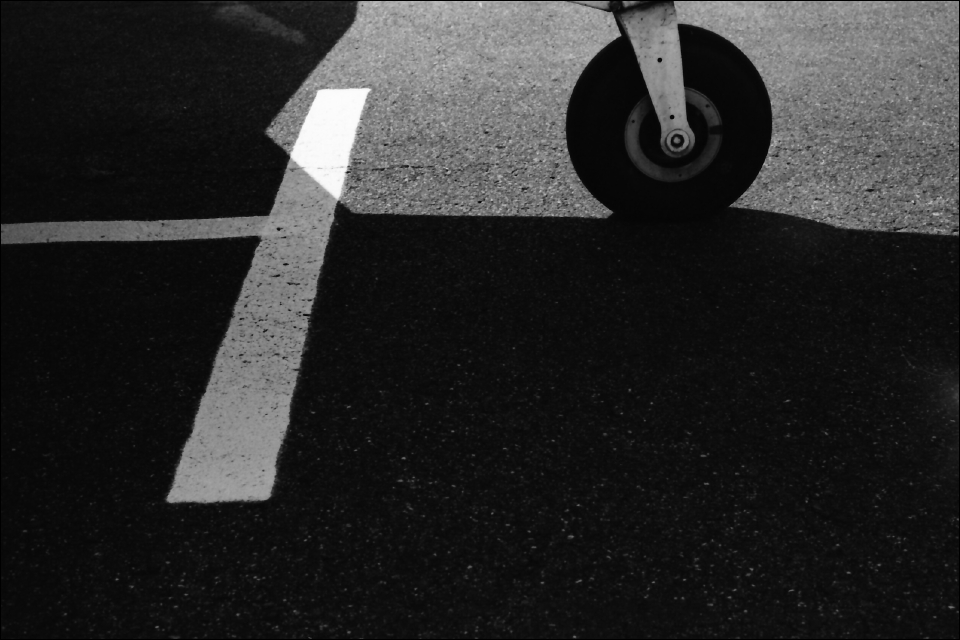
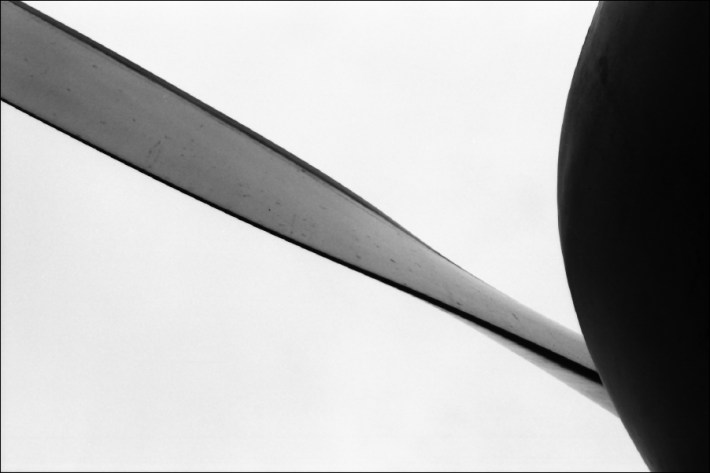
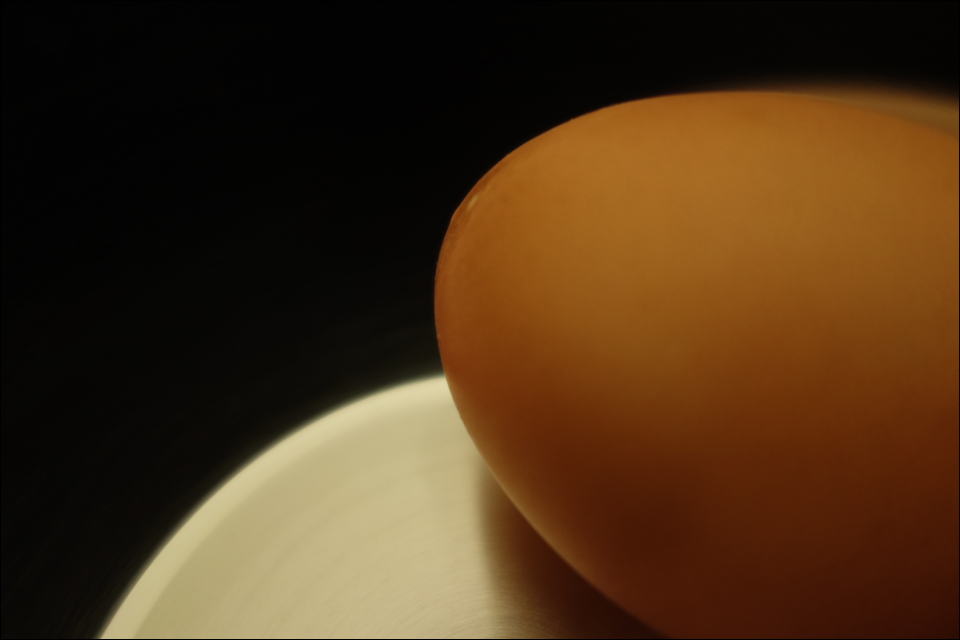
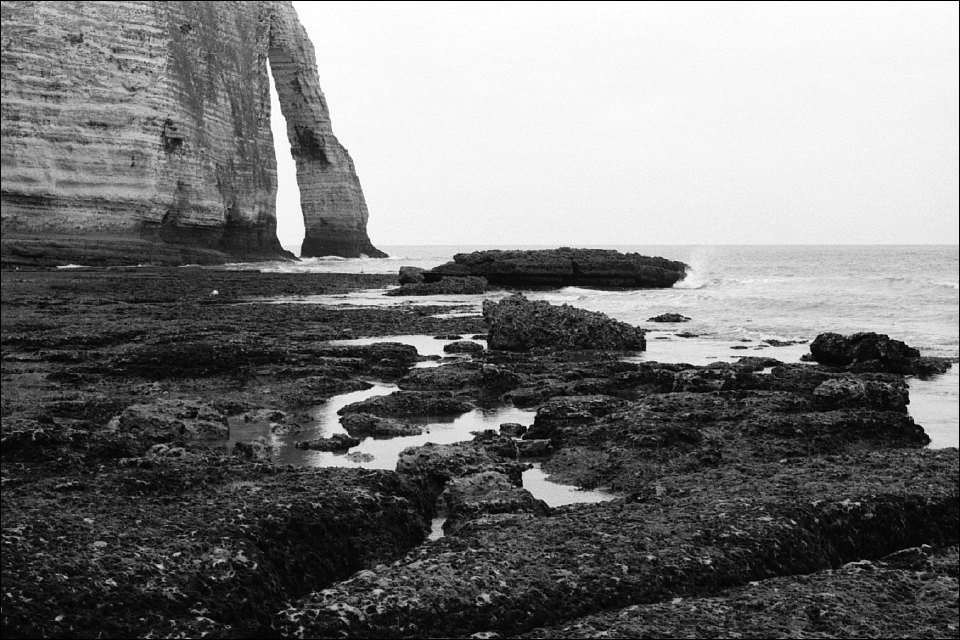
Made pictures of monuments. Visited an airfield. Contemplated a modernist chapel. Displayed photos from the Airlift Memorial, Frankfurt. Played with eggs. Tried a breakfast table. Was haunted by bunkers. Visited ironworks. Found a way to photograph Wiesbaden’s Monopteron. Was fascinated by structures of a Colombier, a trickle of water. Intrigued by the cliffs of Fécamp. | Please klick the photos for larger images.

Fragmente einer Sprache des Schreckens

318-23
318-25
Batterie Longues-sur-Mer. People killed here. People died here. A tractor tows a plough over the fields, back and forth; birds sing, gulls scream. I smell the sea.

I know the guns reached far and were not easily destroyed. However, I’d like to imagine that after the first destructive blows the remaining soldiers realised that their chances dwindled. And ran.

People run around and photograph the cannons. I don’t want cannons; they are not appealing, not even visually. I try to make a picture of this space that stifles me.

.

[This week’s photo challenge reminded me that today might be an adequate day for posting this.]

Infinitely Busy

314-14

Pondering the subject of this week’s photo challenge, I realize that water points towards the concept of infinity in so many ways: On the shore, I often see (or actually do not see) the sea touch the sky. I witness the tides, and with that I suddenly understand water is always going somewhere. Like infinity, I cannot grasp it. The picture shows water running over a sandy beach in a rivulet. Capturing its movement, I found a beast’s eye –

Heterotopia

ks3 ks4 ks5Digging into some literature on an altogether different topic, I stumbled upon this paragraph:

“I believe that between utopias and […] heterotopias, there might be a sort of mixed, joint experience, which would be the mirror. The mirror is, after all, a utopia, since it is a placeless place. In the mirror, I see myself there where I am not, in an unreal, virtual space that opens up behind the surface; I am over there, there where I am not, a sort of shadow that gives my own visibility to myself, that enables me to see myself there where I am absent: such is the utopia of the mirror. But it is also a heterotopia in so far as the mirror does exist in reality, where it exerts a sort of counteraction on the position that I occupy. From the standpoint of the mirror I discover my absence from the place where I am since I see myself over there. Starting from this gaze that is, as it were, directed toward me, from the ground of this virtual space that is on the other side of the glass, I come back toward myself; I begin again to direct my eyes toward myself and to reconstitute myself there where I am. The mirror functions as a heterotopia in this respect: it makes this place that I occupy at the moment when I look at myself in the glass at once absolutely real, connected with all the space that surrounds it, and absolutely unreal, since in order to be perceived it has to pass through this virtual point which is over there.” (Michel Foucault, Of Other Spaces. Heterotopias)

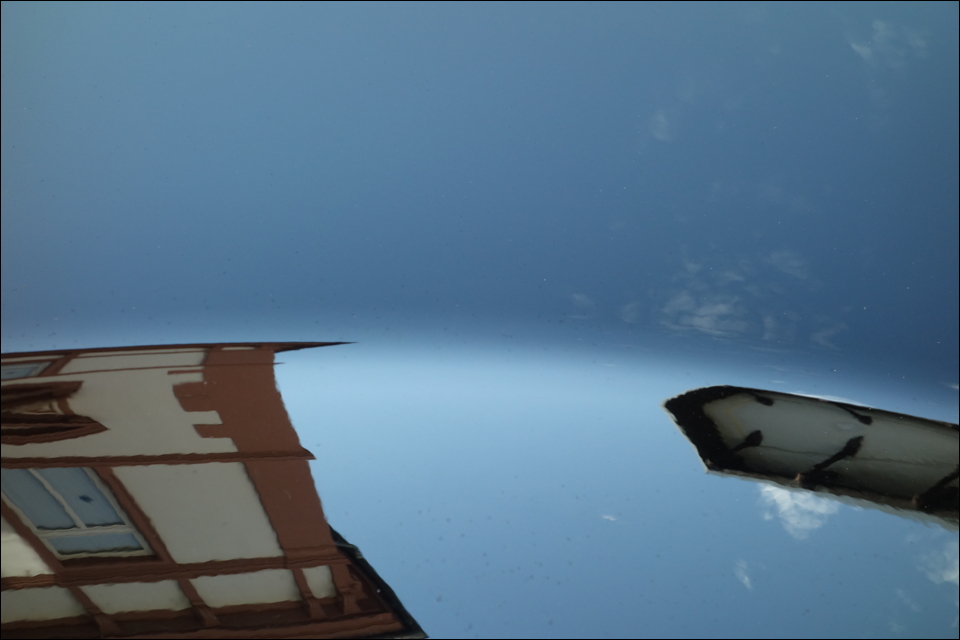
It made me wonder: Could photographs be related to mirrors? And could a photograph possibly be some kind of heterotopia? After all, photos seem to trigger a strange exchange between my position – here, in front of the picture – and the place they show which is, in most cases, not here, but inevitably there. I am here, looking at a ‘there’ which is very real as a picture and very absent as an object: “There is no there there,” I am tempted to say.

Monopteron

308-13

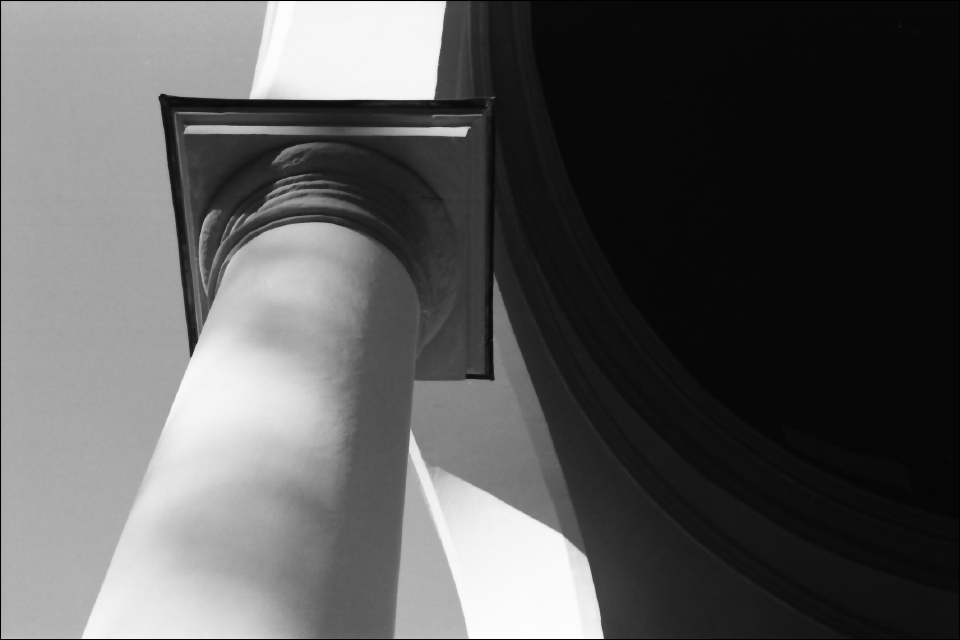
A contribution for the Weekly Photo Challenge: Masterpiece. This Monopteron, located on Wiesbaden’s Neroberg, was designed by P. Hoffmann in 1851 who used forms of early Florentine renaissance. So it appears to echo an echo of Greek Antiquity. But still: I like this building’s elegance and its sense of lightness (especially on a bright day), an I am intrigued by the way its circles and arches seem to form a vortex in this picture.