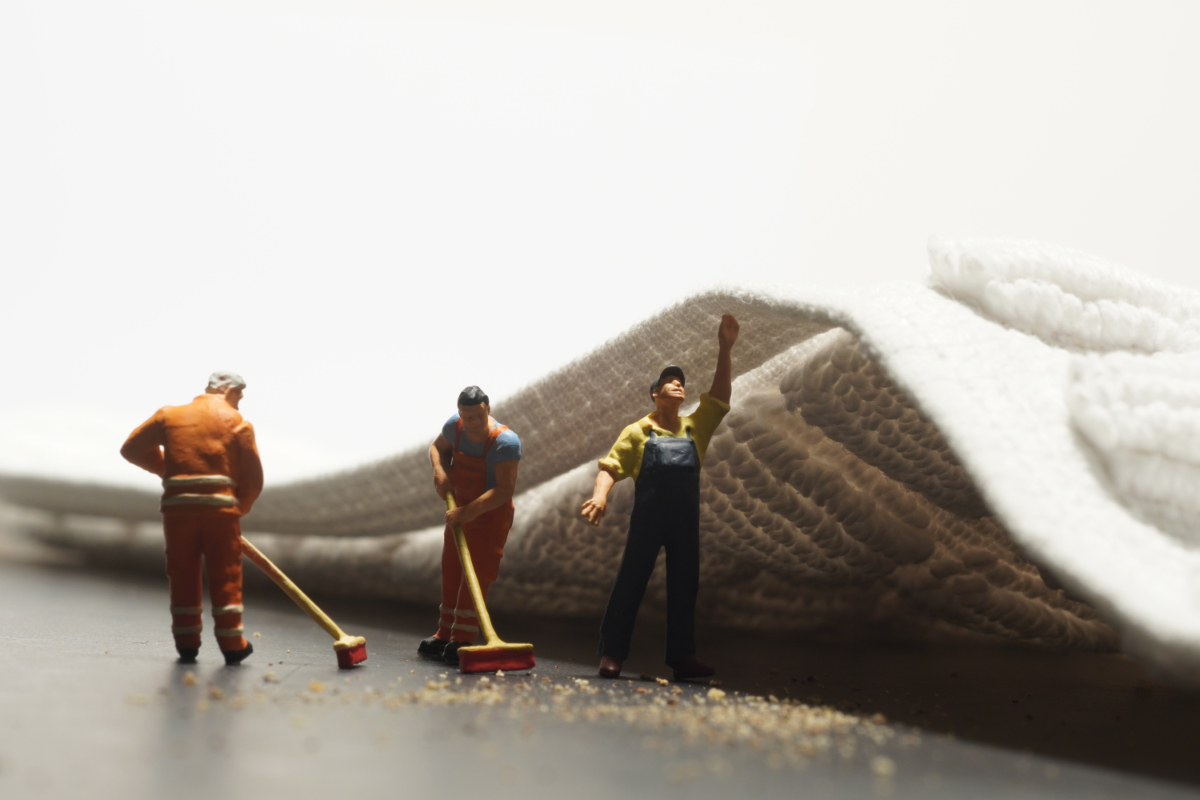
“Guys! Just sweep it under the rug!”
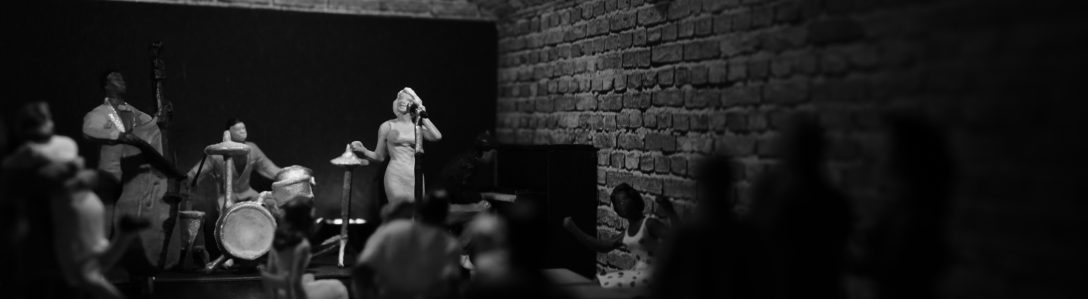
tobias m. schiel
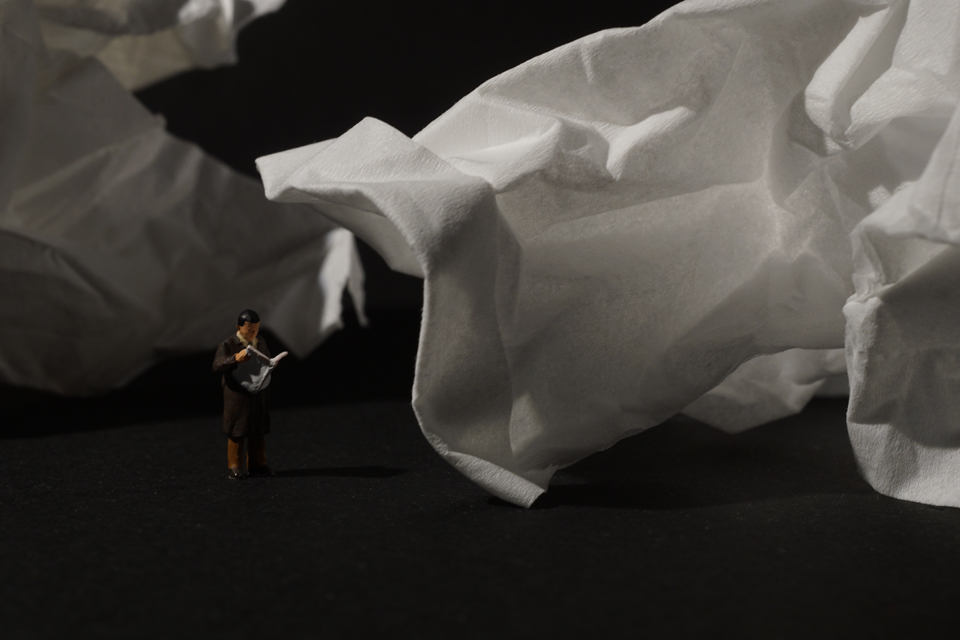


The whole picture is a “trace” of the past – as everybody in the know will immediately see. So here is my entry for the photo challenge at Paula’s Lost in Translation.
*
For the record: The makers of the Toy Photographers blog kindly invited me to contribute! I feel absolutely honoured. However, I do not link to my post directly because I think the whole blog is really worth a visit. And please do not miss the discussions in the comments sections – they are just as interesting!

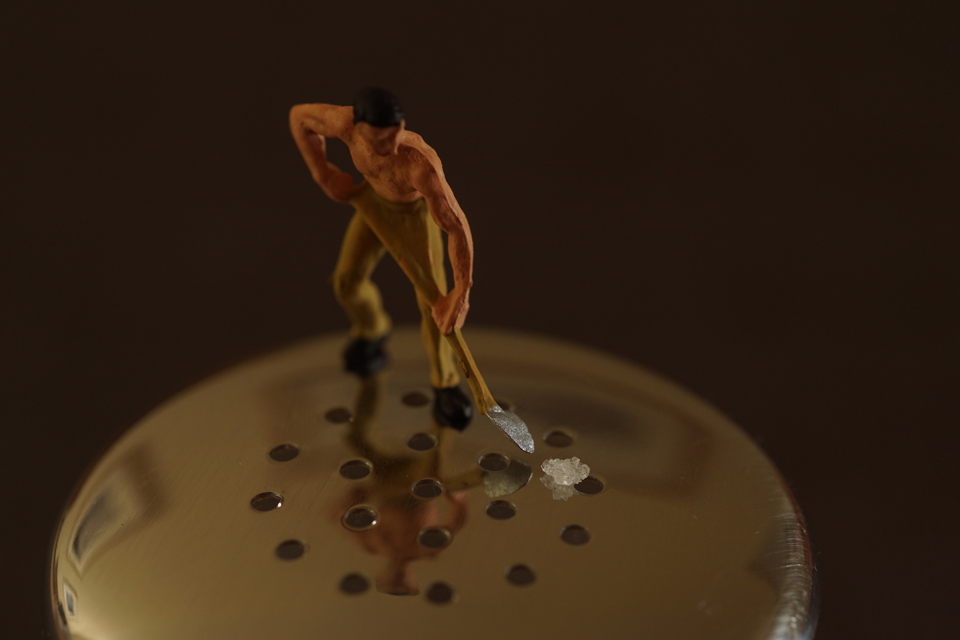
Cum grano salis, lit. taken with a grain/pinch of salt, fig. not to be taken literally, to be understood using your wit.
Since this whole series makes use of a very specific type of contrast (you know what I mean, right?), I thought I might as well enter it into Paleica’s Magic Motto Challenge: Contrasts. Please check out her site! You’ll find some beautiful contribtions there.

Auf einem (ganz) schmalen Brett sein, lit. to be on a (very) narrow board, equiv. to be skating on thin ice, fig. to be wrong, to risk losing an argument
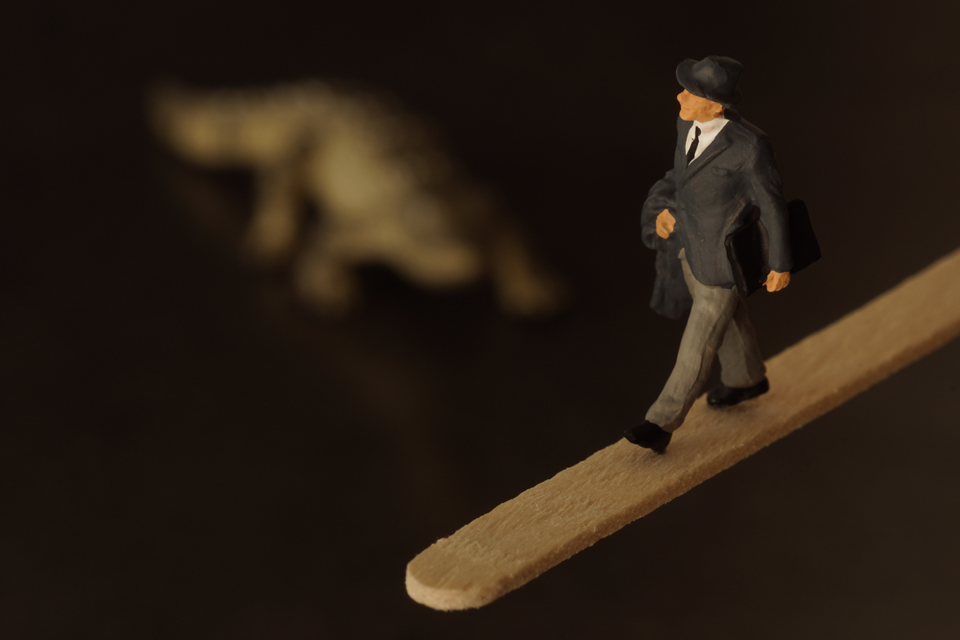
Auf einem (ganz) schmalen Brett sein, lit. to be on a (very) narrow board, equiv. to be skating on thin ice, fig. to be wrong, to to risk losing an argument

When Paula announced Thursday’s Special was “Waiting“, I immediately thought, “waiting for the penny to drop.” I could not get rid of the phrase until this morning when the penny finally did drop – with a little help from my wife. She also helped me out with an Irish penny, rendering this picture a bit more ironic, though it is for you to decide if is to be seen politically.
In line with my other pictures from this series, I would just like to add that we have the same phrase in German: “Warten, dass der Groschen fällt,” a Groschen being 10 Pfennig, which was our small change before Pfennige and pennies became cents.

Von der Rolle sein, lit. to be off the roll/reel, equiv. to have lost it, to be right out of it, to be all at sea; fig. to be beside oneself, to be (a little) off | Finally I come around to participating in one of Jennifer Nichole Wells‘ photo challenges, the “one word challenge:” this weeks’ word is film.

To be in over one’s head, lit. bis über den Kopf drinstecken, equiv. etwas wächst jemandem über den Kopf, fig. (English phrase) to be involved in a difficult situation that you cannot get out of
…and while I look at this picture, a German classic comes to mind: Der Zauberlehrling (The Sorcerer’s Apprentice) by Johann Wolfgang Goethe. It is about this magical broom not quite obeying the apprentice… Follow this link for this poem and its English translation.

In trockenen Tüchern, lit. in dry rags; in dry tissues; in dry sheets, equiv. cut and dried; home and dry, fig. all wrapped up, fully (and satisfactorily) taken care of

Den Wald vor (lauter) Bäumen nicht sehen, lit. to not see the wood for (all) the trees, fig. to be unable to see the obvious (because one is too close or too caught up in the details)
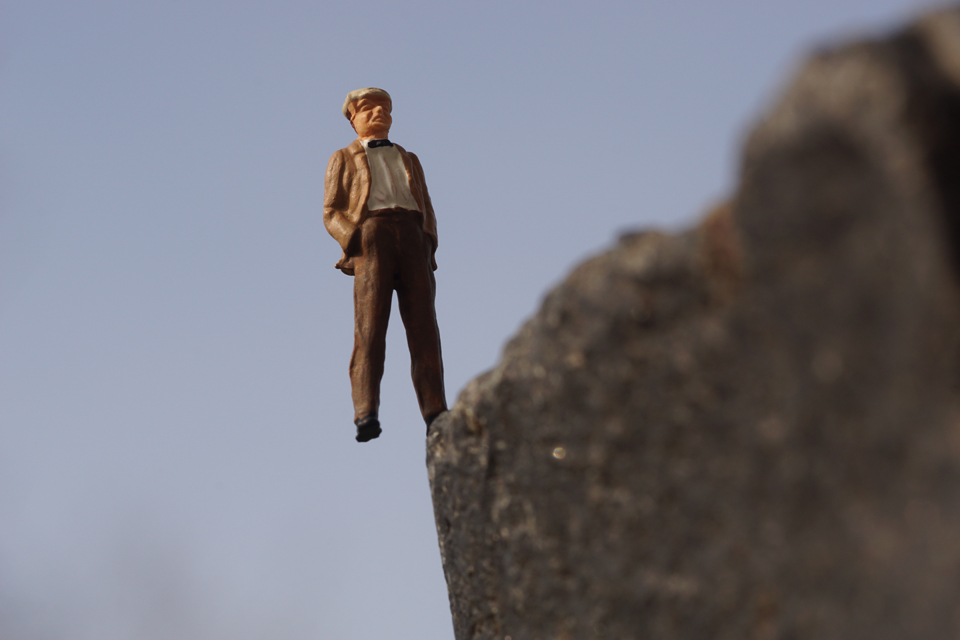
This was the original idea:
Jemandem den Boden unter den Füßen wegziehen, lit. to pull the ground from under sb’s feet, equiv. to pull the rug from under sb’s feet, fig. (German phrase) to threaten someone’s existence
…but it also looks like this guy is standing up on the cobblestone against all odds, so this also seems to be an appropriate contribution for the Weekly Photo Challenge.

“A light dawns on me” is how we say eureka! in German.
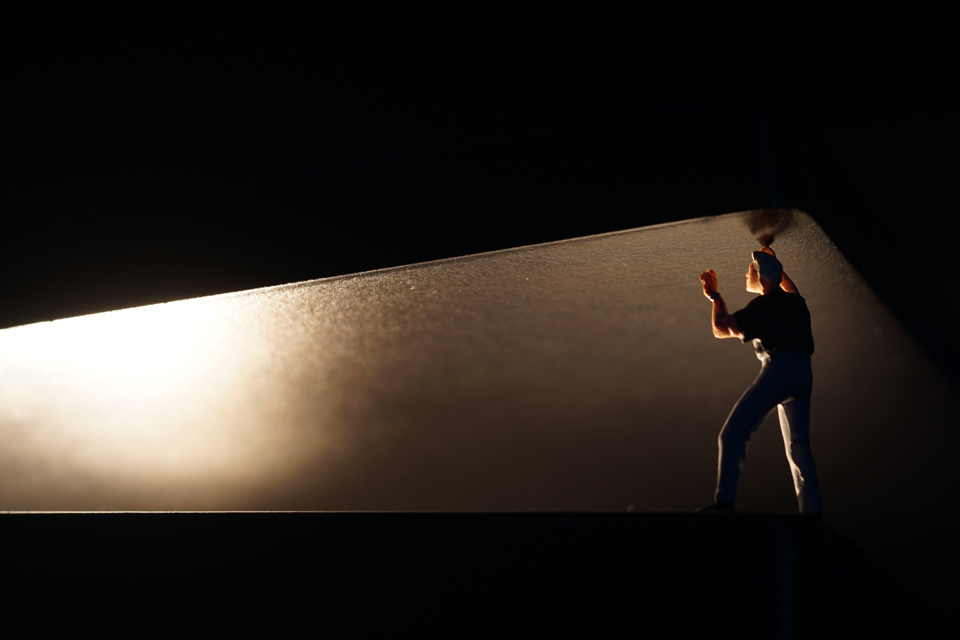
I am happy to continue the “Worlds Within Words” series with a contribution for Thursday’s Special at Lost in Translation. Paula wished to see profiles – and I think based on her description and the etymology, these pictures can also be regarded as a mini study of the concept.

Er lebt auf seinem eigenen Stern means “he’s living on his own planet” – almost literally, since Stern is a star. The figurative meaning is the same in German and English.
So much for translating… This is my contribution for Thursday’s Special at Lost in Translation where you can pick a word from this list: radiant | alimentary | frontal | arboreal | remote. I picked the first one, and maybe the last.
And there is also an alternative take.


The week’s Discover Challenge is Speak Out.

Dear readers, a keen dancer myself, I would like to ask you for a little dance… or get on the same page with you – whatever works for you.
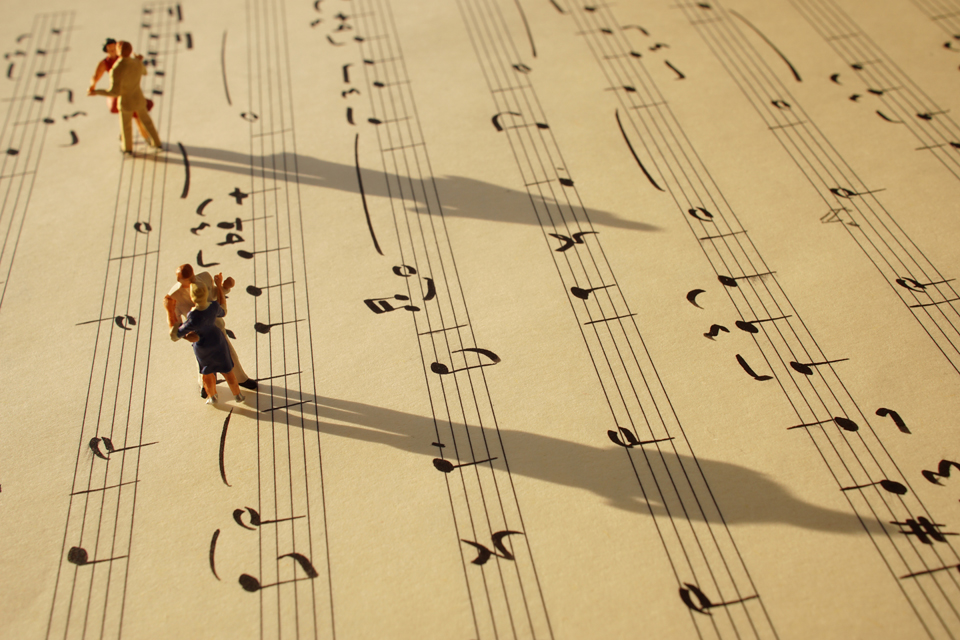
The above picture is part of a series called “Worlds Within Words.” Exploring figures of speech I realize that idioms derive much of their appeal from allowing charming glimpses into different cultures: Isn’t it wonderful that Italians say lavish persons have holes in their hands and the Dutch advise you to tread carefully and not wear clogs on ice? I love that – it’s vivid!
So here is the score: Please help me out! I suggest two ways to do so:
I hope you can join me here – and have fun looking into the schedules of different trains of thought (could not resist this one).
As the pictures show graceful dancers, I also see them as a contribution for the Weekly Photo Challenge.

Einen an der Mütze haben almost does not translate literally. “To have something/someone at the cap” comes close; “einen” can be either something or someone.
The adequate translation is easy enough though, since the English language has at least as many colourful expressions as the German: “Not playing the full deck”, “The lights are on but nobody’s home” or maybe “Not she sharpest knife in the drawer” come to mind.

 empire of lights