On the Same Page

dsc07273-k

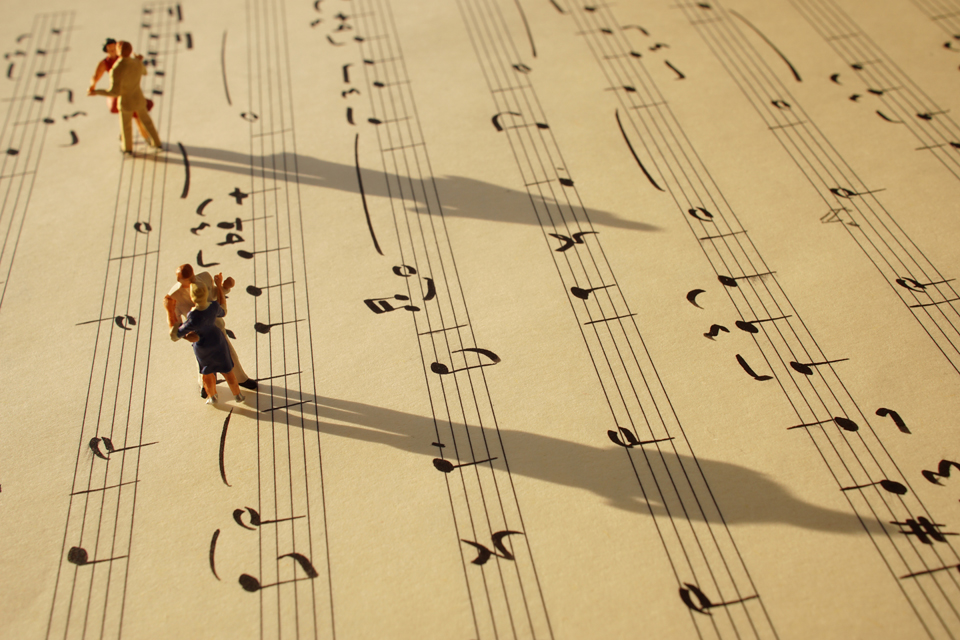
Dear readers, a keen dancer myself, I would like to ask you for a little dance… or get on the same page with you – whatever works for you. 
dsc07272k

The above picture is part of a series called “Worlds Within Words.” Exploring figures of speech I realize that idioms derive much of their appeal from allowing charming glimpses into different cultures: Isn’t it wonderful that Italians say lavish persons have holes in their hands and the Dutch advise you to tread carefully and not wear clogs on ice? I love that – it’s vivid!

So here is the score: Please help me out! I suggest two ways to do so:

  1. Think of your favourite figure of speech. Think of a picture to illustrate it. Make the picture. post it and link to it in the comments. And please link to my blog in your post so people can find this challenge.
  2. Think of your favourite figure of speech. Mail it to me (or put it into the comments) along with an explanation of the literal and the figurative meaning if it is not in English or German. I will then try to come up with a good picture  of my own – and link to your blog.

I hope you can join me here – and have fun looking into the schedules of different trains of thought (could not resist this one).

As the pictures show graceful dancers, I also see them as a contribution for the Weekly Photo Challenge.
Einer an der Mütze

dsc07042-tk

Einen an der Mütze haben almost does not translate literally. “To have something/someone at the cap” comes close; “einen” can be either something or someone.

The adequate translation is easy enough though, since the English language has at least as many colourful expressions as the German: “Not playing the full deck”, “The lights are on but nobody’s home” or maybe “Not she sharpest knife in the drawer” come to mind.

Surpassing Himself

dsc06703-tk

This week, Krista at The Daily Post presents us with a “New Horizon” challenge: “Think ahead and show your work in a representative photo. If you set New Year’s resolutions, give them some thought a few weeks early. If resolutions aren’t your style, show us something that you want to achieve — it could be setting a new goal, making plans, or even tackling that pile of laundry waiting by the washer. The goal is to get out of the busy ‘now,’ and imagine your new horizon. Go!”

Magical Minimalism

DSC05666-k

DSC05556-k

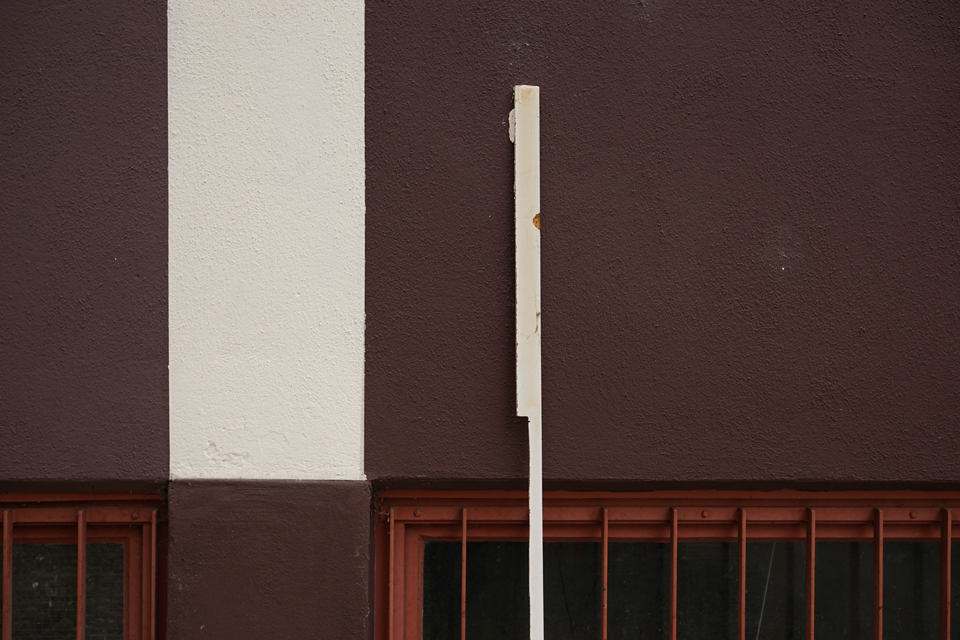
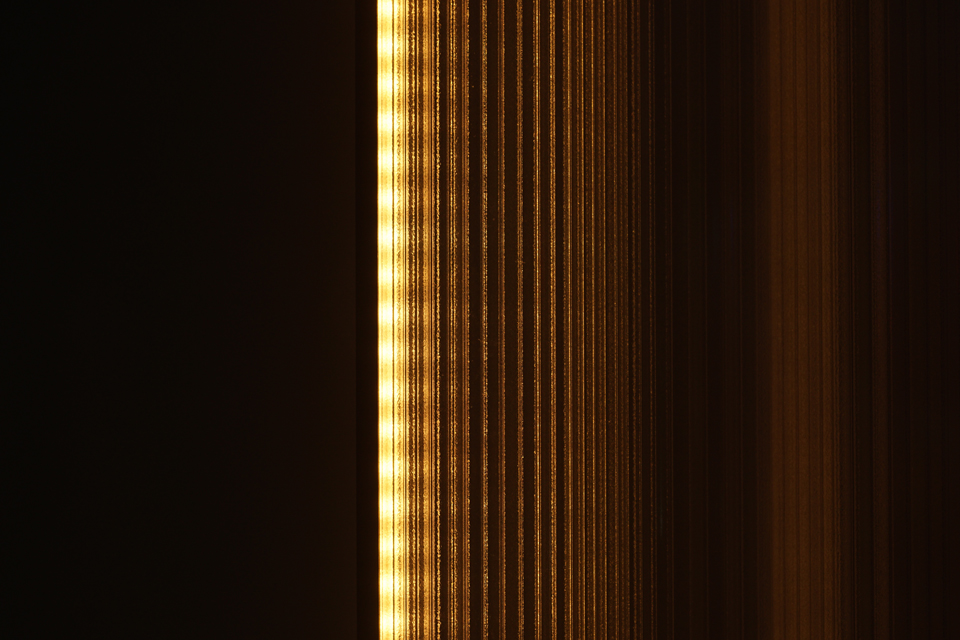
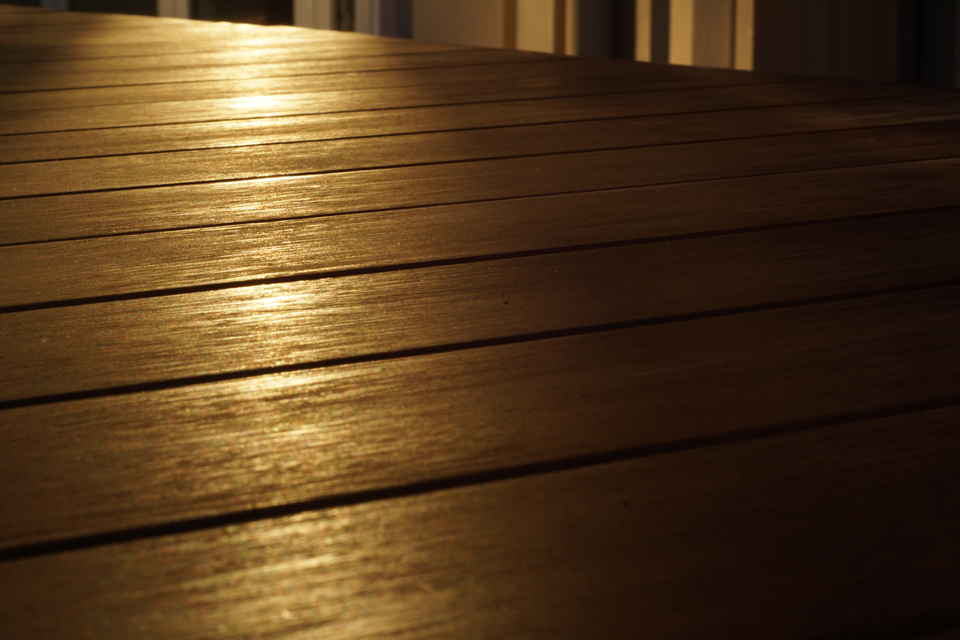
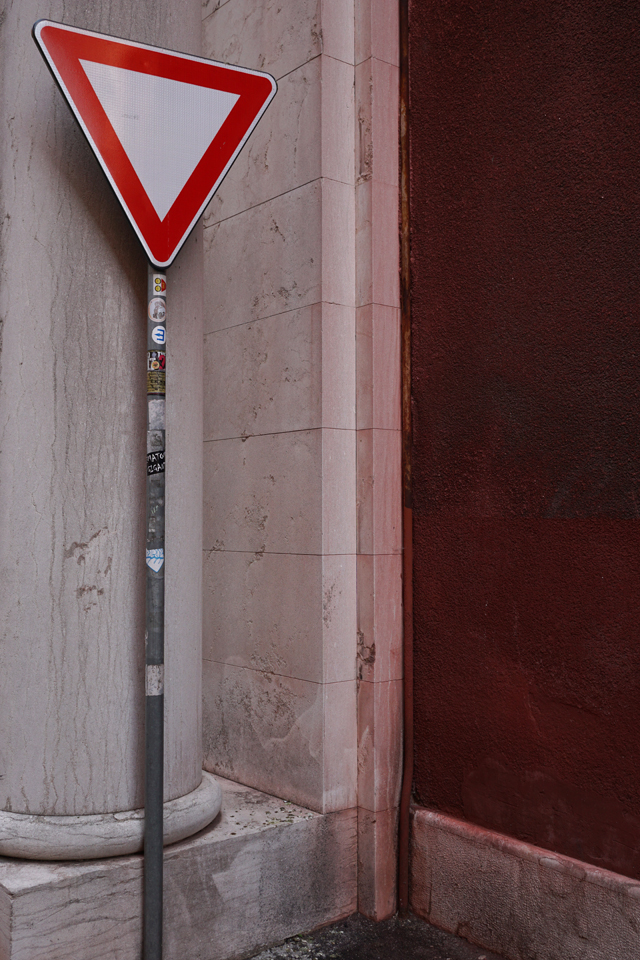
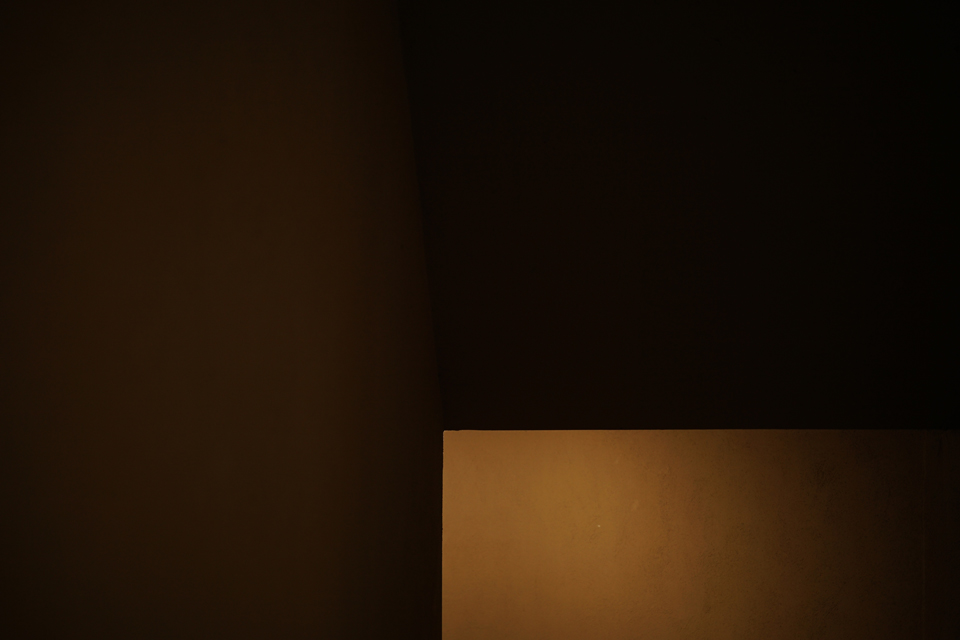
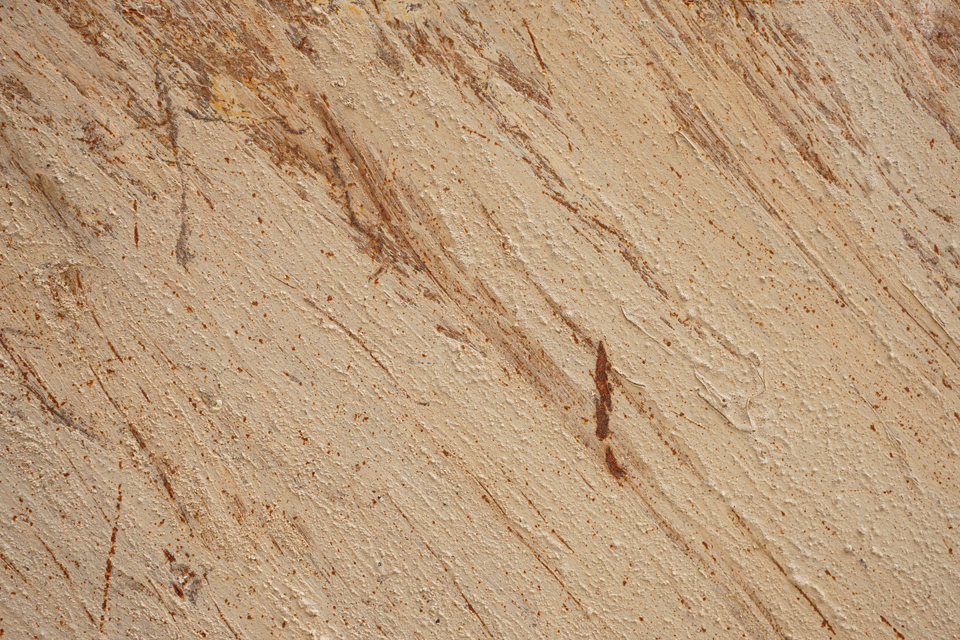
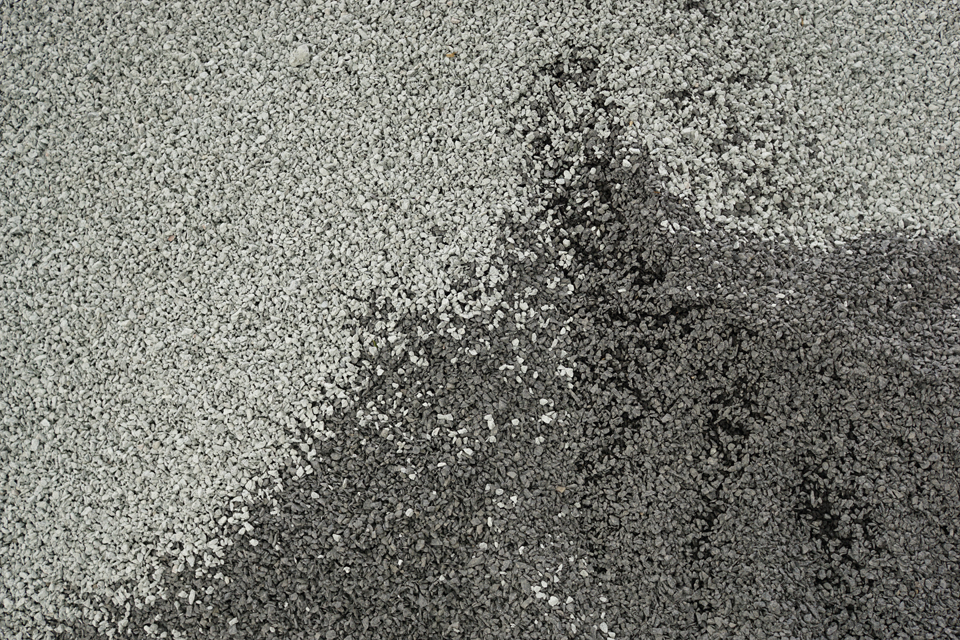
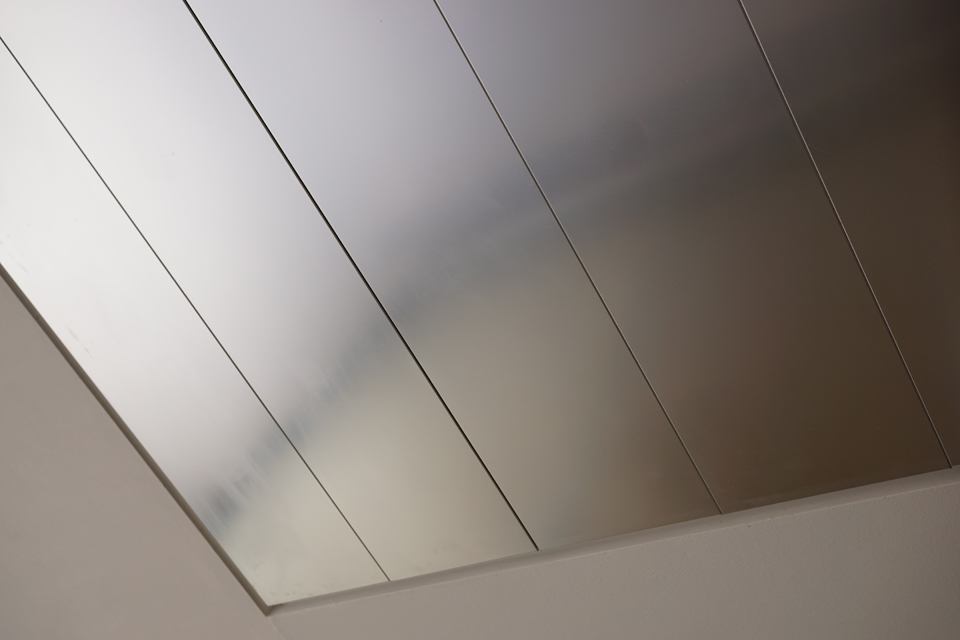
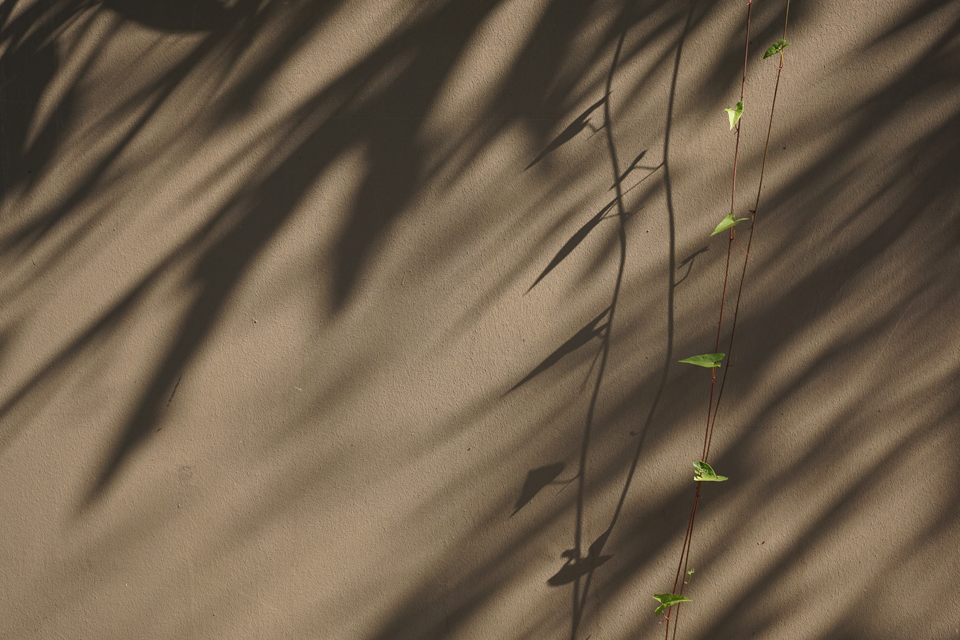
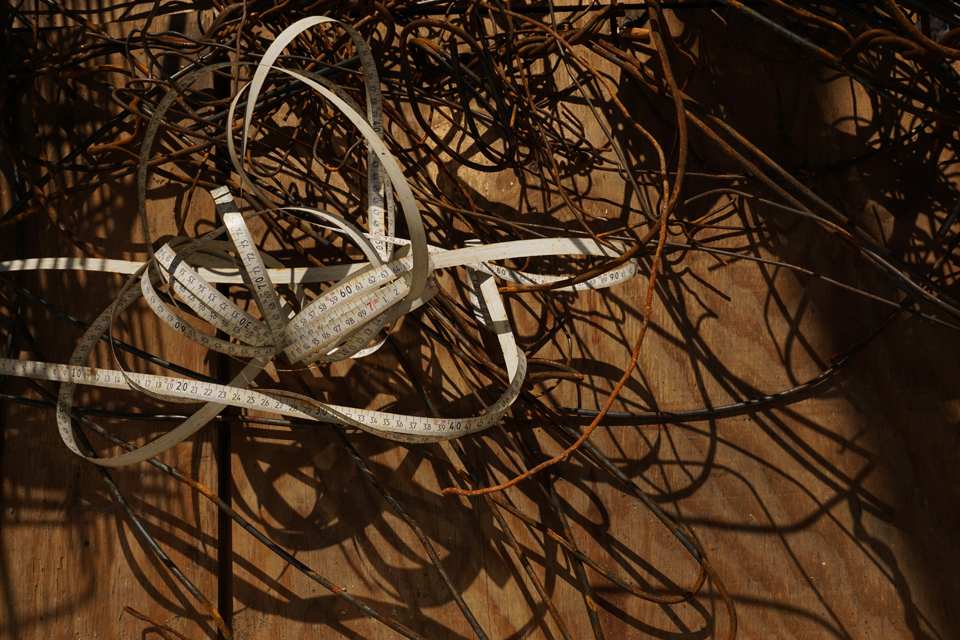
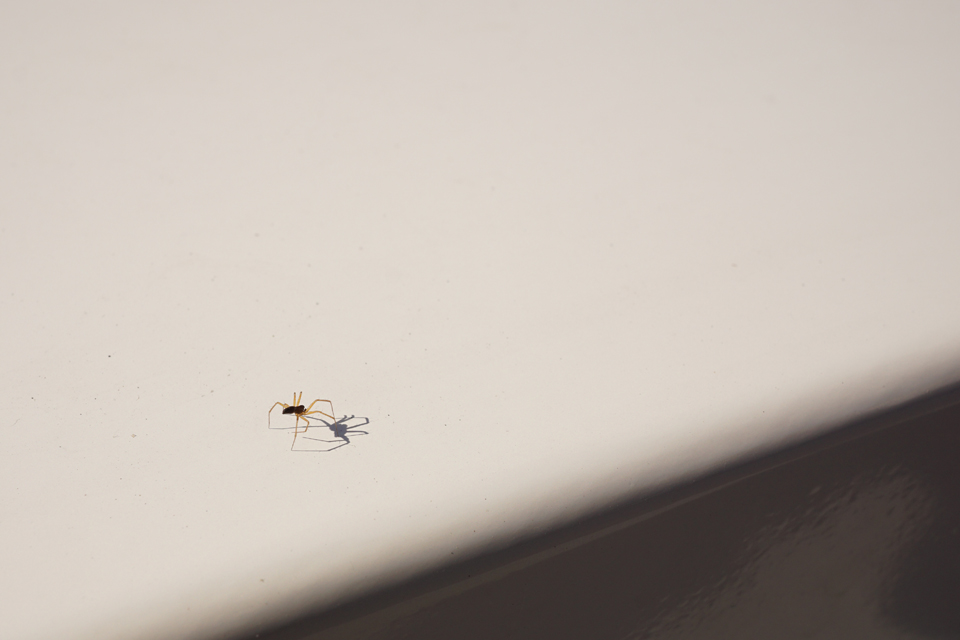
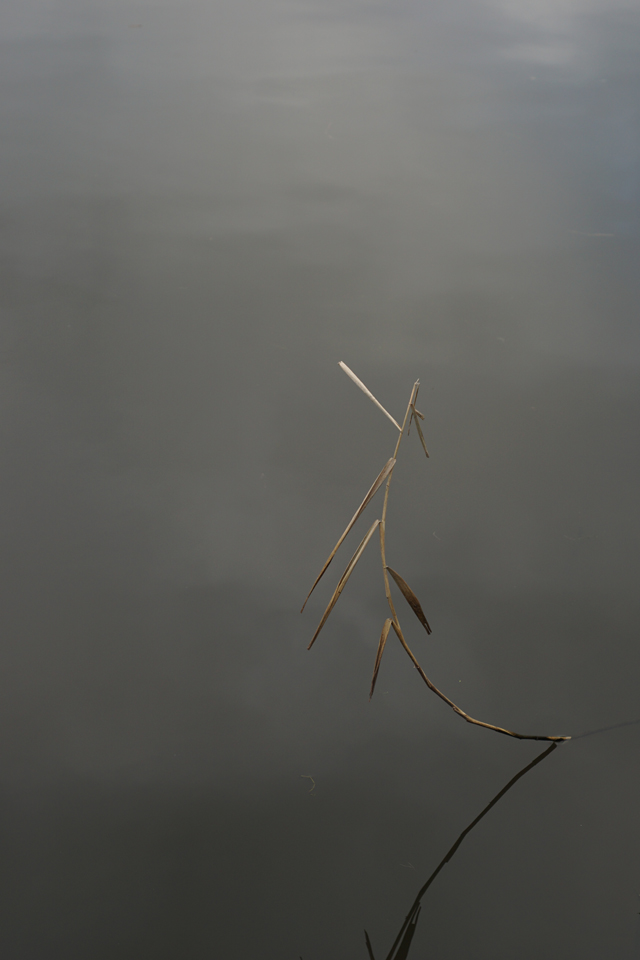
Magical Minimalism is this month’s theme at Paleica’s. When I described my understanding of Minimalism before, I said that minimal music can be quite hypnotic. So adding ‘magical’ is right to the point here. I also wondered if part of the effect of minimalism might be caused by the notion of not really being too sure of what you hear… Well maybe this also works with these pictures, in a visual way, in a way.

Minimalism

DSC05661-k

DSC05680-sk

In her monthly photo challenge, Paleica suggests we show some Magical Minimalism. Setting aside the magic, what’s minimalism? People knowing my pictures may be surprised I ask this  – but I am not a Minimalist. It is true that I often make use of a somewhat minimalistic approach to show what I have in mind: Minimalism always was a means for me, not an end…

I enjoy listening to minimal music, so let me focus on that. It can be highly hypnotic, and some of my favourite pieces – like Louis Andriessen’s Hoketus – make you wonder what you really hear. Hoketus is played by two small groups of musicians. Both groups play highly repetitive patterns – there are not even really melodies during the first few minutes. But as you keep listening to both ‘sides’, melodies seem to evolve.

It takes all the concentration you can muster to actually hear what the respective groups of play… I think Hoketus points to the basic elements of music such as pitch, timbre, and rhythm.

Without having done any reading on the topic, I would like to try and induce what Minimalism for the sake of Minimalism might be: A specific attempt to highlight (and question) the material or elements  used in the art work.

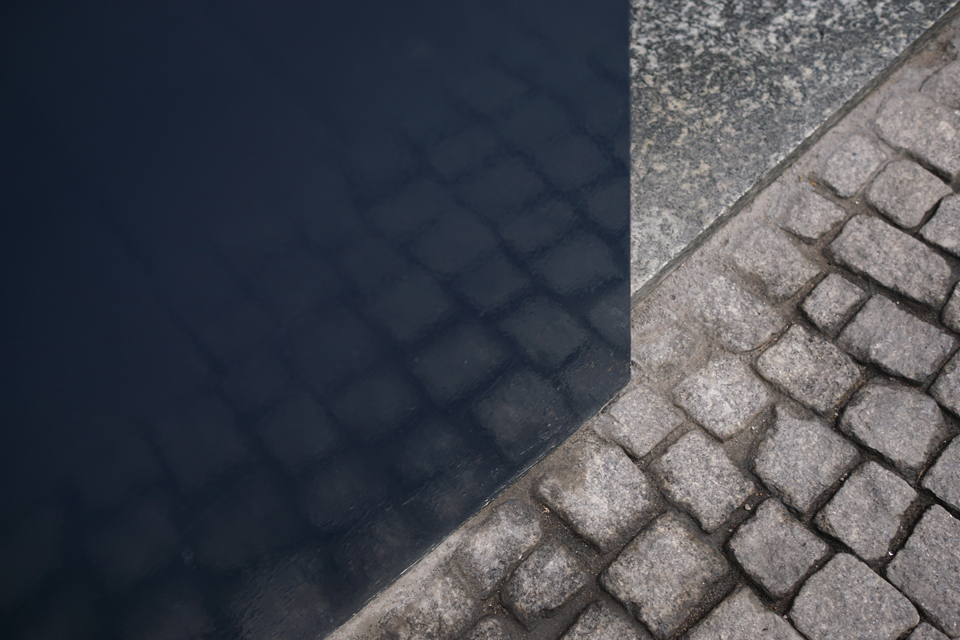
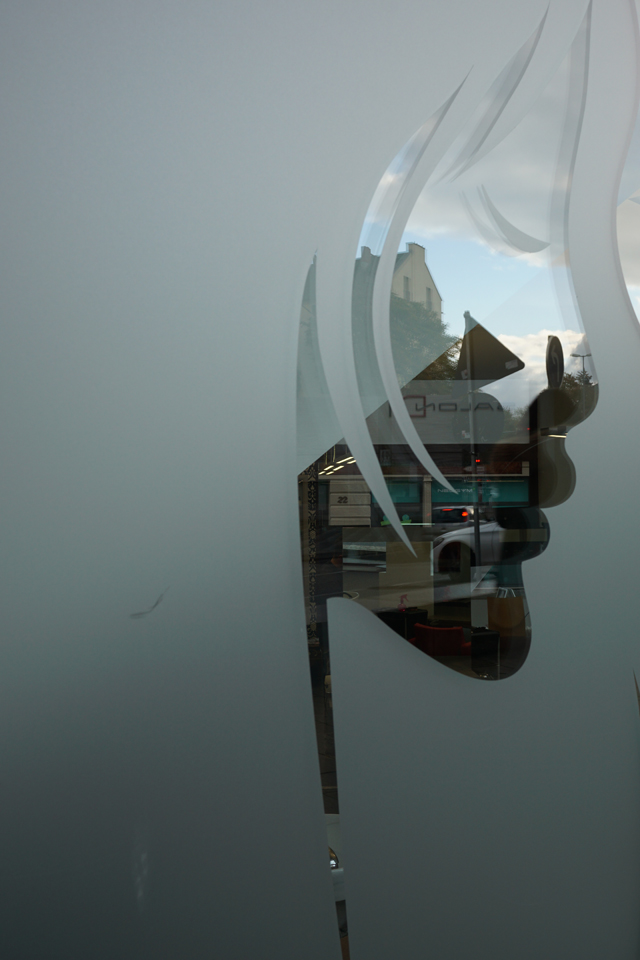
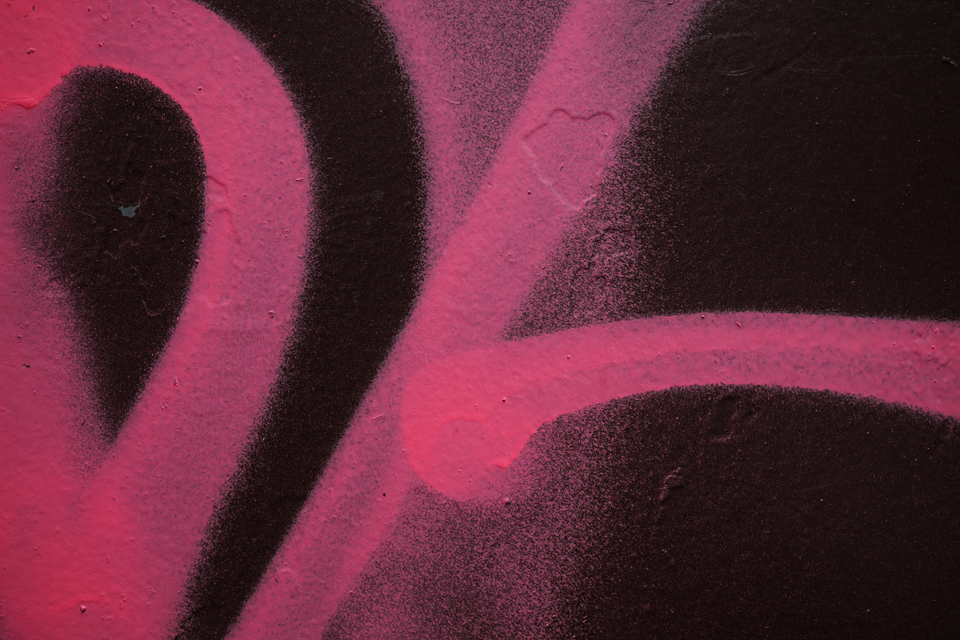
Now the first ‘element’ that comes to mind when we talk about photography is light. Here’s what I found when I tried to work my way from this starting point.

Here is an article on Minimalism I read after writing these lines. It is in German – but it seems to confirm some of my thoughts (for example, about materiality), so I thought I’d link to it for those of my readers who speak German.

Litfaß 25

DSC05200_L25-tk

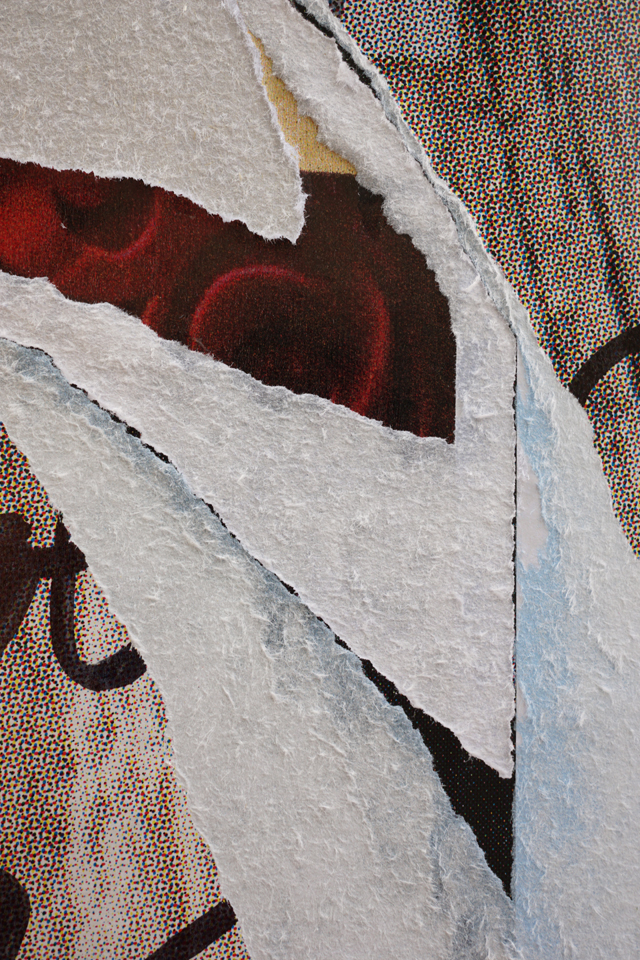
Litfaß: These pictures are important to me. About a year ago, I was looking for opportunities to focus on composition without paying too much attention to subject.

In this search I found Litfaßsäulen, advertising columns. On these columns, they attach one poster on top of the other. It’s standard procedure here in Germany, so if you look closely your realize the columns grow in diameter.

But there’s a local specialty in Wiesbaden: Somebody  writes over the brighter parts of the posters, leaving quotes from the Bible, sometimes advertising his ability as an exorcist. Later, someone apparently not liking these particular graffiti tries to tear off the poster pieces that have been written on. And then the ‘work’ of the writer and his (alleged) adversary may be covered with a new advertisement the next day.

This is what we are looking at in the pictures: They represent a ‘slice of time.’

Still, I am asking myself why I don’t create palimpsests from old books or magazines or travel brochures? They could look very much the same as these photos with one difference: The palimpsest would feel like first-hand reality (as opposed to only a representation of a first-hand reality).

Would that really be better? The photos enlarge the paper’s structure as well as the dots and details that come with the printing process of the poster, and fragments of handwriting. I feel like I am at the ‘inside’ of the posters.

I realize that part of these photographs’ fascination lies in view of this materiality – graffiti pictures showing similar compositions do not do the job as well; I tried it: They always fall a bit short of my expectations.