
 Conversation instead of presentation: A couple of moths ago I thought I needed a home page. But I did not do much with it, and it did not do much for me – other than that the blog almost vanished in the background and I could not show more than one picture per post on the blog’s first page. All looked good to me, but as I realized I love the experiment, the dynamics and the exchange of opinions more than just presenting, I grew more and more dissatisfied. So: Dear readers, here is a new layout I hope you’ll enjoy.
Tag: Place
Heterotopia II


Le structuralisme …
 … est un jeu magnifique!
Flying Home
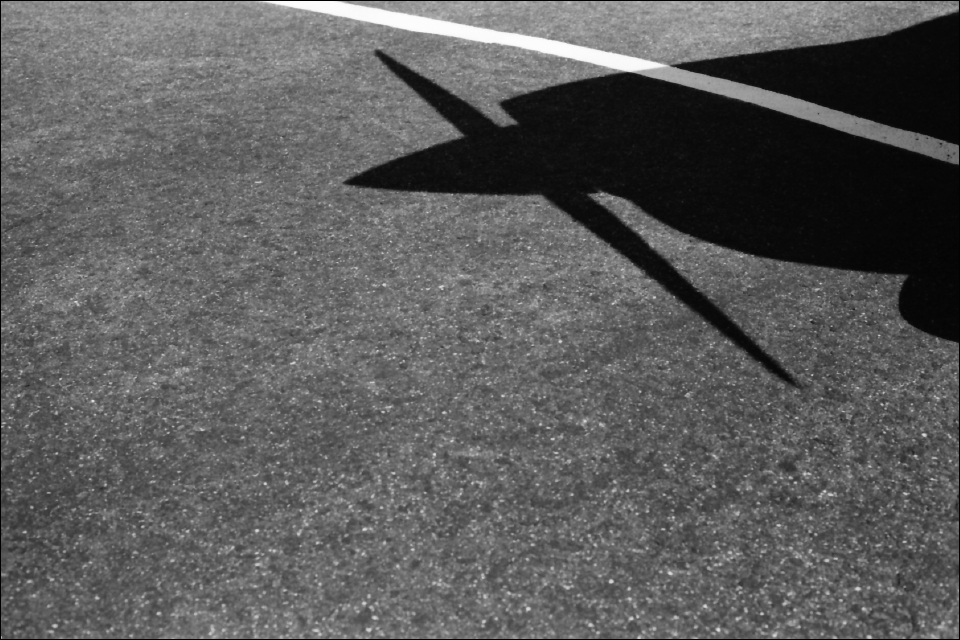
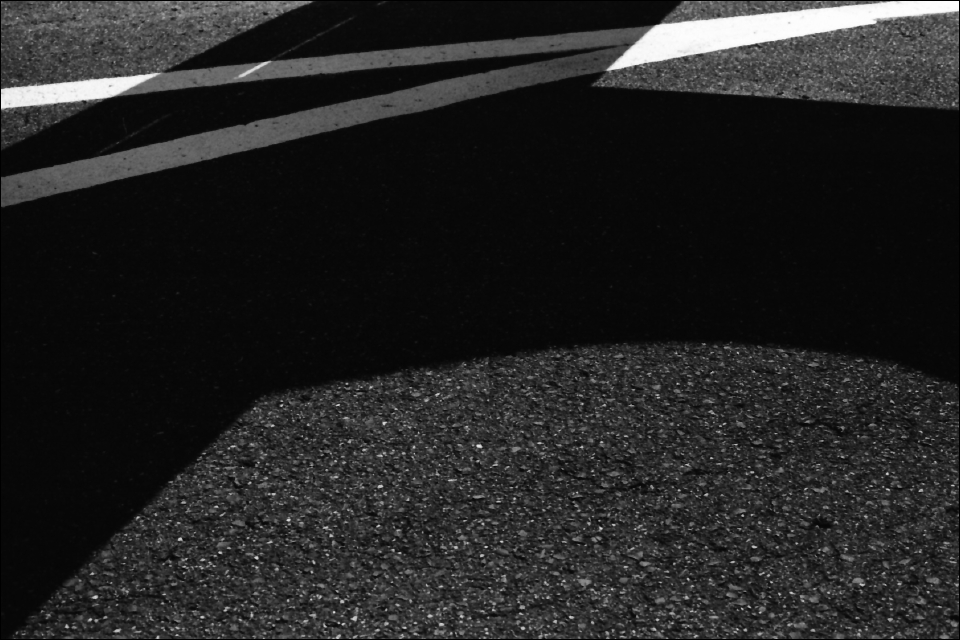
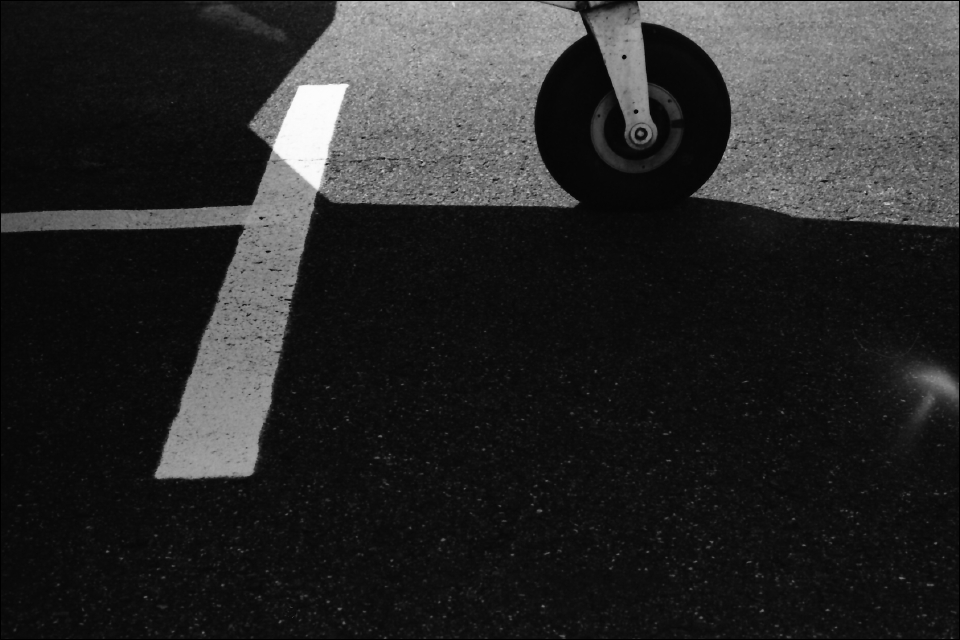 The notion that ‘a picture says more than a thousand words’ probably blinded us, leading us to believe that a picture must be an object that is complete in itself. But pictures are more dependent on context than we usually think. Instead of fighting this fact (and trying to create autonomous works), why do we not use context to our advantage, as a means to our ends? Think of comic strips.
Special thanks to air traffic control at Verkehrslandeplatz Mainz-Finthen (EDFZ) who allowed me to photograph their taxiway area.
Escape?


Of Heroes and Battles


The first picture shows the memorial for “Wilhelm I., Fürst von Oranien, Graf zu Nassau-Breda, Statthalter von Holland, Seeland, Friesland und Utrecht” (erected in 1908). Wilhelm was born to the House of Nassau as Count of Nassau-Dillenburg. He became Prince of Orange in 1544 and is thereby the founder of the branch House of Orange-Nassau and the ancestor of the monarchy of the Netherlands.
The second picture shows the obelisk erected to commemorate June 18, 1815 – namely the soldiers of the “Erste Nassauische Infanterie-Regiment Nr. 87” who participated in the Waterloo battle.
Up!
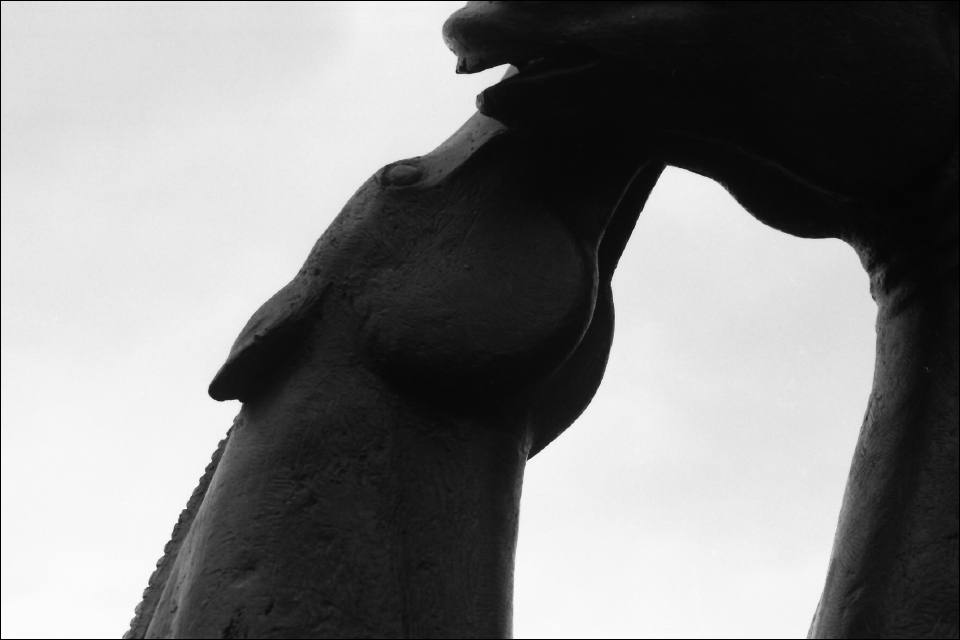
Spielende Hengste (Playing Stallions) by German sculptor Gerhard Marcks. The sculpture was commissioned by a local insurance company in 1962 and donated to the City of Wiesbaden in 1963. It refers to Wiesbaden as a host to the Pfingstturnier, an annual horse race of international scope.
If things pan out as planned, this picture will be part of a larger series called Le città e la memoria (another bow to Italo Calvino) which will explore landmarks, memorials, and some buildings.
This is my second contribution for the Weekly Photo Challenge.
This Way. That Way.

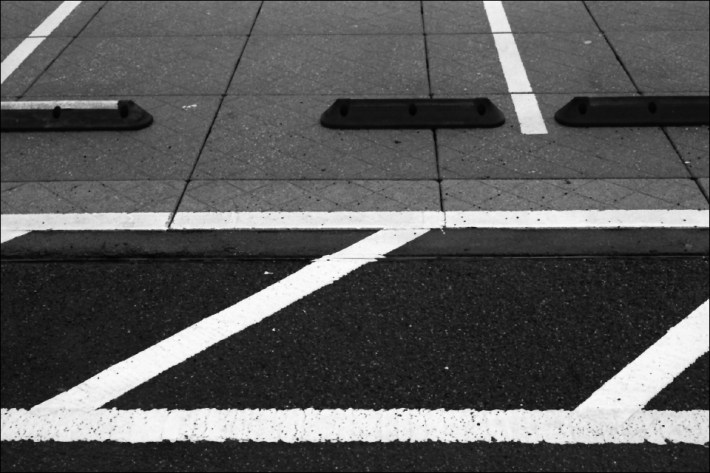
This Way? That Way?


Couldn’t Wait Till Lunch


My interpretation of this week’s photo challenge – lunchtime. Since this was inspired by the light, I could not wait till lunchtime. (I am in a different time zone anyway.) So here is the table, waiting for breakfast, plus some more pictures.
Neighbourhood



The Snow Queen’s Palace


Le città e il gioco. 8.
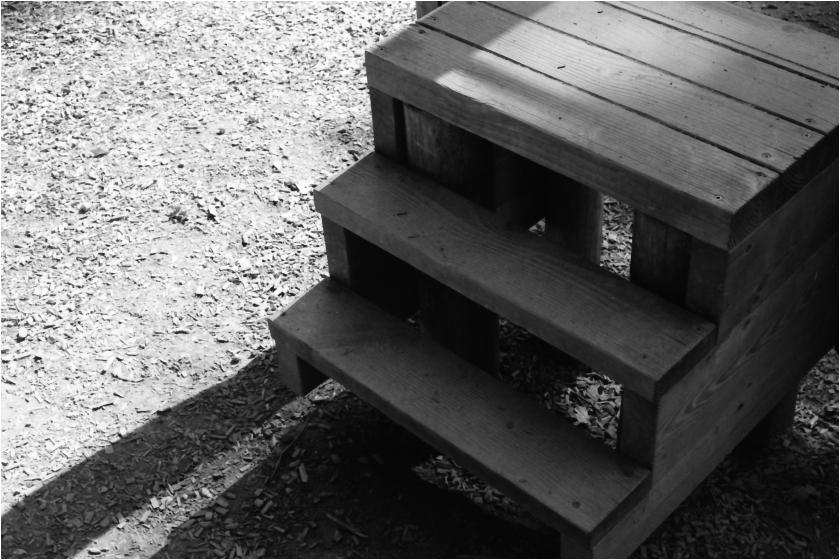
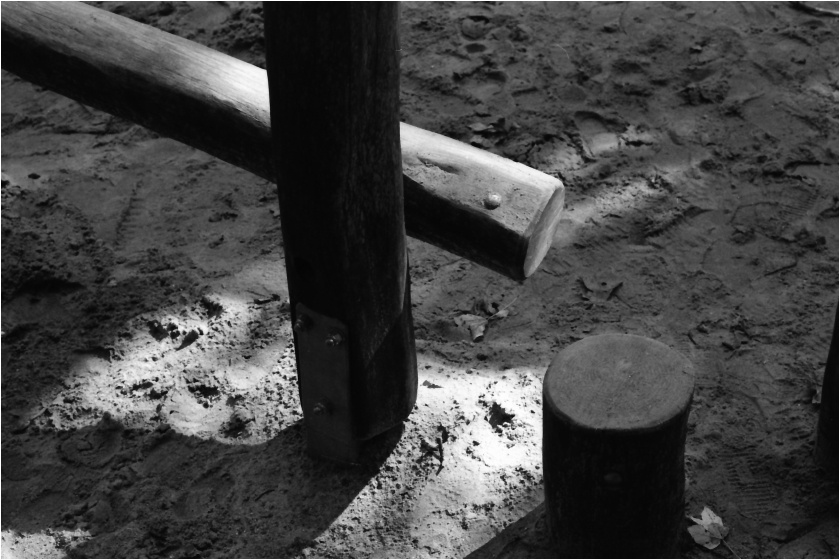 Just out of town, up one of the many valleys and creeks (near Leichtweißhöhle) there is this playground in the woods. Of the playgrounds I ‘investigated’ this one is most appealing due to its air of adventure. The trees surrounding this place account for special lighting conditions: Making pictures, you have to be patient – and then quick.
If you would like to see the whole series, please visit the Le città e il gioco gallery.
Le città e il gioco. 6.
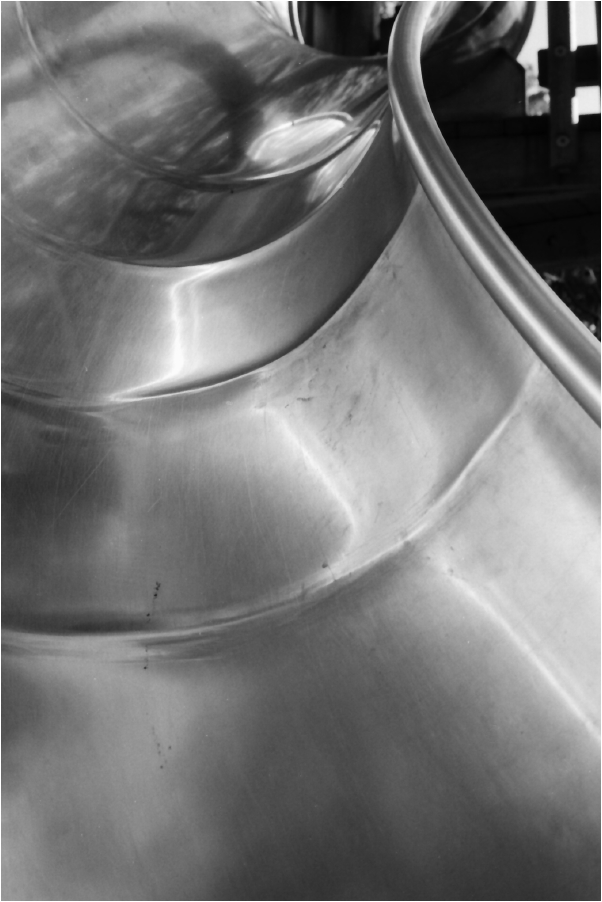 A contribution to the Weekly Photo Challenge (Reflections), continuing the playground series I started here.
A Hat, a Coat and …
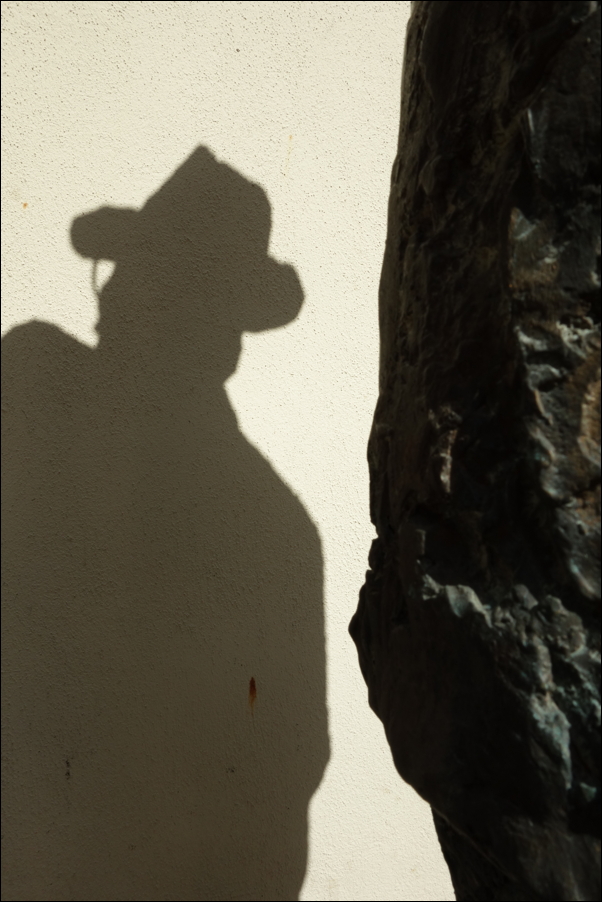
Light filtering through the vapours from the hot springs and wells of this city, the old buildings being reflected in a spill of water, sudden sunbeams hitting walls and floor of a narrow courtyard: Sometimes the daily vistas assume a touch of foreignness. Seeing these moments is all we have to do as photographers.
This idea formed in a discussion with Judith Bruder (see here) who nudged me to participate in this week’s photo challenge: Thank you, Judith! The picture shows the shadow cast by a statue. And while the chap originally looks amiable enough, his shadow reminds me of Philip Marlowe, who had “a hat, a coat, and a gun” – which accounts for the title.
Le città e il gioco. 5.
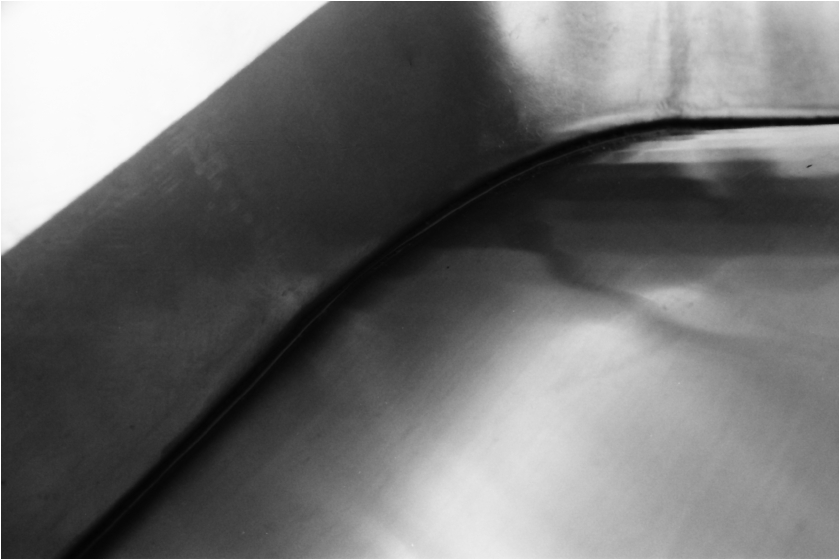

Not many games to play on Tränkweg (above), so I added a picture from Schulberg (below), both playgrounds are in Wiesbaden.
Le città e il gioco. 4.


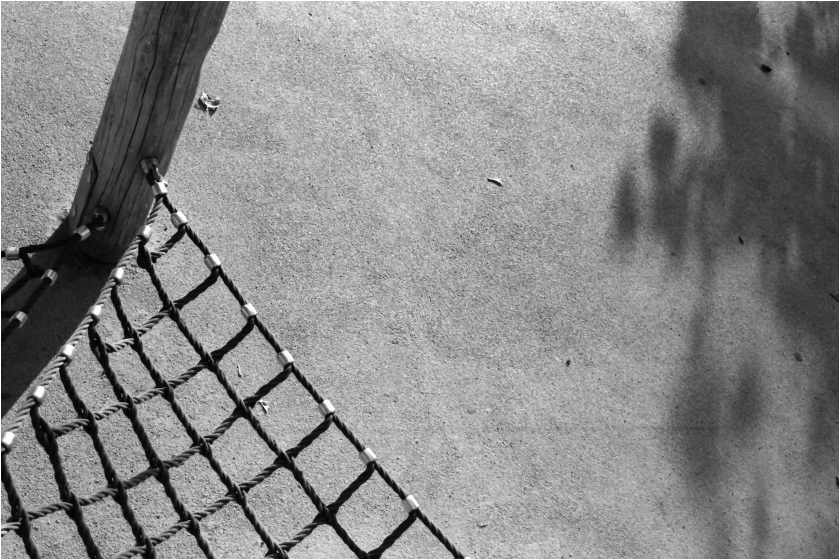

Le città e il gioco. 1.
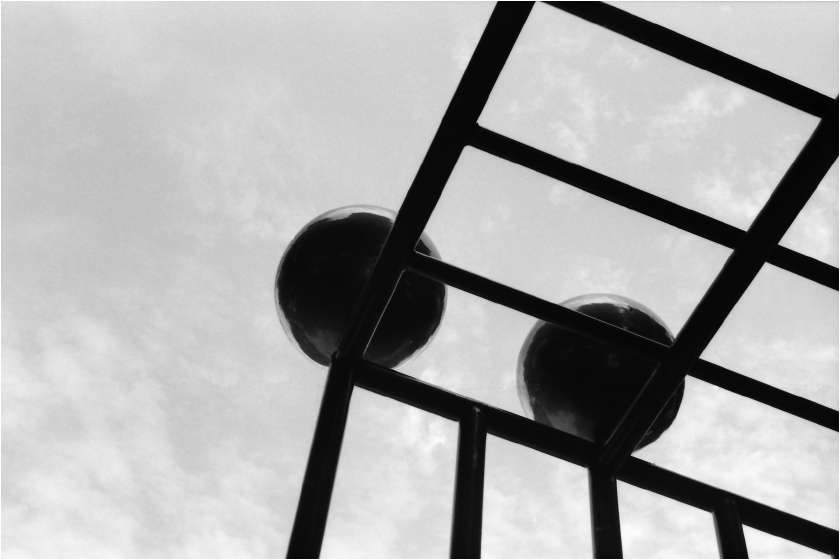
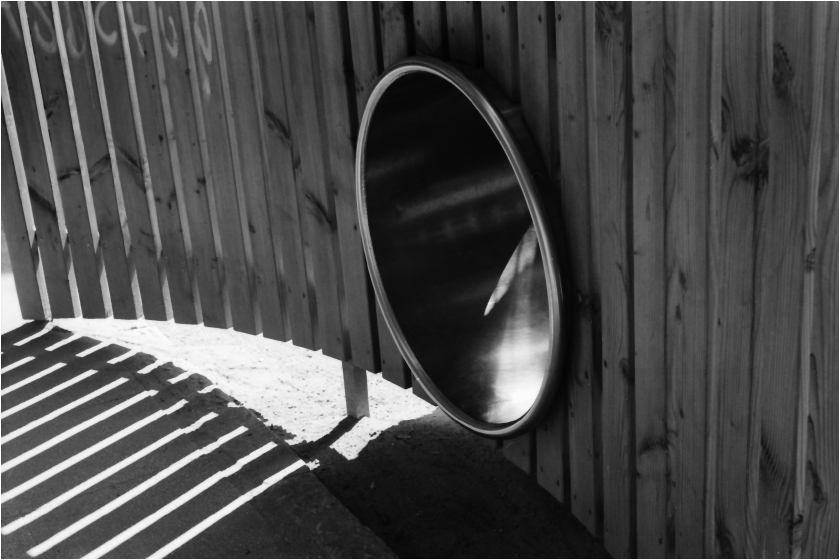 It cannot be known what Italo Calvino would have told us about the cities and the game in his novel Le città invisibili (Invisible Cities).
Would he have thought of strange objects defining particular spaces within the urban space? Would he have mentioned architects devising structures that seem to defy any sense of purpose? Would he have noticed that the seeming absence of rationality follows its own rules – rules that lie at the basis of an invitation to explore, dig, swing, or climb?
And what – if anything – would he have related about the inhabitants of these cities who so willingly accept these invitations at a certain age? Could he have said that those who are past that age just turn a blind eye at the cities’ appeal because they are afraid they, too, would willingly submit to it?
[In a certain ironic way, taking a camera to a playground, you do not have to be ashamed of being caught playing.]
Adolfsallee, Wiesbaden
Stone: Shapes

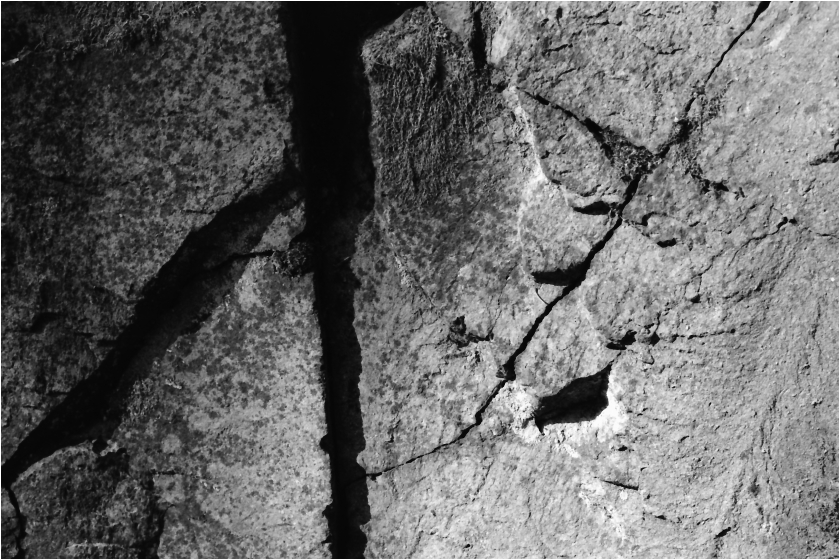
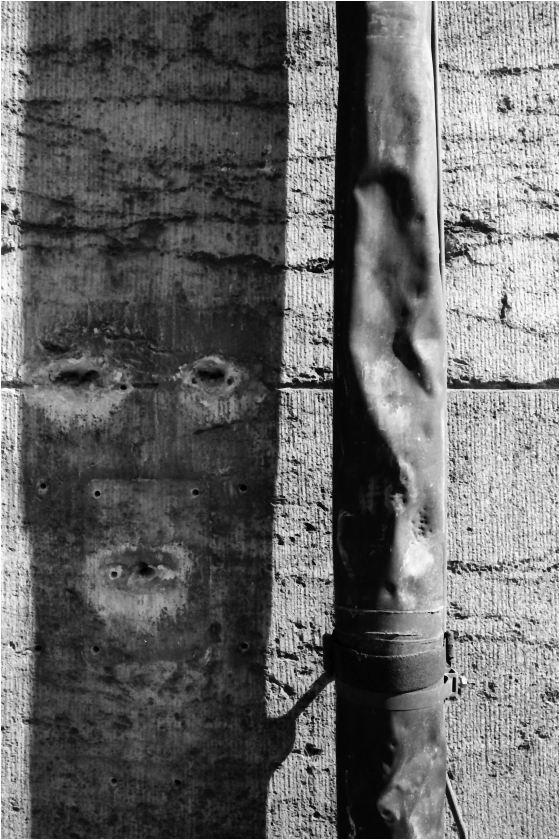
Returning to one of the original ideas of this blog, I would just like to try out different combinations of pictures. Now and then, it may seem inevitable I post pictures I have posted before, now putting them into a different context. I hope you do not mind my experimenting. I promise there will always be one new picture at least.
Face it!
 empire of lights