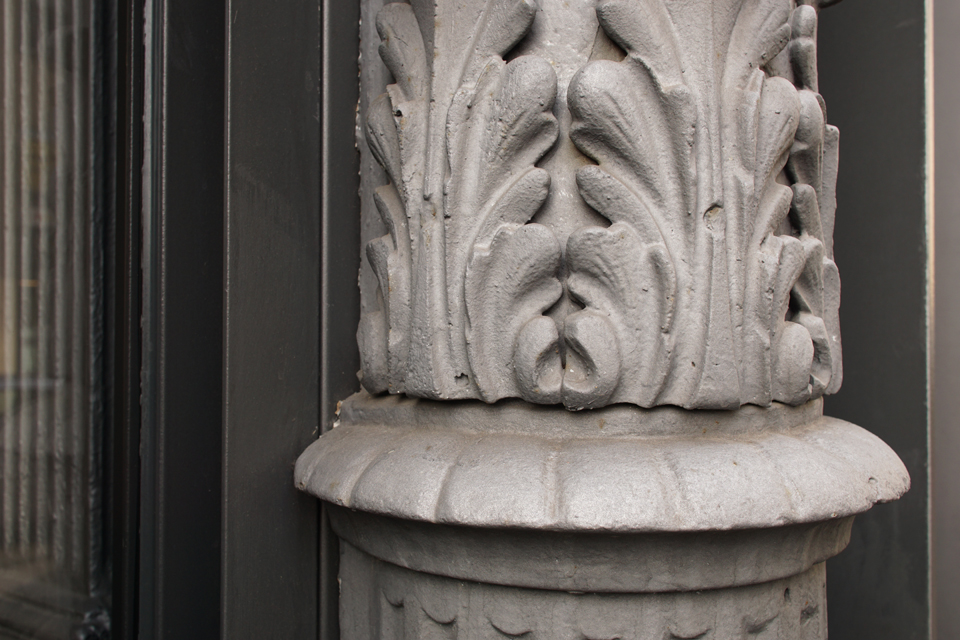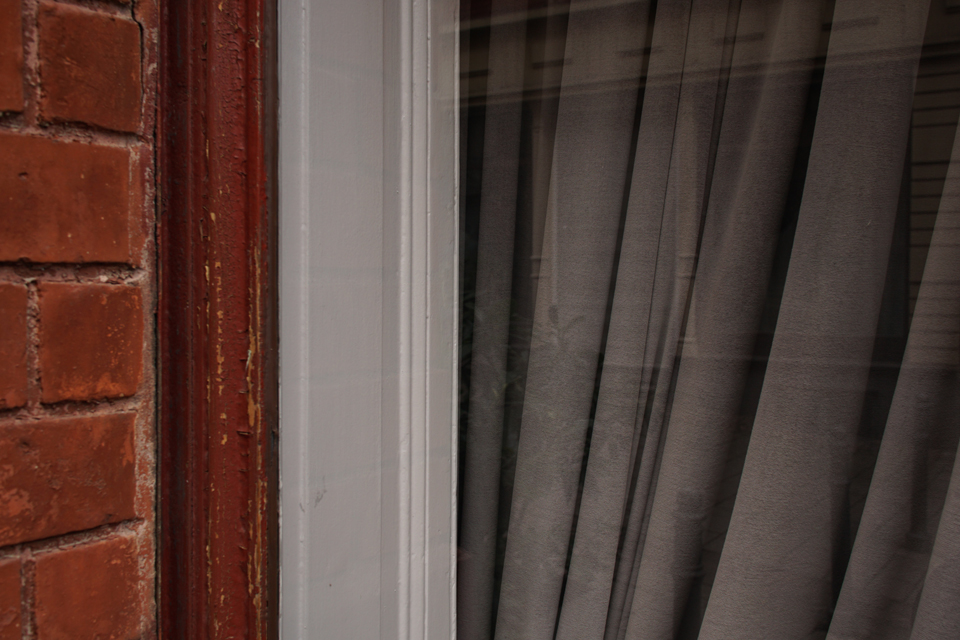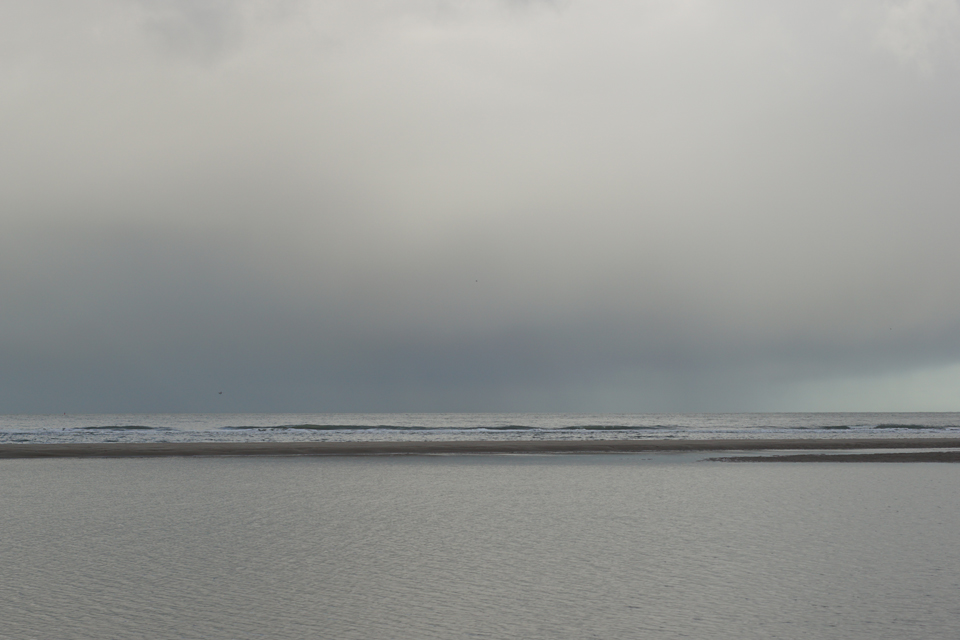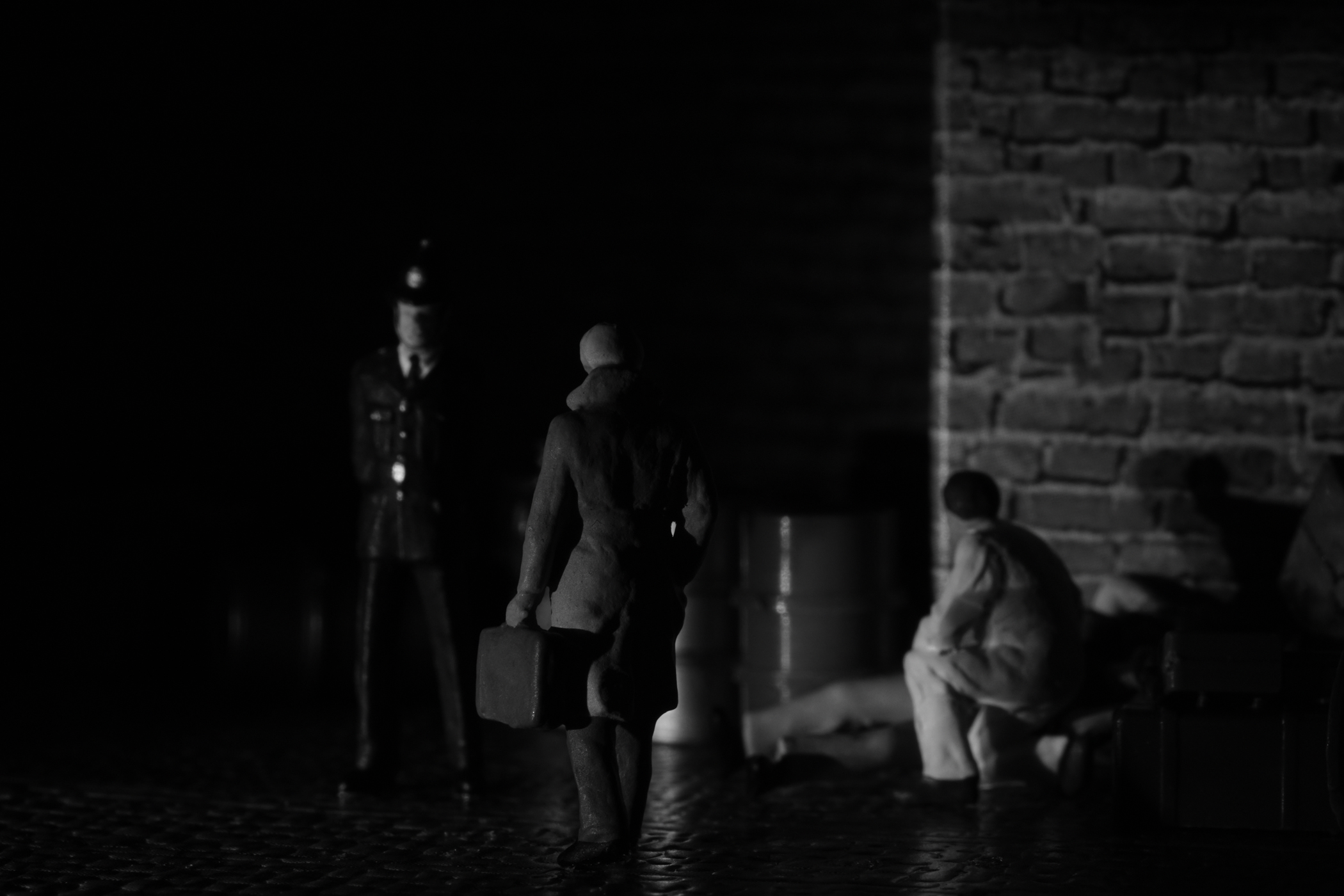
“That most recalcitrant of all witnesses…”

You’ll find the previous story here.

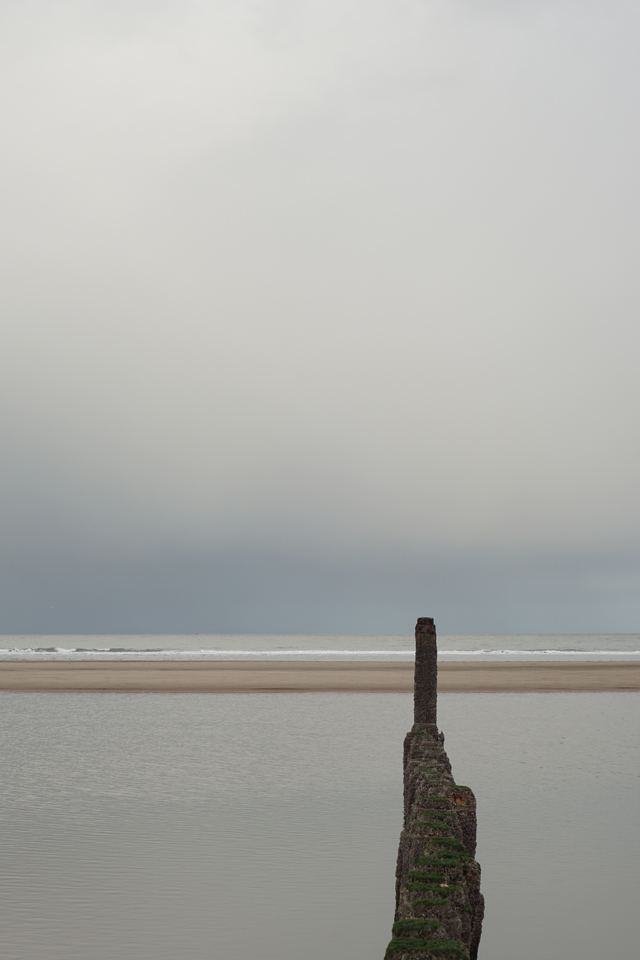
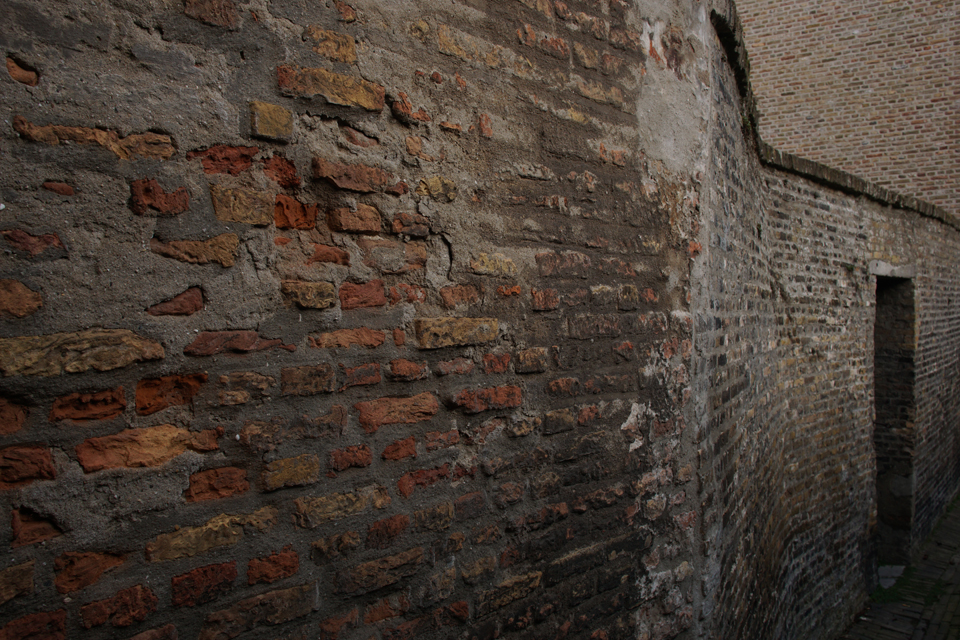
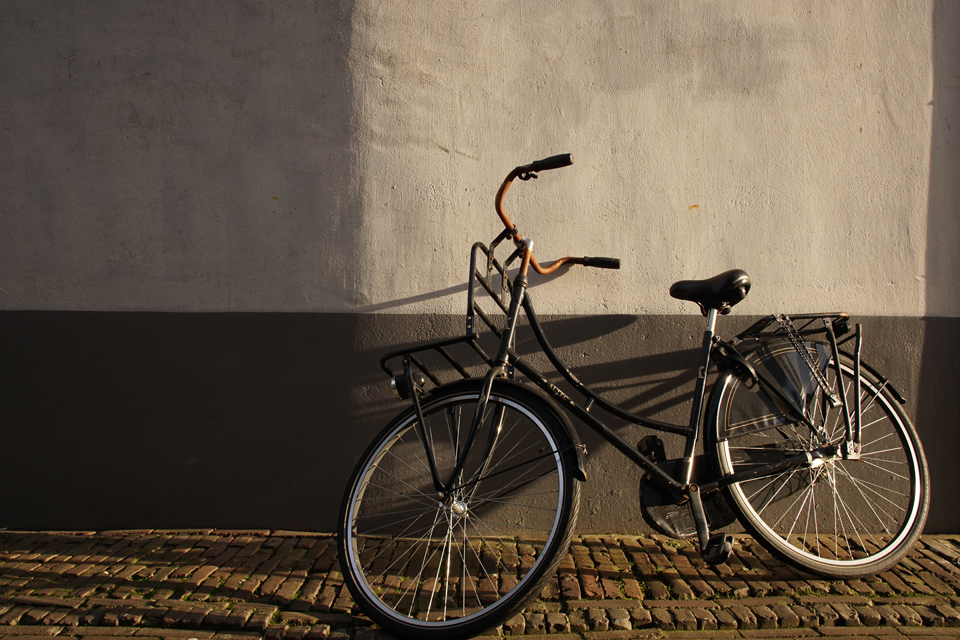
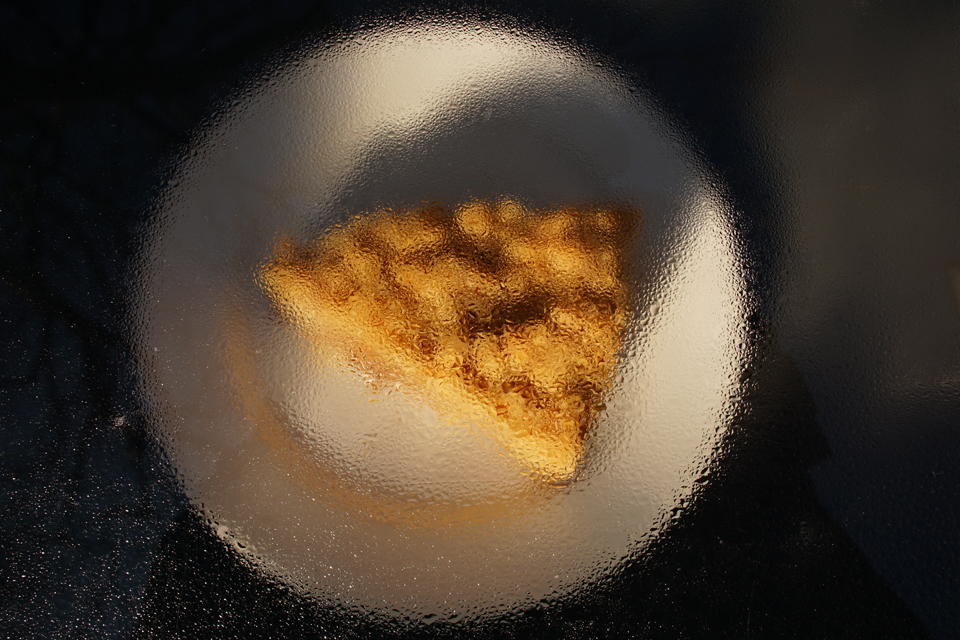
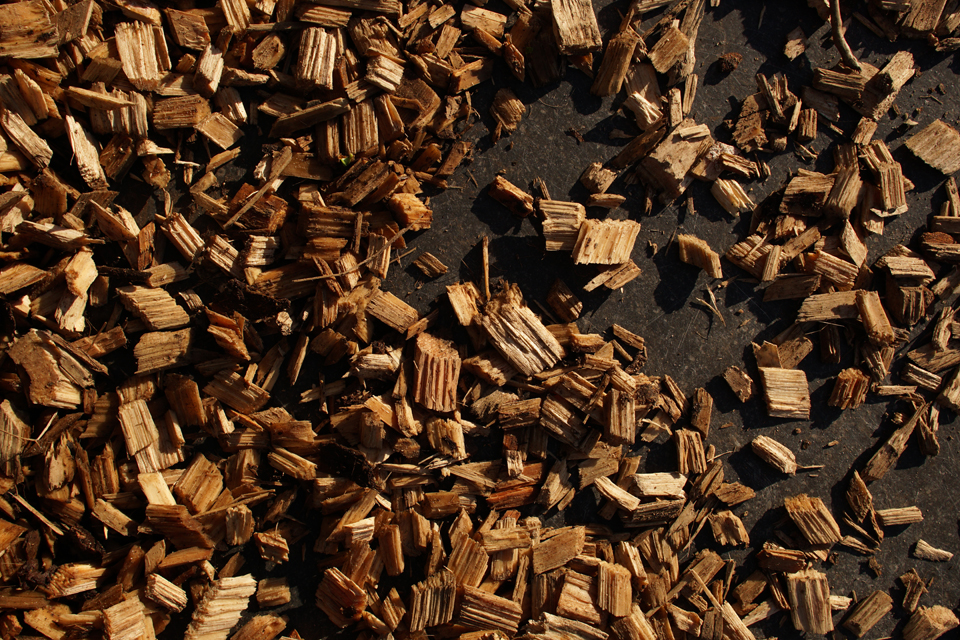
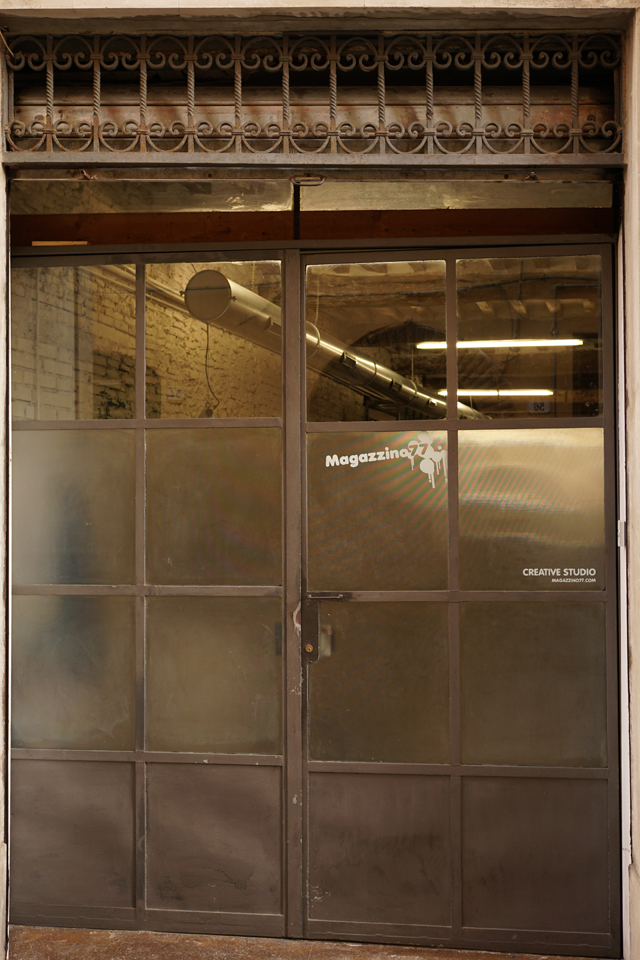
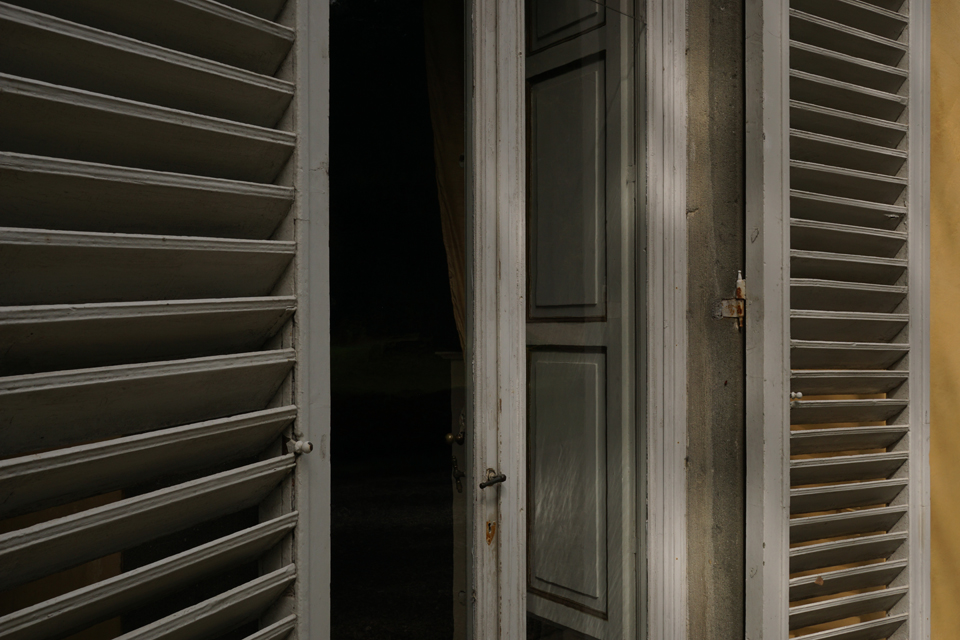
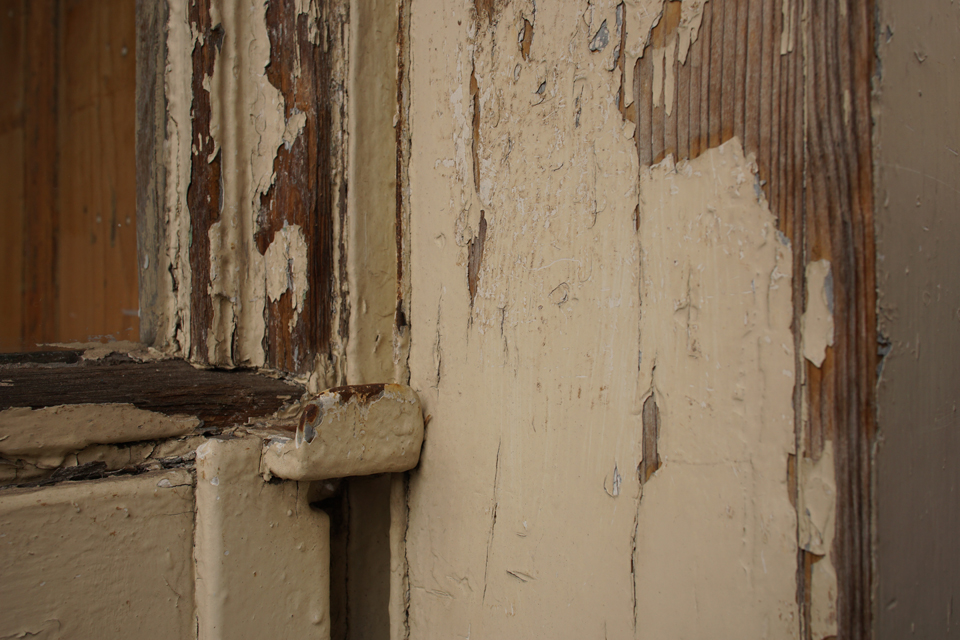
The quote is from a description of the obstacles faced by the hard boiled detective, he encounters “blocking figures of all kinds, from the professional criminals and their hit men to corrupt cops, siren women, and that most recalcitrant of all witnesses, a dead man” (Dennis Porter, The Pursuit of Crime. Art and Ideology in Detective Fiction, 1981). This is also my take for the Weekly Photo Challenge, if a somewhat ironic one. After all, “murder must advertise.”


Down These Mean Streets a Man Must Go

DSC07659+rm

DSC07685+rm

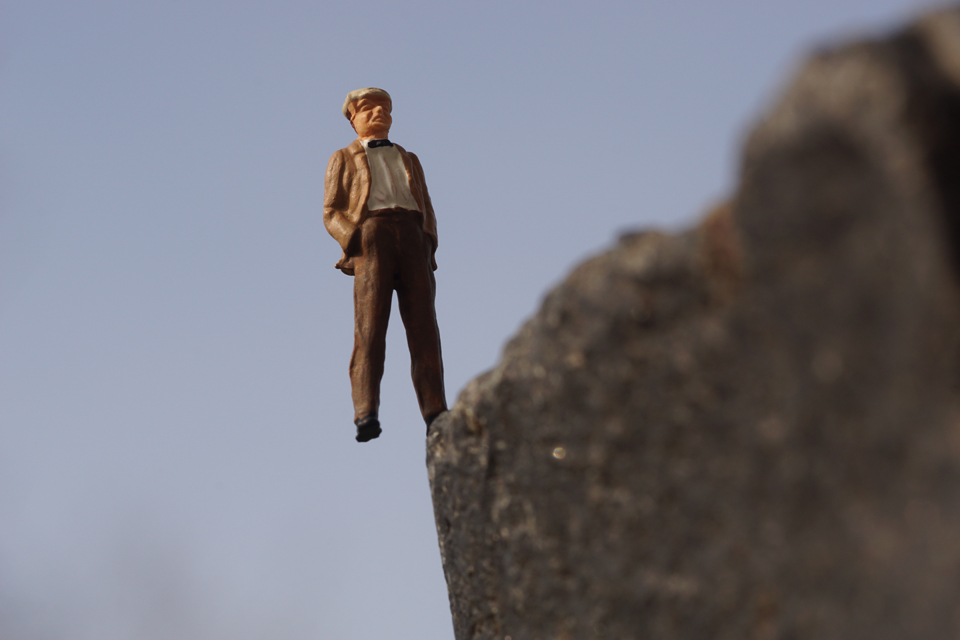
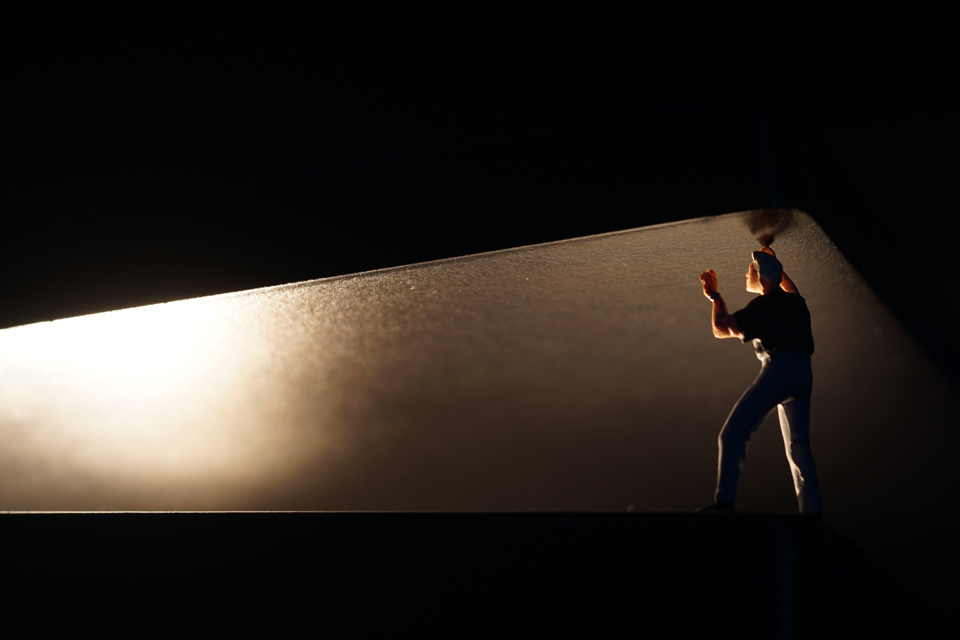
The little guy looked like someone I knew. Someone I knew from the times when most everything I had to do was reading detective stories, and writing about them. And figuring out how we all know what detectives look like without ever having seen one (it’s not the most public or popular occupation in Germany; detectives are shabby people in department stores waiting to snatch the occasional sock thief).

Well, the hat and the coat rang a bell, and I suspected there must be a gun, too. As chance would have it, there was also a very intriguing project suggestion at 100% Stuck in Plastic: Come up with three toy photographs in a narrative sequence, or, as ME2 put it: “3 images. An introduction, a cliffhanger, and an ending.” As things go, this ending may not necessarily be where the whole story ends…
Ah, and just one more thing: I set up a page where you will be able to see the story unfold (and probably change): Down These Mean Streets a Man Must Go.

In Over Their Heads

dsc07454-k

To be in over one’s head, lit. bis über den Kopf drinstecken, equiv. etwas wächst jemandem über den Kopf, fig. (English phrase) to be involved in a difficult situation that you cannot get out of

…and while I look at this picture, a German classic comes to mind: Der Zauberlehrling (The Sorcerer’s Apprentice) by Johann Wolfgang Goethe. It is about this magical broom not quite obeying the apprentice… Follow this link for this poem and its English translation.

Strolling

dsc06984-k

dsc06987-k

dsc07006-d-03k

dsc07013-k

dsc07007-k

Strolling around the towns of Middelburg and Veere. Though we come here regularly, I rarely photograph (always preferring the dunes and the sand and the sea), so I thought I’d share these for a change. The atmosphere and the light were just right … and I had brought my camera to what was originally an outing to have lunch. Thanks to my wife for her patience. | This is another contribution for Jo’s great Monday Walks – join her…!

Finestre

dsc06198-k

dsc06285-k

dsc06145-k

dsc06036-k

Fenster und Fassaden is Christina’s Magical Motto of the Month. And this time, I just seized the opportunity to show some windows (Fenster) I collected during our last trip to Italy, mainly in and around Lucca. I am always fascinated by glass and by the many shapes and designs of windows people come up with.

Please check out the other façades and windows at episoden.film! There are always great contributions to be seen there – and while Christina’s blog is in German, pictures know of no language barrier.

Against All Odds

dsc07384-k

This was the original idea:

Jemandem den Boden unter den Füßen wegziehen, lit. to pull the ground from under sb’s feet, equiv. to pull the rug from under sb’s feet, fig. (German phrase) to threaten someone’s existence

…but it also looks like this guy is standing up on the cobblestone against all odds, so this also seems to be an appropriate contribution for the Weekly Photo Challenge.

Auf seinem eigenen Stern

dsc07325-k

Er lebt auf seinem eigenen Stern means “he’s living on his own planet” – almost literally, since Stern is a star. The figurative meaning is the same in German and English.

So much for translating… This is my contribution for Thursday’s Special at Lost in Translation where you can pick a word from this list: radiant | alimentary | frontal | arboreal | remote. I picked the first one, and maybe the last.

And there is also an alternative take.

dsc07318-k

Dunes

dsc06899-k

dsc06887-k

dsc06898-ek

dsc06885-k

dsc06883-ek

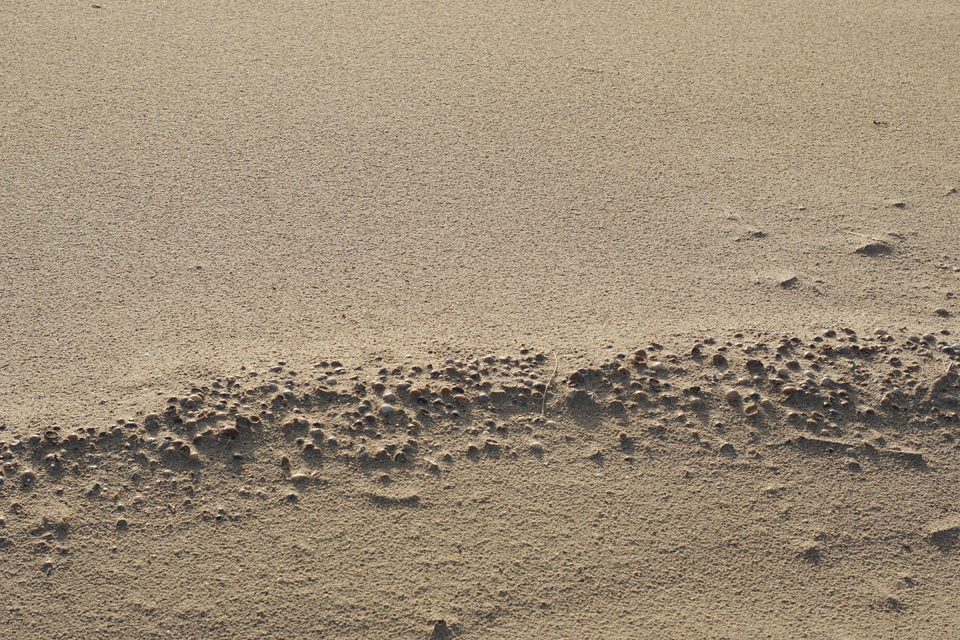
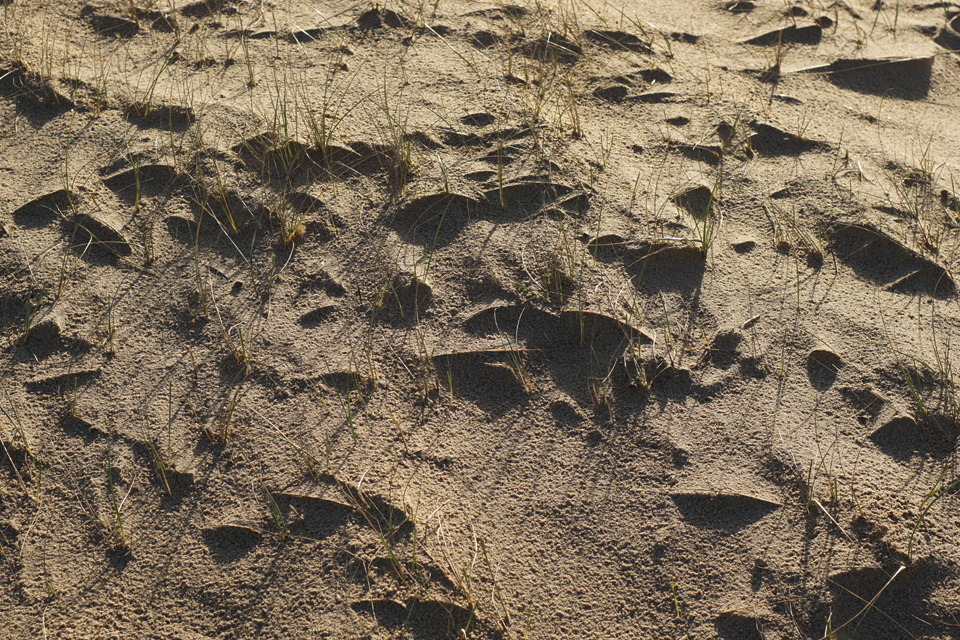
Like Jo at restlessjo, I love to walk on the shore. On Walcheren (southern Netherlands) the shore comes with great dunes. On this particular walk, the winter light invited a closer look at details. The sand looks quite rough because there had just been a little rain and wind did not have enough time to smooth the surface afterwards. I would like to contribute this post to Jo’s Monday Walks.

You can join Jo for her latest walk here.

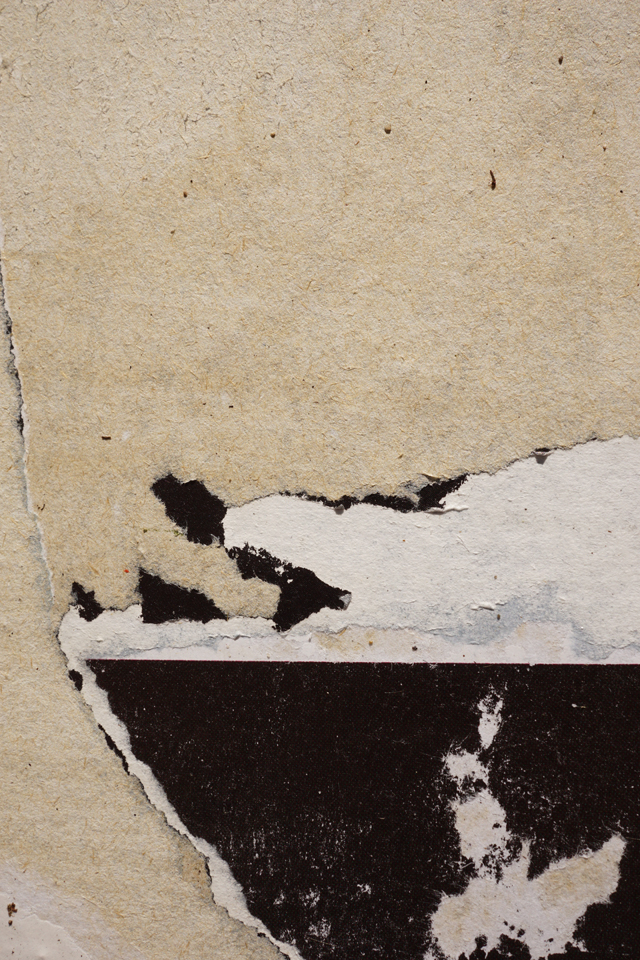
Litfaß 28 (Diptych)

DSC05242-k

DSC05239-k

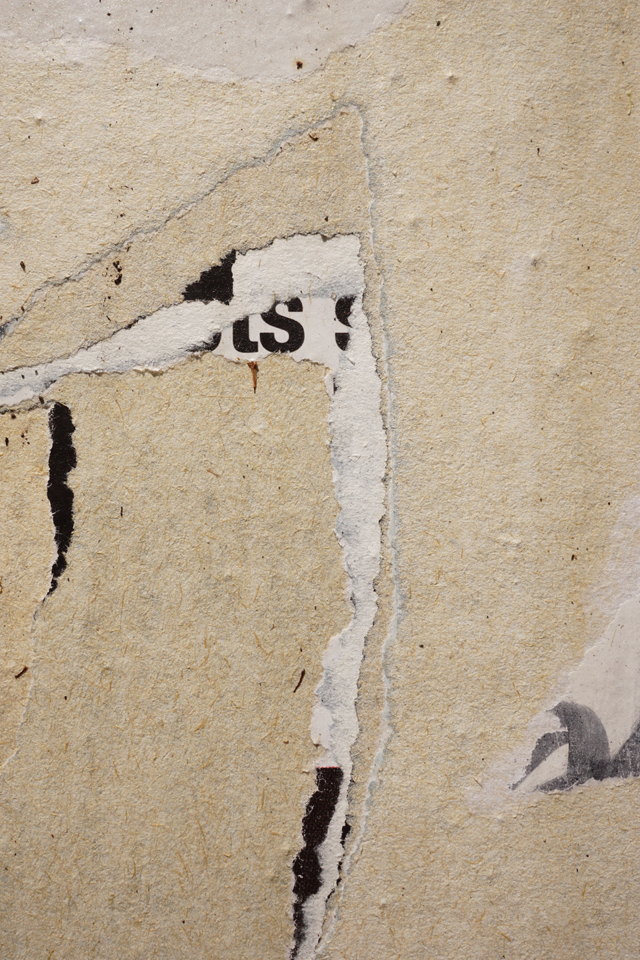
“I’m not interested in the texture of the rock, or that it is a rock, but in the mass of it, and its shadow.” Ellsworth Kelly

What could abstract photography be about? I think we might get an idea when we borrow terms from music: Abstract photos, for me, should be about composition, about tonality and colours, about harmony and disharmony, measure and rhythm… and pauses. It is about organizing noise.

That’s what I am looking for in an abstract photo, and trying to accomplish. The ripped-off posters above come close to the idea. Ironically enough, abstract as they may be, they might also be more documentary than most of my other pictures.

This is my second contribution for Paleica’s 12 Magische Mottos, this month’s magic word being abstraction.

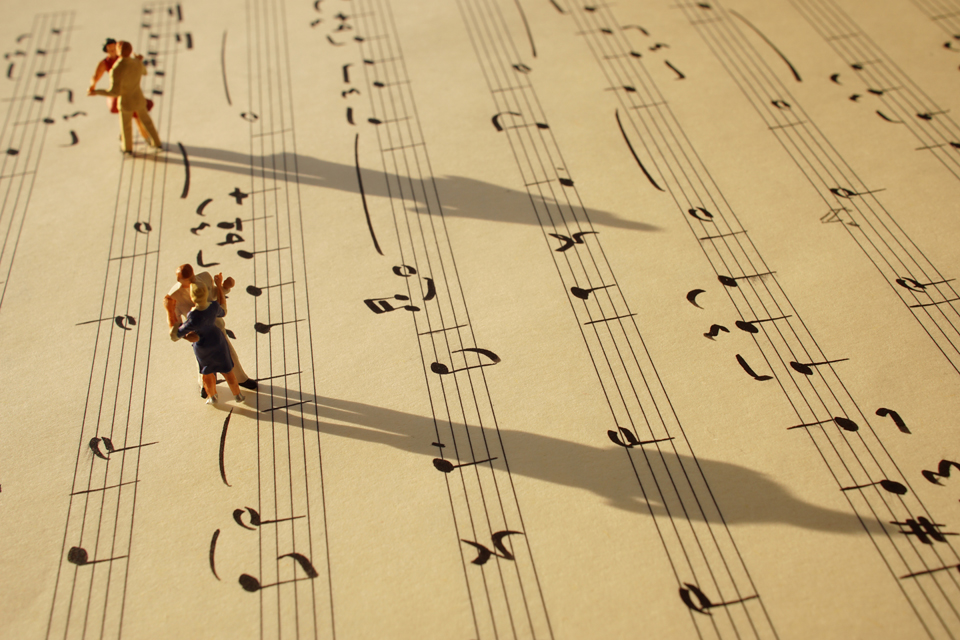
On the Same Page

dsc07273-k

Dear readers, a keen dancer myself, I would like to ask you for a little dance… or get on the same page with you – whatever works for you. 

dsc07272k

The above picture is part of a series called “Worlds Within Words.” Exploring figures of speech I realize that idioms derive much of their appeal from allowing charming glimpses into different cultures: Isn’t it wonderful that Italians say lavish persons have holes in their hands and the Dutch advise you to tread carefully and not wear clogs on ice? I love that – it’s vivid!

So here is the score: Please help me out! I suggest two ways to do so:

  1. Think of your favourite figure of speech. Think of a picture to illustrate it. Make the picture. post it and link to it in the comments. And please link to my blog in your post so people can find this challenge.
  2. Think of your favourite figure of speech. Mail it to me (or put it into the comments) along with an explanation of the literal and the figurative meaning if it is not in English or German. I will then try to come up with a good picture  of my own – and link to your blog.

I hope you can join me here – and have fun looking into the schedules of different trains of thought (could not resist this one).

As the pictures show graceful dancers, I also see them as a contribution for the Weekly Photo Challenge.