 A second perspective on this week’s photo challenge: Objects that are just there, out in the open – provided by a community, for a community…
Author: Tobias M. Schiel
Abstract arts lover, Jazz enthusiast, mystery buff, compulsive reader - and how do I get it all into pictures? Photography has been a good way over the last couple of years.1. .
Community


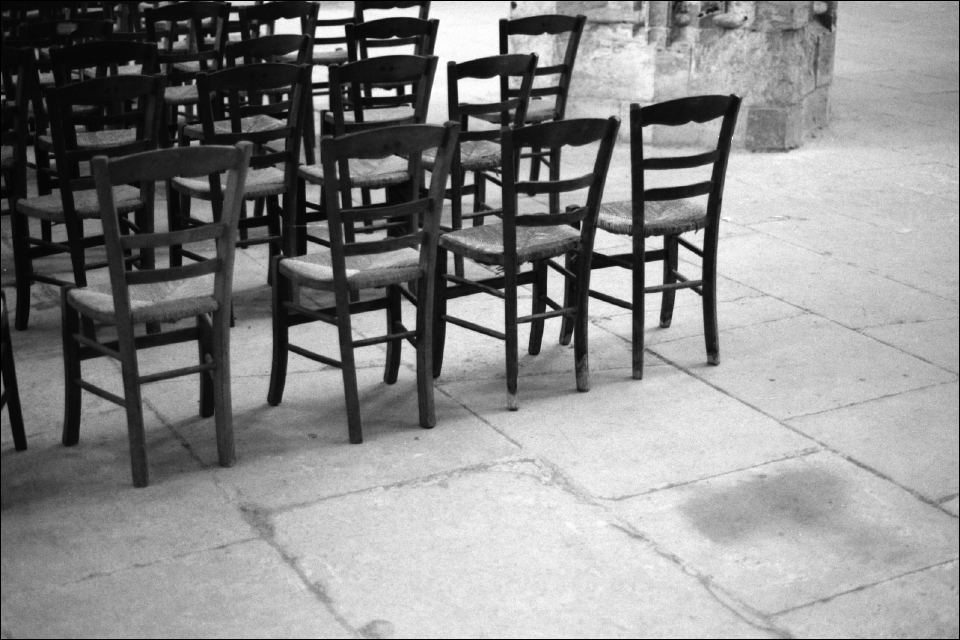 “In your photos people are not there, but I see them”, wrote Vanni in a comment. I think that’s a good motto for this post – my contribution for the Weekly Photo Challenge.
Plato’s Cave Revisited. (Ironworks.)
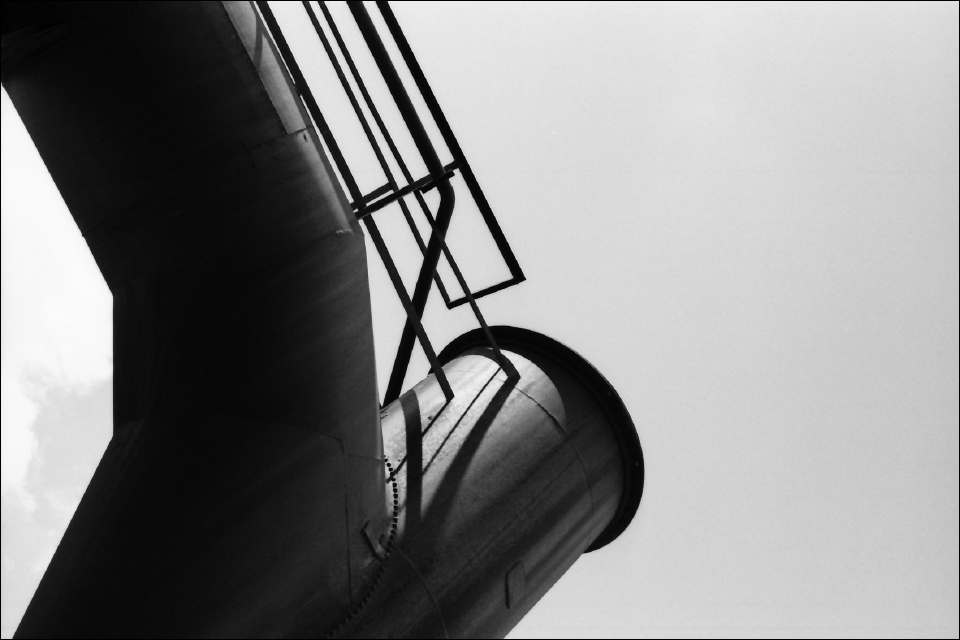
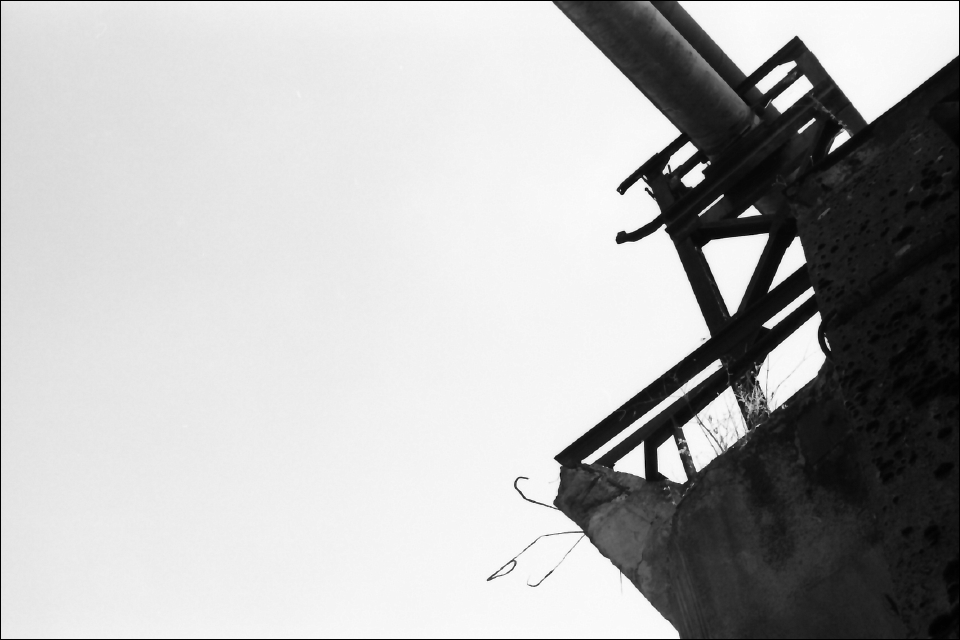
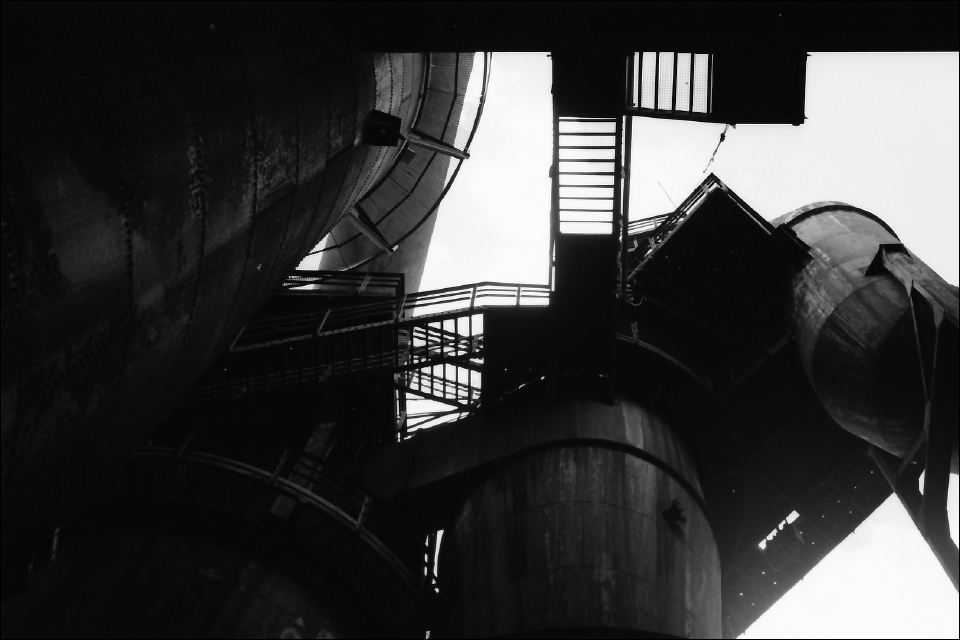
“I look and sometimes I see,” writes Siri Hustvedt. That could be a good start for a photographic process. When and if I see, I sometimes use my camera to report it. Occasionally the resulting photograph resembles what I saw (it is then a good photo in my eyes). And sometimes it succeeds in making those who look at it see something too: What do you see? I wonder.
Let There Be Light!


Change in the Weather
 Weather: Always a bit unexpected, in spite of the forecasts. And who would have thought the light would be like this?
Unexpected Encounters
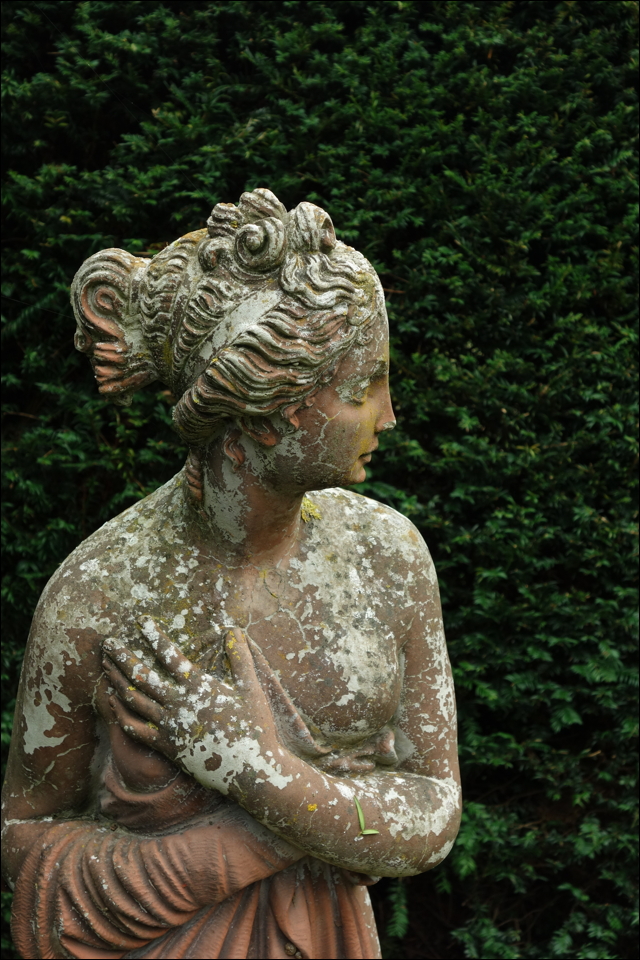
 Once I started tracking the unexpected for the Weekly Photo Challenge, I came across a couple of fairly different subjects. In this case, I’d already planned to combine the two (very different representations of femininity) but lacked a good title – the challenge took care of that. I found these statues at Les Jardins du Pays d’Auge (left) and Château de Vascoeuil (right).
Further down Rue Eau de Robec
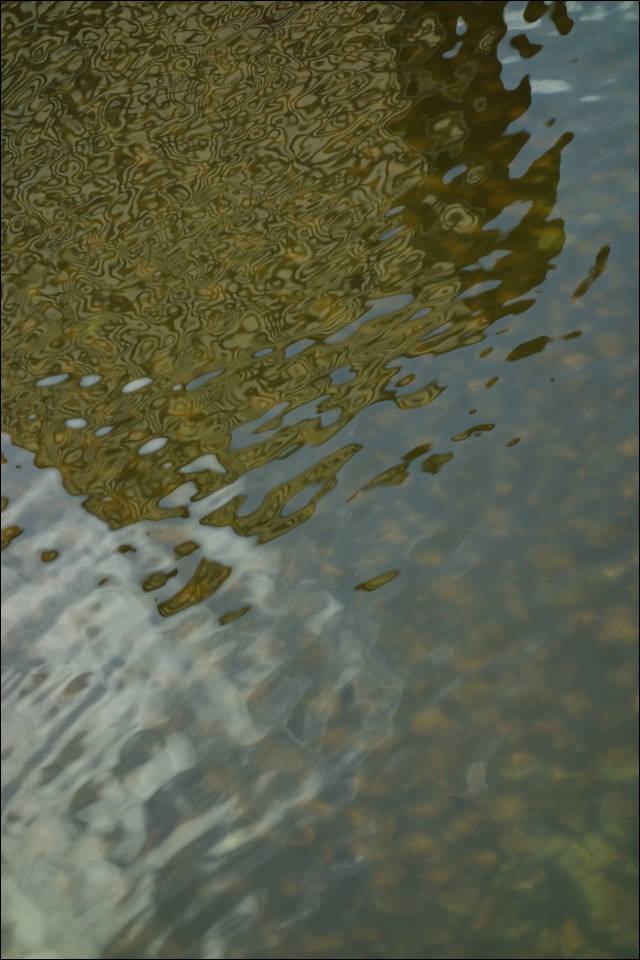

 No longer unexpected after the first shot, so these are not part of this week’s Photo Challenge.
Rue Eau de Robec
 Experimental, unexpected maybe (because water is always good for the unexpected): A portrait of Rue Eau de Robec (Rouen).
Cause and Effect


Les vaches noires
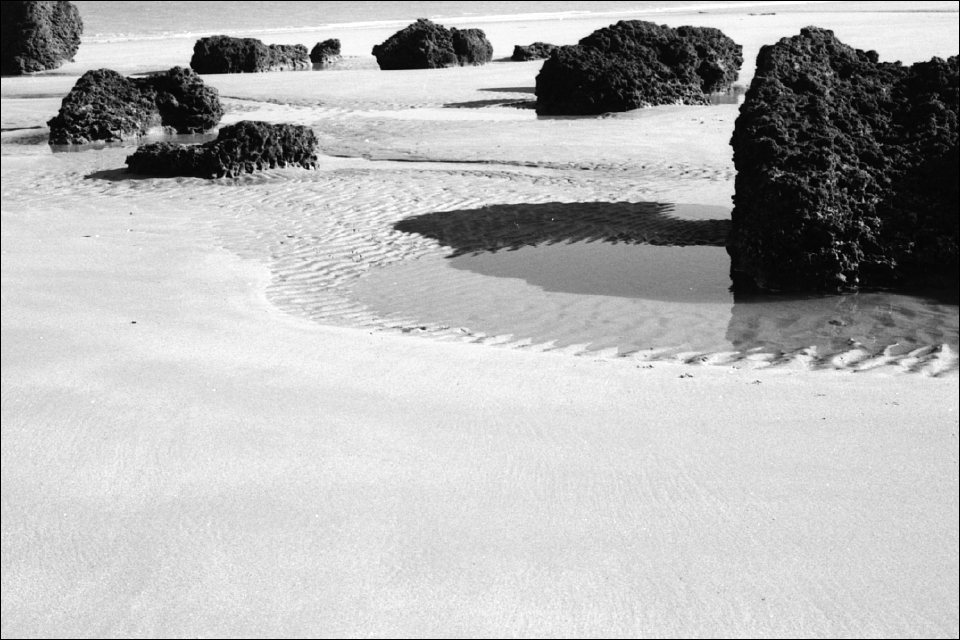

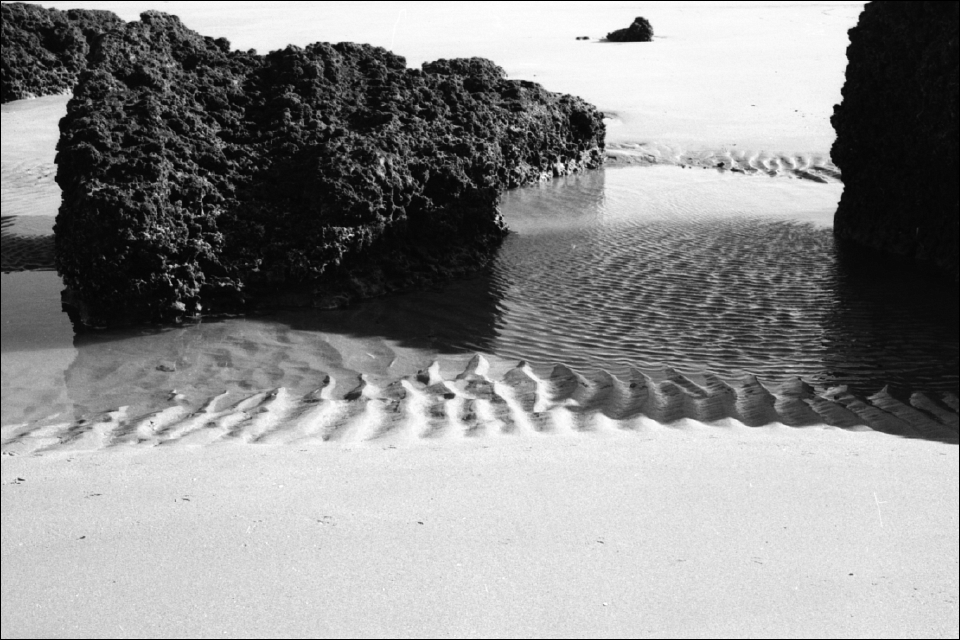

Layers
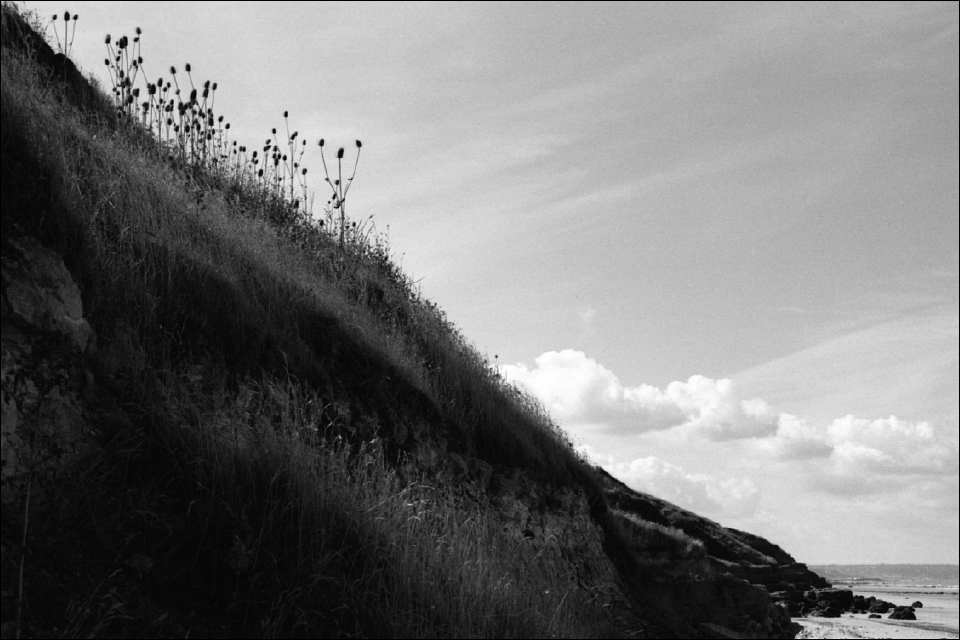
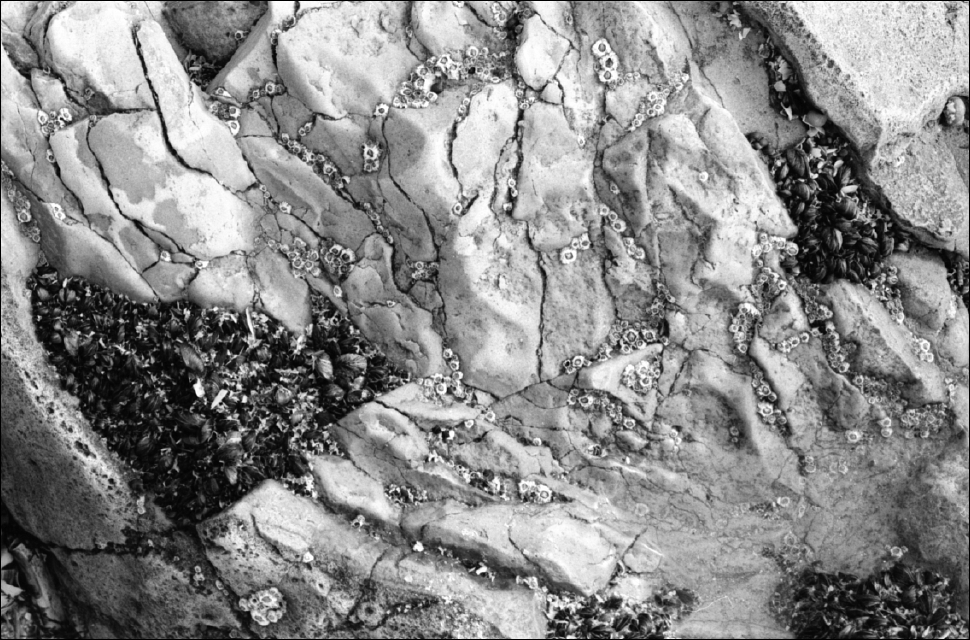
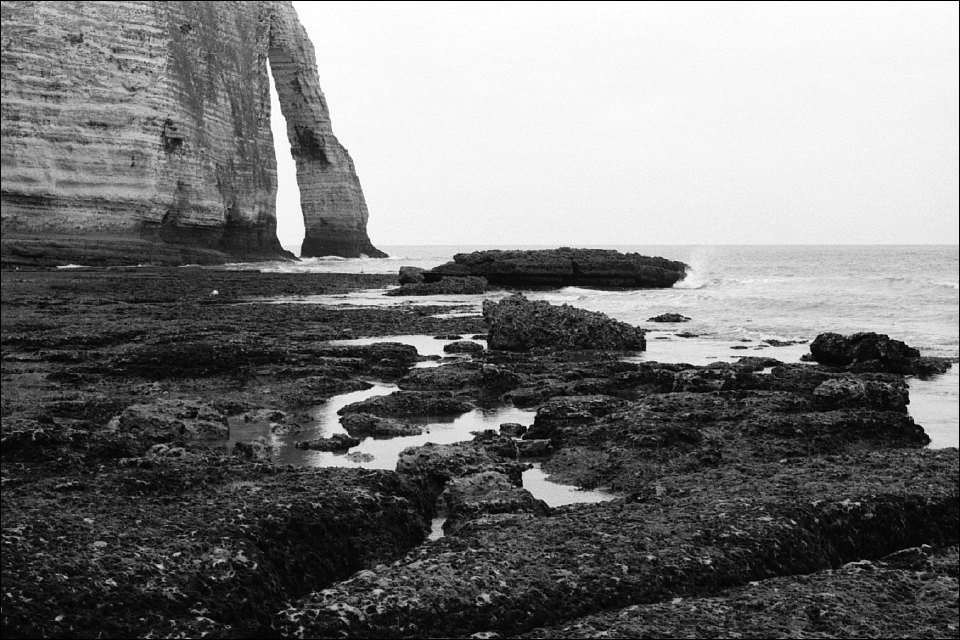
Fragmente einer Sprache des Schreckens [2]


While it was bright and sunny in Longues-sur-Mer, visibility in Arromanches-les-Bains was poor (as BBC Weather would put it), rendering most of my pictures a harsh, almost rough black and white that reminds me of Capa’s D-Day pictures. So I pick smoother pictures here, asking myself if they might be too pretty for the subject. (Top: Arromanches; bottom: Longues)
Fragmente einer Sprache des Schreckens


Batterie Longues-sur-Mer. People killed here. People died here. A tractor tows a plough over the fields, back and forth; birds sing, gulls scream. I smell the sea.
I know the guns reached far and were not easily destroyed. However, I’d like to imagine that after the first destructive blows the remaining soldiers realised that their chances dwindled. And ran.
People run around and photograph the cannons. I don’t want cannons; they are not appealing, not even visually. I try to make a picture of this space that stifles me.
.
[This week’s photo challenge reminded me that today might be an adequate day for posting this.]
Harbour Hues and Horizons

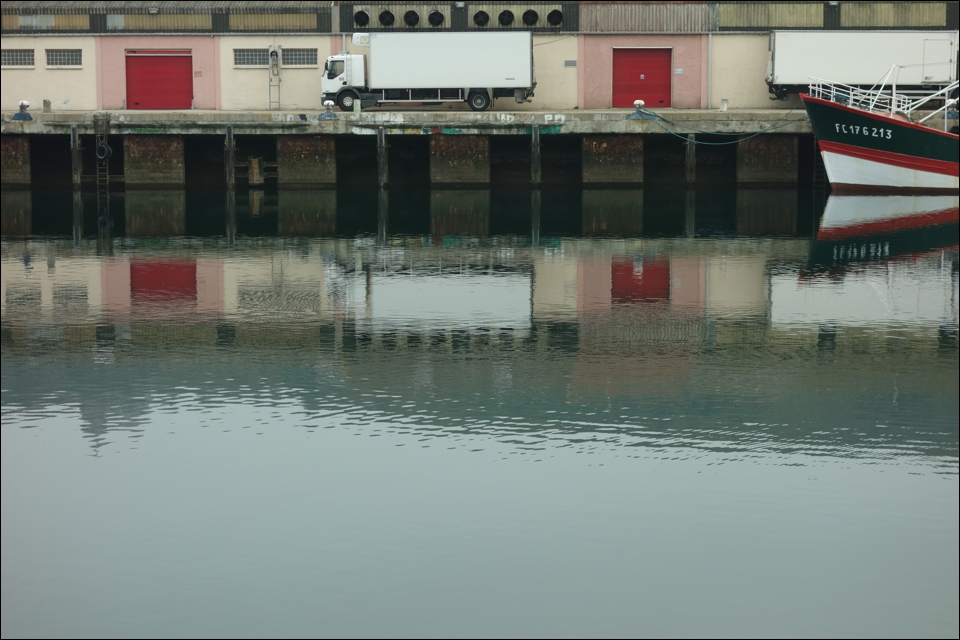
Although I could not resist this title (the wonderful alliteration) this is really a contribution to this week’s photo challenge: My favourite horizons can be found be the sea, or at least close to water. Therefore they are occasionally upside down.
En route
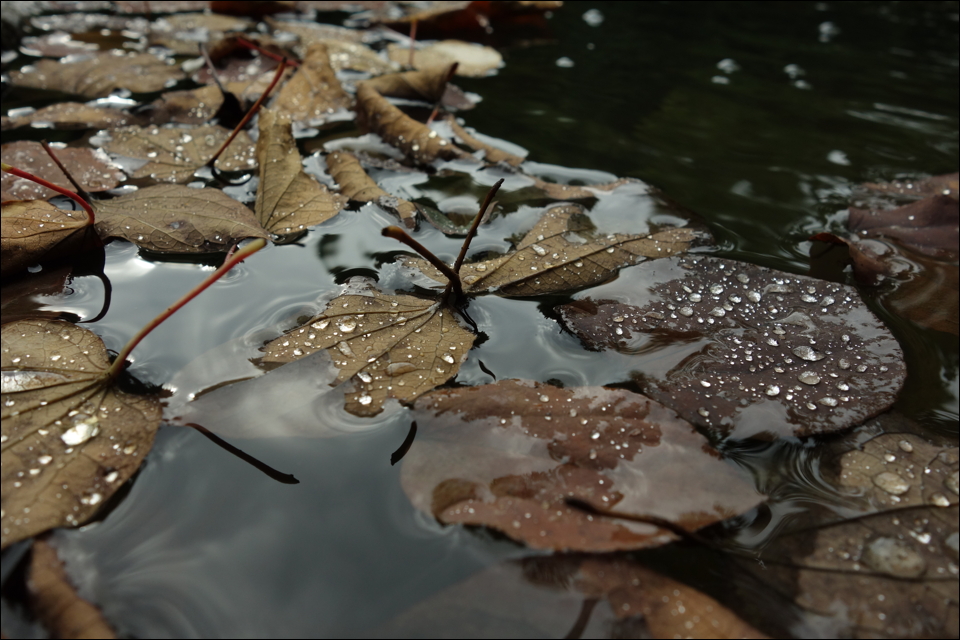


Brown hues, interpreting both the Weekly Photo Challenge and this week’s Travel Theme. The floating leaves and the elaborate hairdo were spotted at Les Jardins du Pays d’Auge, Combremer; the onions come from the famous kitchen garden of Château de Miromesnil, Tourville-sur-Arques; and the last two pictures happened during a walk in the port of Fécamp.
Infinitely Busy

Pondering the subject of this week’s photo challenge, I realize that water points towards the concept of infinity in so many ways: On the shore, I often see (or actually do not see) the sea touch the sky. I witness the tides, and with that I suddenly understand water is always going somewhere. Like infinity, I cannot grasp it. The picture shows water running over a sandy beach in a rivulet. Capturing its movement, I found a beast’s eye –
Infinite
 “The windows of the soul are infinite, we are told. And it is through the eyes of the soul that paradise is visioned. If there are flaws in your paradise, open more windows!” (Henry Miller, Big Sur and the Oranges of Hieronymus Bosch) – This contribution to the Weekly Photo Challenge shows the Colombier (dovecote) in Vendeuvre.
Ironworks. Bridges.

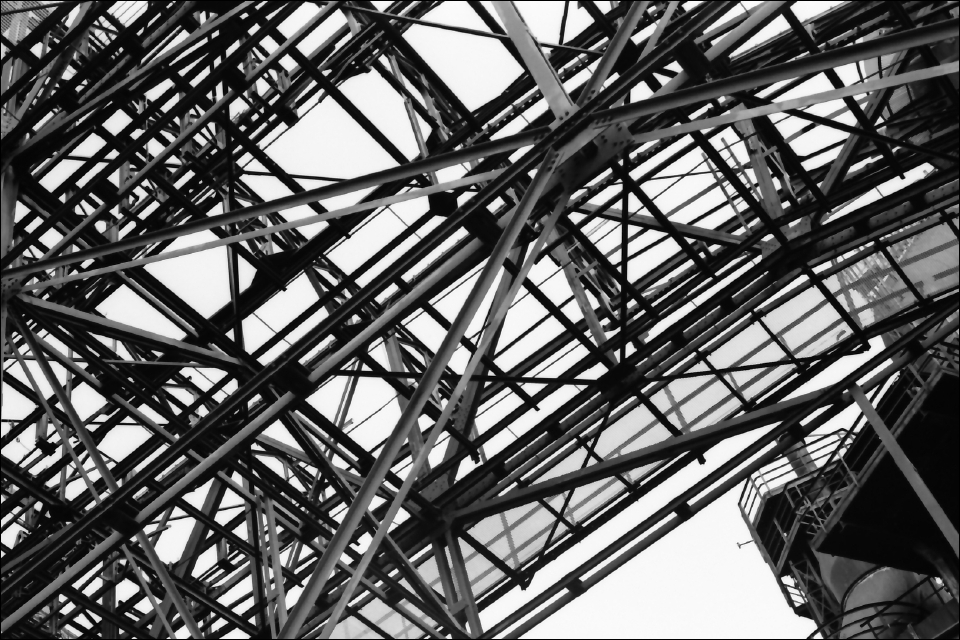
Balance

Monopteron II

 empire of lights