

“Beyondless.”
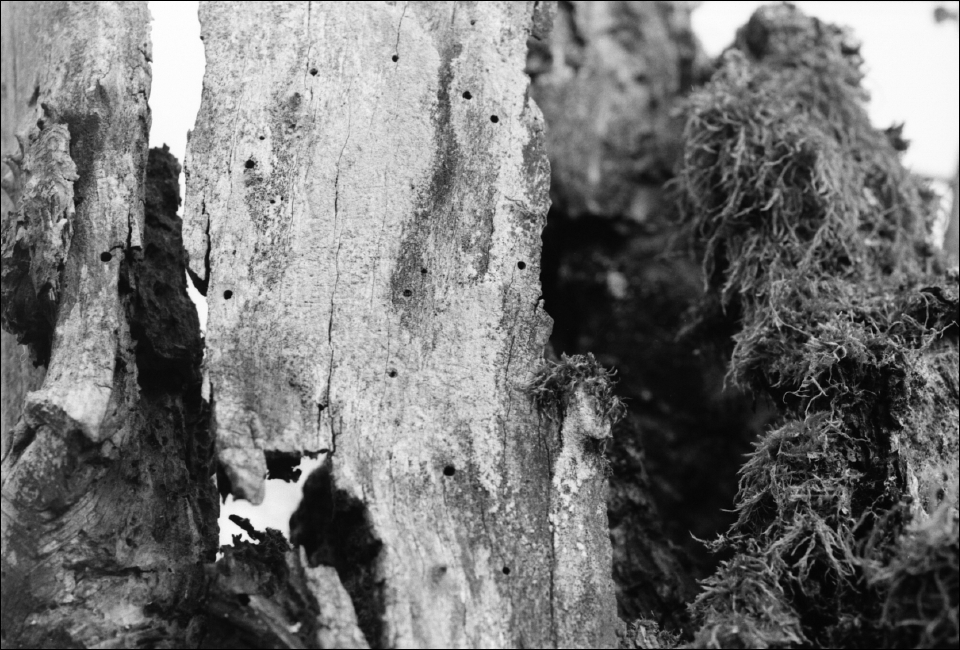
A place. Where none. A time when try see. Try say. How small. How vast. How if not boundless bounded. Whence the dim. Not now. Know better now. Unknow better now. Know only no out of. No knowing how know only no out of. Into only. Hence another. Another place where none. Whither once whence no return. No. No place but the one. None but the one where none. Whence never once in. Somehow in. Beyondless. Thenceless there. Thitherless there. Thenceless thitherless there.

Where then but there see –

See for be seen. Misseen. From now see for be misseen.
.
Samuel Beckett: Worstward Ho | This is part five of five. A short introduction can be found in part one.
.
“Somehow Standing.”

It stands. See in the dim void how at last it stands. In the dim light source unknown. Before the downcast eyes. Clenched eyes. Staring eyes. Clenched staring eyes.

That shade. Once lying. Now standing. That a body? Yes. Say that a body. Somehow standing. In the dim void.
.
Samuel Beckett: Worstward Ho | This is part four of five. A short introduction can be found in part one.
.
“Meremost Minimum.”

Dim light source unknown. Know minimum. Know nothing no. Too much to hope. At most mere minimum. Meremost minimum.
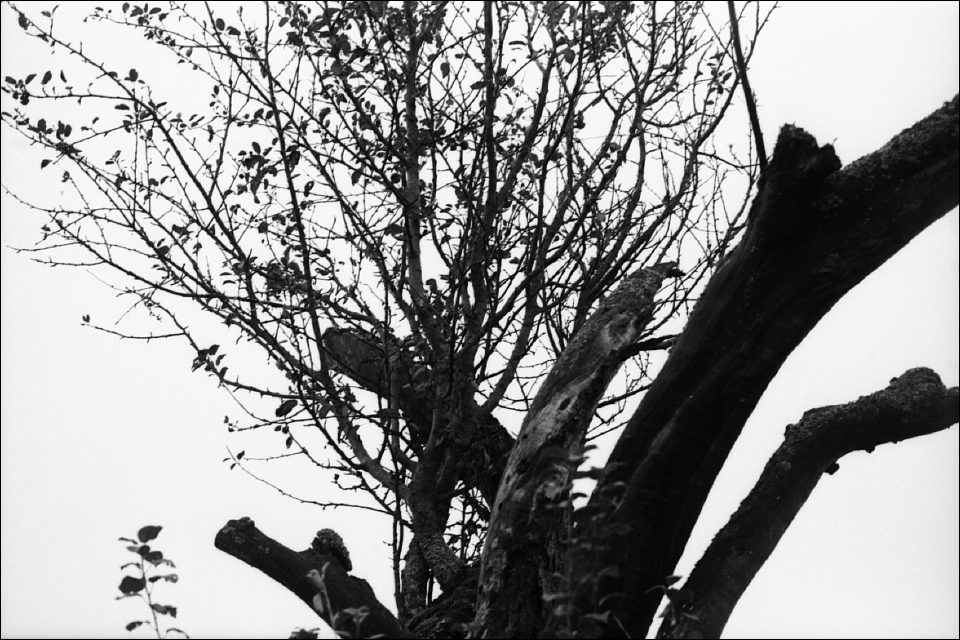
No choice but stand. Somehow up and stand. Somehow stand. That or groan. The groan so long on its way. No. No groan. Simply pain. Simply up. A time when try how. Try see. Try say. How first it lay. Then somehow knelt. Bit by bit. Then on from there. Bit by bit. Till up at last. Not now. Fail better worse now.

Another. Say another. Head sunk on crippled hands. Vertex vertical. Eyes clenched. Seat of all. Germ of all.
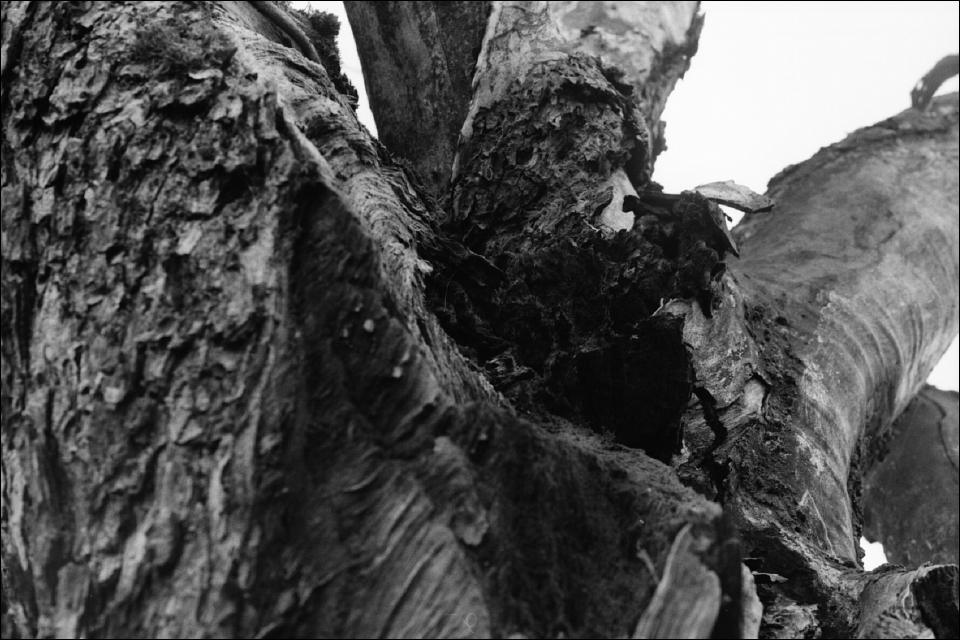
No future in this. Alas yes.
.
Samuel Beckett: Worstward Ho | This is part three of five. A short introduction can be found in part one.
.
“With Care Never Worse Failed.”

First the body. No. First the place. No. First both. Now either. Now the other. Sick of the either try the other. Sick of it back sick of the either. So on. Somehow on. Till sick of both. Throw up and go. Where neither. Till sick of there. Throw up and back. The body again. Where none. The place again. Where none. Try again. Fail again. Better again. Or better worse. Fail worse again. Still worse again. Till sick for good. Throw up for good. Go for good. Where neither for good. Good and all.

It stands. What? Yes. Say it stands. Had to up in the end and stand. Say bones. No bones but say bones. Say ground. No ground but say ground. So as to say pain. No mind and pain? Say yes that the bones may pain till no choice but stand. Somehow up and stand. Or better worse remains. Say remains of mind where none to permit of pain. Pain of bones till no choice but up and stand. Somehow up. Somehow stand. Remains of mind where none for the sake of pain. Here of bones. Other examples if needs must. Of pain. Relief from. Change of.

All of old. Nothing else ever. But never so failed. Worse failed. With care never worse failed.
.
Samuel Beckett: Worstward Ho | This is part two of five. A short introduction can be found in part one.
.
“Try again. Fail again. Fail better.”
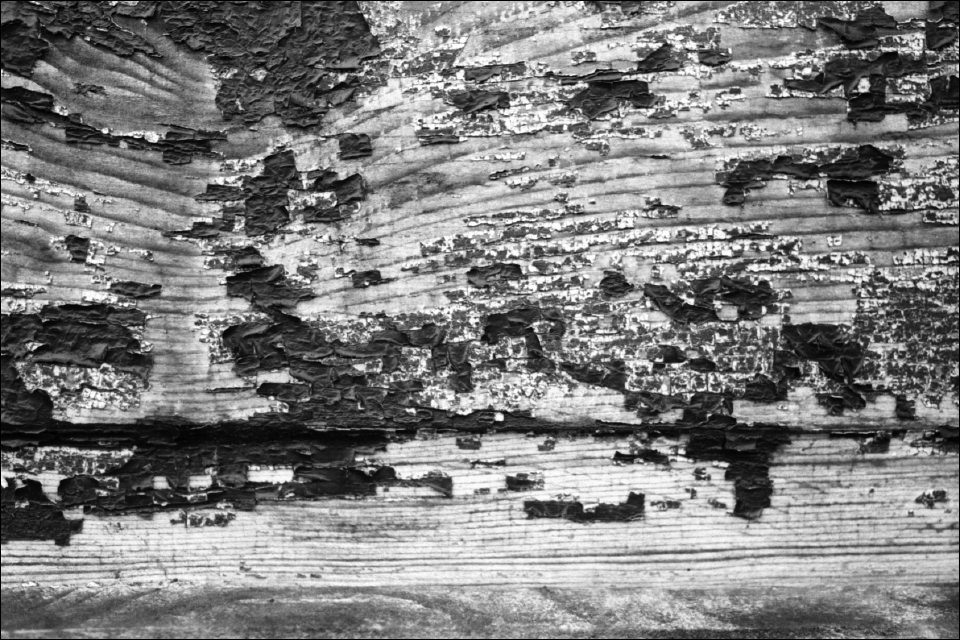
On. Say on. Be said on. Somehow on. Till nohow on. Said nohow on.

Say for be said. Missaid. From now say for missaid.
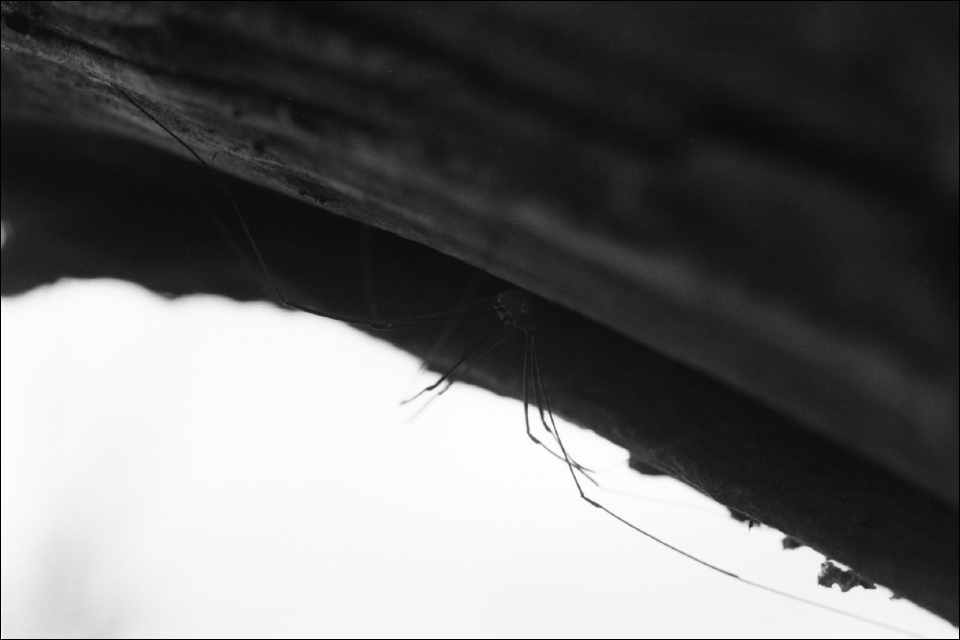
Say a body. Where none. No mind. Where none. That at least. A place. Where none. For the body. To be in. Move in. Out of. Back into. No. No out. No back. Only in. Stay in. On in. Still.

All of old. Nothing else ever. Ever tried. Ever failed. No matter. Try again. Fail again. Fail better.
.
Samuel Beckett: Worstward Ho | It all started with a visit to Hamburger Kunsthalle. They had a small but inspiring exhibition entitled “Fail Better”. A short introduction to the show quoted Beckett. The words “Try again. Fail again. Fail better” have been with me since, and I soon found out that they come from one of his last texts, Worstward Ho.
Enters the philologist: What’s the context of this line? What is Beckett’s text all about? I read the text, or, frankly, the first half of it. It intrigued me the way good poetry does. At a point I paid attention to the pictures it evokes. Could I actually make any such pictures?
Which was when I stopped reading any further. Instead, I went back to reading the first couple of pages again and again, looking for cues that triggered certain images. With them in mind, I set out for a walk in the nearby meadows scattered with apple trees. I took my camera. I made these pictures.
This is part one of five.
.
A Year


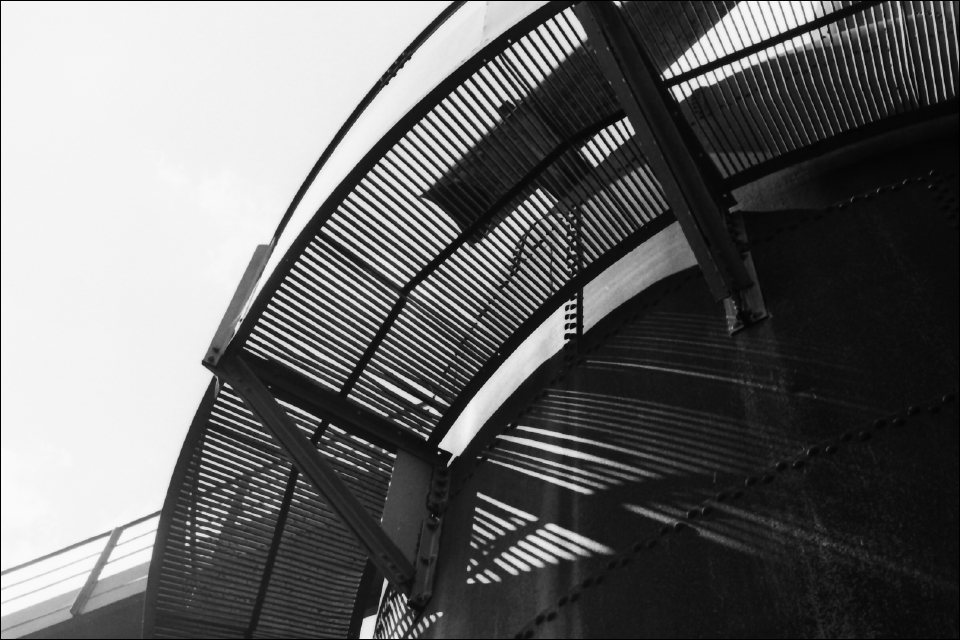
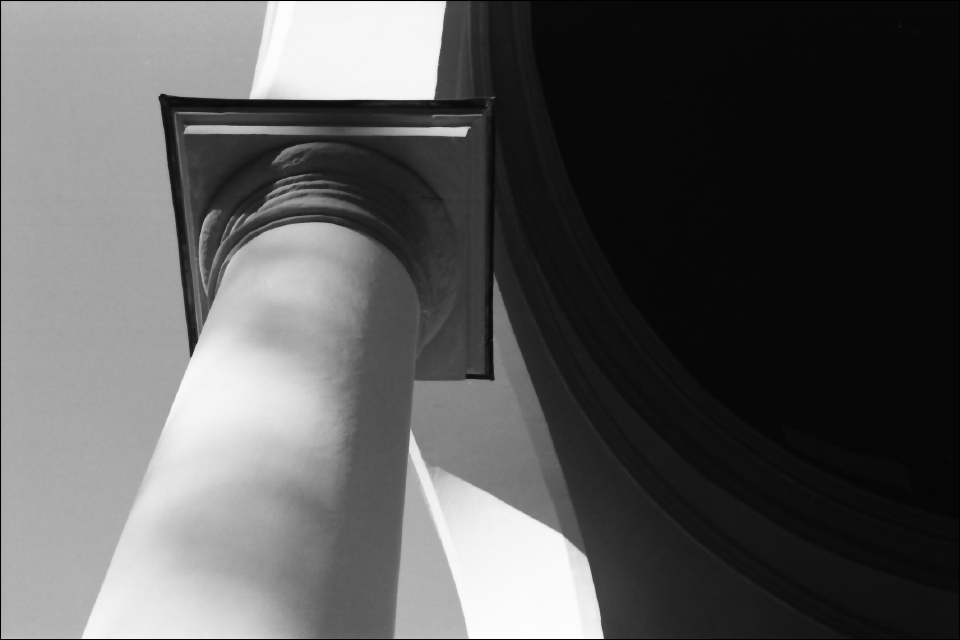


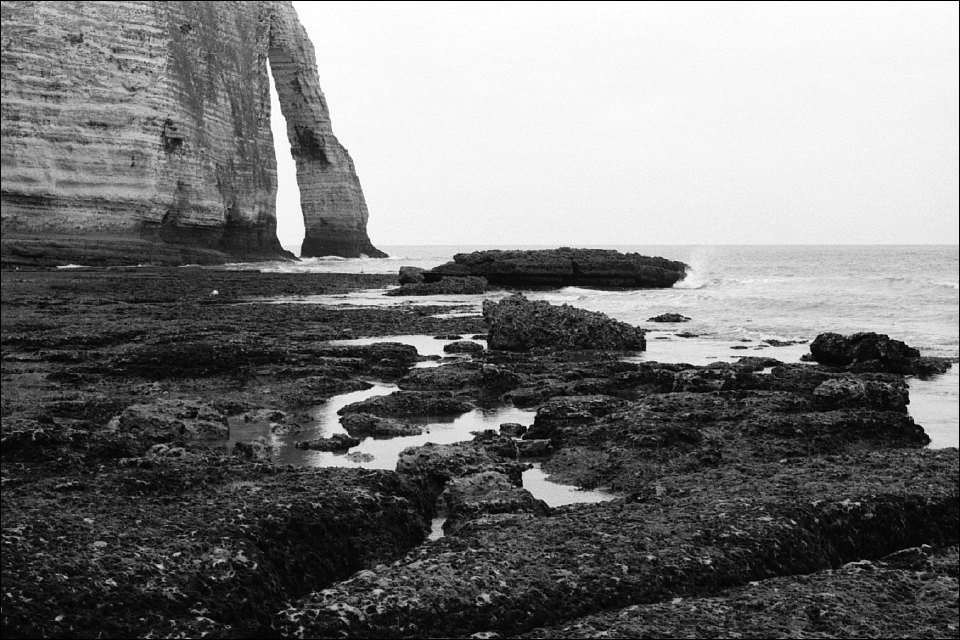
Made pictures of monuments. Visited an airfield. Contemplated a modernist chapel. Displayed photos from the Airlift Memorial, Frankfurt. Played with eggs. Tried a breakfast table. Was haunted by bunkers. Visited ironworks. Found a way to photograph Wiesbaden’s Monopteron. Was fascinated by structures of a Colombier, a trickle of water. Intrigued by the cliffs of Fécamp. | Please klick the photos for larger images.
The Sun Is Out!


In the Eye of the Beholder

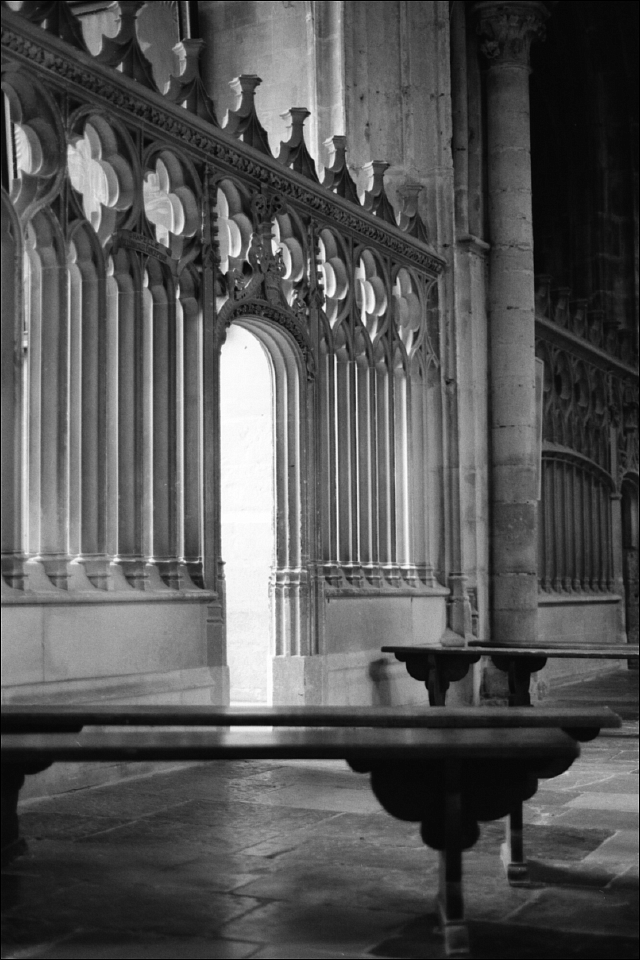
A Tree … a Cosmos
One solitary tree.
Serving the Community
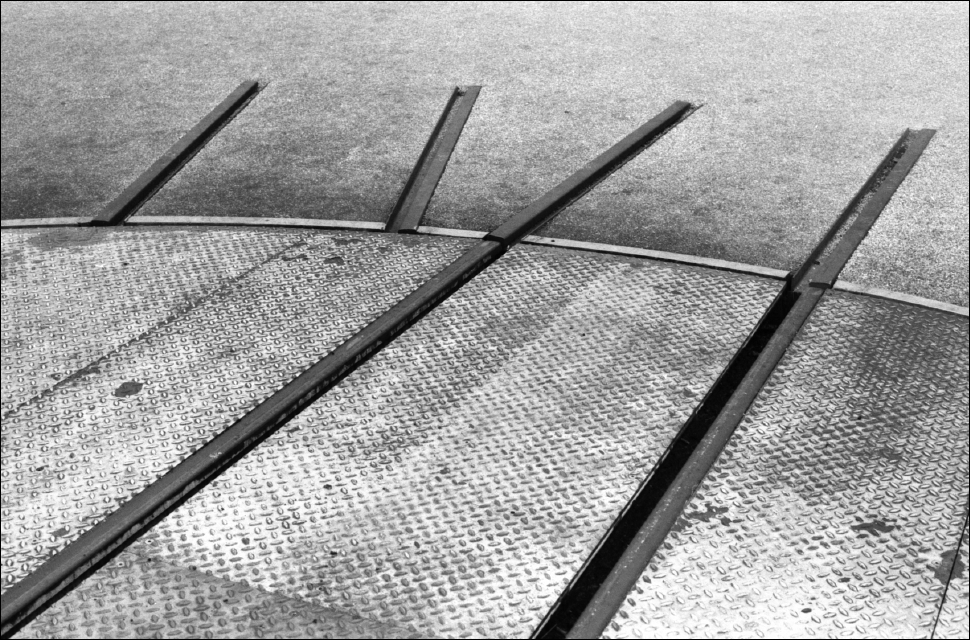
 A second perspective on this week’s photo challenge: Objects that are just there, out in the open – provided by a community, for a community…
Community


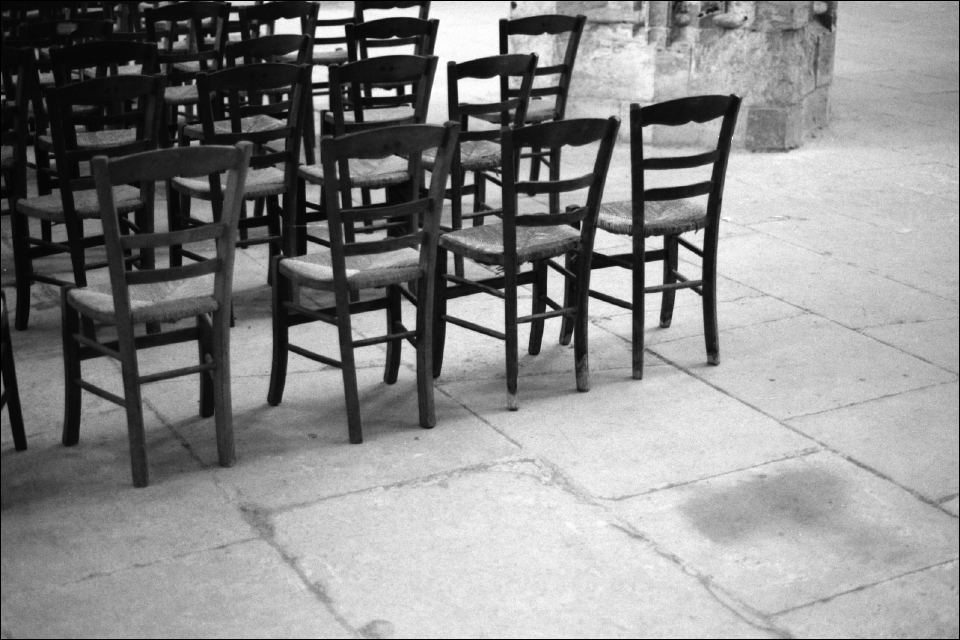 “In your photos people are not there, but I see them”, wrote Vanni in a comment. I think that’s a good motto for this post – my contribution for the Weekly Photo Challenge.
Plato’s Cave Revisited. (Ironworks.)
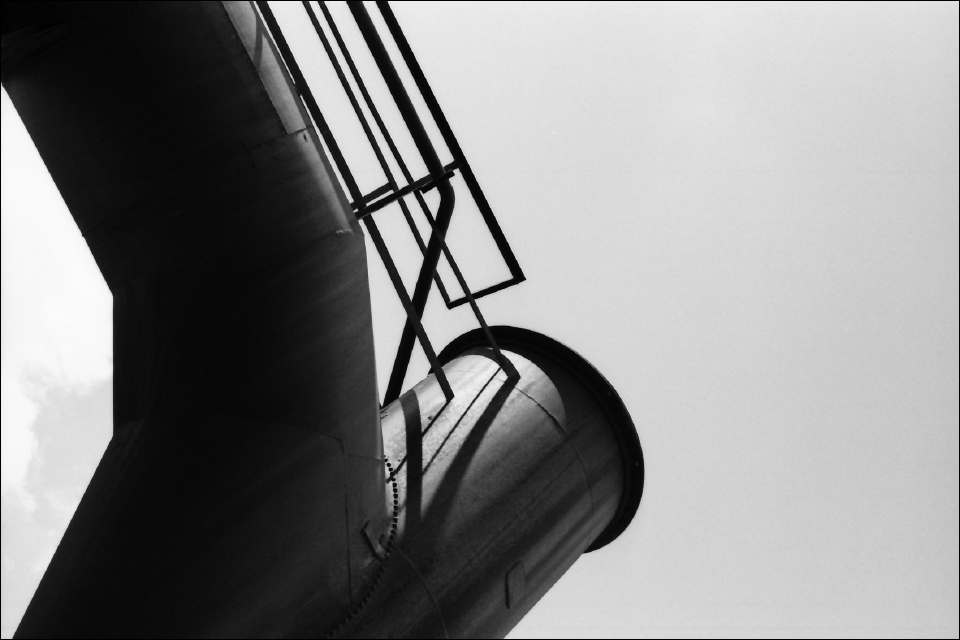
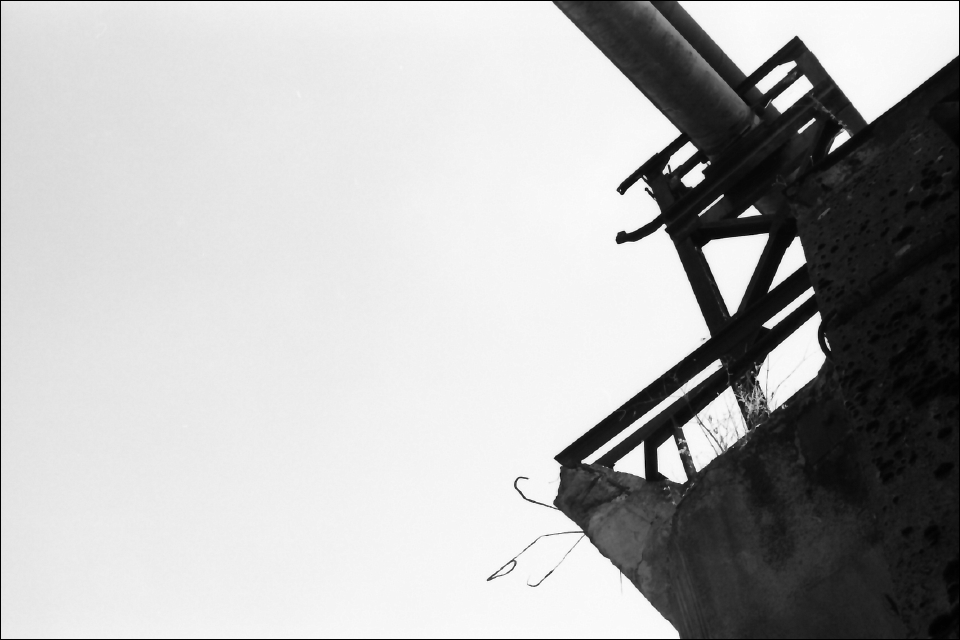
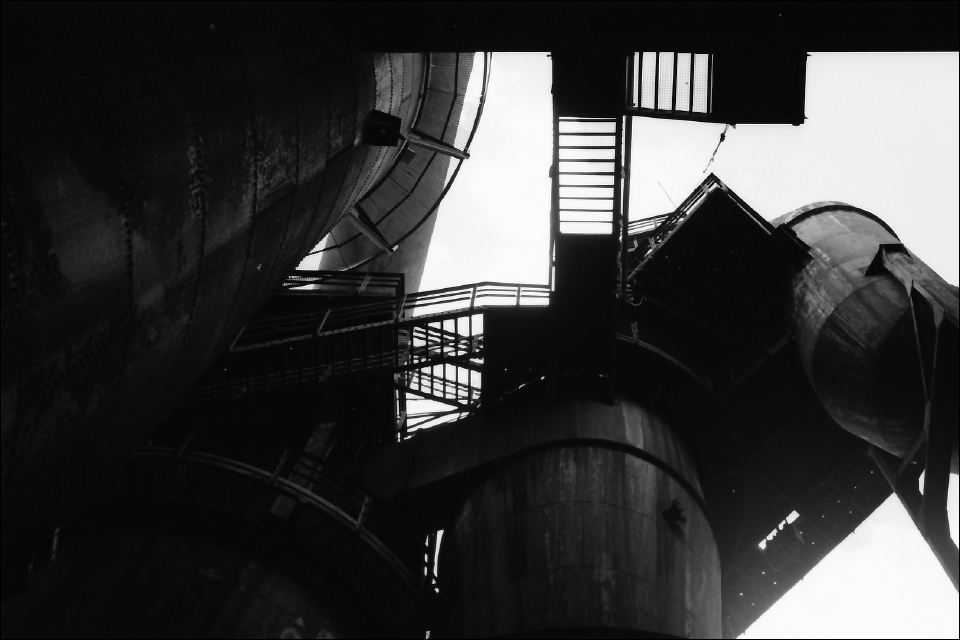
“I look and sometimes I see,” writes Siri Hustvedt. That could be a good start for a photographic process. When and if I see, I sometimes use my camera to report it. Occasionally the resulting photograph resembles what I saw (it is then a good photo in my eyes). And sometimes it succeeds in making those who look at it see something too: What do you see? I wonder.
Let There Be Light!


Change in the Weather
 Weather: Always a bit unexpected, in spite of the forecasts. And who would have thought the light would be like this?
Unexpected Encounters
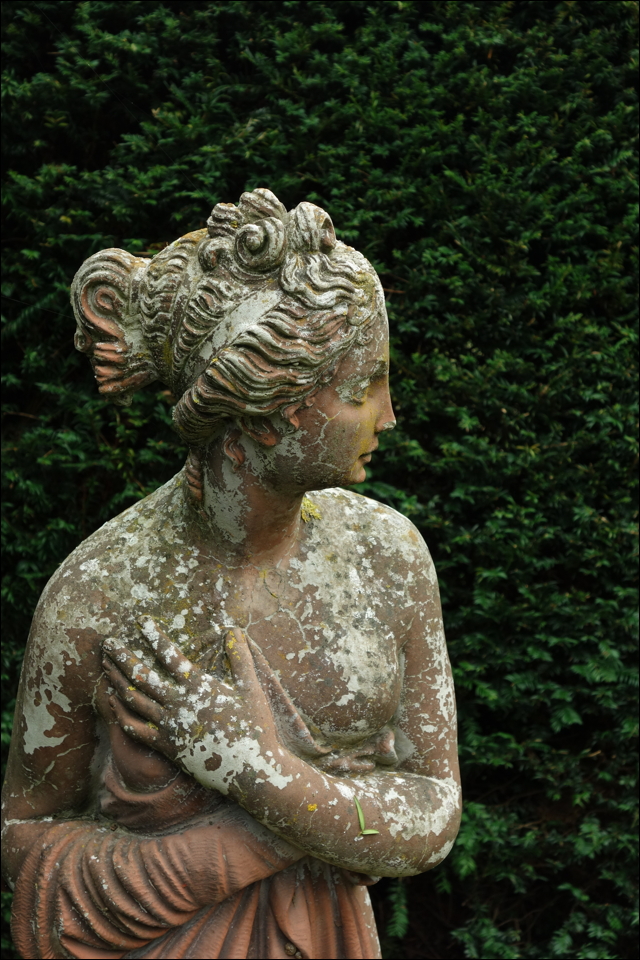
 Once I started tracking the unexpected for the Weekly Photo Challenge, I came across a couple of fairly different subjects. In this case, I’d already planned to combine the two (very different representations of femininity) but lacked a good title – the challenge took care of that. I found these statues at Les Jardins du Pays d’Auge (left) and Château de Vascoeuil (right).
Further down Rue Eau de Robec
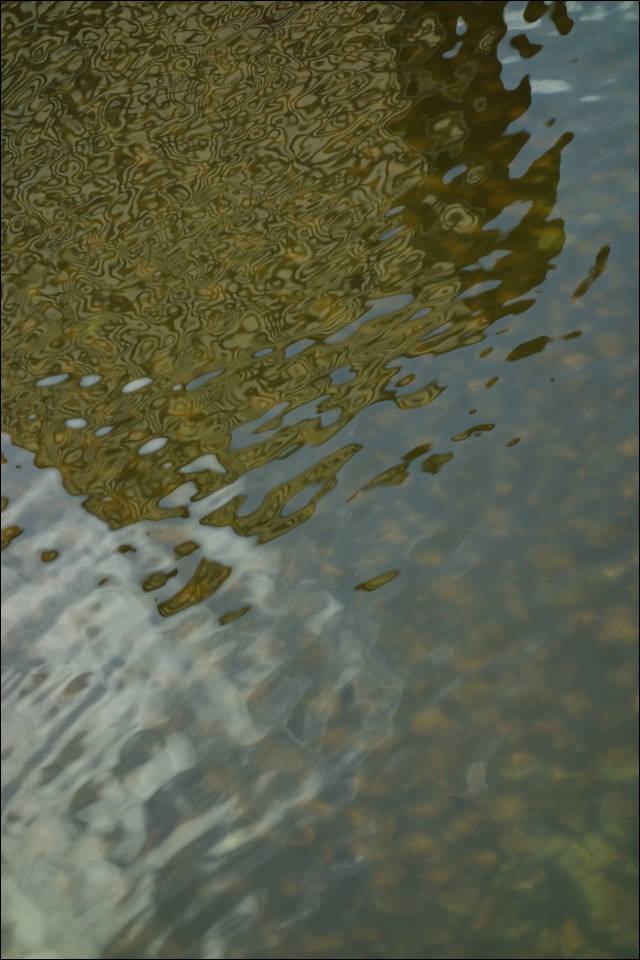

 No longer unexpected after the first shot, so these are not part of this week’s Photo Challenge.
Rue Eau de Robec
 Experimental, unexpected maybe (because water is always good for the unexpected): A portrait of Rue Eau de Robec (Rouen).
Cause and Effect

Les vaches noires
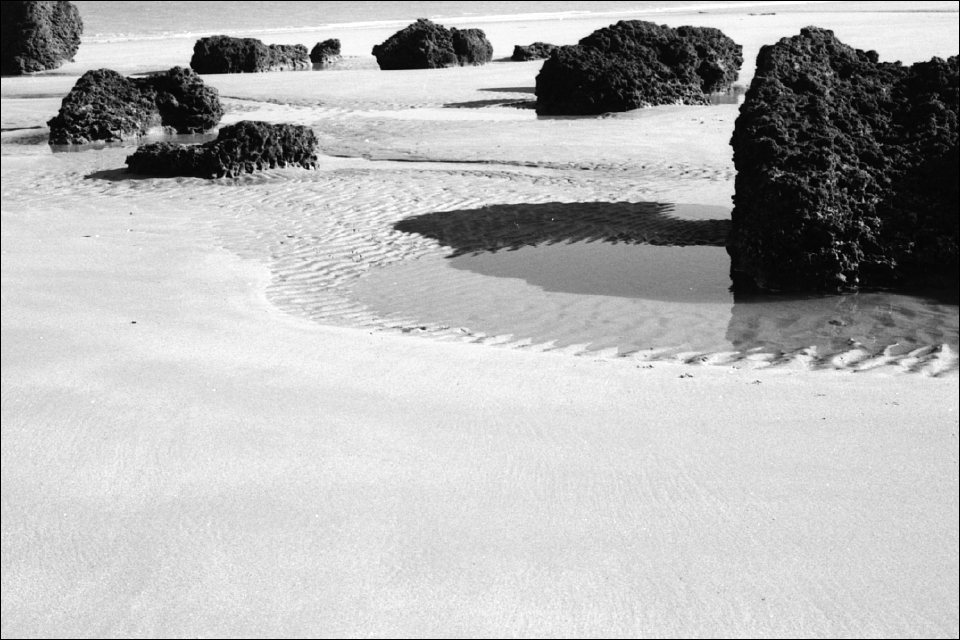


 empire of lights