

Tag: Pictures]
Heterotopia II


Heterotopia
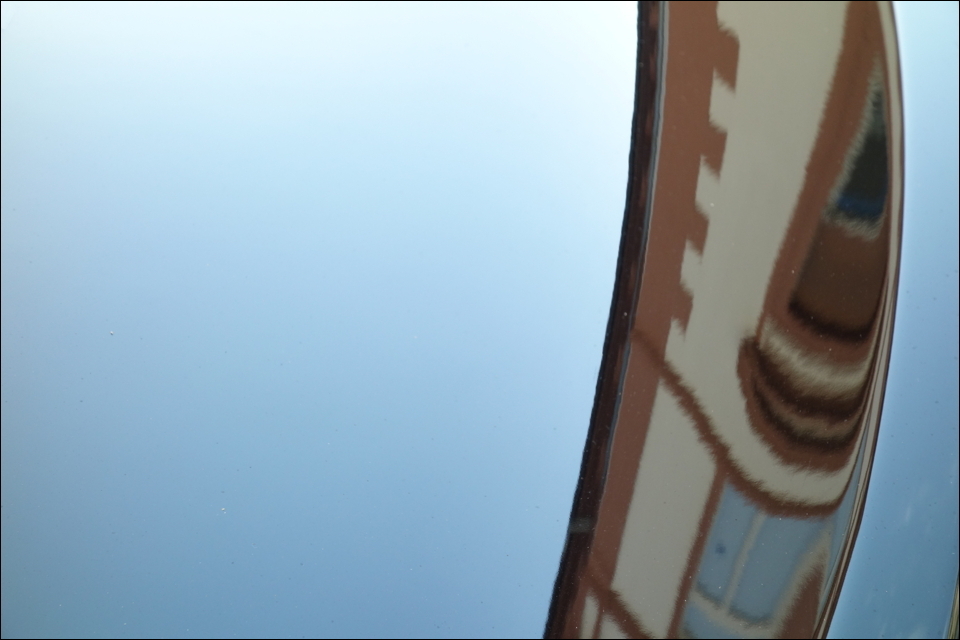
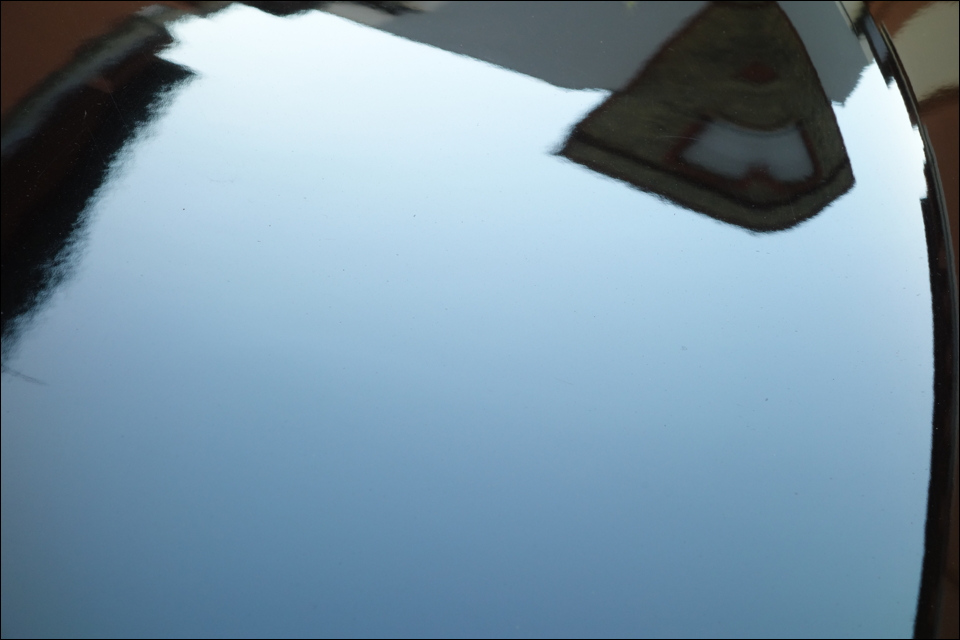
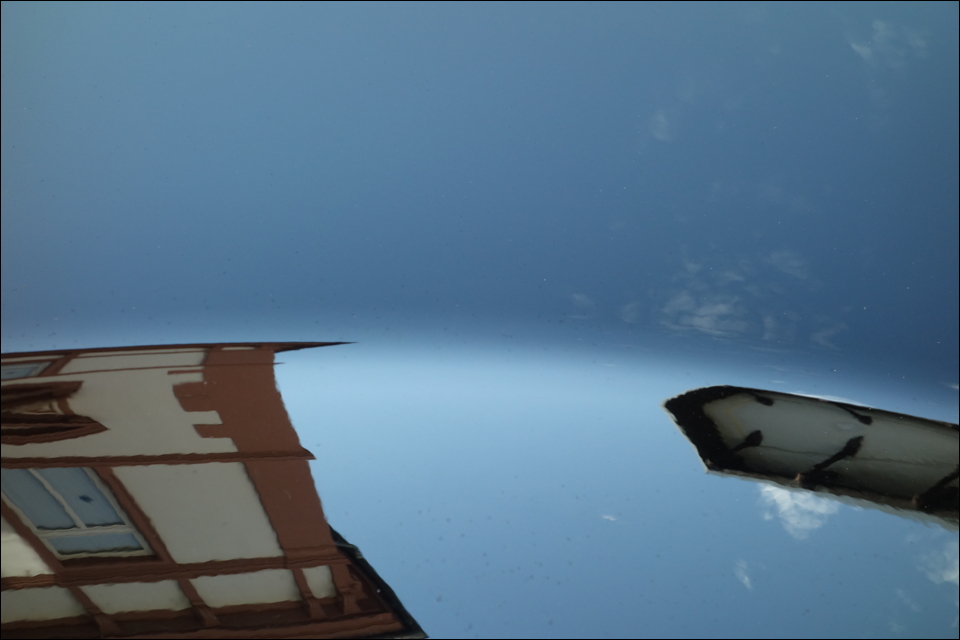 Digging into some literature on an altogether different topic, I stumbled upon this paragraph:
“I believe that between utopias and […] heterotopias, there might be a sort of mixed, joint experience, which would be the mirror. The mirror is, after all, a utopia, since it is a placeless place. In the mirror, I see myself there where I am not, in an unreal, virtual space that opens up behind the surface; I am over there, there where I am not, a sort of shadow that gives my own visibility to myself, that enables me to see myself there where I am absent: such is the utopia of the mirror. But it is also a heterotopia in so far as the mirror does exist in reality, where it exerts a sort of counteraction on the position that I occupy. From the standpoint of the mirror I discover my absence from the place where I am since I see myself over there. Starting from this gaze that is, as it were, directed toward me, from the ground of this virtual space that is on the other side of the glass, I come back toward myself; I begin again to direct my eyes toward myself and to reconstitute myself there where I am. The mirror functions as a heterotopia in this respect: it makes this place that I occupy at the moment when I look at myself in the glass at once absolutely real, connected with all the space that surrounds it, and absolutely unreal, since in order to be perceived it has to pass through this virtual point which is over there.” (Michel Foucault, Of Other Spaces. Heterotopias)
It made me wonder: Could photographs be related to mirrors? And could a photograph possibly be some kind of heterotopia? After all, photos seem to trigger a strange exchange between my position – here, in front of the picture – and the place they show which is, in most cases, not here, but inevitably there. I am here, looking at a ‘there’ which is very real as a picture and very absent as an object: “There is no there there,” I am tempted to say.
One Corner, Two Angles
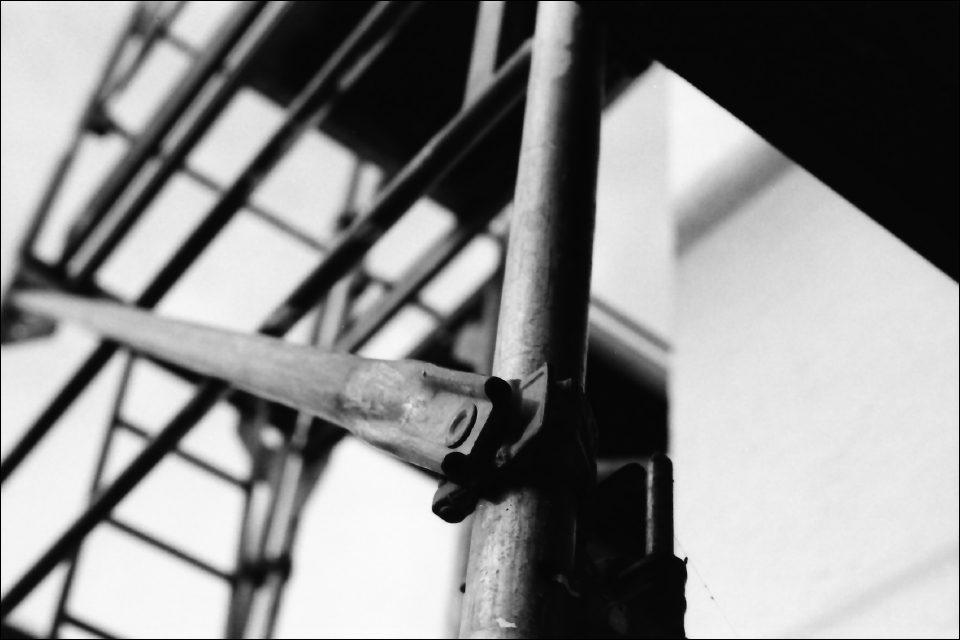
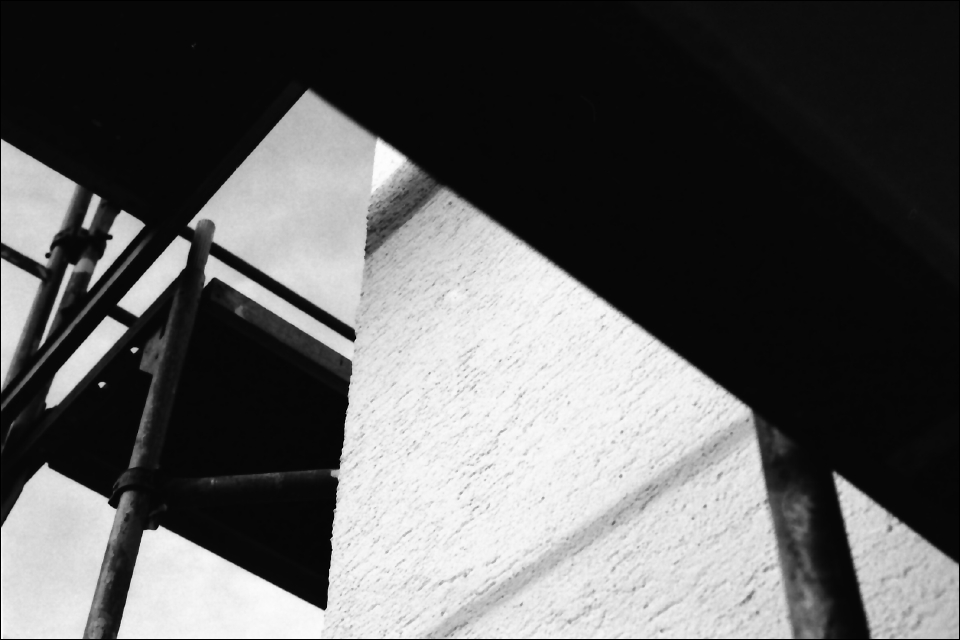
The original idea was to try out a different film, the Kodak PLUS-X 125, processed with Rodinal. Judging from the scanned pictures, my first impression is that it has a rougher, perhaps more old-fashioned look than the T-MAX 400 I usually prefer … While experimenting I realized that these two also seem to illustrate the idea of this week’s photo challenge.
One Shot, Two Ways
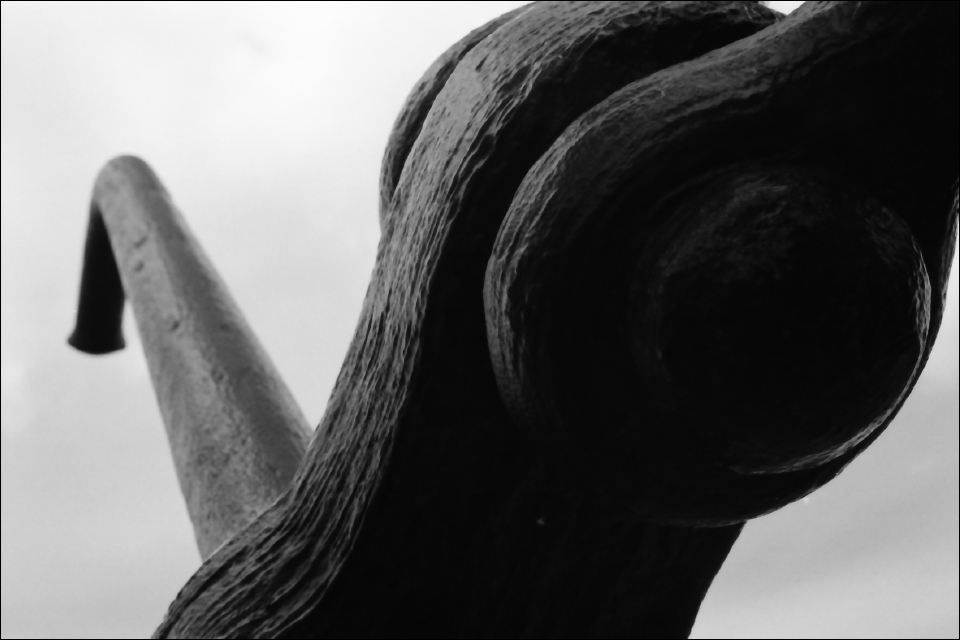

Fly!
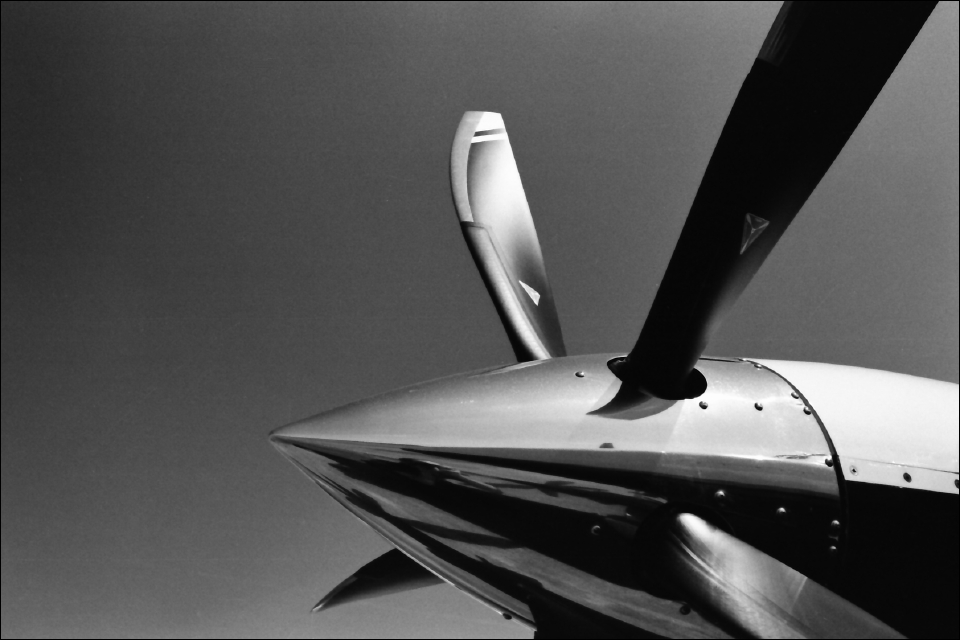
Weekly Photo Challenge: In the Background. Photographed with the kind permission of air traffic control at Verkehrslandeplatz Mainz-Finthen (EDFZ).
Escaped
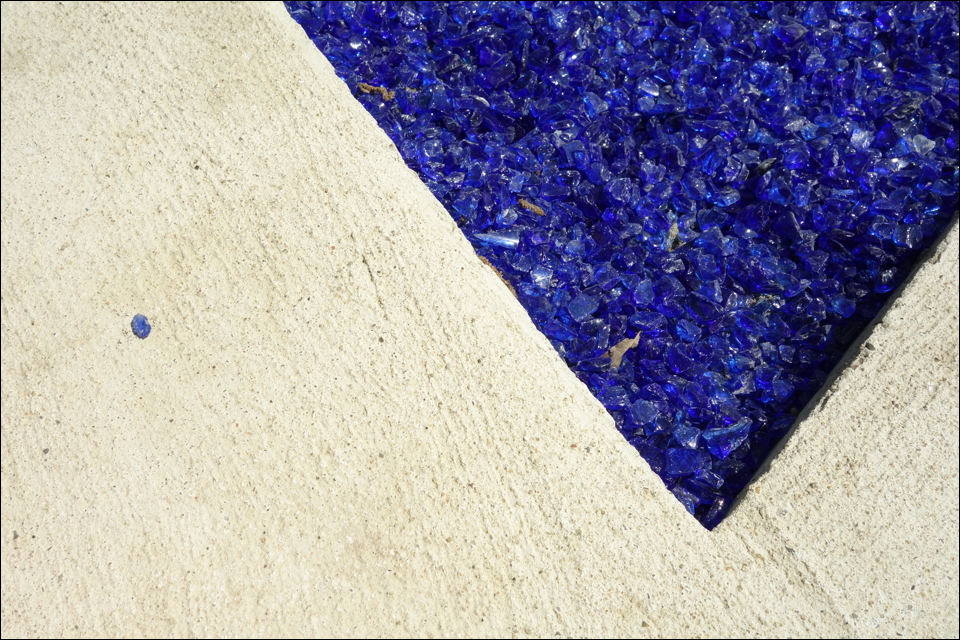
An interpretation of the Weekly Photo Challenge.
Of Heroes and Battles


The first picture shows the memorial for “Wilhelm I., Fürst von Oranien, Graf zu Nassau-Breda, Statthalter von Holland, Seeland, Friesland und Utrecht” (erected in 1908). Wilhelm was born to the House of Nassau as Count of Nassau-Dillenburg. He became Prince of Orange in 1544 and is thereby the founder of the branch House of Orange-Nassau and the ancestor of the monarchy of the Netherlands.
The second picture shows the obelisk erected to commemorate June 18, 1815 – namely the soldiers of the “Erste Nassauische Infanterie-Regiment Nr. 87” who participated in the Waterloo battle.
Man With a Book
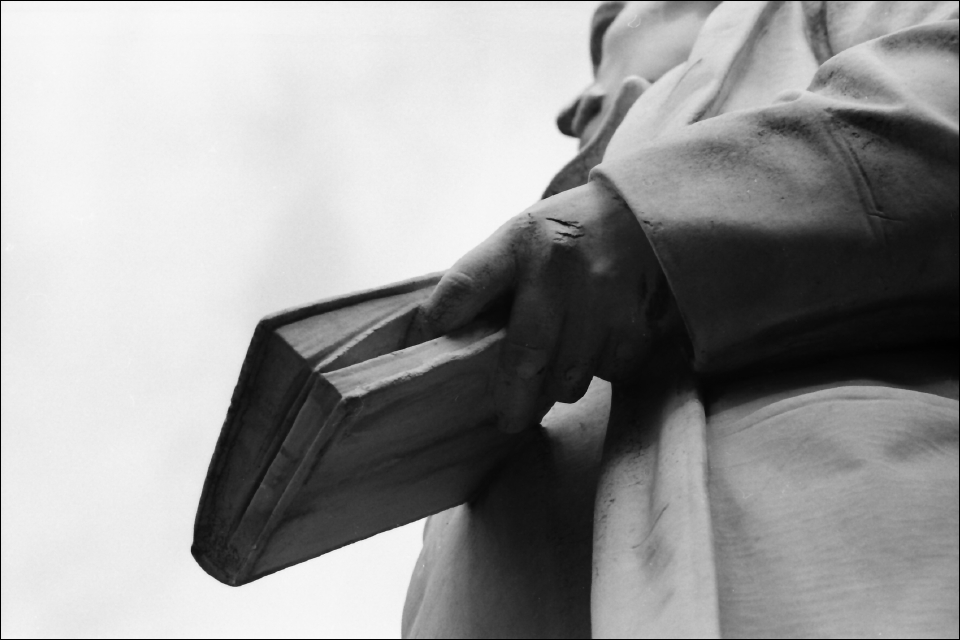
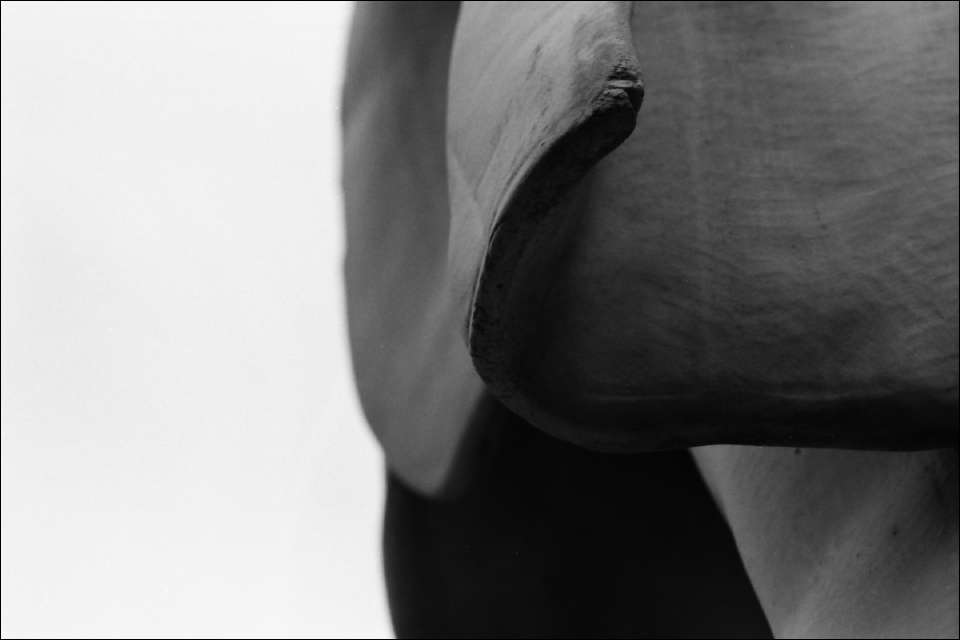
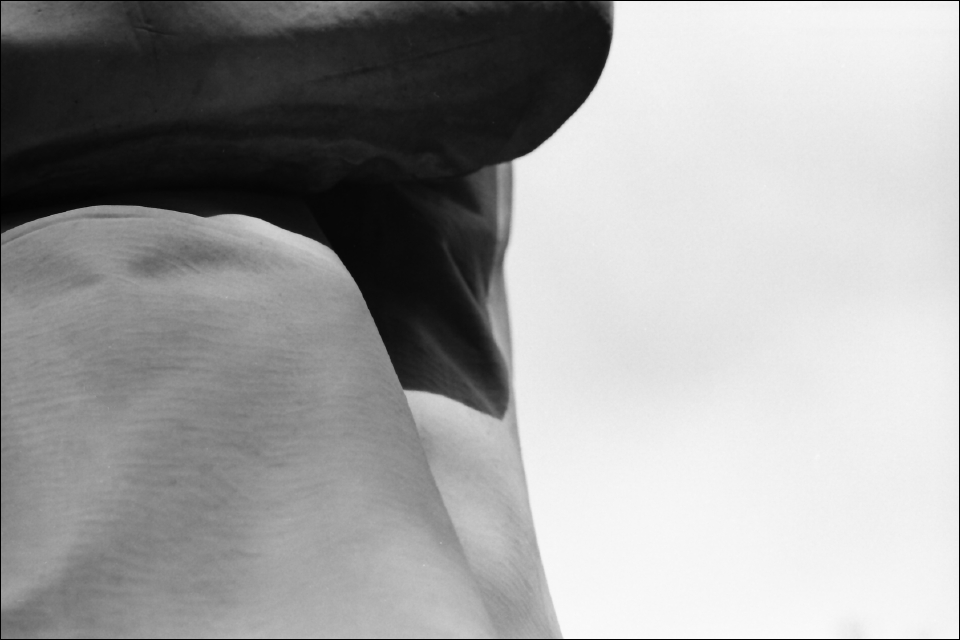
When I think of pictures, I often think of lines – outlining the shape of an object, or adding up to shades of gray in a hatching. Michelangelo, however, thought that there were no lines in nature; there are only surfaces. And from a photographic point of view, he is spot-on: Photography gives us a unique chance to present surfaces with relatively little effort. Maybe that’s why I like photographing stone so much.
My contribution for this week’s photo challenge – culture – shows a statue by F. Schaper (dated 1904/05) representing Gustav Freytag, a German homme des lettres.
Couldn’t Wait Till Lunch


My interpretation of this week’s photo challenge – lunchtime. Since this was inspired by the light, I could not wait till lunchtime. (I am in a different time zone anyway.) So here is the table, waiting for breakfast, plus some more pictures.
Snow, Retreating


Construction Site
 In the course of the years, a lot of content has sunk into this blog’s past. While I can let go of some posts without looking back, others still feel valid.
The first idea for excavating older pictures was the introduction of pages. But after discussing design at the Community Pool a homepage with a blog attached to it seemed like a logical step. It puts a bit more emphasis on getting to the pictures.
Plus, I love this theme: Its four column grid is very easy to work with and it offers very clear navigation.
While I think the general idea is already visible, there is still some work ahead of me: Adding featured images to the blogs, adjusting the headlines where they are too long to fit in one line on the Blog page, and adding to the galleries.
I do hope that you all like the new design and stay tuned. Cheers!
The Snow Queen’s Palace


Le città e il gioco. 8.
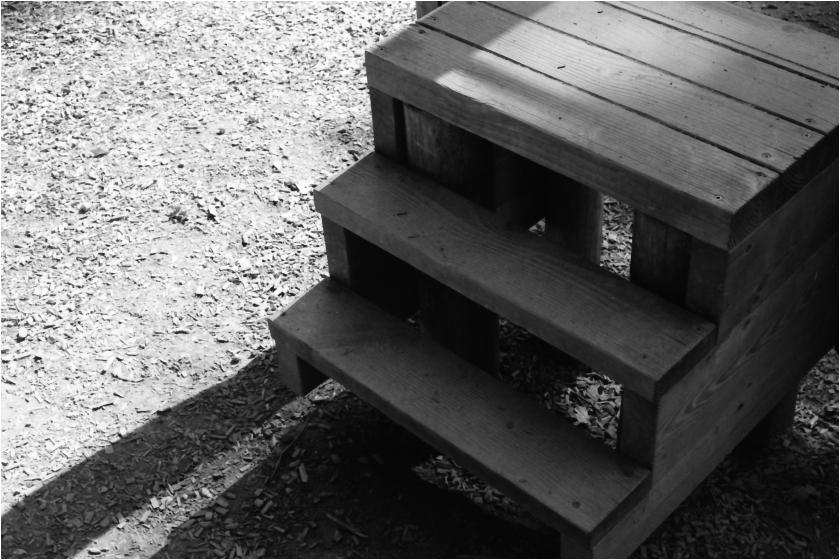
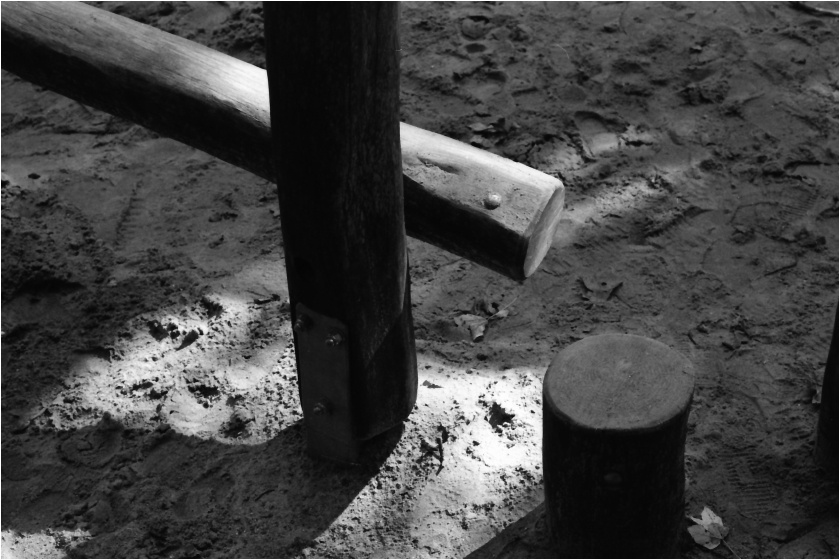 Just out of town, up one of the many valleys and creeks (near Leichtweißhöhle) there is this playground in the woods. Of the playgrounds I ‘investigated’ this one is most appealing due to its air of adventure. The trees surrounding this place account for special lighting conditions: Making pictures, you have to be patient – and then quick.
If you would like to see the whole series, please visit the Le città e il gioco gallery.
Resolved
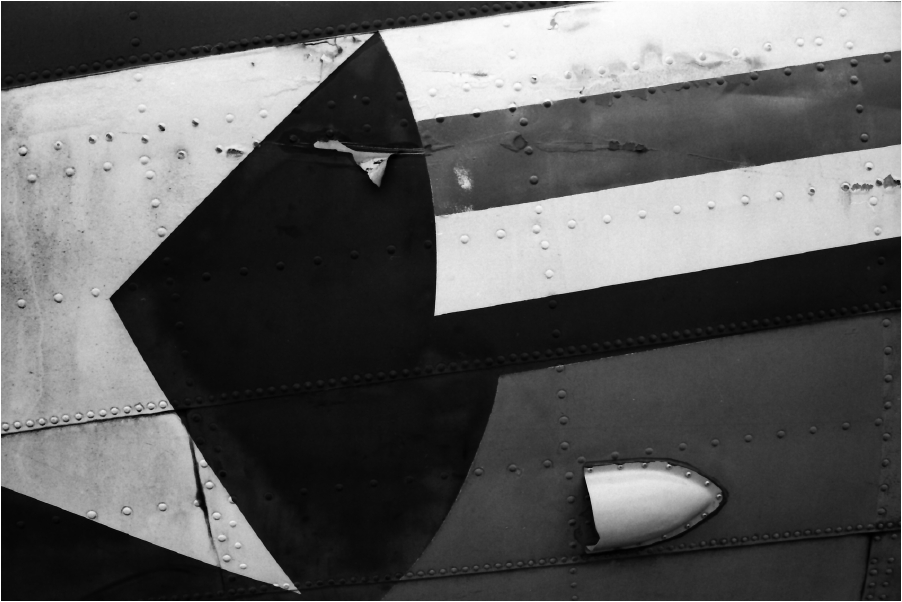
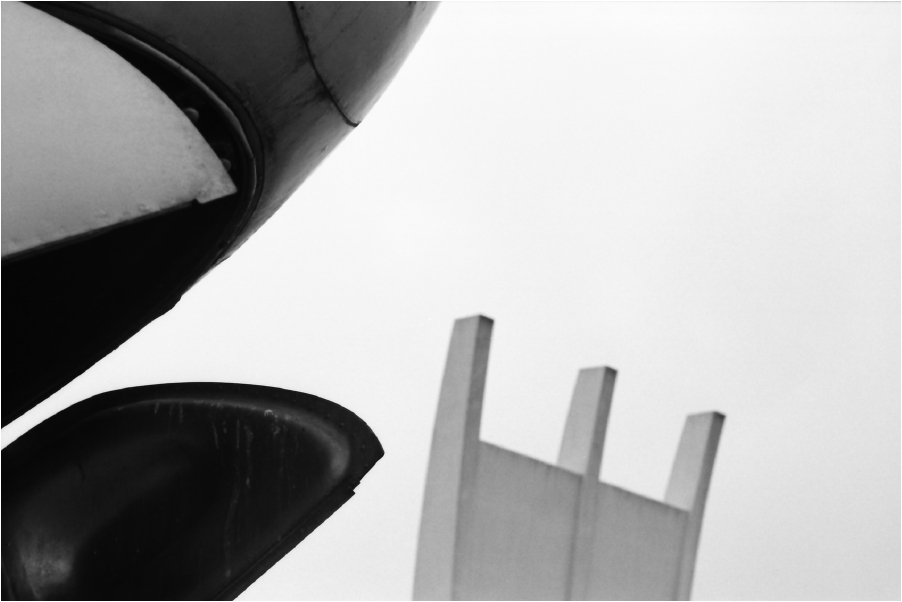
 This week’s photo theme is “Resolved“, and Sara kindly suggested that the resolution might as well be about our photography: In 2013, I would like to make pictures that are quite abstract – because I just love playing with the pictorial space – yet tell of a story.
So here are pictures I made when I visited the Luftbrücke memorial near Frankfurt Airport. It is my story about a place that reminds us of a transatlantic story (and of a story that tells us how problems can be resolved).
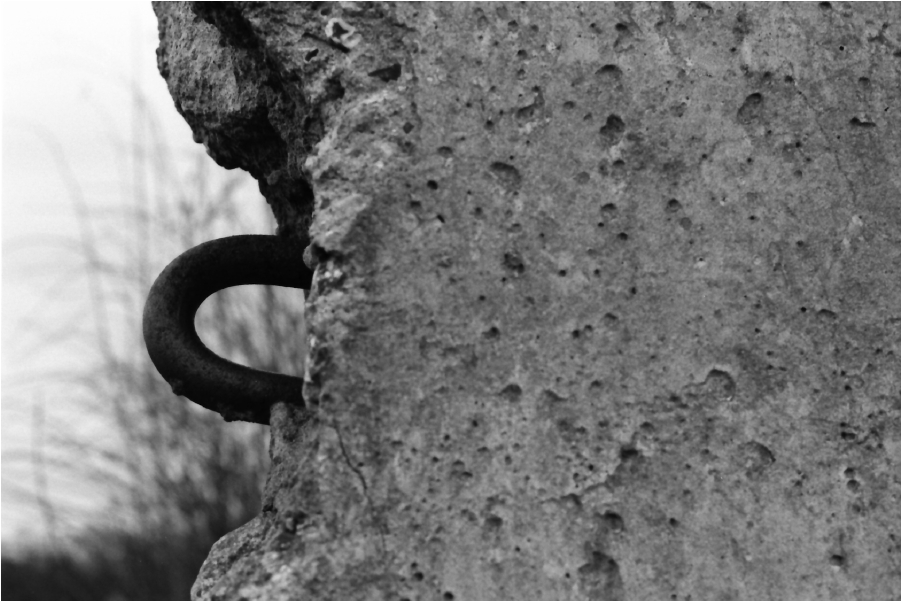
Surprise? Surprise!

 …or should I say Überraschung? This is a contribution to the Weekly Photo Challenge – and I might give you a hint at what’s behind the curtains in my next post. As for now, you are welcome to guess…
Changing Seasons: Snow
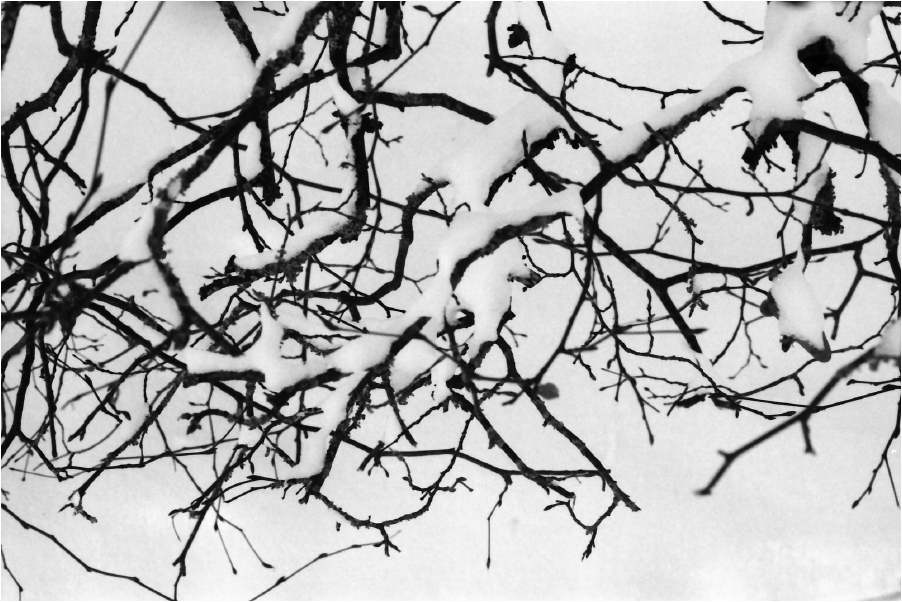

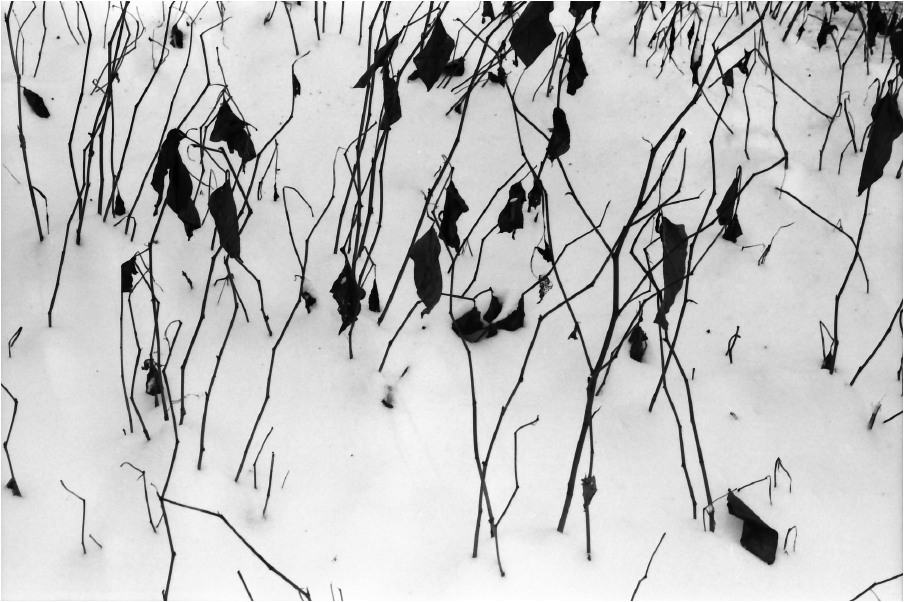
Changing Seasons
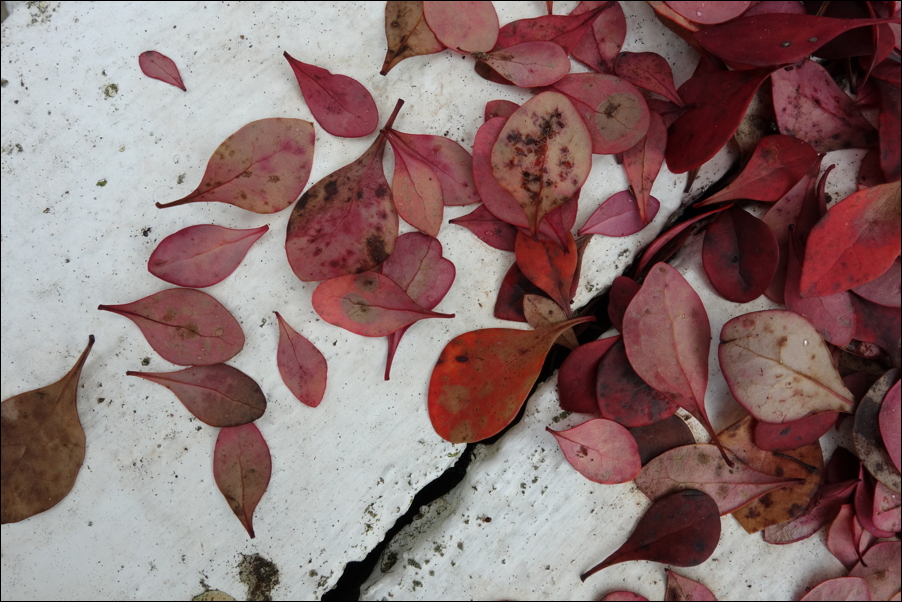

An interpretation of the Weekly Photo Challenge.
Inspiration
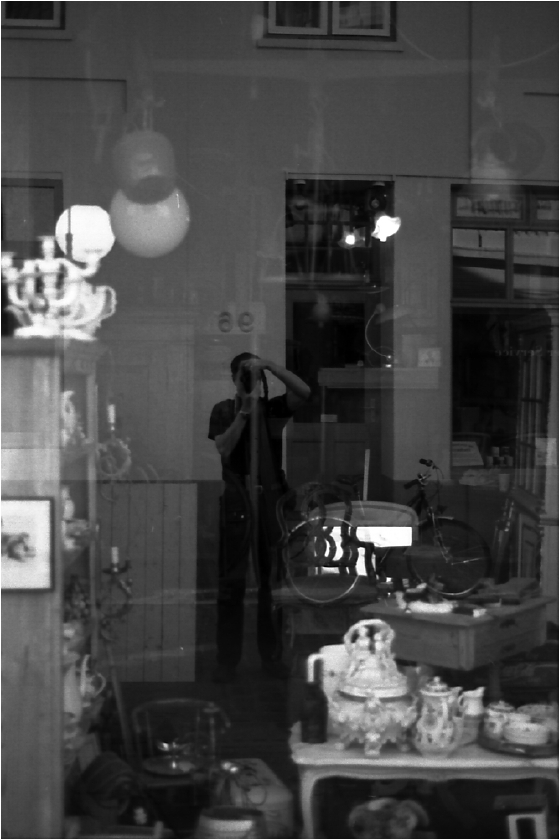
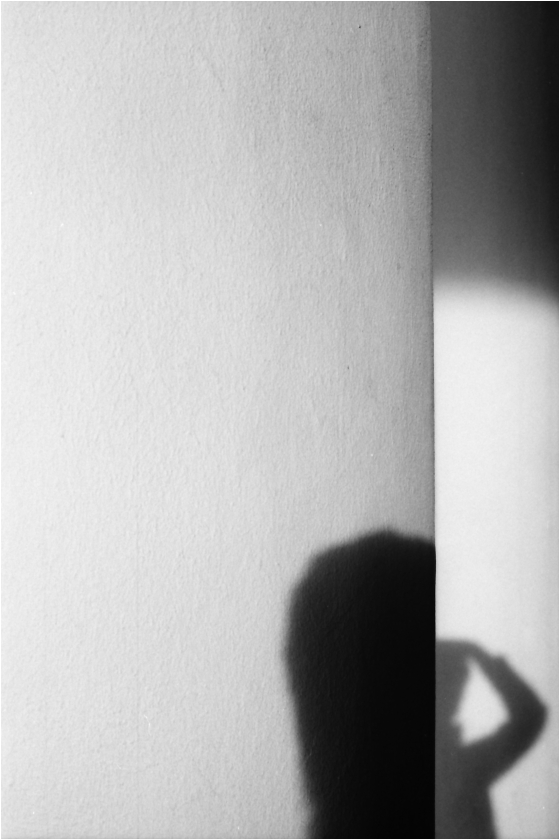 “We want to see portraits of you doing something that inspires you to blog.” That’s what the Special Photo Challenge asked for. So here are some things that inspire me.
The left picture shows many objects – me photographing stuff, actually. It was inspired by Susan Sontag’s essays on photography: The mere act of making a photograph, Sontag says, re-evaluates the stuff we find because taking a picture equals claiming that the subject is deserves to be looked at – even ugly objects become ‘nice’ in photograph. Hence Sontag’s idea that photography aesteticizes the whole world.
Though I find a lot of inspiration in texts, pictures inspire me too: I ‘found’ the right one after visiting an Ellsworth Kelly exhibition entitled “Black and White”. This abstract picture with me in it may well be a reaction to (or inspired by) the pictures I saw. – While all this describes my motivation to photograph, this blog is really inspired by my love of photography, and the desire to share my pictures and see what you think.
Green, Technically

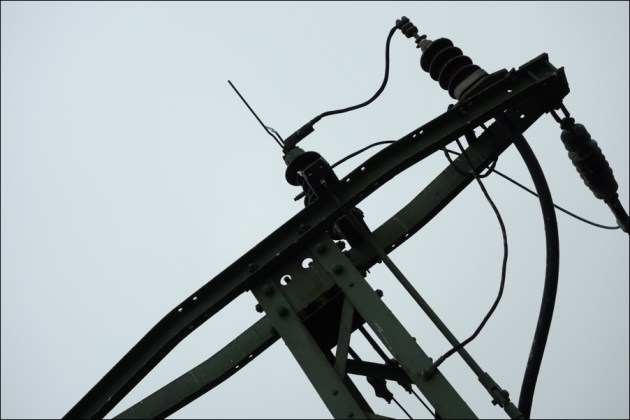 A response to The Weekly Photo Challenge: German Railways (Deutsche Bahn) claim to provide the greenest transportation available, and here are some – green – fixtures that help provide the power for the engines.
 empire of lights